REVIEW · BERLIN
Queer Berlin Walking Tour
Book on GetYourGuide →Operated by Original Berlin Walks GmbH · Bookable on GetYourGuide
Berlin’s queer history isn’t hidden. It’s on street corners.
This Queer Berlin Walking Tour turns big events into walkable moments, from Schöneberg’s long queer nightlife tradition to the painful Nazi-era persecution that followed. I especially liked how it connects personal lives and public politics, and how the storytelling makes the city’s timeline feel human.
Two things I’d highlight right away: you get Schöneberg as a true neighborhood story, not just a label, and you learn the meaning behind Magnus Hirschfeld’s work and what happened to it in 1933. One possible drawback: it’s a 3.5-hour walking tour, so if you need lots of seated breaks, plan accordingly.
In This Review
- Key highlights you should care about
- Why this Queer Berlin walk feels different from a museum day
- Schöneberg: where cabaret, community, and coded culture all meet
- The darker chapters: Section 175 and Nazi persecution, explained without losing the human scale
- Magnus Hirschfeld: what made his work so groundbreaking
- Tiergarten: the gay meeting spot, and what the Wall changed
- How the guides make the walk worth the time
- Timing, pacing, and what to bring for a 3.5-hour history walk
- Price and value: what $23 buys you in Berlin
- Who should book this tour
- Should you book the Queer Berlin Walking Tour?
- FAQ
- How long is the Queer Berlin Walking Tour?
- How much does it cost?
- What languages are available for the guide?
- Does the tour run in bad weather?
- What is included in the price?
- Is there an entrance fee?
Key highlights you should care about
- Schöneberg street-level queer history, including the area tied to Berlin’s gay and trans life
- Former Eldorado site, one of Berlin’s oldest queer and transvestite bars
- A Nazified Europe explained plainly, including the impact of Section 175 and persecution that followed
- Magnus Hirschfeld and the Institute for Sexual Science, plus the 1933 shutdown and Nazi book-burnings
- Tiergarten under the Berlin Wall shadow, where queer gathering spaces shaped daily life
- Real names across eras, from Frederick the Great to openly gay Berlin mayor Klaus Wowereit
Why this Queer Berlin walk feels different from a museum day
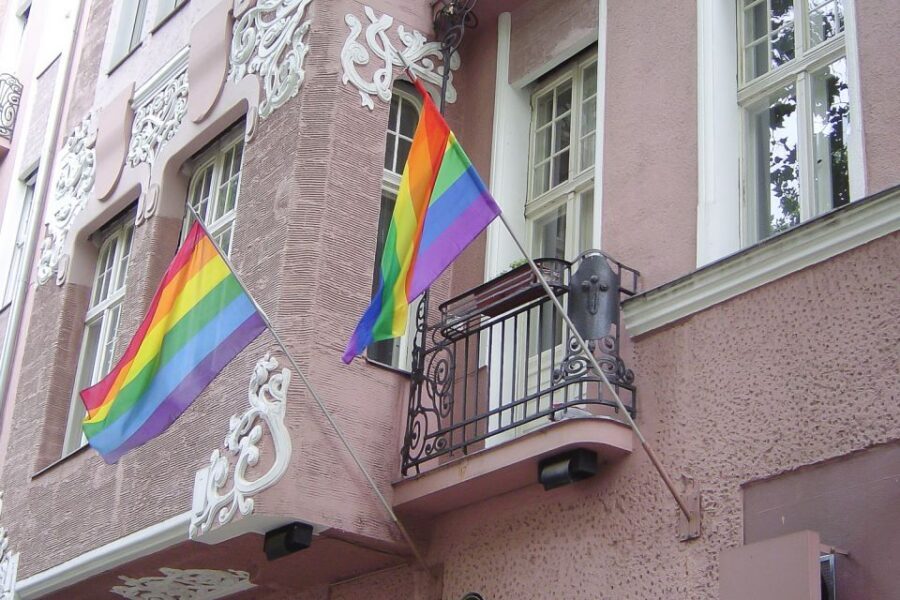
Berlin does history on sidewalks. That’s what I like about this tour: you move through the actual geography where queer life had to adapt, survive, hide, and then fight for rights. It also helps that the tour is built around queer perspectives, so you’re not just learning dates. You’re learning what those dates meant for real people.
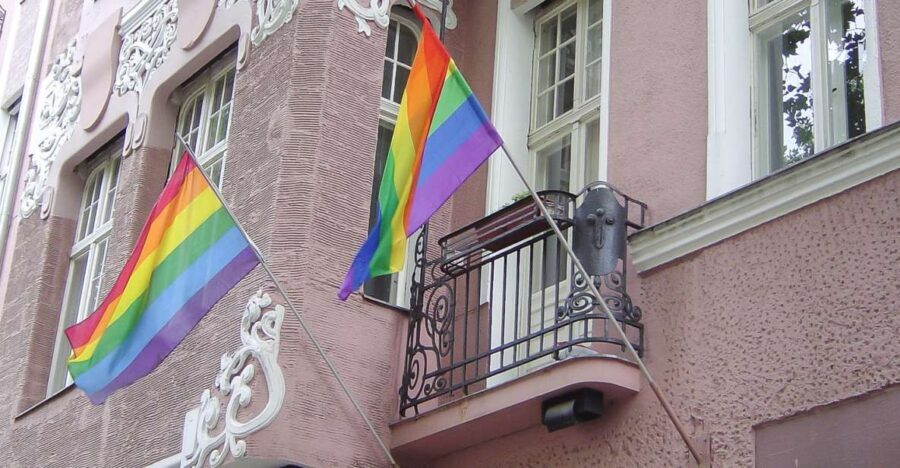
At the center is Schöneberg, widely known as Berlin’s iconic gay neighborhood. The tour frames it as more than nightlife. It’s a place where society’s rules changed slowly, then violently, and then—again slowly—shifted toward greater rights. You’ll also walk through the Tiergarten, Berlin’s best-known gay meeting spot, including the added weight of the Berlin Wall’s shadow.
You can also read our reviews of more walking tours in Berlin



Schöneberg: where cabaret, community, and coded culture all meet
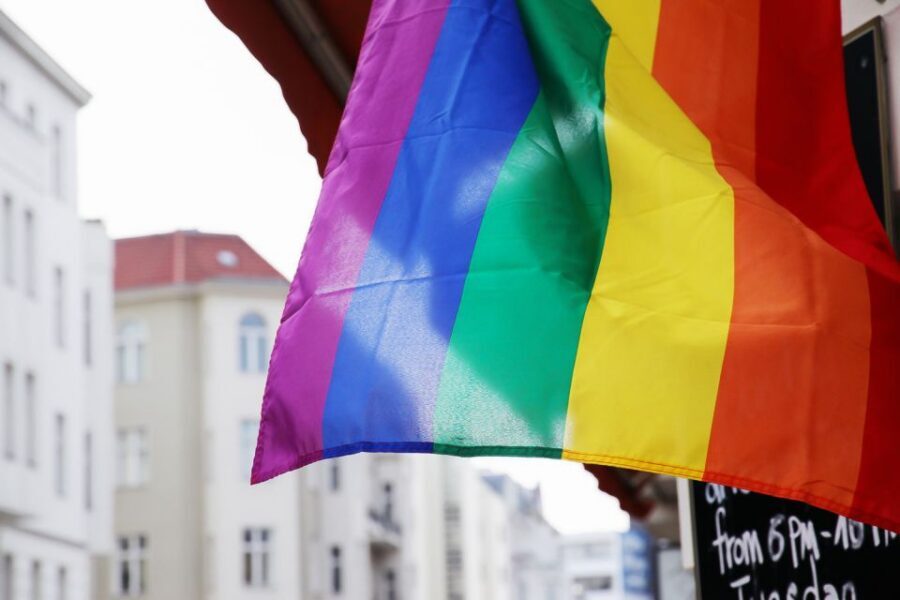
Schöneberg is the heart of this experience. You’re not just hearing that Berlin had queer spaces—you’re learning where the atmosphere came from and why it mattered.
One reason the Schöneberg portion lands is that the tour doesn’t only focus on later LGBTQ+ movements. It connects the dots across art, nightlife, and public life. You’ll hear about where Marlene Dietrich lived and worked, and how Christopher Isherwood and Otto Dix chronicled the city’s cabaret and nightlife scene. That’s useful because it shows how queer culture didn’t arrive out of nowhere. It was already part of Berlin’s creative heartbeat.
Then the tour shifts to the bar scene, which is where neighborhoods get their texture. You’ll see the site of the former Eldorado—described as one of Berlin’s oldest queer and transvestite bars. Even if you’ve never been to Berlin, the idea clicks fast: these places weren’t just entertainment. They were social infrastructure. They helped people find community in a time when society often treated queer identities as criminal or dangerous.
The darker chapters: Section 175 and Nazi persecution, explained without losing the human scale
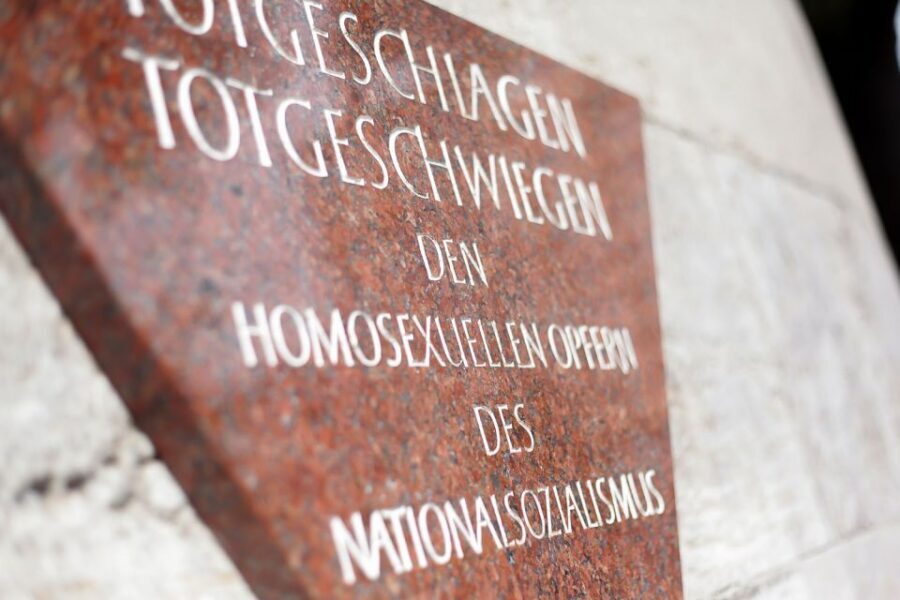
Germany’s legal and political history is a big part of the story here, and the tour treats it like it belongs on the street, not locked behind a textbook. You’ll learn about Section 175, the German penal code that criminalized male homosexuality for decades after World War 2. That context matters because it helps you understand why queer people had to be strategic—where to gather, how to avoid attention, and how to protect each other.
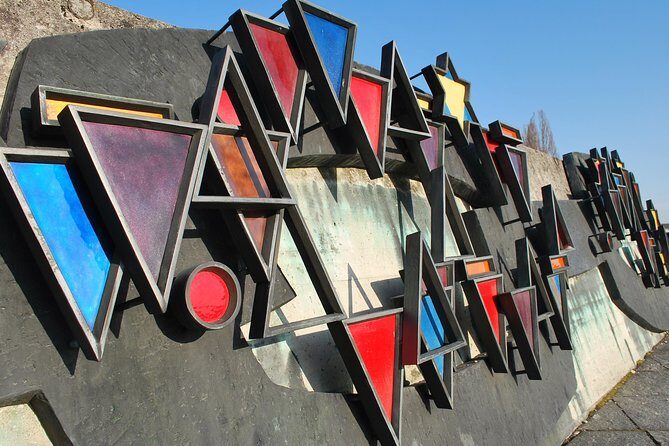
From there, the tour connects legal persecution to physical violence. You’ll stop at a poignant memorial to homosexuals persecuted by the Nazis and sent to concentration camps. Standing at a memorial like that in a city that also has an active queer present can feel heavy. That’s the point. Berlin’s queer rights story isn’t just “progress.” It’s progress built after real loss.
The tour also brings in the Nazi-era destruction that hit queer science and advocacy. You’ll learn how Magnus Hirschfeld’s Institute for Sexual Science was shut down in 1933, and that its library was destroyed during the infamous Nazi book-burnings. The message you walk away with is blunt: repression targeted both people and knowledge.
Magnus Hirschfeld: what made his work so groundbreaking
Hirschfeld is one of the big names on this walk, and the tour gives you a reason to pay attention beyond name recognition. You’ll learn about how openly queer and transgender individuals found assistance and support through Hirschfeld’s work, and how the Institute for Sexual Science functioned as something more than an academic project.
Here’s the practical value: when you understand what Hirschfeld built, you can better grasp what the Nazis took away. You’re not just hearing that something ended in 1933. You’re seeing how far-reaching the harm was—social support, education, advocacy, and a place where people could be seen as human rather than treated as a problem.
And you’ll feel the contrast when you connect Hirschfeld’s story with what comes later in Berlin’s public life. The tour is designed to show a long line of queer shaping—through science, culture, politics, and everyday community building.
Tiergarten: the gay meeting spot, and what the Wall changed
Next comes the Tiergarten, and this section has that unmistakable Berlin duality: pleasure and pressure in the same geographic frame.
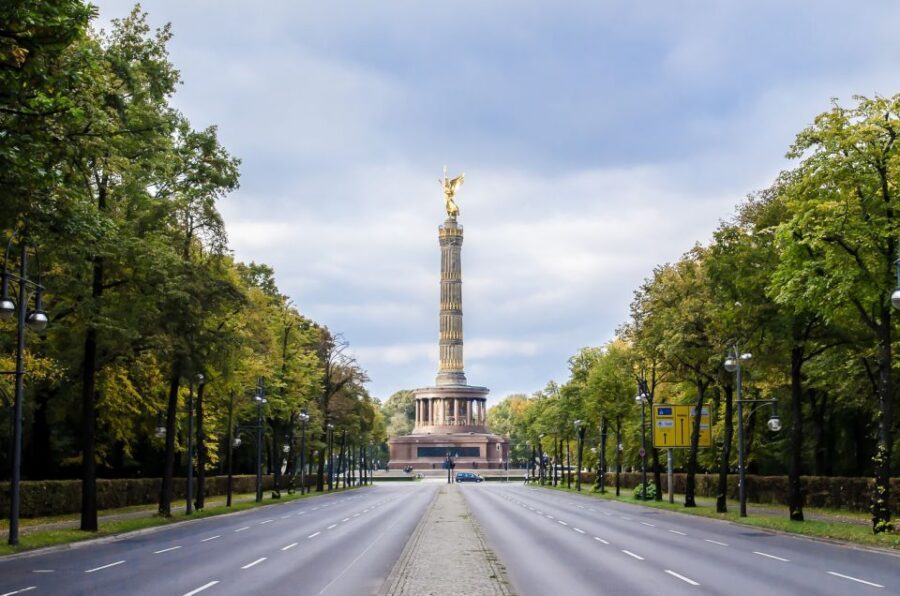
You’ll learn that the Tiergarten has been Berlin’s best-known gay meeting spot, and the tour places it in the shadow of the Berlin Wall. That detail makes the space feel different. A park can be just a park—unless the history around it tells you it also served as a meeting point under surveillance, separation, and fear.
The tour also stitches Tiergarten into a wider timeline of queer influence and visibility. You’ll hear about queer figures ranging from Prussian King Friedrich the Great to today’s openly gay mayor Klaus Wowereit. That span works because it avoids a common trap: treating queer history as a single chapter that only starts in the modern era. Instead, you get the idea that queer lives have been part of Berlin’s story for a long time, even when the world tried to erase or punish them.





How the guides make the walk worth the time
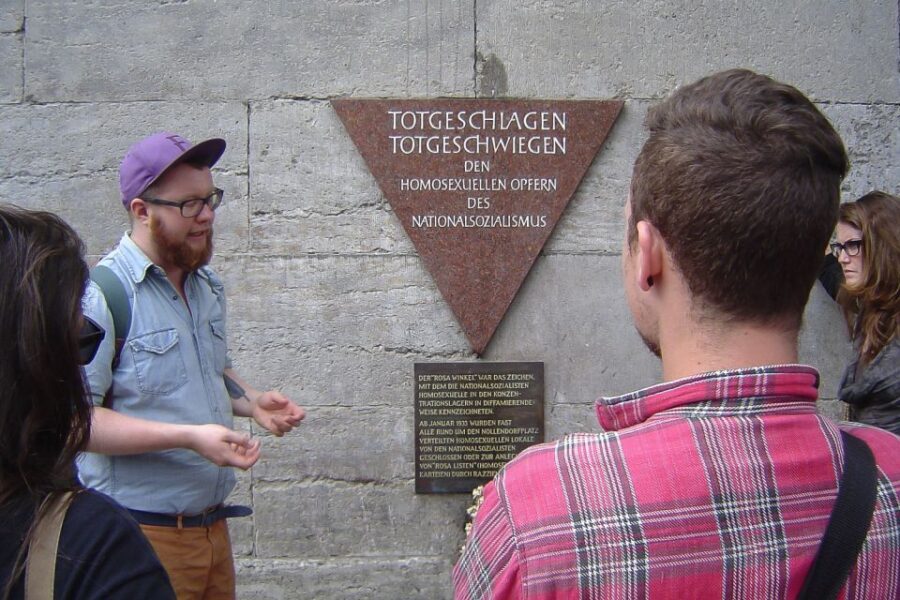
The tour is led by an English-speaking guide (and German is also available depending on the option). In the past, I’ve seen names like Tom, Tobi, and Kyle attached to standout experiences. The pattern is clear: guides bring both research and an ability to answer questions without turning it into a lecture.
If you like tours where you can ask what something meant, this one is a good bet. Some of the best moments come from the guide connecting historical facts to street-level meaning—how a bar site fit into community survival, why a memorial matters beyond being a photo stop, and how Hirschfeld’s work relates to what people needed in daily life.
You should also expect real-world pacing. It’s 3.5 hours, in all weather. The route covers enough ground that good footwear helps, and you’ll want to keep your phone battery charged because you’ll likely want to reference places as you move.
Timing, pacing, and what to bring for a 3.5-hour history walk
This is a 3.5-hour walking tour, with meeting points that can vary based on what you booked. So instead of planning a complicated day around a fixed landmark, give yourself a little cushion near the start time.
Because it runs in all weathers, I’d treat it like a true walking activity, not a sit-and-stroll museum lesson. Bring a light rain layer if skies look uncertain. Wear shoes you can walk in comfortably for a while. And if you tend to get hungry during long walks, pack a snack or plan to grab food nearby afterward.
One small detail that helps you identify the guide: they wear a blue Original Berlin Walks name badge. That’s useful in a big city where it’s easy to end up standing next to the wrong group.
Also, one more practical note: the tour is designed for questions. If you care about a specific angle—queer arts like cabaret, legal history like Section 175, or Nazi persecution—go in ready to ask. The tour’s format seems built to handle that.
Price and value: what $23 buys you in Berlin
At about $23 per person for 3.5 hours with an English-speaking guide, the value is strong—especially if you’re the type who wants context, not just coordinates. Self-guiding in Berlin can work, but you’d be doing extra homework to connect bar sites, memorials, and historical figures into one clear narrative.
This tour’s price buys you two things that are hard to replicate on your own:
- A guided thread that links Schöneberg, Hirschfeld, Nazi persecution, and Tiergarten into one coherent story
- A way to ask questions while you stand at the places themselves
It’s also worth noting what’s not included. Entrance fees aren’t listed as included, and public transport isn’t included if you need it. But the core experience is walking and learning, so your main costs are usually just keeping yourself comfortable while you’re out.
Who should book this tour
I think this tour fits best if you want:
- Queer history in real locations, especially Schöneberg and the Tiergarten
- A blend of cultural story (nightlife and arts) and political history (laws and persecution)
- A guide who can explain context and answer questions, not just read facts
It’s also a good match if you’re curious about how Berlin became known as a queer capital of Europe—and how that reputation has roots going back to the late 19th century, despite legal repression like Section 175.
If you prefer a lighter tone with zero heavy topics, you might find parts of this emotionally intense because the tour includes Nazi persecution and concentration camp history. If you’re okay with that tradeoff—learning the truth alongside the city’s queer present—this tour is a solid choice.
Should you book the Queer Berlin Walking Tour?
If you care about LGBTQ+ history with specifics—real places, real names, and the link between rights and everyday life—then yes, book it. The combination of Schöneberg’s queer neighborhood story, Hirschfeld’s significance, and Tiergarten’s setting under the Berlin Wall shadow creates a walk that feels connected, not random.
I’d only hesitate if you’re limited by walking time or you’re looking for something purely upbeat. This is not only joy. It’s also survival, repression, and remembrance. If you want both the light and the hard parts in one guided route, this is a strong value at $23.
If you go, do one small thing that improves the experience: come with one or two questions in mind. The tour moves fast enough that curiosity helps you get even more out of every stop.
FAQ
How long is the Queer Berlin Walking Tour?
The duration is 3.5 hours.
How much does it cost?
The price is $23 per person.
What languages are available for the guide?
The tour is available in English and German.
Does the tour run in bad weather?
Yes. The tour runs in all weathers.
What is included in the price?
An English-speaking guide is included.
Is there an entrance fee?
Entrance fees are not included.