REVIEW · NUREMBERG
Nuremberg: 60 minute Express Walk with a Local
Book on GetYourGuide →Operated by LocalBini AG (EU) · Bookable on GetYourGuide
Nuremberg packs a lot into a short stroll. This 60-minute local walk is built for efficient sightseeing, from the meeting spot at Albrecht Dürer’s House to major landmarks like the Imperial Castle of Nuremberg and Weissgerbergasse. I love the small group setup (up to 8), because you get real conversation, not a lecture on repeat.
Two other things I like: you get practical, local-style recommendations for where to eat and where to relax after the walk, and the route is timed so you can still do the rest of your day without rushing every other stop. One consideration: it’s walking-focused, and it isn’t suitable for people with mobility impairments.
In This Review
- Key things that make this 60-minute Nuremberg walk work
- Why Nuremberg makes sense in a short walk
- Meeting at Albrecht Dürer’s House: the start matters
- Imperial Castle of Nuremberg: seeing power in stone
- Weissgerbergasse: medieval craft life in a compact street
- The guide’s real value: local lifestyle, food, and bars
- How the 1–2 hour timing really helps your day
- What’s included, and what you’ll pay separately
- Price and value: $82 for 60 minutes, and what you’re buying
- Comfort and practical tips: what to bring for an easy hour
- Who this tour fits best (and who should skip it)
- Should you book the Nuremberg Express Walk with a Local?
- FAQ
- Where is the meeting point for the express walk?
- How long is the tour?
- What group size should I expect?
- What languages are the live guides?
- What’s included in the price?
- Are entry tickets included?
Key things that make this 60-minute Nuremberg walk work
- 60 minutes of focus on the city’s most defining spots, so you don’t waste time guessing what matters
- Albrecht Dürer’s House as the starting point, giving the day a strong historical anchor from minute one
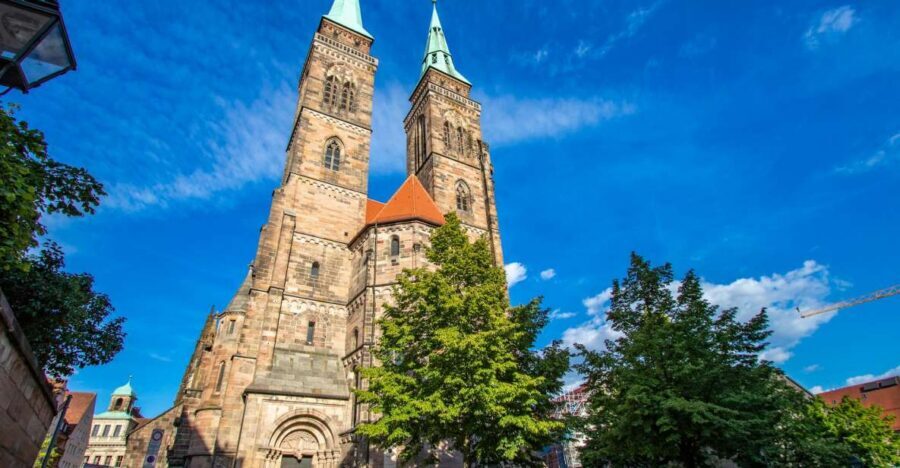
- Imperial Castle of Nuremberg and medieval street views in one compact route
- Weissgerbergasse for hands-on context on Nuremberg’s crafts and old-town atmosphere
- Small group size (max 8) for quicker questions and more personal tips
- Local food and bar guidance, so you can eat and unwind like someone who lives there
Why Nuremberg makes sense in a short walk
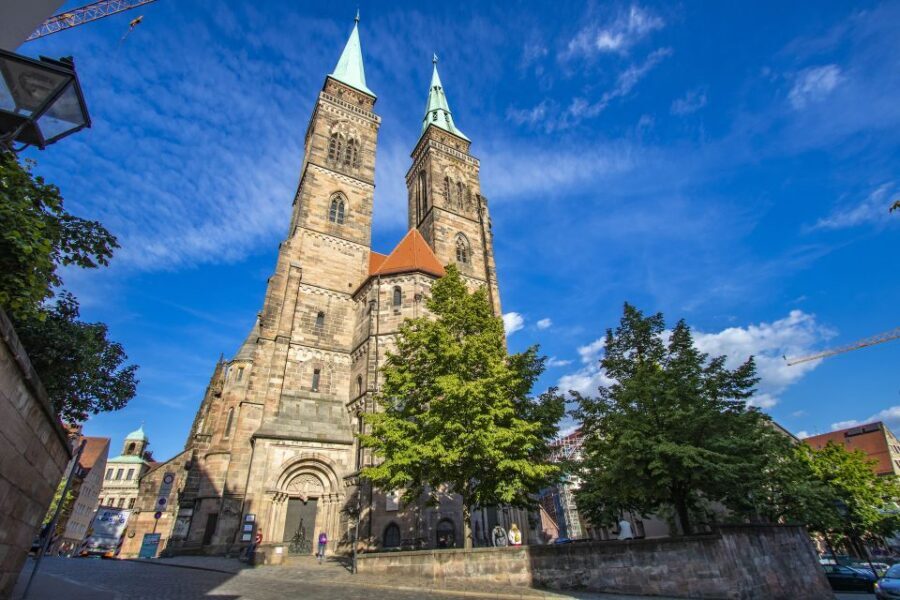
Nuremberg is one of those places where a little planning pays off. The historic core is walkable, and the best sights are close enough together that a short “get oriented” tour can actually feel meaningful, not skimpy.
This express format matters because Nuremberg rewards momentum. If you only have an hour or two, you don’t want to spend that time figuring out where the big medieval landmarks sit, or which streets are worth lingering on. This walk is designed to get your bearings fast—and then point you toward the next hours.
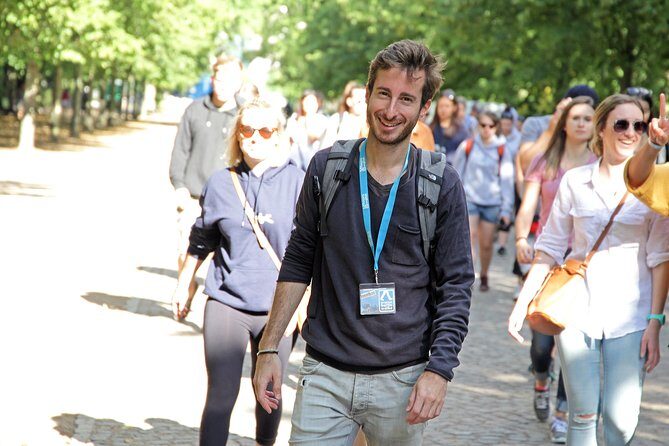
Also, you’ll be walking with an English- or German-speaking local guide. The guide isn’t just passing facts. They’re helping you connect what you see to how people used to live here and how visitors can enjoy the city now.
You can also read our reviews of more walking tours in Nuremberg

Meeting at Albrecht Dürer’s House: the start matters
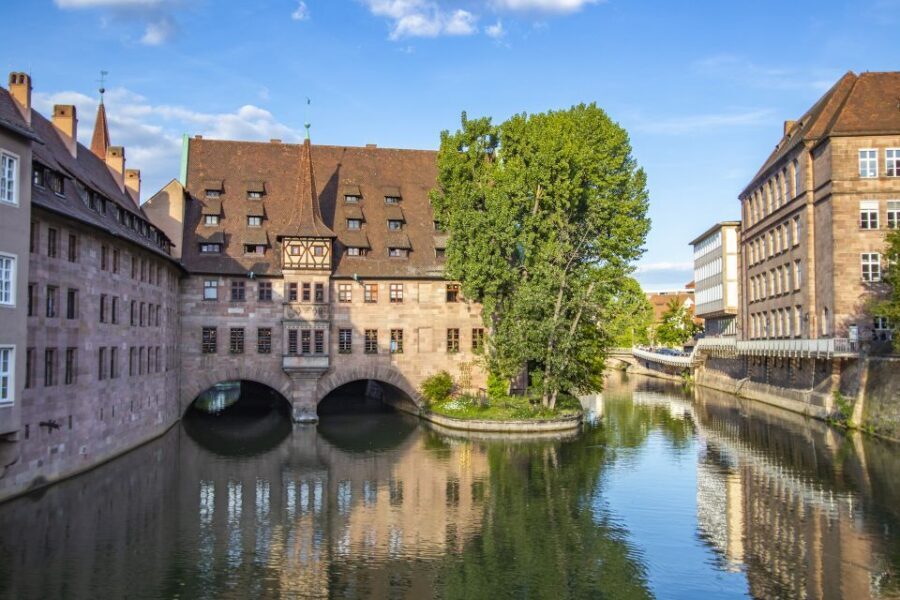
You begin right at the front of Albrecht Dürer’s House. That’s not a random choice. It sets a tone immediately: this city has been important for centuries, not just as a modern stop on the train map.
From the start, you’ll get a framework for what to look for as you move through old streets. That’s the practical part. If you know where to aim your eyes—architectural details, street patterns, and the way landmarks relate to each other—you’ll enjoy the walk more and you’ll remember more after.
This is also a helpful starting point if you’re arriving in Nuremberg and want to feel grounded without hunting for a meeting location. You know exactly where to go, and you can begin your day with one clear step.
Imperial Castle of Nuremberg: seeing power in stone
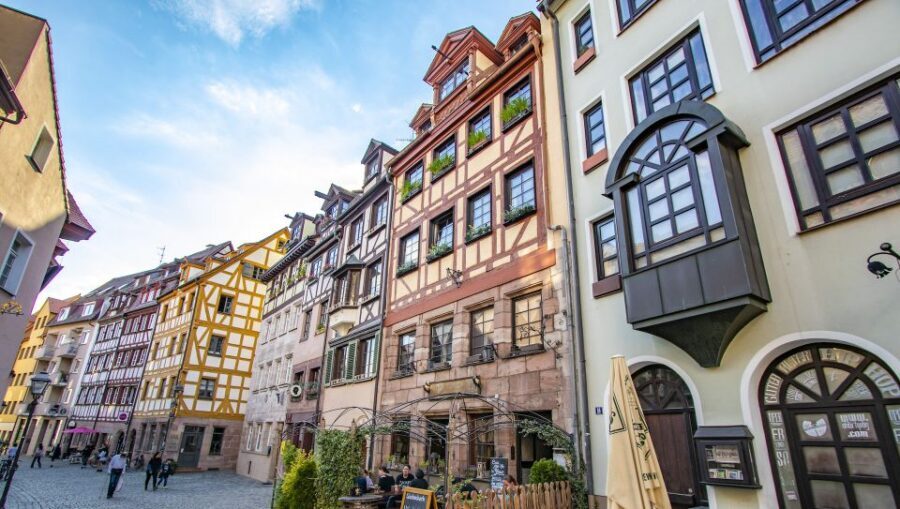
One of the big draws is reaching the area around the Imperial Castle of Nuremberg. Even when you’re on a tight schedule, this is the kind of place that makes the city’s scale click.
The castle area gives you context for why Nuremberg became important. You’re looking at the physical roots of power—fortifications and the elevated layout that historically came with control and defense. It’s not just sightseeing. It’s understanding the logic of where big decisions happened.
A good express walk also teaches you how to look at structures without getting lost in details. You’ll get stories and the kind of historical framing that makes medieval architecture readable. You might not leave with a wall of dates, but you’ll understand the “why” behind the look and feel of the city.
Weissgerbergasse: medieval craft life in a compact street
Next up is Weissgerbergasse. This is the stop that helps you shift from grand monuments to everyday old-town life. Where the castle speaks to authority, this kind of street scene shows how people worked, lived, and built their routines into the city’s shape.
What I like about including Weissgerbergasse on a one-hour plan is that it helps you see Nuremberg as more than one highlight per photo. It gives you a street-level sense of medieval architecture—how buildings line up, how the street feels, and how the city’s history shows up in details you might otherwise rush past.
This is also where a local guide’s storytelling becomes especially useful. The guide can connect what you’re seeing to how the city used to function. That connection is what turns a quick walk into something you can use later when you’re wandering on your own.
The guide’s real value: local lifestyle, food, and bars
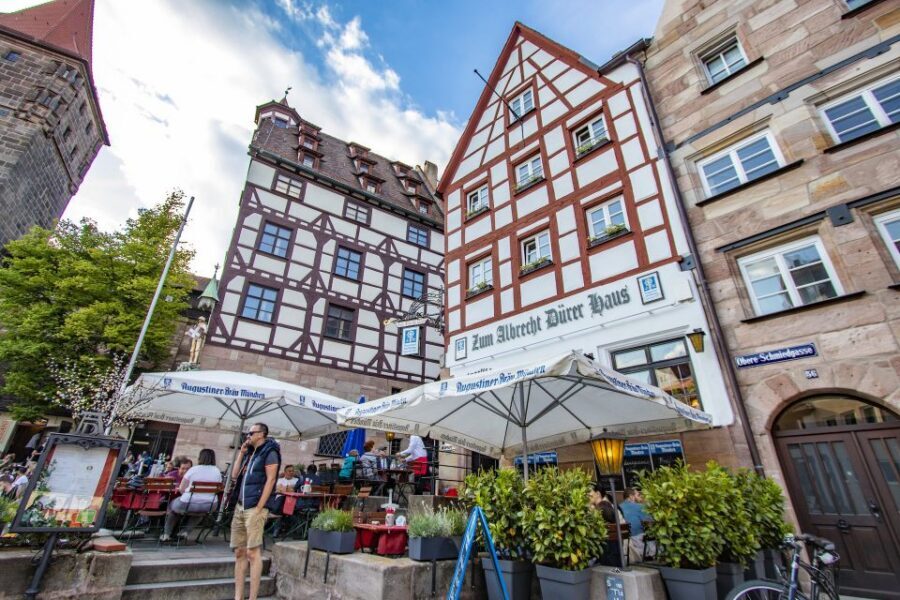
This walk isn’t only about monuments. The promise is that your local guide will share insider tips on the best bars, cafes, and restaurants—plus guidance on where to go for local food and where to chill in true Nuremberg style.
For you, that’s the “after the tour” payoff. A lot of sightseeing tours end with people on their own. Here, you’re getting a plan for your next meal or your next stop for a drink. In practical terms, it reduces decision fatigue. You’re not standing in the old town asking yourself, Should I guess? Or should I take the risk?
You’ll also get an itinerary that adapts to your interests and walking pace. That matters because some people want more photo time; others want more explanation. With an express walk, being able to adjust helps the tour actually fit the way you travel.


How the 1–2 hour timing really helps your day
The experience runs 1 to 2 hours depending on the schedule and the flow of the walk. That flexibility is useful because it gives the guide room to respond to your group.
For me, the key point is how you can build the rest of your itinerary around it. If you’re planning museums, another neighborhood stroll, or just a long lunch, a short orientation walk is a strong first move. You’ll know where you are in relation to major sights and streets.
Also, small group size (max 8) can change how the hour feels. In a bigger group, you often spend mental energy tracking the crowd. Here, you can actually listen, ask questions, and adjust pace without the tour turning into a shuffle.
What’s included, and what you’ll pay separately
Included:
- A local guide
- Small group experience
- Personalized recommendations
Not included:
- Personal expenses
- Entry tickets for transportation, museums, and monuments
That last part matters for planning. Even on an express walk, some sights or nearby stops may require tickets depending on what’s available or what you decide to do around the landmarks. Before you run off to a museum afterward, check what’s ticketed so you don’t get surprised mid-day.
The good news is that the core experience is the walking + guidance. You’re paying for time with a local and for the route to the defining landmarks—not for a pile of included admissions.
Price and value: $82 for 60 minutes, and what you’re buying
At $82 per person, this is not the cheapest thing you can book in Nuremberg. But it can be good value because you’re buying three things that are hard to replicate on your own in an hour:
- Route efficiency to major defining landmarks (not random wandering)
- Local recommendations for food and where to relax afterward
- A real conversation in a small group, which is what makes “express” feel personal rather than rushed
If you’re someone who likes to explore independently, you might decide to use this tour as an orientation tool and then go DIY afterward. That’s where the cost can feel easier to justify: you pay for one focused hour, then you spend the rest of your trip making smarter choices.
If you’re traveling with limited time, price feels more reasonable. An extra hour on your own can turn into detours, wrong turns, and slow decisions. A guide helps compress that.
Comfort and practical tips: what to bring for an easy hour
This walk is simple, but you still need to show up prepared. Bring:
- Comfortable shoes
- Water
- Weather-appropriate clothing
- A charged smartphone
The smartphone bit is worth noting. You’ll want it for maps, timing, and whatever notes you take from your guide’s suggestions. Even if nothing “techy” is required, it helps you turn the tour tips into action right away.
And do plan for weather. Stops may vary depending on conditions. That’s normal for an outdoor walking tour, and it’s part of keeping the experience enjoyable instead of rigid.
Who this tour fits best (and who should skip it)
This works best if you:
- Have limited time in Nuremberg and want a fast orientation
- Enjoy history but don’t want to get stuck in heavy museum time
- Like getting local recommendations for food, cafes, and bars
- Prefer a small group over big coach-style tours
It’s not suitable for people with mobility impairments. Walking pace and outdoor time are built into the format.
If you’re a hardcore “I want every detail” traveler, you might find the express length short. But if your goal is to understand Nuremberg quickly and then wander with confidence, this is a very practical choice.
Should you book the Nuremberg Express Walk with a Local?
I think it’s a strong yes if you want your first hours in Nuremberg to feel guided, not chaotic. Starting at Albrecht Dürer’s House, then hitting the Imperial Castle area and Weissgerbergasse, gives you a good mix of big landmark context and street-level old-town atmosphere. Add the local food and bar guidance, and the tour becomes useful beyond the walking itself.
Book it especially if:
- You’re short on time
- You like making quick, smart decisions on the ground
- You value small groups and a guide who can tailor the pace
Skip it if:
- You need a non-walking experience
- You’re hoping for museum ticket inclusions or full attraction coverage
- You already know the route well and don’t want help choosing where to eat and unwind
FAQ
Where is the meeting point for the express walk?
You’ll meet at the front of Albrecht Dürer’s House to start the walk.
How long is the tour?
The duration is 1 to 2 hours.
What group size should I expect?
It’s a small group experience with a maximum of 8 travellers.
What languages are the live guides?
The live tour guide is available in English and German.
What’s included in the price?
Included is the knowledgeable local guide, the small group experience, and personalized recommendations.
Are entry tickets included?
No. Entry tickets for transportation, museums, and monuments are excluded.