REVIEW · NUREMBERG
Nuremberg: Private History Tour with a Local
Book on GetYourGuide →Operated by LocalBini AG (EU) · Bookable on GetYourGuide
Nuremberg history is personal, fast, and easy to follow on a private 2–3 hour walk with a local. You start at Tugendbrunnen and move through standout sites like St. Lawrence Church and the Imperial Castle, with explanations shaped around what you actually care about.
I especially like two things: first, the tour feels intimate because it’s just your group, so questions don’t get bounced around. Second, I like the way the guide connects major events to everyday culture, including how the Nuremberg Trials left traces in architecture, culture, and even the East Franconian German dialect.
One thing to consider: this is a walking tour, and it’s not suitable for people with mobility impairments. If you’ll need frequent seated breaks, you might want to confirm options with the provider before booking.
In This Review
- Key highlights you’ll feel right away
- Tugendbrunnen to first stories: getting oriented without information overload
- St. Lawrence Church: more than a photo stop
- The Imperial Castle: where Nuremberg’s power line starts
- The Nuremberg Trials: how history leaves fingerprints
- A private, tailored route that adapts to you (not the clock)
- Price and value: what $150 per person buys you
- Who should book, and who should skip
- What it feels like with top guides like Hermann and Stefan
- Should you book this Nuremberg private history tour?
- FAQ
- Where do we meet for the tour?
- How long does the private tour last?
- Is the tour private or shared?
- Which languages are available for the guide?
- What major landmarks will we see?
- Does the itinerary get adjusted to my interests?
- Are entry tickets included for museums and monuments?
- What should I bring?
- Is the tour refundable if my plans change?
- Is this tour suitable for people with mobility impairments?
Key highlights you’ll feel right away
- Meet at Tugendbrunnen and get an organized start so the old town makes sense quickly
- St. Lawrence Church with on-the-spot context for why it matters historically
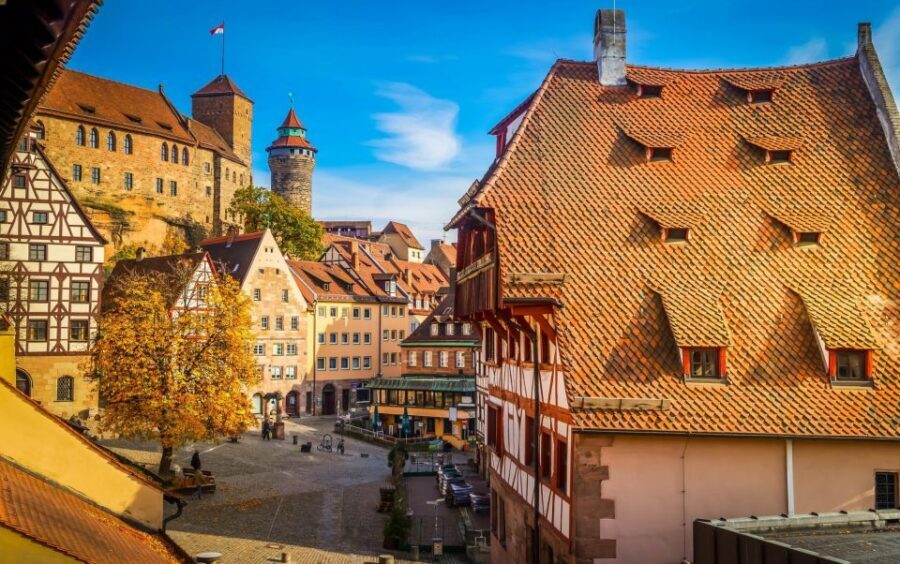
- Imperial Castle of Nuremberg explained as the engine behind the city’s power and layout
- Nuremberg Trials connections to architecture, culture, and the East Franconian German dialect
- Tailored itinerary that adjusts to your interests and walking pace
- Curated next-step ideas for what to see after the tour
Tugendbrunnen to first stories: getting oriented without information overload
I like starting a history tour with something you can find again later, and Tugendbrunnen is that kind of meeting point. You’ll gather there, then head into the historic core at a pace that works for your group. In a city like Nuremberg, your biggest enemy is wandering without a thread—this tour gives you one early.
Because it’s private, the guide can set the tone right away. You’ll get a plan for what’s coming up, but you’re not locked into a script. The itinerary adapts to your interests and walking pace, which matters more than people think. Some visitors want major dates and political shifts; others want how daily life shaped the city. A good local can switch gears on the spot.
Practical tip: wear comfortable shoes. You’ll be on foot for 2–3 hours, and the tour isn’t designed as a bus-and-photos loop. Also bring water and a charged smartphone so you’re not stuck at a key moment with a dead battery.
You can also read our reviews of more private tours in Nuremberg

St. Lawrence Church: more than a photo stop
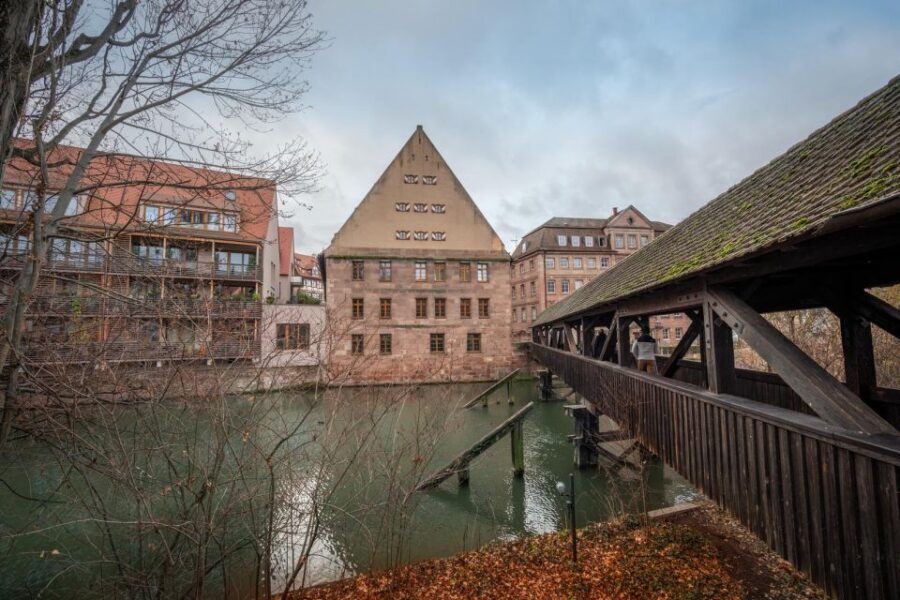
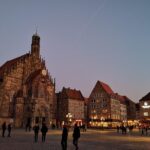
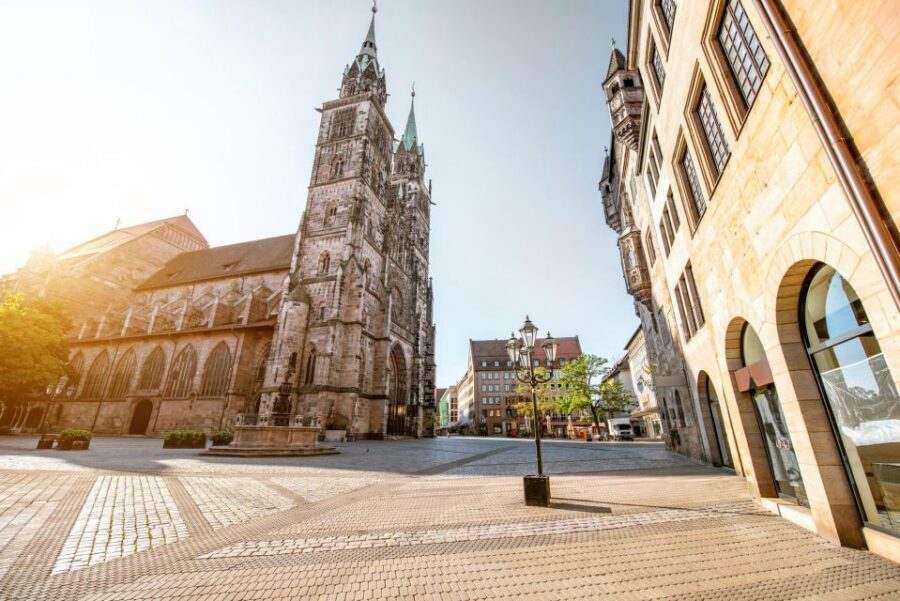
St. Lawrence Church is one of Nuremberg’s landmark stops, and it works well as an early anchor in the tour. You’ll see it and hear the story behind its historic importance, which helps you understand what you’re looking at instead of just admiring the architecture.
What I like about this kind of stop is how it trains your eye. Once you learn what shaped the church’s role and significance, it becomes easier to spot the city’s broader patterns—power, faith, wealth, and identity, all interacting over time. Even if you’re not a die-hard architecture person, the guide’s explanation gives you a lens you can carry to the next site.
A small consideration: if the weather turns or the streets get slippery, the guide may adjust stops. This is normal for a walking tour, and it’s better than forcing everyone along a fixed route. Keep an open mind and trust the pacing.
The Imperial Castle: where Nuremberg’s power line starts
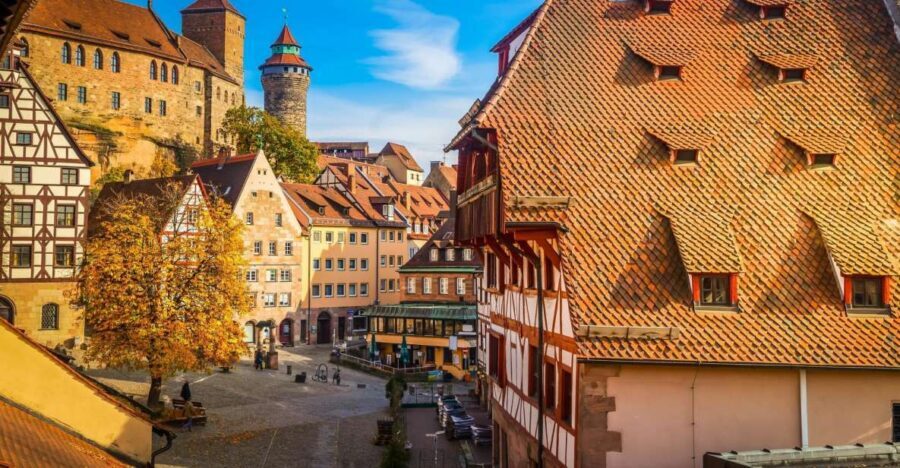
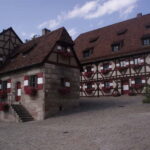
The Imperial Castle of Nuremberg is the kind of place that can feel intimidating from the outside—big, historic, and clearly important. This tour makes it understandable by linking the castle to how Nuremberg’s history unfolded.
You’ll learn how the Imperial Castle defined the city’s past. That’s not a throwaway line. When you understand the castle as a center of authority, you start to see why the surrounding town developed the way it did—political gravity pulls on trade routes, defense planning, and even how people imagine the city’s identity. The guide helps you connect that bigger picture to what you’re seeing in front of you.
I also appreciate that the castle stop isn’t treated like a single “stand here and look up” moment. The local explanation turns it into a timeline you can follow. The tour format keeps the information human, not like a lecture you have to endure.
If you’re the type who likes “how did this city become itself,” this is where you’ll feel it click. The castle is the starting point for that understanding.
The Nuremberg Trials: how history leaves fingerprints
Nuremberg’s story isn’t only medieval. This tour also brings you into the modern era through the Nuremberg Trials, and it’s handled with a practical focus: what the Trials changed and how that shows up even now.
You’ll learn how the Trials shaped and influenced present architecture and culture. That’s powerful because it explains why certain spaces and ideas in the city feel the way they do today. It’s one thing to hear that trials happened; it’s another to understand how outcomes echo in the built environment and social identity.
And then there’s a detail I really like: the guide connects the Trials to the East Franconian German dialect. That may sound unexpected, but it’s exactly the kind of link that makes a tour feel local instead of generic. Language is a living record, and it helps you understand how people communicate their history and regional identity.
This section is ideal if you want more than monuments. You want meaning. If you’re the sort of visitor who reads signs but also asks why they were written that way, you’ll enjoy this part.
A private, tailored route that adapts to you (not the clock)
The tour is built around a simple idea: your experience should fit your interests. It’s a private group, so you’re not sharing the guide with strangers who want a completely different pace. That alone improves the experience, because you can ask follow-up questions without waiting your turn.
You’ll also notice the tour is designed for walking pace. Stops may vary depending on weather conditions, which keeps things realistic. In my view, that flexibility is a plus. It means you’re more likely to have good conversations at the right spots rather than sprint through bad weather just to check items off a list.
You’ll walk for 2–3 hours, so plan to use that time wisely. Bring water, and don’t cram too many other commitments right before or after. If you’re hungry, eat earlier and save your energy. History tours are more enjoyable when you’re not negotiating with your stomach.
You can also read our reviews of more historical tours in Nuremberg

Price and value: what $150 per person buys you
At $150 per person for a 2–3 hour private tour, the cost can look steep—until you compare what you actually get. You’re paying for exclusivity, a local host, and an itinerary tailored to your interests. That’s different from a standard group tour where you might spend half the time listening to questions you don’t care about.
Here’s how I think about value on tours like this:
- If you like learning from a person instead of a guidebook, private format is worth real money.
- If you want specific history themes (like the Imperial Castle and the Trials) tied together, a local can connect dots faster than you can on your own.
- If you’ll use the tour’s curated recommendations afterward, the experience can “multiply” your sightseeing time.
Also, the tour includes a live guide in English or German, which matters if you want clarity instead of translating complicated info yourself. Entry tickets for transportation, museums, and monuments are not included, so budget a little extra if you plan to go inside places later.
Net: if you’re traveling with a group and you want a guided thread through the city, this price often makes sense. If you’re solo, price sensitivity goes up. In that case, I’d consider whether you’ll truly benefit from tailoring, or if you’d rather do a self-guided day.
Who should book, and who should skip
This tour is a strong fit for first-time visitors who want structure fast. You get major landmarks—St. Lawrence Church and the Imperial Castle—and the “why” behind them. It’s also a good match if you like modern history and how it connects to the present, especially through the Nuremberg Trials.
It’s especially enjoyable when your group includes people with different interests—because the itinerary can adapt. One person may focus on architecture and language; another may care about political history. The private format makes that possible.
Who should be cautious: the tour is not suitable for people with mobility impairments. Since it’s walking-based and stops can change with weather, it’s not set up for limited mobility.
What it feels like with top guides like Hermann and Stefan
Two names came up in standout ways: Hermann and Stefan. Both were praised for explaining and expanding on local Nuremberg history in a way that makes the city feel alive rather than distant.
Hermann was noted for taking his time and for strong, clear explanations that build context instead of dumping facts. Stefan was praised for bringing old Nuremberg to life and for showing parts of the old town you might not find on your own. That blend—patient storytelling plus smart route choices—is exactly what you want from a local host.
You don’t just get a list of places. You get perspective. That’s the real payoff.
Should you book this Nuremberg private history tour?
Book it if you want a guided thread through two big themes: the Imperial Castle’s role in shaping Nuremberg, and the Nuremberg Trials’ lasting influence on architecture, culture, and the East Franconian German dialect. The private format and tailored itinerary make it easier to connect the dots and ask questions.
Skip it if walking is hard for you, or if you’d rather spend your time hopping between sites at your own pace with no guide-led context. Also consider your budget: $150 per person is best when you’ll use the tour’s recommendations to keep your day efficient.
If you’re deciding between “seeing sights” and “understanding the place,” this tour leans toward understanding. And in Nuremberg, that difference is huge.
FAQ
Where do we meet for the tour?
You meet at the fountain Tugendbrunnen.
How long does the private tour last?
The duration is 2 to 3 hours.
Is the tour private or shared?
It’s a private group tour, exclusive for your group.
Which languages are available for the guide?
The tour is offered in English and German.
What major landmarks will we see?
You’ll visit places including St. Lawrence Church and the Imperial Castle of Nuremberg.
Does the itinerary get adjusted to my interests?
Yes. The itinerary adapts to your interests and walking pace.
Are entry tickets included for museums and monuments?
No. Entry tickets for transportation, museums, and monuments are excluded.
What should I bring?
Bring comfortable shoes, water, and a charged smartphone.
Is the tour refundable if my plans change?
There is free cancellation up to 24 hours in advance for a full refund.
Is this tour suitable for people with mobility impairments?
No. It is not suitable for people with mobility impairments.