REVIEW · HAMBURG
Hamburg: Museum of Illusions Ticket
Book on GetYourGuide →Operated by Museum der Illusionen Hamburg · Bookable on GetYourGuide
A brain that thinks it’s in charge… then the museum laughs a little. This hands-on stop in Hamburg uses interactive exhibits to show how easily your perception can be tricked, and it’s fun in a very hands-on way. I also love the Brain Gym section where you solve illusion-flavored dilemma games, but one catch is that some people finish quickly and feel the timing vs price depends on what you’re hoping for.
For a lot of visitors, the appeal is simple: you don’t just watch. You become the subject, try setups that challenge gravity and size, and leave with photos that look impossible (until you see how they’re done). The main consideration is that it’s not a full-day “museum crawl” for everyone, even though it’s valid for one day.
In This Review
- Key things to know before you go
- What you’re really buying with a Museum of Illusions ticket
- Price and value: $17 worth it, or just a quick laugh?
- Building your 1-day plan around what feels fun
- The best illusion categories to prioritize (and why)
- The purple tunnel and other photo-worthy scenes you’ll remember
- Brain Gym dilemma games: when the fun turns into problem-solving
- What it feels like to spend your time there (fast vs slow)
- Practical tips so you enjoy it more on arrival
- Who should book this Museum of Illusions in Hamburg?
- Should you book the Hamburg Museum of Illusions ticket?
- FAQ
- How many exhibits are in the Museum of Illusions Hamburg?
- How long is the ticket valid?
- What is included with the ticket price?
- Is the museum wheelchair accessible?
- Do I need to bring anything?
- Are pets or food and drinks allowed?
- What are the accessibility and reduced-price details?
- Can I cancel for a refund?
- Want a quick verdict?
Key things to know before you go

- 50+ interactive illusion stations that test physics and your senses
- Gravity and perception challenges, including “walk on the ceiling” style moments and size-change effects
- Brain Gym puzzle zone with dilemma games that get your brain working
- Photo-friendly illusion scenes, including a hit purple tunnel moment
- Skip-the-ticket-line entry plus wheelchair accessibility
- Camera required (and pets/food and drinks are not allowed)
What you’re really buying with a Museum of Illusions ticket
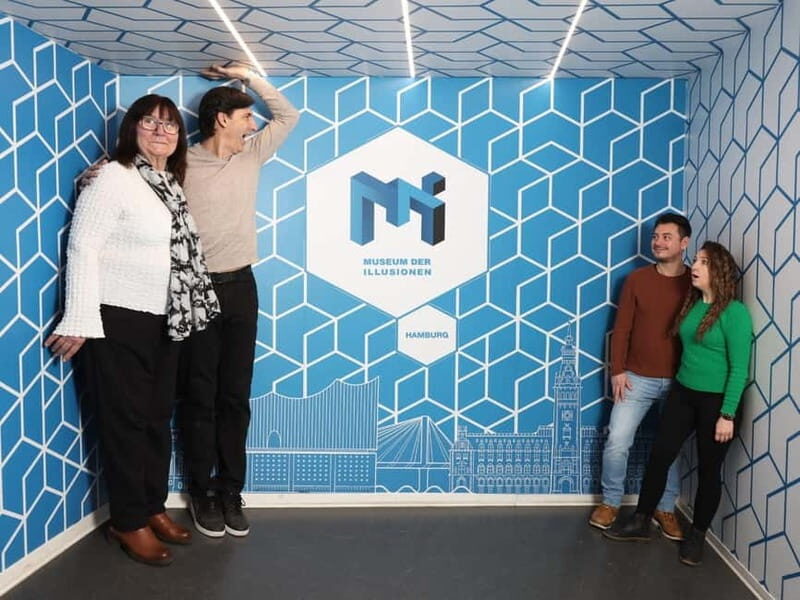
A ticket to the Museum of Illusions Hamburg is basically a ticket to a different kind of “museum time.” Instead of reading labels, you test what your brain believes: distance, height, motion, and even what’s “up.”
You’ll pay about $17 per person, which is the kind of price that only makes sense if you plan to actually play at most stations. If you treat it like a quick look-and-go, it can feel short. If you treat it like a hands-on playground, it tends to land better because there are plenty of chances to try things more than once.
Also, the experience is built for flexible pacing. You get a 1-day validity window and you can check availability for starting times. That matters because you can schedule it around the rest of your Hamburg day rather than forcing it into a tight itinerary.
A few more Hamburg tours and experiences worth a look



Price and value: $17 worth it, or just a quick laugh?

At roughly $17, this is not a freebie. For me, the value comes from the sheer number of things to interact with: over 50 stations. That’s a lot of chances to experiment, reset, and compare what you think you saw with what the illusion is actually doing.
But here’s the honest tradeoff. Some visitors reported moving through fast, with an experience around 30–40 minutes for a first pass. If you’re the type who wants an hour-plus of calm museum wandering, or if you expect a “major attraction” length of time, you may want to come with realistic expectations.
For families, groups, or anyone who enjoys interactive exhibits, the time usually stretches because you’ll want photos and you’ll repeat the fun tricks. You’ll also have the Brain Gym puzzles as a second layer of entertainment, not just visual tricks.
Building your 1-day plan around what feels fun

Since your ticket is valid for one day, I’d treat this like a flexible indoor stop with a clear goal: try a lot, not everything.
Here’s a smart way to structure your visit so you don’t rush the best parts:
Step 1: Start with the “how is this even possible” stations.
Look for the setups that directly challenge your body and senses. The museum highlights experiences like walking on the ceiling, changing your size, and becoming part of an illusion that feels like it defies gravity.
Step 2: Work through the optical illusion spaces.
These tend to be the scenes that make you pause, take a picture, and then try it again to see what your brain missed. The museum description calls out things like floating heads and infinite spaces—plus room-style illusions that tempt you to get closer, change angles, and test perception.
Step 3: Add the Brain Gym for a mental reset.
The Brain Gym section is where you shift from “wow” to “think.” Expect dilemma games and tricky puzzles that get you working with your group or on your own.
Step 4: Finish with your favorite photo moments.
A good illusion museum run ends when you capture the shots you actually like—not when you reach the exit. The photo opportunities are part of the experience, and the visuals are the point.
Even if your “perfect loop” is shorter than you expected, a focused plan helps you squeeze the most fun out of the ticket.
The best illusion categories to prioritize (and why)
This museum is built around one theme: your senses are useful, but they’re not always correct. The exhibits are designed to show that the brain is constantly estimating—especially about space, orientation, and motion.
Here are the illusion categories I’d prioritize, because they tend to deliver the biggest reaction:
Gravity and body tricks
When you try something that challenges what feels like up and down, you get an immediate “something is off” moment. That’s the whole point. The museum even pitches “be part of the illusion and defy gravity,” so go in expecting a physical, participatory effect.
Size and scale illusions
Any setup that makes you feel larger, smaller, or warped is great for two reasons. First, it’s visual and fun. Second, it forces you to notice how your brain uses visual cues to estimate scale.
Floating and infinite-space effects
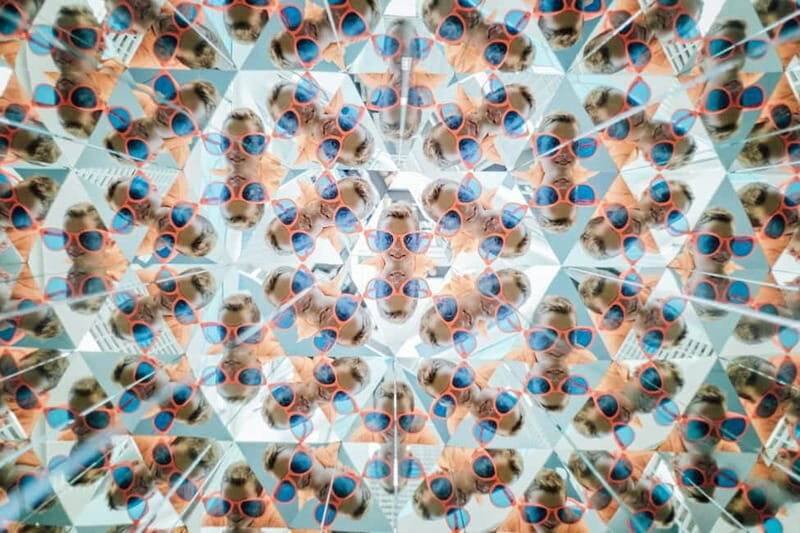
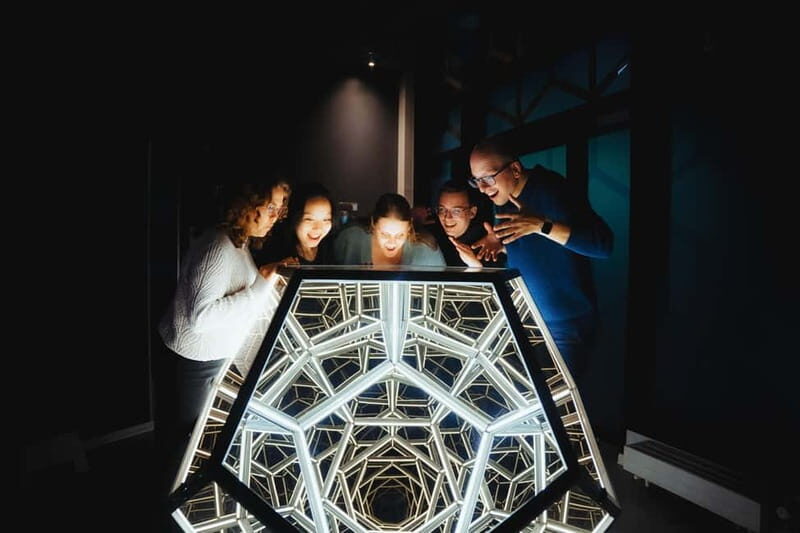
Floating heads and infinite spaces are classic perception tests. They work because they mess with depth cues. If you want maximum impact, take photos from a few angles, then compare what the image shows vs what you felt when you were standing there.
The purple tunnel and other photo-worthy scenes you’ll remember

One review specifically called out a purple tunnel as a standout. Even if the exact layout isn’t the same for every visit, you should expect this kind of “stand here, frame it, and watch it look unreal” scene.
Here’s how to get more out of photo moments like this:
- Take one photo how you think you should, then take a second one slightly off-center.
- Pause and notice how your perspective changes when you step closer or farther.
- Use the camera you bring—this is one of those places where your phone will become part of the experiment.
Also, don’t just aim for pretty. Try to catch how the illusion behaves with movement. Many of the most convincing effects only show up when you shift position or angle.
You can also read our reviews of more museum experiences in Hamburg






Brain Gym dilemma games: when the fun turns into problem-solving
After the visual tricks, the Brain Gym is the section that helps you feel like the museum isn’t only surface-level entertainment.
The museum calls out dilemma games in Brain Gym, which tells you what to expect: your brain is going to have to choose, connect, or reinterpret what’s in front of you. That’s a nice break if you’ve already been walking through optical illusions nonstop.
If you’re visiting with friends or family, Brain Gym can be a social win because you can talk through what you think is happening. If you’re visiting alone, it still works as a reset button—puzzles give structure and a sense of progress.
I like experiences where you leave with something learned, even if it’s small. This museum’s whole mission is to teach you that your perception can be tricked—and Brain Gym is one of the ways it turns that idea into a hands-on lesson.
What it feels like to spend your time there (fast vs slow)
Your time will depend on your style.
If you move quickly, you might get a complete visit in roughly 30–40 minutes, especially if you focus on the biggest photo and body-trick moments. That speed can be totally fine if you’re on a schedule and you want a fun indoor stop.
If you enjoy experimenting, you’ll naturally slow down. You’ll try the same illusion again to see if your results change. You’ll read more, take more angles, and linger longer in the spaces that let you “test” the illusion.
Either way, the museum works best when you stay in the mindset of trying, not watching. This is not the kind of place where you get your money’s worth by only looking at exhibits like you’re on a sightseeing checklist.
Practical tips so you enjoy it more on arrival
A few small choices can make a noticeable difference:
Bring a camera
You’re told to bring a camera, and this is genuinely one of those museums where photos are part of the payoff.
Plan around a no-food rule
Food and drinks are not allowed, and pets aren’t allowed. That means you’ll want water and snacks handled outside first, then you can enjoy the exhibits without worrying about where to eat.
Use the skip-the-line setup
Skip-the-ticket-line is included. Arriving at a time when you’re not rushed helps you avoid that awkward “I’m here but I have no patience” feeling.
If you want more than one shot per illusion, build that time in
The museum is photo-friendly, so don’t treat it as a single-pass gallery.
Who should book this Museum of Illusions in Hamburg?
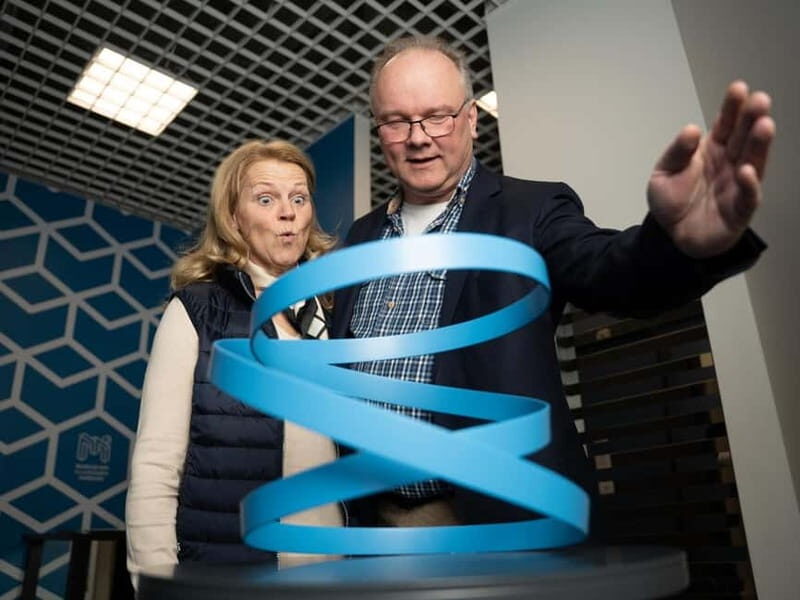
This is a good fit if you like interactive experiences and you enjoy laughing at how easily your brain can be fooled.
It’s especially well-suited for:
- Families looking for hands-on fun that doesn’t require advanced reading or museum knowledge
- Couples and small groups who want a shared activity with lots of photo moments
- Solo travelers who enjoy playful, independent challenges like puzzle sections in Brain Gym
- Anyone interested in how human perception works in real, practical ways
It may be less ideal if:
- You’re hunting for a long, traditional museum day
- You want a detailed, text-heavy experience rather than trying things directly
- You’re budget-sensitive and you don’t plan to spend time interacting with multiple stations
Should you book the Hamburg Museum of Illusions ticket?
If you want an indoor activity in Hamburg that’s playful, hands-on, and heavy on perception surprises, I think it’s an easy yes. Over 50 interactive exhibits plus the Brain Gym gives you both visual and puzzle entertainment, and the skip-the-line entry makes it feel smoother.
Just go in with the right expectations about time. Some visits can be quick, so if your goal is a long museum afternoon, you might feel underwhelmed at the $17 price point. If your goal is “fun first, then photos, then maybe a puzzle,” this is the kind of ticket that delivers.
FAQ
How many exhibits are in the Museum of Illusions Hamburg?
The museum features over 50 interactive exhibits.
How long is the ticket valid?
The ticket is valid for 1 day. You can check availability for starting times.
What is included with the ticket price?
Your ticket to the Museum of Illusions Hamburg is included.
Is the museum wheelchair accessible?
Yes, the experience is wheelchair accessible.
Do I need to bring anything?
You should bring a camera.
Are pets or food and drinks allowed?
No. Pets are not allowed, and food and drinks are not allowed.
What are the accessibility and reduced-price details?
There is a reduced price of €13 per person for people with disabilities. If you have a severe disability with a B or H note, one companion can come for free.
Can I cancel for a refund?
Yes. You can cancel up to 24 hours in advance for a full refund.
Want a quick verdict?
Go if you want hands-on illusions and Brain Gym puzzles, and you’re comfortable that your time there may be shorter than a big museum day.