REVIEW · HAMBURG
Hamburg: RICKMER RICKMERS Museum Entry Ticket
Book on GetYourGuide →Operated by Museumsschiff RICKMER RICKMERS · Bookable on GetYourGuide
A real sailing ship in the middle of Hamburg. I love how the ticket gets you full access and how the restored crew and officers’ quarters make life onboard feel specific, not staged. One thing to weigh: the ship isn’t set up for wheelchair users or people with mobility impairments, and you’ll want solid footing.
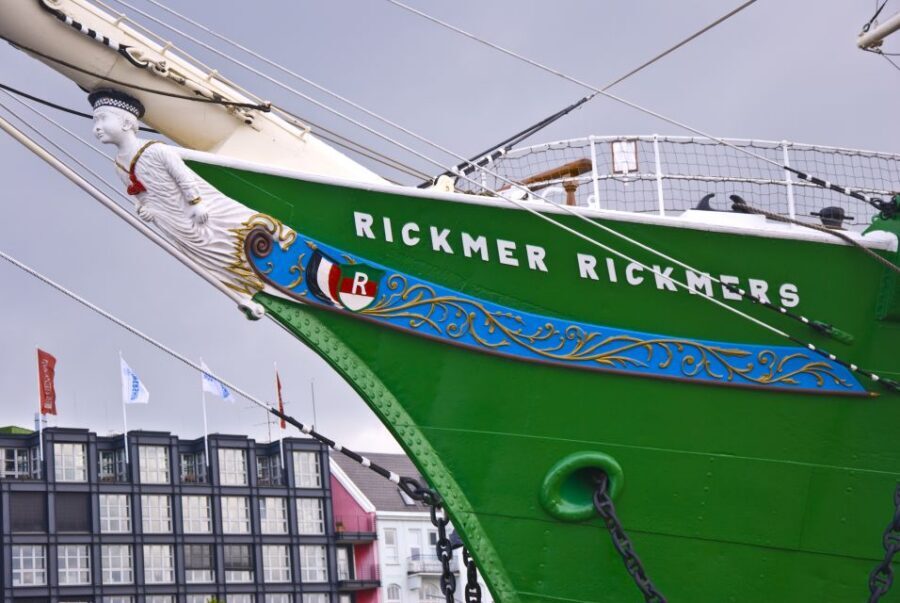
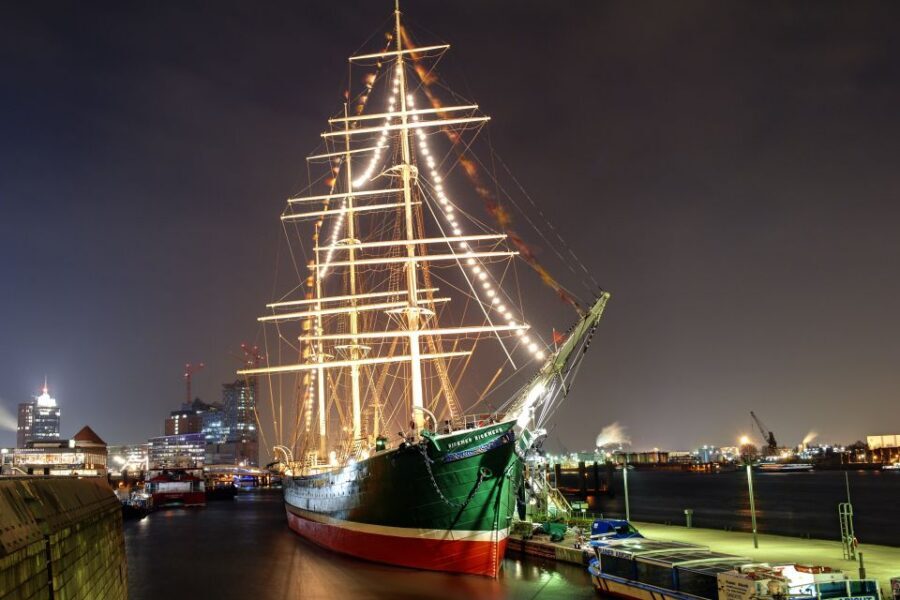
The RICKMER RICKMERS is a three-master windjammer that was built in Germany and used as a merchant ship. Today it sits in the port as an interactive museum, split into clear zones so you can move from history to day-to-day routines and then up for views.
If you’re short on time, plan your visit for one focused trip—there’s a lot to look at once you’re inside.
In This Review
- Key things that make this museum ship worth your time
- RICKMER RICKMERS: the windjammer museum ship idea that actually works
- Where Landing Bridge 1 fits into your day
- Start in the museum zone: learn the ship’s story, then follow the ship’s logic
- Crew and officers’ quarters: where restoration does the heavy lifting
- The exhibition area: restored objects plus rotating art and photos
- How life onboard a windjammer comes through (without needing jargon)
- Panoramic skyline views from the ship deck
- Onboard restaurant: plan for it, even though food isn’t included
- Price and value: about $8 for full access is a fair deal
- Who this museum ship is best for
- What a smooth visit looks like (so you don’t miss the good bits)
- Should you book the RICKMER RICKMERS museum entry ticket?
- FAQ
- How long is the RICKMER RICKMERS museum entry ticket valid?
- What is included with the ticket?
- Are food and drinks included?
- Where do I go to enter the ship?
- Are baby strollers allowed?
- Is the ship suitable for wheelchair users or people with mobility impairments?
Key things that make this museum ship worth your time
- Full ship access with entry to the museum and exhibition areas
- Crew and officers’ quarters that are carefully restored, not just shown from a distance
- Special maritime exhibitions alongside changing photography and art displays
- Panoramic skyline views you get from onboard the ship
- Honorary captains of RICKMER RICKMERS, giving you another angle on the ship’s story
- A very practical onboard stop: a place to eat real Hamburg-style food (but you pay for it separately)
RICKMER RICKMERS: the windjammer museum ship idea that actually works
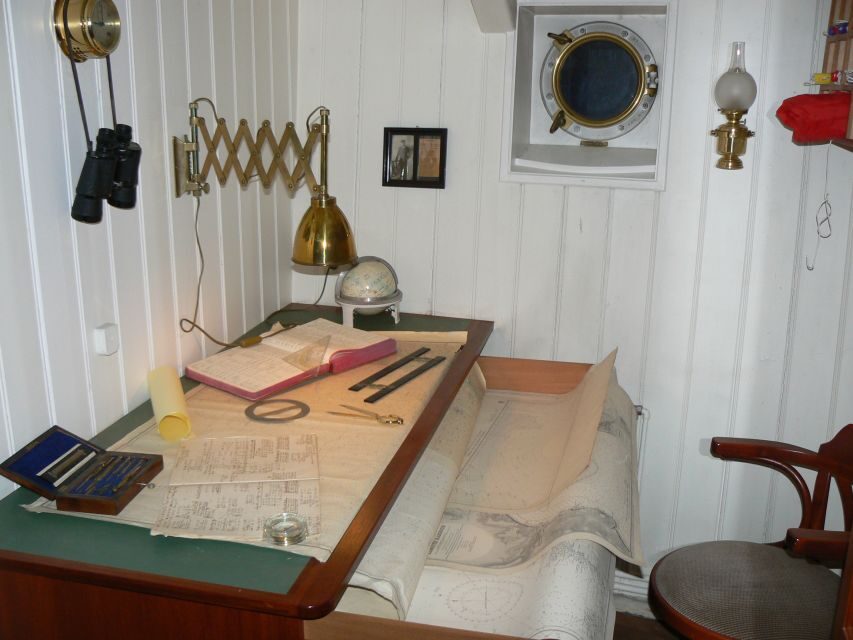
Hamburg has plenty of history you can read on a placard. What I like about the RICKMER RICKMERS is that it turns that history into space and movement. You don’t just look at a ship—you walk through it, section by section, in a way that helps you picture daily life on a merchant sailing vessel.
The basics matter: this is one of the last great sailing ships, and it’s tied to real maritime use (a German-built merchant ship). That gives the museum a grounded feel, even when it’s showing exhibits and artifacts rather than doing hands-on programming.
The ticket is also good value because it’s built around access. For around $8, you’re paying for the experience of being on the ship long enough to connect the exhibits to the ship itself.
A few more Hamburg tours and experiences worth a look



Where Landing Bridge 1 fits into your day
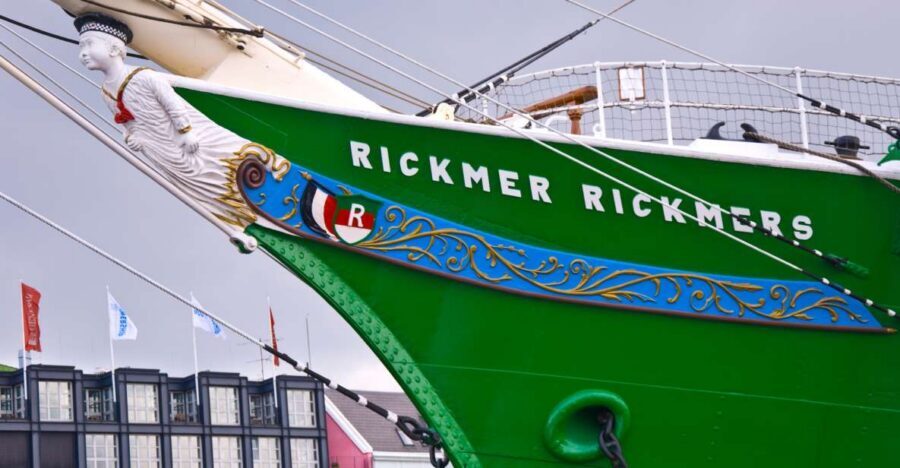
You’ll find the museum ship at Landing Bridge 1 in the Hamburg port area. Follow the signs to the entrance area when you get there—this is one of those experiences where arriving a few minutes late doesn’t help, because you’ll want to start exploring right away.
Why I think the location is a plus: you’re already in the port zone. That makes it easy to pair with an extra walk afterward—viewpoints, harbor atmosphere, and the general sense of working maritime space around you.
Start in the museum zone: learn the ship’s story, then follow the ship’s logic
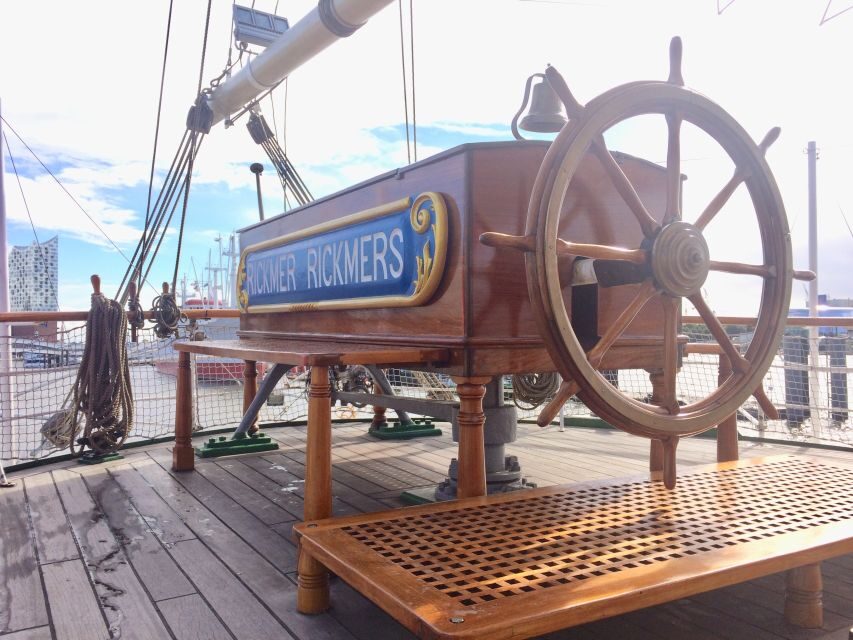
Once you’re inside, the ship is organized so the story builds in a sensible order. The first section is the museum area, focused on the history of the RICKMER RICKMERS and the way the onboard world was restored.
I like this approach because it prevents the usual museum-skip problem. You’re not trying to guess which room matters most; the museum zone sets context for what you’ll see next.
As you move through, pay attention to how the exhibits connect to ship life. Even if you don’t know much about sailing terms, the restored environment helps you make quick sense of roles, routines, and the reality of life onboard.
Crew and officers’ quarters: where restoration does the heavy lifting
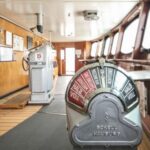
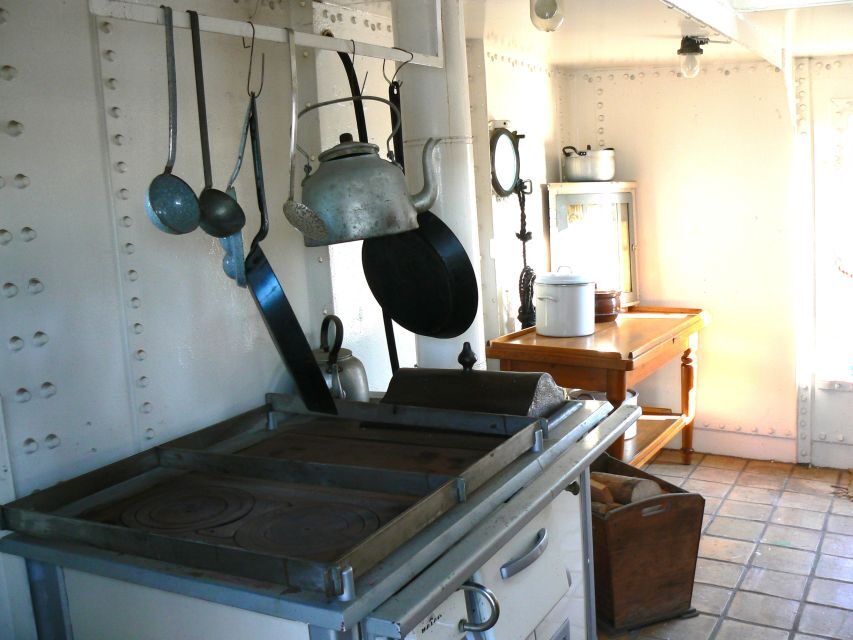
One of the most praised parts is the carefully-restored crew and officers’ quarters. This is where the museum stops being abstract. You can look at how spaces are arranged and imagine the daily routines that would have filled them.
In practical terms, this is also where comfortable shoes pay off. You’ll likely spend extra time here because it’s the kind of section where details reward slowing down.
The restoration level is exactly what makes the experience feel more worthwhile than a casual “look and move on” visit. When the ship’s interior is handled with care, it helps you trust what you’re seeing—and that makes the whole visit click.
The exhibition area: restored objects plus rotating art and photos
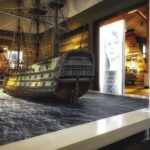
After the museum zone, you step into the exhibition area. This section mixes restored nautical objects with changing temporary content, including art exhibitions and photography displays.
I like this pairing because it keeps the ship museum from feeling frozen. Even if you’ve seen maritime displays before, rotating photography and art add a different kind of story—how people interpret sailing life and maritime culture, not just how the ship was built.
Tip for your visit rhythm: if you notice you’re getting “exhibit fatigue,” switch your focus. Look at the restored nautical objects first, then treat the temporary displays as a shorter, change-of-pace stop. That keeps the visit from dragging, even if you spend a lot of time in the quarters.
You can also read our reviews of more museum experiences in Hamburg



How life onboard a windjammer comes through (without needing jargon)
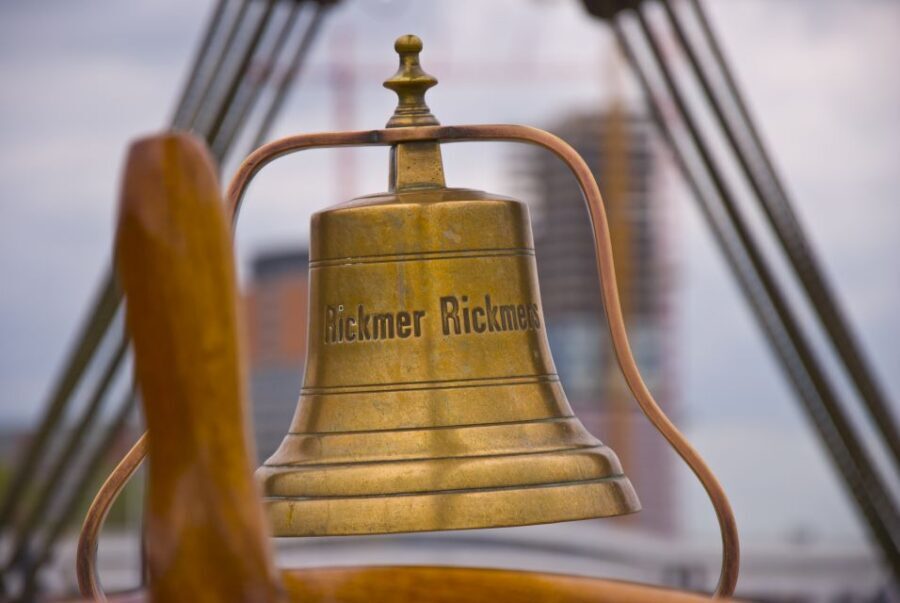
The museum’s goal is to show life onboard a windjammer, and it does this by giving you ship spaces that feel purpose-built. When you connect the rooms to the merchant ship reality, the experience becomes clearer—even if you don’t speak maritime fluently.
What helps is that the museum layout is divided into three sections, so your brain doesn’t have to work overtime. You can move from ship history to daily-life spaces to exhibition objects and visuals, and each area adds context to the others.
If you like learning through physical places—rooms, layout, and the feeling of scale—this is your kind of museum ship. If you only like super-busy interactive exhibits, you might need to slow your pace and let the ship do the storytelling.
Panoramic skyline views from the ship deck
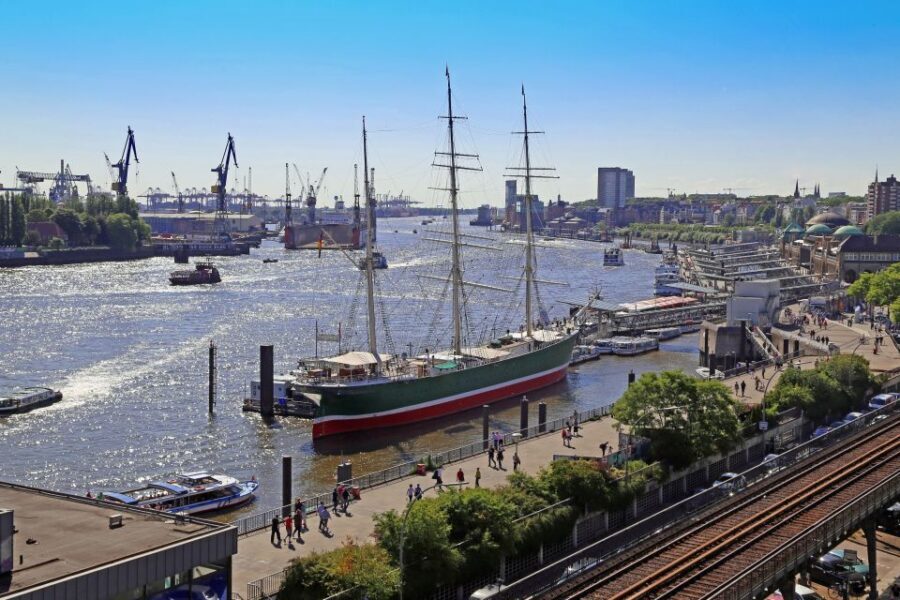
Another big reason to go is the panoramic skyline views you can enjoy while onboard. This is one of those experiences that gives you a payoff even if you’re not a hardcore sailing-history person.
Take a few minutes for the views between exhibit sections. It resets your attention and gives you a sense of place: the ship is in the heart of the Hamburg port, so the city and harbor context are right there.
If the weather is good, this moment is what turns the visit from “museum trip” into “memory trip.”
Onboard restaurant: plan for it, even though food isn’t included
There’s an onboard restaurant where you can sit down and eat authentic Hamburg dishes and typical nautical food. The key detail for planning: food and drinks are not included with your entrance ticket.
I recommend treating the restaurant as a bonus, not part of the ticket value math. If you go hungry, you’ll be able to eat there; just don’t assume your museum price covers it.
Practical tip: if you want the most relaxed visit, eat earlier or later rather than right in the middle of your exploration. That helps you keep your flow inside the ship without feeling rushed by meal timing.
Price and value: about $8 for full access is a fair deal
At about $8 per person for a one-day visit, you’re paying for full access to the museum and exhibition areas plus an information booklet. That’s strong value for a ship museum, because the main cost driver is usually access to physical spaces—and here you get to roam the ship interior rather than just look from an observation point.
The value sweet spot is time. This is a “stay long enough to make sense of it” kind of ticket. If you only have 20 minutes, you might feel shortchanged. If you can give it a real visit, the price starts to feel like a bargain.
Who this museum ship is best for
I think this ticket fits best if you like:
- Maritime settings and restored historic interiors
- Learning by walking through spaces (not only reading text)
- A low-pressure, self-paced visit in one compact location
It may not be your best match if you:
- Need wheelchair access or have mobility restrictions (the ship is not suitable for wheelchair users)
- Use baby strollers (baby strollers are not allowed)
- Prefer highly guided, talk-heavy tours (your included materials are primarily the entrance plus an information booklet)
If you enjoy photos, rotating exhibits, and view breaks, you’ll probably like the rhythm here: museum zone → exhibition area → outdoor viewing time.
What a smooth visit looks like (so you don’t miss the good bits)
To make this feel like a great use of a day, I’d do it in a simple order:
First, start in the museum zone so the ship’s story frames everything else. Next, spend your slow time in the crew and officers’ quarters, since that restoration is the experience’s backbone. Then move through the exhibition area and treat the temporary photography and art as your reset.
Finally, go for the panoramic skyline views onboard, because that’s your “Hamburg port in context” moment.
Wear comfortable shoes. This is the kind of museum where you’ll walk more than you expect because the ship layout invites lingering.
Should you book the RICKMER RICKMERS museum entry ticket?
If you’re in Hamburg and you want something genuinely ship-shaped—not a generic museum stop—I’d book it. The combination of full access, restored crew/officers quarters, maritime exhibitions, and skyline views gives you multiple ways to enjoy the same ticket.
Skip it only if accessibility needs rule it out or if you strongly prefer guided, staff-led tours with lots of interaction. Otherwise, for the money and the fact that it’s a one-day visit, it’s an easy yes.
FAQ
How long is the RICKMER RICKMERS museum entry ticket valid?
It’s valid for 1 day. You can check available starting times.
What is included with the ticket?
Your ticket includes entrance to the ship with full access to the exhibition and museum area, plus an information booklet.
Are food and drinks included?
No. Food and drinks are not included, even though there is an onboard restaurant where you can buy meals.
Where do I go to enter the ship?
The ship is located at Landing Bridge 1. Follow the signs to the entrance area.
Are baby strollers allowed?
No. Baby strollers are not allowed.
Is the ship suitable for wheelchair users or people with mobility impairments?
No. It is not suitable for people with mobility impairments or wheelchair users.