REVIEW · DRESDEN
Dresden: Guided City Walk
Book on GetYourGuide →Operated by Dresden Information · Bookable on GetYourGuide
Dresden becomes a timeline in just 90 minutes. This guided city walk connects Middle Ages, Renaissance, Baroque, and even the Peaceful Revolution of 1989 with real street-level sights. You’ll follow a clear route from Neumarkt area landmarks to the Frauenkirche while a licensed guide keeps the story moving.
Two things I especially like: you get lots of information without it turning into a lecture, and the walk is paced around the best photo moments. You also pick up practical, local-style tips for where to eat and what to do during the rest of your day.
One thing to think about first: the tour is German only, so if you need another language, this won’t be the best match. Also, it’s still a walking tour, so you’ll want comfortable shoes and a willingness to cover ground for 90 minutes.
In This Review
- Key highlights at a glance
- Why this 90-minute Dresden walk fits real travel days
- Finding your start point: Dresden Information and the QF Passage
- Neumarkt to Stallhof: getting your bearings with power and artwork
- Fürstenzug to Brühl’s Terrace: walking the story between eras
- Semperoper: Baroque grandeur with modern meaning
- Zwinger and the Nymphenbad: where the walk gets fun
- Dresden Castle, Residenzschloss, and Fürstenzug: the city’s power centers
- From Taschenbergpalais to Augustus Bridge: finishing with iconic views
- How the guide turns facts into a feel for Dresden
- Is $15 worth it? The value math for this Dresden highlights walk
- Who this tour suits best (and who should think twice)
- Should you book the Dresden Guided City Walk?
- FAQ
- What’s the duration of the Dresden Guided City Walk?
- How much does the tour cost?
- Where do I meet the guide?
- What attractions are included on the walk?
- Is the tour wheelchair accessible?
- What language is the tour offered in?
Key highlights at a glance
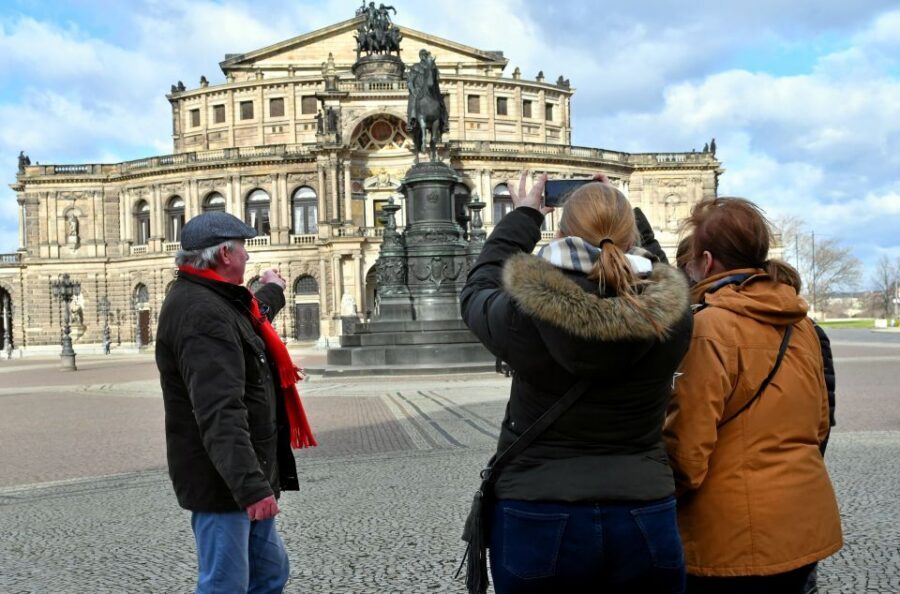
- A licensed German guide with big stories: From medieval darkness to Renaissance vigor and Baroque grandeur.
- Baroque-heavy sightseeing that makes sense: Frauenkirche, Semperoper, and the Baroque Zwinger are the anchor stops.
- Real 1989 context, not just dates: Learn what the Peaceful Revolution might have felt like to people in former East and West Germany.
- Top photo stops built into the route: The walk is structured around viewpoints and iconic facades.
- Nymphenbad visit inside the Zwinger: A included stop that feels mysterious and memorable.
- Insider restaurant and leisure suggestions: You leave with ideas for the rest of your trip, not just museum stops.
Why this 90-minute Dresden walk fits real travel days
For $15 per person, this tour is strong value because you’re buying two things at once: expert storytelling and a route that hits Dresden’s headline sights in a short window. You’re not waiting around for ticket lines either, since the tour includes skipping them. That matters when you only have a morning or afternoon to spare.
The length also helps. A 90-minute walk is long enough for your guide to connect the dots—medieval to modern, Baroque to controversy—but short enough that you can still keep the rest of your day flexible. If you’re trying to get oriented fast, this format works well because it’s built around the city’s major landmarks, not random side streets.
The route is designed as an “old town spine,” so you gradually move through key districts rather than zigzagging. In practical terms, that means you spend more time looking at the city and less time figuring out where to go next.
You can also read our reviews of more walking tours in Dresden

Finding your start point: Dresden Information and the QF Passage
The meeting point is easy once you know what to look for. You’ll go to the Untergeschoss of the QF Passage, and the Treffpunkt is in the seating area of Dresden Information.
If you like starting calmly, this is a good setup because the meeting location is anchored to a known information spot. I’d still arrive a few minutes early, especially if you’re navigating in a language environment where signage might not match what you expected.
One other practical note: the tour is wheelchair accessible, so the guide’s route should be designed for that. That’s helpful even if you’re not using a wheelchair, since it often means fewer tight squeezes and a more manageable walking plan.
Neumarkt to Stallhof: getting your bearings with power and artwork
The tour kicks off at Neumarkt, then moves to sights along the historic core. Early on, you’re set up to understand how Dresden’s identity shows up in its buildings and public spaces. This is where the guide’s approach matters: they don’t just point at monuments, they explain why those monuments came to be.
One early stop is Stallhof, where you get a guided look as part of the city walk’s structured flow. Even if you’re not a “details person,” these early explanations help you read what you’re seeing later—especially when the tour shifts into the Renaissance and Baroque periods.
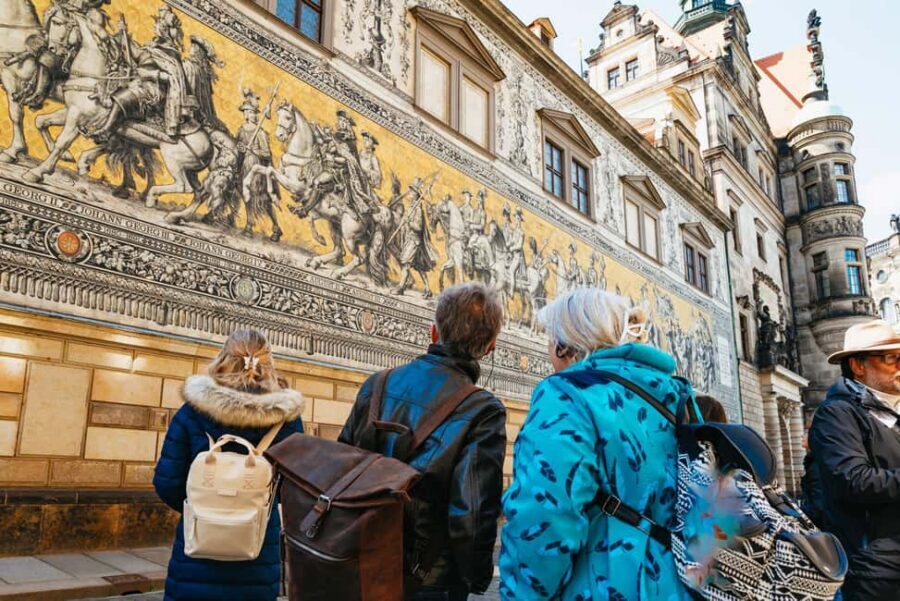
From there, you’ll reach the Fürstenzug (the Procession of Princes). This stop tends to click for people because it’s both visual and political in feel. A guided approach helps here: you’re not just looking at a display, you’re understanding what the display communicates about Dresden.
Fürstenzug to Brühl’s Terrace: walking the story between eras
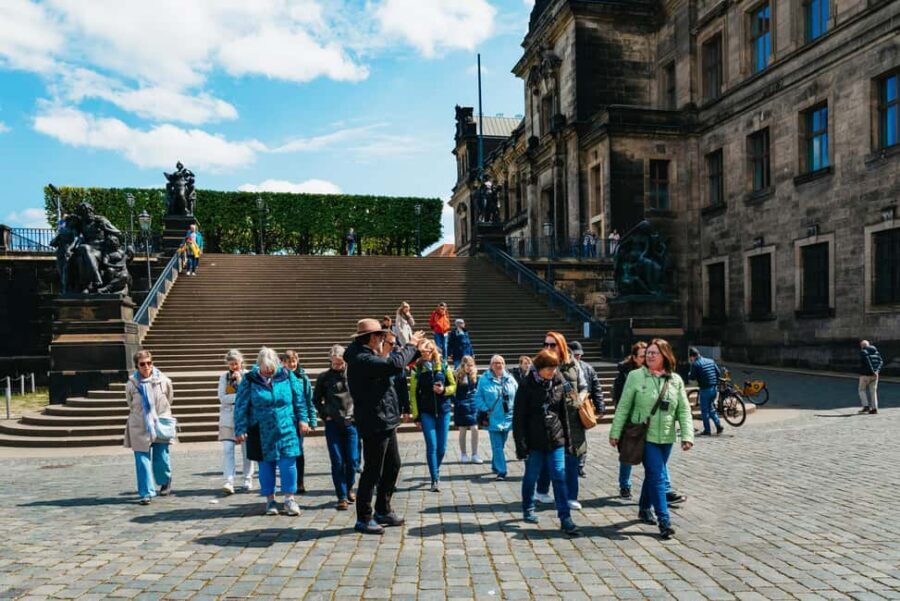
After the Fürstenzug, the route heads toward Brühl’s Terrace. This is one of those Dresden moments where the guide’s storytelling and the architecture reinforce each other. You’ll hear big background about how Dresden evolved across major periods, including what changed as time moved forward.
Brühl’s Terrace also sets you up for the next “grand façade” phase of the walk. The guide’s commentary helps you notice things you might otherwise miss—how the city’s look reflects its ambitions and, at times, its controversies. Dresden is a city where the modern and the rebuilt are part of the narrative, not just a footnote.
A key benefit here is that you’re not learning history in isolation. You’re watching it unfold in real space: you move, you look, you listen, then you move again. By the time you hit the next landmark, you’ll likely feel like you’ve already been “trained” to see what matters.
Semperoper: Baroque grandeur with modern meaning
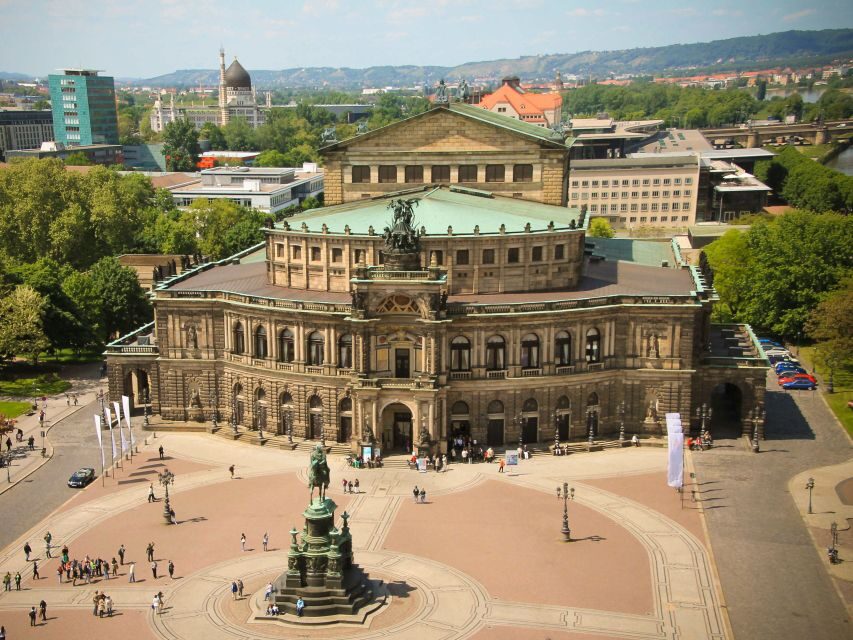
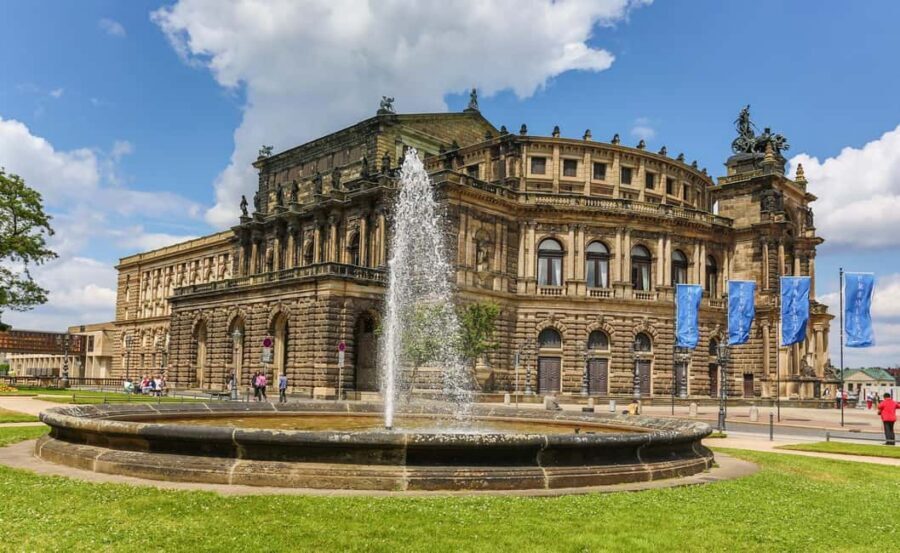
Next comes the Semperoper. This stop is one of the tour’s major Baroque anchors, and the guide uses it to talk about development over time. The building isn’t treated as a static postcard—it’s framed as part of Dresden’s shift into later grandeur and cultural importance.
If you like architecture, you’ll probably enjoy how the tour ties style to story. Baroque buildings can look impressive without feeling personal, but a good guide makes the shapes and scale feel purposeful. That’s what you’re aiming for on this walk: to understand why Dresden looks the way it does, not just to say it looks beautiful.
Even when the conversation turns to more complicated topics—like the city’s modern rebuilds and controversies—the tour keeps you grounded. You’re still walking, still seeing iconic sights, and still getting a thread you can follow.
You can also read our reviews of more guided tours in Dresden





Zwinger and the Nymphenbad: where the walk gets fun
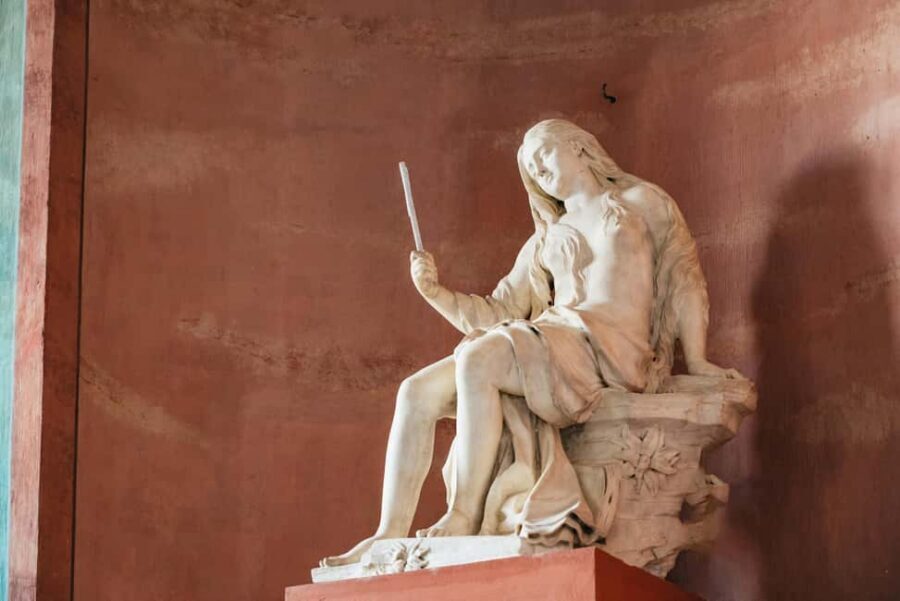
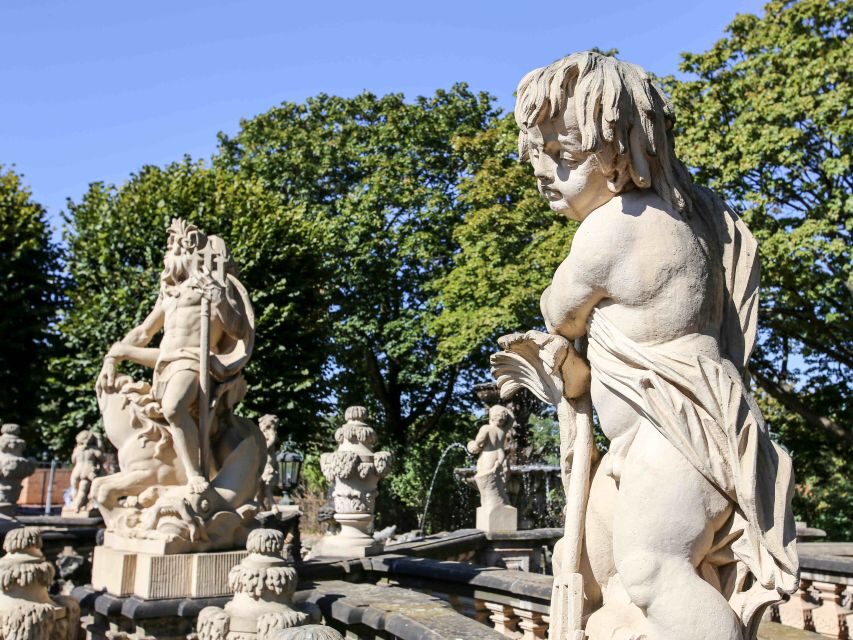
The Zwinger is a headline stop for a reason, and you’ll get time for a guided look at the Baroque complex as part of the city walk. This is where Dresden’s “big statement” architecture becomes the focus, especially if you’ve been enjoying the guide’s timeline so far.
One included detail makes this portion feel different: a stop at the Nymphenbad in the Zwinger, described as mysterious. You’re not just passing by a famous area—you’re visiting a specific element within it. That’s a smart inclusion because it gives you a concrete takeaway, not only a general impression.
Also, the tour is built around top photo opportunities. That matters at the Zwinger because this is where you’ll naturally want pictures. A guided approach helps because you’re told where to stand and what to look for, so you’re not wasting time taking shots from a random spot that doesn’t work.
One practical consideration: Zwinger-style areas can mean more crowding at peak times. The guided route helps you keep momentum, but if you’re sensitive to busy spaces, plan for that reality during your visit.
Dresden Castle, Residenzschloss, and Fürstenzug: the city’s power centers
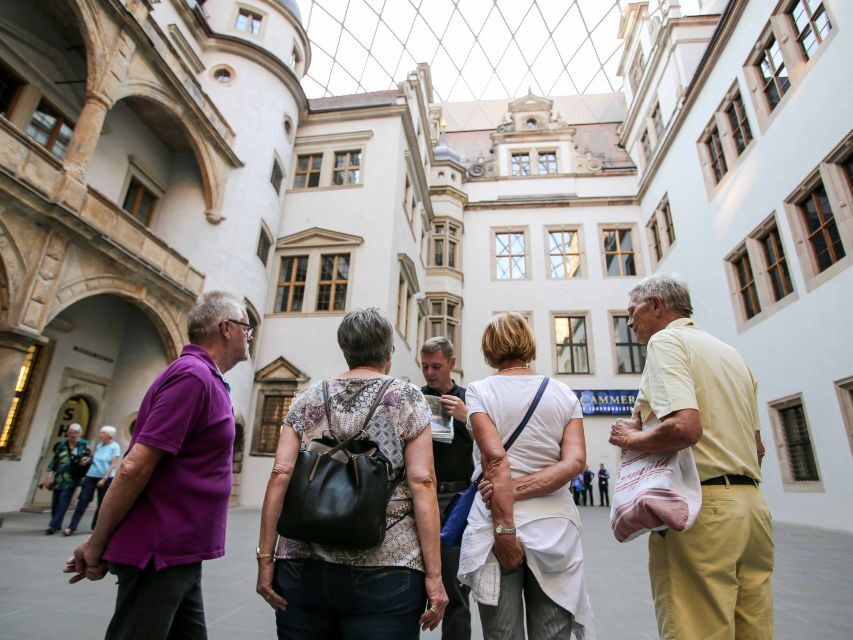
As you continue, the tour includes Dresden Castle and also references major central sights like the Residenzschloss. This is where the city-walk becomes more than a highlight reel. You start to see how Dresden’s power centers influenced the look and layout of the old town.
What I like about this middle stretch is the way the guide connects periods instead of treating them like separate chapters. Medieval darkness and later Renaissance energy don’t show up as abstract themes. They appear through what Dresden chose to build, restore, and reframe across time.
This is also the point where controversial rebuild themes can land harder, because you’re standing among the places where authority and culture were expressed. If the tour works for you, it’s often here—because the guide’s story turns buildings into meaning.
If you’re traveling with limited time, this is a solid payoff section. You’re seeing core landmarks that help you understand why Dresden’s old town feels cohesive even when its history is complicated.
From Taschenbergpalais to Augustus Bridge: finishing with iconic views
Near the end of the walk, you head toward Taschenbergpalais and then Augustus Bridge. These are the kinds of spots that make the last part of a city tour feel rewarding, because you’re moving through areas associated with Dresden’s elegance and its visual relationships across the city.
Then you finish near the Frauenkirche, at An der Frauenkirche. This ending choice isn’t random. It gives you a recognizable climax point where the guide’s story about Dresden’s past and modern rebuilding themes can feel most meaningful.
I also like the flow of ending at Frauenkirche because it’s an easy place to continue your day afterward. After a 90-minute guided walk, you’ll likely want time to linger, take photos, and explore on your own for a bit—and finishing at a major focal point sets you up for that.
How the guide turns facts into a feel for Dresden
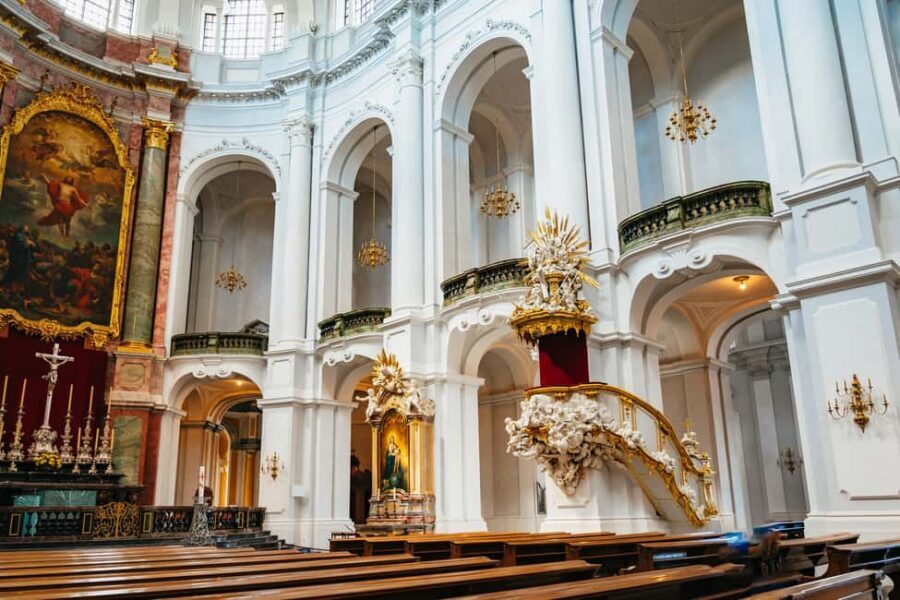
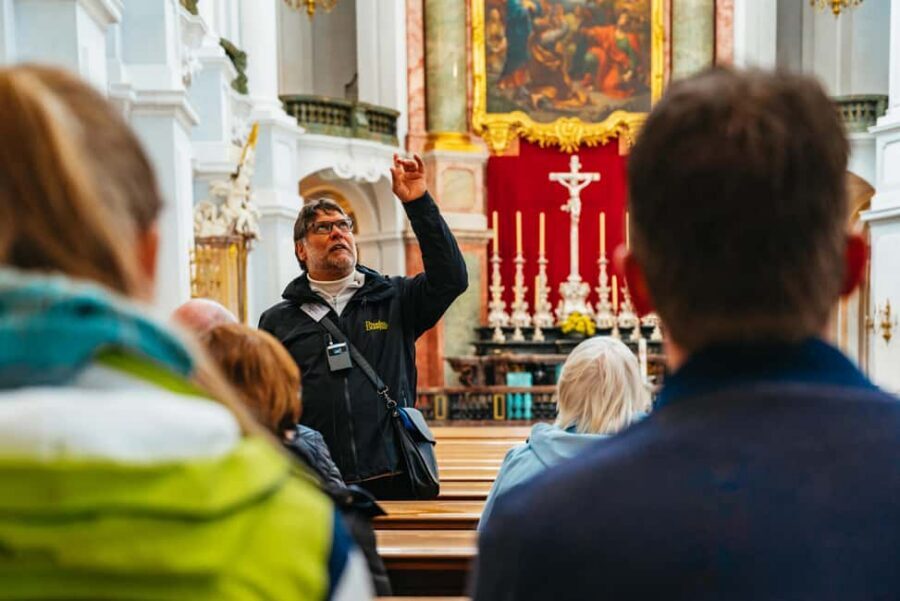
This tour’s strength is the guide’s storytelling style: experienced and licensed, with a lot of short anecdotes and big picture context. The goal isn’t to overwhelm you with dates. It’s to help you understand how Dresden moved through eras and how people experienced those shifts.
The Peaceful Revolution of 1989 is one example of what the guide does well. Rather than treating it as a distant event, the tour discusses what it might have felt like for people living in former East and West Germany. That kind of human framing is exactly what makes a city walk worth your time, even if you’ve read a bit about Dresden already.
You also get insider tips on restaurants and leisure activities. That’s another practical win. A guide who knows Dresden beyond the landmarks can help you plan the rest of your trip without wasting time searching.
Is $15 worth it? The value math for this Dresden highlights walk
At $15 per person for a 90-minute guided experience, you’re paying for a lot of efficiency. You cover multiple major attractions—Frauenkirche, Semperoper, Zwinger, Dresden Castle—and the route is designed to keep you moving. On top of that, you get skips past ticket lines, plus included stops like the Nymphenbad.
To judge whether it’s a good deal for you, think about your time more than your money. If you’re short on time, $15 can be a bargain compared with piecing together multiple separate stops with your own interpretation. If you love reading guidebooks and studying maps, you might not need the guide. But if you want your eyes guided and your questions answered, this format is a strong use of a travel afternoon.
There’s also a hidden value: a well-run group walk makes the city feel less intimidating. You get a route, a narrative thread, and photo guidance. That’s hard to recreate on your own in the same time window.
Who this tour suits best (and who should think twice)
This tour is ideal if you want an efficient “Dresden orientation” day. It’s especially good for people who enjoy architecture and stories that connect different time periods—medieval, Renaissance, Baroque, and the modern era. If you like photography, the built-in photo stops and major facades make it easy to come home with solid pictures.
It’s also a fit if you want insider restaurant ideas and leisure suggestions from someone working in the city. That can improve your whole trip, not just the walking portion.
The main reason to think twice is language. It’s German only, so if you don’t read or understand German well enough to follow the guide, you may miss the best parts of the experience.
Should you book the Dresden Guided City Walk?
If you want a fast, guided way to understand Dresden’s biggest sights—and you’re comfortable with a German-only tour—this is a smart buy. For $15, you’re getting an organized route, major landmark coverage, and a licensed guide who connects buildings to the city’s changing eras, including modern, controversial themes and the 1989 context.
I’d book it if your priority is learning without logistics stress. I’d skip it if you need another language, or if you dislike guided walks and prefer to wander entirely on your own. Either way, finishing near Frauenkirche is a satisfying landing point for whatever you do next in Dresden.
FAQ
What’s the duration of the Dresden Guided City Walk?
The tour lasts 90 minutes.
How much does the tour cost?
It costs $15 per person.
Where do I meet the guide?
Go to the Untergeschoss of the QF Passage. The Treffpunkt is in the seating area of Dresden Information.
What attractions are included on the walk?
You’ll see and get guided stops at major sights such as Frauenkirche, Semperoper, Zwinger, Dresden Castle, Taschenbergpalais, and Augustus Bridge, plus places like Stallhof, Fürstenzug, and Brühl’s Terrace.
Is the tour wheelchair accessible?
Yes, the tour is listed as wheelchair accessible.
What language is the tour offered in?
The tour is available in German only.