REVIEW · MUNICH
Private Tour: Munich Third Reich Walking Tour
Book on Viator →Operated by Radius Tours GmbH · Bookable on Viator
A walk through Nazi-era Munich hits different. This private tour stitches together key locations tied to Adolf Hitler’s rise, with a history-focused guide and time for your questions. I like that the pacing feels adaptable, and the route keeps you moving through Munich’s most recognizable core.
You’ll also appreciate the final stop at the Staatliches Hofbräuhaus, a classic beer hall where you can see the setting without turning the tour into a pub crawl. One possible drawback: it’s a heavy subject, and you’ll be doing a solid chunk of walking in central Munich, so bring comfortable shoes and plan your mindset accordingly.
In This Review
- Key Things To Know Before You Go
- How a Private Munich Third Reich Walking Tour Really Feels
- Starting at Radius Tours: Pickup, Meet Point, and Getting Oriented
- Marienplatz and Munich’s Core: Where the Story Gets Grounded
- The Old Town Walk: Early Nazi Power, the Places That Fueled It
- Gestapo Footprints and the Mechanics of Fear
- The 1923 Beer Hall Putsch: Why Munich Became a Flashpoint
- Hofbräuhaus Visit Without the Pressure to Order
- Price and Value: Is $240.28 Worth It?
- Who This Tour Fits Best (and Who Should Skip It)
- Practical Tips for a Better Walk
- Should You Book This Munich Third Reich Tour?
- FAQ
- Is this tour private or shared?
- How long is the Munich Third Reich walking tour?
- Do you offer hotel pickup in Munich?
- Where does the tour start?
- Is the tour offered in English?
- What’s included in the price?
- Can I cancel and get a refund?
Key Things To Know Before You Go
- Private and small by design: only your group joins, so you get real dialogue instead of one-way lecturing.
- Hotel pickup is a big win: start from central lodging or meet at Dachauer Str. 4 if you did not request pickup.
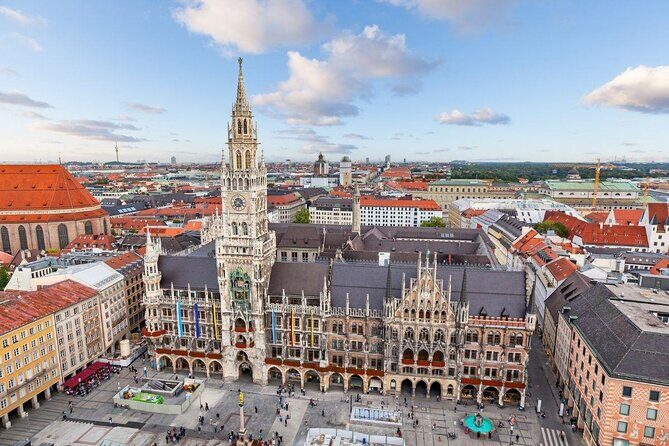
- Old Town route, real landmarks: you’ll pass sites around Marienplatz and the historic core, not just a textbook map.
- Stop at Hofbräuhaus: you visit the beer hall setting, but food and drinks are not included.
- Told through people, events, and locations: Hitler’s early Nazi involvement, the Gestapo footprint, and the 1923 Beer Hall Putsch are central themes.
How a Private Munich Third Reich Walking Tour Really Feels
This isn’t an all-day museum marathon. It’s a focused, 2-hour walking tour that aims to connect Nazi-era decisions to specific streets, buildings, and moments in Munich. The best versions of this kind of tour don’t just list facts. They help you understand how power took shape in real places.
Because it’s private, you can steer the conversation. If you want more time on one topic, the guide can usually adjust. I also like that guides here work in English and tend to be responsive when you ask follow-ups—Sarah, Mark, and Steve are mentioned in the tour’s guide lineup for handling lots of questions and adapting the talk to the group.
That said, keep expectations realistic: it’s still walking through the city center. And the topic is dark, so go in ready to treat the sites as historical evidence, not sightseeing props.
You can also read our reviews of more walking tours in Munich
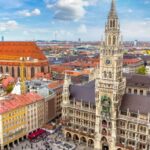
Starting at Radius Tours: Pickup, Meet Point, and Getting Oriented
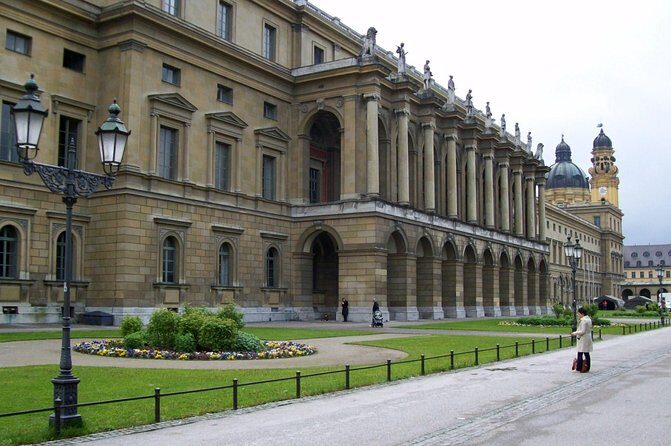
The tour begins at the Radius Tours office at Dachauer Str. 4, 80335 München unless you provided your hotel details for pickup. If you did share your hotel, the guide will pick you up from central Munich accommodation, then bring you back after the tour ends.
This matters more than people think. A pickup in Munich saves you time and stress, especially if you’re juggling transit or arriving late. It also helps you settle in right away, instead of doing the “where do we meet?” scramble at the start.
You’ll also get a mobile ticket, and the tour is offered in English. Most people can participate, and it runs near public transportation—useful if you’re meeting from a different point than your hotel.
Marienplatz and Munich’s Core: Where the Story Gets Grounded
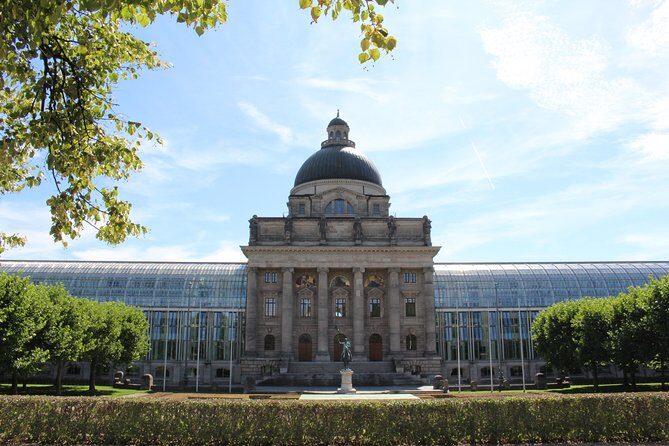
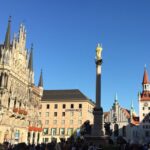
One of the first stops is Marienplatz, the big central square where you instantly feel how Munich’s old center is laid out. The guide uses this kind of landmark to anchor the timeline—where you are in the city matches where you are in the historical narrative.
A 10-minute stop here isn’t long, but it’s the right kind of short: enough time to take in the space and then start walking. In a tour like this, orientation is everything. When the guide points out how certain buildings and institutions shaped public life, you start seeing the city as a system, not just a backdrop.
This is also a good time to ask your first question. Are you curious about propaganda and crowd dynamics, or about the political climb and key dates? A strong guide can tailor the next stretch based on what you want to understand.
The Old Town Walk: Early Nazi Power, the Places That Fueled It
After Marienplatz, the route shifts into the historic core where many of the Nazi-era ideas were formed and spread. The tour is designed to show you buildings connected to that rise, including the place where Hitler first joined the Nazi party.
Seeing a site like that outside a textbook does something specific. You can almost picture the momentum—how a movement grows from conversations, meetings, and public positioning. It also gives you a chance to compare what you know from history classes with what the city still shows on the ground today.
The tour also includes the former headquarters of the Gestapo. That kind of stop can be unsettling, and that’s normal. I recommend you give yourself a beat there: look at the building, listen to the guide’s context, and then decide what you want to ask. If you want to understand the machinery of repression—who ran it, how it operated—this is the moment to press for details.
Gestapo Footprints and the Mechanics of Fear
The Gestapo stop isn’t just about naming an organization. It’s about explaining how a political system turns into day-to-day control. Even within a short tour window, the guide’s job is to connect the dots between ideology and enforcement.
What I like about the structure here is that it doesn’t jump randomly from place to place. The story flows from early involvement into institutions tied to power. Once you see how the route links the rise and the crackdown, the history stops feeling abstract.
If you have questions about the timeline—what happened when, and why Munich mattered—this tour format gives you a chance to get straight answers. And because it’s private, you can ask without worrying that you’re holding up a big group.
You can also read our reviews of more private tours in Munich

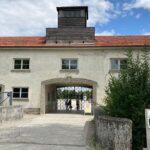
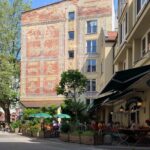

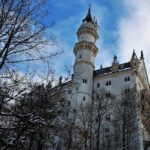
The 1923 Beer Hall Putsch: Why Munich Became a Flashpoint
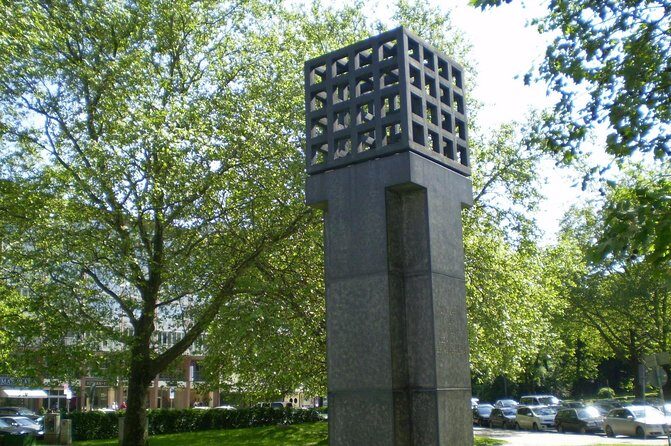
A key highlight is the location connected to the Beer Hall Putsch, also known as the Munich Putsch in 1923. This was Hitler’s failed coup attempt and an early, high-stakes bid to seize power.
The value of putting this in a real Munich setting is that it forces you to think in cause-and-effect. Why Munich? Why this time? What did the public response mean for later moves? A guide can help you connect the attempt to how the movement reorganized afterward.
This is where I’d pay extra attention to your guide’s framing. The best explanations don’t glorify or sensationalize. They show you how a failed plot can still reshape a political trajectory, especially when it changes who has attention and legitimacy.
This part of the tour is also a reminder to stay grounded and respectful. You’re walking through places tied to harm, and the point is understanding, not spectacle.
Hofbräuhaus Visit Without the Pressure to Order
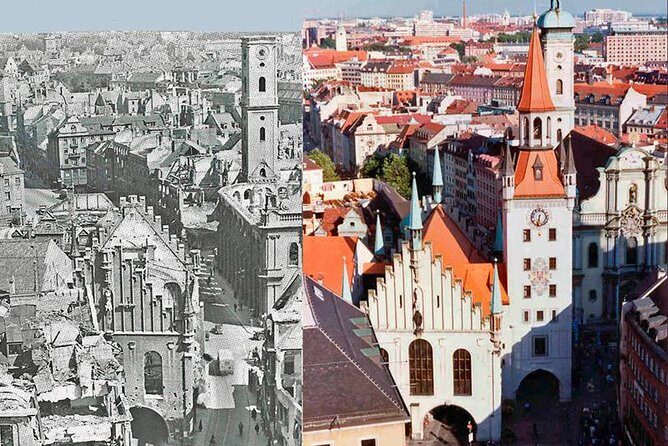
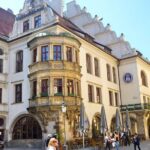
Near the end, you’ll stop at Staatliches Hofbräuhaus, famous for its beer hall setting. The stop is listed as 20 minutes, which is long enough to see the space and absorb why it became part of Munich’s public identity.
Here’s the practical twist: food and drinks aren’t included. So you can go two ways. If you want a quick beer, plan to pay separately. If you’d rather keep the focus on history, you can still enjoy the atmosphere without buying anything beyond what you choose.
Even if beer halls aren’t your thing, this stop gives you contrast. You see how a place can be socially central while the tour explains how politics also uses public spaces. It’s an efficient way to end the walk with something distinctly Munich, while still staying tied to the theme.
Price and Value: Is $240.28 Worth It?
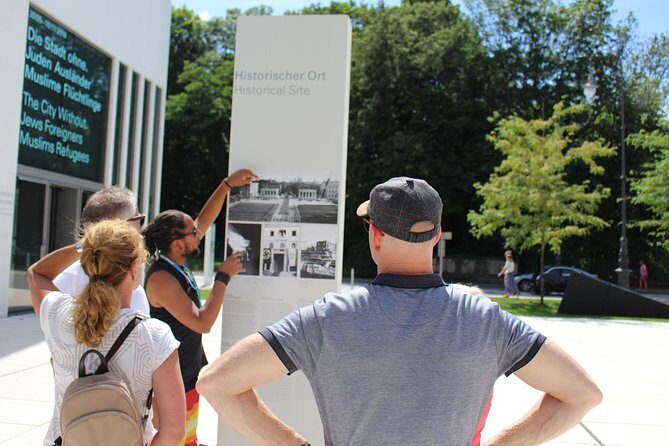
The price is $240.28 per person, and it’s a private tour with a professional guide plus hotel pickup and drop-off. That bundle is the first reason it can feel worth it: you’re paying for access, not just a talking guide.
In a city like Munich, time is money. If your group is staying centrally, pickup can save you the hassle of transit and meeting hassles. Also, private means you get pacing control and more room for questions. When the guide is good at answering follow-ups—like Mark’s patience with slower walkers and Sarah’s Q&A style—those extra minutes can make the tour feel richer, not rushed.
Is it expensive? Yes, compared with group walking tours. But if your goal is a tight, understandable route through specific Third Reich-linked sites, the private format is usually the difference between skimming and really grasping the narrative.
One note for value-minded travelers: ask the operator if any group discounts apply to your size. The offer says group discounts are available, but the details aren’t spelled out here.
Who This Tour Fits Best (and Who Should Skip It)
This works best for people who want a short, structured walk that connects important events to Munich addresses and buildings. If you like history that feels “on the street,” you’ll likely enjoy how the guide links the rise, the institutions, and the 1923 flashpoint.
It’s also a good pick for families or mixed groups who need engagement. One guide is noted for tailoring the talk for two boys aged 9 and 13, which suggests the guide can adjust the language and pace when needed.
I’d think twice if:
- You’re not comfortable with heavy political content.
- You hate walking in city centers for a couple of hours.
- You expect this to replace a full museum visit. This is a walking overview, not a deep archival experience.
Practical Tips for a Better Walk
Comfort first. Wear shoes built for uneven sidewalks and standing time around buildings. Bring a light jacket if the weather looks iffy, because Munich can shift fast.
Also, decide what you want to learn before you go. If your goal is Hitler’s path, ask early about the specific turning points and what the guide sees as the biggest “before vs. after” moments. If you’re more focused on institutions, ask about how the Gestapo’s role is explained on the route.
Finally, don’t wait for the perfect question. Ask along the way. A private guide is most useful when you use them like a resource, not a microphone.
Should You Book This Munich Third Reich Tour?
Book it if you want a 2-hour private walk that gives you a clear sense of where Nazi-era power took hold in Munich—plus time to ask questions and adjust the pacing. The hotel pickup and drop-off make it easier than figuring out transit for a short tour, and the final Hofbräuhaus visit adds a recognizable Munich finish.
Skip it if walking in central Munich doesn’t work for your body, or if you’re looking for a calmer, less emotionally intense experience. And if you want museum-style detail, plan to pair this with indoor time as well.
Bottom line: if you’re ready for a respectful, street-level history story with real landmarks, this is one of the more efficient ways to do it.
FAQ
Is this tour private or shared?
It’s private. Only your group participates.
How long is the Munich Third Reich walking tour?
It’s about 2 hours.
Do you offer hotel pickup in Munich?
Yes. Pickup is offered from any central Munich accommodation, or you can meet at Dachauer Str. 4, 80335 München if you did not arrange hotel pickup details.
Where does the tour start?
The tour starts at Radius Tours, Dachauer Str. 4, 80335 München, Germany.
Is the tour offered in English?
Yes, it’s offered in English.
What’s included in the price?
Included are the private tour, a professional guide, and hotel pickup and drop-off.
Can I cancel and get a refund?
Yes. You can cancel up to 6 days in advance for a full refund, or cancel 2–6 days in advance for a 50% refund.