REVIEW · HAMBURG
Titanic: An Immersive Journey
Book on GetYourGuide →Operated by COFO · Bookable on GetYourGuide
Titanic turns into a theater of rooms and VR. In Hamburg, this exhibition links deceptively real room replicas with over 300 artifacts, plus 360-degree projections that make the ship feel tangible instead of distant.
I especially like the way the show uses interactive moments and multimedia installs to keep you moving without rushing you. One thing to plan for: the VR part isn’t included with admission, so you’ll want to budget time and decide whether you want to add that 12-minute experience later.
In This Review
- Key Things That Make This Titanic Show Worth Your Time
- Titanic, But With Rooms You Can Walk Through
- Why Hamburg Works Here
- Getting Your Boarding Pass and Starting the Voyage
- 360-Degree Projections and Room Replicas That Feel Almost Too Real
- The Upside for Photo Lovers
- The One Drawback: It Can Feel Like a Lot at Once
- Over 300 Artifacts: Where the Real Story Gets Heavy
- The VR Experience: 12 Minutes to the Wreck and Back to the Ship
- Planning Your Time So VR Doesn’t Stress You
- Language Options and How the Tour Moves You Through It
- COFO, Multimedia Design, and the Value of an Emotional Arc
- Who Should Book This Titanic Experience in Hamburg
- Price and Value: Admission Includes the Exhibit, VR Adds the Final Chapter
- Should You Book This Titanic Experience?
- FAQ
- What’s included with admission to the Titanic exhibition?
- Is the VR experience included in the ticket?
- How long is the virtual reality segment?
- What languages are available during the guided tour?
- Is the exhibition wheelchair accessible?
- Is it a one-day experience, and how do starting times work?
Key Things That Make This Titanic Show Worth Your Time
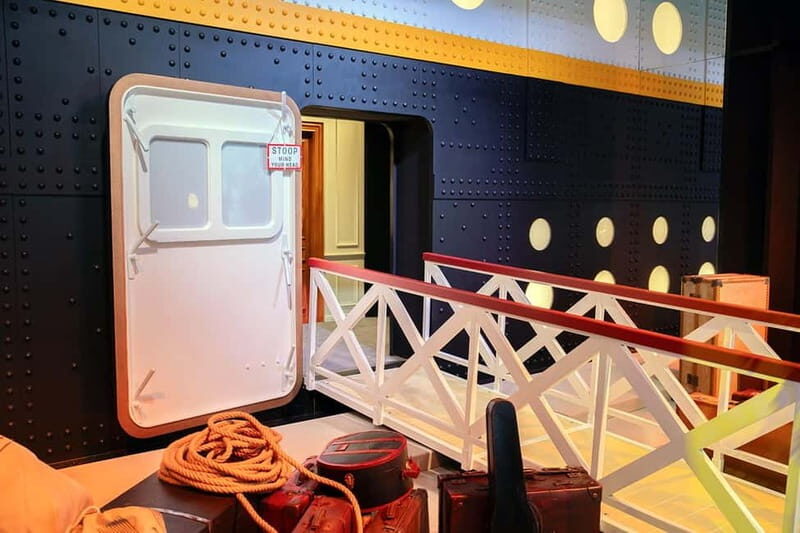
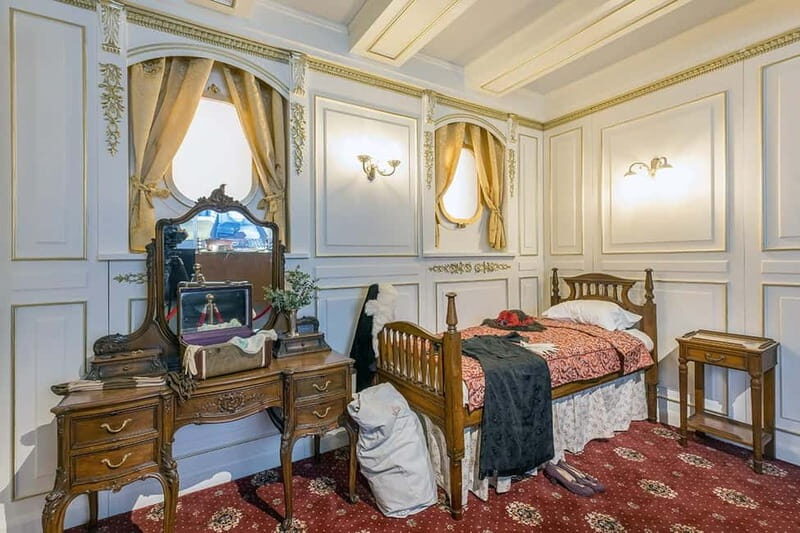
- Deceptively real room replicas that help you picture daily life aboard the ship
- 360-degree projection scenes that set the mood and context fast
- Over 300 carefully curated artifacts for close looking and details
- Interactive photo points that make it easier to remember what you’ve seen
- A 12-minute VR wreck experience that takes the story from ship to icy depths
Titanic, But With Rooms You Can Walk Through

If you think Titanic is only about one tragic night and one famous image, this exhibition nudges you toward a bigger picture. The main exhibition is designed like a guided journey aboard a passenger ship: you move from room-like spaces to projection scenes, then into deeper context built from physical objects.
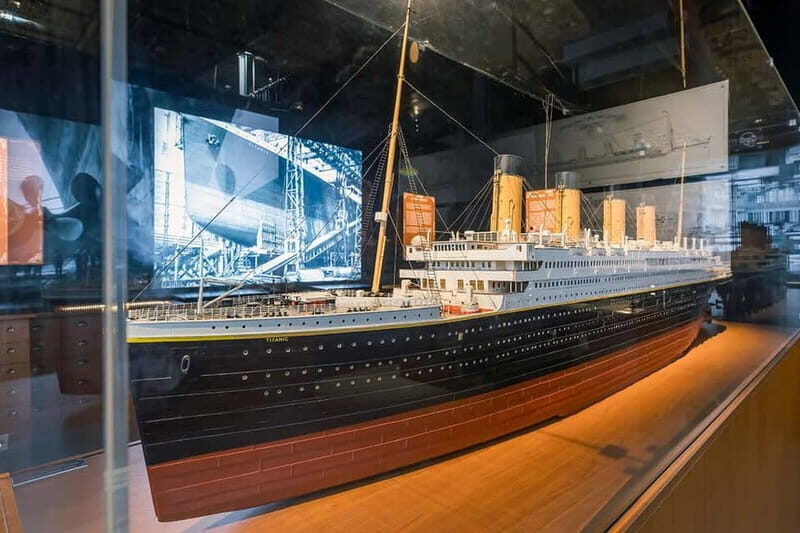
I like that the experience doesn’t rely on one trick. You get a mix of real artifacts, replica rooms, and multimedia installations, so your brain has more than one way to understand what you’re seeing. It’s not just history on a wall; it’s history staged in space.
Also, the format is friendly for people who learn differently. If you like visuals, the 360-degree projections do a lot of heavy lifting. If you like details, the artifact-focused approach helps you slow down.
You can also read our reviews of more tours and experiences in Hamburg.



Why Hamburg Works Here
Hamburg is a natural match for a Titanic-themed experience because it’s strongly tied to shipping culture. That context makes the whole thing feel less like a generic museum stop and more like a local storytelling venue. Even if you only know the basics, you’ll feel the ship theme as you go.
Getting Your Boarding Pass and Starting the Voyage
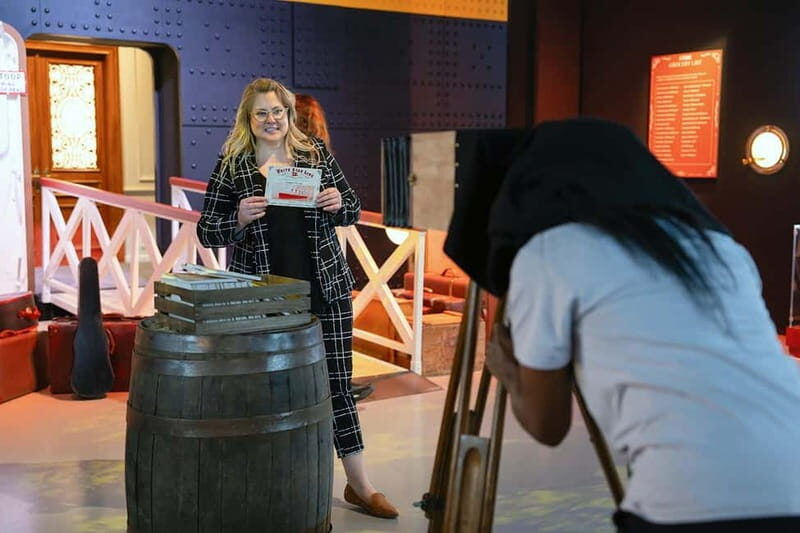
You don’t just enter a building and start reading. You’re given a boarding pass, and that small touch matters. It frames the visit as a voyage with steps, which makes it easier to follow the emotional arc the exhibition is aiming for.
As you progress, the show mixes three elements:
- Faithful replicas of spaces aboard the ship
- Real historical objects you can inspect
- Interactive worlds using screens and multimedia installations
For me, the practical value is this: you’re less likely to feel lost. Instead of drifting room to room, you’re carried through a path that’s meant to feel chronological and thematic.
360-Degree Projections and Room Replicas That Feel Almost Too Real
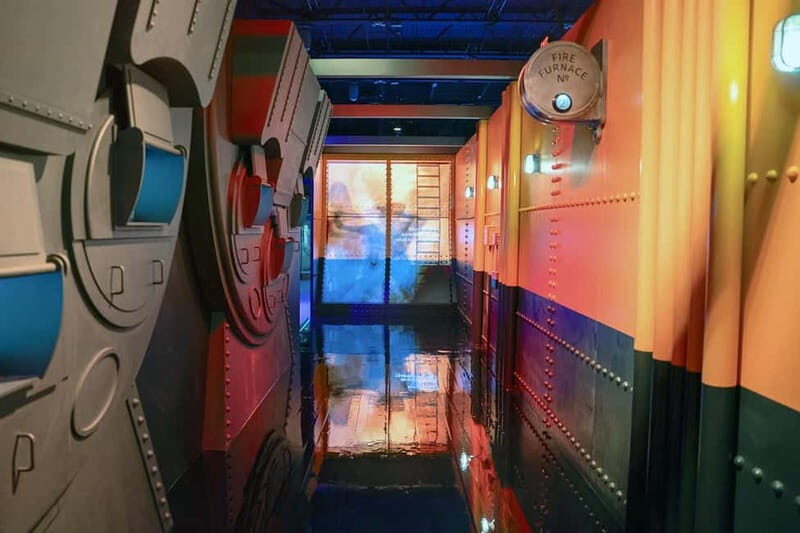
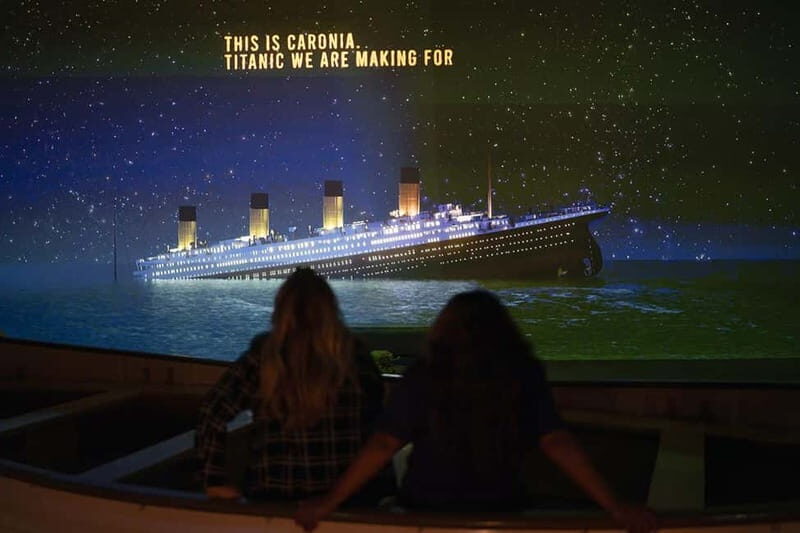
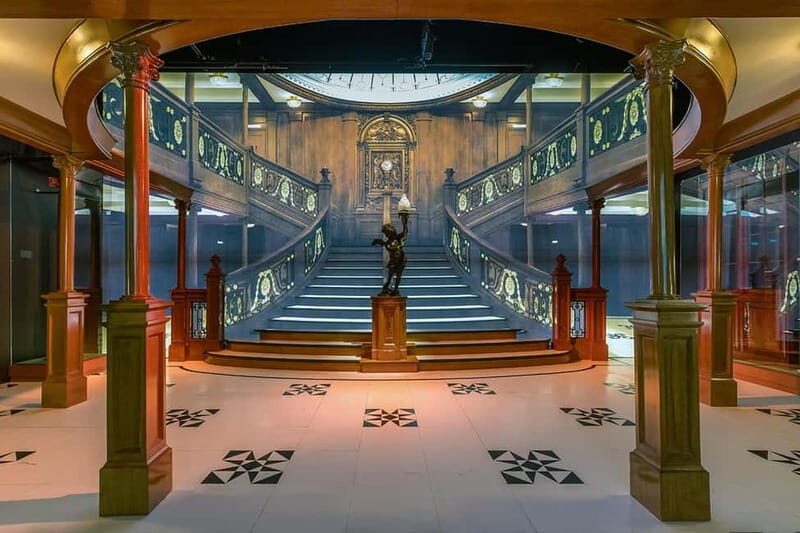
The exhibition’s heart is the way it combines 360-degree projections with deceptively real room replicas. That pairing does a clever thing: projections can explain scale and atmosphere, while replicas give you something your senses can measure.
Here’s what that means for your visit:
- In projection scenes, you’re getting story and mood quickly.
- In replica rooms, you’re getting the “wait, I can actually stand here” effect.
The exhibition doesn’t just show rooms as models. It presents them as lived-in spaces with multimedia components. That’s where the name of the experience fits: this is Titanic, but presented as a journey you walk through, not a checklist of facts.
The Upside for Photo Lovers
You’ll also see interactive photo points, which is a simple but effective design choice. It gives you a reason to stop in specific spots, and it helps you capture context (how the space looks and how the scene is staged) rather than just snapping a generic selfie in a hallway.






The One Drawback: It Can Feel Like a Lot at Once
Because it mixes projections, rooms, and hands-on installs, the pacing can feel dense if you’re trying to “museum it” like you would a calm art gallery. If you know you prefer slow looking, give yourself extra time before you plan anything afterward.
Over 300 Artifacts: Where the Real Story Gets Heavy
The exhibition includes over 300 carefully curated artifacts, which is a big deal for value. Replicas are good for imagination, but artifacts are where the story gains weight.
Even when objects are displayed in a modern, multimedia setting, they do something traditional displays can: they force you to pay attention to materials, wear, and period details. And because the objects are physical, you can return to them mentally after you leave.
Practical tip: don’t try to read everything at once. Pick a couple of artifact clusters that interest you most—then spend time with those. You’ll walk out remembering specific items and how they connect, instead of leaving with only a general emotional glow.
The VR Experience: 12 Minutes to the Wreck and Back to the Ship
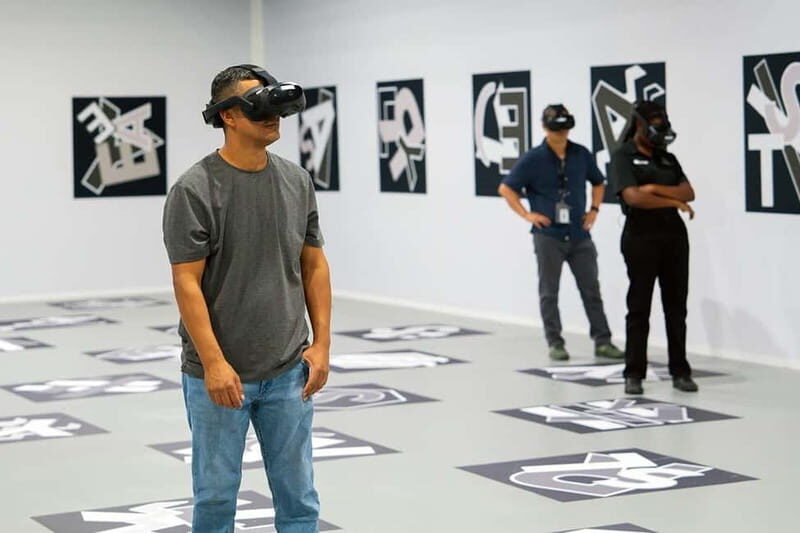
Near the end of the exhibition journey, the show introduces a 12-minute VR experience. This is where the experience shifts from ship-world staging to a digital visit that goes down to the Titanic wreck in icy conditions.
Two key points, based on what’s provided:
- The VR is not included with admission to the exhibition.
- In VR, you take a visually impressive tour through selected rooms of the ship, while also traveling to the wreck site.
For many people, this is the “worth the extra decision” moment, because it changes your sense of scale. The exhibition on its own is already detailed, but VR adds depth and distance in a way a room replica can’t. It’s especially useful if you want a sharper mental timeline: where the ship was, what it looked like, and what happened.
Planning Your Time So VR Doesn’t Stress You
Since VR is separate, I recommend you plan for it before you reach the end. The big value question is simple: if the VR segment is the main reason you booked, treat it like a priority ticket and plan your visit with that in mind.
If VR isn’t your thing, you can still enjoy the full exhibition experience. But you won’t get the VR portion unless you add it separately.
Language Options and How the Tour Moves You Through It
The exhibition offers a multimedia guided tour in German and English, and it’s wheelchair accessible. That matters more than it sounds, because guided multimedia reduces guesswork and keeps you from missing key scenes.
In practical terms, if you’re traveling with mixed language needs, this helps smooth out the visit. You can follow the same experience without splitting up or constantly asking someone to translate.
Also, because it’s wheelchair accessible, the layout is built to handle mobility needs. If you use a wheelchair or mobility aid, you’ll still want to check how crowded specific rooms get during your time slot, but at least the experience is set up for access rather than being “sort of possible” to navigate.
COFO, Multimedia Design, and the Value of an Emotional Arc
This experience is provided by COFO, and you can feel a clear design philosophy in the way it mixes physical exhibits with digital storytelling. You’re led into a ship atmosphere, then gradually pressed toward the emotional turning point—ending with the VR sequence that connects the ship to its final resting place.
For value, here’s what I’d weigh:
- Admission gives you the full exhibition with artifacts, replicas, projections, and interactive photo points.
- VR is extra, but it adds a strong “you’re there” effect by taking you to the wreck and giving you a focused tour of ship rooms inside the VR environment.
So the best deal depends on your priorities. If you want story atmosphere plus tangible details, the exhibition admission alone already delivers. If you want the technological “final chapter,” you’ll likely want to add VR.
Who Should Book This Titanic Experience in Hamburg
This works especially well for:
- Titanic fans who want more than dates and tragedy and prefer a guided, staged ship experience
- People who like mixed formats: physical artifacts plus projection scenes
- Travelers who want a short VR element without committing to an all-day VR attraction
- Anyone who enjoys interactive exhibits, including photo points and multimedia installations
It may be less satisfying if you only want one thing. For example, if you’re purely artifact-focused and dislike projection-based storytelling, you might feel the digital components are a lot. And if you’re short on time, the VR add-on decision can require a bit of planning.
Price and Value: Admission Includes the Exhibit, VR Adds the Final Chapter

The data you have here is clear about what’s included:
- Included: admission to the Titanic exhibition
- Not included: the VR experience
That means you’re paying for two layers. The smart way to decide is to ask which layer matters more to you:
- If you care most about room replicas and 300+ artifacts, admission is likely the core value.
- If the wreck visit and VR room tour are the main draw, plan for VR as a likely additional cost and build time for it.
Also remember timing: the VR experience is positioned near the end. If you arrive during a later starting time or you’re trying to squeeze the visit tightly into a schedule, make sure you can comfortably stay for that final segment.
Should You Book This Titanic Experience?
Yes, if you want a Titanic experience that’s more than a documentary. The combination of deceptively real rooms, 360-degree projection scenes, and over 300 artifacts makes it a strong choice for people who learn by seeing and moving through spaces. And the VR segment, when added, turns the story from ship-world to wreck-world in a focused way.
But book with eyes open on one point: VR isn’t included. If you don’t plan for that, you might end up disappointed at the moment you reach the VR part, or you might feel rushed deciding whether to add it.
If you’re the kind of traveler who likes staged exhibits and interactive details, this is a very reasonable ticket to spend a day in Hamburg. If you prefer only quiet artifact halls, you might find parts of the show more theatrical than you expect.
FAQ
What’s included with admission to the Titanic exhibition?
Admission includes entry to the Titanic: An Immersive Journey exhibition. The VR experience is not included.
Is the VR experience included in the ticket?
No. The VR experience is listed as not included, and it runs about 12 minutes when you add it.
How long is the virtual reality segment?
The virtual reality portion is a 12-minute experience.
What languages are available during the guided tour?
The multimedia guided tour is available in German and English.
Is the exhibition wheelchair accessible?
Yes. The exhibition is wheelchair accessible.
Is it a one-day experience, and how do starting times work?
It’s valid for 1 day. You’ll need to check availability to see starting times for the day you plan to go.