REVIEW · HAMBURG
Historic Free Tour of Hamburg Old Warehouse District
Book on Viator →Operated by Hamburgo A Pie · Bookable on Viator
A one-hour walk can teach a city. This Historic Free Tour of the Hamburg Old Warehouse District takes you through the canals and brick giants of Speicherstadt, and then links that old trading world to the modern harbor vision around HafenCity and Elbphilharmonie. You’ll end at Chilehaus, the ship-bow landmark that makes this whole area feel like one big open-air lesson.
I especially love how the tour connects the architecture to everyday trade: you get a clear sense of what moved through here—coffee, tea, cocoa, spices, tobacco, and even specialty goods like oriental carpets—rather than just seeing pretty buildings. Second, I like the pacing and format: a walk that’s long enough to feel like you covered ground, but short enough that you still have energy left to keep exploring on your own.
One consideration: this is a walking tour and it’s weather-dependent, so if it’s wet or miserable, your comfort may be the main factor more than the sights themselves.
In This Review
- Key highlights you’ll care about
- Speicherstadt and Chilehaus: why this old warehouse walk matters
- The money side: $2.16 tickets and paying what you think
- Meeting at Baumwall and getting the best walking window
- Stop 1: UNESCO Speicherstadt and the warehouse logic behind it
- Stop 2: canal-side bridges and the built-in trade route feeling
- Stop 3: HafenCity and Elbphilharmonie without the ticket pressure
- Stop 4: Chilehaus, the ship-bow finish and what makes it “stick”
- The coffee shop stop: a small included pause that doesn’t force spending
- What’s included, what’s not, and how that affects your plan
- Getting the most from a 1 hour 40 minute walk
- Who this tour suits best
- Should you book this Hamburg Old Warehouse District tour?
- FAQ
- What language is the tour?
- How long is the Historic Free Tour of Hamburg Old Warehouse District?
- Where does the tour start and end?
- What does the $2.16 price include?
- What’s included that doesn’t require extra tickets?
- Is Elbphilharmonie access included?
- What happens if the weather is bad?
Key highlights you’ll care about
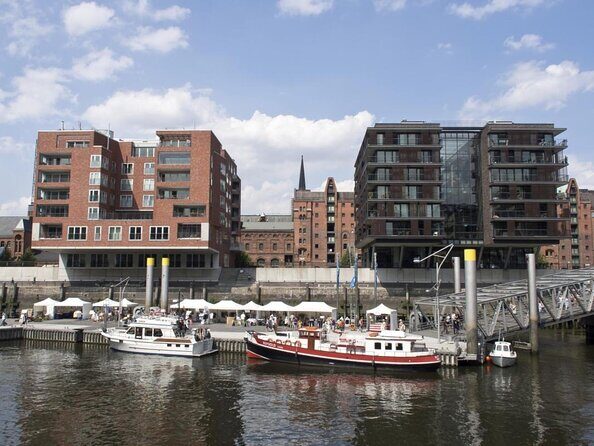
- UNESCO Speicherstadt focus: red-brick warehouse history tied to trade and shipping.
- Chilehaus as the payoff: the pointed, ship-bow design is a memorable finish point.
- HafenCity + Elbphilharmonie views: you see the modern harbor face without needing ticketed access.
- Coffee stop included (no consumption): a quick, low-pressure break tied to local character.
- Small group cap (30 max): easier listening and smoother stops along the canals and bridges.
Speicherstadt and Chilehaus: why this old warehouse walk matters
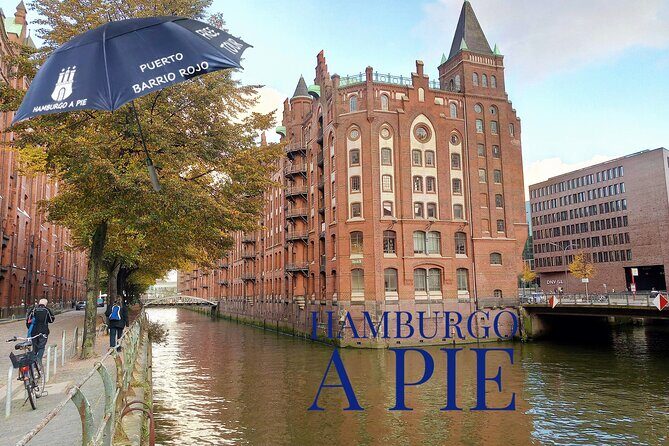
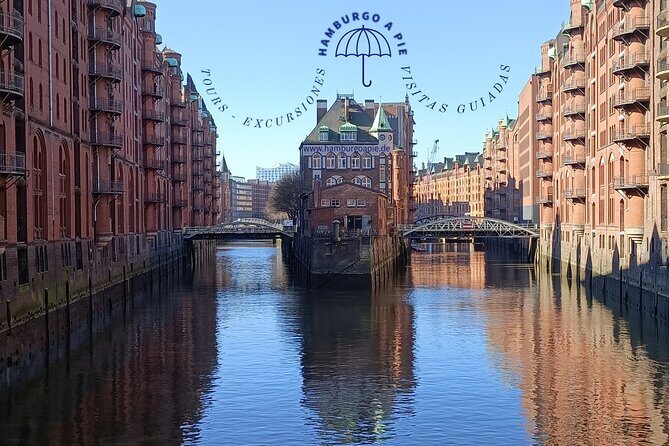
Hamburg’s warehouse district isn’t just a photo stop. It’s a story told in canals, bridges, and stubborn red brick. When you walk through Speicherstadt, the place suddenly makes sense: it was built for commerce, and even the layout hints at how goods were moved, stored, and protected.
The tour centers on the same core idea visitors often miss when they only look at skyline views. Here, architecture and trade are inseparable. You’ll learn how this area became one of the most important trading and warehousing zones of its era, and why it still feels coherent today rather than random blocks of old buildings.
You can also read our reviews of more historical tours in Hamburg


The money side: $2.16 tickets and paying what you think
This tour is advertised at $2.16 per person, but the format is clearly designed around the idea that you decide the final amount at the end. In plain terms, that means your “real price” depends on what you feel you got out of it—like a classic tip-based walking tour with a low-cost reservation entry.
For me, the value here comes from how much you see for the time. You’re not only hitting one landmark; you’re walking through a UNESCO area, then carrying that context into HafenCity and finishing at Chilehaus. If you’re the type of traveler who likes understanding how places worked historically (not just where they are), you’re likely to feel good about tipping.
The only downside of this model is also simple: if you’re expecting every cost to be fully packaged up front, you may feel a little uncertain about what you should give at the end. A quick mindset switch helps: treat it as pay-what-you-think-fair for a guided walk.
Meeting at Baumwall and getting the best walking window
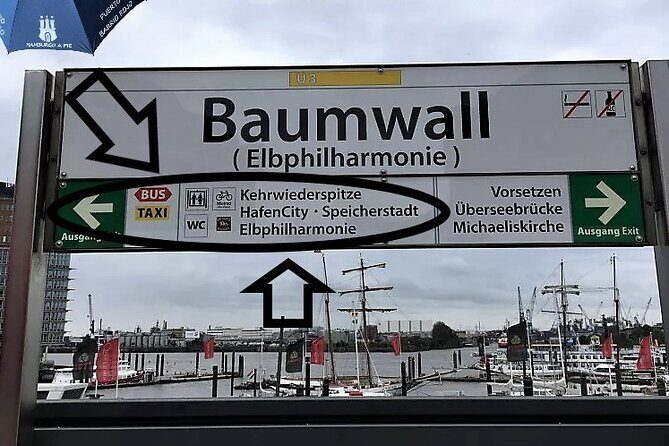
The tour starts at Baumwall, 20459 Hamburg, at 2:45 pm, and it ends near Chilehaus, 20095 Hamburg. The meeting point matters because it sets you up to cross from the harbor edge toward the warehouse district in a logical flow, rather than zigzagging through the city.
Duration is about 1 hour 40 minutes (approx.), which is a sweet spot. Long enough to cover multiple canal-and-bridge stops, but not so long that you’ll feel trapped when you reach the finish. By the time you’re near Chilehaus, you should be ready to keep walking or jump into nearby sightseeing.
Also note the small-group cap: max 30 travelers. That usually helps the guide keep conversations clear and makes each stop more watchable, especially when you’re gathering at canal-side viewpoints.
Stop 1: UNESCO Speicherstadt and the warehouse logic behind it
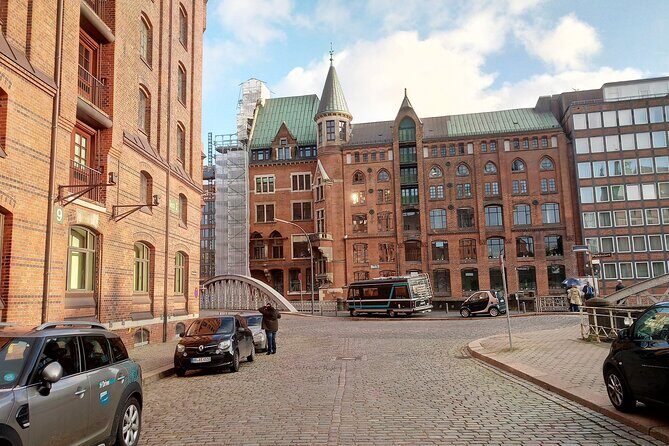
Your first big “wow” comes from the Speicherstadt setting itself—declared a UNESCO World Heritage Site and known for its warehouse complex. This isn’t a vague label. The area was built for shipping needs and storage, and it shows in the layout and the way the buildings rise around canals.
A key detail you’ll hear is that these warehouses were built with a system of wooden piles. That’s not trivia for trivia’s sake; it helps explain why the district’s construction and location feel so specific to Hamburg’s water-and-port identity. You’ll also get a sense of why the warehouses became so important in the 19th century and how the area connects to global trade.
As you walk, you’ll see the world’s largest warehouses described in the tour format, and you’ll learn what kinds of goods were stored and moved through here. The list is practical and specific—coffee, tea, cocoa, spices, tobacco—and those names make the buildings feel functional instead of frozen in time.
And there’s a human angle to it too, based on what I’d call the tour’s strongest kind of street-level history: who lived around these sites and what changed when priorities shifted. One review highlights how the district’s development affected where people lived, including the way homes were removed when rules and planning decisions took over. That kind of story helps you read the place with more empathy, not just admiration for brickwork.
Stop 2: canal-side bridges and the built-in trade route feeling
Even if you don’t count each bridge, you’ll feel the district’s “route” as you move. The tour is built around walking historic canals, bridges, and alleys, so you don’t just stare at buildings—you experience how the water and walkways structure movement.
That matters because Speicherstadt’s layout is part of its historical function. Canals helped with transport and logistics, and walking paths connected the storage zones to the broader harbor network. When a guide points out trade-related details while you’re actually standing in the right place, the whole system clicks.
This is also where the photo-friendly setup helps. The tour includes photographs during the tour (with your camera or mobile), which is handy if you want pictures but don’t want to stop the group for every shot.

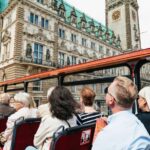



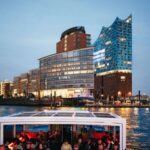
Stop 3: HafenCity and Elbphilharmonie without the ticket pressure
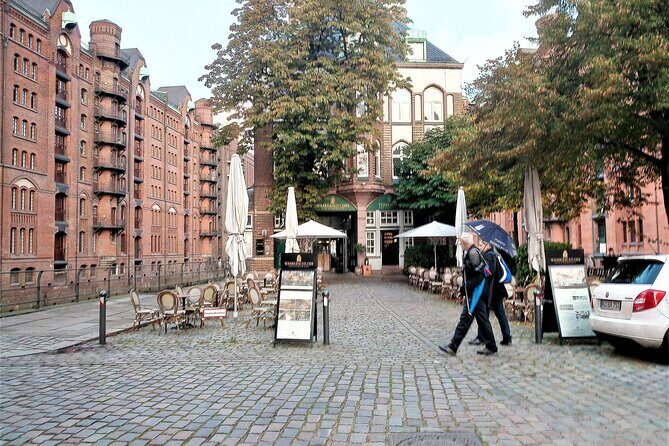
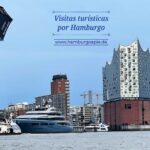
After the warehouse district, the walk continues toward HafenCity, the harbor area next to the modern port zone. HafenCity is strongly associated with the Elbphilharmonie concert hall, and you’ll see it from the outside.
This part of the tour is valuable because it shows contrast. Speicherstadt is built for storage and commerce; HafenCity leans toward modern culture and international city branding. You get the big visual marker of the harbor’s present-day identity while still staying in walking reach.
One important thing to know: the tour includes access to stops in front of iconic points, but it does not include access to the Elbphilharmonie itself. So think of this as a street-level and viewpoint-style experience. It’s great if you want the look and the context, not if you’re specifically hunting for an interior tour.
Stop 4: Chilehaus, the ship-bow finish and what makes it “stick”
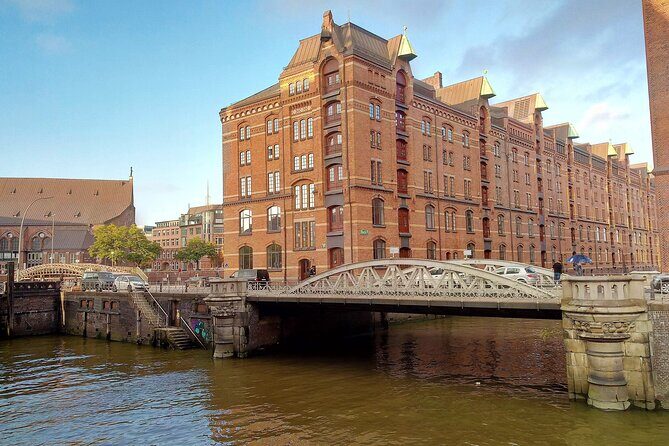
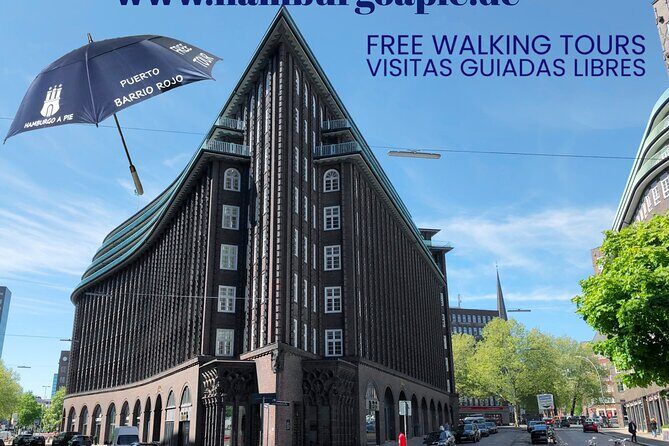
The tour’s ending point is Chilehaus, and that’s a smart choice. Chilehaus is famous for a pointed facade with a design that reminds people of the bow of a ship, including a very sharp angle on one side. Even if you’ve never studied architecture, that shape pulls your eye right away.
You’ll hear the building described in connection with its neo-Gothic red-brick style and how it fits the harbor-world scale. The result is a finish that feels like a clear chapter ending, not just a random “tour over here” stop.
This is also where the tour’s theme comes together: how Hamburg’s port culture shaped its skyline, and how those shapes still communicate history. If you like being able to point at what you learned—wooden piles, trade goods, warehouse design logic, then modern harbor contrast—Chilehaus is the place where your brain labels the whole area.
The coffee shop stop: a small included pause that doesn’t force spending
An included extra that I appreciate is the stop at one of Hamburg’s oldest coffee shops. The good news: the listing specifies no consumption, so you’re not pressured into buying anything on the spot.
In practice, that kind of stop works two ways. It breaks the walk at the right moment, and it signals you’re still in local culture, not only in architecture sightseeing. It’s also the sort of short pause that helps you keep listening during the final stretch.
What’s included, what’s not, and how that affects your plan
Included on the tour:
- Spanish language tour
- Third-party insurance
- Decide the final amount at the end
- Photographs during the tour
- Local recommendations to continue exploring afterward
- Walking stops across canals, bridges, and alleys
- Trade curiosities tied to the district
- Coffee shop entrance (no consumption)
- Stops in front of the most iconic points of Speicherstadt
Not included:
- Museum/exhibition tickets (examples given include Miniatur Wunderland and a Coffee Museum)
- Public transport to the meeting point
- Bottled water, food, and drinks
- Elbphilharmonie access
- Boat trips or museum guided activities
So you should plan like this: bring your own water or be ready to buy it near where you’re walking, and if you want museum add-ons, you’ll handle those separately. For many people, that’s a plus. You get a guided walk that focuses on the street-level story, then you choose optional extras based on time and interest.
Getting the most from a 1 hour 40 minute walk
Because the tour is under two hours, your best strategy is to treat it like a focused orientation. You’re learning how to read Speicherstadt and HafenCity fast, so don’t try to overpack your schedule on the same day. Give yourself a buffer afterward, because the walking route ends near Chilehaus, which is a great launch point for further wandering.
If you care about photos, keep your phone charged and ready before you arrive. The tour includes photo-taking help, but you still want good battery life and quick access to your camera app so you’re not fumbling at the best moments.
And since weather can affect the tour, check conditions before you go. If it’s wet, bring something that makes walking more comfortable. The architecture is impressive either way, but being cold or soaked is the main thing that can derail the experience.
Who this tour suits best
This is a good fit if you:
- Love the link between history and city design
- Want a guided route through UNESCO Speicherstadt without managing multiple tickets
- Prefer street-level sights around HafenCity and Elbphilharmonie over strict museum time
- Enjoy walking tours with enough context to make landmarks feel meaningful
If you’re strictly looking for indoor museum content or ticketed attractions, this may feel a bit limited since museums and Elbphilharmonie access aren’t included. But if you’re happy seeing buildings from the outside and learning what shaped them, you’ll likely find it satisfying.
Should you book this Hamburg Old Warehouse District tour?
I’d book it if you want one efficient afternoon that teaches you how Hamburg’s port identity formed the Speicherstadt warehouses and how that story connects to modern HafenCity. The biggest reason is value-for-under-two-hours: you get UNESCO context, trade details, canal-and-bridge atmosphere, and a strong visual finish at Chilehaus.
Skip it only if you dislike walking, you’re not interested in historic trade and architecture, or you were hoping for ticketed access into museums or Elbphilharmonie interiors. Otherwise, it’s a smart way to get oriented and leave with a clearer mental map of Hamburg’s past and present.
FAQ
What language is the tour?
The tour is offered in Spanish.
How long is the Historic Free Tour of Hamburg Old Warehouse District?
It’s about 1 hour 40 minutes (approx.).
Where does the tour start and end?
It starts at Baumwall, 20459 Hamburg, Germany and ends at Chilehaus, 20095 Hamburg, Germany.
What does the $2.16 price include?
You reserve the tour at $2.16 per person, and the tour is structured so you decide the amount to pay at the end. The tour also includes items like photos during the walk, local recommendations, and entrance to a coffee shop (no consumption).
What’s included that doesn’t require extra tickets?
The tour includes walking through the Speicherstadt area, stops in front of key points, historical canals/bridges/alleys, and a coffee shop entrance (no consumption). It does not include museum tickets.
Is Elbphilharmonie access included?
No. The tour includes stops in front of iconic points, but access to the Elbe Philharmonic (Elbphilharmonie) is not included.
What happens if the weather is bad?
The tour requires good weather. If it’s canceled due to poor weather, you’ll be offered a different date or a full refund.