REVIEW · BERLIN
East Berlin and the Wall: Walking Tour
Book on GetYourGuide →Operated by Vive Berlin e.G · Bookable on GetYourGuide
The Wall isn’t just a landmark; it’s a timeline you can walk. I love how the tour turns big Cold War facts into real daily-life details in East Berlin, and I also love the way the Bernauer Strasse Wall Memorial shows separation with actual preserved sections. One thing to consider: you’ll do a fair amount of walking and you’ll need the right public transport ticket for the zones covered during the tour.
What makes this experience stand out is the human delivery. Guides such as Paul, Elisa, Claudia, Paolo, and Catherine come through as well-prepared and engaging, and Catherine in particular is noted for adding a personal element to the story.
In This Review
- Key Highlights You’ll Actually Remember
- Walking East Berlin Changes How You See Berlin
- Potsdamer Platz to Nordbahnhof: Getting Oriented the East-Way
- The Wall Memorial at Bernauer Strasse: Where Separation Becomes Concrete
- Alexanderplatz and Socialist Berlin: Politics in Plain Sight
- The TV Tower Stop: Why Berlin’s Skyline Matters to This Story
- Riding the Metro to the East Side Gallery: From Barriers to Art
- Guide Quality Is the Real Differentiator
- Price and Value: What You’re Paying For
- What’s Likely to Feel Challenging (So You Can Plan)
- Who Should Book This Wall-Focused Walk
- Should You Book East Berlin and the Wall Walking Tour?
- FAQ
- How long is the East Berlin and the Wall walking tour?
- What is the price?
- Where does the tour start?
- Do I need a public transportation ticket?
- What language is the guide available in?
- What should I bring?
- Is pickup available?
- Is there free cancellation?
Key Highlights You’ll Actually Remember
- Bernauer Strasse Wall Memorial with original wall-and-death-strip context, not just photos
- Nordbahnhof and the ghost-station story, showing how the Wall changed even routine travel
- Alexanderplatz and protest-era Berlin, where socialist architecture meets the pressure to change
- Soviet-era tension and STASI repression explained in ways you can follow without a history degree
- East Side Gallery’s 104 murals, including the famous Brezhnev-Honecker kiss
- Small-group pacing with guides who bring anecdotes and a personal touch
Walking East Berlin Changes How You See Berlin
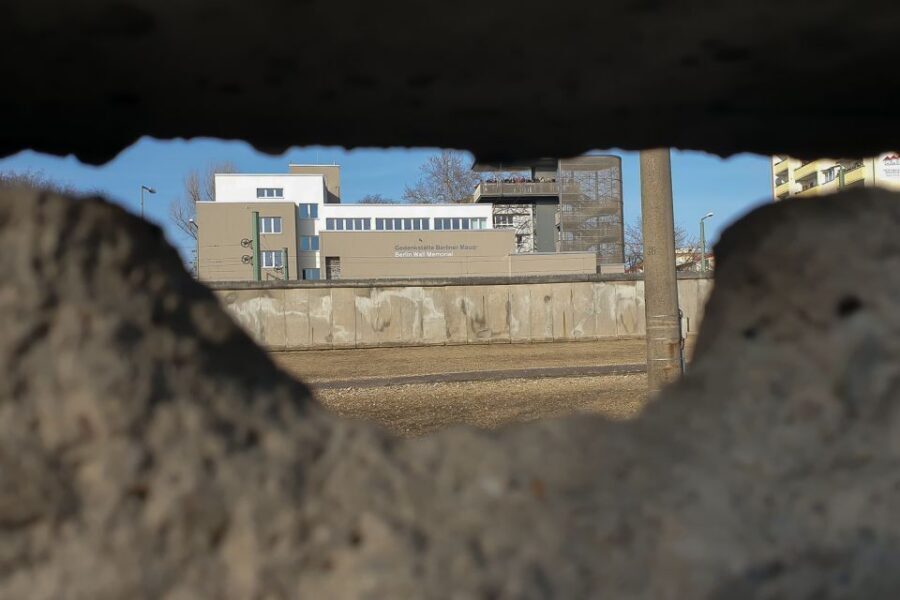
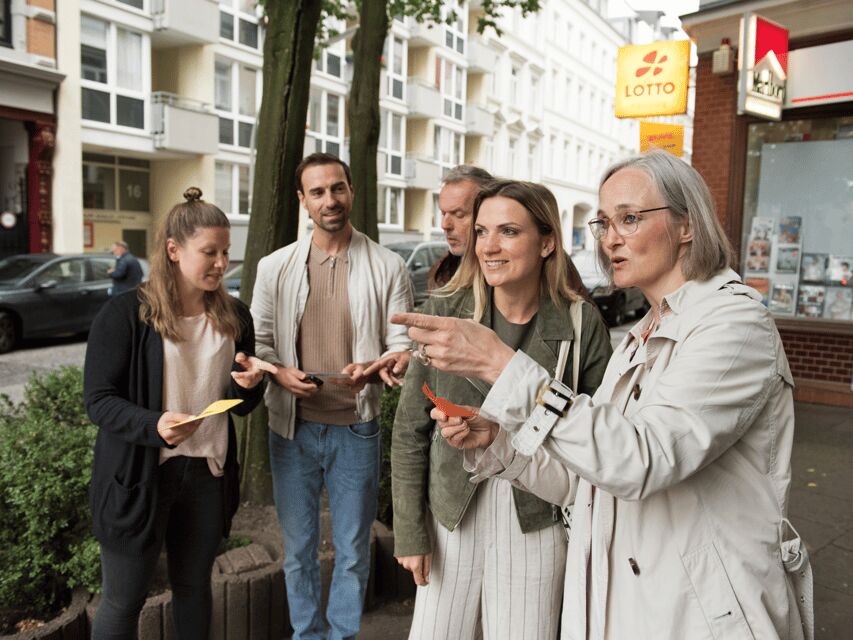
Berlin can feel like a choose-your-own-adventure city. But East Berlin and the Wall has a clearer storyline, and it moves at a walking pace that helps the messages land.
You start with the Cold War division and end with the Wall’s afterlife as public memory and street art. Along the way, you’ll connect politics to everyday routines: commuting, shopping, public spaces, and the fear that shaped ordinary decisions.
If you like history you can picture—who stood where, why escape mattered, how the city functioned under pressure—this is a smart fit. And because the group is small, the guide can adjust the flow if questions pop up.
You can also read our reviews of more walking tours in Berlin



Potsdamer Platz to Nordbahnhof: Getting Oriented the East-Way
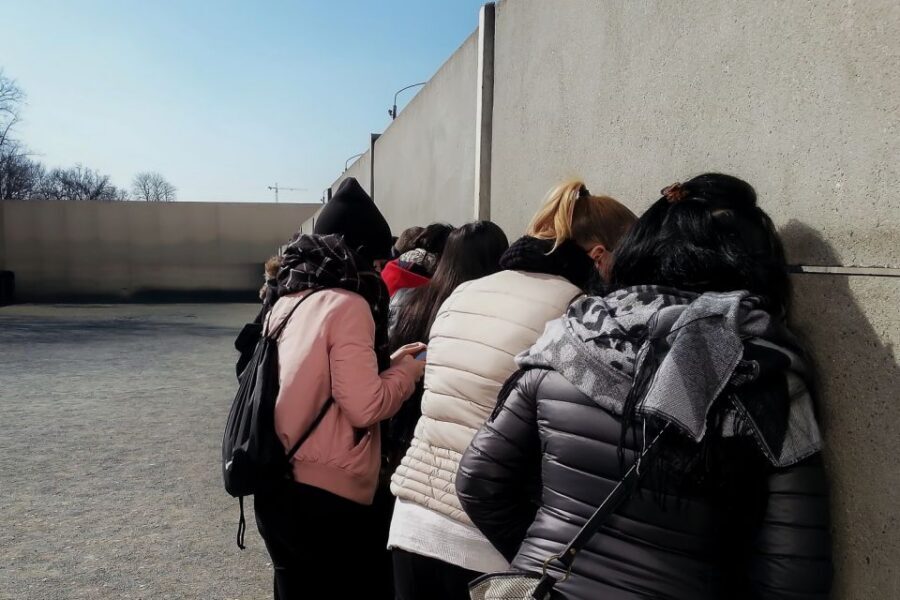
The tour starts around Potsdamer Platz, then you ride the S-Bahn about 8 minutes toward Nordbahnhof. It sounds short, but this part works like a warm-up: you’re not just traveling, you’re learning how the Wall rerouted movement and identity.
Nordbahnhof is a big deal in this story because it was closed for nearly three decades after the Wall was built. You’ll get the sense that infrastructure wasn’t neutral anymore; it became a tool of separation. Standing near the context of a “ghost station” changes how you interpret the rest of the city, even the parts that look ordinary today.
Practical note: this is where comfortable shoes matter. Even if the total time is around 3 to 3.5 hours, you’re on foot for multiple stops and you’ll want your legs to feel fresh, not punished.
The Wall Memorial at Bernauer Strasse: Where Separation Becomes Concrete
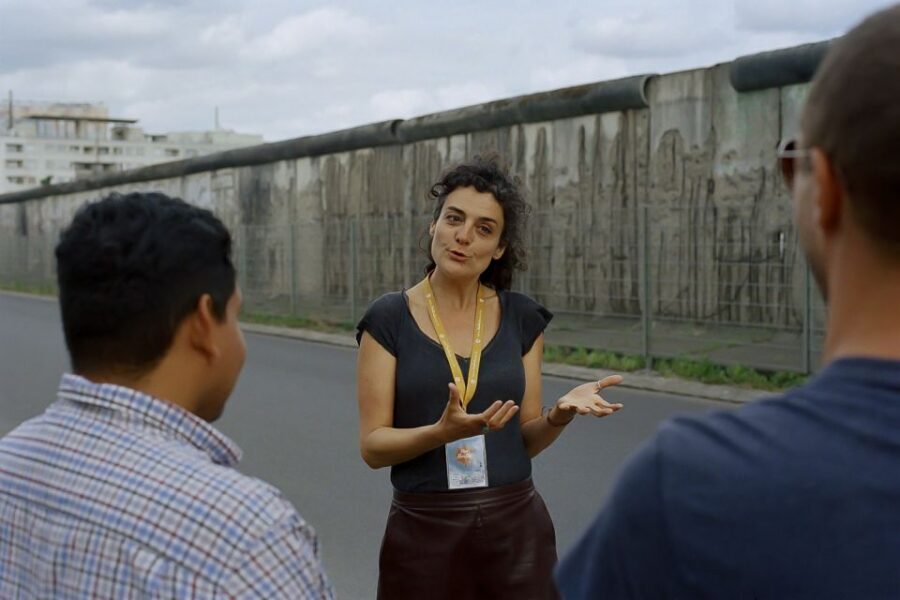
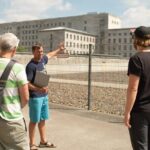
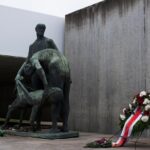
The emotional center of the walk is Bernauer Strasse Wall Memorial. You’ll spend about 50 minutes with a guided visit here, and that time is earned.
This stop is powerful because it focuses on the trauma of separation: the geography of the Wall, the logic of the “death strip,” and the human consequences. You’ll also hear about escape attempts and the tragic outcomes—details that make the Wall feel less like a symbol and more like a system designed to stop freedom.
You’ll specifically see and discuss original portions tied to how the barrier worked. That’s an important difference. Big monuments can be impressive, but preserved sections give you scale: how close people were, how exposed movement became, and why “crossing” was never a clean, simple idea.
If you’re the type who likes structure, this is where the guide’s pacing helps. The tour is built so you understand the Wall’s purpose before you start moving into the broader East Berlin story.
Alexanderplatz and Socialist Berlin: Politics in Plain Sight
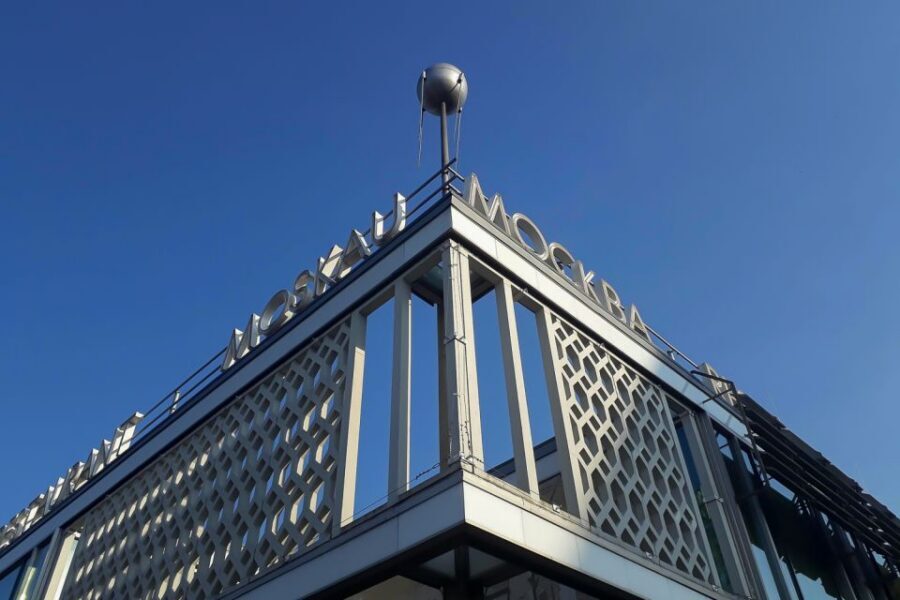
After Bernauer Strasse, the tour continues toward Alexanderplatz with a short metro segment (about 10 minutes). Here, the tone shifts from the Wall’s cruelty to the wider ecosystem that enabled it.
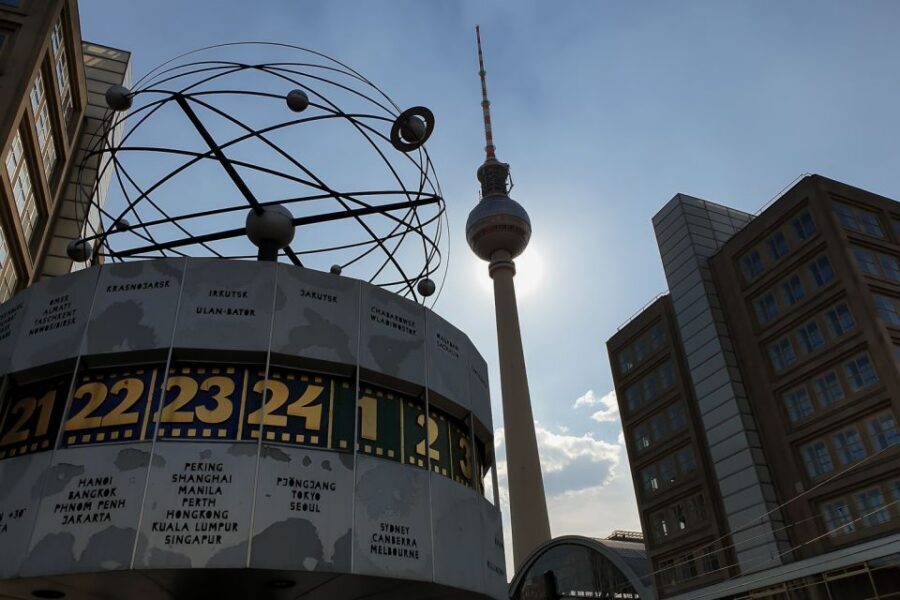
You’ll get a guided moment at Alexanderplatz (about 10 minutes), where you’ll connect socialist architecture to political pressure. The key idea is that this wasn’t only about the Wall; it was about control and ideology shaping public life.
You’ll learn about peaceful demonstrations that challenged the grip of STASI repression. The story links those pressures to how the Wall eventually collapsed and how the Soviet bloc unraveled. You walk through a space that still looks “designed,” then you understand why design mattered—because public places are where power likes to show itself.
If you’re worried this part might feel abstract, it usually doesn’t, because the guide ties the architecture and the political mood together. And because the group is small, you can ask for clarification without losing the rhythm.
The TV Tower Stop: Why Berlin’s Skyline Matters to This Story
Next up is a quick guided segment near the TV Tower, Berlin (around 10 minutes). This is a short stop, but it has a purpose: it helps you read the city’s skyline through the East-West lens.
The TV tower isn’t only a photo-op point here. It’s part of the broader theme—how East Berlin presented itself, how symbols were used, and how people navigated public life in a system that insisted on specific narratives.
A quick guided explanation makes the stop feel like a clue, not a detour. You get enough context to recognize what you’re seeing and why it matters, without turning the tour into a long lecture.




Riding the Metro to the East Side Gallery: From Barriers to Art
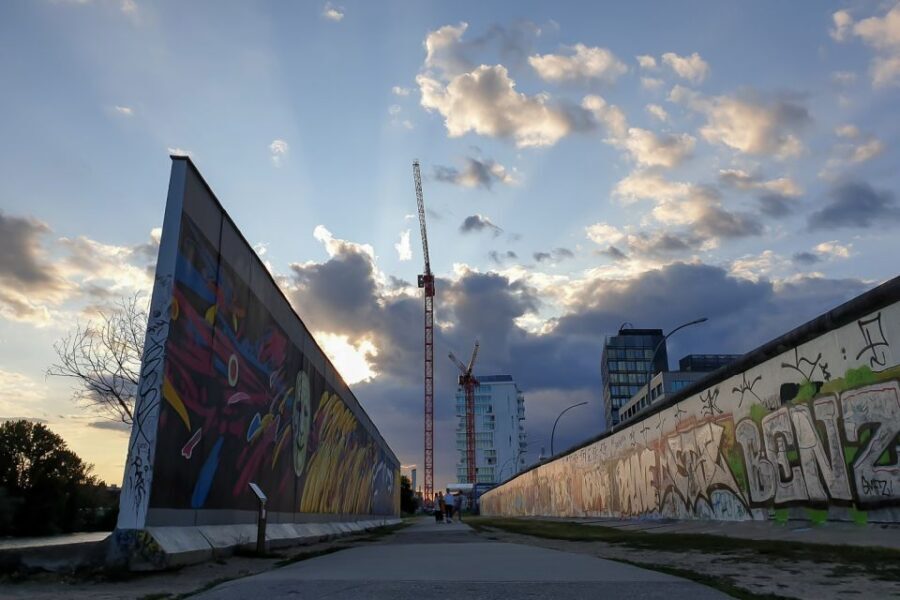
Then you move again by metro (about 10 minutes) to the East Side Gallery. This is a guided visit of around 15 minutes, and it’s where the Wall reappears as cultural memory.
The East Side Gallery is famous for its 104 murals. You’ll walk through the idea that the Wall’s surface became a canvas for voices that couldn’t speak freely before. In the mix is the iconic Brezhnev-Honecker kiss, which works as a quick way to understand propaganda, power, and the theater of politics.
What I like about ending here is emotional calibration. After Bernauer Strasse, you’re primed to feel the weight of division. Ending at the East Side Gallery gives you a second angle: the Wall as a place where people insist on interpretation instead of silence.
Also, this final segment is a good tempo match for many people. You’re not just “done” after the emotional peak; you’re guided into seeing how Berlin chose to remember and reframe.
Guide Quality Is the Real Differentiator
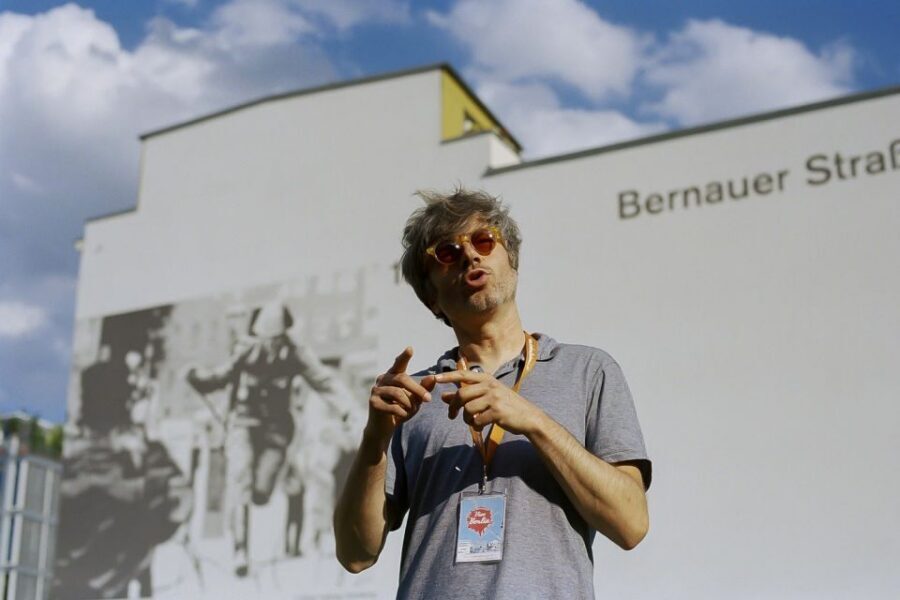
This tour’s rating is strong for a reason: the guides bring the story to life with clarity and personality.
I see a clear pattern in the names people associate with great tours: Paul, Paolo, Elisa, Claudia, and Catherine. People praise guides for staying organized, keeping the narrative engaging, and sharing anecdotes that make the history stick.
One standout is the mention of Catherine’s added testimony, which suggests this tour can feel more personal than a standard facts-only walkthrough. That matters because Berlin’s Wall story can turn into a list if your guide is dry. Here, it’s built to sound human.
Language options are also a practical win. You can find guides speaking French, Italian, English, Spanish, or German, which helps if you want more than English-only interpretation.
Price and Value: What You’re Paying For
The price is listed as $351 per group up to 6 people for a 3 to 3.5 hour experience. That’s not a “per person” bargain in the typical sense, so you should think about it like this:
- If you’re traveling as a small party, you’re buying a small-group format plus guided storytelling that includes multiple major sites.
- You’re also paying for a tight route: transportation time is built in, and the stops are chosen for narrative progression from division to collapse to remembrance.
In other words, you’re paying for time savings and direction. You could DIY parts of this on your own, but you’d have to stitch together the Wall’s physical geography, the protest era, and the meaning of specific places. A good guide does that stitching for you.
And because it’s a walking tour with a schedule that moves you through key locations, it tends to be a “high value per hour” kind of purchase—especially if you care about understanding what you’re seeing.
What’s Likely to Feel Challenging (So You Can Plan)
The main consideration is physical and practical:
- Comfortable shoes are essential. You’ll cover multiple sites across a few hours.
- You’ll need a valid public transportation ticket for zones AB during the tour.
- The pace may feel brisk if you prefer long stops to read every sign on your own.
If you’re someone who wants maximum time standing still at every memorial, you might feel slightly rushed. The tour is designed for flow and story, not for slow wandering.
Also, this is a topic-heavy experience. Even when the presentation is clear, it’s still centered on separation and tragedy. If that subject matter affects you, plan your day around it rather than stacking it with something emotionally intense right afterward.
Who Should Book This Wall-Focused Walk
You’ll probably love this tour if you:
- Want East Berlin context without drowning in dates
- Prefer guided storytelling over self-guided signage
- Like tours where the route has a point, not just a checklist of monuments
- Care about understanding how systems like STASI repression shaped daily life
It’s also a nice choice for couples or small groups because the pricing model supports up to 6 people and keeps the experience intimate.
If you’re already a hardcore Berlin Wall scholar and you’re fine reading everything solo, you might feel the tour is “only” 3 to 3.5 hours. But for most people, that duration is perfect: enough time to make connections, not so much time that your attention fades.
Should You Book East Berlin and the Wall Walking Tour?
Yes—if your goal is understanding, not just sightseeing. This route has a clear emotional and historical arc: separation at Bernauer Strasse, the broader political atmosphere around Alexanderplatz, and a memorable end at the East Side Gallery with its 104 murals.
The deciding factor for many people will be guide quality. With strong mentions of guides like Paul, Paolo, Elisa, Claudia, and Catherine, you’re likely to get a tour that feels explained, organized, and human.
Skip it only if you dislike walking, hate public transport segments, or want a purely light-and-fun city stroll. This one is serious in subject and guided in purpose, and that’s exactly why it works.
FAQ
How long is the East Berlin and the Wall walking tour?
The tour lasts about 3 to 3.5 hours.
What is the price?
It’s listed as $351 per group, up to 6 people.
Where does the tour start?
The starting point depends on the option you book, and it may include a pickup. The meeting point can vary.
Do I need a public transportation ticket?
Yes. You’ll need a valid ticket for public transportation for zones AB during the tour.
What language is the guide available in?
The guide is available in French, Italian, English, Spanish, or German.
What should I bring?
Bring comfortable shoes, since it’s a walking tour.
Is pickup available?
Pickup is optional. If you book pickup, you should wait in the hotel lobby about 10 minutes before the scheduled pickup time.
Is there free cancellation?
Yes. You can cancel up to 24 hours in advance for a full refund.