REVIEW · BERLIN
East Berlin and the Berlin Wall 2-Hour Walking Tour
Book on Viator →Operated by Original Berlin Walks · Bookable on Viator
The Wall is closer than you think. This tight East Berlin walking tour brings the Berlin Wall era into focus with real physical remnants, sharp context on the Cold War, and stops tied to daily life on both sides. I like how it mixes big-picture history with grounded, human details you can actually picture.
Two things I especially enjoyed are the way the guide makes the topic feel personal (I’ve heard stories told by guides like Anastasia and Dylan that turned dates into lived experience) and the chance to get hands-on at the memorial, including the moment where you can touch preserved pieces of the Wall. The group size also stays small, capped at about 20, which makes it easier to ask questions and not feel rushed.
One consideration: some key costs are not in the base price, like the Berlin Transport AB zone pass (about 10.60 euros) and the Berlin TV Tower ticket if you want to go up. Also, the end location is described in a couple ways in the tour info, so check your confirmation for the exact drop-off point.
In This Review
- Key highlights you’ll feel on the walk
- Starting at Hackescher Markt: the Cold War setup you actually need
- Friedrichstraße and the Palace of Tears: goodbye at the border crossing
- Touching the Wall at the Berlin Wall Memorial: a hands-on moment with real weight
- The Chapel of Reconciliation and border relics: the small stops that explain the system
- Bornholmer Straße on Nov 9, 1989: the fall explained like a story
- Stasi headquarters: how surveillance became everyday control
- Alexanderplatz and the Berlin TV Tower: the finish line in East Berlin’s heart
- Price and logistics: does $21.78 really make sense?
- Who this tour fits best (and who might want a different plan)
- My bottom line: should you book it?
- FAQ
- What’s the duration of the East Berlin and Berlin Wall walking tour?
- Where does the tour start, and where does it end?
- Is the tour offered in English?
- What’s included in the price?
- What’s not included?
- Does the tour run in bad weather?
- How large is the group?
- Should you book this East Berlin and the Berlin Wall 2-Hour Walking Tour?
Key highlights you’ll feel on the walk
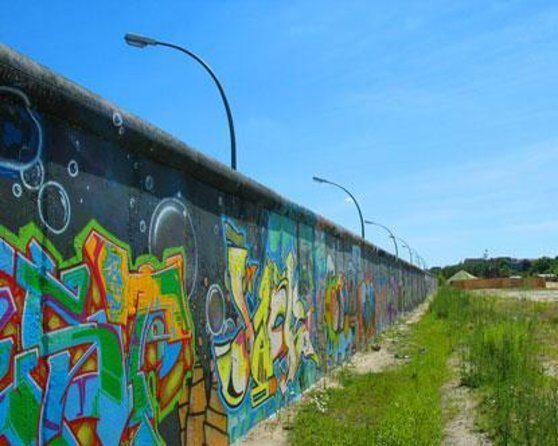
- Touch preserved Wall remains at the memorial, not just a photo stop
- Death Strip viewpoint with context on shoot-to-kill orders and escape attempts
- Bornholmer Straße (Nov 9, 1989) explained through the political mistake that triggered the fall
- Stasi headquarters used to show how surveillance became everyday control
- Small-group format (max 20) that keeps questions from getting lost
- Alexanderplatz finale near the TV Tower, with optional sights you’ll pay for separately
Starting at Hackescher Markt: the Cold War setup you actually need
The walk begins around Hackescher Markt, with the meeting point listed at Neue Promenade 3. This matters because you’re starting in a living part of East Berlin—busy streets, storefronts, and transit nearby—so the Cold War story doesn’t feel like it’s floating in a museum.
Right away, your guide frames the big questions: how the U.S. and USSR rivalry solidified into a Cold War, how Berlin ended up right in the middle, and why the city split into two realities. That opening works well because it gives you a mental map before you start seeing the wall-related sites. You’ll also get a quick orientation to how Berliners moved through the system—who had access, who didn’t, and how rules shaped normal life.
This is the point where I’d tune in if you’re short on time elsewhere. A walking tour lives or dies by the first 10 minutes, and this one starts with explanations designed to stick. I also recommend you arrive a few minutes early so you can settle, use the restroom if needed, and be ready when the guide starts speaking.
You can also read our reviews of more walking tours in Berlin



Friedrichstraße and the Palace of Tears: goodbye at the border crossing
After the initial hubbub, you move through central streets toward Friedrichstraße, a major artery of shops and culture. It’s a fitting walk segment because Friedrichstraße is the kind of place where you can imagine East and West Berlin overlapping—at least visually—while the political reality kept everything divided.
Your route includes the Palace of Tears, the Berlin nickname for the border crossing station at Berlin Friedrichstraße railway station. This stop is emotionally heavy for a simple reason: it’s tied to farewells—families and visitors saying goodbye when travel meant separation. You don’t need long speeches here. Even brief explanations can make you notice how “infrastructure” can be used like a weapon.
Practical tip: expect this part to feel more reflective than scenic. If you tend to get impatient on tours, this is the spot to stay open-minded. The goal isn’t to chase pretty views; it’s to understand what daily movement meant under the system.
Touching the Wall at the Berlin Wall Memorial: a hands-on moment with real weight
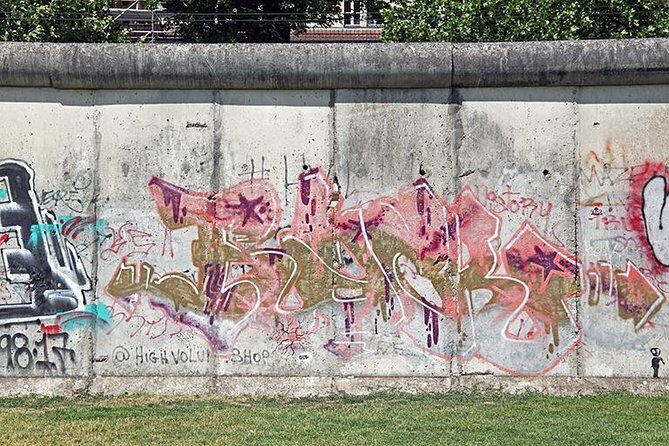
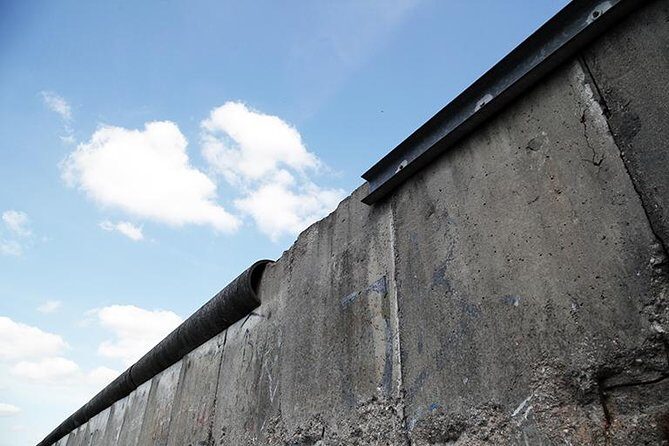
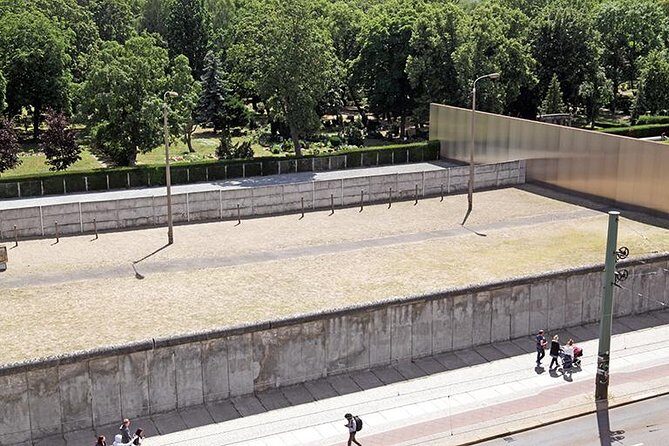
Then you reach the centerpiece: the Berlin Wall Memorial (Gedenkstätte Berliner Mauer). Here, you’ll see a preserved section of the Wall kept in its original state. And yes—the highlight is that you get the unusual chance to touch the remains.
That tactile detail is what makes this memorial hit differently. You’re not just looking at history; you’re meeting the physical barrier that shaped people’s choices. It’s also the kind of stop where a strong guide really matters. In guides’ storytelling styles I’ve seen in similar walks, the best ones slow down just enough to let the facts land and let your brain connect the dots: barrier → surveillance → fear → desperate attempts.
You also get a birds-eye view of the Death Strip, and the guide connects it to East Germany’s shoot-to-kill orders for people trying to escape. The Death Strip concept can sound abstract until it’s explained in plain language as a designed killing zone, with boundaries and movement control.
One review detail I found especially meaningful: some guides point out wall-era images and individual escape stories in a way that helps you picture what those “rules” looked like on the ground. If you love the human side—how people planned, hoped, and risked everything—this is where you’ll feel it most.
The Chapel of Reconciliation and border relics: the small stops that explain the system
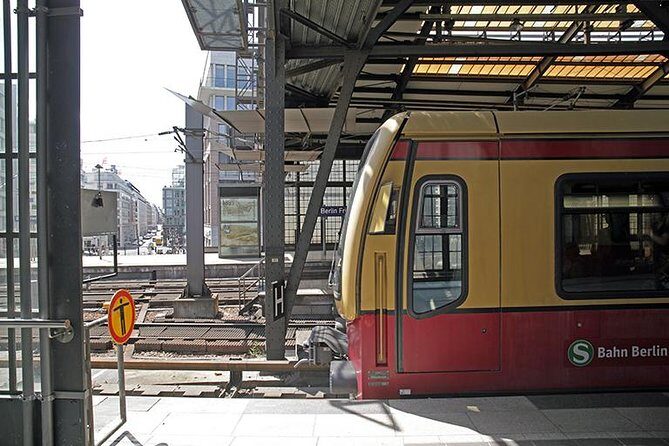
After the main memorial, the walk shifts to the kind of sites that don’t always get your attention—unless your guide makes them click. You’ll pass through the Chapel of Reconciliation (Kapelle der Versöhnung). Even if you don’t go inside, the stop works as a reminder that religion, grief, and reconciliation existed right next to state power and border enforcement.
From there, you’ll see relics tied to the border architecture, including the GDR Watch Tower, described as the oldest surviving remnant. That “oldest” detail isn’t trivia; it helps you understand why the Wall wasn’t just a fence. It was a watch system, with positions built for observation and control.
You’ll also have a stop at Ackerstraße, where your guide explains what happened there and why it mattered to the border zone. This is another “small stop, big meaning” moment. The Wall era relied on spacing—lines, distances, sightlines. A good guide helps you notice those patterns, so the city layout becomes part of the lesson.
One more thing: a couple guides in the reviews I read (like Susan) are the kind that connect architecture across time. You may notice how the tour helps you see Berlin not only as Cold War history, but as layers: older city forms, wartime scars, and then the Wall era’s very modern control structures.
Bornholmer Straße on Nov 9, 1989: the fall explained like a story
The next emotional gear shift comes at Bornholmer Straße, where the Wall came down on November 9, 1989. This is the moment where the tour moves from walls and control to chaos and release.
Your guide explains how it happened through the unlikely story of how one East German politician’s mistake helped set off the collapse. That choice—focusing on the human screw-up rather than making it all seem like destiny—helps you understand how quickly systems can change when people flood the boundaries. It also keeps the story from turning into just a timeline.
This stop is also where hope gets real. One of the review themes I picked up was that guides help you feel the range of escape attempts—some succeeded, some failed—so the Wall’s fall lands as something earned through risk and pressure, not just an international press release.
If your guide is the talky, story-forward type (some like Jimmy and Jasper were praised for storytelling), you’ll likely hear extra context and perspectives that make the day feel vivid. Even if you’ve read about November 9 before, it’s still worth hearing it walked through, because you’ll connect it to the physical spots where crowds and decisions mattered.
A few more Berlin tours and experiences worth a look


Stasi headquarters: how surveillance became everyday control
After Bornholmer Straße, you’ll go deeper into East Berlin and stop at the headquarters of the Stasi, East Germany’s secret police. This is one of the most important parts of the tour if you want more than surface-level Wall trivia.
The Stasi segment focuses on how the state increasingly spied on its own people, building a system of complete government control over citizens. In other words, the Wall wasn’t only a barrier between East and West—it was also a barrier inside East German society, enforced by fear and information control.
Guides like Anastasia and Tom were praised for presenting the less-known side of the drama and mixing big-picture events with individual stories. That’s exactly what you want here. When the topic is surveillance, facts matter. But stories help you understand what surveillance feels like day after day.
Practical thought: if you’re visiting Berlin for the first time, the Stasi stop is often the best “why it mattered” bridge. You’ll understand why people didn’t just fear arrest at the border—they feared what could happen inside their own lives.
Alexanderplatz and the Berlin TV Tower: the finish line in East Berlin’s heart
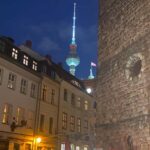
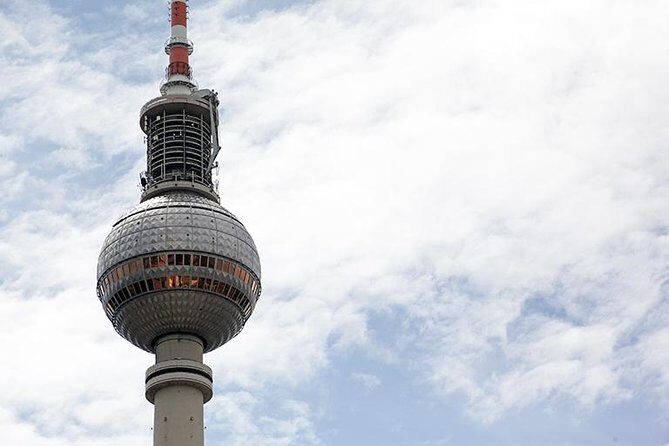
The tour ends at Alexanderplatz, near the famous Berlin TV Tower. Alexanderplatz is a fitting finale because it anchors the story in the center of the former East German capital—where power, crowds, and public life all met.
You can finish your tour, then decide what you want next. If you want the TV Tower experience, note that the ticket isn’t included. The tour still brings you to the right place, though. The real value is that you’ve already built context about the Wall, Stasi control, and the fall—and now you see the modern Berlin skyline in a more informed way.
If the group energy is good at the end (and small groups often keep the vibe lively), ask your guide for quick next steps. In reviews, guides like Dylan and others were praised for suggesting restaurants and even things like catching the sunset in a nearby park. You’ll likely get practical ideas tied to what you’re most interested in, not generic sightseeing checklists.
Price and logistics: does $21.78 really make sense?
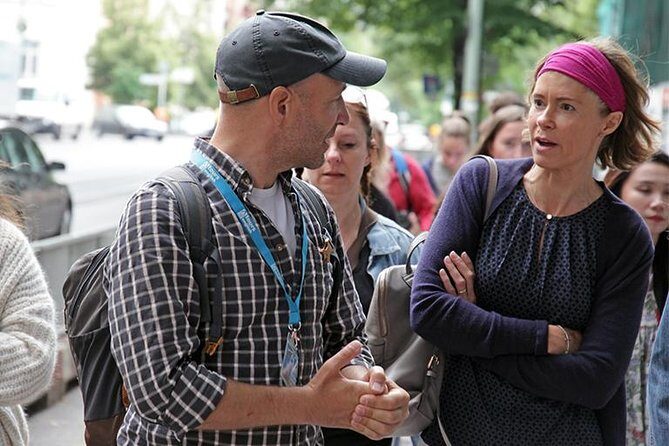
At $21.78 per person for about two hours, this tour can be very good value—especially because it’s not trying to cram in only viewpoints. You get guided explanations tied to multiple high-impact sites: the Wall memorial with preserved remains, the Death Strip viewpoint, the Bornholmer Straße fall explanation, and the Stasi headquarters context.
The two main extras to budget for are straightforward:
- Berlin Transport AB zone pass (about 10.60 euros) since transport isn’t included
- Berlin TV Tower admission not included if you choose to go up
If you’re the type who likes to “learn fast” during your trip, a guided 2-hour format is efficient. And because the group cap is about 20, you’re less likely to feel like you’re trapped in a lecture for a crowd.
One more value point: the tour uses mobile tickets, which is convenient, and it operates in all weather conditions, so it’s designed to keep moving whether the sky is gray or bright.
Who this tour fits best (and who might want a different plan)
This tour is ideal for you if:
- you want a first-class orientation to Cold War Berlin without building your own route
- you care about the human side of the Wall era, not just dates and photos
- you like guides who tell stories and answer questions clearly (many reviews praised specific guides like Ariel, Tom, Dylan, Georgia, and Jimmy for engagement)
It’s also a solid pick for solo travelers, couples, and families who can handle walking for roughly two hours. One review even noted it was a great family option, and several guides were praised for making history understandable without talking down.
If you hate emotional history stops, you might find parts of the memorial and border crossing segments tough. But that’s also the point: you’ll understand the Wall because you’re shown what it did to people.
My bottom line: should you book it?
Yes—if your goal is to understand East Berlin’s Berlin Wall story in a short, focused walk, book it. The standout strength is how the guide structure connects the Wall’s physical reality (including the chance to touch preserved remains) with the system behind it, from the Death Strip to the Stasi.
Just go in knowing it’s a guided history experience, not a long sightseeing bus tour. Bring good shoes, plan for transit and optional TV Tower costs, and choose this when you want context. With that mindset, these two hours can feel like much more.
FAQ
What’s the duration of the East Berlin and Berlin Wall walking tour?
It’s about 2 hours.
Where does the tour start, and where does it end?
You meet at Neue Promenade 3, Berlin, and the tour starts near Hackescher Markt. The end point is described as close to the S-Bahn station Nordbahnhof, and the tour info also lists the Berlin Wall Memorial area as an end point—so check your confirmation for the exact finish location.
Is the tour offered in English?
Yes, it’s offered in English.
What’s included in the price?
The price includes a professional guide and the 2-hour walking tour.
What’s not included?
You’ll need to budget for a Berlin Transport AB zone pass (about 10.60 euros). Admission for the Berlin TV Tower is also not included.
Does the tour run in bad weather?
Yes. It operates in all weather conditions, so dress appropriately.
How large is the group?
The tour has a maximum of 20 travelers.
Should you book this East Berlin and the Berlin Wall 2-Hour Walking Tour?
If you’re planning one Wall-focused activity and you want it to make sense fast, this is a strong choice. You’ll cover the memorial, the Death Strip viewpoint, the November 9, 1989 fall at Bornholmer Straße, and the Stasi’s role in everyday control—without wasting time figuring out a route. Just budget for the transit pass and any optional TV Tower entry, and you’ll be set for a meaningful, well-paced walk.