REVIEW · BERLIN
Berlin 2-Hour Segway Tour
Book on GetYourGuide →Operated by Firewheels Tour GmbH · Bookable on GetYourGuide
Berlin moves fast, and this tour matches that pace. In just 2 hours, you can glide past major landmarks while a guide connects the dots. You also get a hands-on start with helmet, training, and practice before you roll out.
I especially like the focus on places that shaped modern Berlin: Checkpoint Charlie and the Holocaust Memorial. The ride format also helps you cover more ground than a walking route, including stretches along the Spree River where the scenery changes quickly.
The main drawback is rider readiness. You’ll need a valid driver’s license (or moped certification) and you must be comfortable steering an e-scooter through bike lanes and sidewalks, even though the guide teaches you first.
In This Review
- Key highlights to look for
- Why a 2-hour Segway-style tour is a smart way to see Berlin
- Getting started at Claire-Waldhoff-Straße 6: practice, helmet, and the real rules
- The ride itself: sidewalks, bike lanes, parks, and the Spree stretch
- Stop-by-stop: what each major sight gives you (and what to watch for)
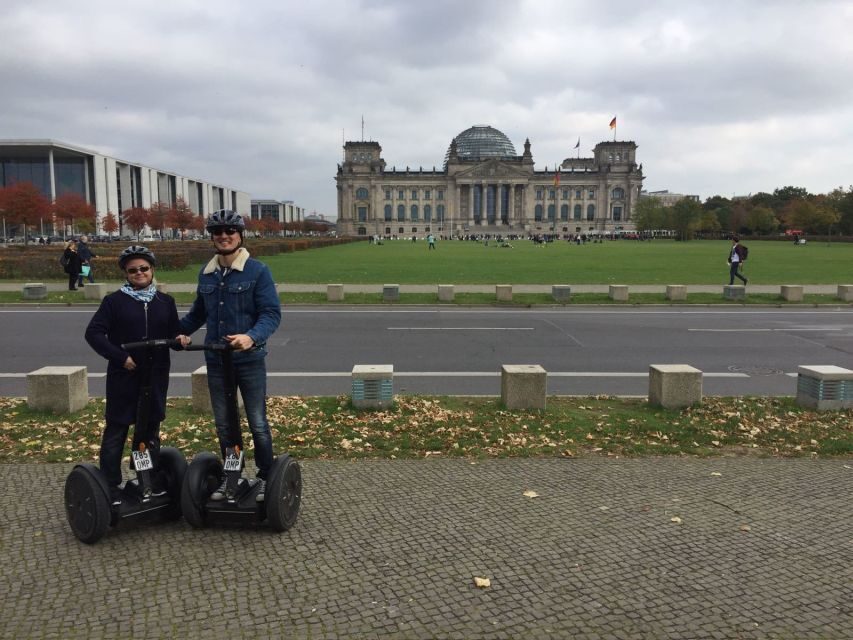
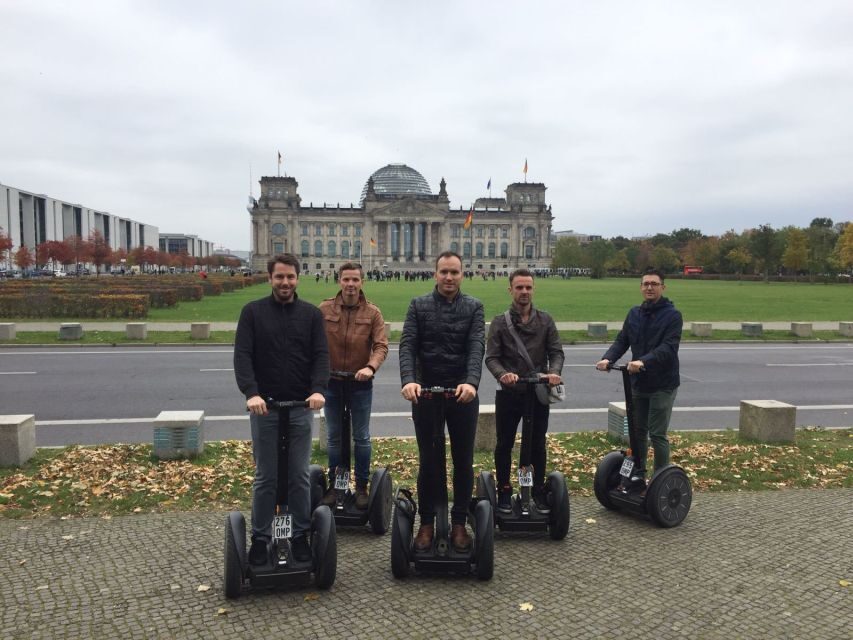
- Reichstag Building: the political Berlin anchor
- Holocaust Memorial: pausing with purpose
- Checkpoint Charlie: the Berlin Wall story in one famous place
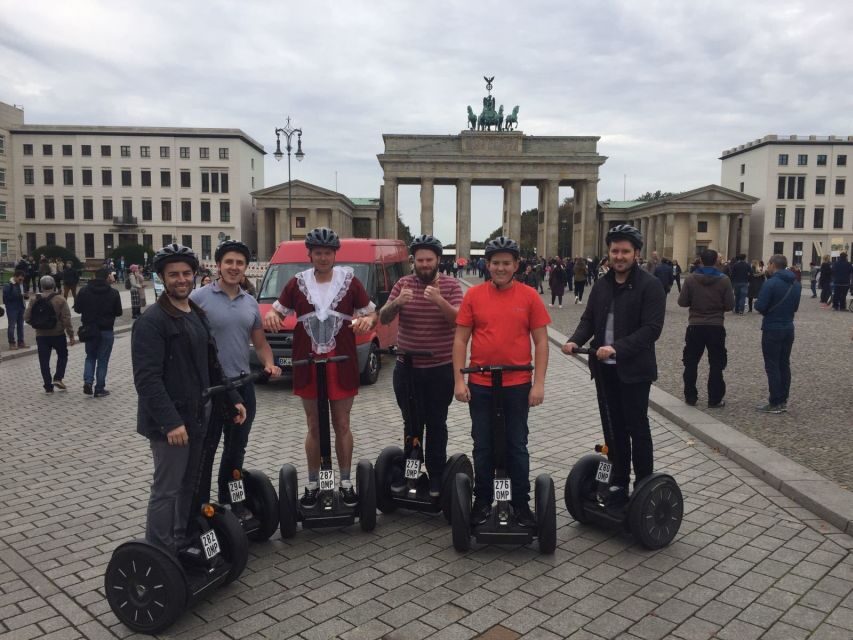
- Brandenburg Gate: the classic photo finish
- Customizing the loop around your interests
- Guides are the difference: safety, humor, and teaching you fast
- Price and value: what $69 buys you in real terms
- Weather reality and rider comfort: what to bring so the ride feels easy
- Who this tour suits best (and who should skip it)
- Should you book this Berlin 2-Hour Segway Tour?
- FAQ
- What’s the meeting point for the Berlin 2-Hour Segway Tour?
- How long is the tour?
- What does the tour cost?
- What stops are included?
- What’s included in the tour price?
- Do I need a driver’s license?
- Is there an age limit?
- What should I bring?
- What languages are the guides?
Key highlights to look for
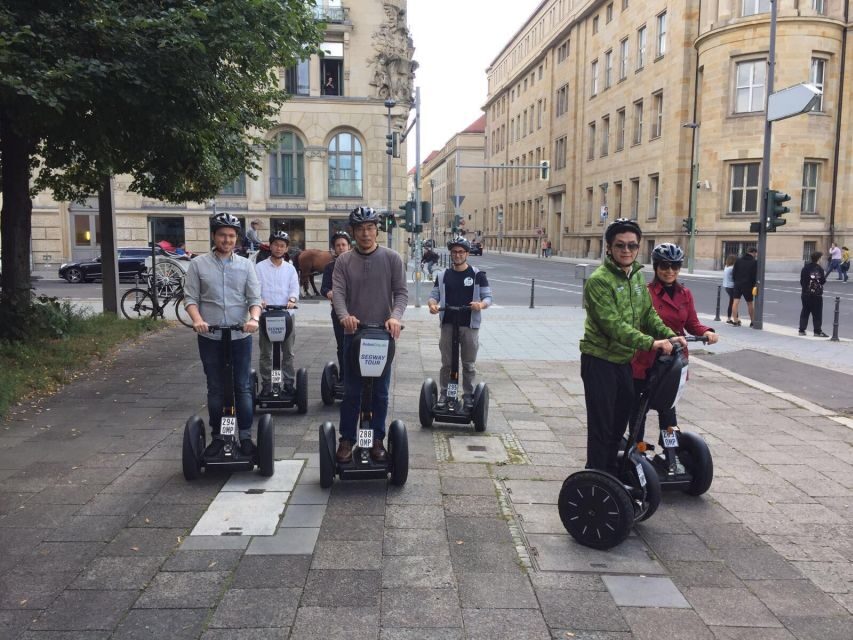
- Spree River scenery that keeps the ride feeling like more than just stop-and-go
- Checkpoint Charlie for a strong sense of where the Berlin Wall was crossed and watched
- Holocaust Memorial with commentary that frames what you’re seeing beyond the postcard view
- Brandenburg Gate timed for easy photo moments on a classic route
- Training before you start plus practice time so first-timers aren’t thrown in at full speed
- Small-group energy noted by riders, which often makes it easier to ask questions and get help
Why a 2-hour Segway-style tour is a smart way to see Berlin
Berlin is huge, and a “first day” can turn into a grind if you’re only walking. This Segway/e-scooter format solves that problem by letting you cover distance without making every minute feel like a sprint.
What makes this one appealing is the balance between big sights and moving through real city spaces. You’re not just viewing monuments from a distance; you’re traveling along bike lanes, sidewalks, popular avenues, parks, and the banks of the Spree. That mix helps you get your bearings fast, especially if it’s your first time in Berlin.
The tour also aims for a “best of” loop: Reichstag Building, Holocaust Memorial, Checkpoint Charlie, and Brandenburg Gate. In two hours, that’s a lot of emotional weight and landmark scale—so you’ll want to be ready to slow down for the places that deserve it.
A few more Berlin tours and experiences worth a look

Getting started at Claire-Waldhoff-Straße 6: practice, helmet, and the real rules
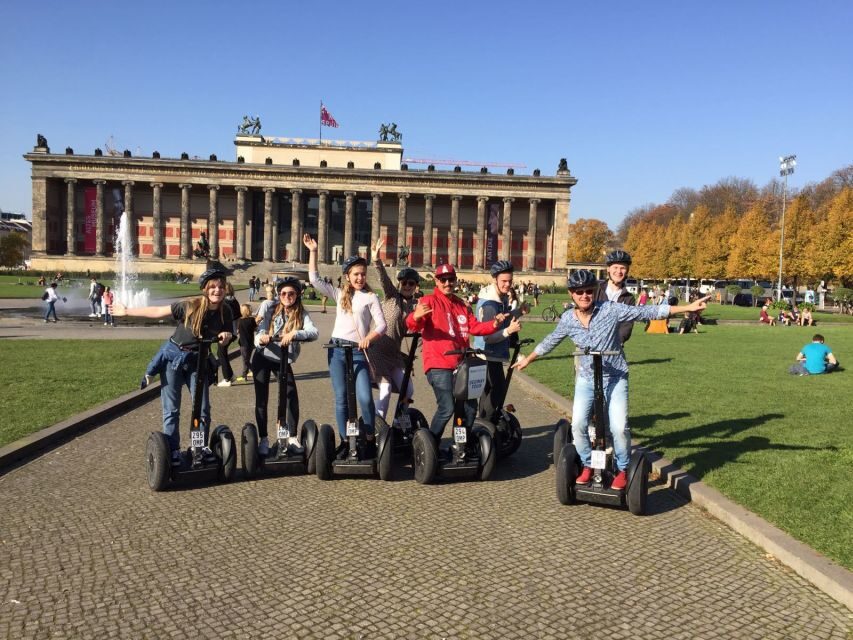
Your tour starts at Claire-Waldhoff-Straße 6, 10117 Berlin. Plan to arrive a bit early so you can get fitted and settled without rushing. You’ll receive a helmet, then get an instructional session on how to use the e-scooter.
One practical detail I appreciate: there’s free time to practice before the tour. That matters more than people think. Even if you feel “coordination confident,” learning the scooter’s platform feel—turning, stopping, and balancing—reduces stress the moment the group rolls out.
You also need to bring the right paperwork. The tour requires a driver’s license or moped certification, and your body weight must be between 45 and 118 kg. It’s not suitable for children under 15, so if you’re traveling with younger teens, you’ll need to consider another option.
What to wear is also not a throwaway point. Wear comfortable shoes and dress for weather since the tour includes outdoor riding. The good news is the tour provides a raincoat, glove, and warm vest if needed, which can make a colder day much easier to manage.
The ride itself: sidewalks, bike lanes, parks, and the Spree stretch
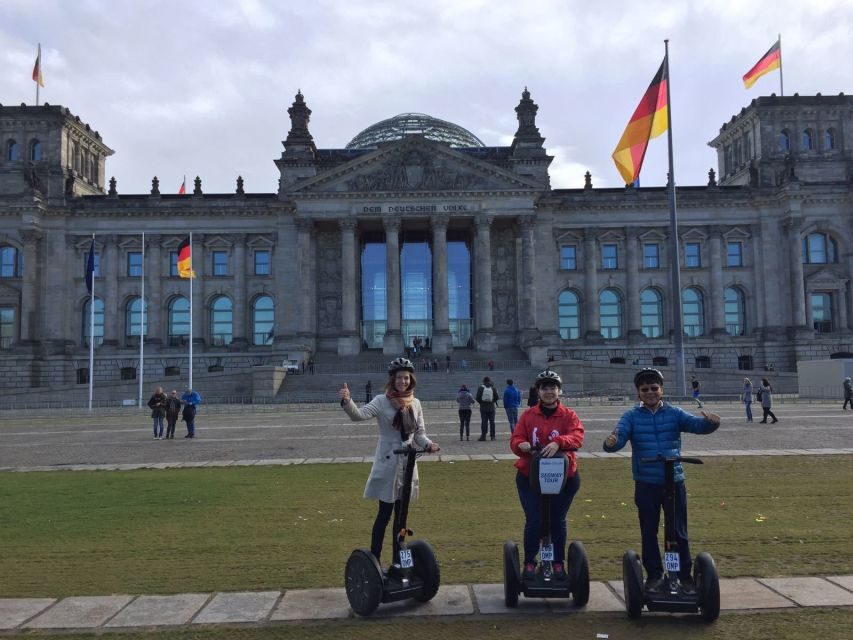
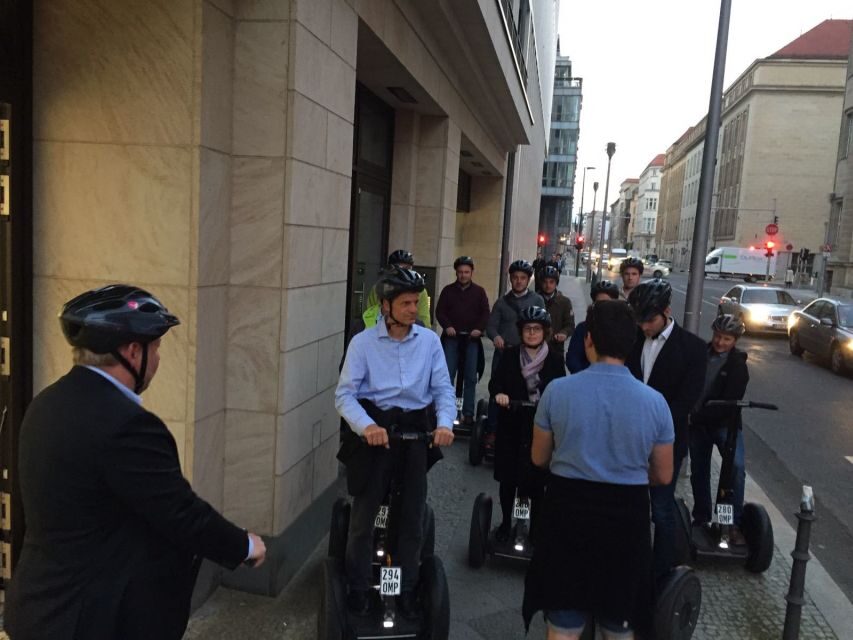
The tour is built around movement through Berlin’s day-to-day spaces. You’ll ride on sidewalks and bike lanes, then transition through popular avenues and parks. That’s a key part of the value: you’re traveling like someone who lives in the city, not just hopping between monuments.
You’ll also spend time along the Spree River. Even without being a “nature tour,” riverside routes add visual variety and make the ride feel longer than two hours. It’s also a nice change of pace when you’re going from heavier historical sites to a more open, scenic stretch.
Another smart element: the guide offers commentary while you move. That means you’re not stuck waiting at each stop for someone to start talking. You’ll pick up context through the ride, then you can use the photo moments to capture the landmarks you’ve already learned how to see.
Stop-by-stop: what each major sight gives you (and what to watch for)
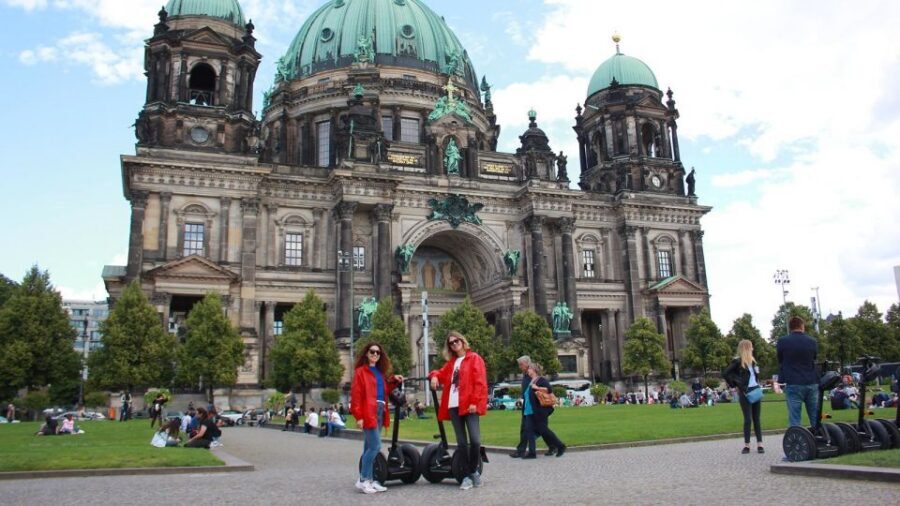
This route is designed for big recognition points, but each stop has a different job. Here’s how the main sights typically land, and what you should do to get the most out of each one.
Reichstag Building: the political Berlin anchor
The Reichstag Building is included for a reason. It gives you the political geography of the city—where modern Germany’s story is visibly tied to architecture and governance. It’s one of those places where even a short look can change how you interpret what you’ll see later.
Because your time is limited, the smartest move is to listen first, then shoot photos. If you jump straight to selfies, you’ll miss the guide’s framing. The guide’s commentary helps you connect the building to the rest of the route.




Holocaust Memorial: pausing with purpose
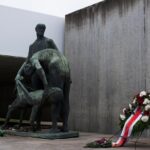
The Holocaust Memorial is listed as a highlight, and it’s the kind of stop that should slow you down. It’s described as a haunting tribute to the Jewish victims, and that tone matters. The guide’s info helps you approach the site with care rather than treating it like another photo stop.
Practical tip: if you want a respectful pace, don’t rush your time here. If your group is moving on quickly, you can still take a moment to step back, look around, and absorb the space before moving toward the next landmark.
Checkpoint Charlie: the Berlin Wall story in one famous place
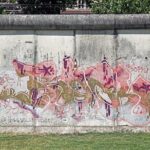
Checkpoint Charlie is the best-known crossing point in the Berlin Wall story. That means it’s loaded with meaning, even for people who aren’t deep into Cold War details. It also tends to feel visually clear: you can quickly understand why this became a symbol of separation, surveillance, and tension.
This is a stop where the guide’s “insider tidbits” really pay off. The more you understand what was happening at a checkpoint like this—who controlled movement and what the world watched—the more the site becomes real, not just historic.
Photo note: it’s easy to snap the landmark and move on. But if you want better photos, wait for your moment, then ask the guide if the group can pause briefly for your angle. Riders have also noted there can be a lot to photograph, so being proactive helps.
Brandenburg Gate: the classic photo finish
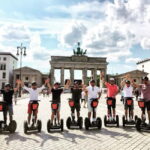
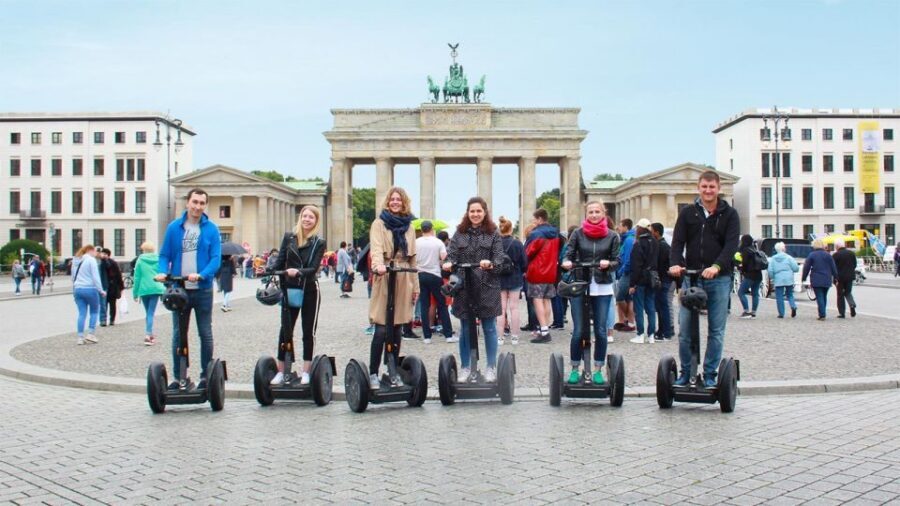
You end up at Brandenburg Gate, one of Germany’s most famous landmarks. This is the “you made it” landmark—a place that’s recognizable even if you’re still learning the story of the city.
The value here is timing and context. By the time you reach the gate, you’ll have already seen Berlin’s past fractures (and the memorial weight) and can see the gate as something more than a background for pictures.
If you’re a photographer, bring a little patience. This is a popular spot, and your best shot often comes when the group is settled and the guide is ready for the group to stop.
Customizing the loop around your interests
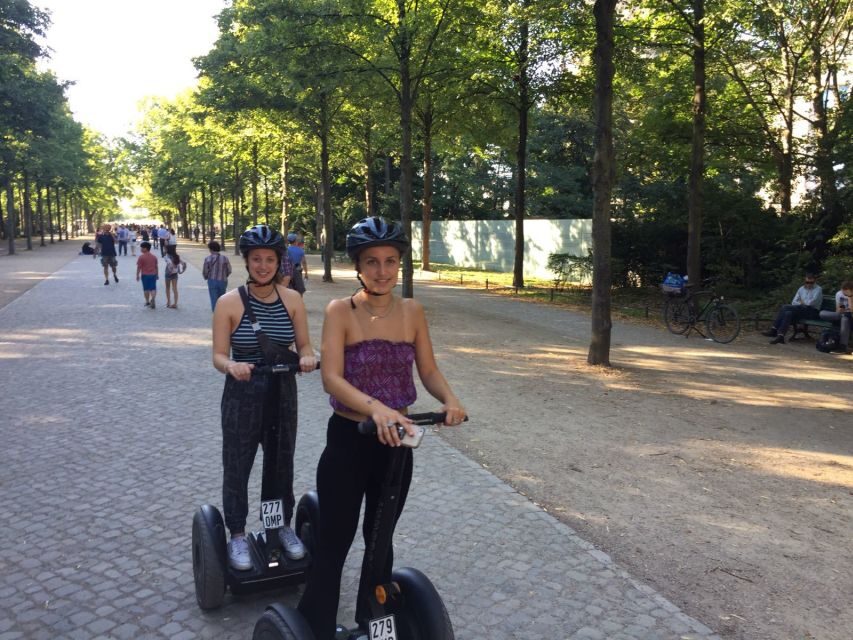
The itinerary can be customized according to your interests. That flexibility is useful because Berlin can be visited through different lenses: history-first, landmarks-first, or a mix with more emphasis on what the guide finds most relevant for your group.
If you have strong preferences—politics, Cold War history, architecture, or a more scenic ride—tell your guide early during the session. The tour is designed to adjust, so you’re not stuck with a rigid script from start to finish.
Guides are the difference: safety, humor, and teaching you fast
A big part of the tour’s high ratings comes down to guide style. Multiple guides have been praised for being fun, informative, and safety-minded. Names that come up include Eishan, Mike, Morgan/Morgon, and Vincent/Vicent.
What you should take from that: the best tours don’t just recite facts. They teach you how to ride confidently and then keep the story moving while you’re in motion. The guide also helps route you away from the most stressful traffic moments when possible, which is a big deal for first-timers.
One very practical tip that shows up in rider feedback: watch your footing on the platform. The platform can feel wider than your standing feet, so step carefully at the start and during stops. That’s the kind of small detail that prevents a whole lot of frustration.
Price and value: what $69 buys you in real terms
At $69 per person for 2 hours, this isn’t the cheapest way to see Berlin. But it can be strong value for the kind of coverage you get. You’re paying for three things at once: guided historical storytelling, time-efficient transport, and equipment support.
Included basics add real comfort and reduces your own packing stress:
- Helmet
- Raincoat, glove, warm vest if needed
- A professional guide
- Time for practice before the tour
Then there’s the intangible value: getting guided context at speed. Walking tours are great, but they can’t cover the same “big sight” checklist in two hours without feeling rushed. This format helps you cover key landmarks like Checkpoint Charlie and Brandenburg Gate without spending all your time commuting on foot.
If you’re deciding between the 1-hour and 2-hour option, the two-hour tour tends to make a noticeable difference because it’s less likely to feel like you’re only glimpsing each stop. One rider recommendation was to choose the longer ride if you want more than a quick scratch at the surface.
Weather reality and rider comfort: what to bring so the ride feels easy
Berlin weather can change fast, and the tour accounts for that. You’ll have the ability to use a raincoat and additional warm gear if needed, plus gloves. Still, your personal comfort matters because you’re outdoors while riding and waiting at photo points.
Bring:
- Driver’s license or moped certification (required)
- Comfortable shoes
- Weather-appropriate clothing
- Extra layers if you run cold, even if warm vests are available
If you’re a first-time rider, treat the practice time like it’s part of the tour highlight. Get comfortable with turning and stopping before you focus on pictures. And when you’re learning, keep your movements smooth—sudden corrections tend to feel worse on a moving platform.
Who this tour suits best (and who should skip it)
This is a strong fit if you want to see major Berlin landmarks fast and still get meaningful context. It’s also a great choice if you’re trying to get your bearings without spending your whole day walking.
It’s especially good for:
- First-timers who want a landmark checklist: Reichstag Building, Holocaust Memorial, Checkpoint Charlie, Brandenburg Gate
- People who like learning while moving, not sitting on a bus
- Travelers who want a fun format with serious subject matter handled carefully
It may not be the best fit if:
- You’re not comfortable riding on sidewalks and bike lanes
- You don’t have the required license/certification
- You’re traveling with children under 15
- You’re outside the 45–118 kg weight range
Should you book this Berlin 2-Hour Segway Tour?
I’d book it if your priority is classic Berlin landmarks plus guided storytelling, and you want the efficiency of gliding between key points. The route’s mix of political and memorial sites, plus iconic sights like Brandenburg Gate, makes the time feel well used.
Choose it over shorter options if you want time to settle into the scooter experience and still have proper moments at major stops. And if you’re a first-time rider, lean on the practice session and listen during the instruction phase—you’ll enjoy the ride far more when you’re not thinking about balance.
If your idea of a perfect day is slow, quiet, and deeply detailed at a single site for hours, then this might feel too fast. But for most people visiting Berlin for the first time, this is a practical, memorable way to see a lot without losing the human story behind what you’re seeing.
FAQ
What’s the meeting point for the Berlin 2-Hour Segway Tour?
You’ll meet at Claire-Waldhoff-Straße 6, 10117 Berlin, Germany.
How long is the tour?
The tour lasts 2 hours.
What does the tour cost?
The price is $69 per person.
What stops are included?
The highlights include the Reichstag Building, the Holocaust Memorial, Checkpoint Charlie, and the Brandenburg Gate.
What’s included in the tour price?
It includes a professional guide, the Segway tour, helmet, and free time for practice, plus a raincoat, glove, and warm vest if needed.
Do I need a driver’s license?
Yes. A valid driver’s license or moped certification is required.
Is there an age limit?
Yes. It’s not suitable for children under 15.
What should I bring?
Bring your driver’s license, comfortable shoes, and weather-appropriate clothing.
What languages are the guides?
The tour guide is available in English and German.