REVIEW · COLOGNE
Cologne: City Highlights with Local Guide
Book on GetYourGuide →Operated by Echt Köln · Bookable on GetYourGuide
A 2000-year trail starts right in the city center. I love how this walk turns big landmarks into a clear story: you move from Heumarkt to Fischmarkt, then on through the old-town streets toward Cologne Cathedral, with your local guide linking Roman traces, bishops, merchants, and even war scars to what you see in front of you. I also like that the guides keep it conversational, with room for questions and context, not just a script. One thing to keep in mind: it’s a walking tour, so plan on steady movement and bring comfortable shoes.
You’ll cover the most important stops around the cathedral area at an easy, human pace. Over about two hours, you’ll get the sense of how Cologne grew, changed hands, rebuilt after destruction, and kept its identity—right down to the narrow lanes in the historic core.
The tour runs in German and is led by an experienced local guide. If you prefer English-only tours, this is something to double-check, but if you’re comfortable with basic German or you enjoy listening and picking up context through tone and pacing, it can still be a fun way to connect with the city’s real rhythm.
In This Review
- Key Things That Make This Tour Worth It
- Walking Cologne Like a Local Storybook (Without the Museum Detour)
- Starting at Heumarkt: The City Center’s Classic Launch Point
- Heumarkt to Fischmarkt: From Market Life to Historical Layers
- Groß St. Martin: A Stop That Turns Architecture into a Timeline
- Alter Markt and the Historic Town Hall: Where Civic Power Shows Up
- Cologne Cathedral Area: The 2000-Year Story Comes Together
- How the Local Guide Shapes the Value (Markus, Angelika, and the Q&A Style)
- What You’ll Walk Through: The Pace, Duration, and What to Bring
- Price and Value: Why $16 Makes Sense Here
- Who This Tour Fits Best
- Quick Practical Tips Before You Go
- Should You Book This Cologne Highlights Tour?
- FAQ
- FAQ
- Where does the tour start?
- How long is the Cologne tour?
- What is the price per person?
- What language is the guide?
- Is the tour mainly about the cathedral?
- What places are included on the walk?
- What should I bring?
- Is cancellation possible if plans change?
- Can I reserve without paying right away?
- How do I check available starting times?
Key Things That Make This Tour Worth It
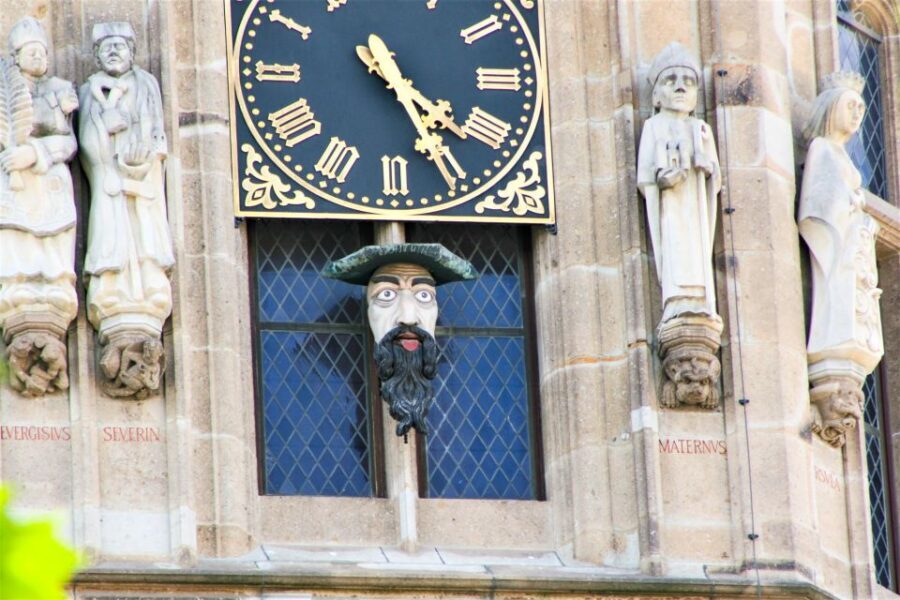
- Heumarkt to the cathedral area: you trace the city center in a logical, easy-to-follow walk
- 2000 years of change in one route: Romans, bishops, craftsmen, and Middle Ages commerce all get tied to places you pass
- Old-town narrow streets: the “in-between” lanes matter as much as the big sights
- Rebuilding after war: you’ll hear how Cologne recovered, not just how it was built
- Local guide energy: guides like Markus and Angelika are praised for openness, humor, and answering questions
- A focused 2-hour plan: enough time to feel the story without turning it into an all-day grind
Walking Cologne Like a Local Storybook (Without the Museum Detour)
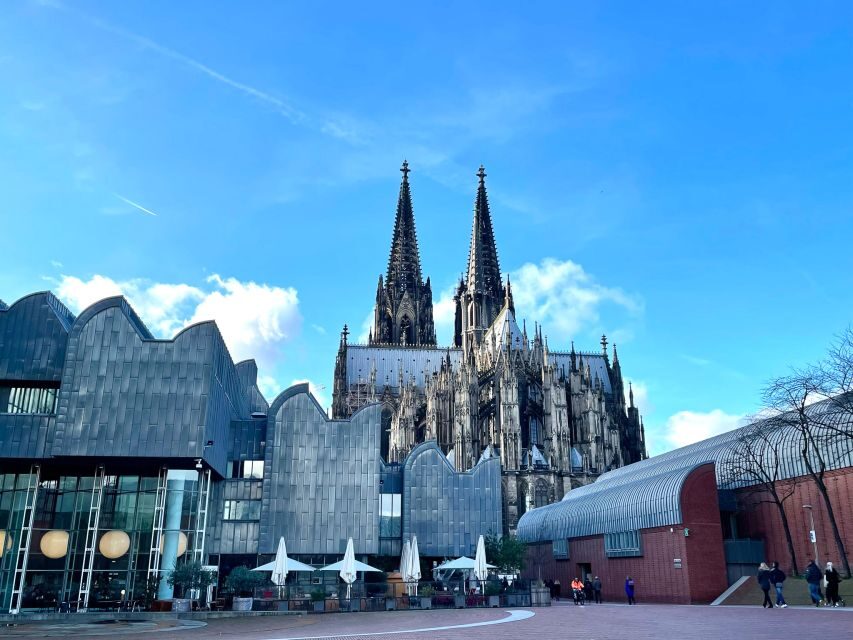
Cologne has a talent for hiding history in plain sight. This tour is built to show you where that history lives, using a simple formula: walk a short route through the center, stop at key places, and let your guide connect each location to the larger timeline.
What I especially like is how the story isn’t stuck in ancient dates. You hear about Romans and bishops, then jump forward to merchants and craftsmen in the Middle Ages. You also get the traces of French presence and the impact of monks and religious power—then the tour brings you back to the 20th century with the destruction of war and how Cologne was rebuilt. It’s the kind of narrative that makes the city feel continuous, not like separate eras glued together.
And yes, the cathedral is the anchor. But the best part is that you’re not only standing and looking. You’re walking through the routes that help explain why the cathedral area became the heart of civic life.
You can also read our reviews of more guided tours in Cologne

Starting at Heumarkt: The City Center’s Classic Launch Point
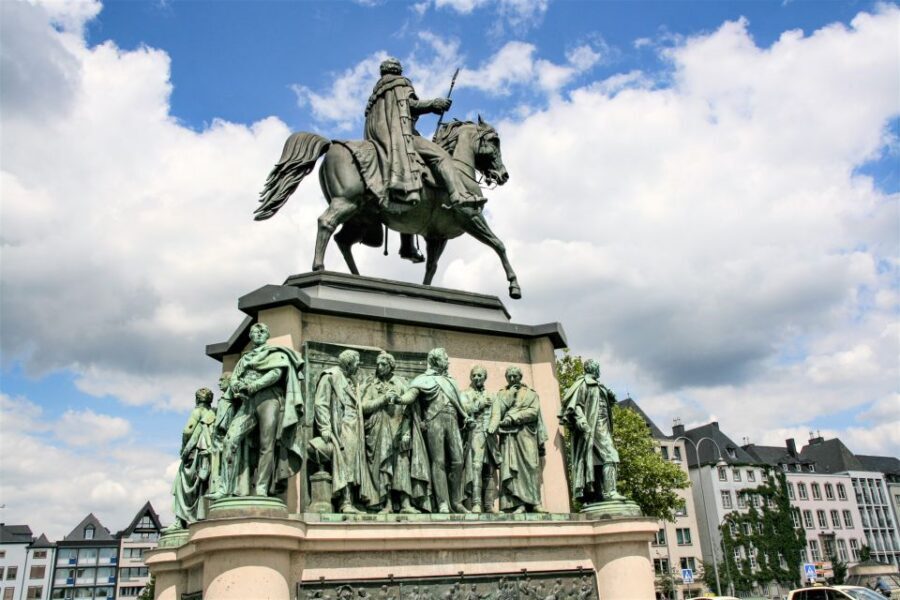
Your meeting point is easy to find: the equestrian monument on Heumarkt. If something is happening on the square, the guide may use an alternate spot—Heumarkt at the corner of Gürzenichstraße—so it’s smart to arrive a few minutes early and be ready to adjust.
Heumarkt isn’t just a convenient start. It puts you into the flow of Cologne’s daily life right away, which matters because this tour is about connecting history to living streets. The guide starts framing the 2000-year story early, so by the time you’re walking toward the older lanes, you’re already “tuned in” to what you’re going to notice.
If you’re the type who enjoys orientation, this opening helps. You quickly learn where you are in the city’s structure, which makes later stops around the cathedral feel more like a coherent neighborhood walk instead of a random list of sights.
Heumarkt to Fischmarkt: From Market Life to Historical Layers
From Heumarkt to Fischmarkt, you’ll pass through parts of the historic center where the city’s commercial energy is part of the explanation. Fischmarkt is one of those names that instantly feels tied to everyday life—markets, trades, and the kinds of people who shaped Cologne long before modern tourism.
This is also where the “narrow streets” element starts to matter. You’re not just moving between plazas. You’re getting little corridors of old town that change the way you experience the city—slower pace, more sightlines blocked and revealed, and a stronger sense that you’re walking inside the historic fabric of Cologne.
Your guide will connect these streets to what you’re being told about Romans and later rulers, including the roles of bishops and influential civic figures. It’s a practical way to learn: you’re hearing a timeline while actively seeing the city form that timeline into streets and squares.
Groß St. Martin: A Stop That Turns Architecture into a Timeline
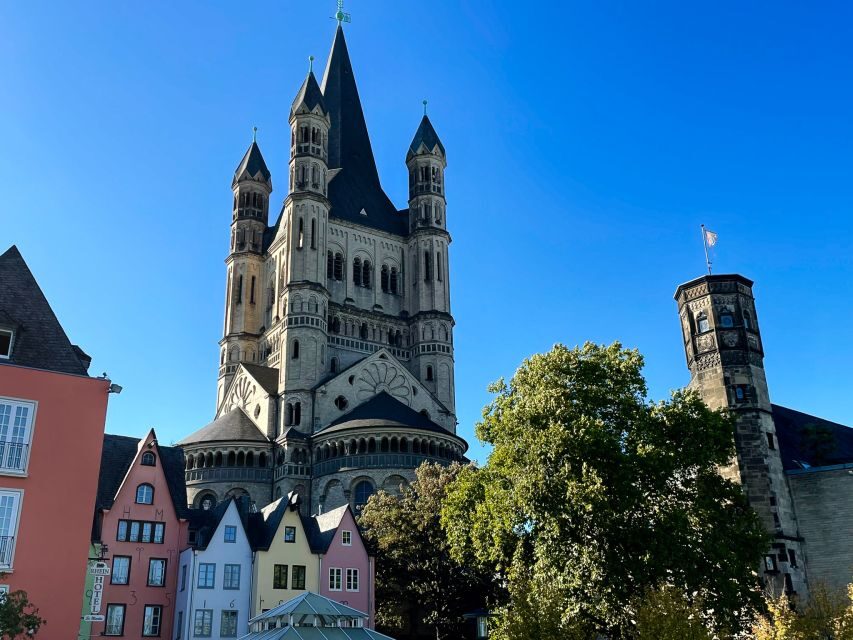
Next comes Groß St. Martin, a major landmark on the route. This is one of those stops where the building isn’t only a background object. It becomes a point in the story—tied to the theme of religious power over centuries.
Why that’s useful: churches in older cities often act like bookends for major periods of change. When you hear about monks and bishops alongside the architecture and location, you start to understand how religion shaped not just beliefs, but governance, education, and community structure.
You’ll also benefit from the guide’s pacing here. Since the tour is only two hours, you don’t want long speeches at any single point. The stop at Groß St. Martin helps break up the walk while keeping the narrative moving forward.
A small consideration: if you’re someone who wants lots of inside access, this tour is centered on what you can see from the street and public spaces. The value is in the walk-and-story approach, not in deep indoor time.
Alter Markt and the Historic Town Hall: Where Civic Power Shows Up
Then you reach Alter Markt, followed by the area around the historic town hall. This section shifts the emphasis from religious influence toward civic and economic power—merchants and craftsmen, and how they helped drive Cologne’s growth.
This matters because Cologne isn’t only a cathedral city. It’s a city that traded, built, negotiated, and recovered. You’ll hear about traces of powerful Middle Ages merchants and how the city’s structure reflects that influence in its public spaces.
In practical terms, Alter Markt is also a great moment to catch your bearings. It’s the kind of square that feels designed for gatherings and decisions. Standing here (even briefly) gives you a mental “map” of the city center, which helps the next part—around the cathedral—make more sense.
If you like photo stops, this is a good section to pause and look around. The architectural feel of this area helps you see Cologne as layered, not flat.
You can also read our reviews of more city tours in Cologne





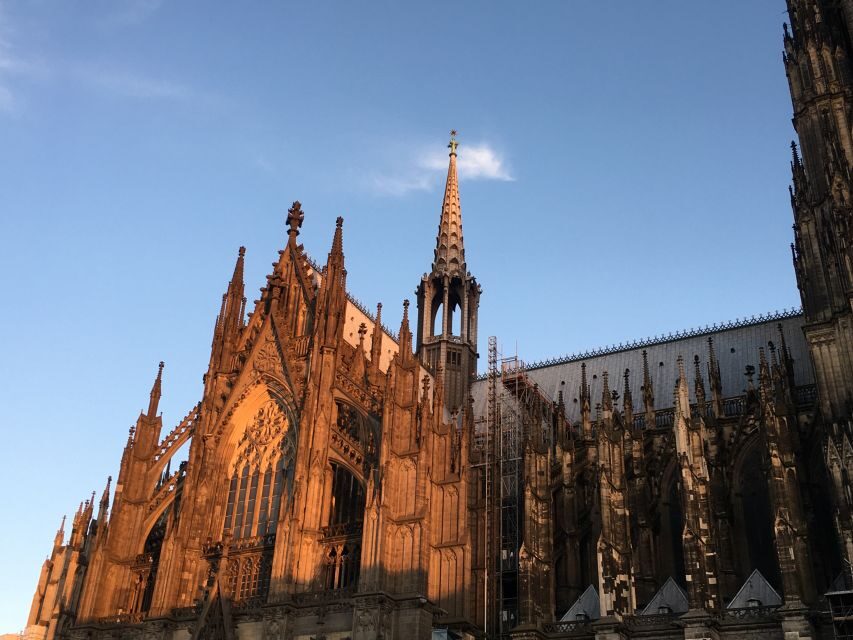
Cologne Cathedral Area: The 2000-Year Story Comes Together
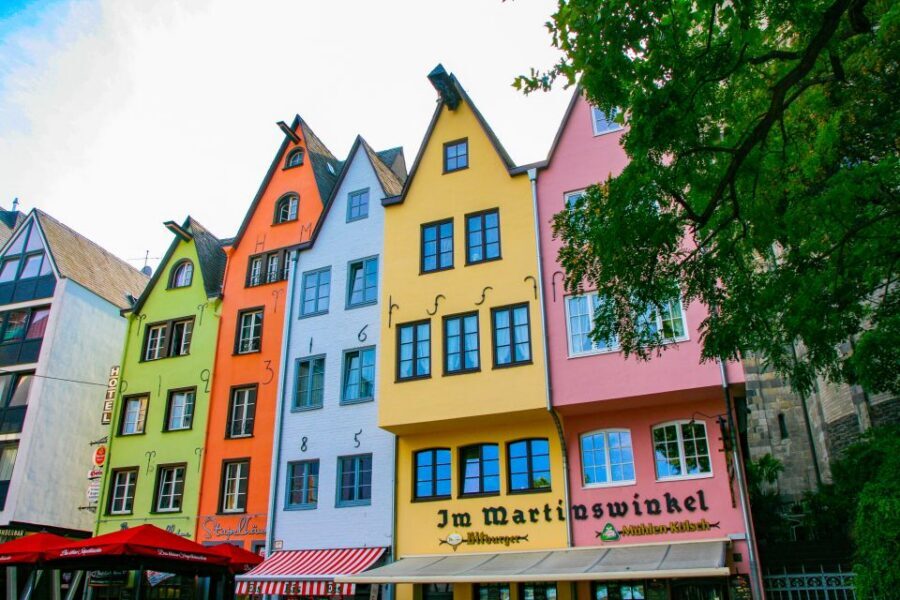
The cathedral area is where all the earlier pieces click into place. Even if you’ve seen the cathedral in photos, experiencing it as the destination of a short historical walk feels different. It’s not just a single sight. It’s the point where centuries of power, faith, and rebuilding come together visually.
This tour explicitly focuses on the cathedral’s historic surroundings—so you’ll walk through the area with the mindset of “how did this become the center?” Your guide ties it to Romans and bishops, to merchants and craftsmen, and to the city’s later experiences, including what happened during war and how Cologne rebuilt itself afterward.
That rebuilding part is especially worth your attention. It’s the reminder that historic cities aren’t frozen. They take hits, then come back with new layers. If you’ve ever wondered why old cities feel both ancient and strangely modern at the same time, this is the explanation that makes it click.
One more reason I like this section: the tour doesn’t rush past it. You get enough time to see the cathedral area as an environment—streets, squares, and the feel of the neighborhood—rather than a quick drive-by.
How the Local Guide Shapes the Value (Markus, Angelika, and the Q&A Style)
The guide experience is a big part of why this tour earns such strong praise. In particular, Markus is highlighted for being a competent guide who clearly enjoys history and stays open to questions beyond the main topic. Angelika also comes up as friendly and funny, which helps keep the story from turning into a lecture.
That matters for you because the best tours let you interact. If you’re curious—about something you noticed on your walk, or about how Cologne fit into bigger European shifts—you’re more likely to get real answers rather than a canned response.
Since the tour is two hours, the quality of the guide becomes even more important. A weaker guide can make the time feel stretched. A strong guide makes it feel efficient, like you’re getting a “best of” historical perspective without losing the thread.
Also, the tour is in German, so the guide’s delivery style is part of the immersion. Even if your German isn’t perfect, you’ll pick up plenty from the way stories are structured and emphasized.
What You’ll Walk Through: The Pace, Duration, and What to Bring
This is a 2-hour walking tour, priced at $16 per person. That price feels fair because you’re paying for an experienced local guide and a focused route that covers multiple major points around the cathedral area, rather than a single attraction.
What you should bring is straightforward:
- comfortable shoes (old town streets and standing time add up)
- weather-appropriate clothing (you’re outdoors for the full walk)
Pace-wise, you’ll be moving between stops like Heumarkt, Fischmarkt, Groß St. Martin, Alter Markt, and the cathedral area. It’s short enough to be manageable, but not short enough to be “easy mode” if you dislike walking.
If you’re tight on energy, plan this tour for a time when you can handle a steady walk. Think of it as a city orientation plus story session, not a sit-down break.
Price and Value: Why $16 Makes Sense Here
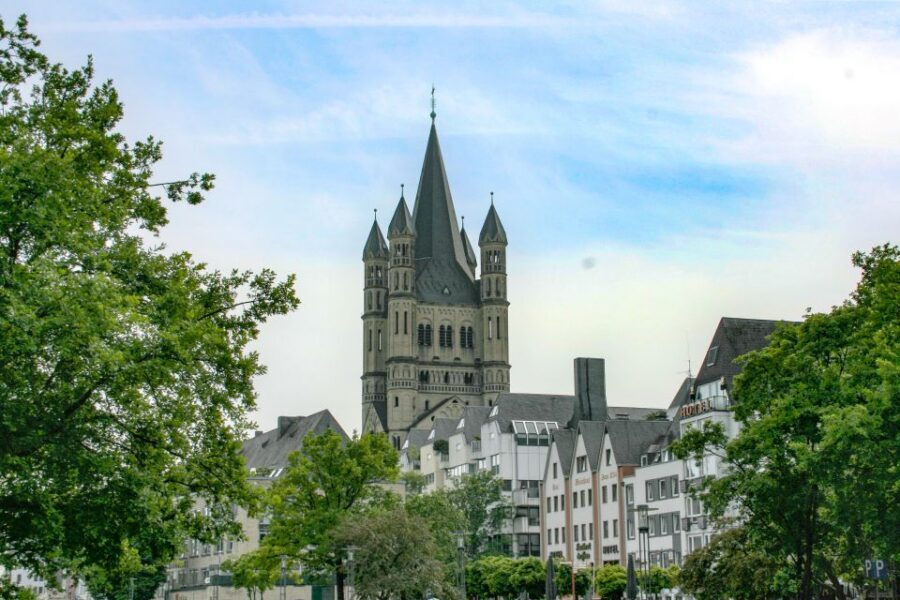
At $16 for two hours, you’re basically buying three things: guided interpretation, a route that strings together the city center, and historical context that you’d struggle to assemble on your own in the right order.
In other words, this isn’t about getting into a specific building for a long time. The value is in the way the guide connects what you see to what it meant—Romans and bishops, merchants and craftsmen, monks, French traces, and the modern reality of war and rebuilding.
If you want a history lesson that’s easy to follow while you’re walking, the price-to-time ratio is strong. If you’re hoping for lots of museum time or inside access, you may feel it’s too focused outdoors.
Who This Tour Fits Best
This tour is a great match if:
- you like history that connects directly to places, not just dates
- you want a simple route through the center with major stops
- you enjoy asking questions and hearing local interpretation (and you’re okay with German)
It may not be ideal if:
- you need English-only guidance
- you hate walking or don’t have comfortable shoes
- you’re only interested in one landmark and not the surrounding city fabric
Quick Practical Tips Before You Go
- Arrive a little early at the Heumarkt equestrian monument so you don’t miss the start.
- Bring shoes you can walk in for two hours without paying for it later.
- If you have questions in mind, keep them ready. A big strength here is that the guide stays open to answers beyond the main flow.
- Plan a relaxed day around it. This is the kind of tour that improves your sense of the city, so it pairs well with later exploration.
Should You Book This Cologne Highlights Tour?
I’d book it if you want a smart, two-hour way to understand Cologne beyond the headline sights. The strongest reason is the combination of route + storytelling, tied to 2000 years of change and anchored by the cathedral area.
Skip it if you only want indoor time, if German isn’t workable for you, or if you prefer self-guided wandering with no structured historical thread. But if you like walking and you want the city explained in a friendly, local way—this one is an excellent deal.
FAQ
FAQ
Where does the tour start?
Meet at the equestrian monument on Heumarkt. If there is an event on the square, the meeting point is Heumarkt/corner of Gürzenichstraße.
How long is the Cologne tour?
The tour lasts 2 hours.
What is the price per person?
The price is $16 per person.
What language is the guide?
The live tour guide speaks German.
Is the tour mainly about the cathedral?
The cathedral is a key highlight, but the route also covers historic places around it, including Heumarkt, Fischmarkt, Groß St. Martin, and Alter Markt.
What places are included on the walk?
You’ll walk from Heumarkt to Fischmarkt, past Groß St. Martin to Alter Markt and the historic town hall, with the cathedral area as the major destination.
What should I bring?
Bring comfortable shoes and weather-appropriate clothing.
Is cancellation possible if plans change?
Yes. You can cancel up to 24 hours in advance for a full refund.
Can I reserve without paying right away?
Yes. You can reserve now and pay later.
How do I check available starting times?
Check availability to see starting times before booking.