REVIEW · BERLIN
DDR Museum Berlin Admission Ticket
Book on Viator →Operated by DDR Museum Berlin GmbH · Bookable on Viator
East Berlin, minus the time machine. The DDR Museum turns everyday GDR life into hands-on exhibits you can walk through quickly, including propaganda on TV. I also like how it uses set pieces like the Stasi-style interrogation experience and the mock election moments to make politics feel personal.
You’ll enter on your chosen date and time slot and head straight inside with your ticket. The museum is in central Berlin by the Spree, opposite Berlin Cathedral at Karl-Liebknecht-Str.1, so it’s easy to fold into a day of sightseeing.
One watch-out: the museum is small and often crowded, and the building can feel very hot with no air-conditioning. If you hate claustrophobic crowds, pick a quieter time and plan for tight passageways.
In This Review
- Key highlights worth planning around
- DDR Museum Berlin: what you actually get for the ticket
- Where the DDR Museum is, and why its location helps your day
- Choosing your time slot: how to avoid the crowd crush
- Entering “East Germany” through reconstructed life rooms
- The Trabant exhibit: the car that symbolizes a whole era
- Virtual tour of a GDR housing estate
- Stasi interrogation and political life: how the exhibits teach without preaching
- “Interactive” for kids vs. “interactive” for adults
- The Berlin Wall exit: a stronger ending than you expect
- Price and value: is $16.26 a good deal in Berlin?
- What to do about heat and crowds (the practical stuff)
- English experience: what to expect from the language offering
- Who this DDR Museum visit is best for
- Should you book the DDR Museum Berlin ticket?
- FAQ
- What’s the duration of the DDR Museum Berlin admission?
- Is this ticket available in English?
- Where is the DDR Museum located?
- Do I need to bring food or drinks?
- How late is the museum open?
- Can I cancel for a refund?
Key highlights worth planning around
- Interactive replica rooms that recreate daily life in East Germany, including a reconstructed living space and TVs playing GDR programming.
- Trabant car exhibition plus film and hands-on-style moments that bring everyday transportation to life.
- GDR housing estate virtual tour that helps you understand how people lived beyond one apartment.
- Stasi interrogation and election-style exhibits that make the politics and fear behind the system feel concrete.
- Berlin Wall finale where you exit through a hole in the wall, adding a sharp emotional finish.
- English-friendly signage and activities, making it a solid fit for mixed-language groups.
DDR Museum Berlin: what you actually get for the ticket
The admission ticket is straightforward: show up, scan in on your selected time slot, and spend about 1 to 2 hours working your way through the museum at your own pace. For $16.26 per person, you’re paying for a guided-feel experience without a live guide sitting next to you the whole time.
What makes this one different from a basic museum visit is the “role-play” layout. You’re not just reading panels. You’re walking through rooms designed to feel like a real East German apartment life—kitchen appliances, household details, and TV that plays GDR-style programming.
And yes, it’s designed for families. That’s a plus if you travel with kids who need to touch, press, and explore. It can also be a downside if you prefer quiet history galleries.
A few more Berlin tours and experiences worth a look


Where the DDR Museum is, and why its location helps your day
The DDR Museum is easy to reach and easy to pair with other central sights. It’s at Karl-Liebknecht-Str.1, opposite Berlin Cathedral, and you’re also near the Spree river area.
That matters because Berlin days can get hectic. When a museum is this central, you don’t lose half your day to transit. You can plan a relaxed morning walk, pop into the museum around lunch, then keep going.
Also, it’s near public transportation, which helps when you’re deciding how to get there on a busy day.
Choosing your time slot: how to avoid the crowd crush
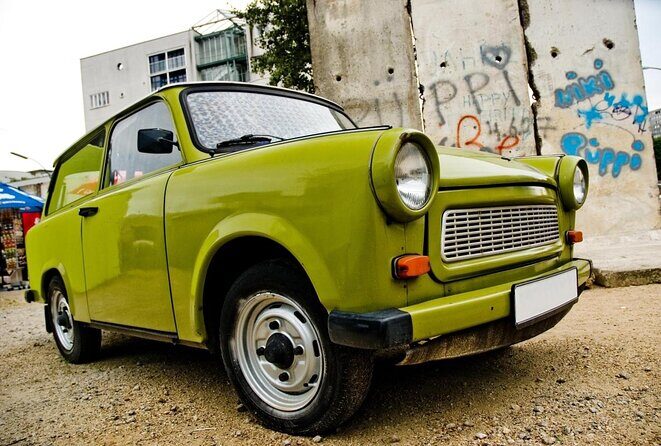
The museum runs daily from 9:00 AM to 9:00 PM, so you’re not forced into one tight window. That’s useful because the biggest recurring issue in feedback is congestion inside a small footprint.
If you want the best chance at smoother viewing, aim for a time when foot traffic tends to be lower. People often report having an easier experience when they go earlier and when they avoid peak hours. Since you can pick a time slot, you have real control here.
For your comfort, also plan a little buffer. Since it’s small and interactive, the flow can bottleneck at popular exhibits like the car display and the room-like reconstructions.
Entering “East Germany” through reconstructed life rooms
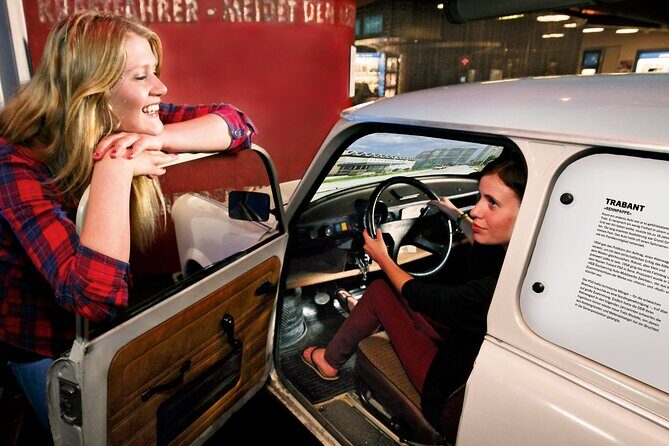
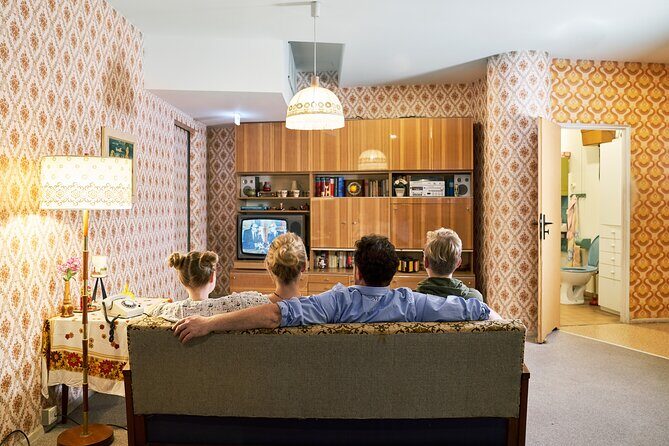
From the moment you step in, the museum nudges you into thinking like a Berliner during the GDR period from 1949 to 1989. You’re shown rooms built to feel lived-in, including a reconstructed East German living room.
The details are what stick. You’ll see authentic-looking household touches and TV screens showing propaganda-style programming. One standout specific recreation is a Carat living room cupboard, plus the kitchen section with period-appropriate appliances.
This is where the museum earns its reputation with history fans. It’s not only about major political events—it’s about the everyday texture of life under a controlled system. You’ll come away with a stronger sense of how much was shaped by the state, right down to what sat in your home.
The Trabant exhibit: the car that symbolizes a whole era
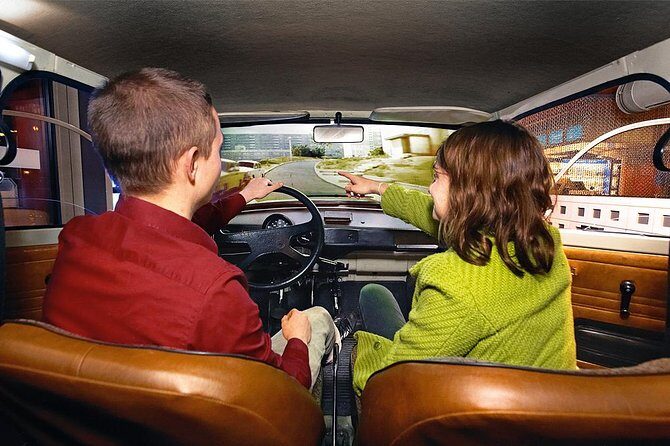
Next, you’ll reach the Trabant car exhibition, a major focal point. The museum treats this car like more than a vehicle; it represents what “standard life” looked like in the Eastern Bloc.
What I found helpful is that it doesn’t stop at a static display. There are films of everyday scenes, and you get a sense of mobility and routine through that storytelling. You can also sit inside the car, which turns it into a memorable, hands-on stop.
If you’re traveling with kids, the Trabant section often works well because it gives them a clear visual anchor. For adults, it helps translate political and economic reality into something you can see and touch.
You can also read our reviews of more museum experiences in Berlin




Virtual tour of a GDR housing estate
One of the more educational parts is the virtual tour of a GDR housing estate. Instead of staying stuck in one apartment, this takes you outward to show how people lived among shared spaces and dense housing.
This stop is valuable because it fills a common gap. Many visitors understand the idea of “apartments” but not what daily life inside an estate could feel like. Even if you only spend a few minutes here, it adds context to the rooms you just walked through.
It also keeps the visit moving. The museum cycles between tactile rooms and media-driven sections, so you don’t feel like you’re trapped in one style of viewing.
Stasi interrogation and political life: how the exhibits teach without preaching
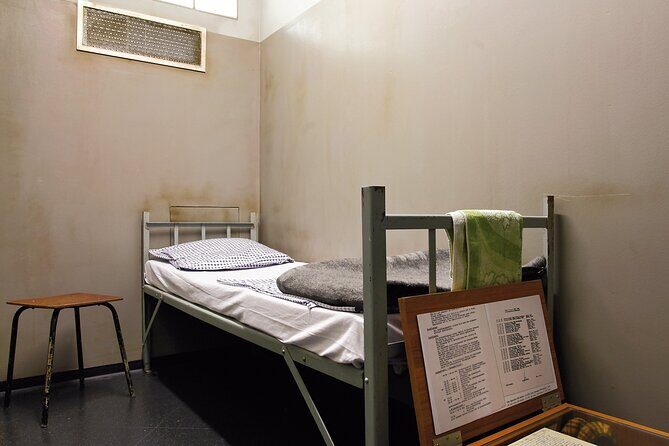
The museum doesn’t just show the fun side of the GDR. It includes a Stasi interrogation experience and exhibits tied to the Socialist Union Party.
You’ll also see election-focused material, including moments that let you simulate voting in a GDR election. This is a key point for understanding the system: politics wasn’t abstract, it was built into daily routines and expected behavior.
The Stasi-themed area can be unsettling in the way it’s designed—like the museum is placing you inside the machinery of surveillance and pressure. If you’re bringing younger kids, it’s smart to use your own judgment about how you want to explain the serious parts of East German history.
“Interactive” for kids vs. “interactive” for adults
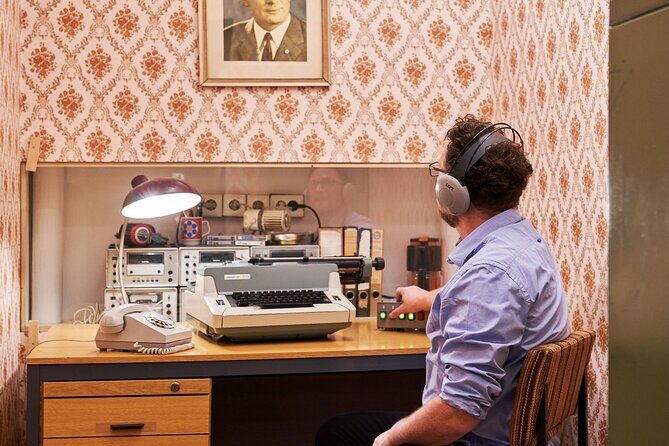
The DDR Museum is often described as interactive, and many features are genuinely fun. You’ll find activities that feel like games or hands-on stations, and the layout invites you to keep moving.
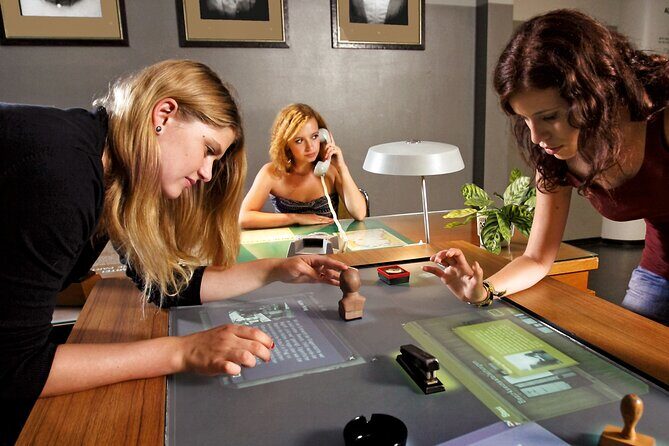
But “interactive” doesn’t always mean high-tech. Some experiences are simpler—like pulling out drawers or handling small presentation tools to read what’s behind them. For kids, that can still be a win. For adults hoping for lots of button-mashing, the interaction may feel lighter than expected.
That’s also why pacing matters. Slow down in the rooms you care about and skim less relevant sections. Because it’s relatively small, you can’t do everything deeply unless you manage your time.
The Berlin Wall exit: a stronger ending than you expect
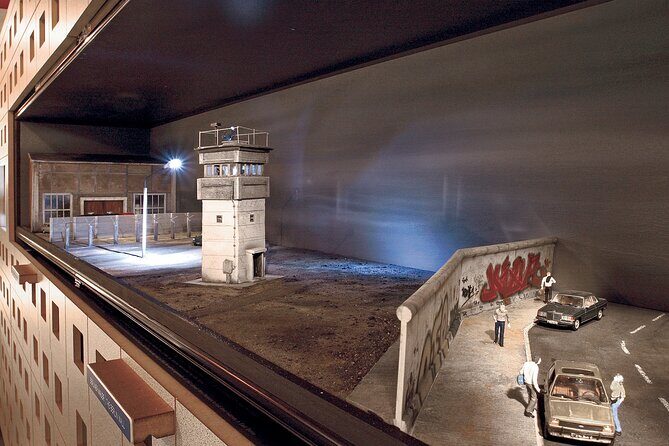
One of the museum’s emotional touches is the finale. You exit through a hole in the Berlin Wall, which lands as a visual reminder that this story isn’t just “history class.”
It helps close the loop. After all the recreated rooms, the car, the political exhibits, and the media, that exit gives you a physical metaphor for what the system did—and what changed.
If you like museums that end with a feeling, this one will work. It’s short, but it frames the entire visit like a journey rather than a scan-and-go checklist.
Price and value: is $16.26 a good deal in Berlin?
At $16.26 per person, the DDR Museum sits in the “easy value” range for Berlin. You get:
- A focused theme with multiple rooms and exhibits
- Interactive moments that aren’t just behind glass
- A visit length that fits real schedules (1 to 2 hours)
The key value question is how you like to experience history. If you enjoy learning through staged scenes and hands-on elements, you’ll likely feel like your money is well spent.
If you expected a big museum with lots of space and tons of interactive tech, some people feel disappointed. The museum is repeatedly described as smaller than expected, so your value is tightly linked to your expectations.
What to do about heat and crowds (the practical stuff)
Two operational issues come up often: crowding and heat. Multiple reports mention the building can be extremely warm because there’s no air-conditioning.
So, plan like you’re visiting a tightly packed indoor attraction:
- Dress in layers so you can handle hot rooms
- Carry water (the museum doesn’t include food or drinks)
- If it’s sweltering outside, consider going earlier or later to reduce your time in peak conditions
Crowds also affect how interactive stations feel. When everyone wants the same moment—like sitting in the Trabant or reaching a bottleneck room—your experience can turn from fun to rushed.
English experience: what to expect from the language offering
The ticket is listed as offered in English, and the exhibits include information in English throughout. That’s a big deal in Berlin, where some museums assume you can read German.
It also makes the museum easier for mixed groups—friends, couples, or families with different comfort levels. You should still expect some sections to be more text-heavy than others since the topic is complex.
If you enjoy reading and you don’t mind spending time with plaques and videos, you’ll likely like how much is explained.
Who this DDR Museum visit is best for
This is a smart pick if you’re a history buff who wants a human-scale understanding of life in socialist East Germany. It’s also a good family choice because it’s set up for hands-on exploration.
It’s especially worth it if you like theme-based museums where the building design does some of the teaching. Rooms, TV, and recreation beat just static artifacts here.
If you’re the type who hates crowds or wants a lot of quiet, wide-open museum space, you’ll need to choose your time slot carefully. And if you’re expecting a large, multi-building museum campus, you may feel cramped.
Should you book the DDR Museum Berlin ticket?
Book it if you want a short, memorable way to understand everyday life in the GDR without hiring a private guide. The combination of reconstructed rooms, a major Trabant focus, and political exhibits like a Stasi interrogation gives you more than one angle on the era.
I wouldn’t book it last-minute without a plan for timing. Since the space is small and the museum can get crowded, your best results come from picking a time slot when you’ll move comfortably.
FAQ
What’s the duration of the DDR Museum Berlin admission?
The visit is listed as about 1 to 2 hours.
Is this ticket available in English?
Yes, the experience is offered in English.
Where is the DDR Museum located?
It’s at Karl-Liebknecht-Str.1, opposite Berlin Cathedral, in central Berlin near the Spree.
Do I need to bring food or drinks?
No food or drinks are included with the ticket.
How late is the museum open?
The museum is open daily from 9:00 AM to 9:00 PM.
Can I cancel for a refund?
Yes. You can cancel up to 24 hours in advance for a full refund.