REVIEW · BERLIN
Berlin: Tickets to the Computer Games Museum
Book on GetYourGuide →Operated by Computerspielemuseum · Bookable on GetYourGuide
Time travel comes with joysticks. I love the hands-on exhibits—you’re not just staring at screens—and I also like how the museum lays out 70 years of computer gaming history in a way you can actually try.
The place is packed with famous machines and game moments, from the legendary Pong-style era to later devices like the 3DS. One thing to plan for: the most popular play areas can get busy, and the collection leans more retro than modern.
In This Review
- Key Points You Should Know Before You Go
- Why Berlin’s Computer Games Museum Works So Well
- Ticket Value: What $22 Buys You in Real Museum Time
- How to Plan Your Route: Permanent Exhibition Plus Special Show
- Arcade Corner Energy: Donkey Kong, Space Invaders, and More
- The Wall of Hardware: From Commodore to Game & Watch to PlayStation
- The “Try It Yourself” Part: Giant Joystick, PainStation, and Controllers
- 3D Games You Can Actually Use: 3D TV and the 3DS
- How Much Time Do You Need? (And Why People Leave at Different Speeds)
- Crowds, Kids, and Shared Space Advice
- Learning Faster: Optional Guided Tours vs. Self-Guided Fun
- Location and Getting There: Karl-Marx-Allee Is the Address You Need
- Should You Book This Computer Games Museum Ticket?
- FAQ
- How long is the Computer Games Museum ticket valid?
- What is included with the ticket?
- Is a guide included?
- What games or machines can I expect to find?
- Is the museum wheelchair accessible?
- Do I need to pick a specific entry time?
- Does the price include transfers to the museum?
Key Points You Should Know Before You Go
- 300+ exhibits across decades of computer gaming history
- Play the classics: coin-op cabinets like Donkey Kong and Space Invaders
- Wall of Hardware with examples from Commodore, Game & Watch, and PlayStation
- Interactive showstoppers such as the Giant Joystick and the PainStation
- 3D gaming experiences via a 3D TV and a 3DS handheld
- Two exhibition areas: the permanent exhibition plus a special exhibition
Why Berlin’s Computer Games Museum Works So Well
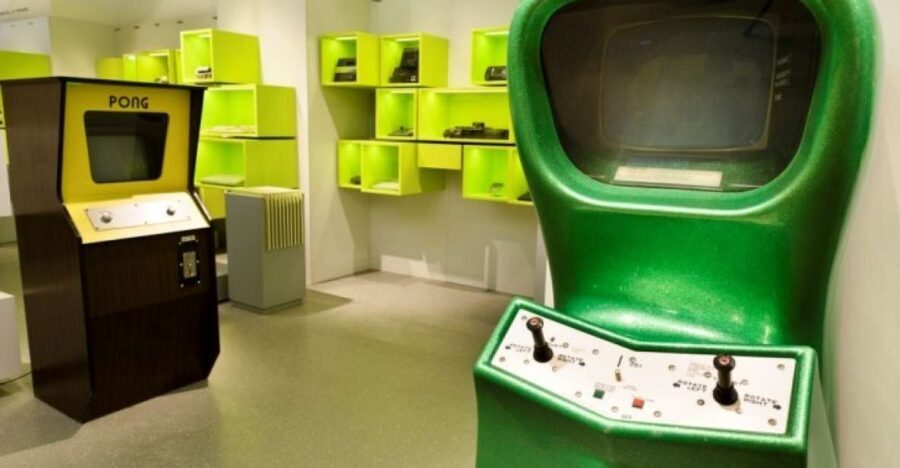
Berlin has a lot of museums, but this one has a simple hook: you get the story of games plus the chance to play them. The Computer Games Museum (Europe’s first of its kind) covers roughly 60–70 years of computer gaming, with more than 300 exhibits. It’s not built like a quiet gallery where you whisper and keep walking. It’s built like a hands-on timeline.
What makes it fun is that it mixes major “headline” moments with everyday technology. You’ll see the development of games through machines, controllers, and formats—not just titles. And the museum keeps pulling you toward the next thing to press, test, or challenge yourself on.
I also appreciate the variety. You’ll find classic arcade-style fun next to hands-on motion/dance games and experiments with 3D. That means you don’t need to be a hardcore gamer to have a good time, but serious fans will still feel like they’ve come to the right place.
A few more Berlin tours and experiences worth a look



Ticket Value: What $22 Buys You in Real Museum Time
At about $22 per person for a 1-day ticket, the value comes from two things: the museum is packed, and your ticket covers both the permanent exhibition and the special exhibition. That matters because game museums are easy to “see” quickly—this one is designed to keep you moving between playable areas and hardware displays.
Also, you’re not locked into one style of play. The museum includes classic arcade experiences, interactive installations, and technology exhibits spanning multiple generations. If you’re traveling as a couple, the adults can nerd out over hardware while kids (or kid-at-heart adults) can rotate through cabinets and hands-on stations.
One more point: your ticket doesn’t include a guide. That doesn’t hurt. The exhibits are set up for self-guided exploration. If you want extra context, there may be optional guided options available on-site (some visitors have noted guided tours for a small fee), but you can easily do it on your own.
How to Plan Your Route: Permanent Exhibition Plus Special Show
Think of your visit in two chunks: the permanent exhibition for the main historical arc, and the special exhibition for something extra and time-specific.
Here’s how I’d approach it in the real world:
- Start with the permanent exhibition so the later devices (and later game styles) make sense.
- Then shift into the special exhibition when you’ve already built your mental timeline.
- Leave time for the interactive machines sprinkled everywhere. Those can slow you down—in a good way.
Within the permanent exhibition, you’ll meet milestones of game development through 52 highlights of famous games (including titles like Pacman, Bomb Jack, and Grand Theft Auto IV). It’s a helpful way to understand how gaming changed, because you can connect the famous names to the actual hardware that made them possible.
If you find yourself racing, slow down near the interactive parts. That’s where the museum’s “history” turns from information into experience.
Arcade Corner Energy: Donkey Kong, Space Invaders, and More
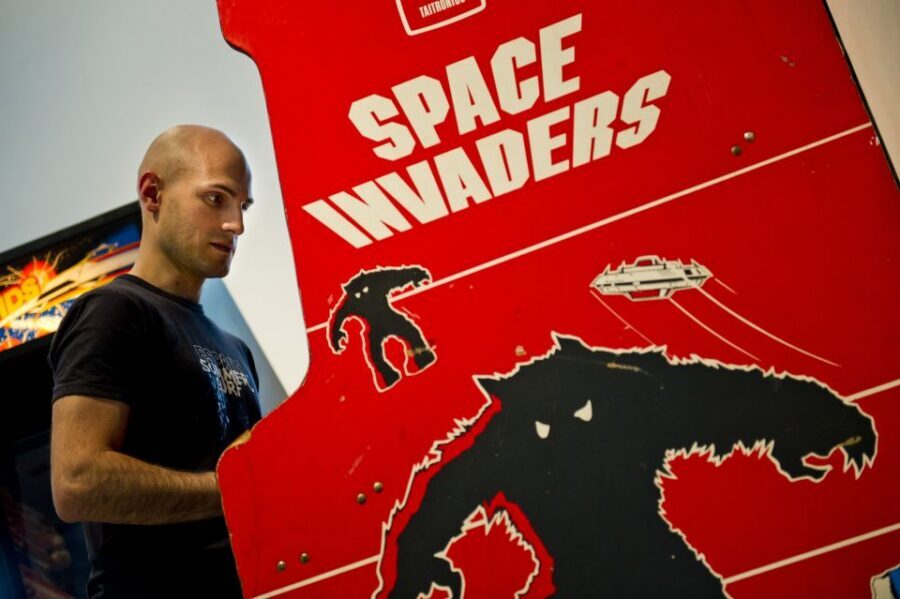
If you want the most instantly satisfying area, it’s the smaller arcade with coin-operated machines. Expect classics like Donkey Kong and Space Invaders, plus that old-school arcade rhythm where you keep trying because your high score depends on it.
This area tends to be popular, so plan for small lines or waiting at specific cabinets. The upside? Waiting doesn’t feel like wasted time. You’re still surrounded by playable machines, and you can hop between games while you wait your turn on the one you really want.
You’ll also get a sense of why arcade games mattered historically. They were designed for short, intense bursts—easy to understand quickly, hard to master, and built around the hardware and input style of the era. Seeing those machines up close makes the story feel more real than screenshots ever do.
The Wall of Hardware: From Commodore to Game & Watch to PlayStation
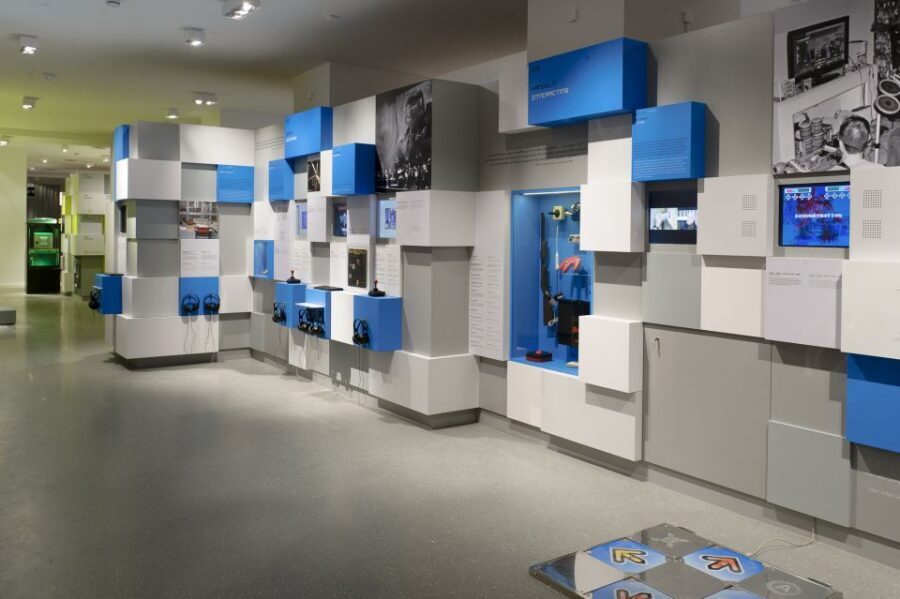
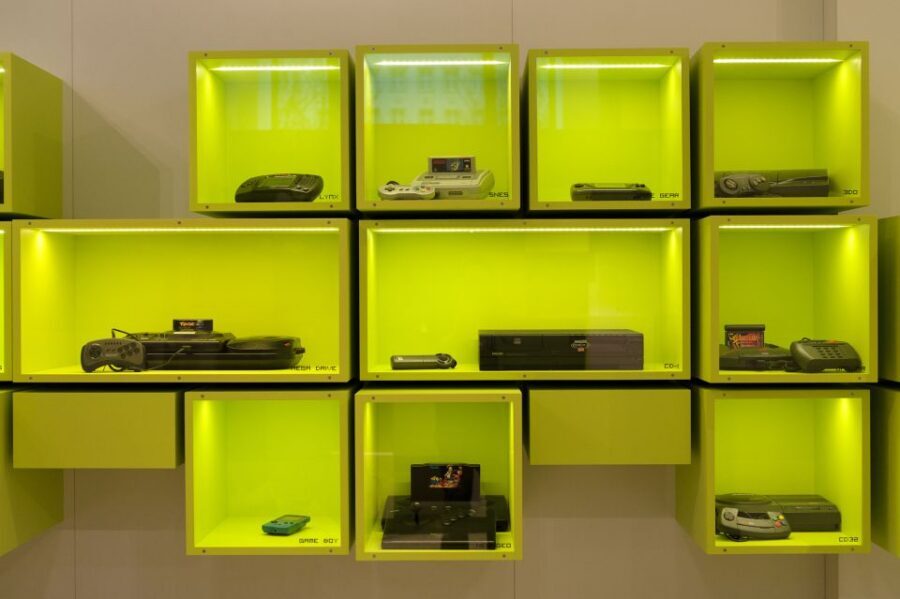
A standout section is the Wall of Hardware, where you can discover favorite machines from different generations. You’ll see examples ranging from older systems like Commodore through portable devices such as Game & Watch, and later consoles like PlayStation.
This wall helps you connect the dots between how games were experienced and what the devices could do. When you look at the physical machines side-by-side, you start to notice trends: changes in controllers, display tech, and the way gaming became more personal and more mobile.
It’s also a great area for photos and quick scanning—especially if you’re traveling with mixed interests. Even if someone isn’t excited about gameplay, hardware fans usually get something here.
You can also read our reviews of more museum experiences in Berlin






The “Try It Yourself” Part: Giant Joystick, PainStation, and Controllers
The museum’s best move is that it invites you to participate. Throughout the space, interactive exhibits turn players into experimenters.
Here are two of the most memorable types of challenges the museum offers:
- Giant Joystick: It’s a big, physical interaction that plays with scale. You’re doing the game mechanic with your body, not just your thumbs.
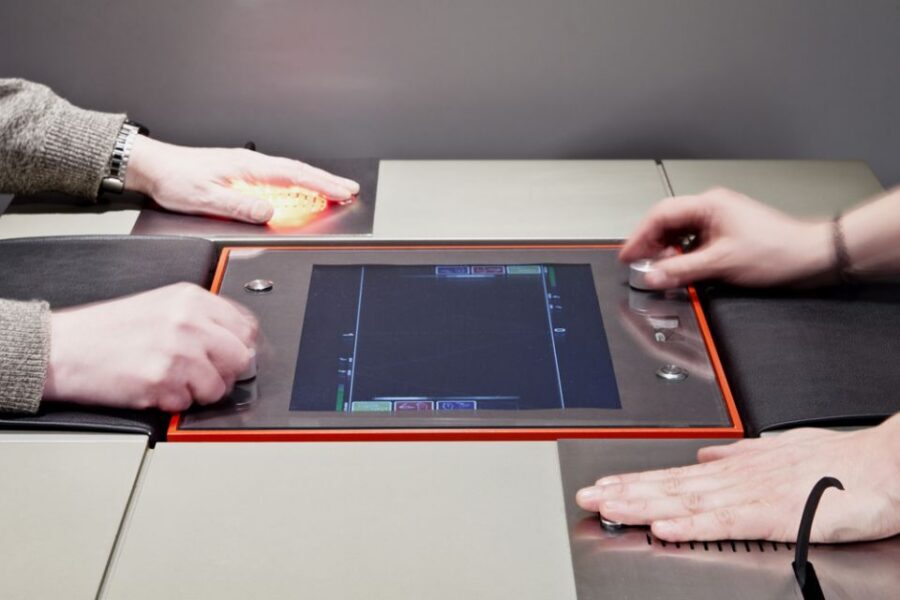
- PainStation: You can test your courage here. It’s designed as a dramatic challenge that reacts to what you do wrong, which makes it feel more like a game show than a museum display.
Beyond those, you’ll find interactive stations like a Giant Controller concept and dance and movement games. That’s a fun contrast to the “sit and press buttons” vibe of arcades, and it helps balance the visit if different people in your group have different tastes.
For gaming history, the point of these interactive pieces is simple: they show how input devices shaped gameplay. When you feel the controller style—big, small, responsive, clunky—you understand why certain kinds of games became iconic.
3D Games You Can Actually Use: 3D TV and the 3DS
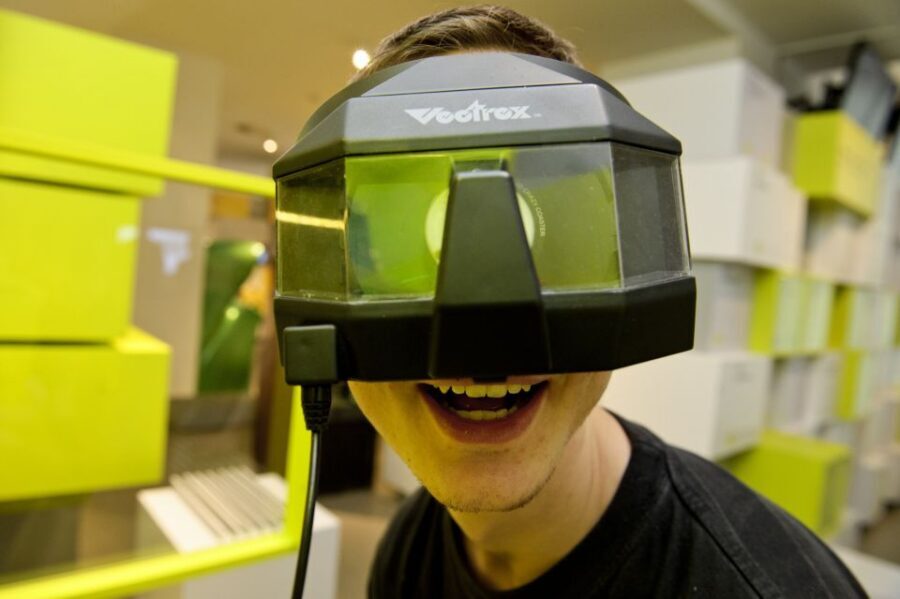
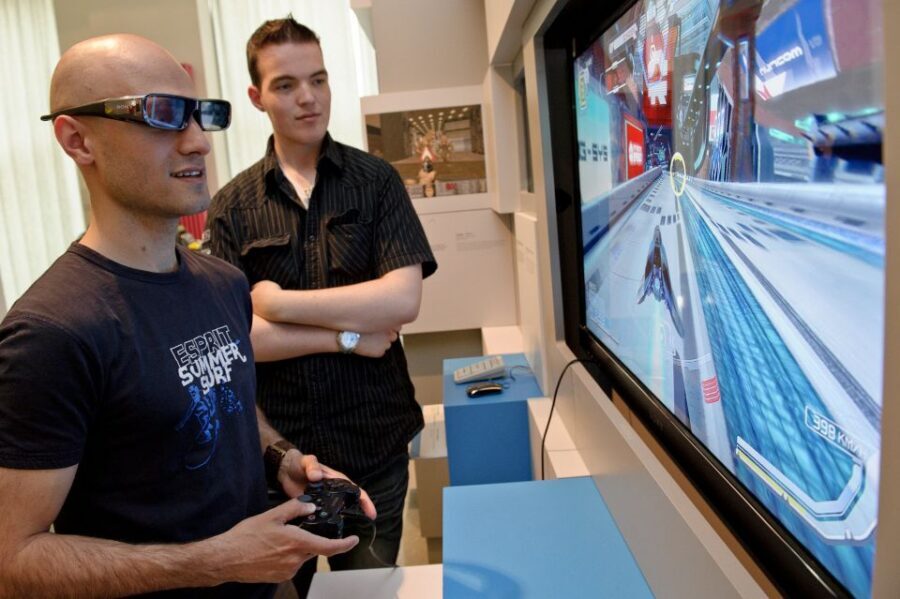
If you’re curious about how gaming added depth, check out the museum’s 3D games section. You can experience 3D gameplay on a 3D television and with a handheld 3DS.
This is valuable because it links the “wow factor” of 3D to actual play, not just marketing. Even if you’re not a long-time fan of 3D formats, it’s useful to see how the idea was presented and used across eras.
Also, this area breaks up the timeline. After retro arcade play and older hardware, jumping into 3D gives you a sense of what changed in presentation and expectations as technology moved forward.
How Much Time Do You Need? (And Why People Leave at Different Speeds)
The museum is designed for wandering and trying. Your time needs will depend on how often you stop to play.
Some visitors have spent around four hours, which feels realistic if you want to do multiple interactive stations and not just walk straight through. Others have moved faster—sometimes in a shorter window—because they focused on the highlights they cared about most.
For a smooth plan, I’d aim for 3 to 5 hours. That gives you time to:
- see the permanent exhibition and special exhibition at a reasonable pace,
- play a few arcade cabinets without rushing,
- and still have energy left for the interactive challenge areas.
If you’re traveling with kids, build in extra time. The interactive play can easily turn into repeated tries, and it’s hard to “just do one round” when the museum encourages hands-on play.
Crowds, Kids, and Shared Space Advice

This museum can feel like a party of gaming experiences—meaning you’ll see kids and adults mixing together. That’s part of the charm. It also means the most hands-on displays can get loud and crowded when school groups arrive.
Two practical notes based on what you can expect in a hands-on museum like this:
- If you’re sensitive to noise or chaotic movement, go earlier in the day or pick a time when crowds are likely lower.
- Be ready for exhibit “attention” at the interactive installations. It’s a real play environment, so it’s smarter to keep an eye on personal belongings while you’re trying stations.
The good news: one of the strengths of this museum is that it’s popular with people who really care about computers and games, not only people doing a checklist. That makes the vibe more friendly and excited—and often more patient than the biggest blockbuster museums.
Learning Faster: Optional Guided Tours vs. Self-Guided Fun
Your ticket is for the permanent and special exhibitions, and a guide is not included. That said, you might find a guided tour option available on-site. Some visitors have noted guided tours that cost a few euros and add context.
If you love game history and want faster understanding of why certain machines mattered, a guided tour can help you connect details you might otherwise miss. If you’re more about the hands-on play—arcades, Pong-style games, controllers—you can skip the guide and still get a lot out of the visit.
My recommendation: if you’re going with teens or serious tech/history fans, consider checking at the museum about any guided options and pick what fits your schedule.
Location and Getting There: Karl-Marx-Allee Is the Address You Need
The meeting point is Computer Games Museum Berlin, Karl-Marx-Allee 93a, 10243 Berlin.
Transfers aren’t included with your ticket, so you’ll want to plan your own route—public transit or a short taxi ride depending on where you’re staying. The nice thing is that this is a specific, fixed address. You don’t have to guess; you just aim for the museum and treat it like your main destination for the day.
If you’re building a Berlin itinerary, this one works well as a “planned indoor activity.” It’s also a good choice if you want something different from the standard history museums.
Should You Book This Computer Games Museum Ticket?
Book it if you fit at least one of these:
- you want a hands-on museum where you play while you learn,
- you love retro technology and want to see hardware across generations,
- you’re traveling with kids who enjoy trying games, not just looking at them,
- you like a full-day activity that doesn’t require a strict schedule.
Consider skipping or adjusting expectations if:
- you’re mainly chasing the newest releases. The museum focus leans more toward past eras than current gaming culture.
- you hate waiting at popular interactive spots, since the arcade and best-known stations can draw lines.
If you want a museum day that feels like a mix of arcade fun and tech history, this ticket is an easy “yes.” It gives you enough variety—classic cabinets, big interactive challenges, and 3D experiences—that most people find more than one moment they love.
FAQ
How long is the Computer Games Museum ticket valid?
The ticket is valid for 1 day, so you can plan your visit within the opening hours of your chosen date.
What is included with the ticket?
Your ticket includes admission to the permanent exhibition and the special exhibition.
Is a guide included?
No. A guide is not included with the ticket.
What games or machines can I expect to find?
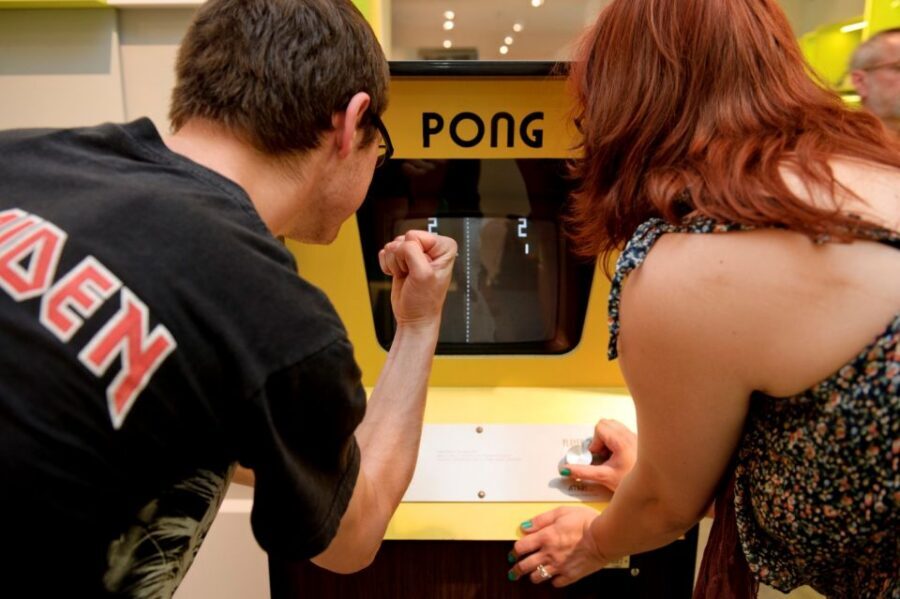
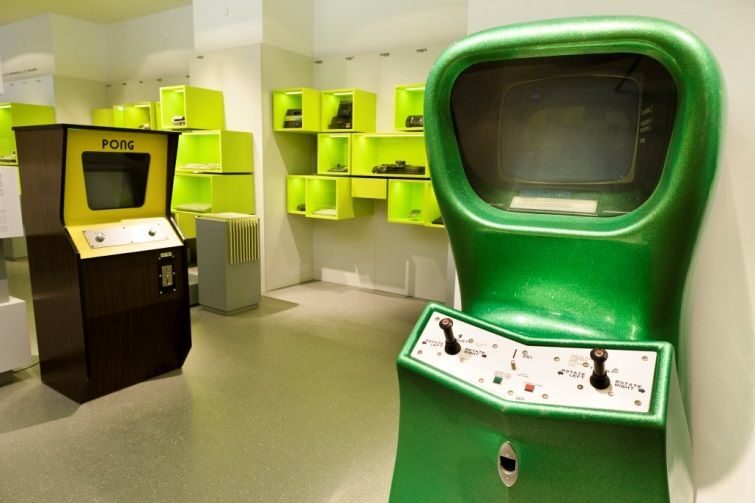
The museum features famous examples such as the Pong arcade machine, coin-operated games like Donkey Kong and Space Invaders, plus milestones including games such as Pacman, Bomb Jack, and Grand Theft Auto IV. You can also try interactive items like the Giant Joystick and the PainStation.
Is the museum wheelchair accessible?
Yes. The museum is listed as wheelchair accessible.
Do I need to pick a specific entry time?
You should check availability to see starting times. The ticket is valid for 1 day, but specific entry slots can apply.
Does the price include transfers to the museum?
No. Transfers are not included. Your meeting point is the museum itself at Karl-Marx-Allee 93a, 10243 Berlin.