REVIEW · BERLIN
Berlin: The Wall Museum East Side Gallery Ticket
Book on GetYourGuide →Operated by The Wall Museum - East Side Gallery · Bookable on GetYourGuide
A wall can teach history fast. This Berlin stop uses 13 themed multimedia rooms to make the Berlin Wall story feel personal, with films and interview footage plus artifacts.
I especially like how the museum walks you through key moments: life after World War II, the Wall’s 1961 construction, the divided city, and the dramatic fall in 1991.
The location helps too: you’re right beside the East Side Gallery, the largest section of the Wall still standing. The skip-the-line ticket also lets you start your visit with less waiting. One drawback to consider: the subject matter is intense, so if you want light, feel-good sightseeing only, this museum may feel like a heavy sit.
You’ll find staff/greeters ready in German, English, Spanish, and Italian, and the site is wheelchair accessible.
In This Review
- Key highlights to notice before you go
- Wall Museum at East Side Gallery: what you’re really paying for
- Getting there at Mühlenstraße 78–80 (and why the setting matters)
- Inside the museum: your path through 13 themed rooms
- Multimedia films, interviews, and artifacts: how the story lands
- How long to plan for a 1-day visit (and how not to rush)
- Price and value: $14 for a focused Berlin Wall timeline
- Who this ticket suits best (and who should think twice)
- Practical details that affect your day
- Should you book this Wall Museum East Side Gallery ticket?
- FAQ
- What is the price for the Berlin Wall Museum East Side Gallery ticket?
- How long is the experience?
- Where do I meet for the Wall Museum?
- Does the ticket include skip-the-line entry?
- What’s included in the museum experience?
- What languages are available?
- Is the museum wheelchair accessible?
- Can I cancel for a refund?
- Is there a reserve-and-pay-later option?
- How do I know the starting times?
Key highlights to notice before you go
- Skip-the-line entry so you lose less time waiting outside
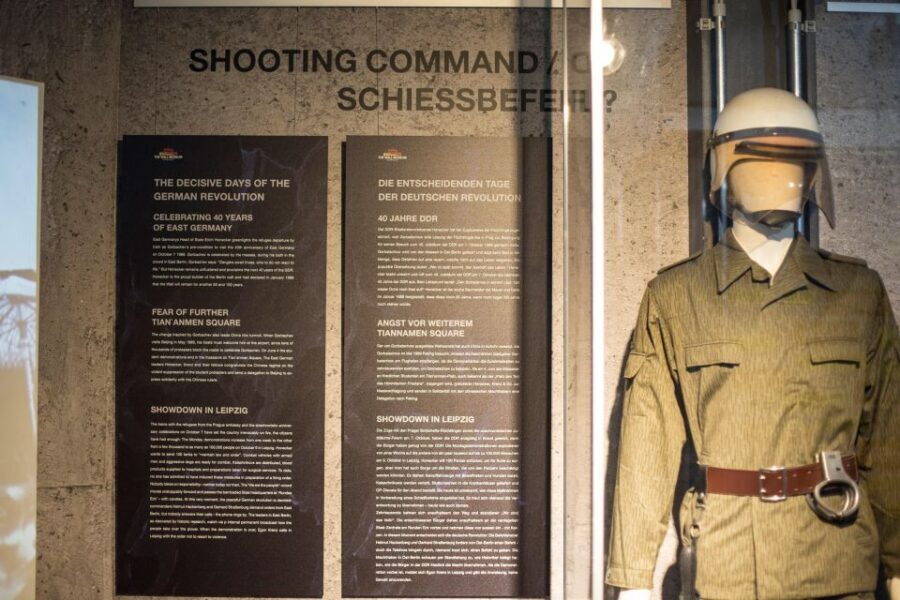
- 13 themed rooms that move through the Wall’s timeline and impact
- Film, interviews, and documents that explain what division did to daily life
- Direct connection to the East Side Gallery next door for a powerful pairing
- Multilingual support with a host/greeter in German, English, Spanish, or Italian
Wall Museum at East Side Gallery: what you’re really paying for

For about $14 per person, you’re buying something more focused than a general museum ticket. This is a multimedia, story-driven experience built around the Berlin Wall—how it formed, how it controlled lives, and what happened when it fell. The value is that it’s not just static displays; it’s designed so you can follow the emotional and political arc without needing extra context from the outside.
I like that the museum is organized into 13 themed rooms. That matters because Berlin history can sprawl. Here, the format keeps you moving through a clear sequence: post-war reality, the Wall being erected in 1961, daily life in a divided city, and the fall in 1991, plus the bigger point of how the Wall reshaped the city afterward.
One practical plus: the ticket includes skip-the-line entry, which is a big deal in Berlin sightseeing, where lines can quietly eat your day. If you’re pairing this with other East Side Gallery or neighborhood stops, saving even 20–30 minutes can change your whole schedule.
A few more Berlin tours and experiences worth a look


Getting there at Mühlenstraße 78–80 (and why the setting matters)
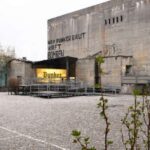
Your meeting point is Mühlenstraße 78–80, 10243 Berlin, at Mühlenspeicher, second floor, next to Pirates Restaurant. It’s also described as being next to the East Side Gallery, which isn’t just a convenience—it’s part of the experience.
Here’s why that location matters: you can connect two kinds of viewing. Indoors, the Wall Museum gives you context through film, documents, interviews, and artifacts. Outdoors, the East Side Gallery lets you see a surviving section of the Wall where you can look at the structure itself and then connect that physical reality back to what you just learned.
If you’re the type who likes to anchor history with your senses, this pairing is a strong one. You won’t just read about the Wall’s place in Berlin—you can step right into its neighborhood setting and then return inside.
Inside the museum: your path through 13 themed rooms
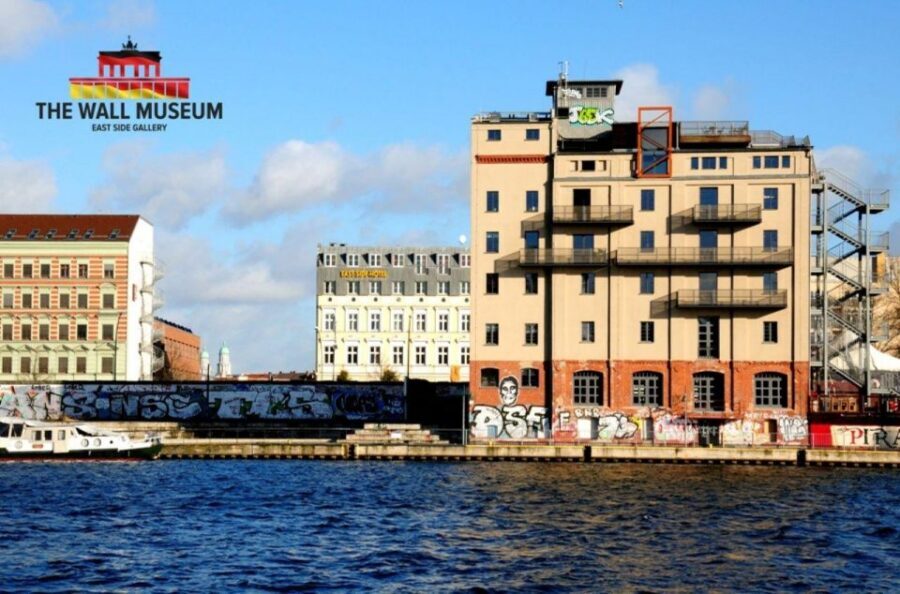
The museum experience is laid out as a walk through 13 themed rooms, each one focused on a piece of the Wall’s story. I’d treat it like a guided timeline, even though the pacing is essentially yours: you choose when to stop, and how long you spend with each film, interview, or display.
Here are the big themes you should expect to encounter as you move through the rooms:
After the war, before the Wall
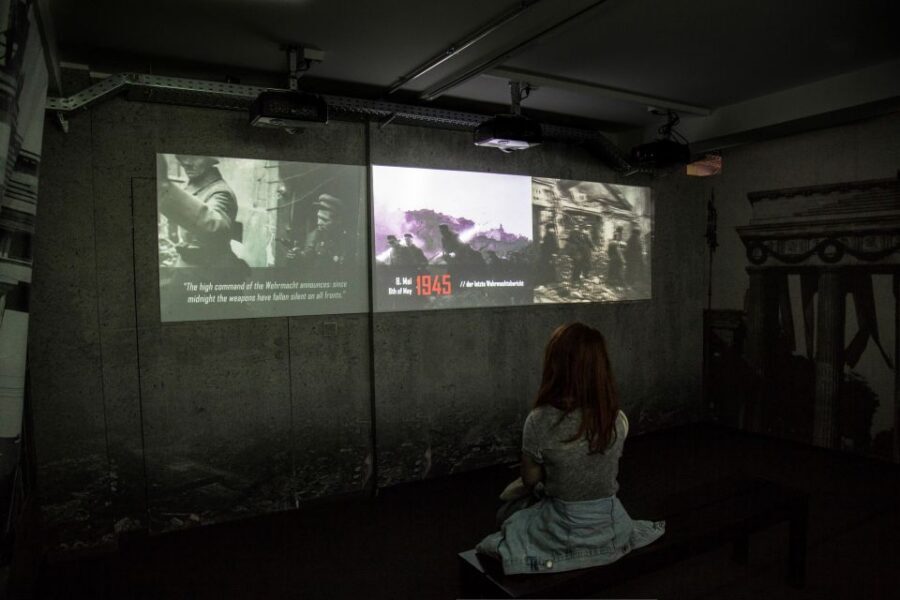
You start with what Berlin was like in the aftermath of World War II. The point is to understand the city’s tense conditions and competing realities before the Wall became the hard answer.
How the Wall was built in 1961
One of the rooms covers the Wall being erected in 1961. This is where the story shifts from political tension to physical separation—when policy becomes concrete, gates, and controlled movement. You’ll see the dramatic moment through film and supporting materials.
Life in a divided Berlin
Several rooms focus on what division meant day-to-day: how normal life changed once the Wall defined where you could go and what was possible. This section uses documents and interviews, which is important. Facts explain the system, but interviews help you understand what that system felt like.
The fall in 1991
The fall of the Berlin Wall in 1991 is a major turning point in the museum. Expect it to be presented as more than a date on a timeline—the shift is shown as dramatic, with the emotion of the period treated as part of the history.
Truth behind the Wall and what changed after
The museum also aims to connect past events to the broader idea of truth and transformation—how the Wall changed Berlin’s exceptional city in the long run. In other words, it doesn’t end the story with 1991. It pushes you to think about consequences.
Because you’re going through themed rooms, you’re less likely to feel lost. It’s easier to remember what you just saw when each room has a single focus, instead of everything blending into one big exhibit space.
Multimedia films, interviews, and artifacts: how the story lands
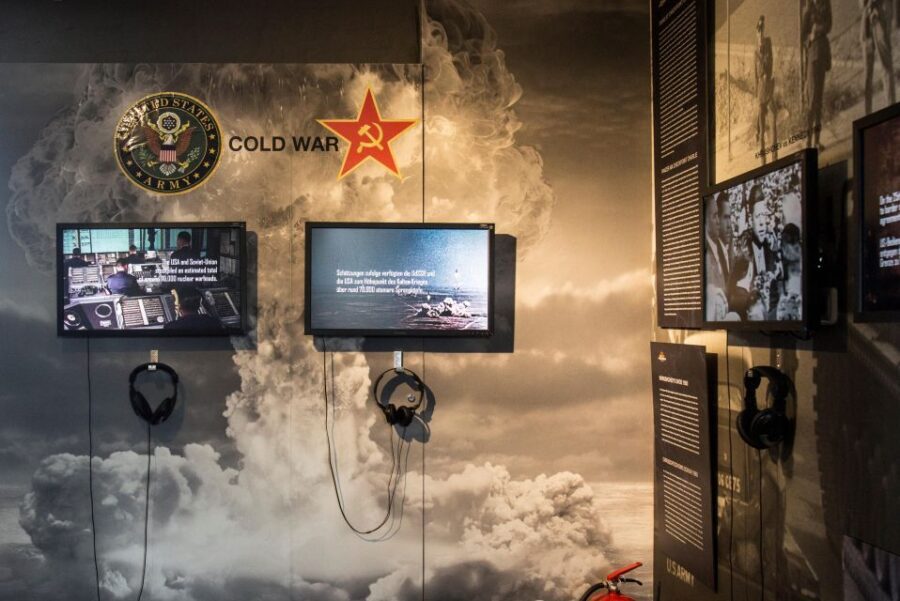
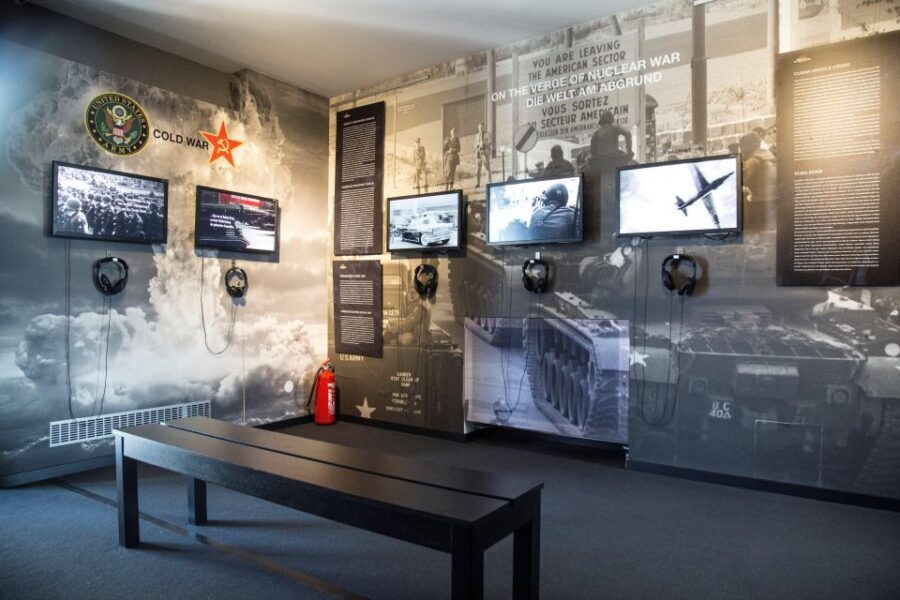
This is the museum’s core strength. The experience is built around film, interviews, and artifacts—not just posters or text panels. If you’re someone who learns better when you can see and hear the context, this format helps a lot.
What I think works best is the balance between media and objects. The artifacts and documents give you something tangible to anchor the film and interview material. Then the interviews and films provide the emotional layer—how people described what was happening rather than only what happened.
You’ll notice the museum tries to cover both sides of the Wall story: the public political reality and the personal human reality. That’s why the room themes matter. A good timeline keeps you from turning the story into one broad feeling. You get specific moments (like 1961 and 1991) and then understand how those moments shaped life.
One caution from the overall quality signal: while the experience is generally praised as informative, at least some visitors have flagged that the presentation style can feel poor to them. That doesn’t mean the museum is broken—it just means style preferences matter here. If you like straight-up exhibit reading, multimedia-heavy museums might not match your taste.
How long to plan for a 1-day visit (and how not to rush)
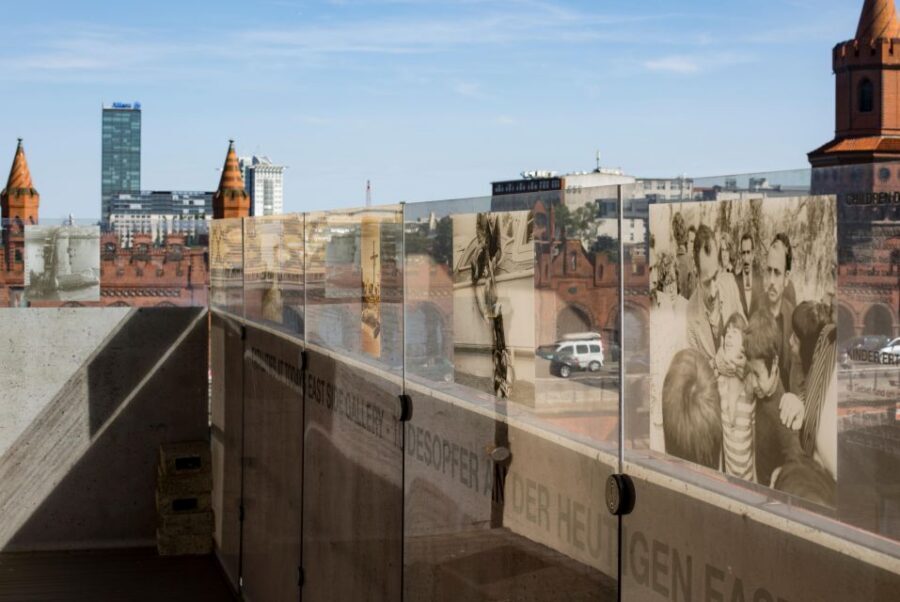
The ticket is valid for 1 day, but that doesn’t mean you should run through it like a checklist. Since the museum uses film and interviews, speed can reduce impact. If you want to actually follow the storyline—1970s, 1980s, or just the shift from 1961 to 1991—you’ll want time to pause.
A simple strategy: treat it like a single, central activity rather than a quick stop between other major sights. If you plan it that way, you’ll get more out of the “13 themed rooms” structure and not feel like you’re skipping the parts that do the explaining.
Pairing helps too. Because it’s next to the East Side Gallery, you can do a short outdoor loop before or after the museum. That way, your indoor story connects to something you can see immediately outside.
You can also read our reviews of more museum experiences in Berlin




Price and value: $14 for a focused Berlin Wall timeline
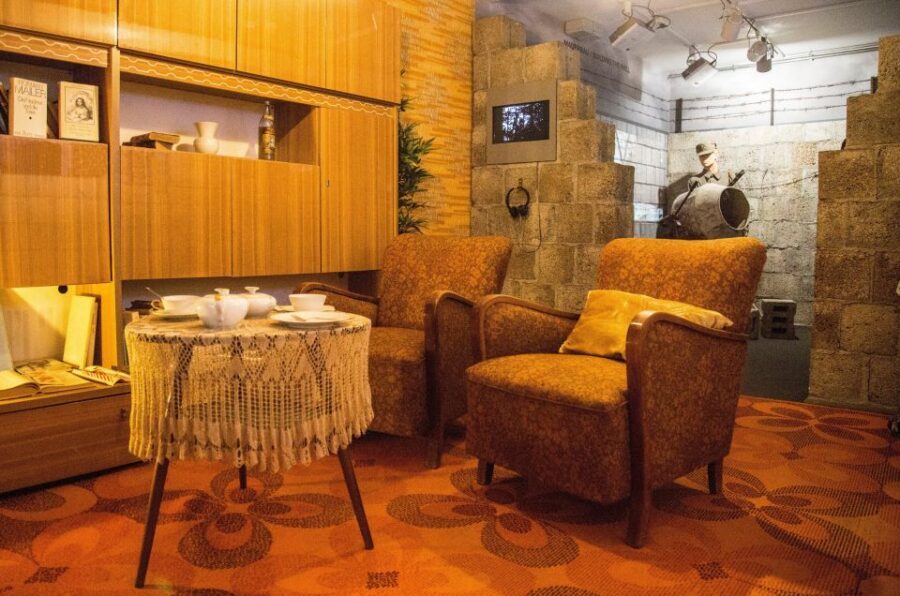
At $14 per person, the value is in two things: (1) the skip-the-line entry, and (2) the fact that the museum is structured as a guided narrative through 13 themed rooms. A lot of museum tickets get you access to “a place.” This one tries to deliver “a story.”
You’re also paying for the convenience of being in a very walkable, history-saturated area—right next to the Wall section that’s still standing. That makes the ticket feel less like an isolated museum trip and more like an efficient way to experience a key Berlin Cold War thread.
If you’re on a tight schedule, the lineup of films, interviews, documents, and artifacts can be more time-efficient than cobbling together multiple separate sources. Instead of hunting context, the museum provides it in one place with a clear progression.
Who this ticket suits best (and who should think twice)
This ticket is a great fit if you:
- Want a Berlin Wall introduction that’s structured and not random
- Like multimedia (film and interviews) along with physical artifacts
- Prefer an experience that gives context while still letting you visit at your own pace
- Plan to spend time at the East Side Gallery anyway and want the museum connection
It might be less ideal if you:
- Want only outdoor views and short photo stops, with minimal museum time
- Strongly dislike multimedia-heavy exhibit formats
- Prefer light, upbeat content rather than emotionally heavy history
Practical details that affect your day
Here are a few things that can matter once you’re in Berlin and trying to make the schedule work:
- Meeting point: Mühlenspeicher, second floor, next to Pirates Restaurant at Mühlenstraße 78–80.
- Languages: German, English, Spanish, Italian.
- Access: wheelchair accessible.
- Ticket format: skip-the-line entry, plus the museum is organized as 13 themed rooms.
Even if you’re not seeking help, knowing the language coverage and accessibility is comforting. It reduces the little stress that can come with museums.
Should you book this Wall Museum East Side Gallery ticket?
I’d book it if you want one efficient, emotionally grounded way to understand the Wall—especially because the museum is built around a clear timeline (with the Wall’s 1961 start and the 1991 fall as major anchors) and you get skip-the-line entry right next to the East Side Gallery.
You might skip it if you’re already planning to spend most of your time on outdoor Wall viewing and you know you’ll hate multimedia rooms with interviews and film. In that case, you could still enjoy the East Side Gallery—but you’d lose the museum’s interpretive backbone.
If your goal is to make the Wall make sense, this ticket is a strong value choice.
FAQ
What is the price for the Berlin Wall Museum East Side Gallery ticket?
The ticket price is listed as $14 per person.
How long is the experience?
The experience is listed as 1 day.
Where do I meet for the Wall Museum?
The meeting point is Mühlenstraße 78-80, 10243 Berlin, at Mühlenspeicher (second floor), next to Pirates Restaurant, next to the East Side Gallery.
Does the ticket include skip-the-line entry?
Yes. The ticket includes skip-the-line entry.
What’s included in the museum experience?
The museum experience includes a multimedia journey through the Berlin Wall’s history across 13 themed rooms, with films, interviews, and artifacts/documents.
What languages are available?
The host/greeter is listed in German, English, Spanish, and Italian.
Is the museum wheelchair accessible?
Yes, the activity is listed as wheelchair accessible.
Can I cancel for a refund?
Free cancellation is listed as available if you cancel up to 24 hours in advance for a full refund.
Is there a reserve-and-pay-later option?
Yes. The option is listed as Reserve now & pay later, letting you book and pay nothing today.
How do I know the starting times?
The ticket is listed as valid for 1 day, and you can check availability to see starting times.