REVIEW · MUNICH
Munich World War II Sites Including Dachau Concentration Camp
Book on Viator →Operated by Radius Tours GmbH · Bookable on Viator
Dachau plus Nazi Munich in one hard day. This 8.5-hour combo blends a guided visit to Dachau Concentration Camp Memorial Site with a focused walking tour through key buildings tied to the Third Reich, so you’re not just seeing places—you’re learning how the system worked. You get a real historical through-line from Nazi power grabs to the human cost.
I love how the Dachau portion is structured: you’ll cover the memorial and museum, including photographs, documents, reconstructed cell blocks, the crematorium, and the administration area. I also like the city half because it’s not generic sightseeing; you’ll walk Munich’s Old Town while stopping at high-signal sites connected to Hitler and the Nazis, with guides such as Jake, Keith, Emmett, Ian, and Scott praised for handling the material with respect and clarity. One drawback to plan for: it’s a long, information-heavy day with lots of standing and walking, plus some transport by public train and bus that can feel crowded.
In This Review
- Key Highlights Worth Your Time
- The Two-Part Format: Dachau Morning, Nazi Munich Afternoon
- Konigsplatz: Where Nazi Power Looked Like Pageantry
- Marienplatz and the Third Reich Walking Tour Through Munich’s Center
- Dachau Memorial: Crematorium, Reconstructed Cells, and Museum Evidence
- Public Train and Bus Logistics: How the Day Actually Moves
- Guides Matter Most at Places Like This
- The $105.21 Value Question: What You’re Really Paying For
- Who This Tour Fits Best (and Who Might Want Another Plan)
- Should You Book This Munich WWII Combo?
- FAQ
- How long is the tour?
- Is the tour offered in English?
- What age is the tour for?
- Where do I meet and where does it end?
- What’s included in the price?
- What should I budget for since food isn’t included?
Key Highlights Worth Your Time
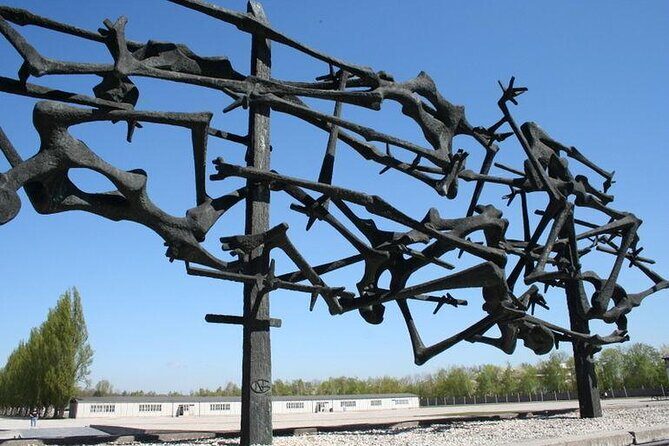
- Dachau Memorial tour includes crematorium, reconstructed cell blocks, and the administration areas
- Third Reich walking tour covers major Munich sites tied to Hitler, the Nazi party, and repression
- Konigsplatz marching grounds and the 1923 Beer Hall Putsch area are included
- Two guided segments with a break in between helps you reset
- Public train and bus ride to Dachau is part of the plan, and the operator covers it
- Guides like Jake, Emmett, Ian, Scott, Josh, Achim, Connie, Nick, and Sam are repeatedly praised for sensitivity and engagement
The Two-Part Format: Dachau Morning, Nazi Munich Afternoon
This tour runs from 9:00 am and is built like a full-day lesson, not a quick drive-by. You start by meeting at Radius Tours (Dachauer Str. 4, 80335 München), then travel north by train to Dachau. After your morning at the memorial, you return to Munich by train, get a break, and then meet up again for the walking tour around central sites tied to the Third Reich.
Expect two distinct moods. Dachau is emotionally heavy. Munich’s Nazi-era walk is intellectually heavy. Both matter, and the order helps: you see the machinery of persecution first, then you look at how the regime gained momentum in public life and politics.
Timing matters here. Dachau takes about 2.5 to 3 hours, and the Munich city portion runs about 2.5 hours. With breaks, it still stretches to roughly 8 hours 30 minutes total. Food and drinks aren’t included, so bring a simple game plan: buy something before you’re committed, or use your break to eat without rushing.
Also, the group is capped at 25 people, and the tour is in English with a mobile ticket. Age-wise, it’s 13 and older only, and you may be asked for proof.
You can also read our reviews of more tours and experiences in Munich.
Konigsplatz: Where Nazi Power Looked Like Pageantry
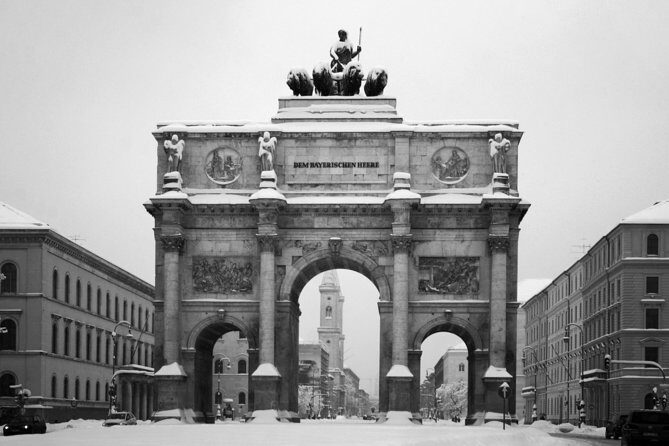
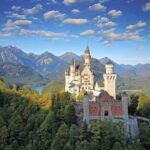
One of the early stops is Konigsplatz, described as the Nazi Party’s famous marching grounds. This is one of those places where architecture does work. You’re walking around a space built for ceremony and movement, which helps explain why authoritarian movements love spectacle.
Even if you know the basics, standing in a place like Konigsplatz helps you connect dots. You can see how the regime used public space—big squares, staged gatherings, coordinated motion—to make power feel inevitable.
It’s only about 20 minutes here, so treat it as a primer. The real payoff comes when you connect this kind of setting to the later city stops, where specific buildings and events tie ideology to the people who carried it out.
Marienplatz and the Third Reich Walking Tour Through Munich’s Center
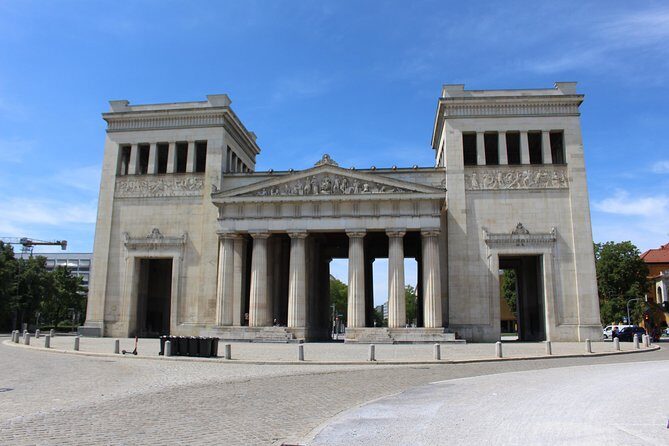
After Dachau, you’ll shift from memorial history to city history. The walking tour centers on Munich city center, and the time on foot is substantial—about 2.5 hours—with stops tied to the rise and fall of Adolf Hitler and the Third Reich.
This part is where the tour earns its name: it’s a guided stroll through locations tied to the Nazi story. You’ll hear about and see things like:
- The building where Hitler first joined the Nazi party
- The former Gestapo headquarters
- The place connected to the Beer Hall Putsch in 1923
That mix is smart. It prevents the narrative from becoming only military history or only political slogans. You’re seeing how ideas spread, how the Nazi party gained footing, and how repression operated through real institutions.
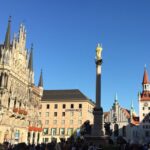
You’ll also cover major central areas around Marienplatz, which is a good base point for understanding Munich’s geography. If you like learning that feels practical—like you could point at a map and explain the story—this section gives you that.
Dachau Memorial: Crematorium, Reconstructed Cells, and Museum Evidence
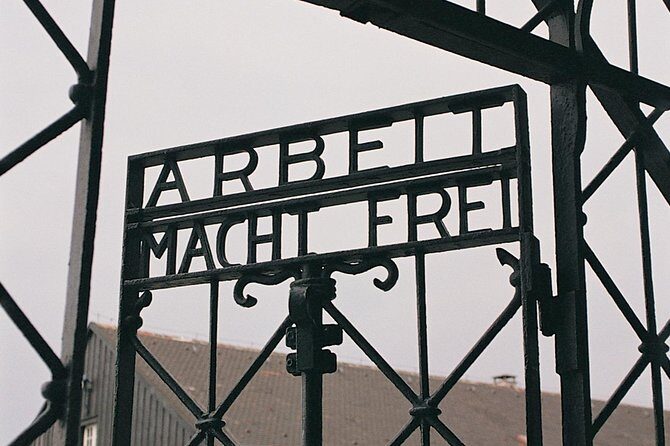
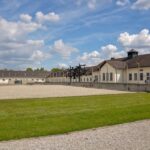
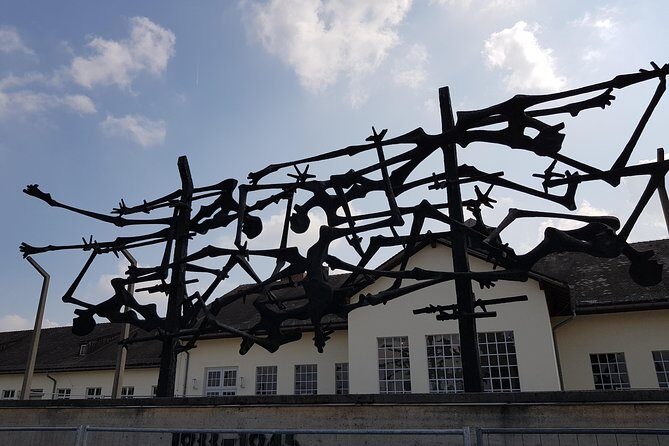
Now for the part you’ll remember for a long time: Dachau Concentration Camp Memorial Site. This is presented as the first Nazi concentration camp in Germany during the Holocaust, and it served as a model for later camps. That context matters because it helps you understand Dachau as an early blueprint of the system, not just another location.
The memorial tour covers:
- Photographs and documents
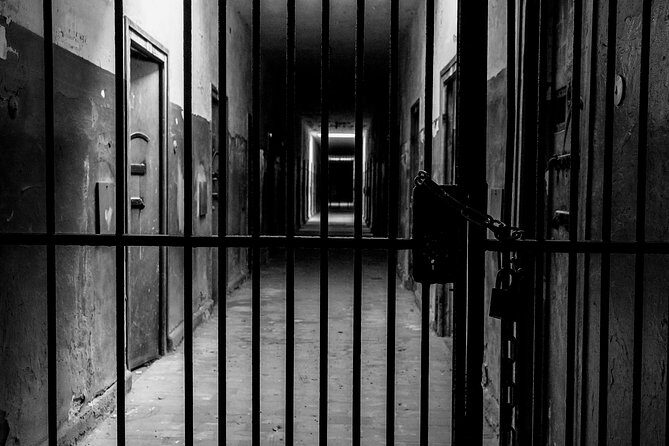
- Reconstructed cell blocks
- The crematorium
- Administration headquarters
- Museum content tied to the camp’s operation and victims
You’ll also hear stories and details tied to Nazi leadership connected with the site—one example mentioned is Heinrich Himmler, described here as the guard who founded the camp.
How to get the most out of it: don’t rush the evidence. This is exactly the kind of place where reading signs and absorbing what you see takes time. One mixed review theme was that some people wanted more time to read, which is a fair note. With a 2.5–3 hour window, the guide has to pace the group. If you’re the type who likes to sit with each exhibit, bring that mindset and accept that your visit will still be guided rather than slow-and-alone.
Also, Dachau is a standing-and-walking site, with echo and open space. If you’ve ever had trouble hearing in museums, consider that you may face ambient noise. A reviewer suggested headsets as a future improvement—so if you’re sensitive to audio, plan to speak up or shift closer when you can.
Public Train and Bus Logistics: How the Day Actually Moves
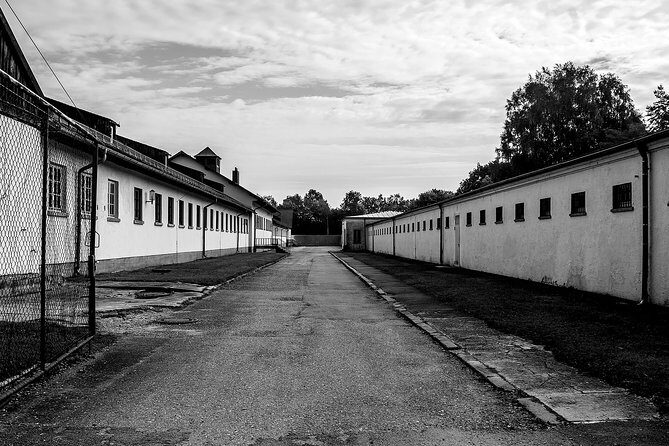
Dachau is outside the city center, so the tour uses public transit. Reviews describe a combination of public train and a city bus to reach the memorial, with the operator covering the transport. Once you arrive, the rest is mostly on foot.
This is where your comfort and energy levels decide whether the day feels smooth. If you’re traveling during peak hours, buses can get crowded. You’ll be standing in transit lines and moving as a group. Bring water and something light to snack on, especially since food and drinks aren’t included.
A note I appreciate here: the tour doesn’t use a private coach. One operator explanation included that private coach wouldn’t save much time and would raise cost, and they want the experience to stay accessible. Translation: you’re choosing a lower-cost, lower-friction option that’s more eco-friendly, but you trade some comfort.
So I’d plan like it’s a hike day:
- Comfortable shoes you can walk in for hours
- Weather-ready layers (people reported cold conditions)
- A small bag with water/snacks
- A mindset that the itinerary will keep moving


Guides Matter Most at Places Like This
Heavy history needs a steady hand. What I see in the feedback is that the guides are repeatedly praised for two things: respect and engagement.
On the Dachau side, names like Jake, Emmett, Ian, Scott, Iain, Achim, and Nick come up. People describe guides as capable of explaining difficult facts while keeping the mood appropriate. One review also praised a guide who used personal context to complement the historical story, which can make the information feel grounded rather than abstract.
On the Munich city portion, guides such as Josh are described as especially strong at connecting events and explaining how the Nazi regime worked in public life. Others like Connie are praised for showing preparation and for being attentive to conditions like heat, including finding shady spots and places to sit.
Even when someone felt there was too much information, the recurring theme was that the guides knew their material and handled it in a serious way. That’s what you want in a tour focused on terror, repression, and genocide: the facts should land, but the approach should stay humane.
The $105.21 Value Question: What You’re Really Paying For
At $105.21 per person, this is not a bargain tour in the usual sense. But it is good value if what you want is guided understanding of two connected parts of the Nazi story.
Here’s why the price can feel fair:
- You’re getting a full guided visit of the Dachau memorial, not just a drop-off
- You’re also getting a guided Third Reich walking tour in central Munich
- You’re traveling as a group with transport to Dachau handled (train and bus), rather than figuring it out yourself
- You’re capped at 25 people, which helps keep the day workable
- Guides are repeatedly recognized for making the information digestible and respectful
What’s not included is also important. Food and drinks aren’t part of the deal, so your final daily spend may go up a bit depending on what you buy during the break. And there’s no hotel pickup/drop-off, so you’ll be starting from the tour’s meeting point area.
If you’re comparing options, this tour’s best competitor is usually DIY. DIY can be cheaper. But DIY rarely gives you the same structured context—especially the link between Dachau and what was happening in Munich’s political and institutional spaces.
Who This Tour Fits Best (and Who Might Want Another Plan)
This is a strong match if:
- You want a clear, guided explanation of Nazi Germany in Munich plus the Dachau memorial context
- You can handle a long day with intense subject matter
- You like walking tours with direct stops at specific places tied to real events
It might feel like too much if:
- You prefer slower museum time and lots of independent reading
- You’re sensitive to very heavy themes without a lot of space to process
- You’d rather split Munich and Dachau into separate days to reduce fatigue
One practical reality: this tour moves. Even with a break, it’s still a physically demanding day. Dress for the outdoors, and plan to stay patient during transitions.
Should You Book This Munich WWII Combo?
I think this is worth booking if your goal is understanding, not just checking sites off a list. The pairing makes sense: Dachau teaches the system’s machinery, then Munich explains how the regime took root in public life through buildings, institutions, and events.
If you’re choosing between doing only Dachau or only Munich, this combo gives you more meaning per hour. You’ll leave with a stronger sense of how ideology translated into power and persecution, and you’ll have a guide to help connect the dots when the city looks ordinary—but the history isn’t.
If your top priority is quiet reflection time, or you hate long walking days, you might consider splitting your plans. But if you’re okay with intensity and you want guided context at both ends, this is a solid, well-regarded way to spend a day in Munich.
FAQ
How long is the tour?
The full experience runs about 8 hours 30 minutes. Dachau takes about 2.5 to 3 hours, and the Munich Third Reich walking portion runs about 2.5 hours.
Is the tour offered in English?
Yes. The tour is offered in English.
What age is the tour for?
The tour is open to visitors aged 13 and older. Under age 13 isn’t permitted, and proof may be required.
Where do I meet and where does it end?
You start at Radius Tours, Dachauer Str. 4, 80335 München. The tour ends back at the meeting point.
What’s included in the price?
You get a full guided tour of the Dachau memorial site, the Third Reich walking tour in old town, and a local guide.
What should I budget for since food isn’t included?
Food and drinks are not included, and the tour doesn’t include hotel pickup/drop-off. You’ll need to plan your own meals during the break.