REVIEW · MUNSTER
Münster: Nachtwächter-Führung (Erlebnistour)
Book on GetYourGuide →Operated by Walk With Me GmbH · Bookable on GetYourGuide
Night stories change how you see Münster. I love the night watchman experience for how it turns the old town into a stage, and I also like the towerguard lady’s horn moment at Lamberti that makes the whole walk feel oddly real. One catch: the tour can feel information-heavy, with a few pauses in the same area and the guide asking the group questions more than you might expect.
In This Review
- Key things to know
- Meeting at Lambertibrunnen: where the Münster stories start
- The 1.5-hour timing: a sweet spot for a night walk
- Lamberti horn and the towerguard lady performance
- Historic center stops: from the medieval wall to the inn from 1607
- Secret corridors, dark alleys, and those mystery details
- Münster myths you’ll actually remember: city fire and the Anabaptist kingdom thread
- Live acting in full garb: why performance adds clarity
- The pacing question: when the stop time feels long
- What to wear for wind, cold, and night streets
- Language, group feel, and who the tour suits best
- Price and value: $19 for 90 minutes of theatre-walk storytelling
- Before you go: rules that affect the vibe
- Should you book the Münster Night Watchman tour?
- FAQ
- FAQ
- Where does the Münster night watchman tour start?
- How long is the tour?
- How much does it cost?
- What language is the live guide?
- Is the tour wheelchair accessible?
- What should I wear?
- Are pets allowed?
- Is alcohol allowed on the tour?
- Is it suitable for young children?
Key things to know
- Horn at Lamberti Church: a live public performance ties the sound to Münster’s legends
- Night watchman patrol vibe: you follow the guard on an evening route through the historic center
- Myths you can picture: city fire, medieval wall ruins, and local legend threads
- Stop-and-story pacing: some locations get more explanation than others
- Weather-focused outing: you’ll be outside in wind and weather, so dress for the dark
Meeting at Lambertibrunnen: where the Münster stories start
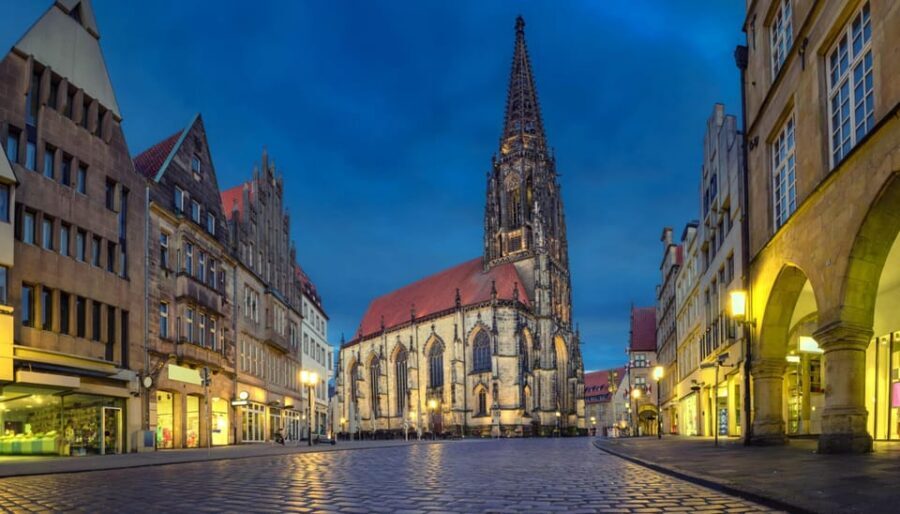
The tour kicks off at Lambertikirchpl. 1, right by the Lambertibrunnen. That matters more than you might think: it’s a direct handoff from daytime Münster into the symbolic, story-driven Münster of the past. You’re not just walking around old buildings. You’re starting the night with the places that set the tone.
Once you meet up, you’ll get a guide-led introduction and then move into the old town atmosphere. Expect the tour to feel like a living performance right from the first minutes, not a casual stroll.
You can also read our reviews of more tours and experiences in Munster.


The 1.5-hour timing: a sweet spot for a night walk
Ninety minutes sounds short until you’re in it. Then it feels like a smart length for winter evenings and for people who want story payoff without standing around forever. You cover a historic stretch of the city center, and the night acting keeps your attention sharp.
Because the tour runs in the evening, you’ll notice details you might miss in daylight: street corners feel tighter, and architecture reads differently when there’s less light to flatten everything. If you like tours where you learn, but also want a bit of atmosphere, this length fits.
Lamberti horn and the towerguard lady performance
One of the most memorable parts is the towerguard lady performance. This is live and public, and it centers on a horn moment associated with Lamberti Church. In plain terms, you’re getting a theatrical signal that turns a well-known landmark into something you can almost hear from centuries ago.
Even if you’re not the type who chases history facts, this part gives you a strong sensory anchor. It also explains why Münster night culture is more than just spooky vibes. It’s about how communities once used sound, ritual, and visibility to manage daily life.
Historic center stops: from the medieval wall to the inn from 1607
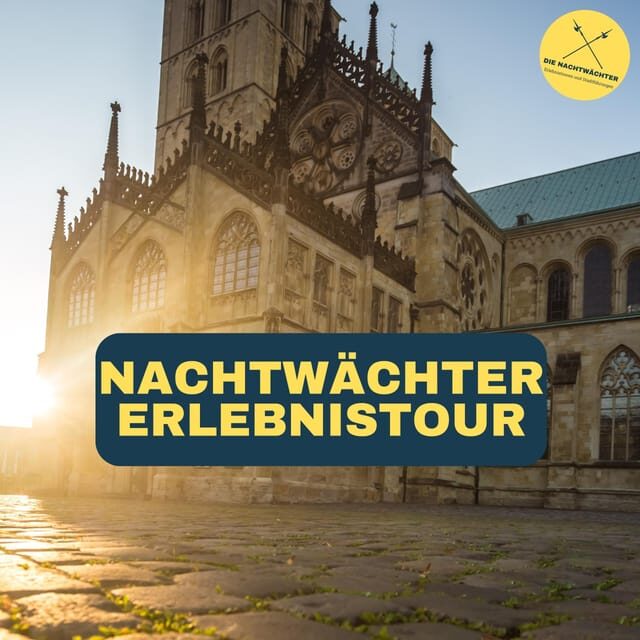
As you move through the historic core, you’ll hear about specific places that help explain Münster’s shape and identity. You’ll get stories about the ruins of the medieval city wall, which is where you start understanding the city as a defended space, not just a pretty postcard. The wall ruins are useful for learning how people once thought about borders, safety, and control.
You’ll also hear about Münster’s oldest inn from 1607. That kind of fact is great because it makes the city feel lived-in across centuries. It connects legend to everyday life: food, arrivals, gossip, and ordinary routines that still leave traces in the buildings.
And yes, you’ll run into church symbolism too. The tour includes discussion around the three baskets at Lambertikirche, which you might just walk past in daylight. At night with a guide telling you why they’re there, they stop being decoration and start acting like a clue.
Secret corridors, dark alleys, and those mystery details
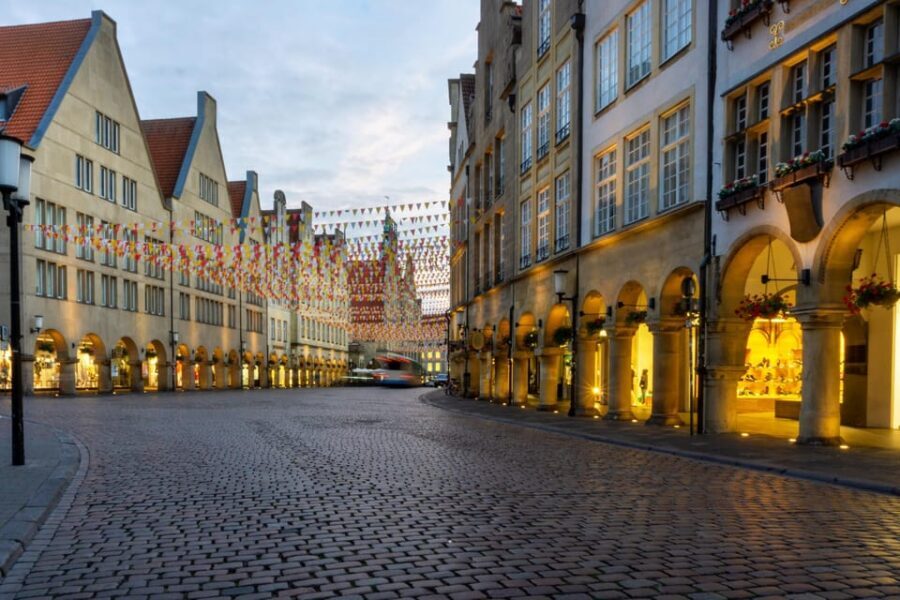
This is the part where the night watchman format shines. You’re guided through an atmosphere of dark alleys and secret-corridor style storytelling, with the guide bringing in myths in a way that feels tied to the streets themselves.
Not all “mystery” is meant to be literal proof. Some of it is meant to show you how rumor, fear, and imagination shaped how people understood their city. When a guide frames a place as a setting for legend, you start looking at doorways, corners, and passages differently.
There’s also talk of fun details from a bygone era, including what the experience describes as a cockish place. If you’re the kind of person who likes your history with a bit of swagger, you’ll likely enjoy this tone shift.





Münster myths you’ll actually remember: city fire and the Anabaptist kingdom thread
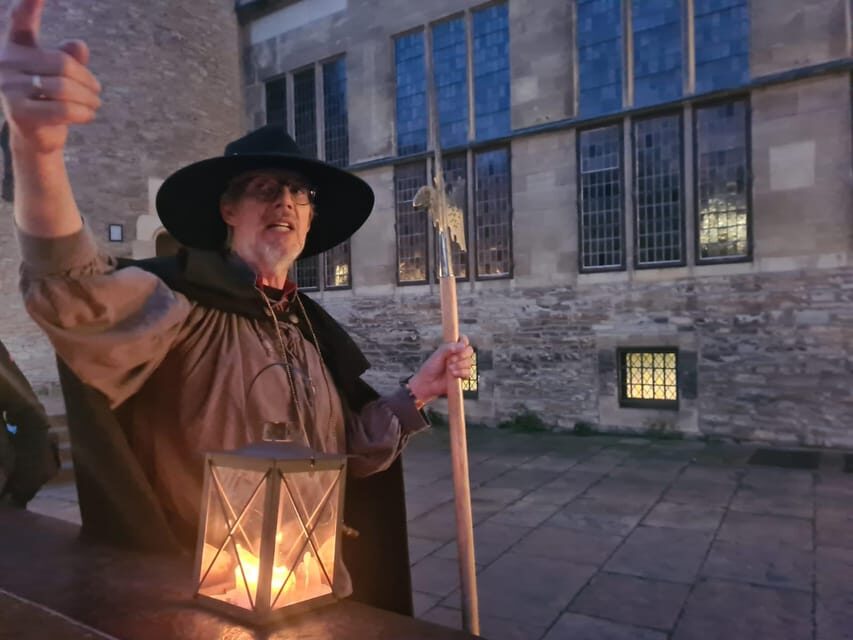
This tour doesn’t just do light ghost-story entertainment. It links major turning points to real landmarks and legends.
Two big themes stand out. First, you’ll learn about the devastating city fire in which Münster was almost completely destroyed. That’s not just a dramatic story. It helps you understand why old towns rebuild, why certain districts look the way they do, and how collective memory changes after disaster.
Second, you’ll hear about the legendary Anabaptist kingdom and the mysterious way it was created. That topic is heavy in the real world, but the way it’s presented on the tour is structured as story threads connected to place. It’s a way to make complicated history feel navigable during a single 1.5-hour evening walk.
If you want facts only, this might feel too narrative. If you want history you can picture, it lands well.
Live acting in full garb: why performance adds clarity
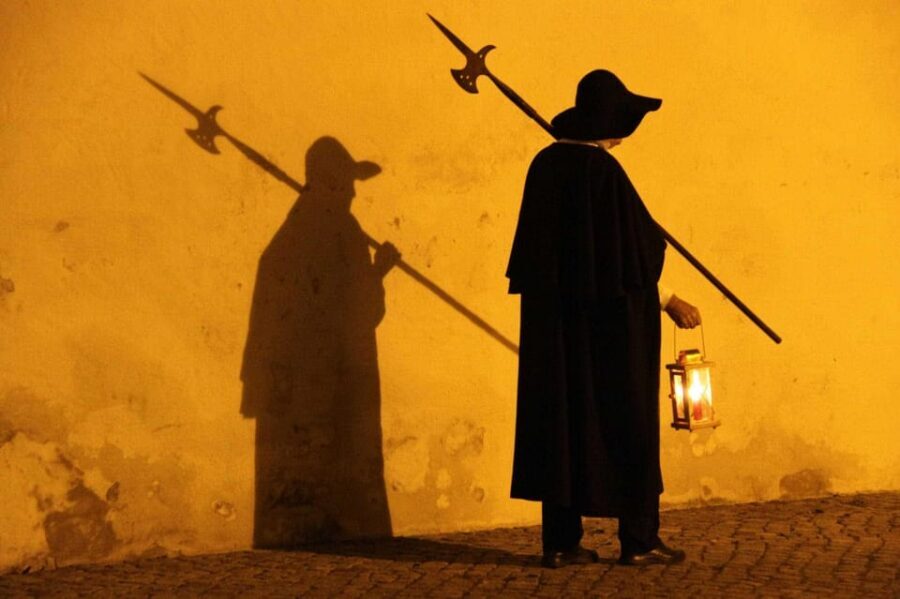
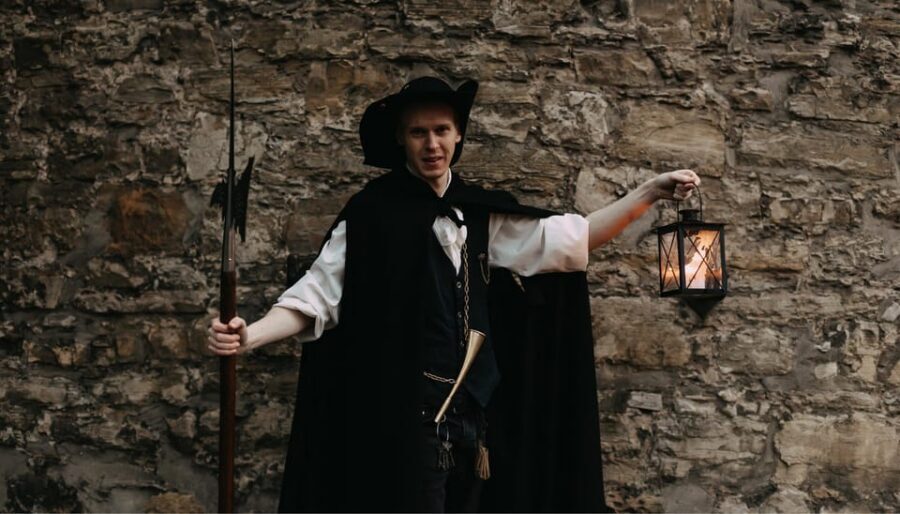
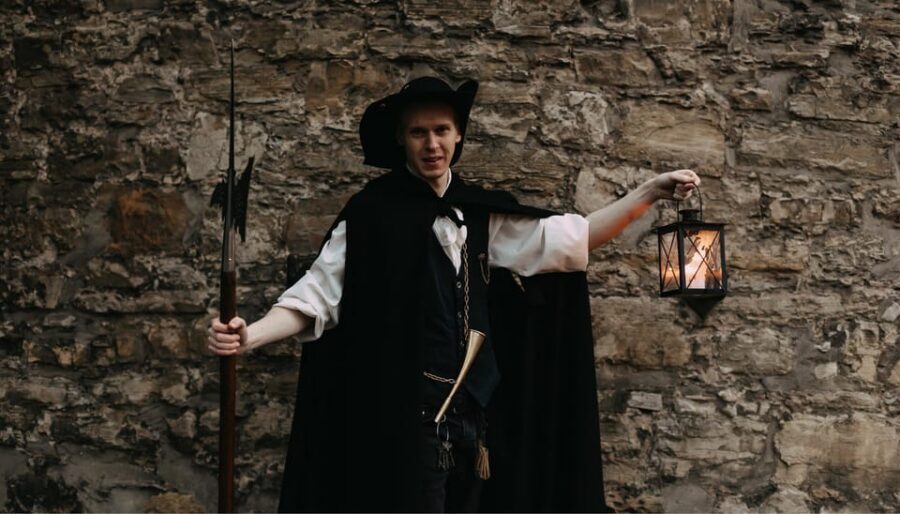
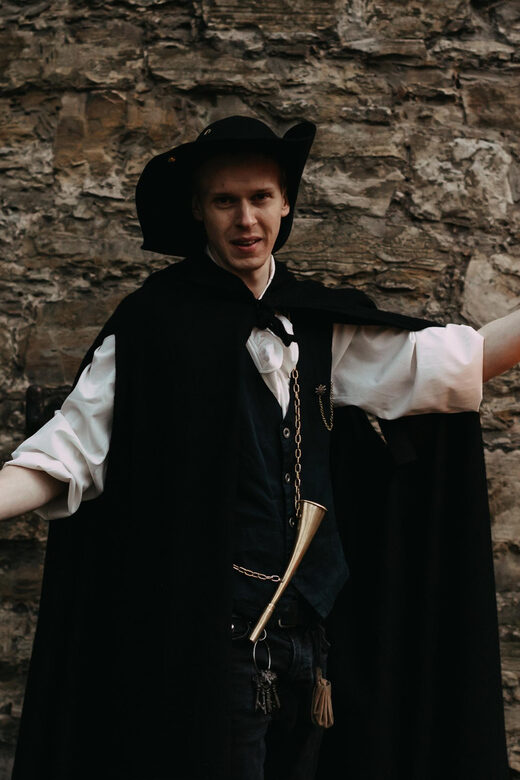
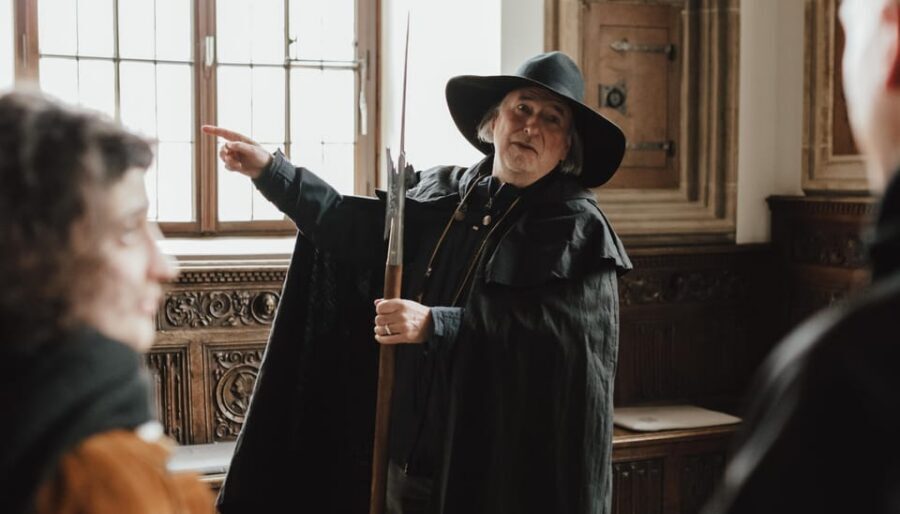
The night watchman portion includes live acting in night-guard garb. That choice matters because it changes the pace of your attention. You listen longer. You follow the guide’s rhythm. You also start picking up the “why” behind details instead of just collecting names and dates.
One detail I found useful from real tour experiences: the guide may add short warm-up moments like mini quizzes. It’s a clever way to keep people engaged when it’s cold and you’re standing still at a church or corner. It can also help kids and teens stay focused without turning the tour into a lecture.
Some guides even hand out a role feel to participants, such as a night watchman assistant moment during the tour. If you’re traveling with younger kids, that kind of involvement can make the tour more than just standing and listening.
The pacing question: when the stop time feels long
Here’s the tradeoff to consider. The tour is story-rich, and that means you may spend longer at certain spots than you expected. There can also be more back-and-forth than a typical silent-walking tour, including questions directed at the group.
A good way to handle this is to go with the right mindset. Treat each location like a small scene. If you expect constant movement and quick picture stops, you might feel like you’re repeating the same patch of street more than you want.
If you’re flexible, you’ll likely appreciate it. If you hate waiting in the cold, plan to dress extra warmly and bring patience for a slower rhythm.
What to wear for wind, cold, and night streets
This is an outdoor tour, and it runs in all wind and weather conditions. So don’t plan to rely on layers you can peel off later. You’ll be outside long enough to feel the night air.
Bring weather-appropriate outdoor clothing. If it’s cold, consider gloves and something that blocks wind. You’ll be standing at least some of the time around key points like church moments, and that’s when cold sneaks up on you.
Also, no pets are allowed, but assistance dogs are. That’s helpful to know if you travel with a partner animal.
Language, group feel, and who the tour suits best
The live guide speaks German. So you’ll get the best experience if you understand German or are comfortable with some limited translation while you follow the acting and place-based storytelling.
The tour includes an age guideline too: it’s not suitable for children under 6. For families with older kids, this can work well because the performance style and interactive bits can keep them engaged.
This is also a strong choice for history lovers who want something more human than a museum audio guide. And it’s a good pick if you enjoy tours that mix facts with atmosphere, especially in the evening when Münster’s old town already feels cinematic.
Price and value: $19 for 90 minutes of theatre-walk storytelling
At $19 per person for 1.5 hours, this is priced like a value-friendly experience rather than a premium private performance. What you’re buying is not just a lecture. You’re buying a night watchman-led walk with live acting, plus a public performance element involving the towerguard lady horn moment.
That combination is the value argument. You get a guided city-center route, you get story context around key local symbols, and you get a sensory highlight that makes the tour feel event-like. If you’re already paying for other paid city experiences in Münster, this is a straightforward add-on that uses your evening time well.
The only cost to watch for is your own comfort. If you’re not dressed for the weather, the experience can feel harder than the price suggests. Dress properly and you’ll squeeze more enjoyment out of the same 90 minutes.
Before you go: rules that affect the vibe
A few practical boundaries shape the experience. Alcohol and drugs are not allowed, and pets aren’t allowed except assistance dogs. Those rules help keep the tour focused and safe, especially in darker alleyways.
Also, you should expect an outdoor walking format even if the weather turns. This isn’t a quick indoor story show, so you’ll want to treat it like an evening outing: warm layers, shoes that handle uneven street surfaces, and a willingness to stand and listen.
Should you book the Münster Night Watchman tour?
Book it if you want a story-first way to experience Münster at night. The live night watchman acting and the towerguard lady horn at Lamberti are the kind of moments that can make a city feel personal, not just historical.
Skip it or adjust expectations if you hate tours that pause for explanations or you prefer fast, nonstop walking with minimal interaction. It’s still a good tour, just not the right fit for people who want maximum ground covered per minute.
If you’re traveling with German-speaking adults, or families with kids old enough to handle outdoor standing, you’re likely to find it fun, memorable, and worth the money.
FAQ
FAQ
Where does the Münster night watchman tour start?
It starts at Lambertikirchpl. 1, 48143 Münster, at the Lambertibrunnen.
How long is the tour?
The tour lasts about 1.5 hours.
How much does it cost?
The price is $19 per person.
What language is the live guide?
The tour is guided in German.
Is the tour wheelchair accessible?
Yes, it is wheelchair accessible.
What should I wear?
Wear weather-appropriate outdoor clothing, since the tour takes place in wind and weather.
Are pets allowed?
No pets are allowed. Assistance dogs are allowed.
Is alcohol allowed on the tour?
Alcohol is not allowed.
Is it suitable for young children?
It is not suitable for children under 6 years.