REVIEW · BERLIN
Berlin: Hitler’s Berlin The Rise & Fall Guided Walking Tour
Book on GetYourGuide →Operated by On the Front Tours · Bookable on GetYourGuide
Berlin’s streets carry heavy lessons. This Hitler’s Berlin walking tour gives you a clear, chronological path through how Nazi power took hold and collapsed. I especially like the site-to-story structure that helps hard history feel trackable, not foggy.
I also love the way the experience mixes major monuments with places tied to repression and remembrance, so you don’t just see buildings—you understand what they meant. One drawback to plan for: it’s outdoors with a fair amount of walking, and you’ll be outside through whatever weather Berlin decides to bring.
In This Review
- Key things I found most compelling
- Berlin’s Nazi sites on foot, from election to collapse
- Meeting at Brandenburg Gate and planning for 2.5 hours outside
- Brandenburg Gate to the Sinti and Roma memorial: context before the shock
- Reichstag: democracy, dictatorship, and unity in one stop
- Soviet War Memorial Tiergarten and the Holocaust Memorial: remembering with purpose
- Hitler’s Bunker site: where the war in Europe came to its end
- Johann Georg Elser memorial and the German Finance Ministry: stories around the machinery
- Topography of Terror: former Gestapo and SS headquarters in plain view
- How the guide turns big politics into street-level understanding
- Price and value: what $47 buys you in real understanding
- Who this tour fits best (and who might want a different style)
- Should you book Hitler’s Berlin: Rise & Fall Walking Tour?
- FAQ
- How long is the Berlin: Hitler’s Berlin Rise & Fall guided walking tour?
- Where do I meet the guide?
- Is this tour wheelchair accessible?
- Is the tour indoors or outdoors?
- What should I bring for the walking route?
- Can I cancel or pay later?
Key things I found most compelling
- A rise-and-fall storyline that connects election, dictatorship, terror, and defeat instead of hopping randomly between sights
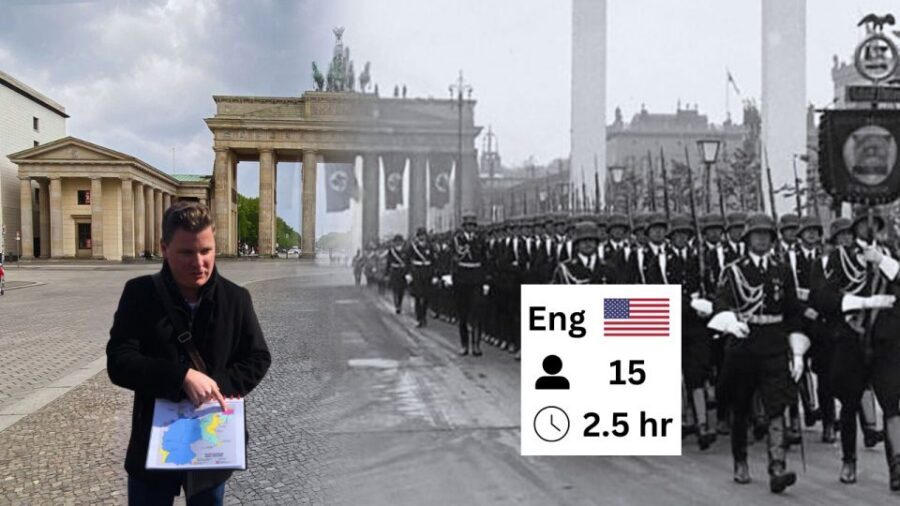
- Then-and-now photos and historic maps that help you see what changed and why it matters
- Historian-style guiding and Q&A, with time for questions rather than a one-way lecture
- Real locations of repression and memory, including the Topography of Terror area and the Holocaust Memorial
- Small group pacing, which makes it easier to ask questions and not feel rushed
- Guides like Scott, Hannah, and Matthew are repeatedly praised for clear explanations and staying engaging even in bad weather
Berlin’s Nazi sites on foot, from election to collapse
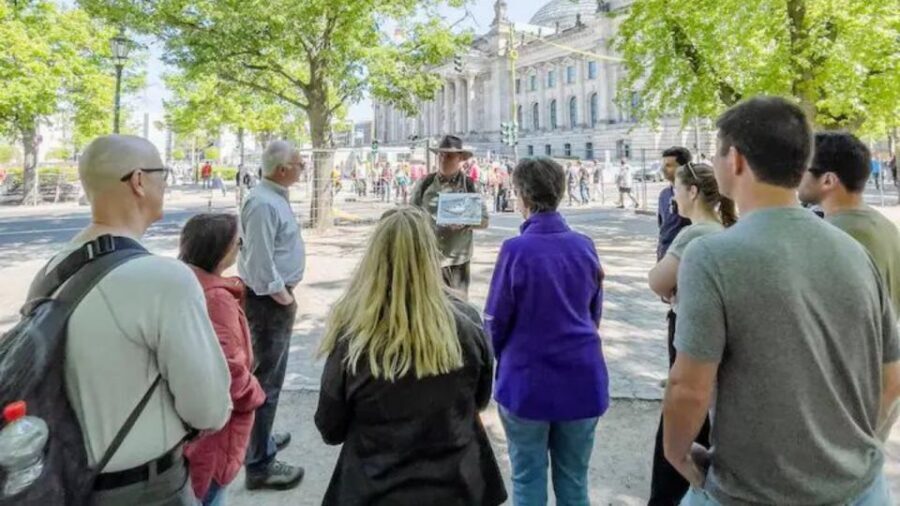
This is the kind of WWII tour that works because it treats Berlin like a timeline you can walk through. The big idea is simple: you start at sites tied to the shift from democracy to dictatorship, then move toward the instruments of control, and end at places connected to the regime’s final collapse.
What makes it different from a basic checklist is the through-line. The guide frames each stop as part of one connected story: how the Nazis seized power, why Jewish people were systematically targeted, how Berlin became the capital of the Third Reich, and how fear and propaganda kept control in place. Then you reach the last days of war and the city’s aftermath.
Also, you’re not stuck with endless talk. The format is built around guided visits outdoors, with reflection time and room to ask questions as you go.
You can also read our reviews of more walking tours in Berlin



Meeting at Brandenburg Gate and planning for 2.5 hours outside
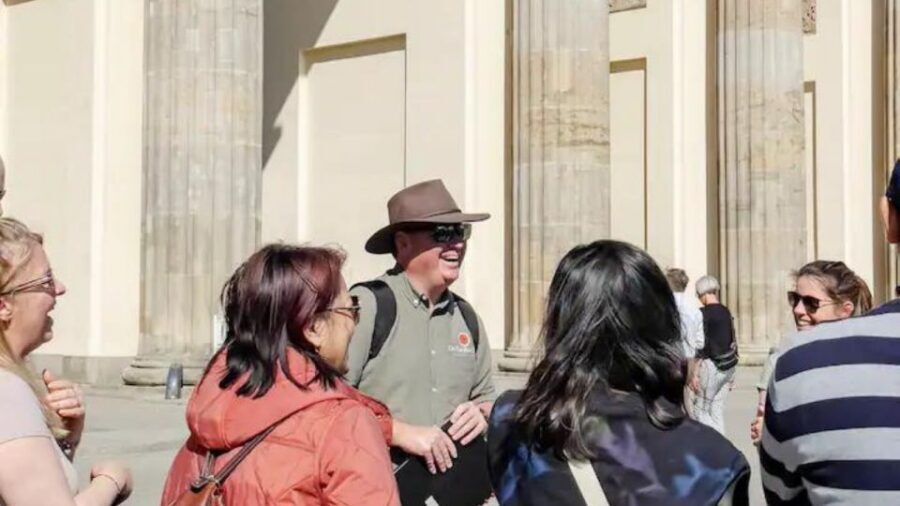
You meet at the Tourist Office at Brandenburg Gate, looking for the Blue Umbrella. The tour runs about 150 minutes (roughly two and a half hours), and it’s a walking route through central Berlin.
Because it’s outdoors, plan like a local: comfortable shoes, weather-appropriate layers, and a water bottle. Umbrellas aren’t provided, so bring one if rain is in the forecast or if you hate getting soaked while trying to read plaques and signage.
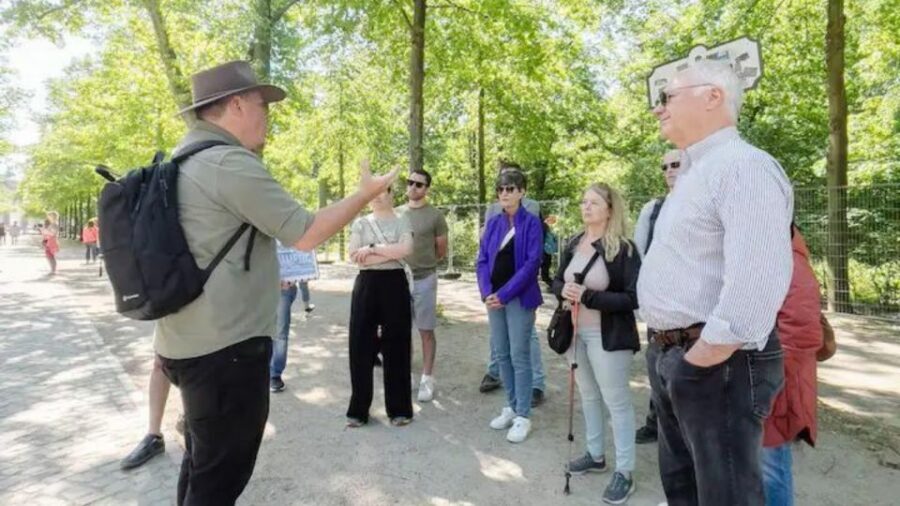
Pacing matters here. With small-group touring, you’re more likely to get answers to your questions without constantly feeling you’re slowing everyone down. That’s a real quality-of-life factor on tours like this—especially when the topic is heavy and you want context, not just names and dates.
Brandenburg Gate to the Sinti and Roma memorial: context before the shock
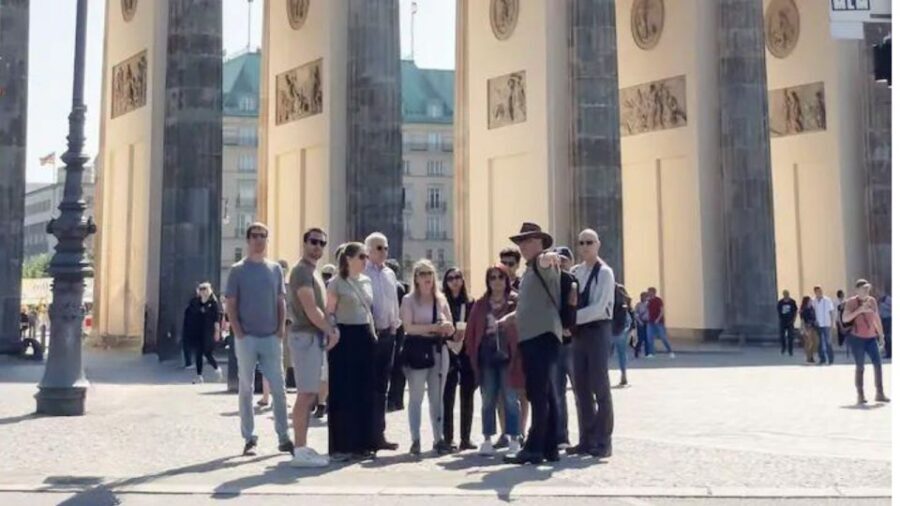
The route starts with a quick look at Brandenburg Gate—a photo stop and a walk-through area that sets the tone immediately. This is a place associated with shifting political meanings over time, so it’s a good opener for a tour about how democracy got dismantled and power got centralized.
From there, you move to the Memorial to the Sinti and Roma Victims of National Socialism. This stop is short but important. It signals early that the tour isn’t only about one group or one narrative strand; it’s about how Nazi persecution spread and intensified.
What you’ll gain here is a mental “map” for the rest of the walk. You’re primed to understand later sites as part of a system—rather than isolated landmarks.
Reichstag: democracy, dictatorship, and unity in one stop
The Reichstag visit is one of the anchors of the entire tour. The building carries symbolism in layers: it can represent democracy, it later becomes entangled with dictatorship, and it’s tied to ideas of unity in Germany’s story.
The guide’s job at this stop is to help you read the site beyond architecture. You’ll get the bigger political explanation that connects what happened in Berlin to what happened across Nazi Germany. Expect discussion of how power consolidated—because the Reichstag matters precisely because of what it represents.
If you’re the kind of person who likes to understand why a place is significant, this is where the tour starts to feel “worth it,” not just educational.
Soviet War Memorial Tiergarten and the Holocaust Memorial: remembering with purpose

Next up is the Soviet War Memorial at Tiergarten. You’ll have time for a photo stop and guided context here, framed as a reminder of the brutal fighting for Berlin and the cost of that final stretch of war.
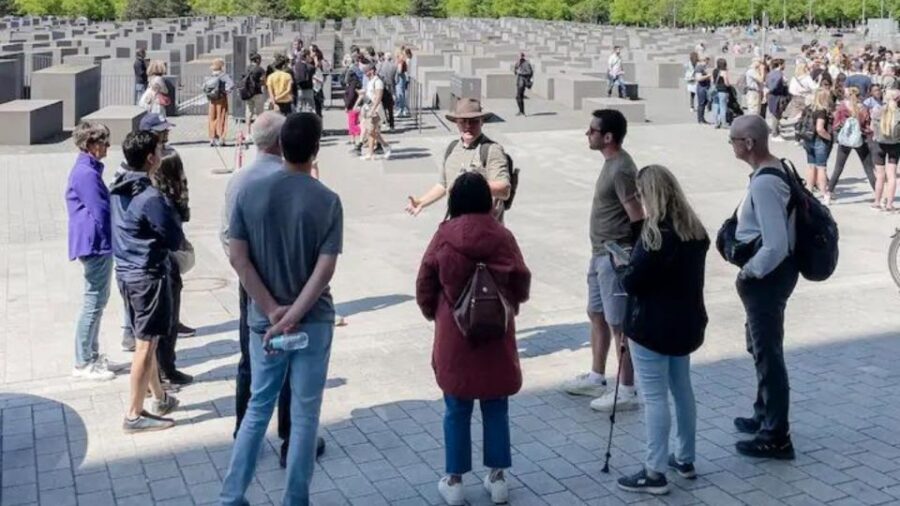
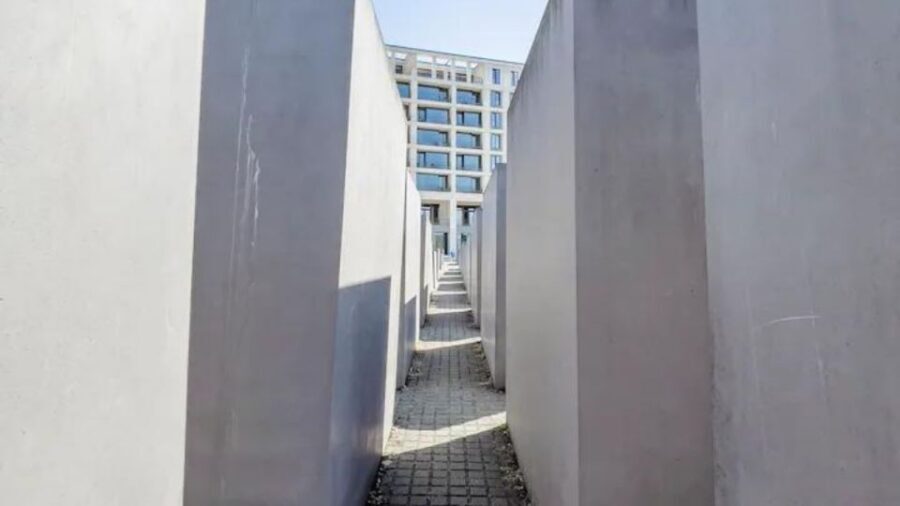
Then you reach the Holocaust Memorial. This isn’t treated as a quick photo moment. You’ll do a guided visit that focuses on reflection and understanding—an important shift in tone after the discussion of power and war.
Together, these two stops help you hold multiple truths at once: the Holocaust is genocide perpetrated by an ideological regime, and the fall of Berlin is also a battlefield reality involving immense suffering. A good guide keeps these threads clear without flattening the complexity.
If you’ve ever worried that dark-history tours become either cold or vague, this sequence helps. It pushes you to slow down and actually process what you’re looking at.
You can also read our reviews of more guided tours in Berlin





Hitler’s Bunker site: where the war in Europe came to its end
The tour then heads toward Hitler’s Bunker. Even though you won’t be wandering ruins, the stop is presented as the location tied to where the war in Europe reached its final days.
This is where the walking route becomes more emotionally intense. The guide ties the end of the regime to the decisions, propaganda, repression, and collapse that came before. You’ll also likely notice how Berlin itself feels different when you’re standing near sites connected to defeat rather than power.
One practical note: this part of the route is outdoors and exposed. Dress accordingly and take your time with the explanation.
Johann Georg Elser memorial and the German Finance Ministry: stories around the machinery
You’ll also stop at the Johann Georg Elser Memorial. The tour frames it as another meaningful marker from the Nazi period—an intentional counterpoint that broadens the narrative beyond the regime alone.
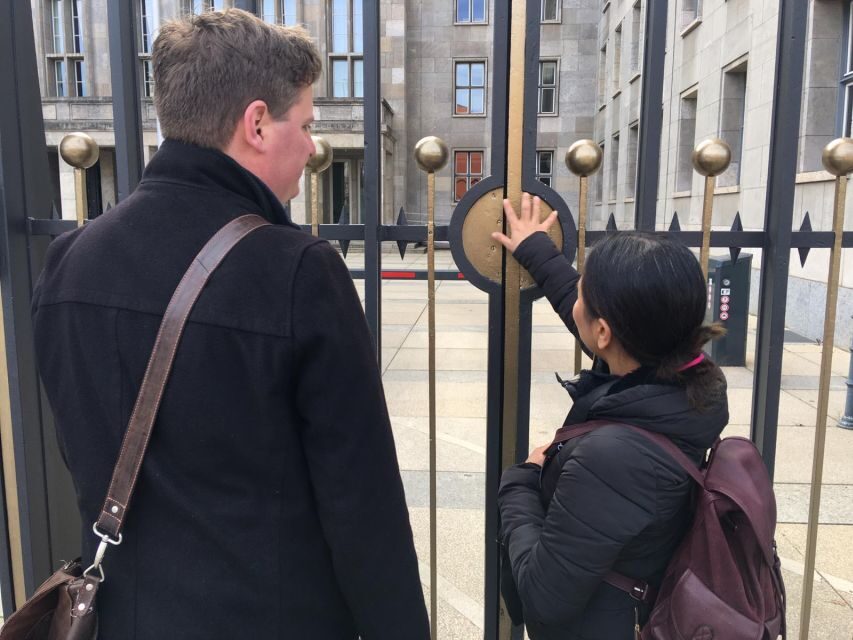
After that, you visit the German Finance Ministry area. That stop adds a different kind of context: the Nazi system wasn’t only armed force and secret police. It was also administration and the everyday machinery of state, which is crucial for understanding how dictatorship can spread through bureaucracy as much as through violence.
This pairing works because it nudges you to think in categories: resistance and repression, ideology and administration. Not everything about a totalitarian state is visible from the outside. You’re learning to read the city as a set of functions, not just symbols.
Topography of Terror: former Gestapo and SS headquarters in plain view
The final major stop is the Topography of Terror, in the area of former Gestapo and SS headquarters. This is the tour’s most direct connection to the nerve centre of terror and repression.
You’ll have time for photo stops and guided visiting. The guide explains how fear and repression were used to maintain control, and why this part of Berlin matters historically: it’s where the state’s violent enforcement was organized.
This is also where your earlier stops pay off. If you’ve been tracking the rise-and-fall story in your head, the ending feels less like a random finale and more like a logical culmination.
You finish at Topography of Terror, and that matters. It’s a strong closing location because it naturally leads to reflection rather than letting the tour drift off into sightseeing mode.
How the guide turns big politics into street-level understanding
The core promise here is clarity. The tour is designed to explain how Nazism took hold in a structured way—without turning the experience into a slideshow of facts.
Three elements help make that happen:
- Academic, historian-style guiding: the guide connects politics, ideology, and military events into one coherent narrative. You’ll feel the timeline instead of just collecting locations.
- Then-and-now photos and historic maps: these tools help you compare what Berlin looked like at different moments and how the city’s physical change relates to political change.
- Q&A and reflection time: you don’t have to hold questions for a later museum. And you can ask for clarification when something feels too big to hold in one pass.
The reviews also point to a repeat pattern: engaging guides who make room for questions. Names that come up often include Scott and Hannah, with other guides like Matthew, Ben, Mark, and Jörg also mentioned for staying engaging and answering questions thoroughly.
And yes, weather can happen in Berlin. One of the reasons people keep praising this tour is that it still works when conditions aren’t ideal—like when a downpour hits mid-walk and the guide helps the group continue smoothly.
Price and value: what $47 buys you in real understanding
At $47 per person for 150 minutes, the value is tied to delivery, not just the list of stops.
You’re paying for:
- An expert local guide with academic background in WWII history
- Small-group pacing (so the tour stays interactive rather than crowded and silent)
- Guided visits to key sites and memorials
- Then-and-now images and historic maps
- Time for reflection and Q&A
A typical self-guided approach can get you to the locations. This tour helps you connect them into cause and effect—why these sites matter, how they relate to each other, and what day-to-day control looked like under the regime.
If you only have one day for WWII history in Berlin, this format is efficient. You’ll leave with a mental timeline you can reuse while you keep exploring the city on your own.
Who this tour fits best (and who might want a different style)
This is a strong fit if you:
- Want WWII history with a clear storyline, not a loose wandering walk
- Like walking past major landmarks and memorials with context attached
- Prefer outdoor, site-based explanation over indoor museum time
It’s also a good match if you’ve been nervous about history tours becoming either too vague or too heavy-handed. The approach here is built around clarity and avoiding gimmicks.
If, on the other hand, you’re looking for a casual sightseeing experience, this isn’t that. The subject matter is difficult by design. You’ll be standing at sites tied to systematic persecution and repression, plus the battlefield reality of Berlin’s end.
Should you book Hitler’s Berlin: Rise & Fall Walking Tour?
I’d book it if you want WWII history that makes sense while you walk—especially if you value a guide who can connect ideology, repression, and collapse into a single through-line.
Skip it only if you dislike outdoor walking or you want an easy, light day. Otherwise, the combination of major sites like the Reichstag, remembrance spaces like the Holocaust Memorial, and the ending at Topography of Terror is a practical way to understand how Nazi Germany rose and fell in Berlin.
FAQ
How long is the Berlin: Hitler’s Berlin Rise & Fall guided walking tour?
The tour lasts about 150 minutes, so plan on roughly two and a half hours on foot.
Where do I meet the guide?
Meet at the Tourist Office at Brandenburg Gate and look for the Blue Umbrella.
Is this tour wheelchair accessible?
Yes, the tour is wheelchair accessible.
Is the tour indoors or outdoors?
It’s an outdoor walking tour, and it does not include access to indoor museum exhibitions.
What should I bring for the walking route?
Wear comfortable shoes, dress for the weather, and bring a water bottle. You may also want to bring your own umbrella or walking stick if you need one.
Can I cancel or pay later?
Free cancellation is available up to 24 hours in advance for a full refund, and you can reserve now and pay later to keep plans flexible.
If you want, tell me your travel dates and what other Berlin stops you’re considering, and I’ll help you place this tour in the best time window so it doesn’t get swallowed by logistics or other long walks.