REVIEW · BERLIN
Berlin: Guided Bike Tour of The Wall and Third Reich
Book on GetYourGuide →Operated by FREE BERLIN Bike Tours · Bookable on GetYourGuide
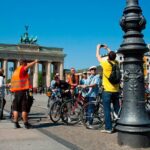
Berlin doesn’t whisper about its past. It pedals you through it on an easy, guided bike-and-story route that connects Nazi-era sites to Cold War leftovers, with a front-row feel near the Wall. I especially love the way you get up close to the borderland (including ghost stations) while still feeling relaxed thanks to bike paths and lots of guiding. One drawback to plan for: this is an active ride, and on wet days some paths can get slippery.
You start in Nikolaiviertel, near the TV Tower, and you’ll spend about 3 hours covering roughly 15 kilometers—plenty of time to learn, stop, and regroup without it turning into a long slog. I also like that the guides bring it to life with personal perspective; names like Yasmin, Juliet, Carl, Jake, and Peter have been praised for turning facts into something you can actually picture. Just remember the route can be flexible, since the operator uses a Free-Berlin-concept approach where the guide designs the path.
In This Review
- Key highlights worth planning for
- Where the Wall story starts: Nikolaiviertel to first Nazi-era clues
- The 15-kilometer route: active sightseeing without the rush
- Nazi-era to Cold War: how Berlin’s timeline shows up on streets
- Chasing the Wall line: outlines, borderland remnants, and ghost stations
- Bunkers, concrete, and the Germania vision
- Hitler’s Führerbunker: what you can’t see and what you’ll learn instead
- Your guide experience: personal storytelling and clear, practical facts
- Bikes, helmets, and staying confident on Berlin bike lanes
- Weather reality: slippery paths and what to wear
- Who this tour suits best (and who should consider another plan)
- Should you book the Wall and Third Reich bike tour?
- FAQ
- How long is the bike tour?
- How far do you ride during the tour?
- Where do I meet the guide?
- What’s included with the tour?
- Can I bring luggage?
- Do they offer e-bikes?
- What languages are available for the live guide?
- Will you visit Hitler’s Führerbunker?
- What happens if I cancel or want to keep plans flexible?
Key highlights worth planning for
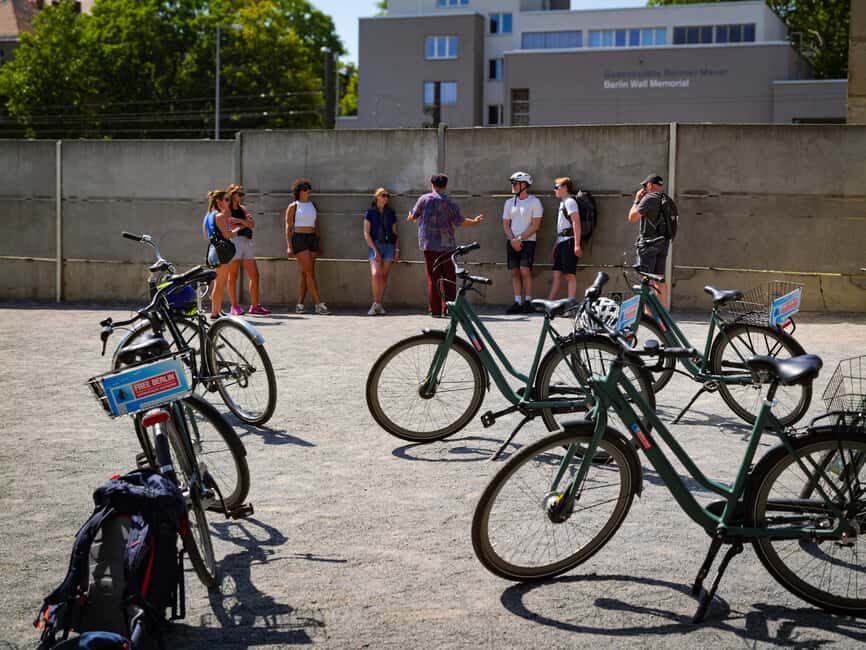
- Nikolaiviertel start near the TV Tower: easy to find, good for orientation before you roll out
- A 15-kilometer ride at a comfortable pace: active, not exhausting
- Ghost stations and the Wall’s borderland logic: how a divided city reshaped daily life
- Nazi-era through Cold War stops: fewer “textbook” moments, more Berlin-in-motion
- Bunker remains and the Germania vision: concrete leftovers with big ideas behind them
- You won’t access Hitler’s Führerbunker: you’ll learn why, and what’s possible to see instead
Where the Wall story starts: Nikolaiviertel to first Nazi-era clues
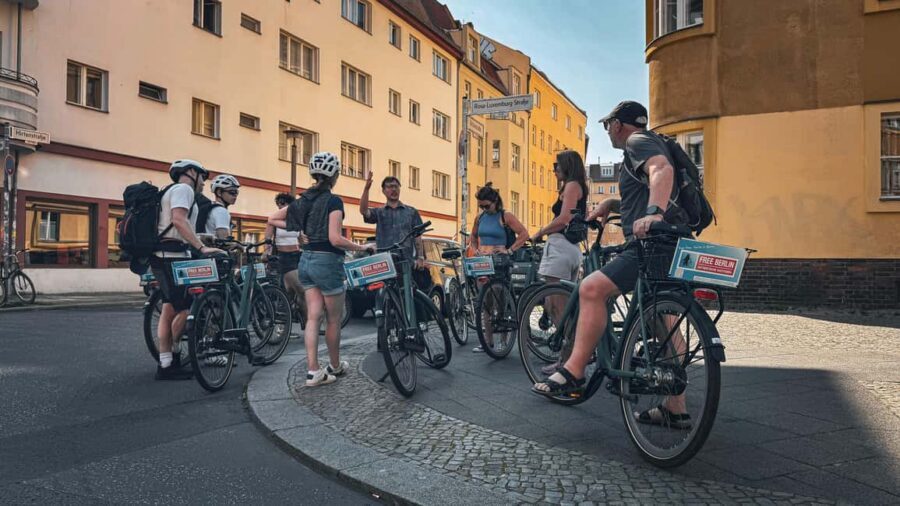
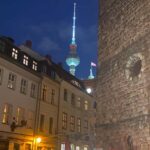
The tour begins in Nikolaiviertel, an atmospheric corner of Berlin that’s a quick walk from the TV Tower. It’s a smart starting point because the area helps you get your bearings fast: you’re not dropped into a random industrial block with no context.
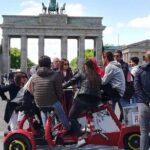
After you meet your guide at the operator’s office in the courtyard entrance of Poststraße 11 (look for the FREE BERLIN sign), you’ll be set up with a rental bike and hit the road on bike paths and side streets. The early stage matters because you’re not just chasing famous landmarks—you’re learning how Berlin’s history concentrated into specific streets, institutions, and transit lines.
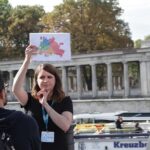
Expect a tone that mixes big events with daily realities. The guide’s job is to connect what you see on the ground—graffiti, traces, outlines, and ruins—to what it meant to live there. This is where the tour earns its interest: it turns distances and divisions into something you can feel while moving.
You can also read our reviews of more cycling tours in Berlin


The 15-kilometer route: active sightseeing without the rush
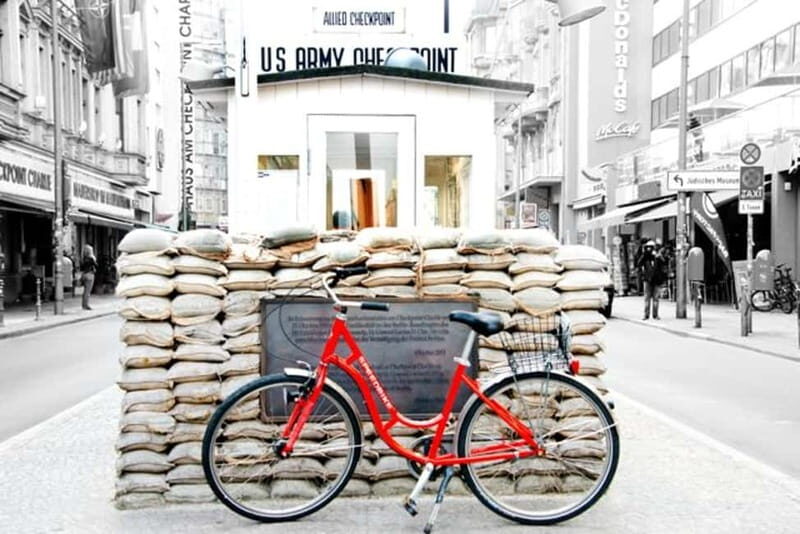
You’ll ride about 15 kilometers during the 3-hour tour. That distance is a sweet spot for most people: far enough to cover real geographic variety, close enough that you’re not constantly sprinting to keep up.
One reason this format works is the balance between movement and stopping. You’ll hear facts and lesser-known stories as you ride, then pause near key remnants and locations so you can look around and absorb what the guide is pointing out. Because you’ll be on bike paths and quieter side streets, it often feels less stressful than trying to do the Wall sites by bus or hopping between stations.
A practical note: the operator says the guide can design the route freely under the Free-Berlin-concept, so the exact stopping order may vary. You still get the core ingredients: Wall outline follow-through, borderland details, ghost stations, bunker remnants, and Cold War context.
Nazi-era to Cold War: how Berlin’s timeline shows up on streets
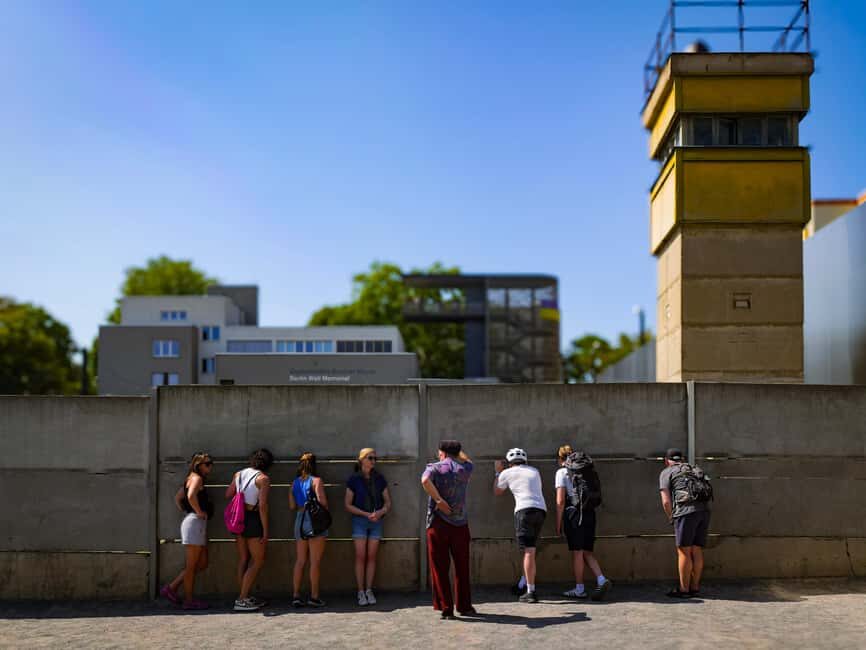
This tour is built like a time corridor. You’ll start with places linked to the Nazi era, then connect them to the Cold War layers that followed. The key is that you’re not just seeing “old stuff”—you’re seeing how later generations repurposed, reinterpreted, and sometimes tried to cover over what came before.
What I like about this approach is that Berlin is one of Europe’s most honest cities about history. You can see how power shapes infrastructure: buildings, transit routes, and security systems leave long shadows. As you ride, your guide helps you read those shadows. Instead of only listing events, the guide frames the practical consequences for everyday life in a divided city—where people went, what they risked, and how routines changed when movement itself became a problem.
The tour also doesn’t pretend everything is accessible. It includes examples of what you can learn from remnants and layouts even when exact access is limited today. That makes the learning feel grounded, not theatrical.
Chasing the Wall line: outlines, borderland remnants, and ghost stations
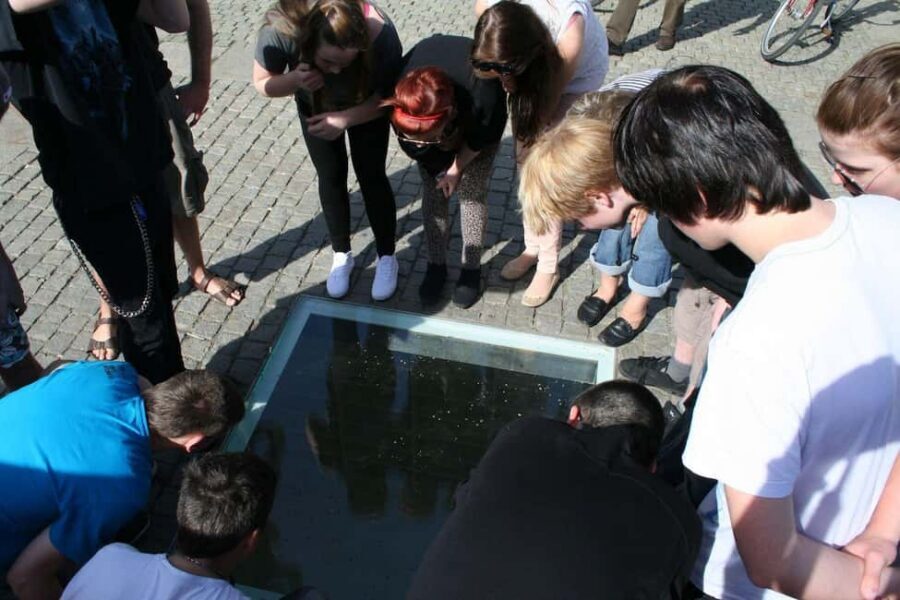
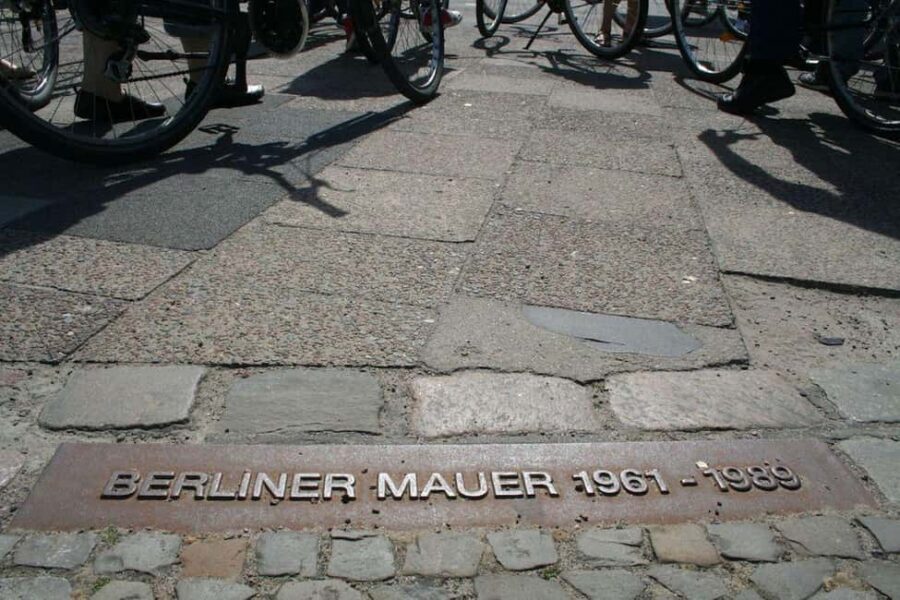
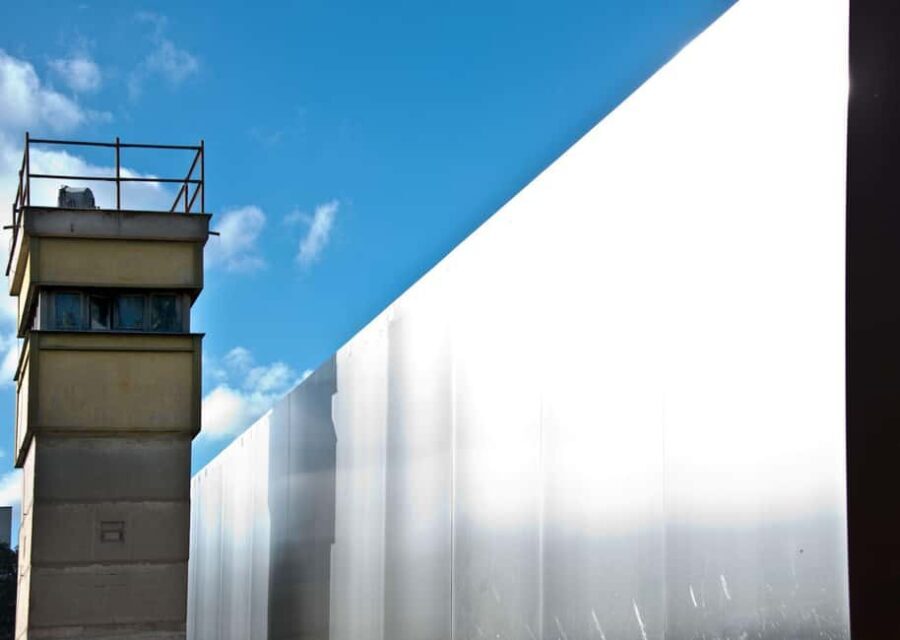
A big part of the experience is following the outline where the Wall once stood. Standing near those traces changes your perception fast, because you start to see the Wall as a corridor with edges and rules, not just a single wall segment in a photo.
You’ll also hear about ghost stations—the transit spaces that remained part of the network in name, but became strange, controlled zones in reality. The value here isn’t just the eerie name. It’s the logic of a divided system: trains, platforms, and neighborhoods didn’t just get cut; they were managed.
I like that the tour is explicit about the borderland’s afterlife. You’ll learn how the borderland found new usage, meaning the area didn’t freeze in time. Once the political situation changed, Berlin reclaimed and rewired the space. You walk away with a clearer sense of why Berlin today still feels layered even when buildings look ordinary.
Bunkers, concrete, and the Germania vision
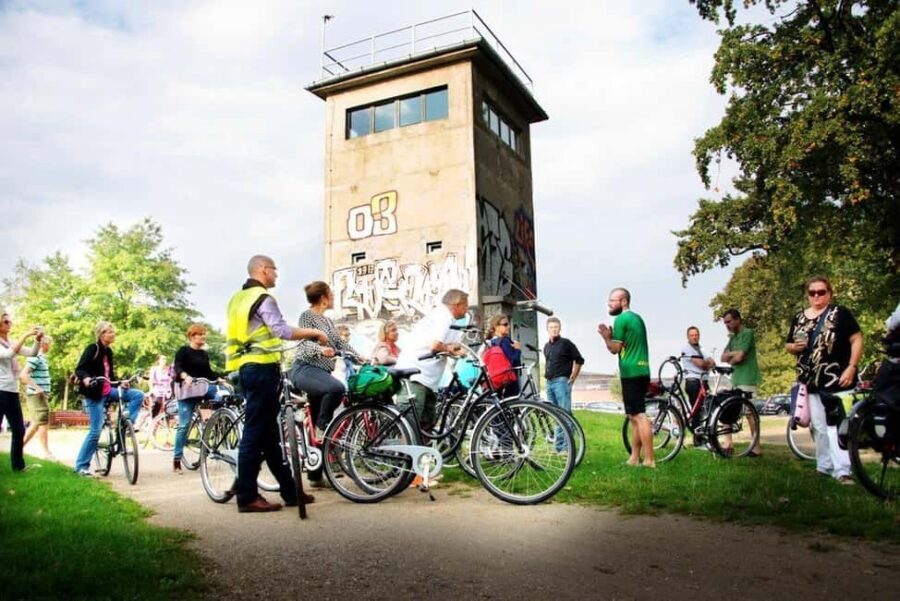
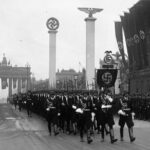
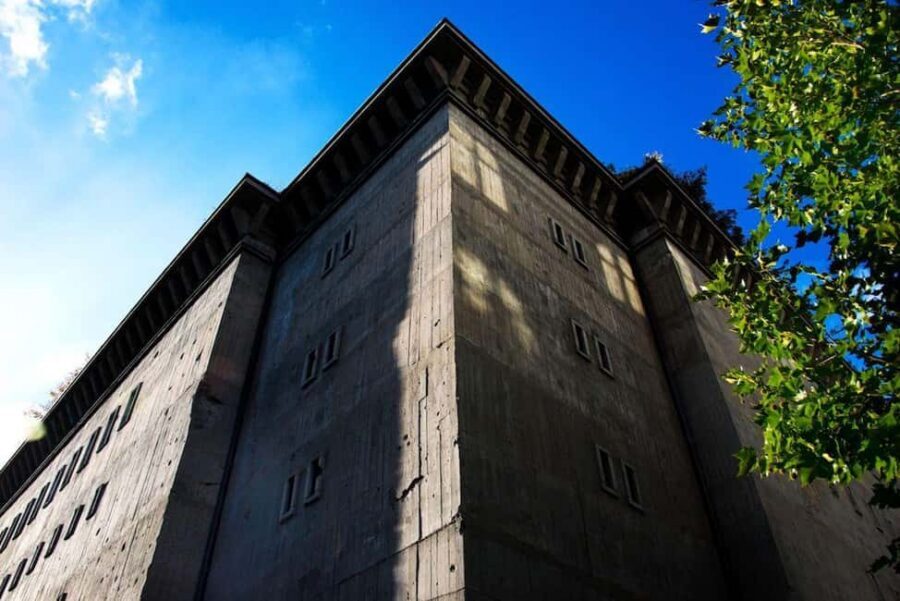
Another major theme is the sheer physical weight of planning. You’ll see remains of an enormous bunker and learn about the vision behind Germania—the idea of reshaping Berlin into a grand capital aligned with Nazi ambitions.
This is one of those stops that can be hard to summarize unless you’ve seen the scale with your own eyes. Even when only parts remain, the bunker-related stories make a point: architecture and engineering were central tools of ideology. The tour helps you connect the bunker remnants to what leadership hoped to build, control, and symbolize.
If you’re the type who likes to understand how ideas turn into materials—steel, concrete, and guarded spaces—this is where the tour pays off. It gives you a way to interpret Berlin that doesn’t rely on museum walls alone.
You can also read our reviews of more guided tours in Berlin



Hitler’s Führerbunker: what you can’t see and what you’ll learn instead
You’ll cover why it is no longer possible to access Hitler’s Führerbunker. That might sound like a letdown on paper, but in practice it’s an important historical lesson about what access means in Berlin.
The key is the guide’s framing: you’re not missing the point because you can’t walk into a bunker. Instead, you learn the limits of today’s world—what’s preserved, what’s restricted, and what can be explained by location and context even from outside. The tour keeps you focused on the story geography, rather than turning it into a “checklist” hunt for a single door you can open.
I also appreciate that the tour openly steers you toward what is possible to experience. It keeps the mood grounded and helps you spend your time where the guide can teach the most.
Your guide experience: personal storytelling and clear, practical facts
What separates this tour from a basic bike ride is the guidance. Across the guides mentioned in feedback, people repeatedly praise how they combine clear information with human detail.
I’ve seen this format work best when the guide does two things at once: (1) explains what you’re looking at, and (2) gives you a sense of what life felt like in the divided decades. Names like Yasmin and Juliet are noted for strong storytelling and an engaging pace, while guides like Carl and Jake are praised for making it feel safe and easy even in active urban areas. And Peter, described as a former East Berliner, is highlighted for bringing real lived perspective—exactly the kind of context that helps teenagers and first-timers understand the stakes.
One more practical plus: the operator equips riders with waterproof ponchos if it rains. That matters because Berlin weather changes fast, and a bike tour lives or dies by whether you’re comfortable enough to keep going.
Bikes, helmets, and staying confident on Berlin bike lanes
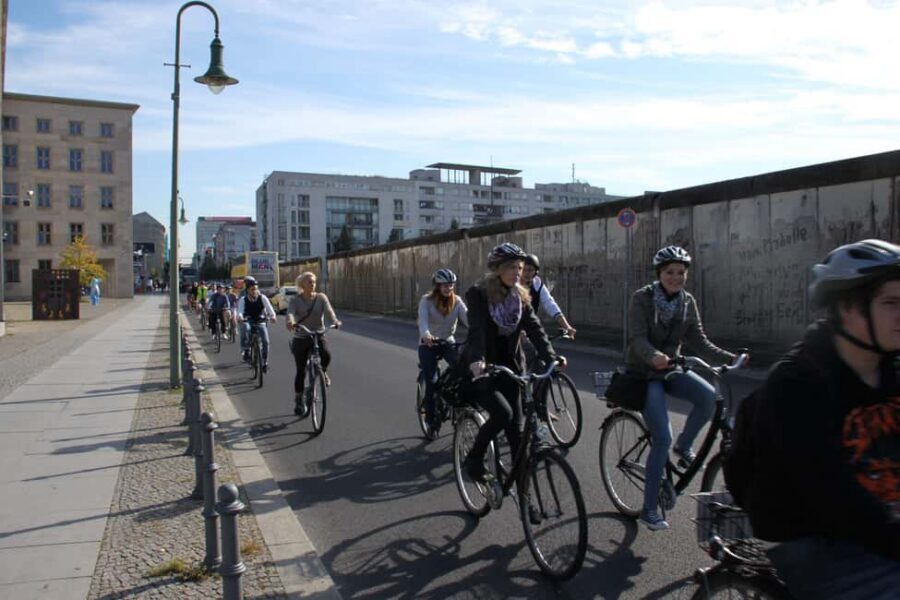
Included are bike rental and a bike helmet if requested. Bikes are fitted with baskets and are regularly checked by a certified mechanic, which is reassuring when you’re riding in traffic and need the bike to feel solid.
Safety-wise, the consistent praise is that the guide keeps things smooth and makes the group feel comfortable, even with real-world Berlin traffic. You’ll mostly be on bike paths and side streets, which generally keeps stress lower than trying to brute-force your way through major roads.
If you need an e-bike, you can request it by booking as a senior (the price is adjusted and the operator notes the request). If you’re bringing luggage, the operator says large pieces can be left safely with them during the tour—handy if you’re moving hotels but still want the Wall experience.
Weather reality: slippery paths and what to wear
Berlin bike tours are more weather-aware than walking tours. The weather you get can change the feel of the ride, especially on bike paths and quieter streets.
On wet days, some paths can get slippery, so use the bike’s basket as a “no surprises” zone—don’t carry anything unstable. Wear grippy shoes and consider gloves, especially if it’s cold. The ponchos help you stay dry, but you’ll still want to be warm enough that you can focus on the stories rather than shivering through them.
If you’re scheduling your trip, I’d choose a day you’re not exhausted. Even though the pace is relaxed, it’s still a guided ride with steady movement.
Who this tour suits best (and who should consider another plan)
This tour fits best if you want history with motion. You’ll enjoy it if you like seeing how a city is arranged and you want the Wall story explained in streets, not just from a map or a single viewpoint.
It’s also a great choice for people who want a “big chunk of Berlin” in one go. In about 3 hours you cover the Wall borderland, ghost stations themes, bunker remains, and the Nazi-to-Cold-War connection—all while cycling about 15 kilometers.
You might want to think twice if you have mobility limits that make biking hard, or if you only want museum-style stops where you can sit and linger. This tour is designed for active sightseeing, with stops that are informative but not museum-length.
Should you book the Wall and Third Reich bike tour?
Yes, if you want a high-impact Berlin experience that mixes Nazi-era and Cold War remnants into one coherent ride. The tour’s strongest value is how it helps you connect traces on the ground to the human logic of a divided city: Wall outlines, ghost stations, borderland repurposing, and bunker scale.
Book it if you’re excited by guided storytelling and want to feel like you’re traveling through history rather than just around it. Skip it only if you’re hoping for access to restricted sites like Hitler’s Führerbunker—this tour makes clear you can’t get that access, and it focuses on what you can learn instead.
If you can ride a bike comfortably and dress for possible rain, this is the kind of tour that can turn Berlin from “I’ve seen the photos” into “I understand the city.”
FAQ
How long is the bike tour?
The tour lasts about 3 hours.
How far do you ride during the tour?
The route covers about 15 kilometers.
Where do I meet the guide?
Meet the guide at the FREE BERLIN office, in the courtyard entrance of the building at Poststraße 11. Look for the FREE BERLIN sign.
What’s included with the tour?
Bike rental is included, and you can request a helmet. You also get a guide and waterproof ponchos if it rains.
Can I bring luggage?
Yes. On request, large pieces of luggage can be left safely with the operator for the duration of the tour.
Do they offer e-bikes?
Yes. You can book as a senior to request an e-bike, and the price is adjusted for that option.
What languages are available for the live guide?
The live guide is available in German, English, and French.
Will you visit Hitler’s Führerbunker?
No. The tour explains why it is no longer possible to access Hitler’s Führerbunker, and it focuses on what you can see and learn instead.
What happens if I cancel or want to keep plans flexible?
You can cancel up to 24 hours in advance for a full refund. You can also reserve now and pay later to keep your travel plans flexible.