REVIEW · BERLIN
Private Tour to Sachsenhausen Concentration Camp Memorial (With Licensed Guide)
Book on Viator →Operated by Birchys Berlin Tours · Bookable on Viator
Sachsenhausen is heavy, but a good guide helps you make sense of it fast. This private tour brings you to the Sachsenhausen Concentration Camp Memorial outside Berlin, so you can focus on what matters: the buildings, layout, and stories you’d miss on your own.
I love that the visit is guided by a licensed English guide, which means you’re not just walking—your questions get answered in context. I also like that admission is included, so you don’t waste time hunting down tickets or rules while you’re trying to stay respectful and present.
One thing to consider: this is an emotionally intense place, and it’s a large site. Even with a private format, you may not get lots of extra reading time at every display, so it helps to come with a mindset of learning through the route, not just lingering.
In This Review
- Key things I think you’ll care about
- Sachsenhausen makes more sense when someone guides the route
- Price and what you actually get for your money
- Getting to Oranienburg without making the day harder than it already is
- The heart of the tour: your guided walk through key camp areas
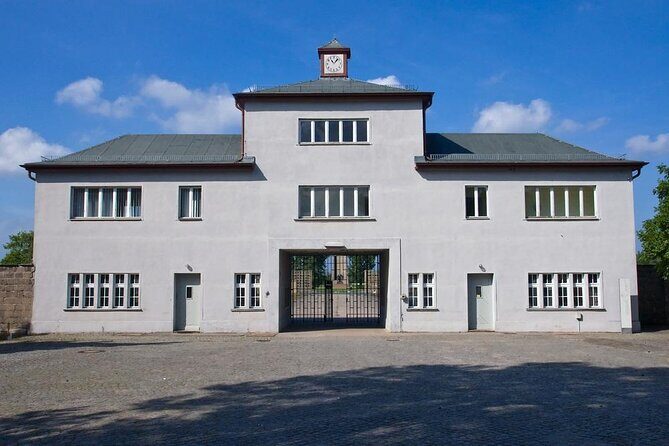
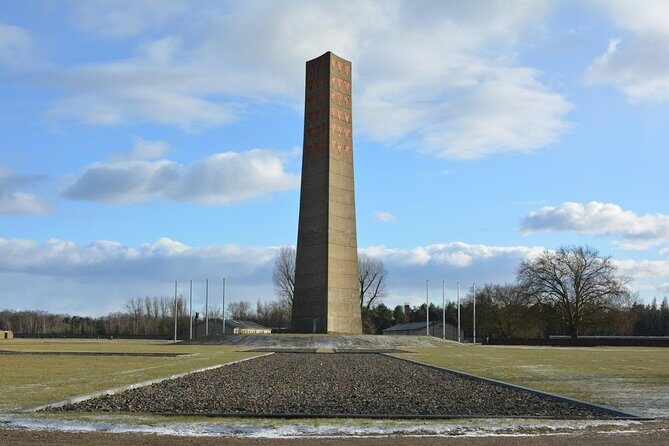
- Tower A: the entry point and the psychology of control
- The roll-call area: where routine became punishment
- Pathology building, infirmary, and mortuary cellar: suffering explained in plain terms
- Station Z: the purpose-built execution facility
- Former camp kitchen exhibition: records, evidence, and the camp’s day-to-day
- SS and Gestapo prison: the camp beyond labor
- Former prisoner barrack block: the human scale of confinement
- Private guide benefits: questions, pacing, and emotional tone
- Logistics you should plan for on your own
- Transit and transport costs
- Weather and clothing
- Time for reading
- Who this tour fits best
- What makes the Sachsenhausen memorial visit worth it
- Should you book this private Sachsenhausen tour?
- FAQ
- What’s the meeting point for the tour?
- How long is the Sachsenhausen private tour?
- Is the tour offered in English?
- Is admission to the memorial included?
- Do I need to pay for train tickets separately?
- Is this tour private?
- Is the memorial visit accessible for limited mobility?
Key things I think you’ll care about
- Licensed English guide who can pace the day and handle hard questions with care
- Admission included, so you just show up and step in
- A structured route through major points like Tower A, roll-call area, and Station Z
- Intimate private format for your group, which makes it easier to ask questions
- Real-world tips from guides, including comfort guidance for cold or windy conditions
- 30 km trip north to Oranienburg, which is easiest when the logistics are handled for you
Sachsenhausen makes more sense when someone guides the route
Sachsenhausen Concentration Camp Memorial is not a place where you can casually wander and “pick up history.” The site is big, the layout is sprawling, and the meaning of many stops only clicks when you know what you’re looking at. That’s exactly where a licensed guide earns their fee.
On this private tour, your guide helps you connect the dots. You’ll see the camp’s core elements in a sequence that matches how the camp functioned, not just how the buildings happen to be scattered. The best part is that you can ask questions as you go. I’ve seen how guides like Paul and Julian keep the tone sensitive while still explaining the systems and decisions that made the atrocities possible.
Another practical win: because the guide is there for the whole time, you’re not spending your mental energy translating signage, guessing where the key areas are, or trying to figure out what order makes sense. You can put your attention where it belongs—on the place, its records, and the human reality behind it.
You can also read our reviews of more guided tours in Berlin



Price and what you actually get for your money
At $274.55 per person for a roughly 6-hour private experience, this is not a budget stop. But the price is easier to justify when you break down what’s included.
You get:
- A licensed guide (the most expensive part of any memorial visit)
- Admission included, so there’s no separate entry-ticket hurdle
You still need to manage getting from Berlin to Oranienburg on your own, and train fare is not included. That matters because this is about 30 km north of Berlin, so you’ll likely use train plus local transit (or a bus/walk option depending on how your day is flowing).
If you’re traveling with kids, friends, or older relatives who would struggle with pacing and navigation, the private format can be a big value. Guides in these reviews—like Beth explaining things to teens without overwhelming them, or Stephen working patiently with a young child—show how much difference it makes when the guide adjusts to your group. You’re paying for that control and clarity.
Getting to Oranienburg without making the day harder than it already is
The memorial sits on the outskirts of Oranienburg, about 30 km north of Berlin. The tour starts at Birchys Berlin Tours, Ebertstraße 24, 10117 Berlin and returns you there at the end, which is helpful if you don’t want to rebuild your transit plan mid-day.
A key detail: the tour includes near public transportation access, and the experience is listed as accessible for limited mobility. That doesn’t mean it’s effortless—concentration camp sites often involve uneven ground and outdoor walking—but it does suggest the provider has planned a route and meeting flow that can work for more visitors than a purely DIY outing.
One practical tip that came up in the feedback: the camp can feel windy and colder than central Berlin. Even if you’re dressed for city weather, bring something warm and consider gloves or a warm hat. That small comfort boost can help you stay focused longer.
The heart of the tour: your guided walk through key camp areas
The schedule is set up as a main visit of about 4 hours once you’re at the memorial area. Even if the whole day runs around 6 hours, the core experience is a guided walk through the camp’s most significant elements. This is the part you really want a guide for.
Here’s what you’ll cover, and why each piece matters:
Tower A: the entry point and the psychology of control
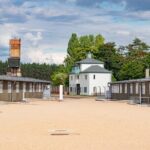
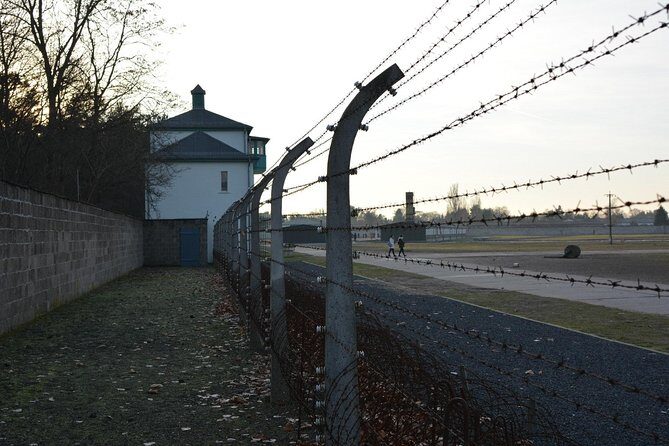
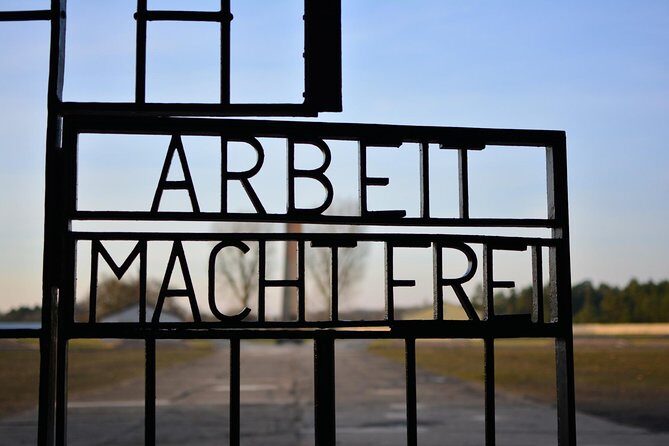
You start with Tower A, the entrance into the main compound. It’s more than an architectural feature. A guide helps you understand how structures like this weren’t just for defense—they were part of a system designed to dehumanize, intimidate, and regulate movement.
In a private setting, you can slow down here if you want more context. That’s important because this is where your brain needs a baseline for everything else you’ll see.
You can also read our reviews of more private tours in Berlin



The roll-call area: where routine became punishment
Next is the roll-call area. The repetition of roll calls is one of those details that can feel abstract until someone connects it to the daily structure of the camp.
A good guide will explain how the routine worked as a tool. You’re not just looking at open space—you’re learning how people were forced into a system that controlled time, bodies, and attention.
Pathology building, infirmary, and mortuary cellar: suffering explained in plain terms
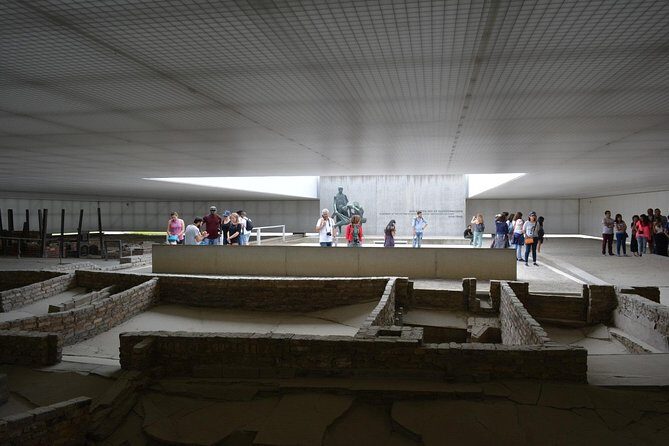
The route includes the Pathology Building, infirmary buildings, and the mortuary cellar. This is among the hardest sections for many people, because it ties directly to illness, death, and the camp’s medical and administrative role.
With a licensed guide, you get context without being left alone with gaps. Guides like Paul and Julian in the feedback are praised for being sensitive while still giving real explanations. That balance matters, especially if you’re unsure how much detail to handle.
Station Z: the purpose-built execution facility
Then comes Station Z, the purpose-built execution facility. This section is not for rushing. A guide’s job is to help you process what you’re seeing, and to provide historical framing so you understand how these structures fit into the broader Nazi system.
If you came for a deeper understanding of how the machinery of violence worked, this stop is central. If you came for a first visit, it’s still the kind of stop that makes the place unforgettable—because it clarifies the intent behind the camp’s operations.
Former camp kitchen exhibition: records, evidence, and the camp’s day-to-day
You’ll also visit an exhibition in the former camp kitchen. This area helps translate what the memorial is preserving: not just buildings, but the evidence and documentation that explain what happened there.
This is one place where visitors sometimes wish they had more time to read. In the feedback, there’s mention that the site is well preserved and the exhibits are thought-provoking, but the pace can make it hard to spend extra minutes at every display. Going in with the expectation that your guide will synthesize the most important points helps.
SS and Gestapo prison: the camp beyond labor
The tour includes SS and Gestapo Prison space. This helps broaden the view beyond forced labor and confinement. You learn that Sachsenhausen wasn’t only about work assignments—it was also about interrogation, detention, and political terror.
If you want the story of how power and repression operated, this stop often delivers the missing context people don’t get from basic war summaries.
Former prisoner barrack block: the human scale of confinement
Finally, you’ll see a former prisoner barrack block. Barracks are one of the few places where history suddenly feels physical. A guide helps you understand how prisoners were housed, how space was controlled, and how conditions shaped daily life.
This is usually where families and first-time visitors say the experience becomes real. It’s also where a private group benefits most, because you can ask follow-ups if something feels unclear or if your group needs a moment.
Private guide benefits: questions, pacing, and emotional tone
A private tour isn’t just about fewer people. At a memorial like this, it changes the whole experience.
One review highlights that a guide, Paul, helped someone submit an inquiry about a great uncle imprisoned and who died at Sachsenhausen. That kind of practical support goes beyond sightseeing. It shows why a guide can be valuable if your visit is personal.
Other feedback focuses on emotional handling and family balance:
- Beth is praised for historian-level clarity and for checking in with kids to make sure the level of detail matched their ability to handle it.
- Julian is praised for explaining difficult material to a 12-year-old son in a conscientious way.
- Stephen is praised for patience with a young child, including a sense of humor that stayed tasteful even with a heavy subject.
None of that means the tour is casual. It means the guide is paying attention to your group. On a private format, that attention is easier to deliver.
Pacing matters too. One guest notes that their guide made time for rest and also found a way to accommodate older visitors. In a large outdoor site, rest breaks can be the difference between a meaningful visit and a stressed one.
Logistics you should plan for on your own
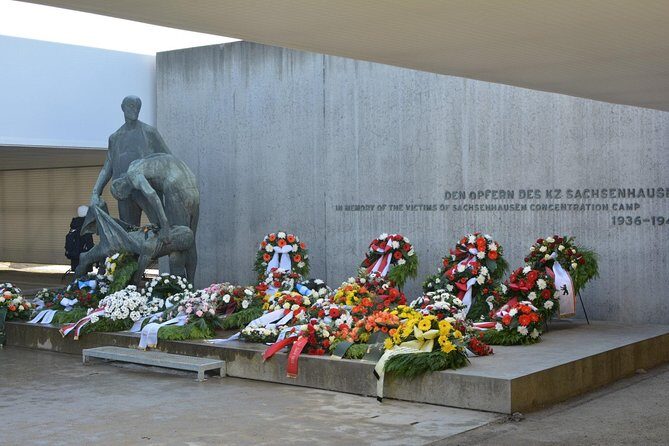
Even with a guided day, you’ll still handle a few basics. The provided details tell you what you should expect, and you’ll thank yourself for planning around them.
Transit and transport costs
This tour is centered around a Berlin meeting point and a memorial day trip. Because train fare isn’t included, budget for local transit from Berlin up to Oranienburg.
The good news: the tour is designed to reduce decision stress. One review even mentions that guide Aaron offered a choice after the train—taking a bus or taking a 20-minute walk through a standard German neighborhood. That’s the kind of flexibility that helps if your group has different mobility or comfort levels.
Weather and clothing
The memorial is outdoors for significant portions of the walk. With feedback mentioning wind and colder temperatures than the city, you should treat weather gear as part of your plan, not optional extras. Layers help. Warm gloves or a hat can make the visit easier to endure long enough to absorb the context.
Time for reading
The site includes exhibits and preserved buildings, and the route is structured. Feedback also notes that there wasn’t enough time to read everything in depth during the visit. If you’re the type who wants to read every sign, consider that you might only catch the highlights during the guided window.
A guide helps because they point you toward what’s most meaningful, not just what’s most visible.
Who this tour fits best
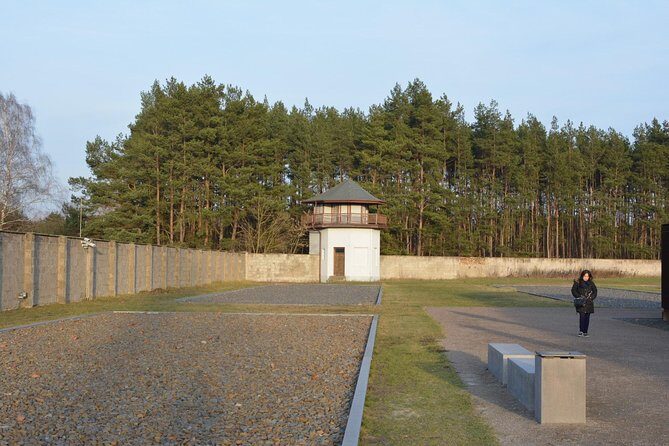
This is a strong fit if:
- You want a structured route through major camp sites like Tower A, Station Z, and the barracks
- You care about asking questions and getting answers in context, not just reading labels
- You’re visiting as a group and want the tone adjusted for different ages
- You prefer not to wrestle with navigation and timing on your own
It may feel like a tougher fit if:
- You’re looking for a short, light activity. This is an intense memorial experience.
- You want long, quiet solo time reading every exhibit. The guided flow can limit unstructured wandering.
That said, many families and teens handle it well when the guide manages detail levels and checks in. The feedback is clear that guides like Beth and Julian are mindful about how much information children can take in.
What makes the Sachsenhausen memorial visit worth it
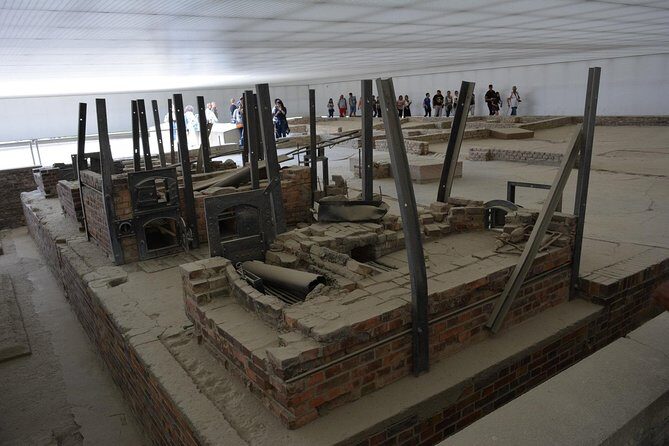
Sachsenhausen is often described as a key place to understand the Nazi camp system. What a guided tour adds is direction: you leave with a clearer map of how the camp was designed to function.
You’re seeing:
- The camp entry and command points (Tower A)
- The daily mechanism of forced control (roll call area)
- The brutal intersection of medicine and death (pathology, infirmary, mortuary cellar)
- The purpose-built killing process (Station Z)
- Evidence and documentation through exhibitions (former camp kitchen)
- Places of security and interrogation (SS and Gestapo prison)
- The lived reality of confinement (barrack block)
That combination is why the visit can feel both overwhelming and clarifying. It doesn’t turn the place into something cheerful. It turns chaos into understanding.
Should you book this private Sachsenhausen tour?
Book it if you want a licensed guide to lead you through the camp’s most important sites, keep the day respectful and coherent, and give you room to ask questions. The value is strongest when you realize that admission is included and the guide is doing real interpretive work—especially at a large, emotionally difficult site.
Skip it (or consider a different format) if you only want a quick checklist tour, or if you strongly prefer unguided reading time over conversation and explanation. The memorial deserves focus, and this setup is designed for that focus.
If your goal is understanding—practical, direct, and route-based—this private Sachsenhausen visit is a high-signal choice.
FAQ
What’s the meeting point for the tour?
The tour starts at Birchys Berlin Tours, Ebertstraße 24, 10117 Berlin, Germany. It ends back at the same meeting point.
How long is the Sachsenhausen private tour?
The duration is listed as about 6 hours. The main time at Sachsenhausen is about 4 hours.
Is the tour offered in English?
Yes, the tour is offered in English.
Is admission to the memorial included?
Yes. Admission is included, and you don’t need to buy entry tickets separately.
Do I need to pay for train tickets separately?
Train fare is not included. You’ll need to cover your own transit costs to reach the memorial area north of Berlin.
Is this tour private?
Yes. It’s a private tour/activity, so only your group participates.
Is the memorial visit accessible for limited mobility?
The experience is listed as accessible for those with limited mobility. It also notes that service animals are allowed.