REVIEW · BERLIN
Berlin Highlights: 3-Hour Bike Tour
Book on GetYourGuide →Operated by Fat Tire Tours - Berlin · Bookable on GetYourGuide
Berlin can feel huge. This tour makes it manageable. In just 3 hours, you roll from Alexanderplatz to the Reichstag, Checkpoint Charlie, Berlin Wall remains, Brandenburg Gate, Museum Island, and Bebelplatz—using a route designed so the rides between stops stay short. I love that the stops are built around real story points (not just photo ops), and I like how guides keep the conversation moving—often with chalk, old photos, and clear explanations—so each landmark lands in context instead of passing by fast. The one drawback to plan for: the schedule is tight, and you’ll hit a few busier intersections where you’ll need to ride defensively and stick close to your guide.
You’ll meet at a super easy spot, grab a city-cruiser style bike, and get rolling on a flat route that’s made for short distances between landmarks. If you’re the type who hates stopping for history or you need long breaks, the pacing may feel a bit “go, pause, then go.” Still, it’s a great way to get your bearings fast—especially if this is your first day in Berlin.
In This Review
- Key Things to Notice Before You Bike Berlin
- Entering Berlin at Alexanderplatz: Why the Start Is Smart
- The Bikes, Helmet Option, and the Pace You’ll Actually Feel
- Reichstag Stop: Hitler’s Rise Told in Plain Pieces
- Checkpoint Charlie and the Berlin Wall Remnant: The City’s Wound in Real Life
- Brandenburg Gate and Museum Island: Big Symbols, Calm Moments
- Bebelplatz and Prussian Berlin: The Center That Shapes Everything
- What the Route Feels Like: Traffic, Safety, and Group Control
- Weather Reality: Rain or Shine, You’ll Still See the Sights
- Price and Value: Is $37 Worth It?
- Who This Tour Best Fits
- Should You Book the Berlin Highlights 3-Hour Bike Tour?
- FAQ
- How long is the Berlin Highlights 3-Hour Bike Tour?
- Where do I meet the tour?
- What sights will we see?
- What bikes are provided?
- Is the tour guide English-speaking?
- What should I wear?
- Is it suitable for different ages?
Key Things to Notice Before You Bike Berlin
- Alexanderplatz start point makes the tour easy to find and quick to join
- Short rides between major stops keeps the day from turning into a long slog
- Guides mix eras together—Prussia, the Third Reich, and the Wall—so the city’s changes make sense
- Reichstag and Checkpoint Charlie aren’t treated as separate worlds; you’ll see the connections
- Bikes are comfy for city riding, with optional helmets and closed-toe shoe advice
- Group format matters: the route is designed for tight control through streets and crossings
Entering Berlin at Alexanderplatz: Why the Start Is Smart
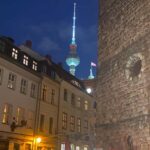
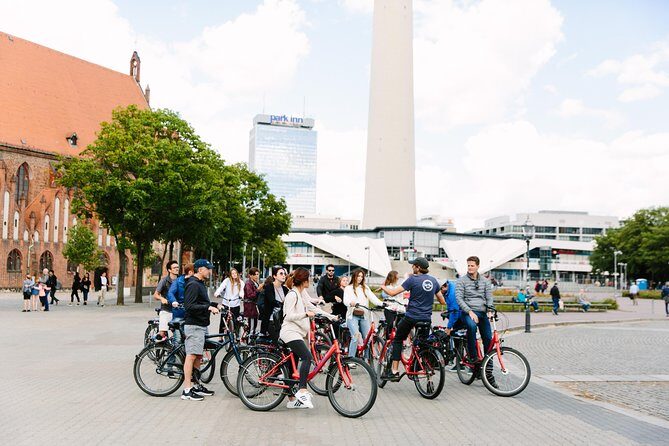
The day begins at the Fat Tire Tours office at the base of the giant TV tower—Fernsehturm—in Alexanderplatz. This is one of those practical Berlin choices: it’s central, easy to orient yourself, and it reduces the usual “where do we meet?” stress.
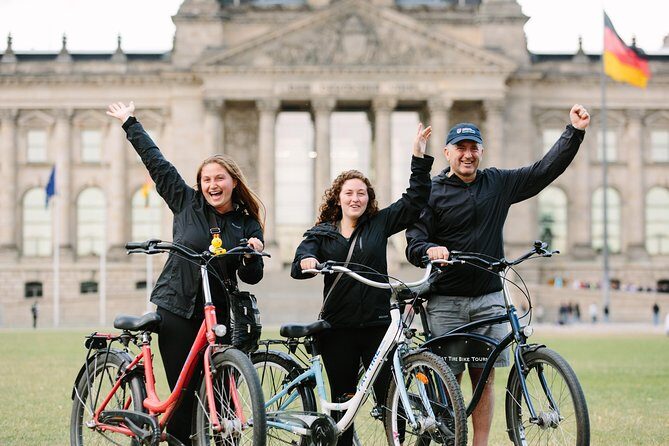
Once you’re there, the crew helps you pick out your bike and gets you prepared for a smooth, easy ride. You’re not out there trying to figure out gears while strangers honk; the focus is on getting you to the landmarks with minimal friction.
And since the tour is English and guided end-to-end, it’s a good fit if you want context without carrying a guidebook. You can ask questions whenever they come up—this isn’t a silent-headphones-and-speedrun situation.
You can also read our reviews of more cycling tours in Berlin

The Bikes, Helmet Option, and the Pace You’ll Actually Feel

This is a 3-hour highlight loop on a comfortable, city-cruiser style bike. That matters more than you might think. Berlin’s flat enough that cycling is often “easy” in theory—but your enjoyment depends on whether the bike feels stable and whether the stops are spaced well.
From the way the tour is described and the feedback people shared, the route avoids long stretches of hard riding. One rider even noted the overall cycling distance felt around 9 km, which lines up with the idea that you’ll be stopping often to take photos and ask questions.
A few practical notes for your comfort:
- Wear closed-toed shoes. You’ll be riding, walking a bit at stops, and standing around to listen.
- Dress for the weather. Tours run rain or shine, so bring something that keeps you warm enough to stay focused.
- Ride expectations: you’ll have a mostly easy pace, but you are still cycling in a real city. Expect a couple of busier crossings where you need to pay attention.
If you’re uneasy around traffic, don’t ignore that feeling. The route includes some careful moments, and the whole experience depends on following your guide’s spacing and instructions. Guides like Sam, Thor, Maggi, and Carlo come up repeatedly in feedback as people who keep the group moving safely and clearly.
Reichstag Stop: Hitler’s Rise Told in Plain Pieces
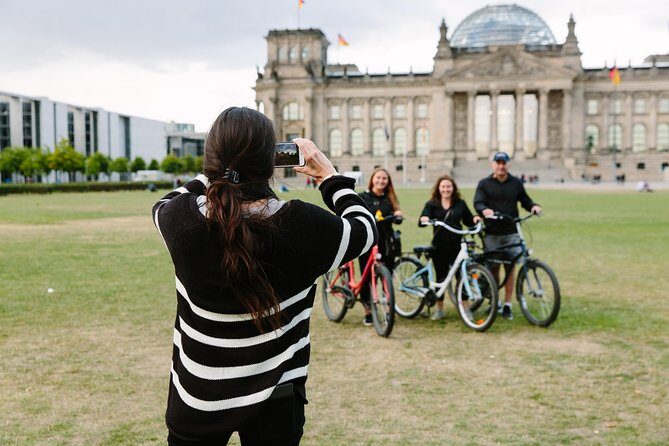
The Reichstag is the kind of stop that can either become a quick photo break or a real “wait, I get it” moment. Here, it’s treated as a history hinge.
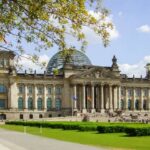
You’ll see the Reichstag and discuss how the Nazis rose to power and how Hitler’s early path connected to the political shifts of the time. What makes this valuable is the way the tour doesn’t just name events; it frames them so you understand why this building and this era matter to Berlin’s story.
A few reasons this approach works:
- Berlin’s 20th-century history is layered. If you only see monuments without a narrative, you’re left memorizing dates.
- By stopping at key sites in sequence, the guide helps you connect themes—collapse, control, resistance, and change—across different neighborhoods.
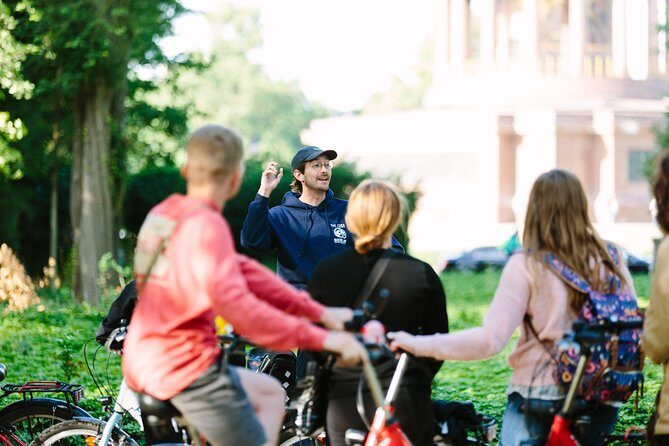
If your guide is Michele or Sam, you’ll likely get a strong thread of storytelling that’s easy to follow. One feedback theme was how guides kept the pace engaging while staying clear enough to answer follow-up questions without rushing.
Checkpoint Charlie and the Berlin Wall Remnant: The City’s Wound in Real Life
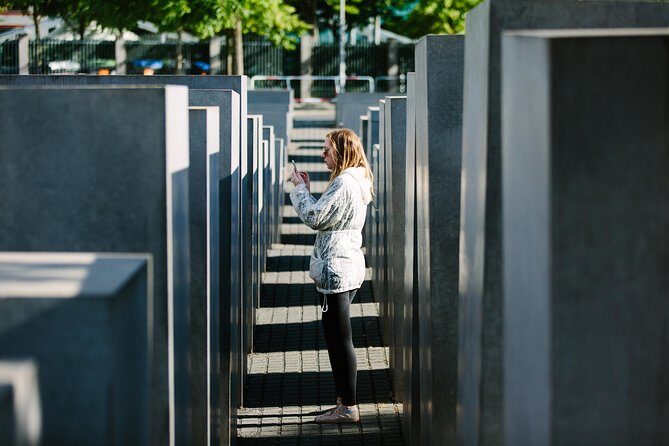
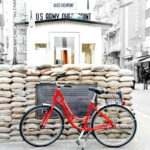
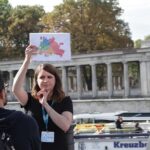
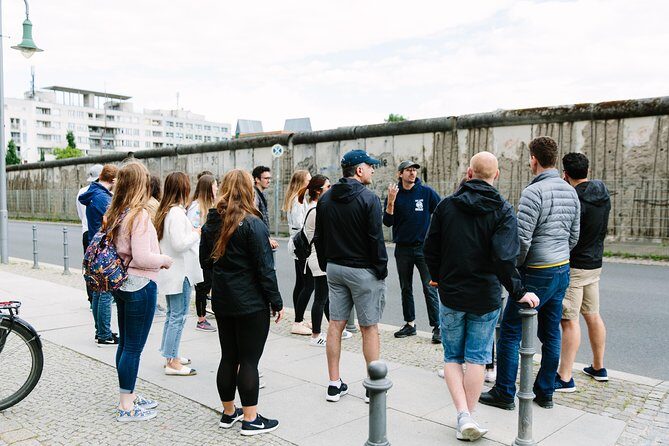
Checkpoint Charlie is one of those places where you can stand in the right spot and still feel the weight of what it represented. This tour takes you there and points out a remaining stretch of the Berlin Wall nearby, so the Cold War isn’t just an abstract timeline.
The value here is scale and contrast. Berlin’s Wall story is enormous, but you’ll experience it through a tangible fragment—something physical you can see and photograph. That visual anchor makes later memories stick.
You’ll also get context for how the Wall worked in everyday life: movement restrictions, propaganda, and the way the city changed around borders. Several guides—like Carlo—are specifically praised for making the Wall material click. You don’t have to be a history buff to feel the difference; you just need a clear guide and a few stops where the story lands at ground level.
Practical note: this portion is ideal for questions. If you want to understand how Berlin got divided and then reunited, ask. The tour structure gives you time for those clarifications at the stops rather than saving everything for the end.
Brandenburg Gate and Museum Island: Big Symbols, Calm Moments
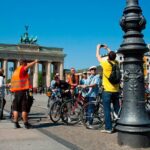
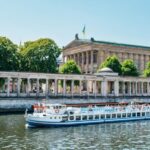
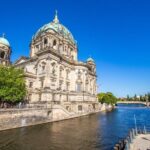
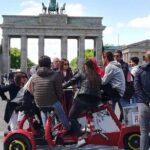
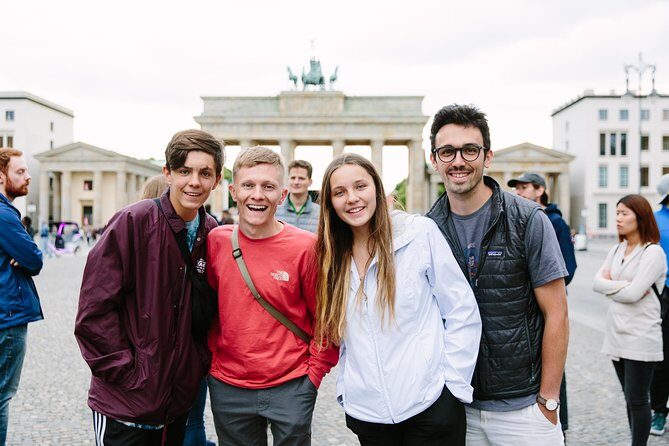
After the Wall and checkpoint area, the tour shifts into iconic Berlin views. You’ll ride to the Brandenburg Gate and also visit Museum Island—an especially good combination because one stop delivers symbolic power, while the other gives you a different kind of Berlin: architecture, institutions, and the long sweep of the city’s cultural identity.
This is where the bike format shines. Standing in one place at a museum or memorial works, but cycling lets you keep momentum while still getting time to stop and absorb what’s in front of you. You’ll get the chance for photos without needing to sprint across the city like you’re chasing a bus.
Also, Museum Island tends to feel like a natural pause point—big viewpoints and open spaces where you can slow down, listen, and then roll on again.
A few more Berlin tours and experiences worth a look

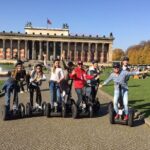
Bebelplatz and Prussian Berlin: The Center That Shapes Everything
A detail that makes this tour feel more grounded: you visit Bebelplatz and talk about the center of Prussian Berlin. Most quick highlight tours jump straight to the 20th century because that’s where the drama is. This one doesn’t ignore Prussia; it uses Prussian Berlin to explain why later events happened in a city shaped by older power and planning.
If you like “why this place, why here,” Bebelplatz is the kind of stop that rewards attention. It helps you see Berlin as more than a pile of modern landmarks—it’s a city built in layers.
In practice, this means you’ll hear history as cause-and-effect. Instead of treating each landmark as a standalone story, the guide ties them into one larger picture.
What the Route Feels Like: Traffic, Safety, and Group Control
Berlin is bike-friendly, but it’s still a city. The good news: this tour is designed so that you’re not constantly cycling long distances between stops. That reduces fatigue and keeps your attention fresh.
Still, feedback included real talk about safety. People noted you should be careful at a few busier intersections and expect to ride defensively. The best way to handle this is simple:
- Stay with the group.
- Don’t wander ahead for photos.
- Follow your guide’s instructions exactly when traffic tightens.
Guides like Thor and Marco are praised for keeping the ride safe and controlled, which is exactly what you want when you’re mixing major landmarks and real streets. If you’re traveling with family, the “all ages” suitability also depends on how comfortable your group is with city riding—but the tour’s pacing and short inter-stop distances tend to help.
Weather Reality: Rain or Shine, You’ll Still See the Sights
The tour runs rain or shine, which is a big deal in Berlin because weather can change fast. The practical expectation: you’ll be outside for the full 3 hours, so layer up and keep your shoes secure.
If it’s snowy, icy, or heavy rain, bike tours can still work—but your comfort depends on traction and clothing. Plan to dress so you don’t get cold enough to stop listening. In one case, riders did the tour in the snow and still had a great experience, which suggests the guides are used to managing conditions and adjusting their approach to keep people steady.
Price and Value: Is $37 Worth It?
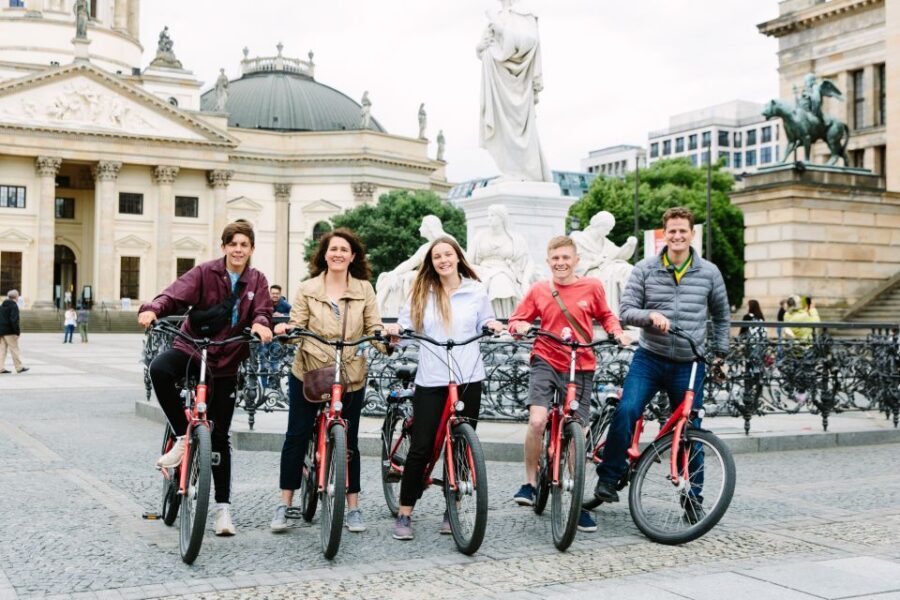
At $37 per person for a 3-hour guided cycling tour with a comfortable bike and an optional helmet, this is strong value for a first-day Berlin plan.
Here’s how I’d think about the cost:
- You’re paying for more than movement. You’re paying for time savings between sites, a route that keeps distances short, and a guide who helps connect themes across the city.
- If you were to do this same “greatest hits” route on your own, you’d likely spend time figuring out logistics and you’d lose much of the narrative that makes the landmarks click.
- The guided format also gives you flexibility: you can ask questions on the spot, like what different borders meant or how the city changed across eras.
And because the route is built around major landmarks—Reichstag, Checkpoint Charlie, Brandenburg Gate, Museum Island, Bebelplatz—you’re not paying to ride past things you don’t care about.
Who This Tour Best Fits
This tour works especially well if:
- It’s your first time in Berlin and you want a structured overview without spending all day on your feet.
- You like history when it’s explained in human terms and tied to locations you can see.
- You want a “main sights” plan that still leaves space for photos at each stop.
It can also work for groups and families, since it’s described as suitable for guests of all ages. Just remember: everyone’s experience depends on comfort cycling in traffic and following the guide’s safety instructions.
If you prefer slow strolling, quiet museums, or deep dives into one site, you might feel the three-hour structure is a bit brisk. But for a high-impact introduction, this is the kind of tour that makes the rest of your trip easier.
Should You Book the Berlin Highlights 3-Hour Bike Tour?
I’d book it if you want an efficient way to understand Berlin’s big turning points—Prussia, the Third Reich, and the Wall—while still seeing the iconic sights that make postcards instantly recognizable.
You should think twice if:
- You’re uncomfortable cycling near traffic or you hate short, frequent stops.
- You want very long time at one site (this is built for moving and connecting multiple landmarks).
- You’re traveling during rough weather and you know you’ll be miserable outside for three hours.
My practical tip for deciding: look at your Berlin day plan. If you’re trying to fit in a lot but don’t want to spend hours getting oriented, this tour is a smart backbone. It helps you build a mental map before you go deeper on your own.
FAQ
How long is the Berlin Highlights 3-Hour Bike Tour?
It’s a 3-hour bike tour.
Where do I meet the tour?
You meet at the Fat Tire Tours office at the base of the giant TV tower (Fernsehturm) in Alexanderplatz, marked with Fat Tire Tours signs and flags.
What sights will we see?
The tour includes stops such as the Reichstag, Checkpoint Charlie and a remaining stretch of the Berlin Wall, the Brandenburg Gate, Museum Island, and Bebelplatz.
What bikes are provided?
You’ll ride comfortable city-cruiser style bikes. A helmet is provided but optional.
Is the tour guide English-speaking?
Yes. The live tour guide speaks English.
What should I wear?
Dress comfortably for the weather since the tour runs rain or shine, and wear comfortable, closed-toed shoes.
Is it suitable for different ages?
It’s described as a great option for guests of all ages, based on the tour’s pace and structure.