REVIEW · BERLIN
Berlin: Exclusive Private Tour of the Museum Island
Book on GetYourGuide →Operated by Kontext Berlin City Tours · Bookable on GetYourGuide
Museum Island can feel like information overload. This private, guided walk makes it manageable fast, with smart stops and real context. I especially love the Bode Museum entrance hall for its grand, human-scale intro, and the Neues Museum for turning the big-name art (hello Nefertiti) into something you can actually place. The main drawback to consider: it’s only two hours, and a few sights are brief pass-bys rather than full museum time.
The guide I’d hope for is the kind who connects architecture to events, not just dates. In this tour, Klaus (from multiple guest notes) brings an engaging, upbeat style and a strong command of German history and how the island’s museums evolved.
In This Review
- Key Things That Make This Private Museum Island Tour Worth It
- Why Museum Island Feels Easier With a Guide
- Starting at Bode Museum: The Best First Impression
- Pergamon Museum Pass-By: Seeing the Scope Without Waiting
- Old Arsenal Area: Unter den Linden as a History Corridor
- Friedrichswerdersche Kirche: A Sculpture Collection Detour (If It’s Open)
- Humboldt Forum Courtyards: From Royal Palace Site to Today
- Colonnade to Altes Museum: Standing Inside the Original Vision
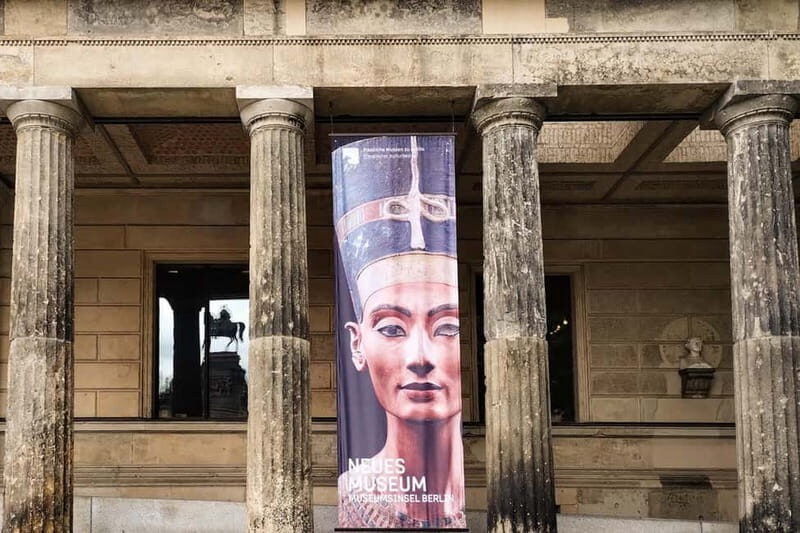
- Neues Museum: The Award-Winning Restoration and the Nefertiti Moment
- What the Two-Hour Format Really Means for You
- Price and Value: What $293 Covers (and What It Doesn’t)
- Who This Tour Suits Best
- Quick Tips to Get More From Your Museum Island Day
- Should You Book This Private Museum Island Tour?
- FAQ
- How long is the private Museum Island tour?
- Where do I meet the guide?
- Is the tour private?
- What languages are available?
- Does the tour include museum entry tickets?
- Which places does the tour focus on?
- Is the tour wheelchair accessible?
- Is there free cancellation?
- How much does it cost?
Key Things That Make This Private Museum Island Tour Worth It
- Bode Museum entrance hall first: a dramatic opening that explains why Museum Island exists as a public cultural project
- Altes Museum rotunda stop: you get the classic vision behind the museum complex, not just photo time
- Humboldt Forum courtyard walk: a clear bridge between the old royal palace site and what you see today
- Friedrichswerdersche Kirche sculpture focus: you get a specific art angle without needing a long detour
- Neues Museum orientation in 90 minutes (energy kept high): ruins + modern restoration, plus the Nefertiti moment with context
- Small-group private format: one guide to match your pace and questions, in English or German
Why Museum Island Feels Easier With a Guide
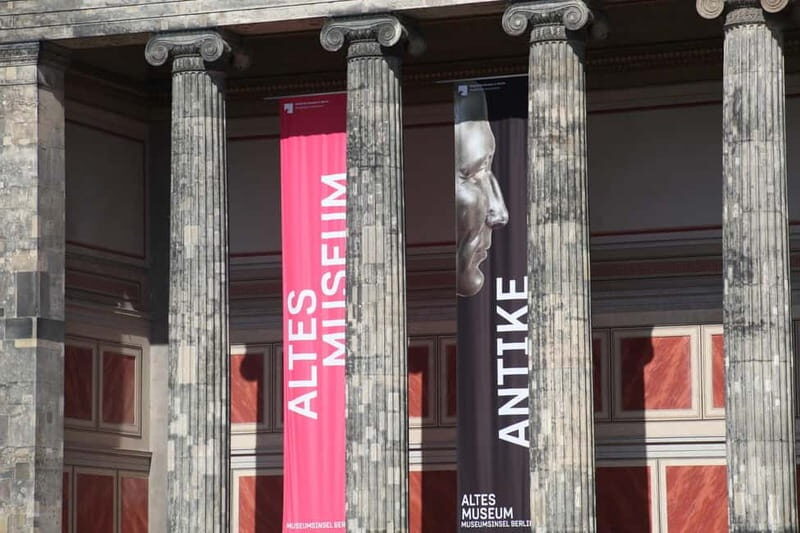
Museum Island is famous for a reason. It’s also famous for a reason that can trip you up: it’s not just one museum. It’s a UNESCO-listed cluster where buildings, politics, wars, and restorations all shape what you see.
A good private guide helps you do two things quickly: get your bearings fast and know what to look for once you go back on your own. That’s the sweet spot here. You’re not stuck trying to decode the whole island in your head while you’re hungry, tired, or sprinting between tickets. Instead, you get an overview of what each museum represents and why the island’s plan developed the way it did.
This also matters because some of the best moments are easy to miss if you’re only chasing highlights. The entrance hall you walk into, the courtyard you pass through, the rotunda you stand inside—these are architectural ideas as much as they are “things to see.” With a guide, those spaces become part of the story.
You can also read our reviews of more private tours in Berlin



Starting at Bode Museum: The Best First Impression
Your meeting point is the main entrance of the Bode-Museum, and the tour begins with a guided visit to its entrance hall. This is a smart choice. The hall is impressive in a way that tells you what Berlin wanted its museums to be: statements of ambition, power, and cultural legitimacy.
From there, the guide frames the early origins of Museum Island as a public cultural project. You also hear about the imperial ambition behind the museum collections and the way sculpture found a home in grand, ceremonial spaces. Even if you’re not a hardcore sculpture fan, it’s a great way to start because it explains why these buildings feel “official” rather than casual.
Practical note: since this is a walking tour with short guided segments, you’ll want to be mentally ready to absorb a lot in a compact time window. That’s not a flaw; it’s the point. You’ll get context now, then you can slow down later if you want deeper museum time.
Pergamon Museum Pass-By: Seeing the Scope Without Waiting
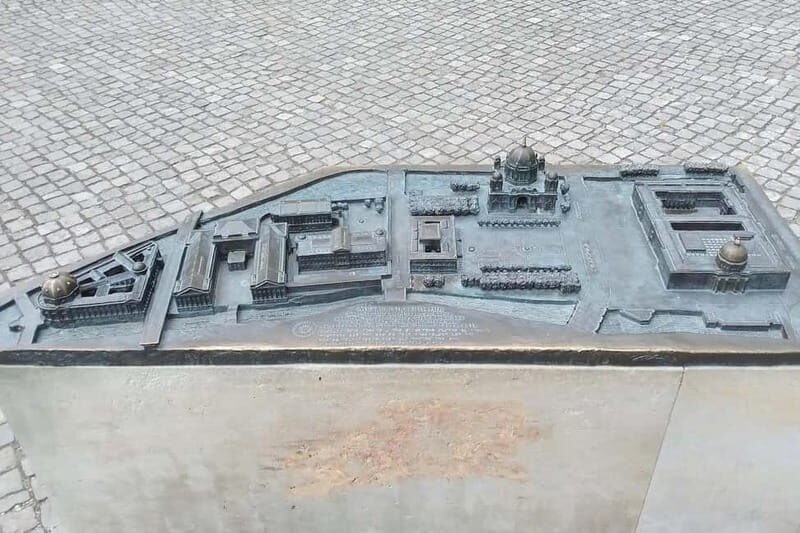
You’ll spend a short guided moment around the Pergamon Museum area, with additional pass-by orientation for Pergamonmuseum. Das Panorama as well. The guide includes a key idea: Pergamon Museum’s long renovation and why that matters for how you experience the island today.
Here’s how I think about this stop. Even when you’re not going inside, you’re learning how Berlin is managing heritage and museum operations in real time. A long renovation is not just construction noise; it’s part of the modern museum story. If you’re the type who likes to understand the present tense of a place, these quick pointers are useful.
Drawback to note: because this portion is brief, it won’t replace an actual museum visit. If Pergamon is your priority, you’ll still want to plan a separate entry later.
Old Arsenal Area: Unter den Linden as a History Corridor
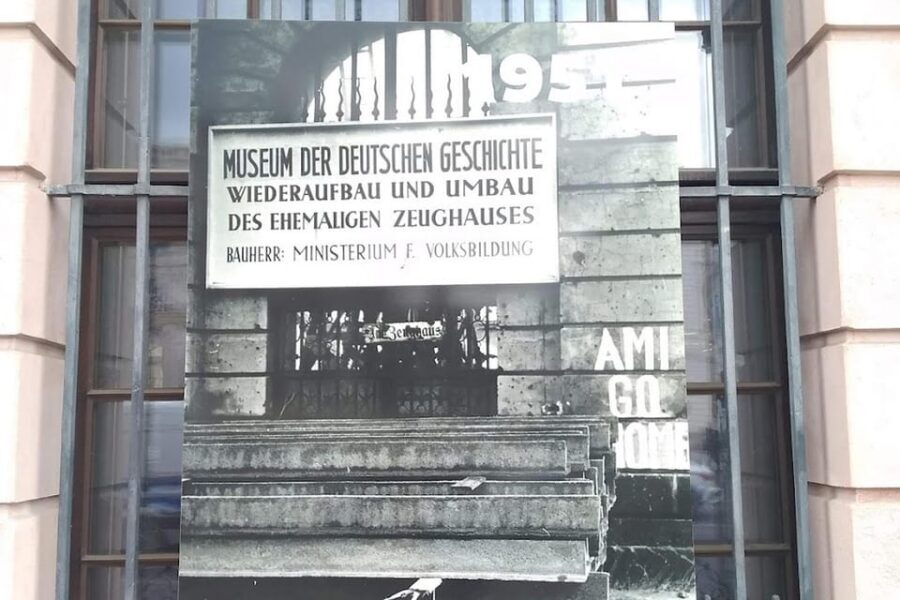
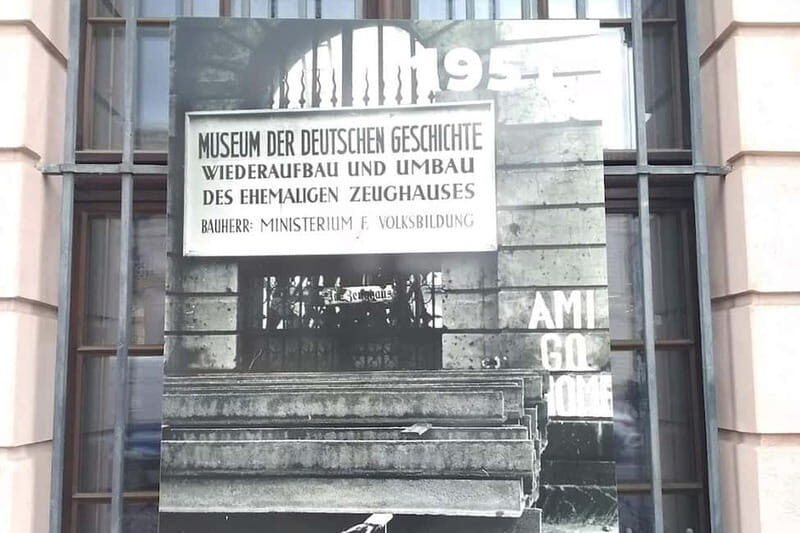
As you walk along Unter den Linden, the route includes a pass-by of the Old Arsenal, now home to the German Historical Museum. This is one of those spots where a guide can save you from confusion.
You get the idea that this landmark reflects Berlin’s dramatic past, and the point is bigger than the building itself. The city’s main boulevard becomes a readable timeline. In practical terms, it helps you stop thinking of Museum Island as isolated and start seeing it as part of the wider Berlin story: royal power, war, and reconstruction shaping what stands in front of you now.
Optional flexibility is also built in. Depending on opening days, you may add a stop connected to 19th-century sculpture in a striking neoclassical church.
Friedrichswerdersche Kirche: A Sculpture Collection Detour (If It’s Open)
One of the highlights included is a visit to the sculpture collection of the Friedrichswerdersche Kirche. This stop works well because it gives the tour a texture change. You’re no longer only in grand museum buildings. You’re in a neoclassical church space where art and presentation feel different.
The tour also flags that this visit depends on opening days. That’s normal for Berlin and it’s worth planning around: if the church isn’t open when you go, you’ll still get value from the rest of the walk, but the sculpture-focused moment may be shortened or adjusted.
If you like the idea of seeing how art changes depending on the room it’s in, this is a good addition. And even if you don’t, it’s a nice break from the big-island museum scale.
You can also read our reviews of more museum experiences in Berlin




Humboldt Forum Courtyards: From Royal Palace Site to Today
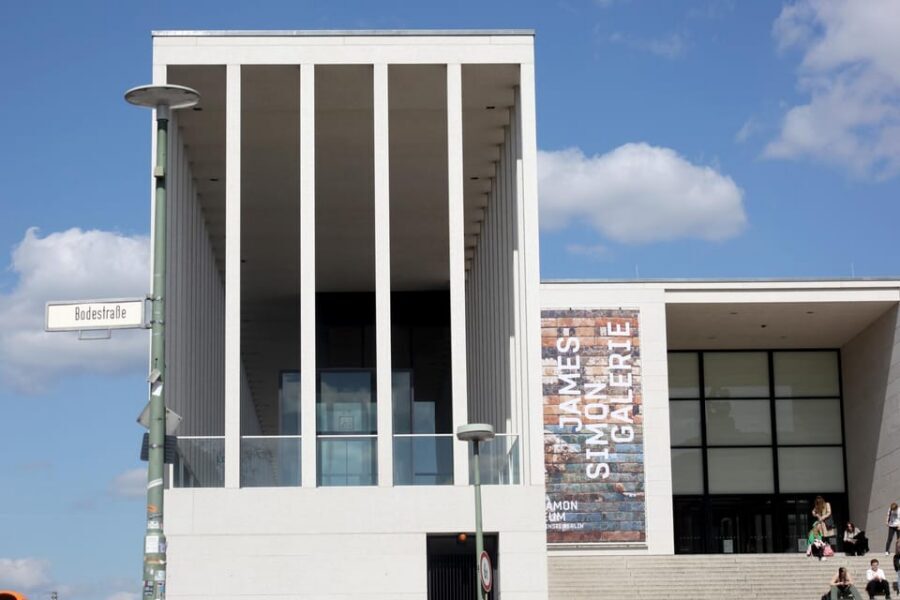
Next, you cross the courtyards of the Humboldt Forum. The guide uses this moment to explain the layered history of Berlin’s former royal palace site, before you move on.
This is one of the places where I think a guided explanation really pays off. The Humboldt Forum area can be visually dramatic and historically complicated at the same time. With a guide, the courtyards become less of a “pretty in photos” interlude and more of a meaningful transition.
You’ll also stroll through key outdoor landmarks around this area, including the Lustgarten. The guide shares symbolism connected to the Berlin Cathedral, tying the viewpoints and major structures into one coherent mental map.
Colonnade to Altes Museum: Standing Inside the Original Vision
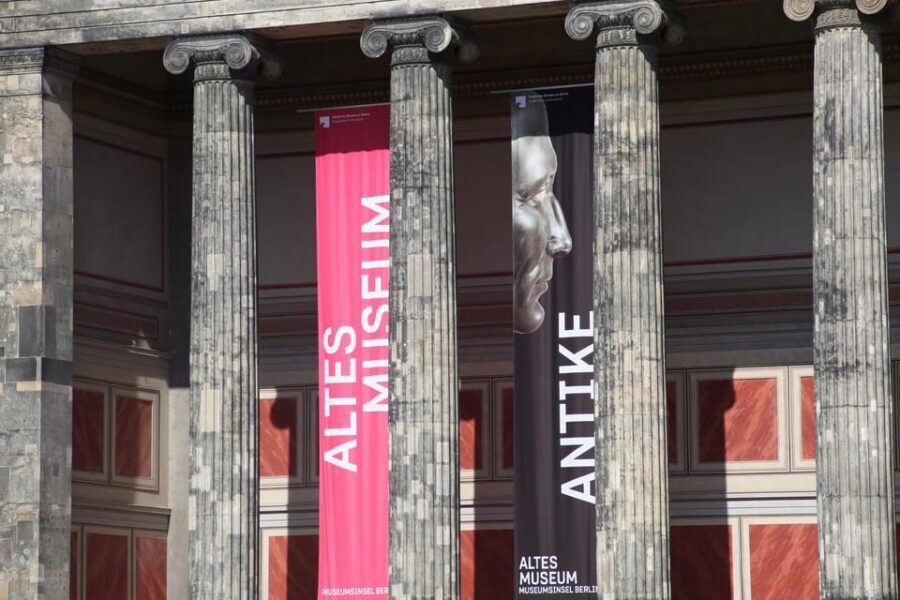
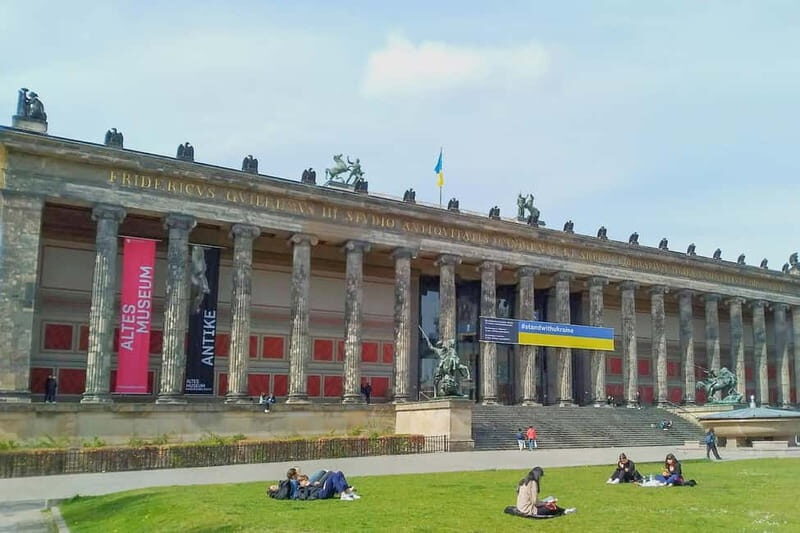
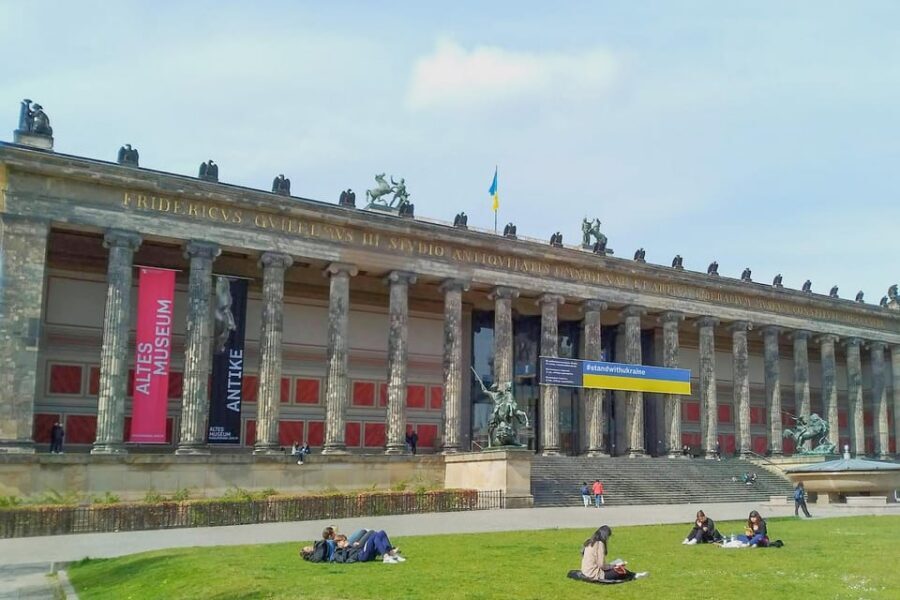
On Museum Island proper, you start seeing the island’s design language clearly: monumental, symmetrical, and intentionally theatrical. You’ll admire the colonnade and then step into the iconic rotunda of the Altes Museum.
This rotunda stop is a standout because it’s where you feel the original vision behind the island. The guide doesn’t treat the architecture as decoration. It presents it as a message: how museums were meant to educate, inspire, and project identity.
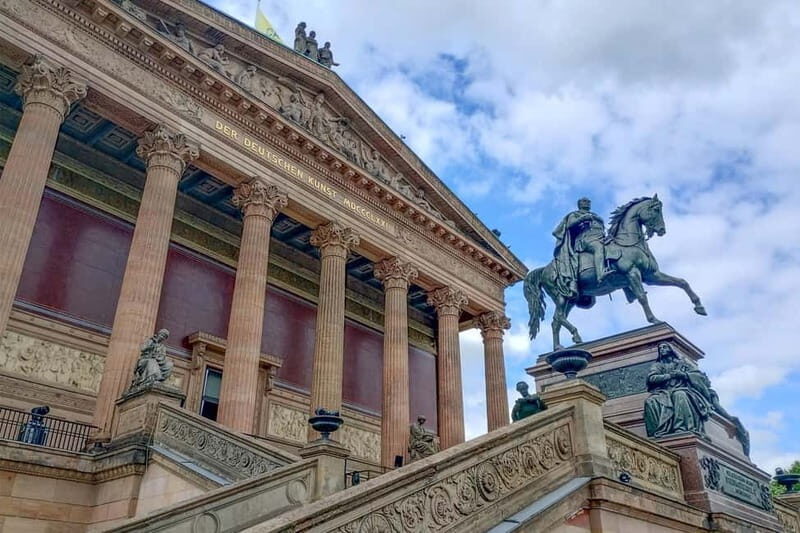
You’ll also get orientation around the Alte Nationalgalerie and how it shaped artistic identity in 19th-century Europe. That adds a helpful lens. Instead of just thinking “this is where famous art lives,” you start seeing the museum buildings as part of a larger European conversation about art, national identity, and modern taste.
Neues Museum: The Award-Winning Restoration and the Nefertiti Moment
The highlight of the tour is a guided introduction to the Neues Museum. It reopened in 2009 after a restoration project connected to David Chipperfield. The framing here matters: you’re not only seeing objects; you’re seeing how Berlin repaired something damaged by history and turned the result into a museum experience that includes historic ruins and modern design.
This is exactly the kind of detail that makes your later museum visit easier. When you know why a museum looks the way it does—why repairs are visible, why spaces feel broken in places—you walk differently. You pay attention to the building as much as the collections.
Inside, you encounter major masterpieces, including the world-famous Bust of Nefertiti, along with treasures from Egyptian, prehistoric, and classical collections. The guide’s role here is to help you place these items within the wider story, so the big names don’t flatten everything into one checklist.
If your time is limited, this is where you’ll feel you got your money’s worth most clearly: the guide gives you the orientation that helps you decide what to return to later, and what you can safely let pass during your first walk-through.
What the Two-Hour Format Really Means for You
This tour is designed for orientation. That’s not marketing fluff—it’s a practical promise built into the time structure.
You’ll get a guided walk that covers multiple “headline” locations on and around Museum Island. Some museums receive short guided moments, while others are pass-by orientation. You’re meant to leave with confidence about how the whole island fits together, and then explore at your own pace afterward.
So the key question isn’t whether you’ll see everything. You won’t. It’s whether you’ll leave understanding what matters and where to focus when you do your independent visits.
If you’re a first-time visitor, or if you already feel museum overload coming on, this is a smart way to soften the learning curve. If you’re traveling with kids or with mixed interests, the architecture-history blend also helps keep the walk moving without becoming purely academic.
Price and Value: What $293 Covers (and What It Doesn’t)
The price is $293 per group (up to 10 people) for a 2-hour private guided tour. For a private tour on Museum Island, that’s a value angle many travelers appreciate because you’re paying for one expert guide, not a per-person “entry fee for knowledge.”
What’s included:
- Expert guide and the Museum Island tour
- Guided walking of major island landmarks and selected entrance-hall-type stops
What’s not included:
- Entry to any museum (apart from some entrance halls)
That last point matters. If you expect a fully guided museum ticket package for multiple interiors, you may feel the limitation. The tour is built for context and priority stops, not for covering every museum gallery in one go.
If you want the best overall value, plan your day like this:
1) do this orientation tour first (or early),
2) then choose 1–2 museums you’ll enter for real, based on what the guide helped you understand.
Who This Tour Suits Best
This experience is a strong fit if:
- you want a clean introduction to Museum Island’s major players without spending hours planning
- you enjoy architecture and history connections, not just art object descriptions
- you like private pacing and asking follow-up questions in English or German
- you want a guide who can keep the tone enthusiastic and easy, like Klaus’s style described in guest feedback
It may be less ideal if:
- you only want long time inside major museums
- you plan to visit multiple museums with no flexibility and no extra ticket time afterward
Quick Tips to Get More From Your Museum Island Day
Before you go, decide what kind of visitor you are. If you love major icons, keep an eye out for where the guide points you toward the biggest “must-see” interiors. If you prefer buildings and city context, lean into the courtyard and rotunda moments—those are where the tour’s explanatory power is strongest.
After the tour, you’ll likely be able to move through the island with less hesitation. Use that confidence to pick one museum to go deeper in, instead of trying to see everything at once and feeling rushed.
Also, since the tour language is English or German and the group is private, don’t be shy about asking the guide what you should prioritize next. The whole point is to help you return later with a plan.
Should You Book This Private Museum Island Tour?
Book it if you want a smart start on one of Europe’s most complex museum zones, and you like the idea of learning how the buildings and collections connect to Berlin’s political and architectural shifts. The guide-focused, orientation-first format is exactly what helps you avoid museum fatigue and confusion.
Skip it only if your priority is spending hours in galleries and you already know Museum Island well enough to plan your own museum route. Otherwise, this private two-hour overview is a practical way to make your independent exploring much more rewarding.
FAQ
How long is the private Museum Island tour?
The tour lasts 2 hours.
Where do I meet the guide?
Meet your guide in front of the main entrance of the Bode Museum.
Is the tour private?
Yes. It’s a private group tour.
What languages are available?
The live guide speaks English and German.
Does the tour include museum entry tickets?
Entry to museums is not included, apart from some entrance halls.
Which places does the tour focus on?
The tour includes stops such as the Bode Museum entrance hall, the Altes Museum rotunda, Humboldt Forum courtyards, and a sculpture collection visit at the Friedrichswerdersche Kirche (when opening days allow), plus guided orientation around Museum Island landmarks including the Neues Museum.
Is the tour wheelchair accessible?
Yes, it’s wheelchair accessible.
Is there free cancellation?
Yes. Free cancellation is available up to 24 hours in advance for a full refund.
How much does it cost?
The price is $293 per group, for up to 10 people.