REVIEW · BERLIN
The Real Berlin Walking Tour: Art, Food and Counterculture
Book on Viator →Operated by Alternative Berlin Tours · Bookable on Viator
Berlin has more than landmarks. This private walking tour follows Berlin’s counterculture map through Prenzlauer Berg, Mitte, Kreuzberg, and Friedrichshain, with art and food stories woven into real neighborhoods. I love how it steers you off the tourist track and how the route leans hard into street art and graffiti, not just speeches about the past.
The one thing to plan for is logistics: food, drinks, and an AB public transport ticket aren’t included, and you may hop on transit for some stretches.
In This Review
- Key highlights worth showing up for
- Why this Berlin tour feels different from the usual loop
- Start at Alexanderplatz, then pick up the city’s “street language”
- Prenzlauer Berg and Mitte: pretty streets, political echoes underneath
- Kreuzberg: Turkish influence, alternative culture, and the walk-between-worlds feeling
- Friedrichshain and the Yaam area: where street art meets vacation energy
- Underground art, urban farms, and guerilla-style gardens
- Currywurst story time, plus a real stop for beer-garden atmosphere
- Walking plus transit: how to avoid the common pacing problem
- Price and value: what $539.22 per group really means
- Who this tour is best for (and who should think twice)
- Final call: should you book The Real Berlin Walking Tour?
- FAQ
- How long is the Real Berlin Walking Tour?
- Is this tour private?
- What is included in the price?
- Is an AB public transport ticket required?
- Where do we meet and where does it end?
- Can I cancel for a full refund?
Key highlights worth showing up for
- A private, customizable walk so your guide can steer toward what you care about most
- Neighborhood-to-neighborhood contrasts from Prenzlauer Berg to Kreuzberg to Friedrichshain
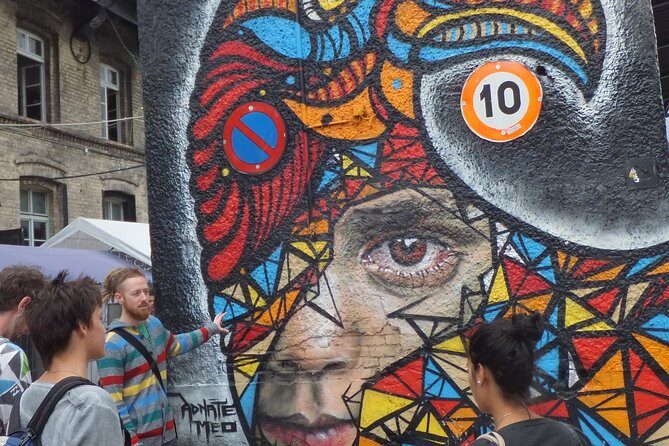
- Street art and graffiti as a main character across multiple stops, not just one photo stop
- Currywurst origin story and how a simple snack became a Berlin staple
- Prater Garten Berlin, since 1837 with chestnut-tree shade (open April through September)
- Counterculture through time explained in a way that connects past movements to modern street life
Why this Berlin tour feels different from the usual loop
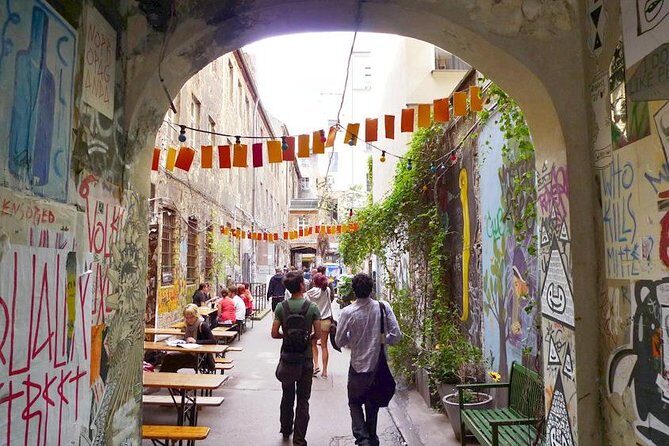
Berlin can be a two-speed city: there’s the postcard Berlin, and then there’s the Berlin you hear about from artists, bar regulars, and people who know their streets. This tour is built for the second speed. You’ll move through areas that each have their own social mood, from calmer residential blocks to louder, more experimental corners.
What makes it work is the mix of topics. You’re not only looking at walls and murals. You’re also getting the why behind them—how Berlin’s counterculture has shown up in art, in food habits, and in the way communities reshaped neighborhoods over time. It’s the kind of framing that helps you read the city while you’re standing in it.
You can also read our reviews of more walking tours in Berlin


Start at Alexanderplatz, then pick up the city’s “street language”
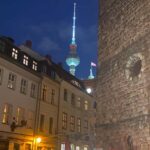
You begin near the Fernsehturm Berlin TV Tower by Alexanderplatz, at Vapianoam Alex (Rathausstraße 6, 10178 Berlin). The vibe here is classic Berlin: busy, central, and a little chaotic in a way that helps you reset your brain for walking.
From there, the tour moves like a guided conversation. You get local context early so the rest of the day clicks—why certain districts developed the way they did, and why you’ll see specific styles of street art and graffiti as the day goes on. Guides such as Reese, Jack, Kalum, and Jason are mentioned in tour experiences for blending history with a fun, lively pace, so it doesn’t feel like a lecture on a sidewalk.
Practical tip: because portions may require transit, your guide may ask you to use public transportation for certain legs. Planning for that means fewer “wait, which stop?” moments later.
Prenzlauer Berg and Mitte: pretty streets, political echoes underneath
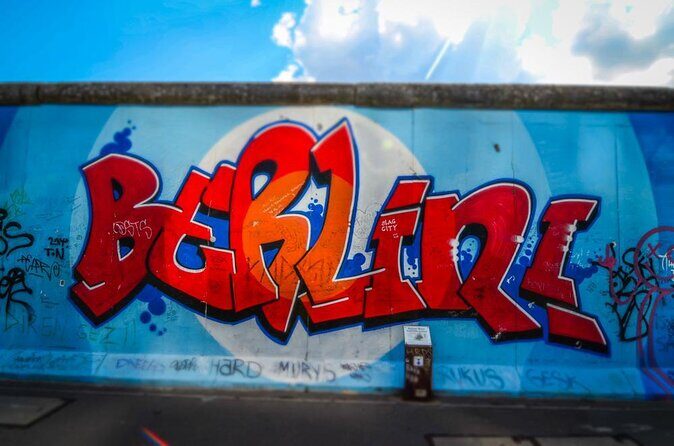
Prenzlauer Berg gets described as a pleasant residential neighborhood for a reason. You’ll get a feel for the everyday side of Berlin: blocks that look calmer, where life spills out at street level in quieter ways.
Then you roll into Mitte, Berlin’s historical core. This is where the tour’s counterculture story gains depth. Even when the streets look orderly, Berlin’s history tends to live in the details—turns in the city plan, layers of past communities, and art that references old movements without looking like it’s trying too hard.
This is also where I like the tour’s approach to context. Instead of treating history like a separate museum section, it treats it like something that still affects what you see today. When you connect those dots, the rest of the day gets easier to follow.
Kreuzberg: Turkish influence, alternative culture, and the walk-between-worlds feeling
Kreuzberg is one of the stops that most strongly signals why Berlin is Berlin. It has a Turkish influence and a reputation for alternative and counterculture energy. You’ll feel that mix as you move through the area—this is a district where different cultures and ideas overlap in public.
Historically, Kreuzberg is described as having grown from one of Berlin’s poorer areas into a cultural favorite. That arc matters. You’ll hear how changes in the neighborhood shaped the kind of communities that took root there, and how those communities fed the city’s creative identity.
This part of the day is also a great time to watch how art shows up beyond galleries. Street art and graffiti aren’t just decoration here. They act like commentary—signals about identity, resistance, humor, and belonging. If you enjoy reading the city as a living document, you’ll like this segment a lot.
Friedrichshain and the Yaam area: where street art meets vacation energy
As the route heads toward Friedrichshain, you start getting more of the raw, expressive street vibe that people associate with Berlin. This is where graffiti and murals start feeling less like a highlight and more like the normal background.
Then you reach Yaam, tied to the Young and African Arts Market. Yaam is described as having a Caribbean vibe, and that’s exactly the point. Berlin’s subcultures aren’t one uniform style. They’re a collection of communities and creative scenes that borrow energy from everywhere.
The practical benefit of including Yaam: it breaks the day’s emotional rhythm. You’re walking through heavy historical context, and then you land in a place that feels like a community party and a cultural meeting point. If you’re the kind of traveler who gets bored when tours stay too serious the whole time, this stop helps a lot.
You can also read our reviews of more food & drink experiences in Berlin






Underground art, urban farms, and guerilla-style gardens
One of the best parts of this tour is that it doesn’t treat “art” as something you only see behind glass. You might pass by contemporary and underground art galleries and catch signs of urban farms, guerilla gardens, and organic markets along the way.
Even if you don’t stop at every single site for a long time, these sightings do something useful: they show you the Berlin habit of making public space and community space out of almost anything. Guerrilla gardens are a perfect example. They’re not official monuments. They’re people taking ownership of what their neighborhood could be.
If you’re traveling with someone who thinks Berlin is just museums and beer halls, this section can gently correct that idea in a hurry.
Currywurst story time, plus a real stop for beer-garden atmosphere
Berlin food is a rabbit hole. You’ll learn how currywurst—fried pork sausage with curry-seasoned ketchup—became a popular local snack. That story matters because it’s not only about flavor. It’s about how simple street food turns into a cultural shorthand.
Food and drinks aren’t included on this tour. So think of the currywurst piece as learning the background, then deciding for yourself if you want to taste it on your own schedule. That’s usually the best setup, because it gives you freedom instead of forcing a specific meal plan.
Later, you visit Prater Garten Berlin, described as the city’s oldest beer garden. It dates back to 1837 and runs April through September under chestnut trees, so the timing can affect what you experience. If you’re traveling in the open season, it’s a classic Berlin pause: shade, chatter, and the kind of beer-garden atmosphere that feels built for conversation. If you’re there outside those months, you can still use the stop as a historical waypoint and a breather—even if it won’t match peak beer-garden vibes.
Walking plus transit: how to avoid the common pacing problem
This is a walking tour, but it’s not guaranteed to be all on foot. An AB public transport ticket is needed for certain parts, and your guide can assist you with purchase if needed. So you’ll want to plan for a mix of legs: some sidewalk time, some train/bus time.
That mix is actually helpful if you’re trying to cover multiple neighborhoods without turning the day into a leg-day competition. The catch: you’ll need to be ready to move when the guide says move. If you tend to linger for photos every five minutes, you might slow the flow. I’d still say it’s worth it—just keep an eye on group pacing so you don’t end up sprinting at the next stop.
Also, since it’s a private tour, you’re not sharing the schedule with strangers who want everything done at max speed. That flexibility is part of the value.
Price and value: what $539.22 per group really means
The price is listed as $539.22 per group for up to 12 people. That sounds pricey until you translate it into what you get: a private guide who customizes the walk around your interests.
Because it’s private, you get:
- more chance to ask questions
- a route that can adapt
- a smoother pace than a larger group tour
On top of that, the itinerary isn’t just “see sights.” It includes neighborhood storytelling, street art viewing, and a specific historical stop at Prater Garten Berlin. Those are the kinds of experiences that feel more personal when guided.
What’s not included matters for budgeting. Food and drinks are not included, and an AB public transport ticket may be needed for certain parts. So the true cost for you is tour price plus whatever you choose to spend on transport snacks or meals.
One more practical note: confirmation is received within 48 hours of booking, subject to availability, and the tour needs a minimum number of travelers. If you’re traveling on a tight schedule, booking earlier helps keep options open.
Who this tour is best for (and who should think twice)
This tour fits best if you want Berlin that feels lived-in. You’ll likely enjoy it if you care about street art, counterculture history, and neighborhoods with distinct identities—especially if you like the idea of understanding why places look the way they do.
It’s also a solid pick for people who don’t want a rigid checklist of landmarks. The private setup means you can talk to the guide about desired attractions and shape the day around what you actually want to see.
I’d think twice if you want a super formal, strictly museum-style experience. This is street-level Berlin with galleries and gardens as context, not a timetable of indoor exhibits.
Final call: should you book The Real Berlin Walking Tour?
If your idea of a great day in Berlin includes counterculture stories, graffiti and murals, neighborhood variety, and at least one proper atmosphere stop, I’d book it. The private format makes the day feel more like a tailored tour than a generic walkthrough, and the guide-led history gives the street art and food lore real meaning.
Skip it only if you’re trying to do Berlin with minimal walking and zero extra planning. Since you’ll likely handle some public transit and you’ll pay for your own food and drinks, it’s not the lowest-friction option. But if you’re game for a real neighborhoods day, this one is strong value for what you’re getting.
FAQ
How long is the Real Berlin Walking Tour?
The tour is approximately 4.5 hours of walking.
Is this tour private?
Yes. It’s a private tour, and only your group participates.
What is included in the price?
The tour includes a private guide.
Is an AB public transport ticket required?
An AB public transport ticket is needed for certain parts of the tour. Your guide can help you purchase it if needed.
Where do we meet and where does it end?
You meet at Vapianoam Alex, Rathausstraße 6, 10178 Berlin. The tour ends at 10 Berlin-Friedrichshain-Kreuzberg.
Can I cancel for a full refund?
Yes, you can cancel up to 3 days in advance of the experience for a full refund. If you cancel less than 3 full days before the start time, the amount paid is not refunded.