REVIEW · BERLIN
Private Walking Tour in Berlin: Hitler’s Germany & WWII
Book on Viator →Operated by Original Berlin Walks · Bookable on Viator
Berlin’s Nazi story sits in plain sight.
This private walking tour in Berlin connects the biggest Third Reich landmarks into one clear timeline, led by a historian guide. I especially like the way you get to see Anhalter Bahnhof and other major locations from street level, where the past still shapes the city. The route also works as a moving history lesson, with stops built around the Holocaust and the people who pushed back against Nazi terror. One consideration: the tour is outside-only, and the subject matter is heavy—so it’s not a light, casual walk.
I also like that the experience stays practical while still being serious: most stops are quick, and you finish near the Reichstag so you’re free to keep exploring after the half-day. In reviews, guides like Jasper, Stefan, Rohan, Lewis, and Xavier get praised for being interactive and answering questions in a human way, not just reading dates off a board. The main drawback is that you should plan for steady walking and time outdoors—especially on warm days—since you won’t duck inside exhibits during the tour.
In This Review
- Key Things I’d Plan For
- Berlin’s Third Reich Story, Walked Like a Timeline
- Why the Historian Guide Changes Everything
- The Route Starts Strong: Otto Weidt and Jewish Life Centers
- What you should do at these early stops
- Anhalter Bahnhof: Deportations, Ruins, and an Uncomfortable Truth
- Topography of Terror and the Machinery of Nazi Rule
- A quick reality check for you
- The Aviation Ministry Area: Power Networks, Not Just One Man
- Johann Georg Elser Sculpture: Resistance as a Thread
- Holocaust Memorial: The Longest Moment for a Reason
- A Monument to Homosexuals Persecuted Under National Socialism
- Soviet Memorial Tiergarten: The Other Aftermath, Still Visible
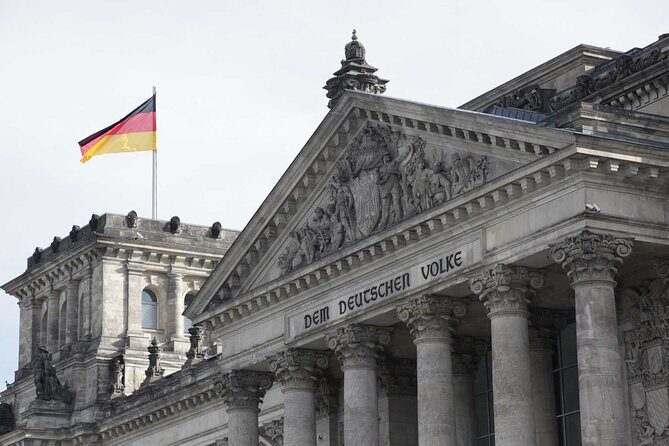
- Reichstag Building: Finishing Before the Parliament Dome
- Price and Logistics: What You’re Paying For
- Timing, Pace, and What to Bring (So You Don’t Feel Rushed)
- Who This Tour Is Best For
- Should You Book This Hitler’s Germany and WWII Walk?
- FAQ
- How long is the tour, and where does it start and end?
- Is this a private tour?
- Do we enter the attractions or just view them from outside?
- Are admissions included for the stops?
- Do I need public transport, and how much is it?
- What if my plans change—can I cancel?
Key Things I’d Plan For
- A tightly timed route: about 4 hours total, with short stops like 10 minutes each and a longer moment at the Holocaust memorial.
- Outside-only viewing: you’ll look at sites from the street, including the Reichstag area, not go inside attractions.
- Historian-led context: the guide connects each location to the Nazi rise, the system of terror, and what it meant for victims and resistors.
- A heavy, honest focus: the itinerary includes the Holocaust memorial and a monument to people persecuted under the National Socialist regime.
- Free site admissions noted on the stops: the stops listed show admission ticket free (with the Reichstag building marked as ticket not included).
- Strong guide quality signals: multiple guides by name show up in feedback for clarity, warmth, and staying engaged with questions.
Berlin’s Third Reich Story, Walked Like a Timeline

This is the kind of tour where Berlin starts feeling different fast. You’re not just looking at monuments—you’re piecing together how Nazi power expanded, how terror was organized, and how ordinary people were affected. The best part is that the tour treats the city like a classroom, moving you from one “chapter” to the next without dragging you through slow detours.
The half-day format matters because it respects your time and your energy. You’ll cover a lot of ground in about 4 hours (many walks land closer to 3.5–4), then you can decide what you want to do with the remaining day. The end point near the Reichstag also helps—once you finish, you’re already in one of Berlin’s easiest areas to keep exploring.
You can also read our reviews of more walking tours in Berlin



Why the Historian Guide Changes Everything
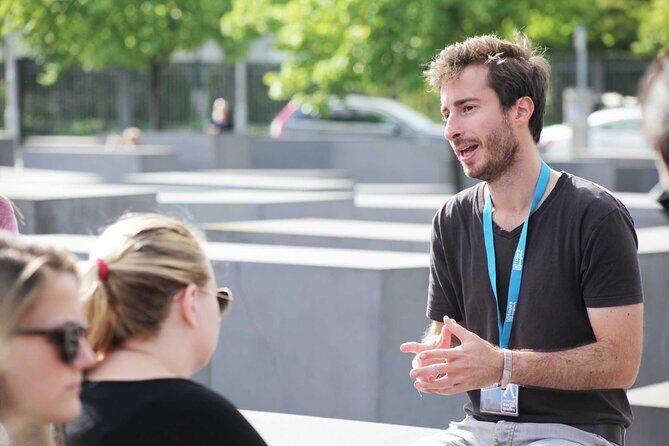
A walking tour lives or dies by the person leading it. Here, the guide is described as a historian guide, and the feedback is consistent: guides like Jasper and Stefan are praised for being thorough and interactive, while Rohan, Lewis, and Xavier are also singled out for strong explanations and a friendly, question-friendly style.
What I like about that for you is simple: when you’re standing at emotionally charged places, you don’t want vague talking points. You want someone to connect what you’re seeing with what happened—and to help you understand the logic behind the Nazi system, not just memorize names. The guide format is especially valuable here because the itinerary includes multiple forms of remembrance: deportation-related sites, terror infrastructure, the Holocaust memorial, and persecution memorials.
The Route Starts Strong: Otto Weidt and Jewish Life Centers
The tour begins at Neue Promenade 3, 10178 Berlin and sets a serious tone early, without rushing you. The first stop is Museum Blindenwerkstatt Otto Weidt, where the guide explains the history of the site. Even though you only spend about 10 minutes here, it’s a meaningful opener because it frames the human reality behind the era rather than starting with the most famous power sites.
Next comes Stiftung Neue Synagoge Berlin – Centrum Judaicum. Again, it’s a short visit (about 10 minutes), but it matters because it keeps the focus on the Jewish story as part of Berlin’s landscape. This is one of the smartest pacing choices on the itinerary: you’re not only dealing with aftermath memorials. You’re also guided through places tied to Jewish life and community history, before moving into deportation and terror.
What you should do at these early stops
- Bring your questions forward. If there’s something you don’t understand about Nazi-era policy or timelines, this is a good time to ask.
- Take a quick mental snapshot of where you are. The walk later becomes easier to follow if you remember the “shape” of the route.
Anhalter Bahnhof: Deportations, Ruins, and an Uncomfortable Truth
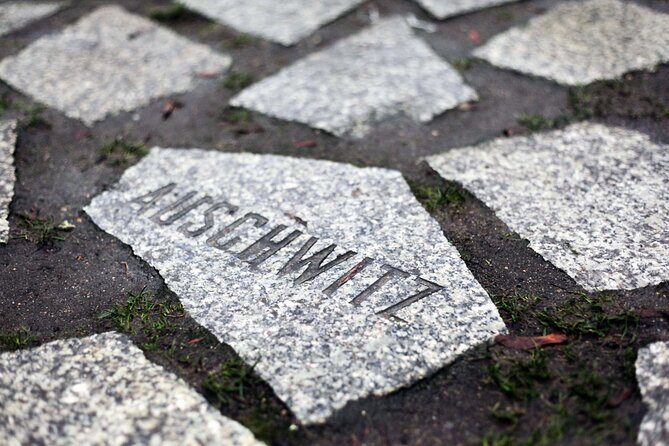
Anhalter Bahnhof is one of the most important stops on the tour, and the itinerary makes that clear. The guide explains the site’s history, focusing on its role in deporting prisoners to concentration camps. Even with a 10-minute stop, the framing is direct: this isn’t symbolism pulled from the air—it’s a real transportation connection tied to mass terror.
The fact that the ruins are part of what you’re seeing (and you’re viewing from the outside) can land differently than a museum panel. You’re standing at a place that carries traces of logistics—platform-era space where lives were rerouted into the Nazi machine. The short stop time can be a drawback for some people, but it can also be a strength if you’re staying with the guide’s narrative flow.
You can also read our reviews of more private tours in Berlin





Topography of Terror and the Machinery of Nazi Rule

Then you move into Topography of Terror, where the guide explains the history of the site. This is one of the core “system” stops on the itinerary, since the overview also notes that you’ll see the former Gestapo and SS headquarters as well as the site of Hitler’s bunker during the walk.
That combination is powerful because it changes how you think about Nazi power. Instead of seeing it as only ideology or only propaganda, you’re also seeing it as an organized bureaucracy of fear. The route design helps: you’re not bouncing around far apart. You’re building a mental map of where terror was planned, administered, and enforced.
A quick reality check for you
This is the point where the tone stays solemn. If you get overwhelmed, it’s okay to slow down your pace and take a minute to breathe—don’t try to force yourself to “keep up” mentally. A good historian guide will give you space to ask questions, but you still control how fast you absorb.
The Aviation Ministry Area: Power Networks, Not Just One Man
Next on the itinerary is Aviation Ministery of Berlin, with the guide explaining the history of the site. It’s another outside stop, about 10 minutes. Even without entering anything, the value here is in how the guide connects state power, war planning, and the Nazi regime’s reach into daily governance.
The Nazi system was not only Hitler. It was networks—offices, chains of command, and locations where decisions were made. Stops like this help you see the regime as an engine, not a single story.
Johann Georg Elser Sculpture: Resistance as a Thread
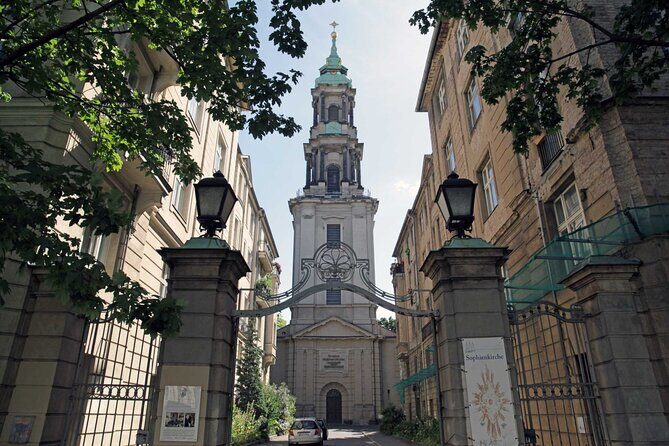
You then reach the Johann Georg Elser Sculpture. The guide explains the history of the site, with about 10 minutes scheduled. In a tour like this, a resistance-related stop is important because it prevents the narrative from becoming one-note tragedy.
This kind of placement also gives you a better emotional balance. You still face horror and loss, but the tour also points to human agency—people who didn’t accept the Nazi system as inevitable. Even in a short stop, it can redirect your thinking from what happened to what people attempted in response.
Holocaust Memorial: The Longest Moment for a Reason
The itinerary’s biggest emotional pause is The Holocaust Memorial – Memorial to the Murdered Jews of Europe, with about 15 minutes. This stop is included explicitly, and the title alone tells you the focus: the memorial is dedicated to the murdered Jews of Europe.
Fifteen minutes doesn’t sound huge on paper, but on a walk like this it’s a meaningful window to slow your brain down. You can use the time to reflect on what the word memorial means in practice: not a “look and go” stop, but a place designed for standing still and letting the scale land.
If you’re the type who likes to read the ground more than pose for photos, this is the stop for you. If you prefer short and fast, you may want to prepare yourself that this one is longer on purpose.
A Monument to Homosexuals Persecuted Under National Socialism
Another key stop is the Monument to Homosexuals Persecuted Under National Socialist Regime, scheduled for about 10 minutes. It’s vital that the itinerary includes this because the Nazi system targeted more than one group. The tour frames this as part of how terror operated—through law, propaganda, and persecution.
From a pacing standpoint, it also avoids turning remembrance into a single-track story. You’re given a chance to notice how different forms of persecution show up across the city, not only at the most famous Holocaust sites.
Soviet Memorial Tiergarten: The Other Aftermath, Still Visible
After that, you visit the Soviet Memorial Tiergarten with the guide explaining the history of the site. It’s listed for about 10 minutes, with admission noted as free for this stop. This location adds another layer to the Berlin WWII story by pointing to how the conflict’s aftermath and commemoration also shape public space.
Even if your main focus is Nazi history, it helps to see that the city’s memorial map isn’t one-note. Berlin remembers many tragedies, and Soviet commemoration is part of the postwar landscape you’ll walk through.
Reichstag Building: Finishing Before the Parliament Dome
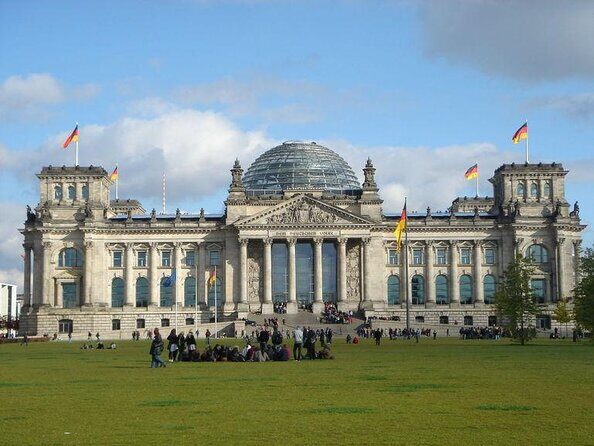
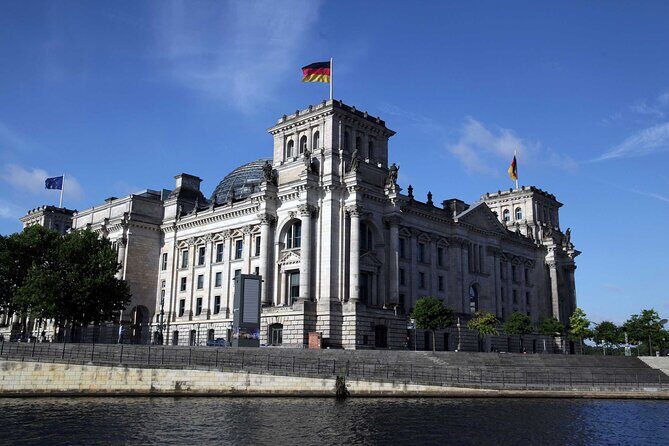
The tour ends at the Reichstag Building (Platz der Republik 1, 11011 Berlin, Germany), with a 10-minute outside view and Reichstag Building admission ticket not included. This ending makes practical sense. You’re delivered into one of the most walkable zones in central Berlin, so you’re not stranded across town when the tour finishes.
If you like to keep moving after a guided walk, the finish line near the Reichstag is a smart design choice. If you prefer a café break right away, you’re also well placed to grab one in the area before heading back.
Price and Logistics: What You’re Paying For
The price is $173.06 per person for this 4-hour private walking tour. On the surface, that’s not a bargain price. But value-wise, you’re paying for a historian guide for half a day plus a route that hits multiple major, tightly connected locations tied to Hitler’s Germany and WWII.
What’s included is straightforward: all fees and taxes and a professional guide. What’s not included is tips and public transport tickets—with a note that you’ll need a Single Ticket AB costing about 4€ per person. There’s also mention of mobile ticket, pickup offered, and group discounts. If you’re traveling with a small group, these details can make the price feel less steep.
One more practical note: the itinerary lists admission ticket free for the stops themselves (so you’re not usually buying entry fees on the fly). Still, since the tour is outside-only, think of it as “guide time” you’re buying, not museum time.
Timing, Pace, and What to Bring (So You Don’t Feel Rushed)
This walk is built around short stop durations—mostly 10 minutes, plus 15 minutes at the Holocaust memorial. That means you won’t linger at every single corner. Instead, you get a guided sequence that keeps the overall story moving.
Because you’re outside viewing sites, plan like it’s a normal city walk: comfortable shoes, a water bottle, and weather-ready layers. One review mentions it being a hot day, which is your clue to not underestimate Berlin summer sun or spring heat. If you want to stay emotionally present rather than physically distracted, you’ll thank yourself for packing smart.
Who This Tour Is Best For
This is a great fit if you:
- Want a structured route through Berlin’s Nazi-era sites without having to stitch everything together yourself.
- Care about context—how the terror system worked and how different groups were targeted.
- Appreciate memorials that are treated with seriousness, not just photo stops.
- Prefer a private format where you can ask questions at the moments you actually need answers.
It may feel like a lot if you:
- Dislike heavy WWII topics or prefer lighter sightseeing blocks.
- Want indoor museum time as part of the schedule, since the tour explicitly notes that attractions are seen from the outside.
Should You Book This Hitler’s Germany and WWII Walk?
I’d book it if you want a high-impact overview that’s still organized, respectful, and guided by a historian. The strongest selling point is how the route threads together multiple kinds of history—deportation-linked places, terror infrastructure, memorials, and persecution remembrance—so the story doesn’t feel random.
If your goal is to see Berlin’s WWII places but you also want clarity and pacing, this tour is a solid choice. Just go in knowing you’ll be outdoors, you won’t enter sites, and the tone stays serious throughout. For many people, that’s exactly why it’s worth it.
FAQ
How long is the tour, and where does it start and end?
The tour lasts about 4 hours. It starts at Neue Promenade 3, 10178 Berlin and typically ends at the Reichstag Building near Platz der Republik 1, 11011 Berlin.
Is this a private tour?
Yes. It’s a private walking tour, meaning only your group participates.
Do we enter the attractions or just view them from outside?
You view the attractions only from the outside. The Reichstag Building is also listed as outside viewing, and no entry is included.
Are admissions included for the stops?
The tour notes admission ticket free for multiple listed stops. The Reichstag Building is listed as admission ticket not included, and public transport tickets are not included.
Do I need public transport, and how much is it?
Public transport is not included. You’ll need a Single Ticket AB, which is noted as about 4€ per person.
What if my plans change—can I cancel?
You can cancel for a full refund if you cancel at least 24 hours before the experience starts. If you cancel less than 24 hours before, the amount paid is not refunded.