REVIEW · COLOGNE
3-Hour Cologne Street Art Bike Tour in Small Group with Guide
Book on Viator →Operated by Colonia Aktiv · Bookable on Viator
Street art and bike wheels on the same map is hard to beat. I like the way this tour mixes classic Cologne sights with real street-level creativity, and I like the scheduled photo stops that keep you moving but still allow time to look closely. One possible drawback: if the group is on the larger side, you may struggle to hear the guide over traffic and bike chatter, and some stops can feel more about stickers or opinions than what you’d picture as official murals.
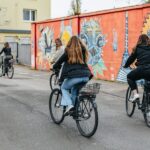
In practice, this is a ride through several distinct neighborhoods, from the medieval city-wall gate area to the Belgian Quarter and on into Ehrenfeld, with a break along Cologne’s big green belt. Guides like Christian, Sarah, and Reiner show real passion for the stories behind the walls, while other guides (like Lisa) can lean more personal in their commentary, so your enjoyment may track with how you feel about that style of narration.
You’ll pedal for about three hours, start at 2:30 pm, and get a helmet plus a rain poncho if needed. E-bikes are available depending on booking, and they’re stated as suitable for guests from 1.55 m height, so it’s worth thinking early about what bike will feel good for you.
In This Review
- Key things to know before you ride
- Why a street art bike tour works so well in Cologne
- Where the tour starts (and how to be ready)
- Stop 1: Eigelsteintorburg city gate and the first street art hits
- Stop 2: Friesenwall nightlife streets with context
- Stop 3: Brüsseler Platz in the Belgian Quarter
- Stop 4: Ehrenfeld street art expedition through Cologne’s biggest park area
- Stop 5: Im Mediapark and letting the impressions settle
- Price and what you actually get for $51.49
- Group size, pace, and the one thing that can make or break it
- Tips for a smoother ride in real Cologne streets
- Who this tour suits best
- Should you book the 3-hour Cologne Street Art Bike Tour?
- FAQ
- How long is the Cologne Street Art Bike Tour?
- What time does the tour start?
- Where do we meet for the tour?
- What type of bike do I get, and is an e-bike available?
- What’s included in the tour price?
- How big is the group, and what language is the tour in?
Key things to know before you ride
- Small-group format (max 15): more personal pacing than big coach tours, though hearing the guide can still be a factor in busy spots.
- Photo-friendly stop timing: each main stop is roughly 30 minutes, with one longer section in Ehrenfeld.
- Route spans multiple Cologne “moods”: nightlife streets, the Belgian Quarter, and the multicultural energy of Ehrenfeld.
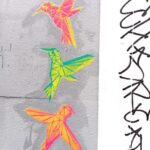
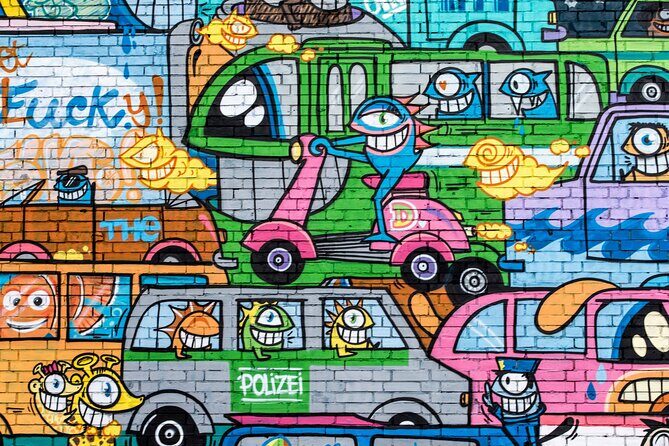
- Street art variety, not one style: you may see murals, stickers, tiles, paste-ups, and even sculptures.
- E-bike option with height guidance: listed as suitable from 1.55 m, so you can choose comfort up front.
- Local-voice storytelling: the best moments often come from the guide’s specific choices of what to point out.
Why a street art bike tour works so well in Cologne
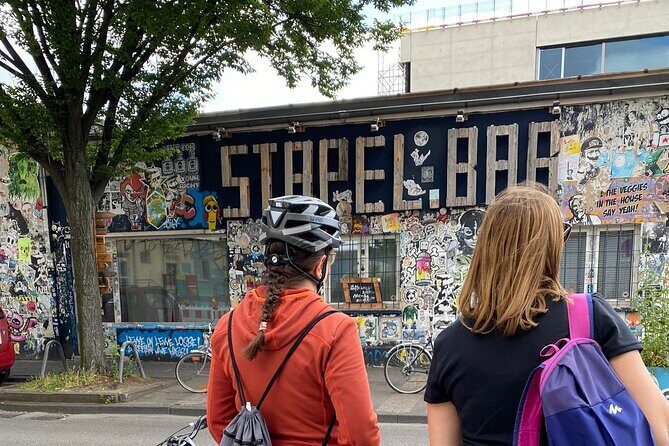
Cologne rewards slow, curious looking, but you can’t cover the city at that pace on foot. This kind of bike tour solves that trade-off: you get wheels for distance and stop time for the looking part. The result is you see more than one neighborhood’s “street art personality,” instead of only getting the big-name murals near the center.
I also like the practical rhythm of the route. You’re not just cruising; you’re guided to a sequence of spots—starting at Eigelsteintorburg, then hitting Friesenwall, Brüsseler Platz, Ehrenfeld, and Im Mediapark—so you always have a reason to slow down and aim your camera. And because you’re cycling, you can pay attention to the details around the art too: the street layout, the nearby shops, and how people actually move through these areas.
The other reason this works is simple physics. When you’re standing still, you can read the small stuff—stickers, pasted notes, tile work. When you’re on a bike, you can reposition fast and compare different styles within minutes. That makes it easier to spot patterns, like whether a wall leans more toward political messaging, local characters, or pop-art style pieces.
You can also read our reviews of more cycling tours in Cologne
Where the tour starts (and how to be ready)
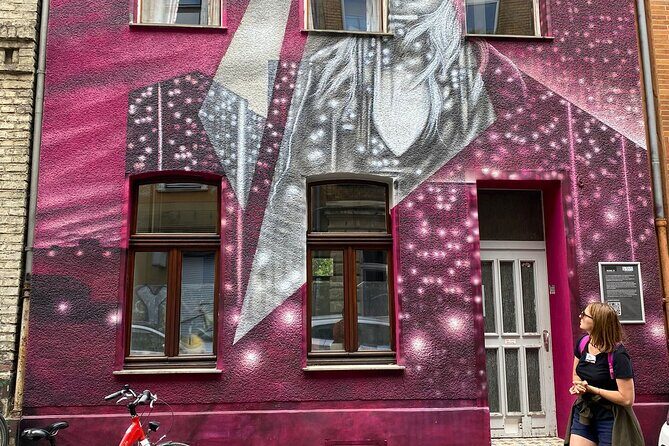
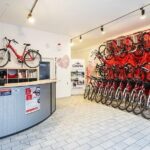
You’ll meet at Colonia Aktiv Bike Tours, Gereonswall 2-4, 50668 Köln. The meeting point is described as near public transportation, which matters because bike tours still need good timing. If you’re late, the whole schedule gets stressed, especially when you’re coordinating helmets and bikes for a group.
The tour runs for about 3 hours and begins at 2:30 pm, looping back to the start. That timing is useful. Afternoon rides give you softer light for photos, and you’re likely past the morning rush but before the day fully disappears into evening traffic.
What to wear:
- Comfortable shoes (you’ll be standing at stops while the guide talks)
- Dress for the weather; a rain poncho is included if it rains, but you still want to be comfortable
- If you’re choosing a bike style, remember the E-bike height note (1.55 m+)—it’s there to help you avoid an awkward fit
Also, plan on moderate fitness. It’s listed as a relaxed ride at moderate speed, but you should feel good on two wheels in city conditions. Children must be with an adult, and tandems are available if you arrange that at booking.
Stop 1: Eigelsteintorburg city gate and the first street art hits
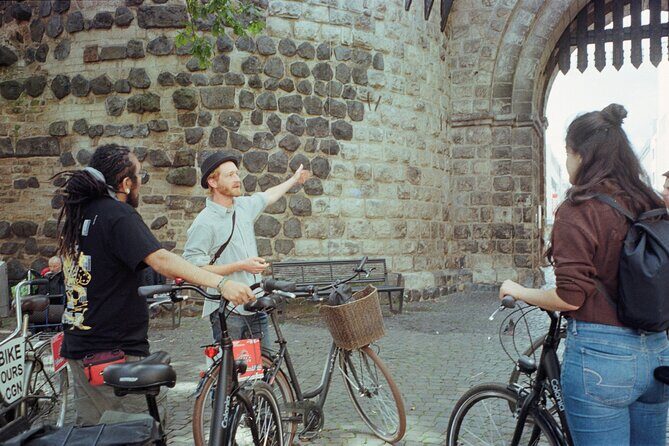
The tour starts at Eigelsteintorburg, a city gate tied to the old medieval wall around Cologne. That matters more than it sounds. Street art often gets labeled as purely modern, but starting at a historic edge gives you a contrast: old stone boundaries, then contemporary tags and installations in the surrounding streets.
You’ll spend about 30 minutes here. Early on, that’s a smart chunk of time. It sets the tone for what “counts” on this tour: you’re not only hunting big murals; you’re training your eye to notice smaller textures and messages.
If you’re the kind of traveler who likes a clean first impression, this is your moment. You arrive fresh, the group is still together, and you can get a quick sense of the neighborhood’s street-art language without being jostled by later crowds.
Stop 2: Friesenwall nightlife streets with context
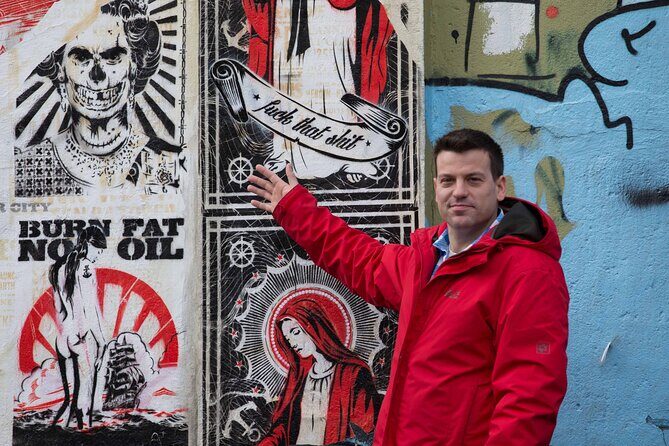
Next is Friesenwall, described as a nightlife district in the inner city. The guide here is there to do more than point at walls. You’re set up to understand the neighborhood’s culture and history before you move on to the next photo stop.
You’ll get another 30 minutes at this stage. Nightlife areas can mean loud evenings, but at tour time it’s usually more about street character than partying. Expect a mix of faces, storefront energy, and the kind of art that often tags along with youth culture and late-night routes.
This is also where hearing the guide becomes important. In this kind of city environment, audio depends on your position in the group and how quickly bikes pull away. If you’re sensitive to noise, pick a spot where you can face the guide before the group rolls.
Stop 3: Brüsseler Platz in the Belgian Quarter
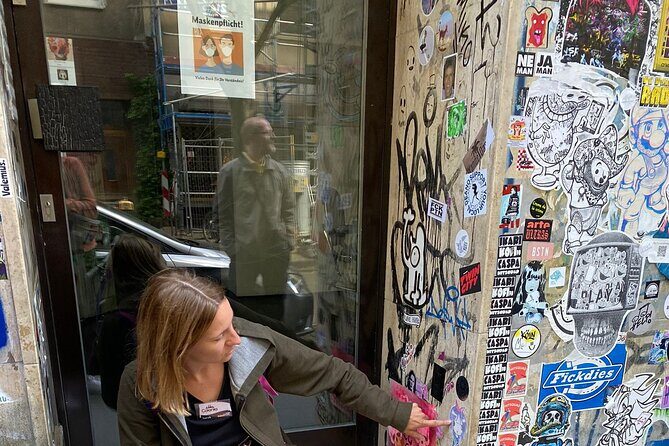
Then the tour moves into Brüsseler Platz, one of Cologne’s popular squares and a street art hotspot in the heart of the Belgian Quarter. This is where the variety is likely to feel most obvious fast.
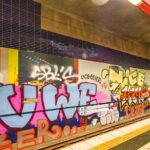
You’ll have about 30 minutes here, and the description calls out a huge range of art forms you may spot: big murals, small stickers, tiles, paste-ups, and even sculptures. If you’ve ever wished street art tours would stop acting like everything is just one style, this stop is a strong argument for the multi-medium approach.
Brüsseler Platz also has a practical photo advantage. Squares make it easier to see how pieces sit in the context of the street—how they look from different angles, how they relate to foot traffic, and how they blend into the neighborhood’s everyday life rather than existing in isolation.
A small note: squares can also attract casual passersby who stop to look. That can be good for energy, but it can get crowded right at the moment you want to zoom in for details.
You can also read our reviews of more guided tours in Cologne

Stop 4: Ehrenfeld street art expedition through Cologne’s biggest park area
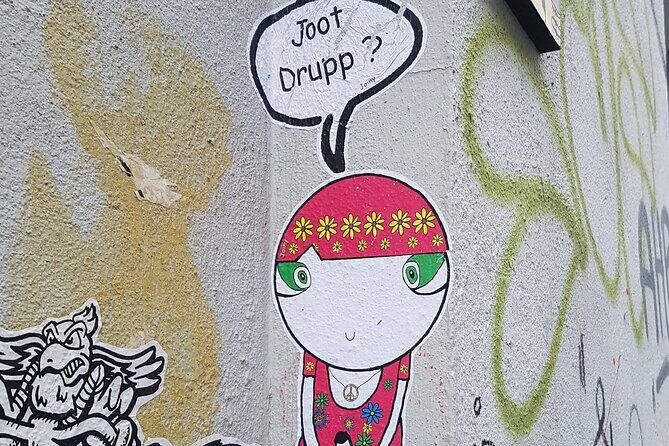
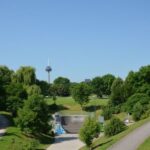
Ehrenfeld is the long stop on the route, listed at about 1 hour. You cycle through the green belt—described as the biggest park of Cologne—then continue into the heart of Ehrenfeld. That combo is one of the biggest value-adds of the tour.
Why it’s valuable:
- You get a breathing-space stretch after the more built-up streets
- You transition from one neighborhood vibe to another, instead of staying in one kind of scenery the whole ride
- You’re more likely to spot art that’s integrated into everyday corners rather than staged for tourists
Ehrenfeld is described as hip and multi-cultural, with colorful pieces left by international and local artists. That’s the heart of the tour’s pitch: you’re going on a street art expedition, and the guide helps you connect the dots between the artwork and the neighborhood’s identity.
The main drawback here is time distribution. The hour is long enough that the guide’s narrative style matters. If your favorite part of street art is the artwork itself, you’ll want the guide to keep things visually grounded. If the guide spends too long on personal commentary, you might feel like you’re standing still longer than you expected.
This is where your best strategy is simple: keep moving your eyes while the guide talks. You can still listen, but you’re also scanning the walls around you. It turns the stop into a hunt rather than a lecture.
Stop 5: Im Mediapark and letting the impressions settle
The final stop is Im Mediapark, after you’ve seen a lot of street work and you’re likely stuck in the classic problem of picking favorites. This is where the tour tries to help you slow down and reflect—without losing momentum.
You cycle through the green belt again and past Media Park, which you might already recognize from large murals. Then you return back to the Eigelstein area with new memories.
Expect the guide to tie together what you saw earlier. The tour description name-checks potential art you might hear about, like the Banana Sprayer and Captain Borderline, plus smaller tile work, paste-ups, and stencils by various artists. You may not see every named piece on every wall, but the point is clear: you’re learning the range of styles, not just chasing one big famous mural.
This last segment is also a good moment to reset your mental shortlist. Compare what you liked in Brüsseler Platz against what hit you in Ehrenfeld. If one quarter felt more political and another more character-driven, you’ll probably spot that pattern by the end.
Price and what you actually get for $51.49
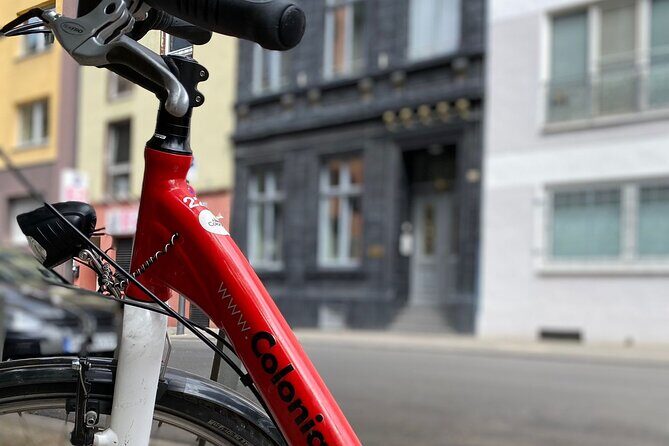
At $51.49 per person, this is priced like a specialty small-tour with gear. What makes it feel reasonable is what’s included: bike use (City Bike or E-bike depending on booking), a guide, a helmet, and a rain poncho if weather turns.
You’re also getting structured time at five named stops, with total duration listed at about 3 hours. That matters because street art isn’t just point-and-shoot sightseeing. It takes time to notice layering, different materials, and how the work fits into its surroundings.
What’s not included is basic but important: food and drinks, plus water bottles are available to purchase. For a three-hour ride, I’d plan to grab water beforehand or be ready to buy it near the meeting area.
So here’s the value question you should ask yourself: do you want guided storytelling plus efficient city coverage? If yes, the price matches the format. If you mainly want to roam and take your own photos without commentary, a self-guided bike route might cost less—but you’d lose the guide’s ability to interpret the art choices and point out what to notice.
Group size, pace, and the one thing that can make or break it
This tour caps at 15 travelers, and that’s a real advantage versus big group tours. Still, the negative experience in the review data hits a common truth: city bikes + busy sidewalks can make it hard to hear the guide when the group is larger.
If you’re taking this with teenagers or you like interactive narration, a small group usually means better connection with the guide. One positive review mentions that the bike format helped engage teens and included a memorable moment: a daughter found a keychain placed by a street artist.
But if your priority is art facts with minimal detours, you should know that some guides may slow down for certain details and viewpoints. One critique describes stops feeling more like sticker reading than art viewing, and notes longer-than-expected discussions that didn’t feel tied to the art. That doesn’t mean the tour is broken; it means your preferences matter.
My practical tip: show up ready to filter. You can listen to the guide’s story and still focus your camera on the walls around you. If the narration takes a turn into opinions, you can shorten your listening and extend your looking. On street art days, you’re the editor too.
Tips for a smoother ride in real Cologne streets
Cologne streets can be lively. That’s part of the charm, but bikes change your stress level compared with walking.
To keep things easy:
- Ride like you’re driving a car: slow decisions, clear signals, give yourself extra space at intersections
- Wear shoes that let you step off confidently at stops
- Bring a phone with enough battery for photos and maps
- If it rains, trust the rain poncho, but still consider a small towel or paper for your hands and lens
Also, remember the tour uses a City Bike or E-bike based on booking. If you’re on the smaller side, the height note for E-bikes (1.55 m+) is there for a reason. Don’t wait until the last minute to discover you’re on the wrong fit.
Finally, start with a good attitude about stop types. Street art here includes stickers, tiles, paste-ups, and stencils. If you picture only wall-sized murals, you might feel a mismatch. But if you’re open to the full range, the diversity is one of the best reasons to book.
Who this tour suits best
This is a great fit if you:
- Like street art as a mix of styles, not just big mural hunting
- Want an easy way to cover multiple neighborhoods in limited time
- Prefer biking over walking because it gets you distance without losing stop-time for photos
- Enjoy guide storytelling, especially when the guide points out themes in what you’re seeing
It may be less ideal if you:
- Want strict, quiet museum-style interpretation with minimal personal commentary
- Are extremely sensitive to group noise and want everyone to hear perfectly
- Expect every stop to be a clearly photo-worthy mural from far away
The good news: the route’s variety gives you enough chances to find what you personally care about.
Should you book the 3-hour Cologne Street Art Bike Tour?
If you’re the type who likes to hop between neighborhoods and look closely at the details on walls, I’d book it. The included helmet and rain poncho, the guided stop timing, and the multi-quarter route make it feel efficient and worth the $51.49.
I’d especially book it if you want:
- A guided way to understand what you’re seeing in places like Friesenwall, Brüsseler Platz, and Ehrenfeld
- A bike-based alternative to a walking-only street art day
- The chance to hear named artist mentions like the Banana Sprayer and Captain Borderline (even if the exact pieces you spot may vary)
Skip it only if you know you dislike tours where the guide’s personal commentary takes center stage, or if your main goal is pure mural sightseeing with minimal stop time. Otherwise, this is a smart, practical way to see Cologne with your eyes wide open.
FAQ
How long is the Cologne Street Art Bike Tour?
The tour lasts about 3 hours.
What time does the tour start?
The start time is 2:30 pm.
Where do we meet for the tour?
The meeting point is Colonia Aktiv Bike Tours, Gereonswall 2-4, 50668 Köln, Germany.
What type of bike do I get, and is an e-bike available?
You’ll use a City Bike or an E-bike depending on booking. The e-bike is stated as suitable for guests from a height of 1.55 m.
What’s included in the tour price?
Included are the bike (City Bike or E-bike as available), the guide, a bicycle helmet, and a rain poncho if needed.
How big is the group, and what language is the tour in?
The tour has a maximum of 15 travelers, and it’s offered in English.