REVIEW · BERLIN
Private Walking Tour: Behind the Iron Curtain and Berlin Wall
Book on Viator →Operated by Original Berlin Walks · Bookable on Viator
Berlin’s wall still shapes the city.
This private Cold War walking tour takes you to the real places where East and West wrestled for control after WWII, including the “death strip” and Berlin Wall sites around Bernauer Strasse, plus a finish at Alexanderplatz. I love that the story stays tied to street corners and actual remnants, not just general background.
Two things I especially like: the tour gives you a clear sense of how the Soviet–Western standoff played out in Berlin, and the guide steers you through the places where people protested and tried to escape. Guides such as Rachel Wells, Alex, and Philippa are singled out for turning DDR-era details into something you can picture. One consideration: it runs about four hours on foot and you’ll need a public transport day pass for zones AB during the tour.
In This Review
- Key highlights you’ll feel on the ground
- Why Berlin is the perfect place for an Iron Curtain walk
- Following the Wall: from border tension to escape attempts
- Bernauer Strasse and the Berlin Wall Memorial: where the Wall becomes personal
- Gethsemane Church (Prenzlauer Berg): the civil-rights side of the story
- Bornholmer Strasse: seeing a border crossing as a real place
- East Side Gallery area: from barrier to message
- Alexanderplatz as the finish: why ending in Mitte works
- Private guide, flexible pacing, and what that means for value
- Price and what you’re really paying for ($166.52 per person)
- Practical tips before you set out on the Wall walk
- Who this tour suits best
- Should you book the private Behind the Iron Curtain and Berlin Wall tour?
- FAQ
- How long is the private walking tour?
- Is this tour private or shared with other groups?
- Does the tour include hotel pickup?
- Do I need a public transport day pass?
- Where does the tour start and where does it end?
- Is food included?
Key highlights you’ll feel on the ground
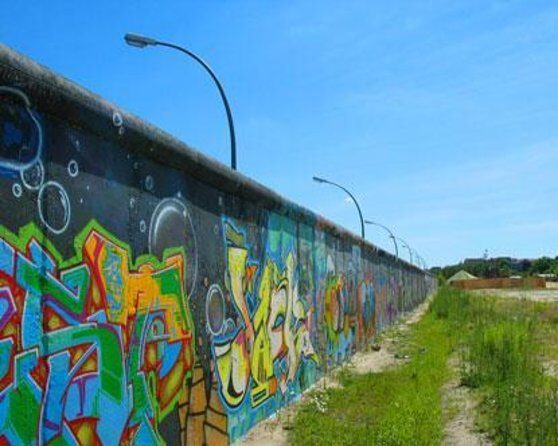
- Bernauer Strasse “death strip” storytelling: you walk the corridor of escape attempts and border tension
- Berlin Wall Memorial + surviving wall areas: see what’s left where events happened
- Gethsemane Church, Prenzlauer Berg: hear how civil-rights activism gathered in the late 1980s
- Bornholmer Strasse border crossing: understand the practical reality of East–West separation
- East Side Gallery area stops: connect the Wall’s history to Berlin’s later transformation
- Private format + expert guide: your group sets the pace, questions included
Why Berlin is the perfect place for an Iron Curtain walk
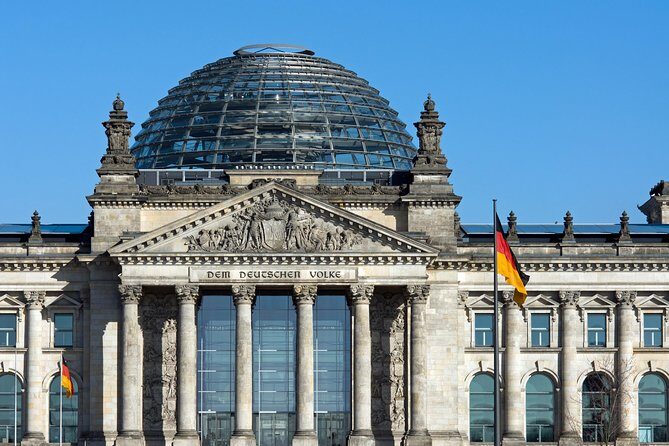
Berlin is where the Cold War got physical. After WWII, this city went from Nazi Germany’s capital role to the center of the fight over war-torn Europe. You can stand on regular sidewalks here and still see how power was enforced—sometimes with walls, sometimes with checkpoints, and sometimes with everyday fear.
What makes this tour work is that it doesn’t treat the Berlin Wall like a single monument. You get the bigger sequence: WWII fallout, the rise of Soviet influence, the Cold War standoff, then the collapse and what it meant for people living in the GDR (East Germany), which was described here as one of the most heavily policed states in the Eastern Bloc.
I also like that the tour is designed as a half-day walk. That matters. With only a few hours, the route concentrates on the most important “cause and effect” sites, so you leave with mental order instead of a vague blur of names.
You can also read our reviews of more walking tours in Berlin


Following the Wall: from border tension to escape attempts
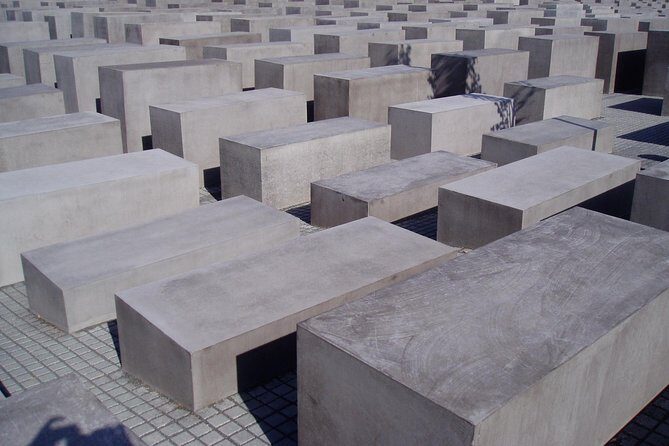
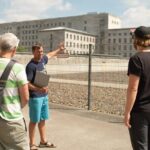
The heart of the experience is retracing the path of the “death strip” and the Berlin Wall. Even if you’ve seen photos before, walking the general corridor helps you grasp why escape attempts were so desperate and why the border wasn’t just a line—it was a whole system.
As you go, the guide ties locations to what people tried to do:
- where protests and confrontations took place
- where audacious escape efforts happened
- how the Wall separated not only cities, but communities and daily routines
You’ll also encounter Wall-related areas such as the East Side Gallery area, where later-era Berliners turned parts of the Wall into public expression. That creates a useful contrast: you’re looking at the same type of barrier, but at different moments in time—first as enforcement, later as statement.
This is one of those tours where the route design really matters. The story clicks when you connect each stop to the last one, so you understand the timeline instead of memorizing points.
Bernauer Strasse and the Berlin Wall Memorial: where the Wall becomes personal
Bernauer Strasse is famous for escape attempts and for the way the city’s buildings and the border lines overlapped. On this walking tour, this is a major anchor point. You start walking the area that many people associate with the most intense Wall-era tension, then you build outward from there.
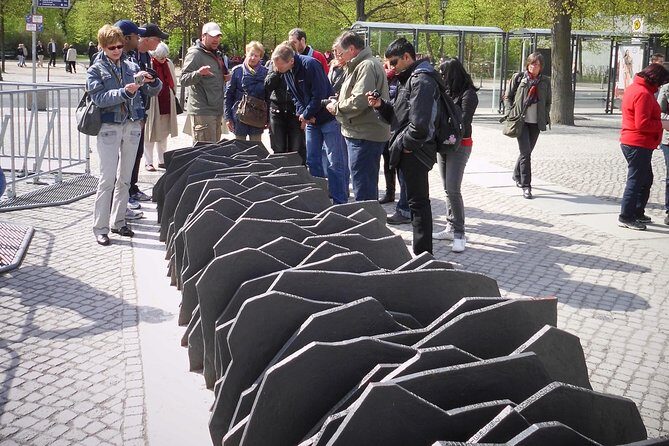
At the Berlin Wall Memorial on Bernauer Strasse, the focus is on what you can still see and what those remains symbolize. Even when nothing looks dramatic, you learn to read the space: where movement was controlled, how families and neighbors were affected, and why this stretch became part of the larger story of the Wall’s eventual collapse.
A practical note: memorial sites often require a slower pace. Expect to pause more than usual for interpretation and for photos. If you’re the type who likes to take quick snapshots and keep moving, remind yourself you’ll enjoy this more if you let the guide’s narrative slow you down.
Gethsemane Church (Prenzlauer Berg): the civil-rights side of the story
The tour also takes you to Gethsemane Church in Prenzlauer Berg, highlighted here as the best-known church in the locality where civil-rights activists gathered in the late 1980s to protest. That detail matters, because the Berlin Wall wasn’t only about guns and border controls. It was also about organizing, moral courage, and public pressure.
When you’re standing near this church, you can understand why religious and community spaces were important in the late Cold War years. People needed places to meet, coordinate, and speak. The guide’s job here is to connect activism to the political conditions that made the protests both risky and necessary.
This stop gives you a “human-scale” view after the heavier border history. It’s still part of the Cold War system, but it reminds you that the collapse wasn’t just one sudden event—it was powered by resistance and persistence.
Bornholmer Strasse: seeing a border crossing as a real place
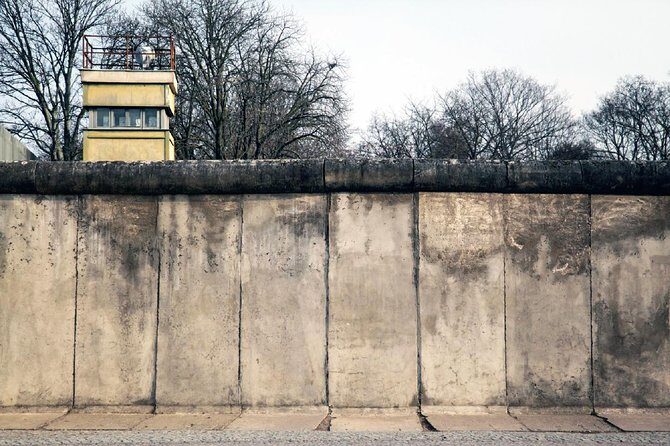
Another strong segment of the walk focuses on Bornholmer Strasse, one of the border crossings between East and West Berlin. It’s easy to think of the Berlin Wall as an abstract wall with a dramatic photo angle. Bornholmer Strasse helps correct that.
Here, the tour shifts from large-scale symbolism to practical separation. You learn how crossings worked, why they mattered, and how the idea of East vs West shaped movement even for ordinary daily needs. This is the sort of stop where you’ll probably notice you’re looking at streets and access points the way a border official might.
It also sets up the later part of the tour, because once you understand what border crossings meant, the story of protests and the Wall’s fall reads differently. You stop treating it like a movie climax and start seeing it as a chain of pressure, attempts, and changing possibilities.
You can also read our reviews of more private tours in Berlin


East Side Gallery area: from barrier to message
Along the way, the route includes areas associated with the East Side Gallery. This part of the experience works well because it bridges time. You’re not only learning about the Wall when it was active. You’re also connecting to how Berliners later reclaimed space and turned parts of the Wall into public expression.
I like this contrast because it helps you avoid a single-note view of the Wall as only tragedy. That doesn’t erase the suffering. It adds another layer: Berlin can process its past in public ways.
If you’re a photo person, this is usually where you’ll want to slow down and frame shots carefully. If you’re not, you’ll still benefit from the guide’s context about why expression here carries meaning.
Alexanderplatz as the finish: why ending in Mitte works
The tour ends at Alexanderplatz, a large public square and major transport hub in Berlin’s Mitte district. This is a smart choice for your day. You finish in a place that’s easy to reach and easy to navigate afterward, even if you’re continuing to other sights.
Alexanderplatz also makes the Cold War theme feel grounded. It’s not a remote monument zone. It’s a central, lived-in part of the city, which reinforces the idea that history here is layered into everyday life.
If you want to keep the momentum, plan a nearby meal afterward. Food and drinks aren’t included on the tour, so you’ll be ready to refuel right after finishing.
Private guide, flexible pacing, and what that means for value
This is a private walking tour, so only your group participates. That usually makes a big difference on a topic like this, because questions pop up fast. People ask about specifics—how the border worked, what daily life felt like in the GDR, or how the Cold War translated into the streets you’re currently standing on.
The tour includes a professional guide, and pickup is offered if you’re centrally located. That can save you time and hassle, especially if you’re staying near major Berlin neighborhoods.
You might also appreciate the tour’s style as described by guides who are praised for deep DDR and reunification understanding. When a guide can connect Berlin Wall events to the lived experience in East Germany, the entire Cold War story becomes less abstract and more understandable.
Price and what you’re really paying for ($166.52 per person)
At $166.52 per person, this isn’t a budget “grab-and-go” walking tour. So you should judge it on what’s included and what you get for your time.
Here’s the value equation I’d use:
- You’re paying for a private professional historian-style guide, not just a generic host
- You’re paying for targeted stops tied to Cold War sites, including the Berlin Wall Memorial area and border-crossing context
- You’re paying for a route that aims to explain cause and effect in around four hours, ending at Alexanderplatz for easy continuation
The cost also makes sense if you’re traveling as a small group and want the talk to match your pace. If you’re the kind of person who likes to ask follow-up questions and not rush, privacy turns the price into something more reasonable.
The only real “cost” outside the listed price is that you’ll need a public transport day pass for zones AB during the tour, and food/drinks aren’t included. Bring water, or plan to buy it near your next stop.
Practical tips before you set out on the Wall walk
A few nuts-and-bolts things will make the experience smoother:
- Bring comfortable shoes. This is a walking tour with a moderate fitness level requirement.
- Get your day pass sorted. You need a public transport day pass covering zones AB for the tour.
- Plan for minimal breaks. The time is tight at about four hours, so expect the guide to keep a steady rhythm.
- Bring a phone for the mobile ticket. The tour uses a mobile ticket, which reduces line hassles.
- Pack light for photos. You’ll want your camera handy, but you don’t want a heavy bag dragging your feet.
Also, since the tour can run in the morning or afternoon, pick the time that matches your energy. With Cold War topics, you’ll enjoy it more if your brain isn’t half asleep.
Who this tour suits best
This walk is a strong fit if you:
- want a focused, high-impact way to understand Berlin’s Cold War division
- enjoy history that stays connected to real places (not just timelines)
- like private tours where you can ask questions and move at your pace
It may be less ideal if you’re looking for a relaxed sightseeing stroll with zero heavy context. This tour is about meaning, not just views.
If you’re traveling with teens who can handle short explanations and Q&A, it can also work well, because the guide’s job is to explain what life in the GDR meant and how people pushed back.
Should you book the private Behind the Iron Curtain and Berlin Wall tour?
I’d book it if you want a short, serious Berlin history experience that doesn’t feel like a textbook. The route is built around the places that matter—Bernauer Strasse, the Berlin Wall Memorial, Gethsemane Church, Bornholmer Strasse, and a finish at Alexanderplatz—and a private guide helps you connect the dots fast.
Skip it (or at least reconsider the timing) if your day is already packed, because four hours of focused walking adds up. Also, budget for the needed zones AB day pass and plan on handling your own food and drinks.
If you want Cold War Berlin you can actually picture in your head, this is a solid choice.
FAQ
How long is the private walking tour?
It lasts about 4 hours.
Is this tour private or shared with other groups?
It’s private. Only your group participates.
Does the tour include hotel pickup?
Pickup is offered if you’re centrally located.
Do I need a public transport day pass?
Yes. A public transport day pass covering zones AB is required during the tour.
Where does the tour start and where does it end?
The tour begins in central Berlin and ends at Alexanderplatz.
Is food included?
No. Food and drinks are not included.