REVIEW · NUREMBERG
Camp Zeppelin Tour in Spanish
Book on Viator →Operated by Hallo Nuremberg! · Bookable on Viator
One place in Nuremberg hits hard fast. This Camp Zeppelin tour in Spanish gives you a guided, site-by-site look at the Nazi party rally complex around the Zeppelin Field, with context that makes the layout click. It’s also a great way to understand how the propaganda project was designed to funnel crowds toward big speeches and parades, not just to name buildings.
I especially like two things: first, the on-the-ground explanations that connect what you see (tribune, the unfinished Coliseum-style pavilion, Field of Mars, and the Grand Avenue concept) to what the Nazis wanted to achieve. Second, I like how guides keep it moving and readable, including Federico, who many people praised for making the history feel clear and even amusing when it can be. One drawback to plan for: the tour assumes moderate physical fitness, and you’ll be outside for parts of the walk and viewing.
If you want a quick hit of context (in Spanish) rather than a long museum day, this is a smart match. If you want to go inside the documentation center, you’ll need to budget for that separately since entrance to the Doku Zentrum isn’t included.
In This Review
- Key points before you go
- A quick, guided pass through Campo Zeppelin
- Meeting at Hauptmarkt and getting to the rally grounds
- The Nazi rally-ground layout: tribune, Coliseum pavilion, Field of Mars
- The tribune and the idea of command from above
- The Coliseum-style pavilion that never finished
- Field of Mars and staged military energy
- Grand Avenue: the “parade system” connecting it all
- What makes the guiding style matter (Fede and the Spanish flow)
- Price and logistics: what you pay, what you add
- Timing, weather, and comfort tips for a smoother visit
- Best for: who will enjoy it most
- Should you book the Camp Zeppelin tour in Spanish?
- FAQ
- What language is the tour offered in?
- Where do we meet, and what time does the tour start?
- How long is the tour?
- Is entrance to the Doku Zentrum included?
- How do we get from Nuremberg to Campo Zeppelin?
- Is the tour dependent on weather?
- Is there a limit on group size?
Key points before you go
- Spanish-led, small-group feel with a maximum of 30 people
- Short time on site with a focus on the most important rally-ground locations
- Public transport hop from Hauptmarkt using Preisstufe A (3.20 euros per section)
- Exterior viewing + in-place interpretation, including the tribune area and the avenue layout
- Federico/Fede style of guiding: detailed, friendly, and often described as making it easier to understand
- No Doku Zentrum entrance, so decide whether you want to add the museum visit later
A quick, guided pass through Campo Zeppelin
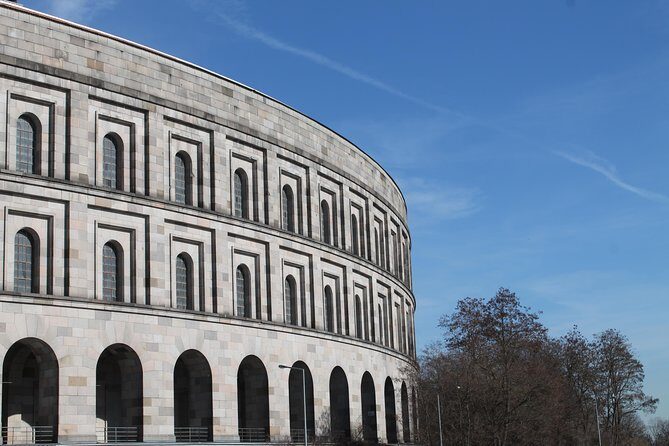
This tour is built for people who want clarity without a full-day commitment. Instead of treating the Zeppelin Field as a pile of ruins, your guide uses the space like a map. You’ll walk and look at several key points and learn what each one was meant to do during the Nazi party congresses.
Nuremberg became the stage because it was chosen as the rally venue for those annual events in September. The complex didn’t just exist for architecture’s sake. It was designed to stage power: speeches from the tribune, military games meant to hype aggression and unity, and a grand processional concept linking the buildings into one big parade route.
What I like about this approach is how practical it is. You don’t just memorize facts. You start to see the plan—how people would move, where attention would be pulled, and why certain structures mattered.
You can also read our reviews of more tours and experiences in Nuremberg.

Meeting at Hauptmarkt and getting to the rally grounds
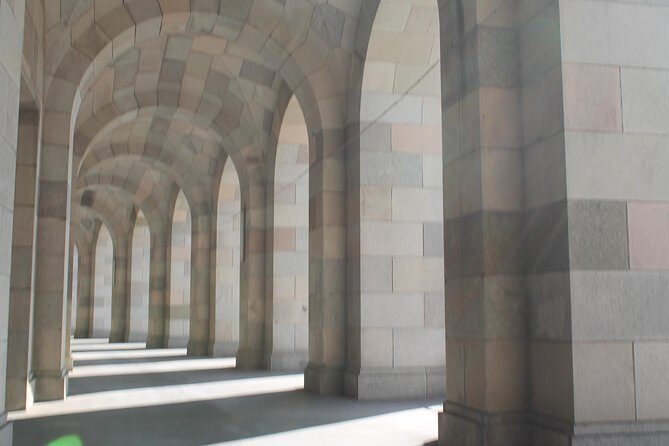
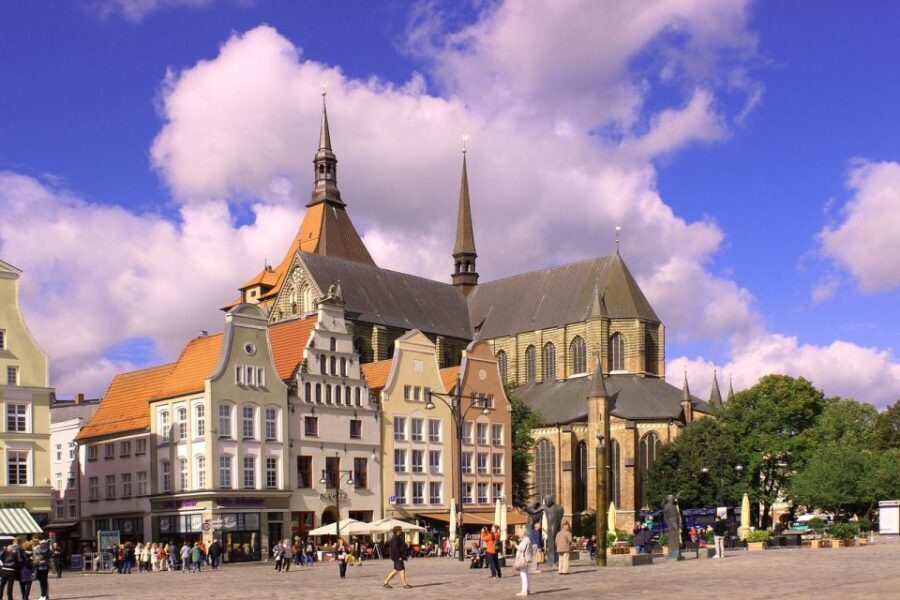
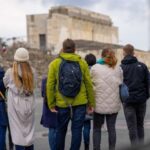
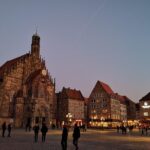
You start at Hauptmarkt 14, 90403 Nürnberg, right at 10:45 am. The meeting point matters because it’s central and easy to orient yourself, especially if you’re pairing this with a morning in the city.
From there, the transfer to Campo Zeppelin happens by public transport. The tour specifically recommends having a transport ticket in Preisstufe A. The info provided lists 3.20 euros per section, which is your baseline to plan for transit costs on top of the tour price.
In the real world, this kind of guided public-transport transfer is a big help. You get pointed in the right direction and you avoid the common tourist problem of standing at a station with half-deciphered schedules. A few people also noted that their guide helped them sort out the bus tickets, which is the kind of small support that makes a short tour feel effortless.
The good news: the meeting area is near public transportation, so you’re not stuck figuring out remote links. The tour also keeps the group size reasonable—up to 30 travelers—so you’re not fighting a crowd for hearing what the guide says.
The Nazi rally-ground layout: tribune, Coliseum pavilion, Field of Mars
This is the core of the experience. The guide leads you through the Zeppelin Field area and explains the propaganda project as a whole, not as random stops.
The tribune and the idea of command from above
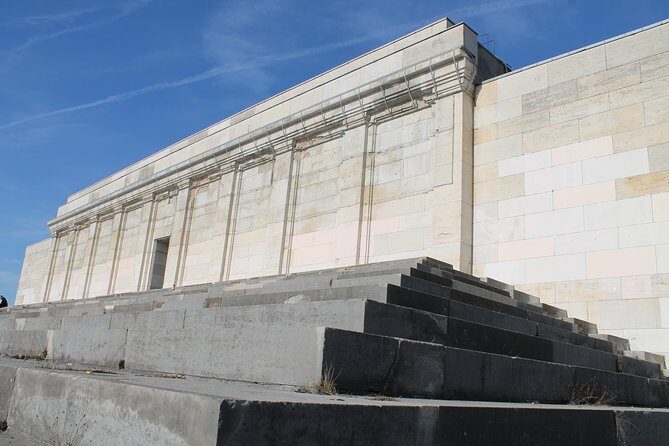
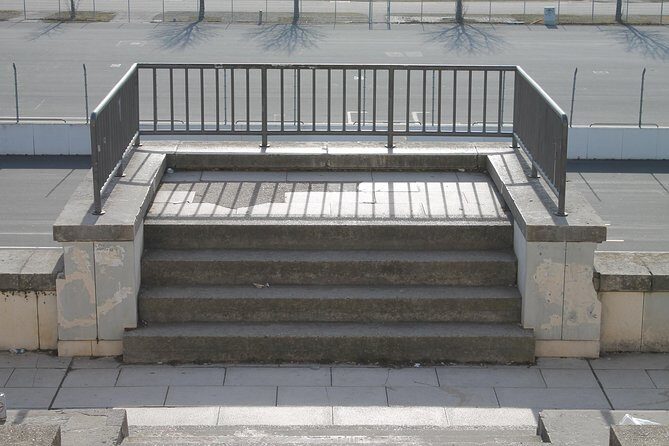
A key focus is the tribune—the point from which Hitler delivered speeches. Even if you’ve seen photos online, the site makes you understand why the location mattered. The speeches weren’t just communication. They were part of a whole performance system where scale and sightlines were designed to make the audience feel dominated.
The Coliseum-style pavilion that never finished
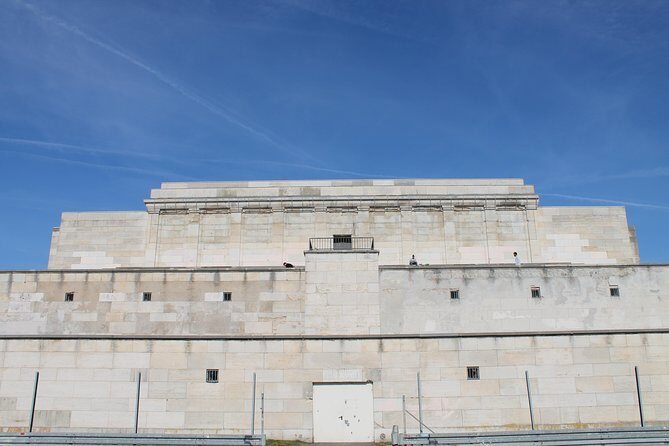
Nearby you’ll hear about the so-called Coliseum, a pavilion meant to imitate a Roman building. The idea was to borrow Rome’s symbolism—power, authority, empire imagery—but it wasn’t completed because the project was overtaken by events. That unfinished status is one of the most telling details you’ll likely pick up on: propaganda projects have momentum, until history interrupts them.
Even though you may not spend time inside anything here, the explanation gives the structure meaning. You’re not looking at empty space; you’re looking at an ambition that ran into reality.
Field of Mars and staged military energy
Another important area is the Field of Mars, where military games were used to exalt the combative spirit. That phrase sounds abstract until you hear how it fit into the broader congress rhythm. The aim wasn’t entertainment. It was conditioning—turning politics into a staged emotion loop for crowds.
When you stand in the vicinity, the guide helps connect the physical setting with what the Nazis wanted people to feel and do.
Grand Avenue: the “parade system” connecting it all
The whole complex was tied together by a Grand Avenue, described as the central connector between buildings. Think of it like the backbone of a processional route. Even if you’re not walking every segment, the explanation helps you understand why the avenue concept was so important: it’s how you engineer movement, attention, and spectacle in one direction.
This is one of the best parts of the tour if you care about design and human behavior. It teaches you how space can be used as a tool.
What makes the guiding style matter (Fede and the Spanish flow)
Plenty of history tours list facts. This one tries to make the facts usable by talking through what you’re seeing as you see it.
In the reviews, Federico is repeatedly praised—often shortened to Fede—for being detailed and friendly, and for turning the visit into something people describe as funny or amusing where possible. That matters more than it sounds. You’re dealing with a heavy subject, so a guide who can keep the story clear without making it chaotic helps you actually process what you’re learning.
A few people also highlighted that the tour felt dynamic even when the weather wasn’t great. So if you’re the kind of traveler who worries that “outdoor history tours” always become stiff and miserable, this is a good sign. The structure is tight—so you don’t waste time waiting around.
Another practical plus: the tour is in Spanish, which is a big deal if you want context rather than just dates. A quick tour can still feel meaningful when the language is right.
Price and logistics: what you pay, what you add
The listed price is $20.14 per person. For a guided, Spanish-led interpretation of a major Nuremberg landmark area, that’s pretty reasonable—especially because the experience includes a face-to-face guide.
But here’s the key value math:
- You’ll pay the tour price for the guided experience.
- You’ll likely add public transport using Preisstufe A, which is listed at 3.20 euros per section.
- You’ll pay separately if you want entrance to the Doku Zentrum, since it isn’t included.
This is the part to get right so there are no surprises. If you’re happy with an exterior-focused visit and understanding the rally-ground layout, the tour price feels like it does its job. If you’re hoping to spend a lot of time inside the documentation center, plan extra time and money—because this tour won’t cover that admission.
Also note: the tour duration is listed as 15 minutes (approx.). That tells you what to expect: a short, focused experience. You won’t leave with a deep museum-level education unless you add more on your own. You will, however, leave with a stronger sense of what these spaces were designed to do.
Timing, weather, and comfort tips for a smoother visit
This experience runs with a fixed start time at 10:45 am, and it ends back at the same meeting point. Since it depends on good weather, it’s smart to dress like you’ll be outside for at least part of the visit. If weather turns, the tour can be adjusted or refunded, based on the provider’s rules.
On comfort: the tour calls for moderate physical fitness. That doesn’t mean athletic training is required, but it does mean you should expect walking and standing. Wear shoes you trust on pavement and keep water in your day plan.
Group size is capped at 30 travelers, which helps. You can still hear the guide and see what’s going on without feeling like you’re part of a school bus full of people.
Best for: who will enjoy it most
I think this tour is a good fit if you:
- Want Spanish guidance for the Zeppelin Field area
- Have limited time in Nuremberg and want a quick, guided orientation
- Like history told through place-based explanations (how the space was used)
- Appreciate guides who make the experience understandable and engaging, like the Federico/Fede style described in reviews
It’s also a solid second stop after a city walk. Several people discussed doing a Nuremberg center tour and then combining it with the Zeppelin Field visit, which can give you a more complete sense of the city’s story.
Should you book the Camp Zeppelin tour in Spanish?
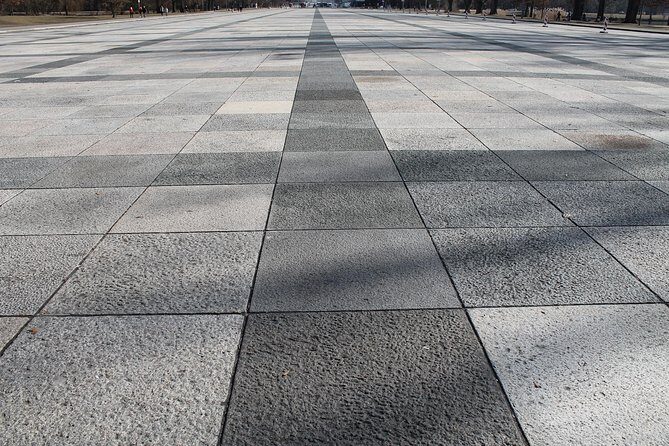
If your goal is a short, guided, Spanish explanation of the key rally-ground locations, I’d book it. For the price, you get exactly what you want from a quick tour: a guide on-site connecting the tribune, the unfinished Coliseum-like pavilion, the Field of Mars, and the Grand Avenue concept into one story you can actually picture.
Skip it only if you know you want museum time inside the documentation center. Since Doku Zentrum entrance isn’t included, you’d be better off pairing this with another activity or building more time into your day.
And if you’re sensitive to difficult history, go in with clear expectations: this isn’t sightseeing in the relaxing sense. It’s a structured look at how power was staged. Done with the right guide, that context can still be genuinely worthwhile.
FAQ
What language is the tour offered in?
This experience is the Camp Zeppelin tour in Spanish.
Where do we meet, and what time does the tour start?
You meet at Hauptmarkt 14, 90403 Nürnberg, Germany. The start time is 10:45 am.
How long is the tour?
The duration is listed as 15 minutes (approx.).
Is entrance to the Doku Zentrum included?
No. Entrance to the Doku Zentrum is not included.
How do we get from Nuremberg to Campo Zeppelin?
The transfer is done by public transport. The tour recommends a ticket in Preisstufe A, priced at 3.20 euros per section.
Is the tour dependent on weather?
Yes. The experience requires good weather. If it’s canceled due to poor weather, you’ll be offered a different date or a full refund.
Is there a limit on group size?
Yes. The tour has a maximum of 30 travelers.