REVIEW · MUNICH
Munich: Old Town & Viktualienmarkt City Walk in German
Book on GetYourGuide →Operated by Munich Walk Tours · Bookable on GetYourGuide
Munich has a habit of hiding big meaning in plain streets. This Munich Old Town & Viktualienmarkt City Walk in German is a tight, good-value loop that connects the landmarks around Marienplatz to the real everyday pulse of Viktualienmarkt, with a guide who tells the story in an easy, entertaining way. I like how the guided format turns famous sights into something you actually understand, and I like that Viktualienmarkt gives you a chance to slow down at beer-garden tables or shop the stalls. One drawback: the tour is only available in German, so you’ll want at least comfortable basic comprehension.
You’ll start at Marienplatz, right outside the tourist information point in the Gothic Town Hall area, then work through central Munich on foot for about 90 minutes. The pace is designed to keep moving, but not rush, and it’s wheelchair accessible. If you’re the type who hates long museum days and prefers street-level context, this is the kind of walk that works.
In This Review
- Key highlights you’ll feel right away
- Why this 1.5-hour Munich walk is such a smart use of your time
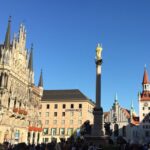
- Marienplatz start: Gothic Town Hall area and the center of Munich
- Frauenkirche and Theatine Church: learning the city through its churches
- Staatliches Hofbräuhaus brewery: beer culture with real place-based context
- The shopping pulse: Fünf Höfe, Dallmayr, and Schuhbeck’s
- Odeonsplatz and the walk that links everything together
- Viktualienmarkt: where you slow down, snack if you want, and watch Munich live
- What the best guides do here, and why it matters
- Price and value: is $23 fair for a guided Munich walk?
- Logistics to plan for: German-only, no video, and how walking fits a trip
- Who should book this walk, and who might skip it
- Should you book the Munich Old Town & Viktualienmarkt City Walk?
- FAQ
- What is the duration of the Munich Old Town & Viktualienmarkt city walk?
- Where does the tour meet?
- What’s included in the price?
- Is food or beer included?
- Is the tour available in English?
- Can I record video during the tour?
Key highlights you’ll feel right away
- Marienplatz orientation that helps the rest of Munich click into place
- Frauenkirche and Theatine Church as more than postcard stops
- Staatliches Hofbräuhaus brewery visit with beer-culture context
- Fünf Höfe, Dallmayr, and Schuhbeck’s for a taste of modern city life
- Viktualienmarkt with beer-garden time and stall browsing freedom
Why this 1.5-hour Munich walk is such a smart use of your time
A lot of Munich tours try to do too much. This one keeps it focused: old-town landmarks, a brewery stop, and then the city’s market scene at Viktualienmarkt. In 1.5 hours, you get enough structure to understand where you are, plus enough freedom at the end to follow your own interests for a bit.
The price also makes sense for what you get. At about $23 per person, you’re paying for a German-speaking guide and a guided route through the busiest core. You’re not paying for transport, food, or extra add-ons. That keeps the experience simple: show up, walk, learn, and then spend your own money only if you want something at the market.
You can also read our reviews of more walking tours in Munich

Marienplatz start: Gothic Town Hall area and the center of Munich
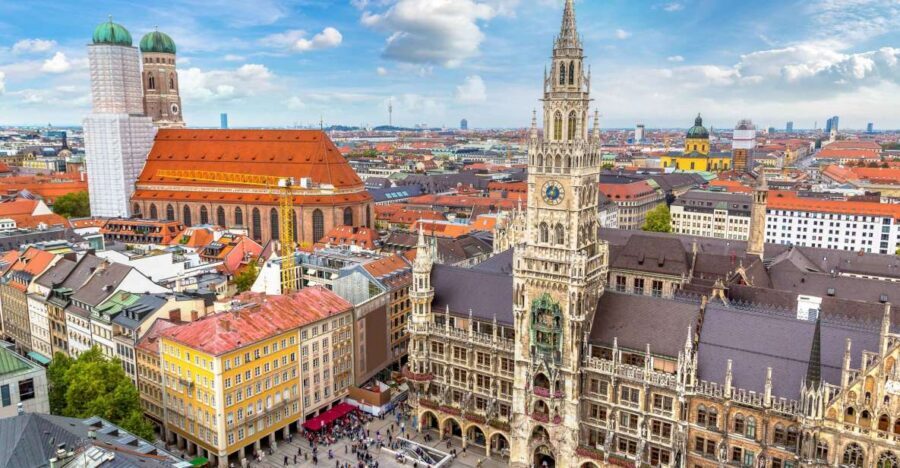
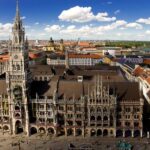
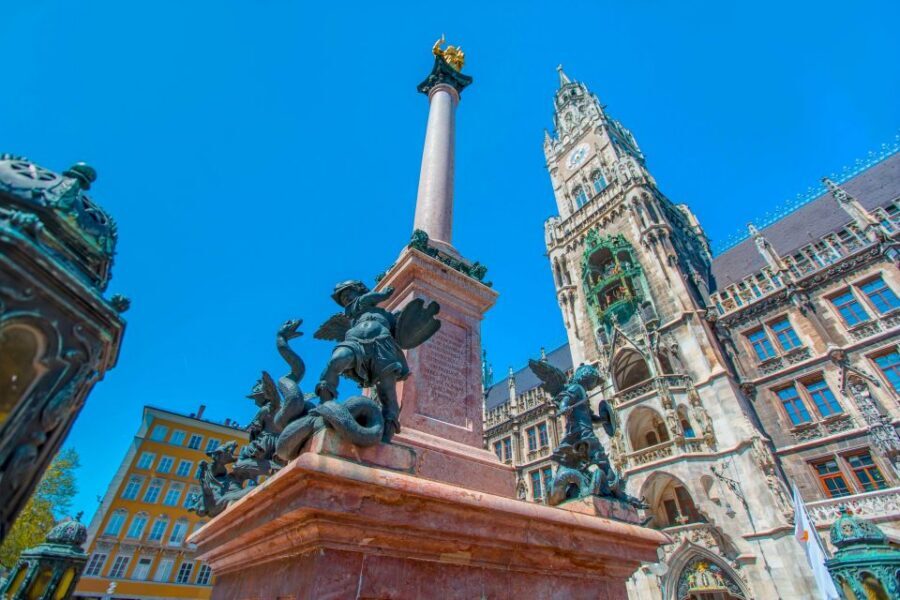
Your tour begins at Marienplatz, right in front of the tourist information point near the Gothic Town Hall. That’s a smart choice because Marienplatz is the kind of place you’ll pass again and again during your trip, even if you don’t plan to.
As soon as you start, the guide’s job is to help you orient. Instead of reciting dates nonstop, you’ll get the “why” behind the buildings and how the city’s central space shaped daily life. This is also where the tone gets set. On this kind of walk, a good guide can make a rainy day feel like part of the adventure. I like that the structure stays the same even when weather isn’t cooperating.
Frauenkirche and Theatine Church: learning the city through its churches
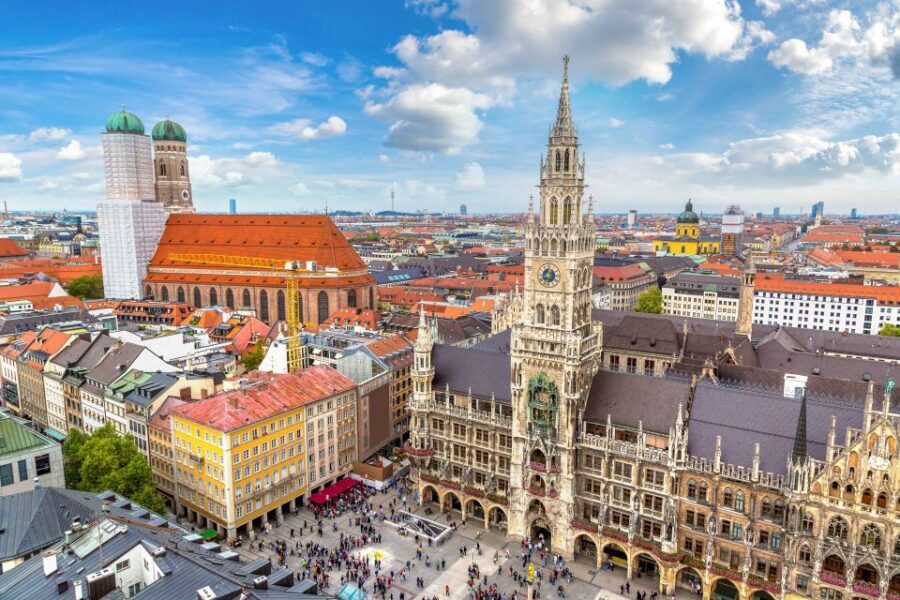
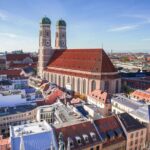
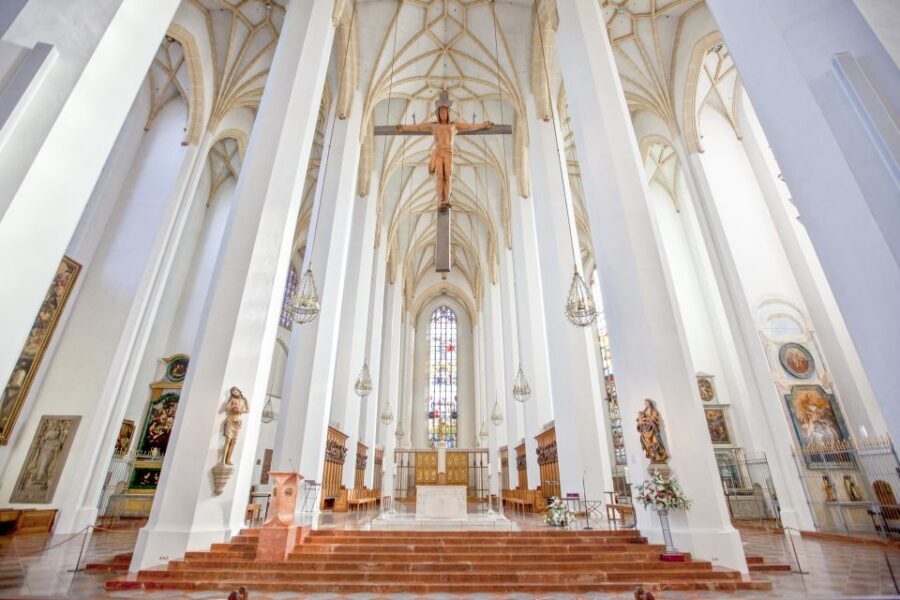
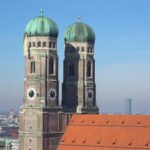
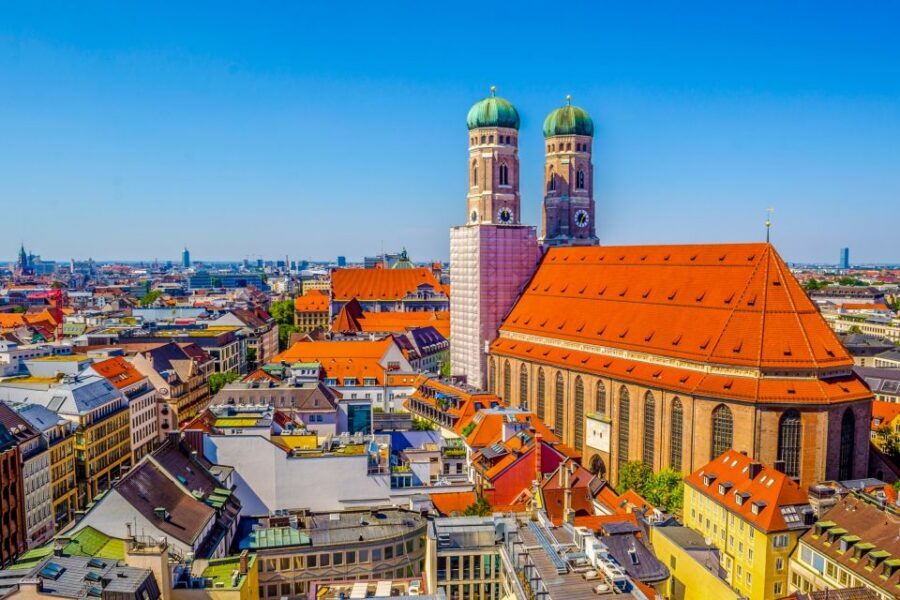
From Marienplatz, you head to Frauenkirche, Munich’s cathedral stop on this route. You’re not visiting it like a checklist item. The point here is context: how it fits into Bavaria’s state-capital story and why these religious landmarks matter to the way Munich looks and feels.
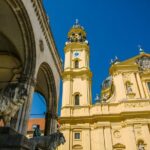
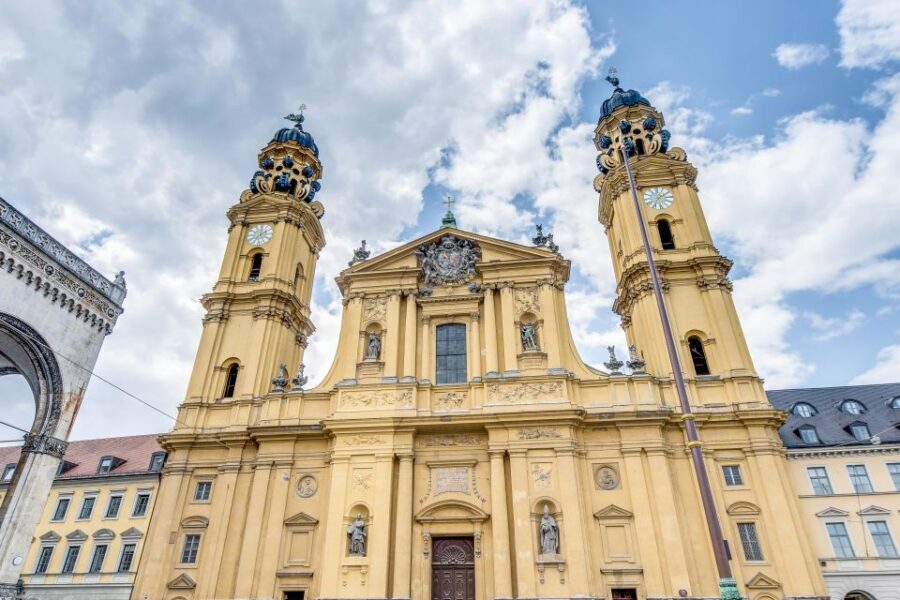
Then you move on to the Theatine Church. This stop matters because it balances the big, iconic cathedral with another key church presence in the old center. When you see them as part of one guided story, you start noticing patterns in the city: different eras, different styles, and the way Munich communicates identity through architecture.
Staatliches Hofbräuhaus brewery: beer culture with real place-based context
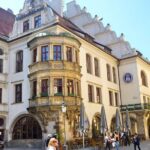
A lot of people go to Munich for beer. Fewer people understand why beer is woven into the city’s rhythm. That’s where the Staatliches Hofbräuhaus brewery stop earns its spot on the itinerary.
Even without turning this into a long food or drink experience, a brewery stop gives you an anchor. You’re standing where beer culture isn’t just a concept; it’s a physical location with a role in Munich life. The guide adds the connections—stories and anecdotes that help you read the city like a timeline rather than separate attractions.
Practical tip: since food and drinks aren’t included, come with a plan. If you want a beer or snack later, save it for Viktualienmarkt’s relaxed market atmosphere where you can choose exactly what you feel like.
The shopping pulse: Fünf Höfe, Dallmayr, and Schuhbeck’s
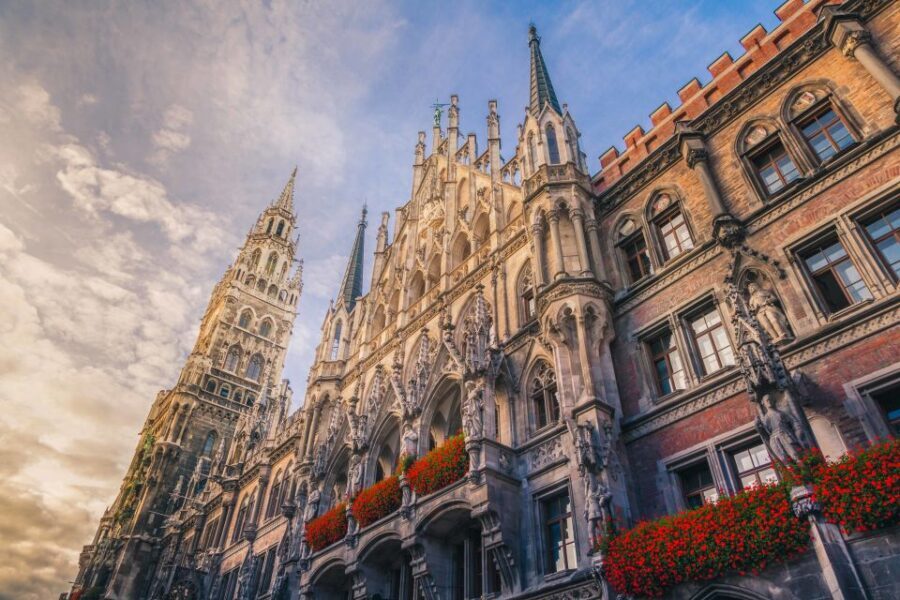
One of the more interesting parts of this walk is the shift from old-town landmarks to everyday city life. You’ll pass by Fünf Höfe shopping mall, Dallmayr, and Schuhbeck’s restaurant, plus you’ll stroll across Odeonsplatz.
Why include this? Because Munich isn’t just old stone and churches. The city’s center also shows how people eat, shop, and socialize today. Even if you’re not a big shopper, these stops help you understand what’s active and modern right alongside the historic core.
There’s also value in the route logic. You’re not asked to commit to shopping. The guide simply uses these places as reference points, so when you’re walking around on your own later, the city feels less like a maze.
You can also read our reviews of more city tours in Munich

Odeonsplatz and the walk that links everything together
Odeonsplatz sits in the middle of the route as a kind of connective tissue. It’s the place where you feel the walk turning from landmark viewing into city wandering—still guided, but now with your attention on the streets, the flow of people, and the changing mix of sights.
This is where you often notice the real benefit of having a guide. Instead of you guessing what’s important, the guide keeps pointing you toward meaning. Munich starts to feel navigable, not overwhelming.
Viktualienmarkt: where you slow down, snack if you want, and watch Munich live
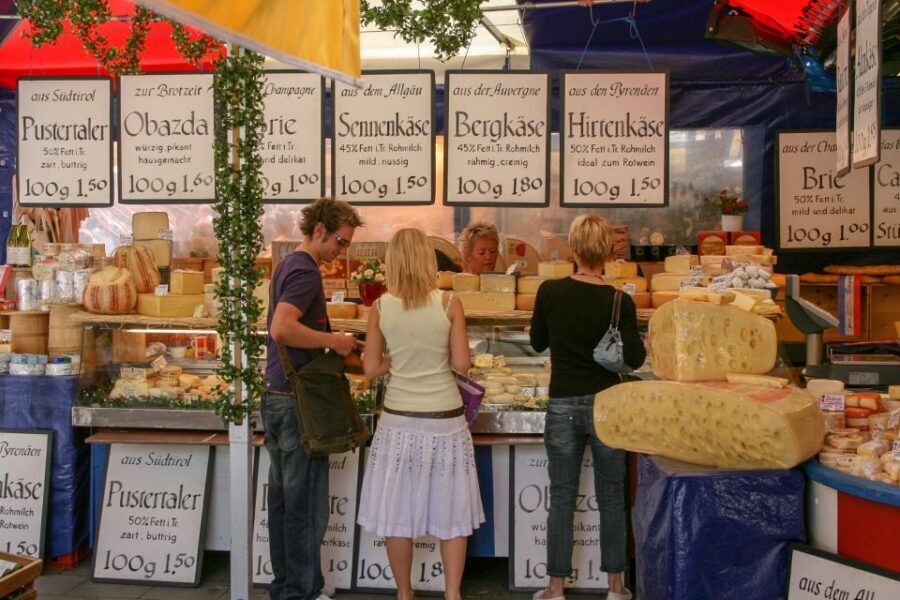
The final big stop is the famous Viktualienmarkt. This is where the tour’s mix of sightseeing and atmosphere really pays off.
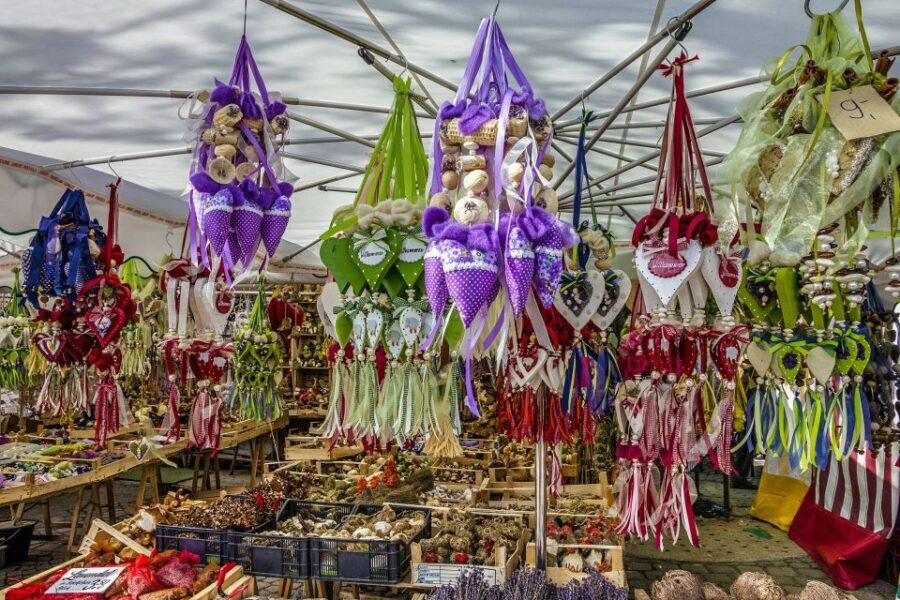
The market is your decompression zone. You can relax in a typical beer garden setting, or just stroll past the stalls. You’ll see the kind of stalls that make markets fun to browse even when you don’t buy much: flowers, cheese, spices, and other produce.
What I like about this part of the tour is that it respects how people travel. Not everyone wants the same finale. Some people want to sit down with a drink. Others want to wander, take photos, and soak up the smells and colors. The guide doesn’t trap you in a single experience. You’re given time and freedom to choose.
Also, this is where the tour’s stories land best. After hearing context about the city, you’re no longer looking at buildings in isolation. You’re seeing Munich as a place where history and daily life overlap.
What the best guides do here, and why it matters
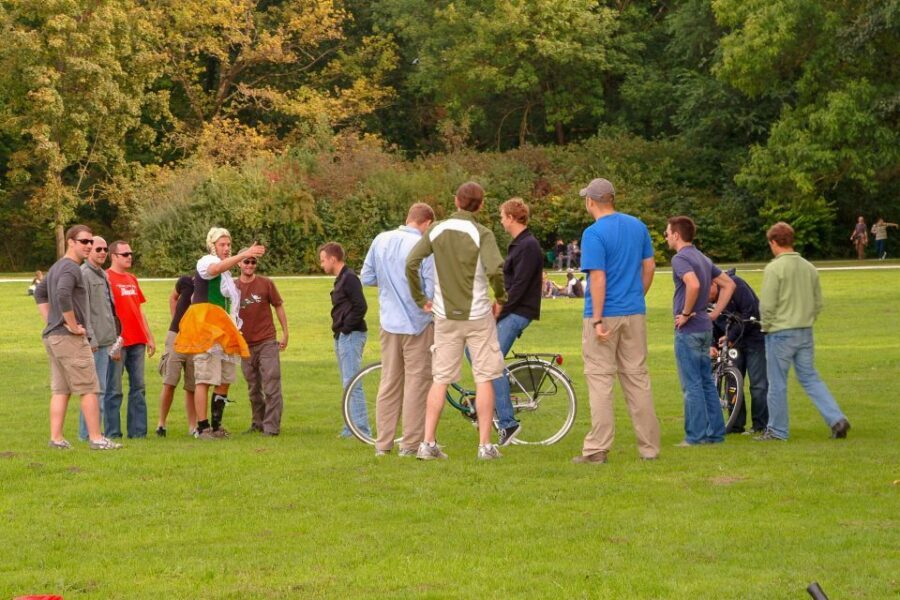
The standout praise for this tour centers on the guide experience: people consistently describe the guiding style as fun, enthusiastic, and clear—even when the weather turns unpleasant. One review credited Emanuela with bringing Munich’s story with heart and enthusiasm. Another highlighted Alexandra for explaining old and newer history in a lively way.
This matters because a city walk lives or dies by the human element. If your guide can keep the group engaged and make the route feel like a story you’re part of, you leave with the kind of understanding that sticks. The fact that the group energy can hold up in rain is a practical win too. No one wants to be cold and bored for 90 minutes.
And there’s a bonus possibility that shows up in the feedback: if a group size changes, the guide can end up giving you more personal attention than you expected.
Price and value: is $23 fair for a guided Munich walk?
At $23 per person for a 1.5-hour German city walk, you’re basically paying for:
- A route that hits high-demand central sights
- A guide who explains the connections, not just the names
- Time to enjoy Viktualienmarkt on your own terms afterward
Food and drinks are not included, so you avoid hidden costs, and you can decide how much you want to spend. Transfers aren’t included either, which is normal for a walking tour starting in the heart of Munich. For most people, the biggest “cost” is simply showing up at the meeting point ready to walk.
Overall, this feels like good value if you want guided orientation plus a satisfying ending without turning the day into an all-day project.
Logistics to plan for: German-only, no video, and how walking fits a trip
A few practical notes can help you enjoy this more from the start:
- The tour is only available in German, and the guide speaks German. If you’re not comfortable with the language, you’ll likely miss a lot of the story element.
- Video recording isn’t allowed, so you’ll rely on photos and memory.
- Expect walking for about 1.5 hours, centered on Munich’s old core and market area.
- It’s wheelchair accessible, but you still have to be prepared for outdoor walking routes and terrain that can vary.
If rain shows up, don’t assume it kills the fun. Strong guiding makes a difference, and the route is short enough that bad weather rarely becomes a disaster.
Who should book this walk, and who might skip it
This tour is a great fit if you:
- Want an efficient way to understand central Munich in about 90 minutes
- Enjoy walking tours where the guide tells stories and adds meaning
- Like the idea of ending at a market where you can relax and choose your own pace
You might consider skipping it if:
- You need an English-only tour (this one is German only)
- You don’t want any guided component and prefer totally independent sightseeing
Should you book the Munich Old Town & Viktualienmarkt City Walk?
If you’re in Munich for just a few days, or you want one smart “orientation” activity that still feels fun, I’d book this. You get major landmarks like Marienplatz and Frauenkirche, a brewery stop with beer-culture context, and then a genuinely enjoyable payoff at Viktualienmarkt where you can slow down.
The main deciding factor is language. If German is workable for you, this is a high-value, story-driven city walk with a strong track record for engaging guides.
FAQ
What is the duration of the Munich Old Town & Viktualienmarkt city walk?
The tour lasts about 1.5 hours.
Where does the tour meet?
It meets at Marienplatz, right in front of the tourist information point in the Gothic Town Hall area.
What’s included in the price?
The tour includes a guided city walking tour and a German-speaking guide.
Is food or beer included?
No. Food and drinks are not included.
Is the tour available in English?
No. This tour is only available in German.
Can I record video during the tour?
No. Video recording isn’t allowed.