REVIEW · MUNICH
Munich: Third Reich & WWII Walking Tour
Book on GetYourGuide →Operated by Munich Walk Tours · Bookable on GetYourGuide
Munich’s dark turning point starts here. This 2.5-hour walk follows how a movement took root in Bavaria’s capital, from early mass meetings at the Hofbräuhaus to the staged politics around Königsplatz.
I love the way you’re shown cause and effect in real locations, not just dates in a textbook. You also get a clear thread from Nazism’s origins to the wider damage that followed across Germany.
The second reason I recommend it: you don’t end on only propaganda-era monuments. The Hofgarten stop ties in the White Rose Resistance Movement, which gives the story a moral counterweight. One consideration: the tour is long enough that weather matters—bring good walking shoes and plan for being outside for most of the experience.
In This Review
- Key highlights worth timing your day for
- Munich’s Third Reich story isn’t abstract here
- Hofbräuhaus: where early attention turned into a movement
- Feldherrnhalle: when Munich watched power fail (and learn)
- Königsplatz: party rallies as ideology in architecture
- The Hofgarten stop and the White Rose Resistance Movement
- How long is it, and what pace should you plan for?
- What $31 gets you: value in a hard-to-get story
- Best fit: who should take this Munich WWII walking tour?
- Should you book this Munich Third Reich & WWII Walking Tour?
- FAQ
- FAQ
- How long is the Munich Third Reich & WWII Walking Tour?
- How much does the tour cost?
- Where does the tour take place?
- What are the main stops on the walking route?
- What language is the guide?
- Is the tour wheelchair accessible?
- Is there a private group option?
- What should I bring?
- Where is the meeting point?
- Is there free cancellation and a pay-later option?
Key highlights worth timing your day for
- Hofbräuhaus as the starting signal: where early mass meetings helped turn attention into momentum
- Feldherrnhalle and the failed power grab: a dramatic checkpoint for how close things came to changing history
- Königsplatz as party-stage architecture: rallies and ideology showed up in the city’s geometry
- Hofgarten and the White Rose thread: resistance enters the route, not just dictatorship
- A live guide you can actually hear: many guides are praised for clear delivery, even in cold conditions
Munich’s Third Reich story isn’t abstract here
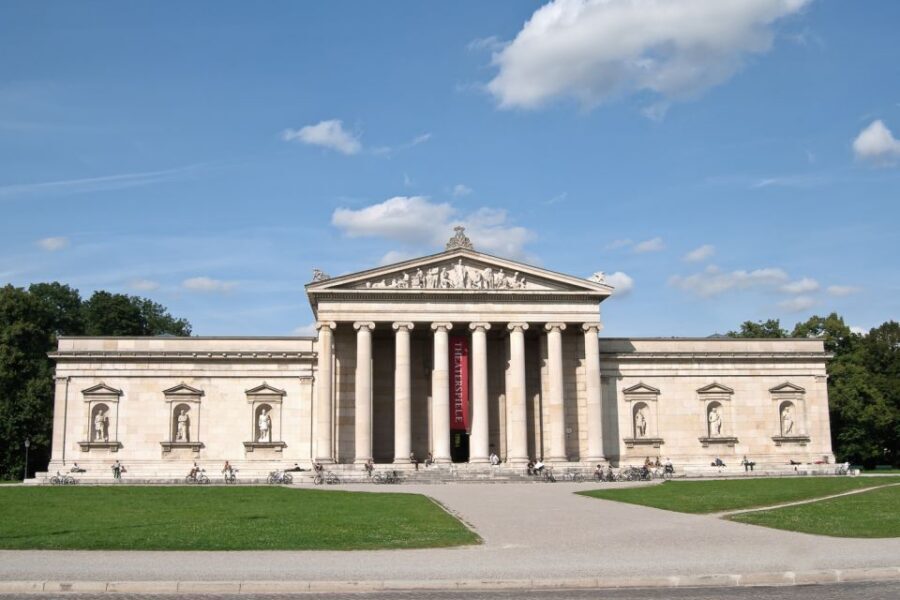
If you’ve only seen WWII history in museums, this tour hits differently. You walk through parts of Munich that helped legitimize power and helped normalize an ideology. That’s the value: you see how public spaces can shape public thinking—sometimes faster than people realize.
I also like the tour’s time frame. It starts with the post–World War I mess—Germany humiliated, Bavaria politically volatile, and Munich experiencing chaos and instability. From there, you get the logic behind how Nazism grew: not as a sudden monster, but as an organized movement feeding on fear, anger, and grievance.
And yes, the subject is heavy. The goal isn’t shock; it’s clarity and context.
You can also read our reviews of more walking tours in Munich
Hofbräuhaus: where early attention turned into a movement
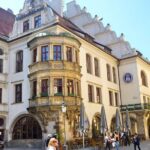
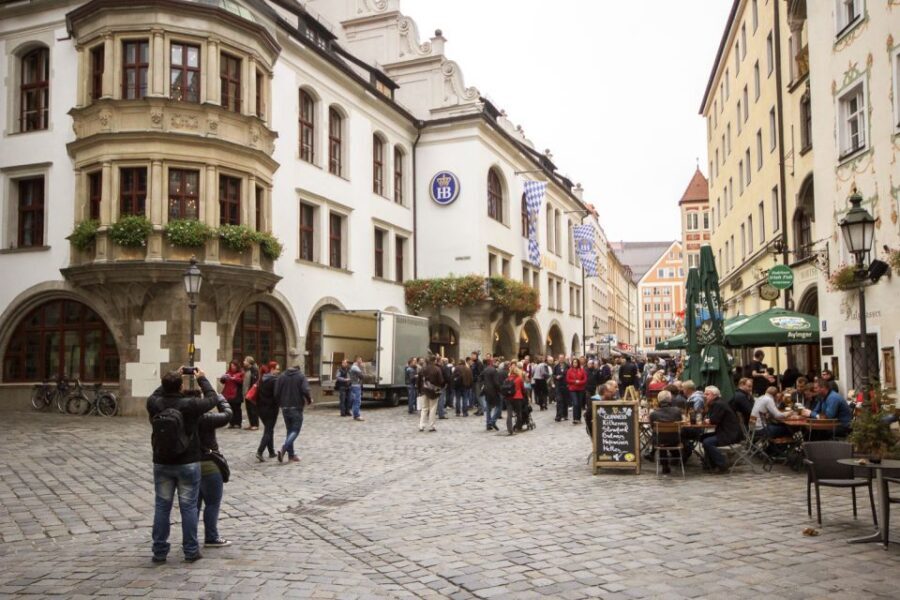
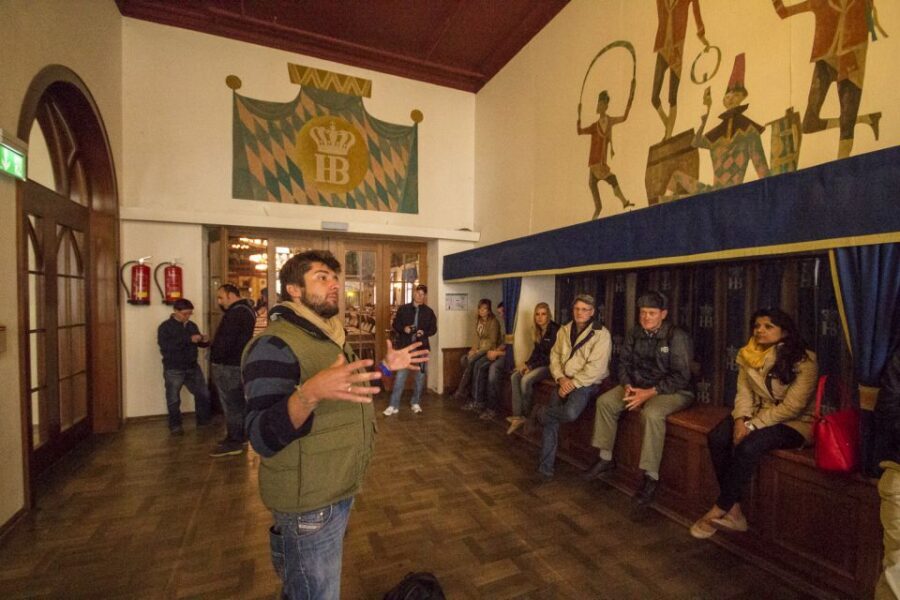
Your walk begins in the orbit of the Hofbräuhaus, Munich’s famous beer hall, but the focus isn’t drinks. This is treated as a launch pad for early mass meetings, a place where ideas spread beyond closed circles. You’ll learn how a local stage could pull people in, build identity, and make the movement feel bigger than its leaders.
What I find useful here is the framing. You’re not just told that Hitler rose—you’re shown the machinery: public events, crowd energy, and messaging that made supporters feel they were part of something inevitable. You’ll also hear how Germany’s post-war pressure cooker helped people accept extreme solutions.
If you come from a modern world where political campaigns look polished on screens, this stop explains the older version: physical presence, loud persuasion, and direct signaling in everyday places people already trusted as social centers.
Feldherrnhalle: when Munich watched power fail (and learn)
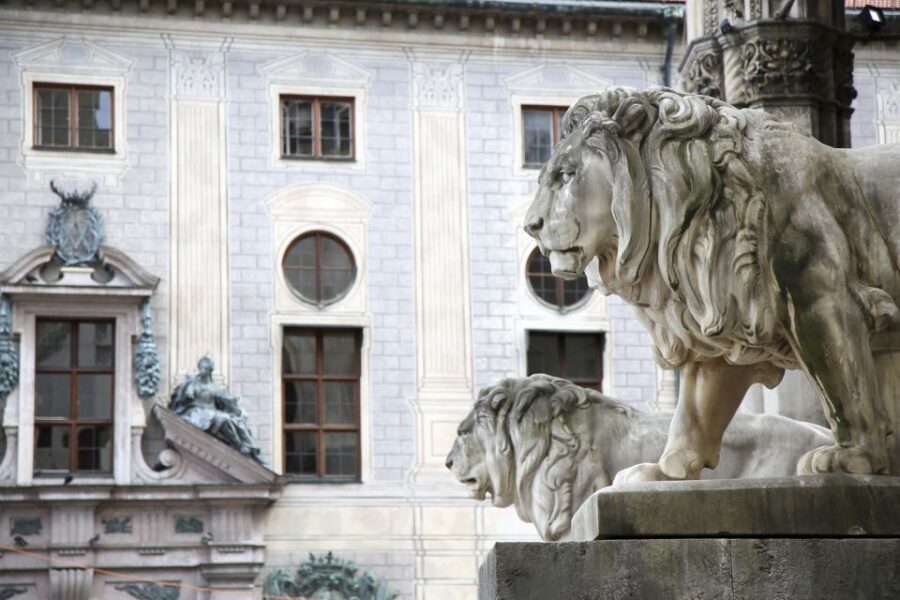
Next comes the Feldherrnhalle area, tied to a failed attempt to seize power. This part of the tour matters because it shows how failure can still produce political growth. Even when plans fall apart, the event can harden the movement’s myth, recruit new followers, and make authorities look weak—or make supporters feel proven right.
I like how this stop helps you connect belief to action. Nazism wasn’t only propaganda; it tried to convert momentum into control. Understanding that push helps you see why later steps weren’t random. They were part of a trajectory.
There’s also a practical angle. This stretch tends to be memorable because the city space feels ceremonial, so your guide can point out how symbolism and spectacle worked. When you later see party-era imagery in books, it will feel less like history at a distance and more like something that once stood in front of people.
Königsplatz: party rallies as ideology in architecture
Königsplatz is where the story gets very visual. You’re walking into a space that helped turn political gatherings into performances. Your guide explains how party rallies were staged, and why the design of public squares can make crowds feel unified and ideas feel official.
This is one of the tour’s strongest value points if you like “how it worked” history. You’ll hear how Nazi messaging depended on atmosphere: mass presence, disciplined rhetoric, and memorable backdrops. The city didn’t just host events—it helped make them look important.
I also appreciate that this stop helps you understand the seduction of order. Even when you know the outcome, it’s still chilling to see how easily people can be steered by the combination of spectacle and certainty. That’s where the tour’s sensitivity matters. The story is told with seriousness, not thrills.
The Hofgarten stop and the White Rose Resistance Movement
Half the point of this tour is that it refuses to end in only one moral direction. You’ll walk to the Hofgarten and talk about the White Rose Resistance Movement, a key thread showing that opposition existed within Germany.
This stop gives you something practical for your own thinking. It separates the idea of “the system” from the reality of individual choices. The White Rose story is presented as resistance, not as a footnote—so you leave with a sense that courage was possible, even when dictatorship tried to erase dissent.
I like routes like this because they keep history honest. Dictatorships rely on silence. Showing resistance in the same city landscape reminds you that not everyone agreed, and not everyone complied.

How long is it, and what pace should you plan for?
The tour is listed as 2.5 hours, or about 165 minutes. That’s long enough to feel like you’ve covered ground, but short enough to keep it from turning into a marathon lecture.
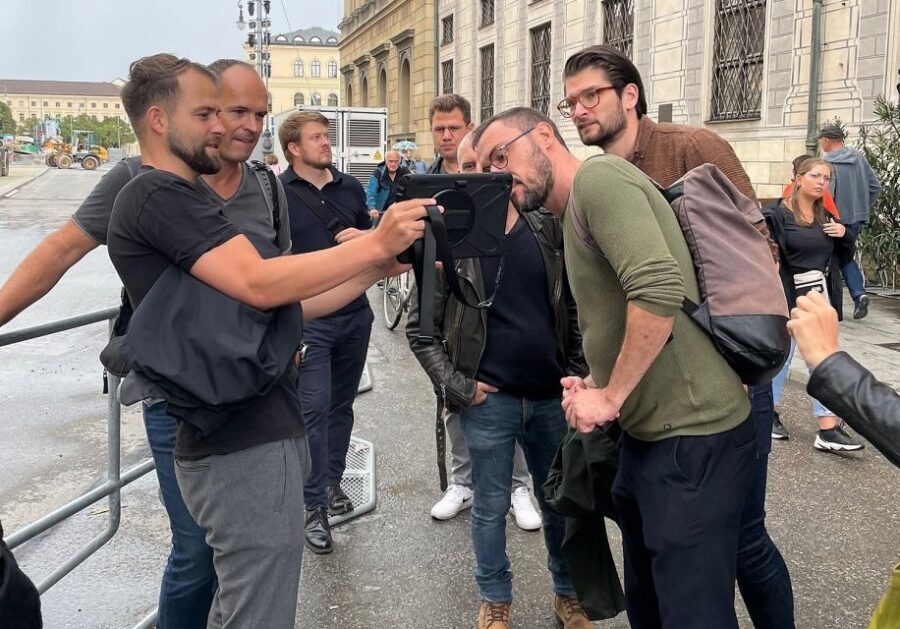
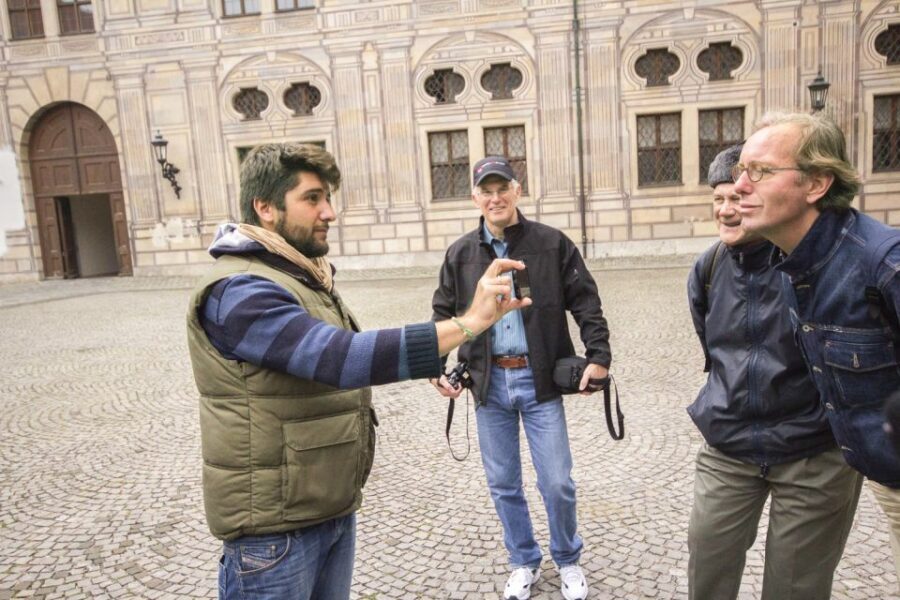
From the style of the guides, the experience seems built around frequent stopping points and clear voice. Many guides named in feedback—Michael, Steve, Steve Le, Alex, Florian, Brigit Muller, Aileen, Ulrich, Josh, and Danielle—are praised for being engaged and for keeping people able to follow along in real outdoor conditions. That matters because streets and squares can swallow sound, especially in cold weather.
What you should do: wear comfortable shoes and keep layers in mind. You’ll be walking a fair bit, and the city corners tied to this era aren’t always sheltered. If you’re sensitive to standing outside, plan to arrive early enough to settle in and not rush.
What $31 gets you: value in a hard-to-get story
At $31 per person for roughly 2.5 hours, the value is about focus. You’re not paying for a big bus ride or a lineup of unrelated stops. You’re paying for a guided walk that connects origin points, key locations, and resistance history in one coherent route.
You also get live guiding in English or German. In a topic like this, the ability to ask questions matters, especially when you’re trying to understand how ideology and politics translated into concrete actions.
One more value point: the tour is designed to cover major sites tied to Nazism’s early rise in Munich. Instead of piecing together information from scattered plaques and separate museum stops, you get a narrative that ties Hofbräuhaus, Feldherrnhalle, and Königsplatz together with the White Rose thread. That saves you time—and time is money when you’re in a city with limited days.
Best fit: who should take this Munich WWII walking tour?
This tour fits you well if you want history grounded in place. If you like walking tours but you also care about accuracy and clear context, this one gives both.
It’s also a good match if you’re traveling with curious friends or teens who can handle serious topics. Several guides are described as respectful with strong pacing, plus there’s an emphasis on understanding the impact of the era, not just collecting sights.
If you want a light or purely scenic walking day, this isn’t it. It’s a guided walk through one of the darkest chapters connected to Munich, so bring emotional readiness. The payoff is clarity and context you can carry beyond the tour.
Should you book this Munich Third Reich & WWII Walking Tour?
I’d book it if you want a focused, guided route that explains how Nazism took shape in Munich—starting at early mass-meeting sites and moving through key symbolic locations. The White Rose stop adds balance in a way that makes the story more complete.
Skip it if you’re not up for a heavy topic, or if you know you struggle with long outdoor walks. In that case, you might prefer a museum-based experience where you can pause more easily.
Overall, for the price and the 165-minute runtime, it’s strong value: you get named places, a connected storyline, and a live guide who helps you make sense of how public spaces can be used to move history.
FAQ
FAQ
How long is the Munich Third Reich & WWII Walking Tour?
It lasts about 2.5 hours, or 165 minutes.
How much does the tour cost?
The price is $31 per person.
Where does the tour take place?
It’s in Munich, in Bavaria, Germany.
What are the main stops on the walking route?
The tour highlights Hofbräuhaus, Feldherrnhalle, and Königsplatz, plus a stop at the Hofgarten related to the White Rose Resistance Movement.
What language is the guide?
The live guide is available in English and German.
Is the tour wheelchair accessible?
Yes, it’s listed as wheelchair accessible.
Is there a private group option?
Yes, a private group is available.
What should I bring?
Wear comfortable shoes.
Where is the meeting point?
The meeting point may vary depending on the option booked.
Is there free cancellation and a pay-later option?
Yes. You can cancel up to 24 hours in advance for a full refund, and there’s a reserve now & pay later option where you pay nothing today.