REVIEW · MUNICH
Schwabing: Insider Tour! Neighborhood, Revolt, Secrets in Munich’s Cult District
Book on GetYourGuide →Operated by Schwabinger Max | Begeisternde Stadtführungen in München und Schwabing · Bookable on GetYourGuide
Schwabing has a cult-level personality. I love the historical photos and cards that let you compare past and present right on the street, and I love hearing from Max, a native guide who drops Schwabing details like he grew up with them. The only real catch: the tour is in German, so non-German speakers should expect to follow by listening and picking up the big picture.
Meet at Münchner Freiheit, then start with a welcome drink at the Deubl Glas Cube before the walking time machine kicks in. You’ll move through Altschwabing from the artist-bohemia era to cabaret and then the party mile, with stops paced for real conversation. Expect all-weather walking for 1.5 to 3 hours, so bring shoes you don’t mind getting a little damp.
One of the smartest parts is how the guide plays with the bohemian myth: the stories can be funny, but he’ll also nudge you to not fall for the hype. This tour isn’t set up for kids under 12. For adults who like neighborhoods with personality, it’s a fun, focused way to understand Schwabing fast.
In This Review
- Quick take: what you’ll remember after Schwabinger Max
- Where the tour starts: Münchner Freiheit and the Deubl Glas Cube
- Altschwabing as a timeline you walk through
- The bohemian myths: fun stories, with a reality check
- Schwabinger 7, Crash, Drugstore: tracking the party scene with context
- Romantic farms near Munich’s famous mile: a surprising mood shift
- The secrets element: what you get beyond the obvious
- Price and value: is $27 per person worth it?
- Timing, walking pace, and what to wear in Munich weather
- Who this tour suits best
- Should you book Schwabinger Max?
- FAQ
- Where do I meet the guide?
- How long is the Schwabing insider tour?
- What language is the tour in?
- Is the tour walking only?
- Is a welcome drink included?
- Is food included during the tour?
- What should I wear?
- Is the tour suitable for children?
- What does the price cover?
- Can I cancel for a refund?
Quick take: what you’ll remember after Schwabinger Max
- Max’s Schwabing perspective: a native guide with anecdotes and answers on the spot
- On-street comparisons: historical photos and cards that match what you see now
- Deubl Glas Cube welcome drink: included to start the walk relaxed
- Bohemian, cabaret, party lore: Schwabinger 7, Crash, Drugstore show up as stories with context
- A calmer shift near Munich’s famous mile: romantic farms that break the nightlife mood
- All-weather walking: plan for rain, cold, and comfortable shoes
Where the tour starts: Münchner Freiheit and the Deubl Glas Cube
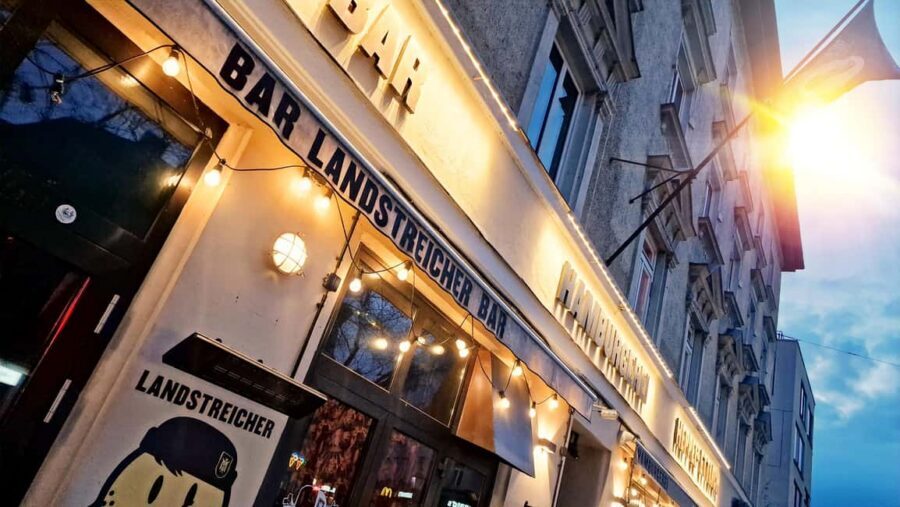
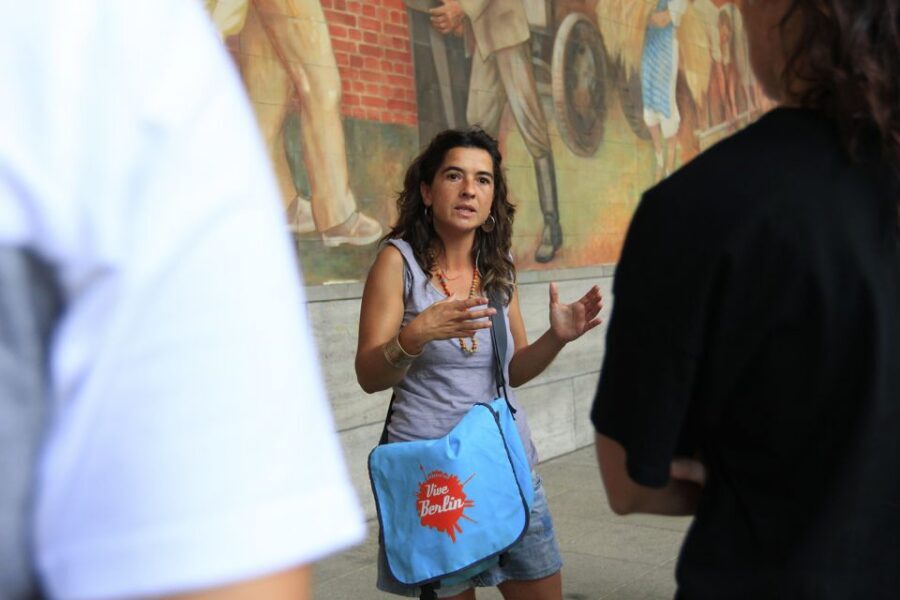
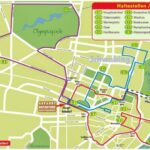
I like that this tour begins with something simple and practical: you meet at Münchner Freiheit at the Deubl Glas Cube. Specifically, you’ll find the guide in front of the 24h kiosk at the bus stop area for Münchner Freiheit. Max will be wearing a yellow shoulder bag, so you can spot him without a scavenger hunt.
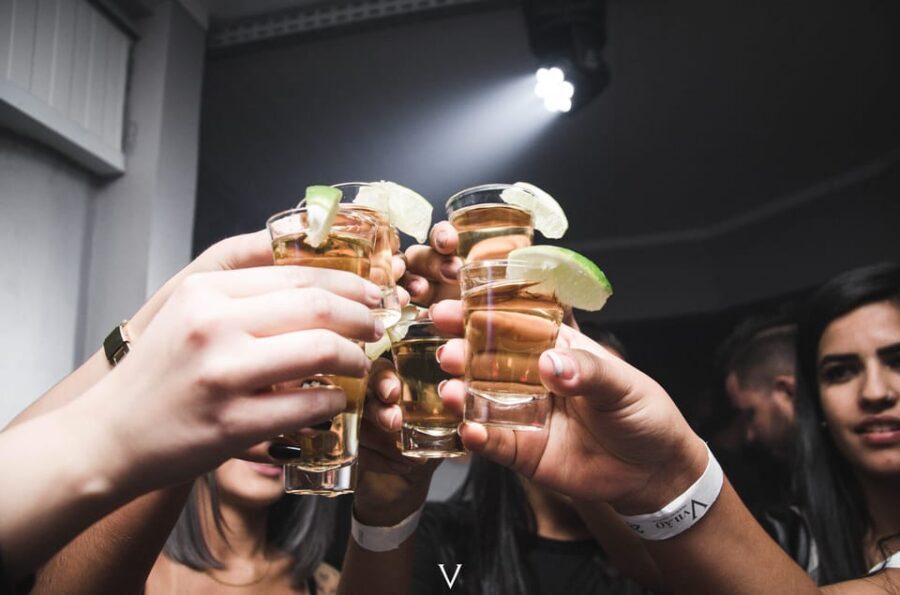
Before you even get moving, you get a welcome drink at the Deubl Glas Cube. It’s not just a nice perk. A drink at the start changes the tone. You’ll loosen up, get your bearings, and you’ll be more ready to pay attention once the stories turn more specific.
The Deubl Glas Cube location also matters because Münchner Freiheit is easy to reach. Schwabing can feel like a maze if you only arrive in “photo mode.” Starting here keeps the focus on walking the neighborhood in a clean line rather than jumping around on your own.
You can also read our reviews of more tours and experiences in Munich.



Altschwabing as a timeline you walk through
What makes this tour work isn’t a list of landmarks. It’s the way Schwabing is framed as a timeline. You start in Altschwabing, the heart and soul of Munich’s more creative district, and then the guide moves you through phases that changed the neighborhood’s attitude.
First, you’ll hear about Schwabing as artist-bohemia. This is the era of painters, poets, and free spirits who treated the area like a stage for ideas. The tone is often romantic, but the guide adds a reality check too. You’ll get the feeling that some stories were designed to sound better than life, which is exactly why the tour’s playful warning about bohemian hype fits so well.
Then you shift backward into village history. This part is useful even if you’ve never been to Munich. It reminds you that Schwabing didn’t start as a party mile. It started more quietly, like a community with its own pace. That context makes the later nightlife feel less random and more like an evolution.
After that comes the cabaret era, when Schwabing became a stronghold for cabaret. Cabaret is a smart lens for understanding a place. It’s art with an edge. It also tracks with Munich’s culture: wit, performance, and social commentary, not just drinking for the sake of drinking.
Finally, you reach the party mile phase. This is where the neighborhood’s reputation stops being an abstract label and starts feeling like it had a rhythm, a cast of characters, and a set of scenes that repeat in memory.
The bohemian myths: fun stories, with a reality check
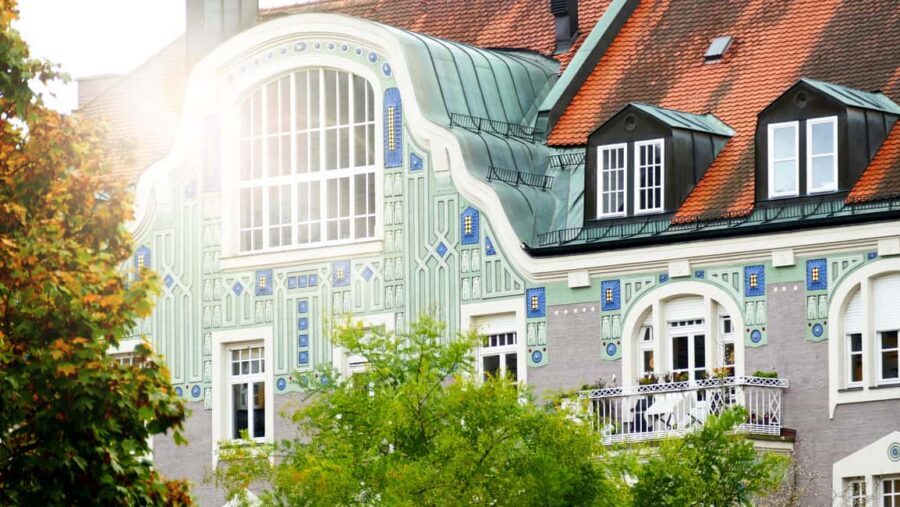
The tour description includes a warning about the delusional states of the bohemians, and I think that’s the point. Schwabing’s stories can sound like legend after legend. They can also sound like marketing for a lifestyle.
What I’d watch for as you walk: when the guide leans into the myth, listen for the counterbalance. You’ll hear anecdotes that make it clear these scenes were built from personalities, performances, and social signaling. That doesn’t ruin the magic. It makes it more believable.
A good example of why this matters is how the tour is described as unknown secrets, including surprises even for locals. That usually means you aren’t only hearing the big public narrative. You’re hearing the bits that help explain why the public narrative became what it is.
So if you’re the type who likes your history human, not museum-only, you’ll probably enjoy this approach. It keeps the tour from becoming a parade of names with no meaning.
Schwabinger 7, Crash, Drugstore: tracking the party scene with context
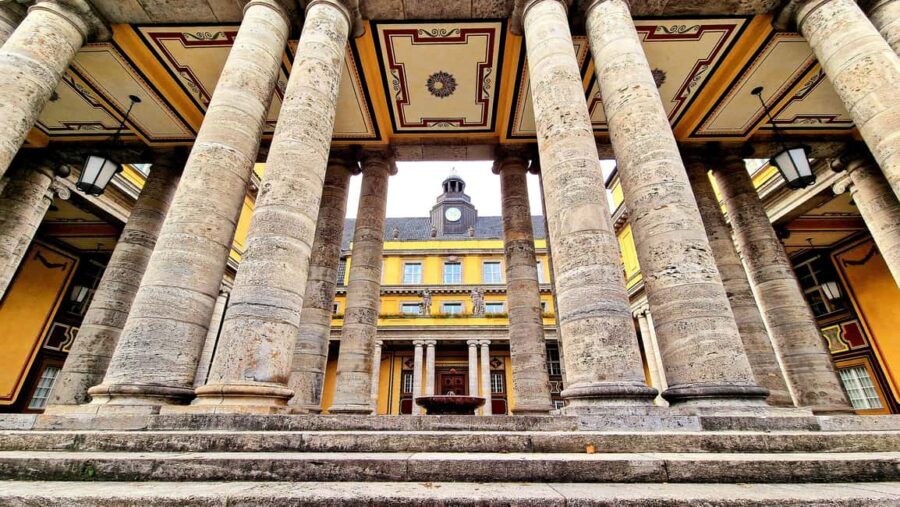
At some point, you’ll be guided through the legendary party scene. Names like Schwabinger 7, Crash, and Drugstore are part of the vibe people associate with Schwabing. The value here is not the nostalgia alone. It’s the way the guide connects these names to the phases of the neighborhood: creative ideas first, then performance energy, then nightlife.
I’d think of this section as social geography. You’re not just learning that places existed. You’re learning how a district can become a magnet. Once Schwabing earned a reputation for creativity and late nights, it started pulling in people looking for the same kind of escape, performance, or reinvention.
Also, don’t expect this to be a loud history lecture. It tends to feel like you’re walking through scenes. The historical photos help a lot here, because you can compare what the area used to look like to what you’re seeing now. That’s often the difference between “cool stories” and “I get it.”
If you want to understand Munich beyond beer halls and royal buildings, this is the part that makes Schwabing feel like a living story instead of a sidebar.
Romantic farms near Munich’s famous mile: a surprising mood shift
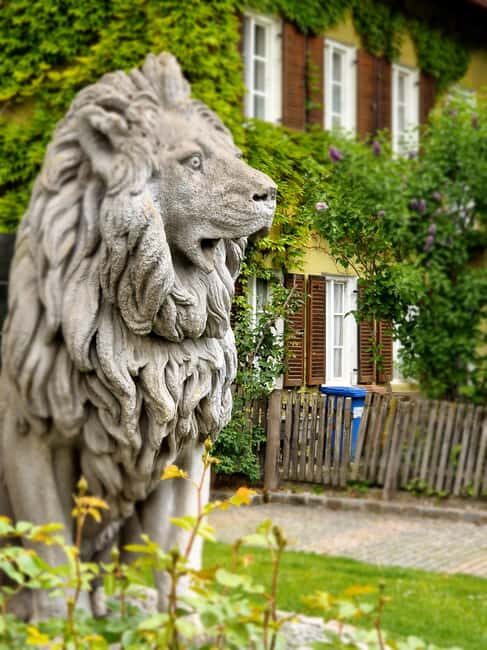
One of the highlights is discovering romantic farms not far from Munich’s most famous mile. Even without naming the specific street in the details you get, the promise is clear: you’ll see a different Schwabing texture.
This shift matters because a party district can flatten in your mind. Nightlife becomes the whole story. But farms and quieter corners remind you that the district sits near everyday life and changing land use, not just venues and posters.
This also gives you a built-in rhythm break during the walk. After cabaret and party lore, the atmosphere turns gentler. It’s the kind of stop that makes photos work better too. You get a calmer backdrop for your own impressions, not only the “scene” the guide is describing.
If you’re trying to balance your day in Munich, this part is a helpful counterweight. You leave with the sense that Schwabing can be both edgy and oddly pastoral, depending on where you stand.



The secrets element: what you get beyond the obvious
The tour is marketed as an insider tour with secrets, and you can feel what that means once Max starts using historical photos and on-site comparisons. This is one of the most praised parts: the guide brings older pictures and cards, then walks you through what’s changed and what stayed.
That format is practical. It turns questions into something immediate. You’re not asking, Did this building exist? You’re asking, Why does this street look different now, but that character line still holds?
The reviews also mention that Max can answer questions readily and without delay, which is a big deal if you’re the curious type. It means the tour doesn’t shut down when you ask for more detail. You can ask what a person did, what the scene meant, or why a reputation formed, and you’re likely to get a straightforward answer.
And yes, the tour happens in rain too. One review specifically calls out that even with rainy weather, the experience stayed enjoyable. That’s a good sign. It usually means the guide isn’t relying on perfect weather to make the storytelling work.
Price and value: is $27 per person worth it?
At $27 per person for a 1.5 to 3 hour walk, the value is strongest because you’re not just paying for movement and narration. You’re paying for a local guide who shares Schwabing-specific context, plus you get a welcome drink and historical visual material.
Here’s what that means in real terms:
- You’re getting a native Schwabing guide (Max), not a generic script.
- You’re getting historical photos for on-the-spot comparison, which makes the whole experience more than vibes.
- You get a welcome drink at the Deubl Glas Cube, which softens the start and covers one small expense.
What’s not included is also clear: food while you’re out. That’s fine, but it does affect how you plan your day. If you’re hungry, you’ll need to grab something on your own during or after.
For me, the best way to judge the price is this: if you want a neighborhood story with visual comparisons and a guide who can handle questions, $27 doesn’t feel inflated. If you only want big, famous attractions with minimal walking and minimal interpretation, then it might feel niche.
Timing, walking pace, and what to wear in Munich weather
The tour runs 1.5 to 3 hours on foot, in all weather. That part isn’t optional. If you show up in shoes that feel fine for museums but not for city walking, you’ll regret it.
Bring weatherproof clothing if rain is in the forecast, and dress in layers. Munich weather can shift quickly. Even when the day is gray, the walking and storytelling continue, so you’ll want to be comfortable enough to focus.
Also consider the language factor. The guide is German, and some content is shown in the original language. That doesn’t mean you can’t enjoy it. It means you should set expectations: listen for the structure of the story and the places you can visually confirm. If you like learning how districts form reputations over time, you’ll still get value even with a smaller vocabulary.
Who this tour suits best
This tour is a strong fit for adults who like:
- neighborhoods with attitude and stories that connect art, performance, and nightlife
- walking tours that use historical photos to compare then and now
- Schwabing specifically, not just Munich in general
It’s not a great match if you want a kid-focused activity. It’s not suitable for children under 12. It also may not satisfy you if you’re only chasing the most famous tourist hits and don’t care about local lore.
For solo travelers, couples, and friends, it’s also a good choice because the meeting point is clear and the guide is easy to spot with the yellow shoulder bag.
Should you book Schwabinger Max?
I’d book it if you want Schwabing to feel real, not like a list of bars and legends. The combination of a native guide, historical photo comparisons, and that structured walk through artist-bohemia, village roots, cabaret, and party lore gives you something you can’t easily recreate on your own in an afternoon.
I’d skip it or pair it carefully if you strongly prefer guided content in English or if you don’t want to walk in all weather. Food isn’t included, and the tour is German, so you’ll need to plan your comfort and your expectations.
If your goal is to understand why Schwabing became what it became, Schwabinger Max is one of the more purposeful ways to do it.
FAQ
Where do I meet the guide?
Meet in front of the 24h kiosk in the Deubl Glas Cube at the Münchner Freiheit bus stop. The guide will be wearing a yellow shoulder bag.
How long is the Schwabing insider tour?
The tour lasts between 1.5 and 3 hours. Exact timing depends on the available starting times.
What language is the tour in?
The tour is guided in German. Some content is shown in its original language.
Is the tour walking only?
Yes. It’s an on-foot tour.
Is a welcome drink included?
Yes. You get a welcome drink at the Deubl Glas Cube, with options like beer, soft drink, coffee, or tea.
Is food included during the tour?
No. Food costs on the go are not included, and it’s optional.
What should I wear?
Wear weatherproof clothing and comfortable shoes. The tour happens in all weather.
Is the tour suitable for children?
No. It is not suitable for children under 12.
What does the price cover?
The price covers the local guide, secrets of the neighborhood, the welcome drink, and historical photos for direct on-site comparison.
Can I cancel for a refund?
Yes. Free cancellation is offered up to 24 hours in advance for a full refund.