REVIEW · BERLIN
Berlin: DARK MATTER Experience KOLLEKTION Entry Ticket
Book on GetYourGuide →Operated by DARK MATTER · Bookable on GetYourGuide
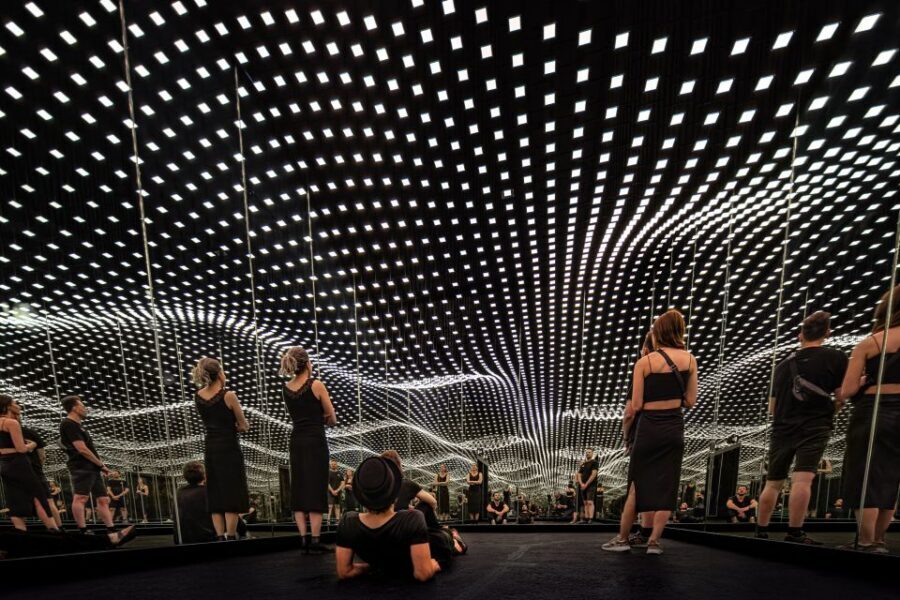
Some rooms are made for quiet wonder. DARK MATTER is one of them, using light, movement, and sound to shape what you feel as you walk through seven chapters. I especially like the way the show shifts from intimate light compositions to full-room audio and light moments, so it never feels like the same idea twice.
Two things I’d put near the top: the pitch-black converted-factory setting that helps you forget the outside world, and the chance to be more than a viewer. Several exhibits are partly interactive, so your movement becomes part of the choreography instead of you just standing still.
One drawback to consider: there are flashing lights, and it is not suitable for people with epilepsy. It also runs about 1 hour, so if you like lingering like a museum, plan to take your time inside the chapters rather than sprinting through.
In This Review
- Key things to know before you go
- What DARK MATTER is really about: seven artworks you feel, not just watch
- Walking into the factory-darkness: how the first rooms set your rhythm
- The interactive walk-in parts: when your movement becomes part of the art
- Room-scale audiovisual moments: the bass, the glow, and the big feelings
- The later chapters people mention most: Grid, Ladder, Bonfire, and the Forest vibe
- Price and value in Berlin: is about $26 worth the hour?
- Timing, crowd comfort, and how to make the one hour count
- Location and getting there: plan extra time outside the center
- Rules that affect your day: luggage, pets, smoking, and light safety
- Who should go (and who should skip)?
- Should you book this Berlin experience?
- FAQ
- How long is the DARK MATTER experience in Berlin?
- What ticket price should I expect?
- Is DARK MATTER wheelchair accessible?
- Are flashing lights used?
- Is it suitable for people with epilepsy?
- Can I bring luggage, and are pets allowed?
Key things to know before you go
- Seven chapters in pitch-black rooms: the pace is controlled by the artwork, not by you.
- A lot of space for a 1-hour show: about 1,000 square meters of exhibition area.
- Interactive elements: in places, you will partly interact with objects instead of only watching.
- Sound matters here: bass and audio design show up again and again, not just as background.
- Later rooms tend to hit hardest: many favorites get talked about most in the back half.
- Plan for flashing lights: it can be intense, and epilepsy is a no.
What DARK MATTER is really about: seven artworks you feel, not just watch
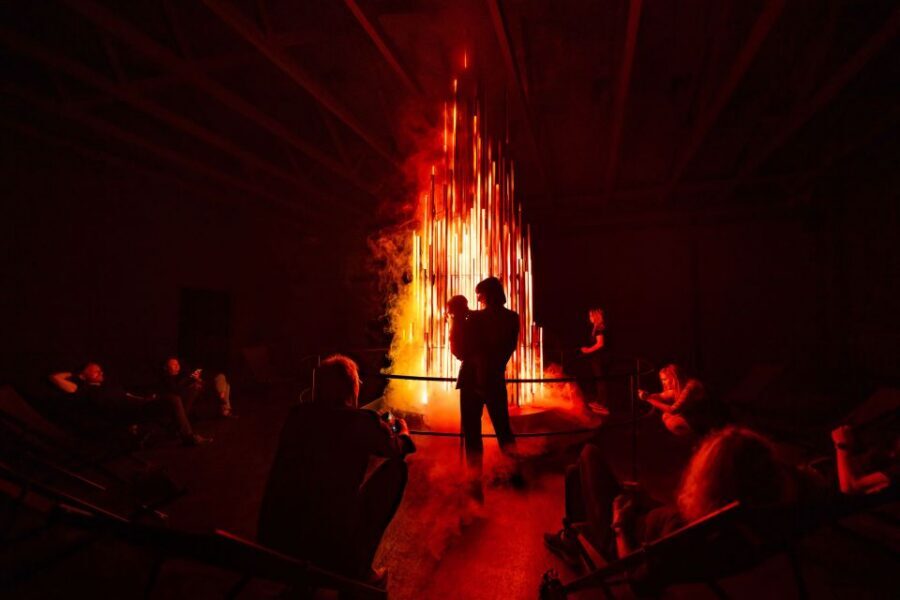
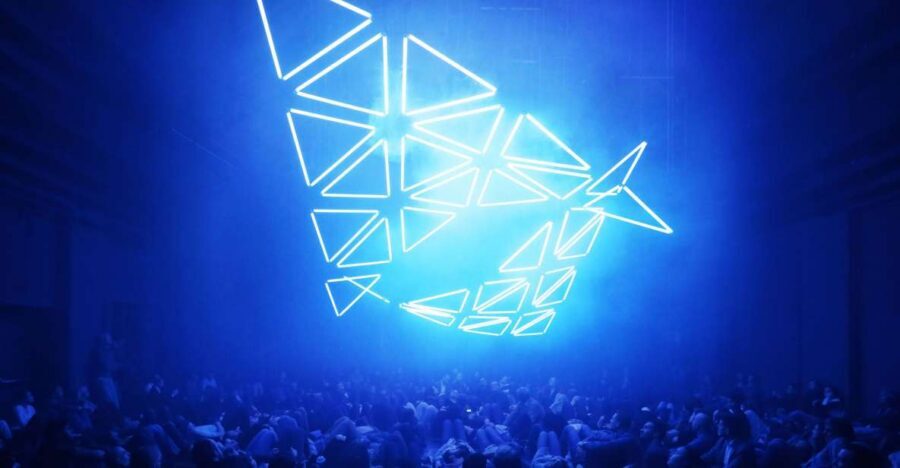
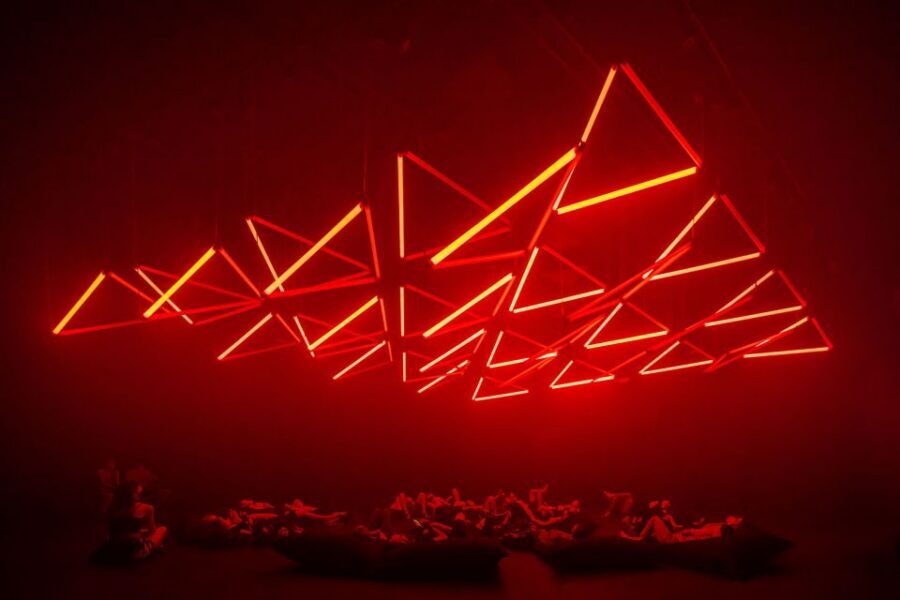
DARK MATTER is built around one idea: light, movement, and sound can work like a mood machine. You move through seven artworks arranged in pitch-black rooms inside a converted factory, where the visuals and audio aren’t separate acts. They’re choreographed together so each chapter shifts your attention and your body’s sense of time.
I like that the show doesn’t demand a lecture or a plot. Instead, it gives you structured moments: quiet, bright, and intimate in one area, then larger room-scale performances in another. You’re part of it because you’re inside the work, walking through it and reacting to it.
If you’re expecting a traditional museum with labels and explanations, you might find it frustrating. This is more like modern, sensory installation art where the goal is your experience first, interpretation second.
A few more Berlin tours and experiences worth a look


Walking into the factory-darkness: how the first rooms set your rhythm
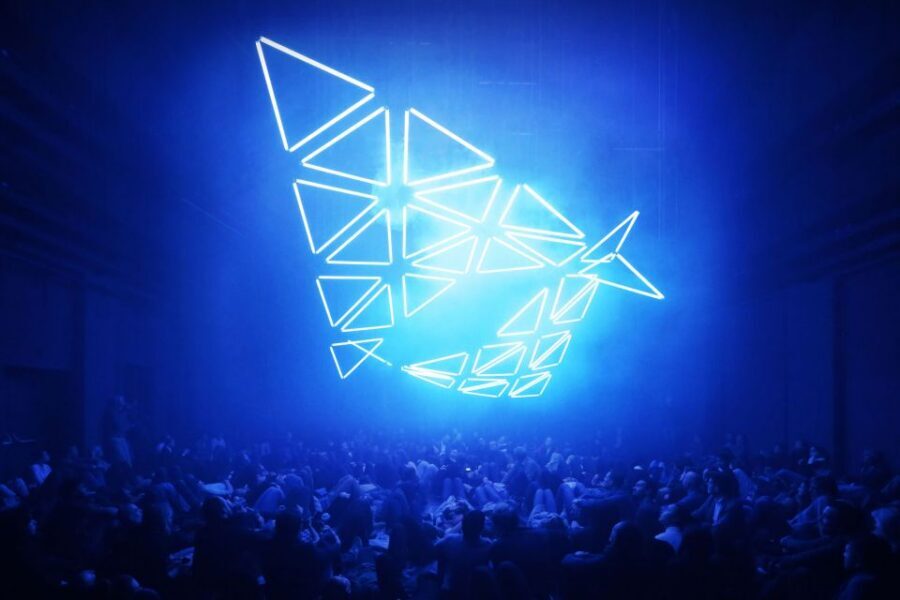
The starting point is simple: enter DARK MATTER and let the staff guide you into the flow of the experience. Once you’re in, the darkness does a lot of work. Your eyes adjust, your ears wake up, and your brain starts reading the smallest signals in light and sound.
The early chapters tend to focus on getting you comfortable with how the exhibit language works. You’ll encounter expressive choreographies of luminous forms and colors, and you may notice that the sound cues help you anticipate what changes next. Reviews often point out that the experience feels hypnotic, which usually comes from that controlled ramp-up.
Practical note: because the lighting changes fast and the rooms can be dark, I’d rather you go slowly at the start than try to “win” the experience by rushing. If you arrive a little early, you’ll also have less pressure when you first step in.
The interactive walk-in parts: when your movement becomes part of the art
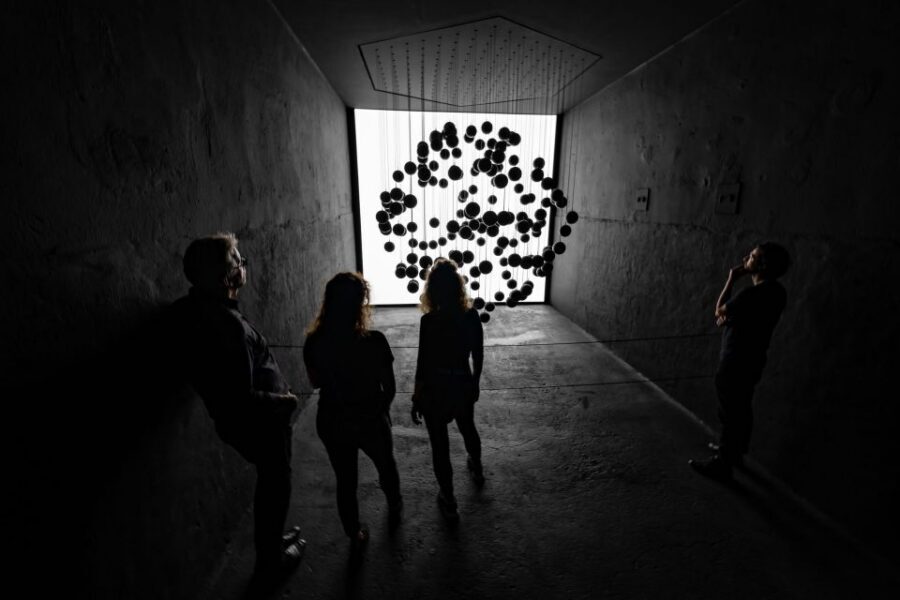
One of the biggest reasons this show earns strong marks is that it isn’t only observational. You’ll move through exhibits and, in some areas, partly interact with the objects or walk into structures that respond to your presence in some way. Even if the interaction isn’t hands-on like a science center, your body position and walking path still affect what you experience.
This is where the show can feel more playful. Instead of asking you to decode abstract art, it lets you test it with your own pacing. I also think that’s why families often enjoy it: teens and adults can both treat it like an environment to explore, not a test to pass.
There’s one consideration: if you don’t like crowds or people close behind you, be aware that interactive moments can get crowded. You’ll get a better feel when you have enough room to watch and then step forward when it’s your turn.
Room-scale audiovisual moments: the bass, the glow, and the big feelings
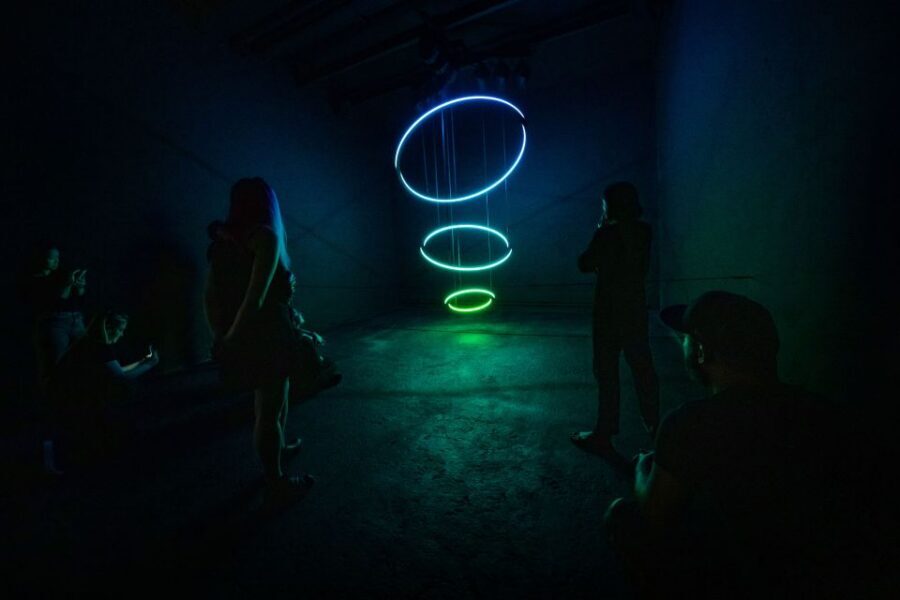
As you go deeper into the experience, the exhibits shift toward room-encompassing audiovisual performances. That means the sound is not just louder; it’s designed to fill the space and shape your attention. People mention basses and audio as standout pieces, and that makes sense given the show’s focus on sound plus light plus movement.
In these larger chapters, you’ll likely feel more like you’re inside the artwork rather than standing next to it. You might still choose where to look, but the room is doing the directing. If you’re the type who likes technology-meets-art, this is where you’ll feel the most impressed by the design decisions.
This is also the section where flashing lights may feel more noticeable, so keep an eye on your own comfort level. If you’re sensitive to strobe-like effects, trust that instinct early and decide whether to continue.
The later chapters people mention most: Grid, Ladder, Bonfire, and the Forest vibe
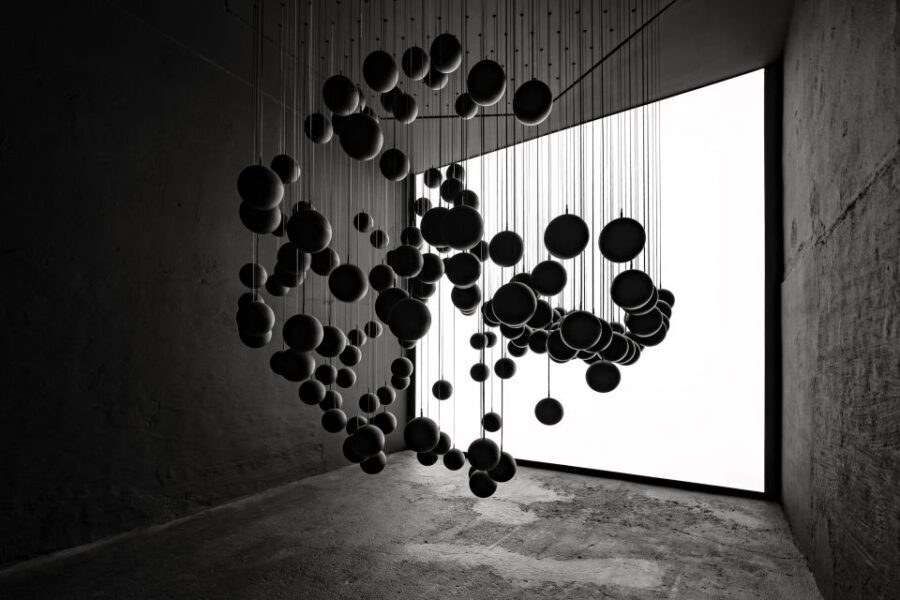
The experience is only about an hour, but it’s divided into seven chapters, so the back half matters. Several favorites get tied to specific rooms: the Grid, Ladder, and Bonfire get named more than once, and there’s also a forest-themed moment that shows up in descriptions.
Here’s how to think about those rooms without overpromising details:
- Grid: usually described as a visually satisfying modern-light concept, the kind where structure and glow create that wow-what-am-I-seeing feeling.
- Ladder: called out as fun and memorable, likely because it mixes movement, scale, and the way light interacts with a repeating form.
- Bonfire: one review specifically connects it to the feeling of sitting by a real campfire, helped along by sound cues (music/noises) that make it feel alive.
- Forest: mentioned as a place where the show creates an atmosphere rather than just a light pattern.
If you love installations that reward attention, slow down in the final third. You’ll get more out of the later chapters by letting your senses settle into the show’s rhythm rather than treating every room like a snapshot.





Price and value in Berlin: is about $26 worth the hour?
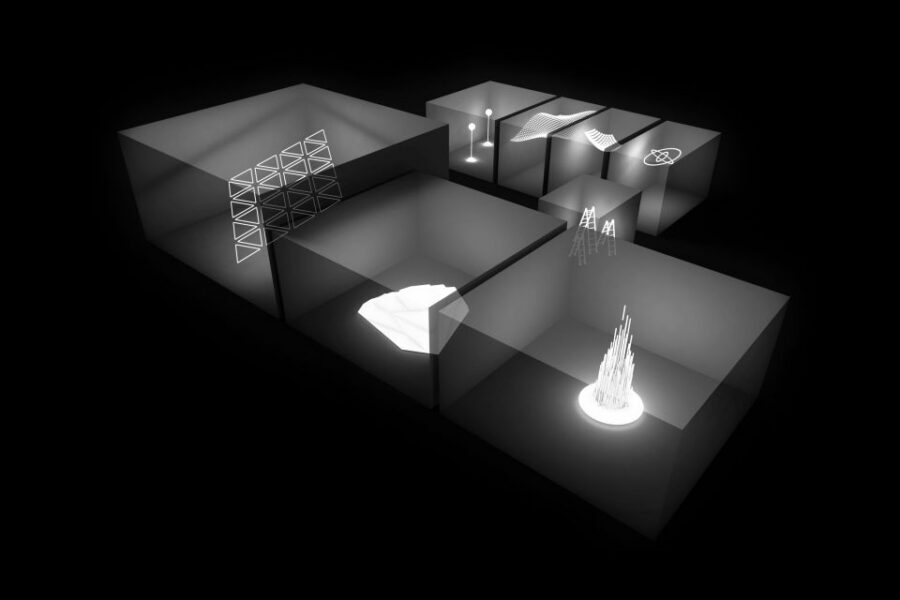
At around $26 per person for a 1-hour experience, you’re not paying for a long museum visit. You’re paying for technical design, time-based media, and a carefully controlled setting where light and sound do the heavy lifting.
So the value question depends on what you want from a Berlin afternoon:
- If you enjoy modern art that’s felt through your senses and you like technology-led installations, it’s easy to see the value. 1,000 square meters of exhibition space for a one-hour block is a lot of room for one ticket.
- If you want traditional storytelling, written context, or open-ended wandering for hours, you might feel it’s expensive for what it is.
My take: for many people, the show hits that sweet spot where “short and intense” works. The high rating (about 4.5 across 1088 reviews) suggests most visitors aren’t just indulging social media; they’re actually enjoying the experience as an event.
Timing, crowd comfort, and how to make the one hour count
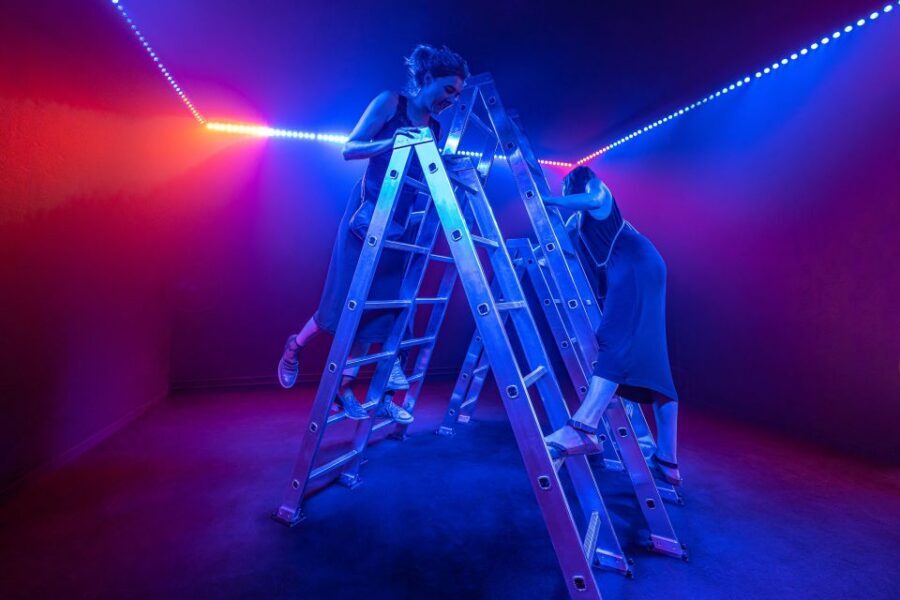
This is designed as a paced experience. You’ll move through seven chapters in a controlled time window, so your success mostly comes down to how you handle that pace.
Two crowd-related themes show up in feedback: some people liked that the number of attendees felt manageable, while others noted rooms can get crowded. The difference is usually timing and the particular chapter you hit during peak flow. You can protect yourself by choosing a start time that avoids the busiest hours if you have flexibility.
Inside, your best strategy is simple:
- give the first rooms a slower look,
- then commit to taking your time in the later chapters where the show tends to land harder,
- and don’t forget to look upward or around, not just straight ahead.
Also, this is a dark environment with changing lights. If you’re traveling with kids or anyone who gets overstimulated, keep an eye on energy levels and take a breather if you need it between chapters.
Location and getting there: plan extra time outside the center
DARK MATTER is not in Berlin’s core sightseeing cluster. People describe it as a long way out and mention that transit can be a factor. One reviewer specifically advised planning time because the tram wasn’t running often.
So I’d treat it like an appointment, not an “I’ll just swing by” stop. Leave extra time to get there, and make sure you read the small print for entry requirements so you don’t waste the trip.
If you hate transit friction, pair it with something nearby before or after. If you don’t mind a bit of travel, it can actually work well as a reset day: you’ll go from loud city streets into a controlled dark-room experience.
Rules that affect your day: luggage, pets, smoking, and light safety
Before you go, plan your packing. Luggage or large bags are not allowed, so travel light. There are also no pets allowed, though assistance dogs are allowed, and smoking indoors is not allowed.
The biggest safety note is the light effect. The experience includes flashing lights and it is not suitable for people with epilepsy. If you’re sensitive to strobe effects or sudden brightness changes, don’t gamble—choose a safer attraction instead.
Good to know: the venue is wheelchair accessible. If you use a wheelchair, this is one of those activities where access info is important, and here it’s explicitly supported.
Who should go (and who should skip)?
This is a great match for people who like:
- light-and-sound art where the technology is part of the point,
- a short, structured activity that feels like an event,
- and experiences that let you feel the mood shift from room to room.
It’s also a strong pick if you’re traveling with teens. Multiple reviews mention teens being impressed, which usually means the show has enough energy and visual payoff to keep younger eyes engaged.
Skip or reconsider if:
- you have epilepsy or are at risk from flashing lights,
- you get overwhelmed in dark, loud, light-changing environments,
- or you strongly prefer quiet, label-heavy museum visits.
Should you book this Berlin experience?
Book DARK MATTER if you want a one-hour sensory art experience with seven chapters, lots of sound-and-light design, and some interaction that makes you feel like the show is responding to your presence. At about $26, it’s priced like an event, not a casual stroll—and most evidence points to a high satisfaction rate.
Don’t book if flashing lights are a dealbreaker for you, or if you need lots of explanation and open-ended time. If you do book, arrive with a calm mindset: give each chapter a minute or two longer than you think you need, and save your energy for the later rooms, where favorites like Bonfire, Grid, and Ladder tend to leave the biggest impression.
FAQ
How long is the DARK MATTER experience in Berlin?
The duration is listed as 1 hour.
What ticket price should I expect?
The entry ticket price is listed as $26 per person.
Is DARK MATTER wheelchair accessible?
Yes, the activity is listed as wheelchair accessible.
Are flashing lights used?
Yes. The attraction includes flashing lights.
Is it suitable for people with epilepsy?
No. It is listed as not suitable for people with epilepsy.
Can I bring luggage, and are pets allowed?
You cannot bring luggage or large bags. Pets are not allowed, but assistance dogs are allowed. Smoking indoors is also not allowed.