REVIEW · MUNICH
Third Reich Walking Tour Munich
Book on Viator →Operated by Radius Tours GmbH · Bookable on Viator
Nazi Germany is still visible in Munich. This walking tour traces the Nazi rise through the streets, plazas, and public spaces where propaganda took hold, then shows the darker aftermath through memorial stops.
I especially like two things: the way the guide links specific places to the story of how power grew, and the care to end with memorials for people who resisted or suffered under the regime. Guides such as Keith, Nik, Aileen, Michael, Jake, Nicola, Paul, Nick, Sara, Dan, Scott, Steve, Alex, and Michelle are repeatedly praised for clarity, humor when appropriate, and for answering uncomfortable questions without dodging them.
My main caution is that it is a lot to process in about 2.5 hours, and the tour is mostly outdoors. On a cold day, you really feel it, so dress for the weather and keep your expectations realistic.
In This Review
- Key highlights worth planning for
- Munich’s Nazi footprints: why this walk still matters
- Price, timing, and how to fit it into your day
- From Radius Tours to Marienplatz: how the walk flows
- Königsplatz, Odeonsplatz, Hofbräuhaus, and the city center stops
- Stop 1: Check-in at Radius Tours (Dachauer Str. 4)
- Stop 2: Königsplatz, a Nazi-era landmark
- Stop 3: Odeonsplatz and marches and memorial events
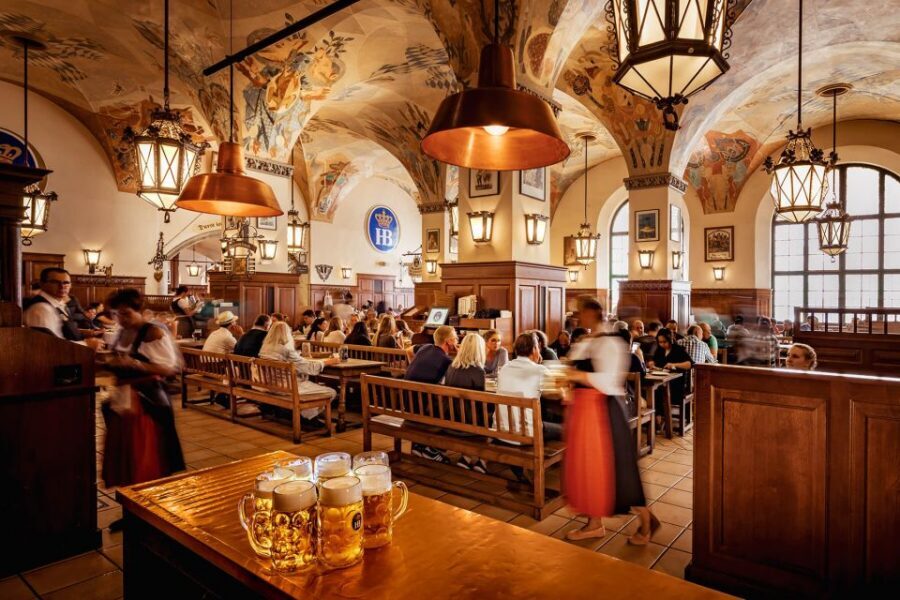
- Stop 4: Staatliches Hofbräuhaus and the political use of beer halls
- Stop 5: Old Town Hall
- Stop 6: Marienplatz, back in the center of Munich
- Guides, questions, and the pace that keeps you going
- Should you book this Third Reich walking tour?
- FAQ
- How long is the Third Reich Walking Tour in Munich?
- Where does the tour start?
- Where does the tour end?
- Is the tour offered in English?
- How big is the group?
- Is the tour mostly outdoors?
- Are service animals allowed?
- Can I cancel and get a full refund?
Key highlights worth planning for
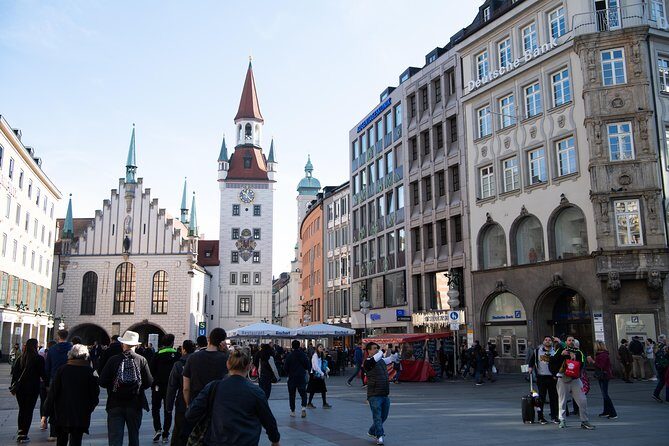
- Königsplatz and Odeonsplatz: Nazi-era sites tied to public marches and rallies
- Hofbräuhaus in the story: how even major beer-hall spaces were pulled into politics
- Old Town Hall and Marienplatz: how Munich’s civic heart fits into the larger timeline
- Memorial stops: a respectful shift from propaganda to remembrance
- Small groups (max 25): enough room for questions and pacing
- English mobile ticket: simple on-the-go check-in and start
Munich’s Nazi footprints: why this walk still matters
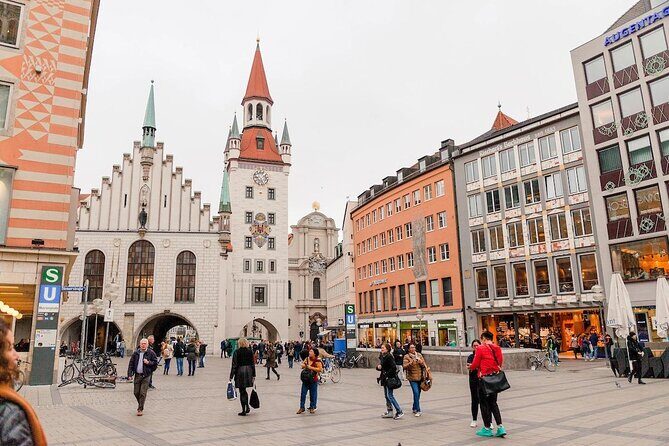
Munich isn’t a museum city. Real buildings and plazas still sit in daily view, and that’s exactly why this kind of walk hits. You’re not just learning names and dates. You’re seeing how public space can be used to normalize an ideology, recruit supporters, and build momentum until it becomes catastrophe.
I like that the tour doesn’t treat the era like an abstract history lesson. It moves from the rise of Nazi politics to the lead-up to World War II, then includes memorials for those who opposed the hate-filled ideology. That contrast matters. It helps you hold two ideas at once: how ordinary streets became stages for propaganda, and how remembrance keeps the cost of that propaganda from fading away.
If you come in with any interest at all in how extremist movements grow, you’ll get a practical street-level perspective. And if you’re already a history reader, you can still benefit because the guide points out what you might otherwise miss when you’re just sightseeing on your own.
You can also read our reviews of more walking tours in Munich
Price, timing, and how to fit it into your day
At $45.95 per person for roughly 2 hours 30 minutes, this isn’t a cheap impulse buy. But it’s also not overpriced for what you’re getting: a local guide for a long, city-center walk, plus a clear narrative that connects several key places.
The value improves if you’re the type who wants context, not just photos. More than one guide approach you’ll see emphasized in feedback is explanation without rushing. People also mention that guides bring supporting visuals (photos) to connect locations to what happened there, which can make the story easier to remember later.
Timing is another plus. The tour starts in central Munich and ends at Marienplatz, so you can keep going with classic sightseeing right after. It also helps that it’s booked in advance on a fairly steady basis (about a month out on average), so if you’re traveling in peak season, don’t wait until the last minute.
One more practical point: the tour requires good weather, and since it is mostly outdoors, plan your clothing like you would for any long cold walk in Munich. That sounds basic, but it changes the experience fast.
From Radius Tours to Marienplatz: how the walk flows
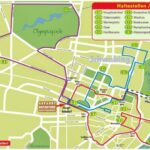
The rhythm is straightforward. You check in at the meeting point near Dachauer Str. 4 (Radius Tours), then you start right away on foot. The walking pace is designed for a city tour length, with enough stops to explain the meaning of each location without turning it into a sprint.
The group limit (max 25) helps. You’re not getting swallowed by a massive crowd, and guides have room to respond to questions. If you’re the type who likes to ask why a certain building mattered, this format is more forgiving than headsets-on-bus tours.
You can also build in a simple self-care strategy: a break halfway through is part of the experience. One guide reportedly even did a group poll to decide whether to stop for coffee or bathroom time, and that makes sense. You’re dealing with heavy material. Staying comfortable helps you absorb it without feeling mentally flattened.
The end at Marienplatz is ideal because it leaves you in the center of town. You can grab lunch, check out nearby sights, or keep walking without needing another transit plan.
Königsplatz, Odeonsplatz, Hofbräuhaus, and the city center stops
This walk works best when you treat each stop as a chapter. The guide’s job is to connect what you see on the street to the political story behind it. Here’s how the tour’s main sites tend to land, and what you should watch for.
Stop 1: Check-in at Radius Tours (Dachauer Str. 4)
This is the short warm-up. You verify you’re in the right place, meet the guide, and get ready for a long stretch on foot. Because the meeting point is central and easy to reach by public transportation, you’re less likely to start frazzled. Starting calm helps when the topic is emotionally heavy.
If you’re traveling with a phone as your main tool, use your time here to make sure your ticket is accessible in advance. The tour uses a mobile ticket, so having it ready means one less stress later.


Stop 2: Königsplatz, a Nazi-era landmark
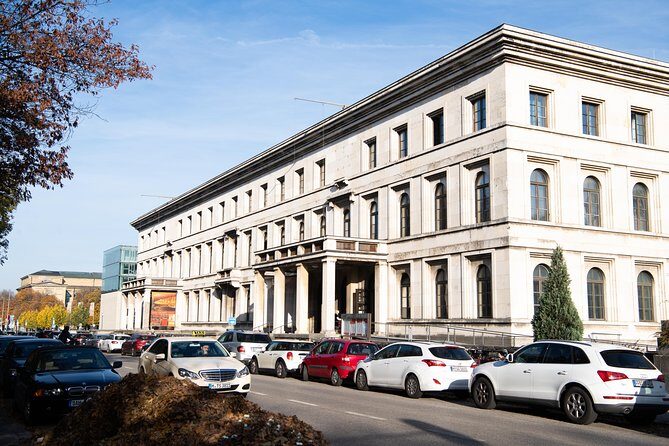
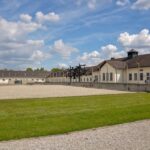
Königsplatz is where the story takes on scale. This is presented as an important Nazi landmark, and your guide uses it to explain the movement’s rise in Munich. The key takeaway isn’t just that Nazis used the place. It’s that the movement learned how to turn public space into political theater.
What to notice: the way the guide ties the location to the broader lead-up to World War II. Even if you know some history already, seeing how the narrative is anchored in a real square helps you understand the momentum behind the slogans and rallies.
Stop 3: Odeonsplatz and marches and memorial events
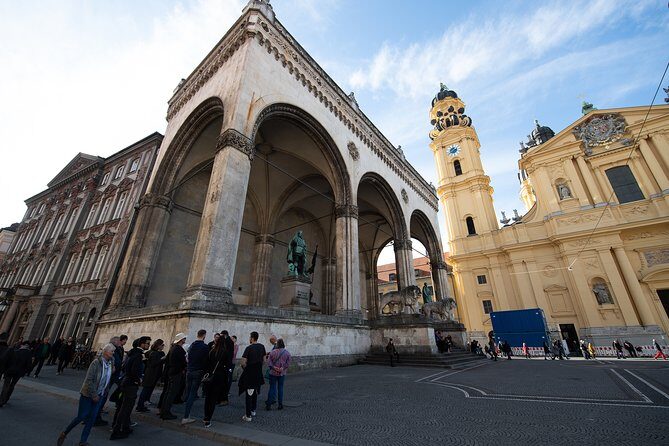
At Odeonsplatz, the focus shifts to how the Nazi Party used prominent locations for marches and memorials. This part helps you grasp how the regime created a constant rhythm of public messaging—events you could see, hear, and remember.
What to notice: the guide’s emphasis on symbolism and spectacle. Your brain connects the idea of propaganda with something physical and repeatable, not just printed speeches or distant broadcasts.
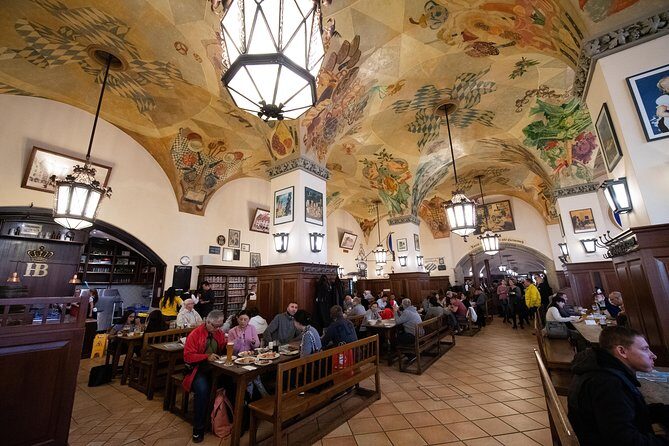
Stop 4: Staatliches Hofbräuhaus and the political use of beer halls
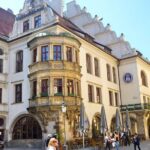
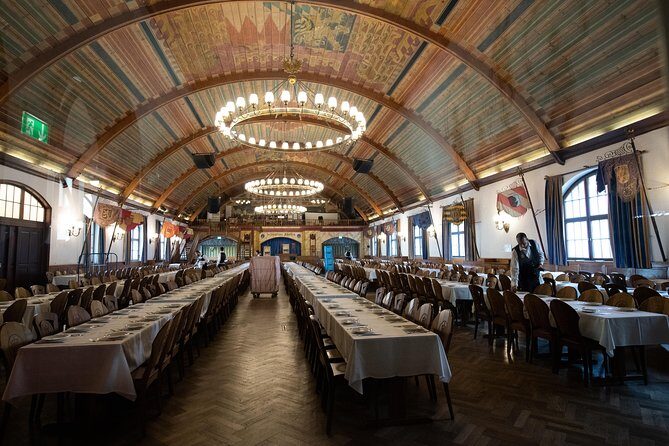
This is a surprising stop for many people, and it’s one of the reasons the tour stands out in structure. You’ll visit Staatliches Hofbräuhaus (the major Hofbräuhaus beer-hall building is highlighted as important to the Nazi Party).
In practical terms, this stop helps you understand something uncomfortable: extremist politics don’t only grow through street violence. They can also spread through social settings where people gather. The guide’s storytelling makes the connection between a familiar public venue and the rise of an ideology more concrete than a textbook paragraph.
What to notice: how your guide frames it as part of the broader political journey toward power. If you want to learn how movements recruit through everyday culture, this is where the tour begins to feel very relevant.
Stop 5: Old Town Hall
Next comes Old Town Hall. You’ll see it as part of the route through Munich’s center, with your guide connecting it to the larger story the tour is telling.
What to notice: the way the guide connects civic identity to political change. Even without naming every single political detail, this kind of stop helps you see how control can move from ideas to institutions, and how cities remain part of that process even after regimes fall.
Stop 6: Marienplatz, back in the center of Munich
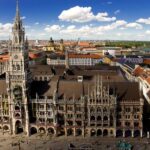
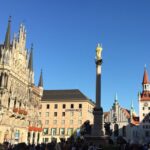
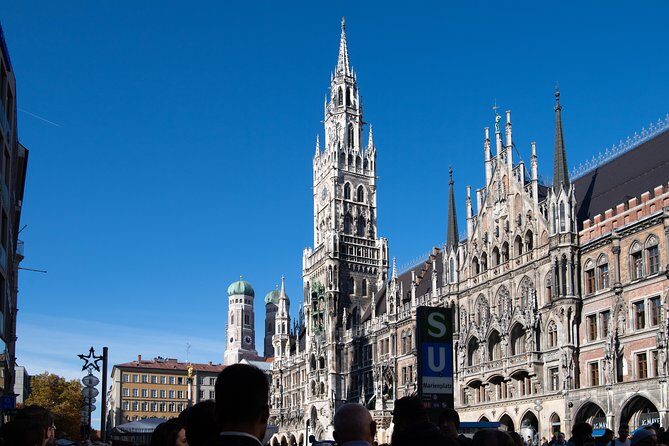
The tour ends at Marienplatz. That ending point is more than convenient. It brings you back to a place you’ll likely recognize from postcards and day trips, which gives you a chance to mentally contrast Munich’s everyday charm with the darker chapters you just walked through.
If your last stop includes memorial tributes to those who suffered under the Nazi ideology, this finale helps you land the emotional weight of the tour in the real city you’re exploring now. Then you can continue sightseeing with a more informed lens.
Guides, questions, and the pace that keeps you going
What makes this tour work is the guide style. Many people specifically praise guides for being easy to follow in English, for speaking clearly, and for having enough command of the topic to handle questions openly, even when the answers are uncomfortable.
A few recurring strengths show up in the feedback:
- Humor used in a controlled way, so the mood doesn’t collapse into lectures.
- Photos or visual aids used to connect what you’re seeing with what happened.
- A steady pace, with time to explain significance instead of rushing through locations.
- Sensitivity to group needs, including warmth and comfort breaks.
That matters because you’re walking through material that can feel intense. One guide approach you can look for is the ability to keep the story relevant to modern Germany, not stuck in the past for its own sake. If that’s how your guide works, you’ll come away not just with facts, but with a better sense of how societies decide what to accept and what to reject.
Practical tip: come with one question you actually want answered, even if it feels simple. It might be about how Munich factored into Hitler’s rise, or how propaganda took hold in everyday public life. A small-group walk makes those questions more likely to get a real response.
Should you book this Third Reich walking tour?
Book it if you want a city-center, place-based explanation of how the Nazi Party rose in Munich, and you also want memorial context for the victims and resistors. It’s a strong fit for history fans, students, and anyone who wants to go beyond reading about the era and instead see where it unfolded.
I’d think twice if you’re looking for a light, casual stroll. This is heavy subject matter, and it moves fast for its length. One practical option if you want more time is to pair the walk with an extra museum visit later in your trip. For example, some people take this walk and then go on to sites tied to German resistance history, like the White Rose Museum, to continue the story with more space to absorb it.
Overall: if you’re in Munich and you want your history to be grounded in real streets, plazas, and buildings, this is a solid use of an afternoon, especially since it ends right where you can keep exploring.
FAQ
How long is the Third Reich Walking Tour in Munich?
The tour runs for about 2 hours 30 minutes.
Where does the tour start?
You meet at Radius Tours at Dachauer Str. 4, 80335 München, Germany.
Where does the tour end?
The tour ends at Marienplatz in central Munich (80331 München-Altstadt-Lehel).
Is the tour offered in English?
Yes. The tour is offered in English.
How big is the group?
The tour has a maximum of 25 travelers.
Is the tour mostly outdoors?
It is an outdoor walking tour and requires good weather.
Are service animals allowed?
Yes, service animals are allowed.
Can I cancel and get a full refund?
Yes. You can cancel up to 24 hours in advance for a full refund. If you cancel less than 24 hours before the start time, the amount you paid will not be refunded.