REVIEW · LUBECK
Lübeck: entertaining guided tour to old town highlights
Book on GetYourGuide →Operated by k3 stadtführungen · Bookable on GetYourGuide
Holstentor first, history second, fun always. This 1.5-hour Lübeck walk starts at the famous Holstentor and then threads you through the Old Town’s brick beauty and Hanseatic power—right down to the town’s town hall story beats. I love how the guide connects major sights to real life in the city, and I also like the light, entertaining way anecdotes are worked into the history. One watch-out: the group can get large (around 29–30), so hearing and spotting every detail may feel harder than you’d expect.
The route is built for first-timers: you’ll see the headline stops like Petrikirche, the town hall, and St. Marien Church, plus a detour into medieval corridors and abbey-style courtyards that many casual visitors miss. Finish the tour with a clearer sense of why Lübeck keeps pulling people back again and again—especially for its architecture and old-city atmosphere.
In This Review
- Key Highlights Worth Your Time
- Entering Old Town Through the Holstentor
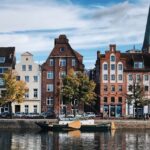
- Lübeck’s Brick Streets: Hanseatic Architecture Up Close
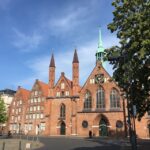
- Petrikirche: Where City Status Shows
- Lübeck Town Hall: The Hanseatic Power Angle
- St. Marien Church and the Tour’s Brick-Era Variety
- Medieval Corridors and Abbey Courtyards: The Detour That Matters
- How the 1.5 Hours Feels on the Ground
- Price and Value: What $16 Buys You (and What It Can’t)
- Practical Tips Before You Go
- Should You Book This Lübeck Old Town Tour?
- FAQ
- How long is the guided tour?
- Where do I meet the guide?
- Which major sights are included?
- What language is the tour guide speaking?
- Is there a chance the group will feel crowded?
- Is the tour refundable if my plans change?
- Can I reserve without paying right away?
Key Highlights Worth Your Time
- Holstentor meeting point and seven-towered skyline views to orient you fast
- Petrikirche and the town hall for the Hanseatic “money + meaning” combo
- St. Marien Church for dramatic brick-era religious architecture
- Medieval corridors and abbey courtyards that add variety beyond main streets
- Free guide tips for going out, shopping, and leisure after the walk
Entering Old Town Through the Holstentor
Starting at the Holstentor is smart. This isn’t just a cute postcard spot—it’s the kind of landmark that helps you understand the scale of Lübeck’s old trading world. When you begin at the gate, you immediately get oriented to the idea of the city as a place shaped by routes, walls, and wealth.
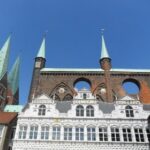
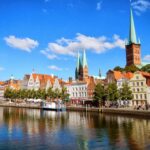
I also like that the tour begins with the skyline backdrop. Lübeck’s seven-tower look is one of those regional signatures, and it gives you a visual reference point while you move through streets that can otherwise feel similar at first glance. If you’re the type who gets lost in “pretty medieval streets,” this start gives you a mental handle.
And since the tour is a guided walk, you’re not stuck reading signs alone. The guide keeps the story moving from landmark to landmark, so you don’t just see brick facades—you understand why they matter.
You can also read our reviews of more guided tours in Lubeck
Lübeck’s Brick Streets: Hanseatic Architecture Up Close
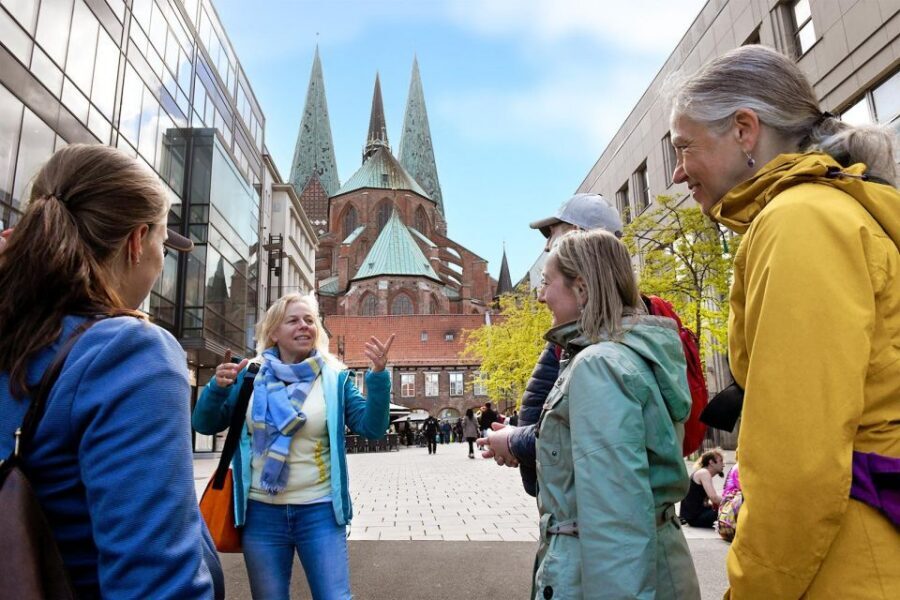
Once you leave the Holstentor area, the walk shifts into the “this is what it felt like” mode. Expect to move through historic streets in the listed old-town area and focus on Lübeck’s brick buildings—those sturdy, unmistakable structures that helped merchants build durable power. You’ll also get more than surface-level descriptions; the guide frames the architecture in a way that makes the city’s layout and priorities feel logical.
What I find most useful here is the balance. Instead of one long lecture, the narration tends to alternate between context and small, memorable details. That rhythm helps you stay engaged for the full 1.5 hours—especially if you’re traveling with kids, older friends, or anyone who doesn’t want history in textbook form.
A small practical note: the walk is outdoors, so if the weather turns, you’ll want shoes that handle damp ground. One recent booking mentioned standing around in puddles at the start when conditions were wet—so having rain gear and grippy footwear is a comfort upgrade, not an overreaction.
Petrikirche: Where City Status Shows
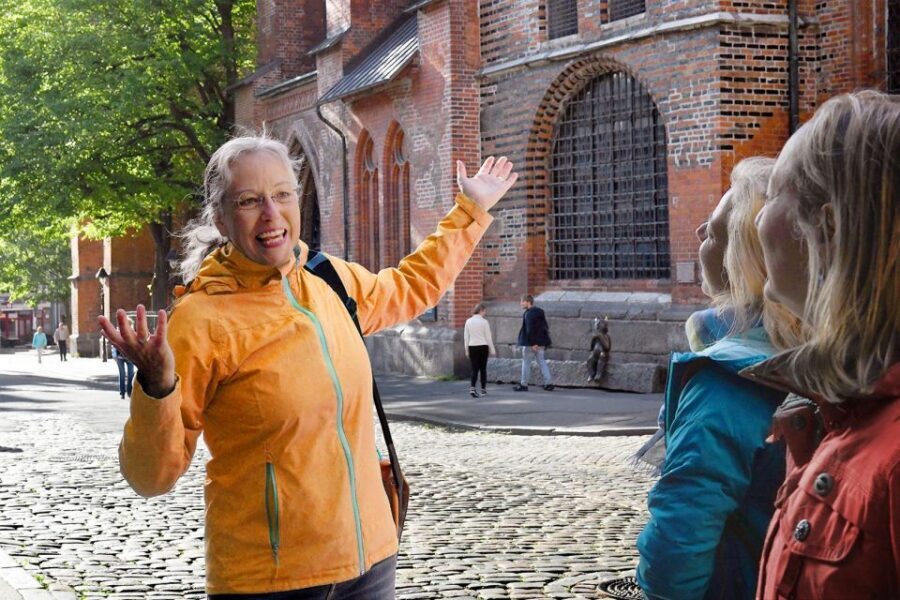
Petrikirche is one of those stops that works well during a short tour, because it signals both faith and civic identity. Lübeck grew powerful through trade, but it also expressed that power through the churches and public buildings that shaped daily life.
As you approach and learn about it, you’ll pick up the bigger picture: in Hanseatic cities, religious buildings weren’t separate from the city’s ambitions. They were part of how communities displayed stability and status. The guide’s job is to connect what you see—brick form, church presence, and location—to why the city invested so heavily in these statements.
Why this matters for you: if you’re only in Lübeck for a day, this kind of stop prevents the classic problem of “I saw a church, but I can’t remember what made it Lübeck.” With a guide, you’ll leave with a clear reason it belongs on your must-see list.
Lübeck Town Hall: The Hanseatic Power Angle
The town hall stop is where the tour’s theme becomes very obvious: trade turned into governance, and governance turned into architecture. The town hall isn’t only a pretty building; it’s a symbol of how a merchant city ran itself, made decisions, and represented authority.
I like that the tour includes this alongside the church sights. You get a more complete picture of how people lived: prayers and daily work, law and commerce—two sides of the same system. When the guide explains how the city functioned, the buildings stop being isolated attractions and start feeling like parts of a single historical machine.
One thing to keep in mind, though: with larger groups, the town hall moment can become a bit “watch from the edges.” If you want the best views and the best sound, try to stay near the front of the walking line when you arrive at key stops.
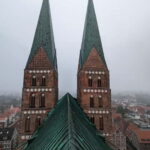
St. Marien Church and the Tour’s Brick-Era Variety
St. Marien Church adds another layer without repeating the same story you heard at Petrikirche. The tour structure keeps this varied, which is important on a 1.5-hour schedule. In a short time, you want your eyes refreshed and your understanding expanded—not just repeated details.
St. Marien also helps you see how Lübeck’s identity isn’t one building or one street. It’s a cluster of landmarks that together show what the city prioritized. The guide’s job is to connect the architectural vibe to the Hanseatic-era mindset, so you understand why brick and style were so consistent and why churches played such a visible role.
If you’re a “one-city, many details” traveler, you’ll appreciate this stop because it gives you something to compare. By the time you’re at St. Marien, you’ve already been primed by the earlier sights, so differences feel meaningful rather than confusing.


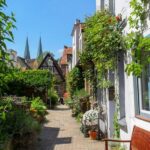
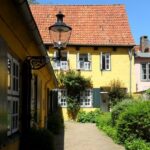
Medieval Corridors and Abbey Courtyards: The Detour That Matters
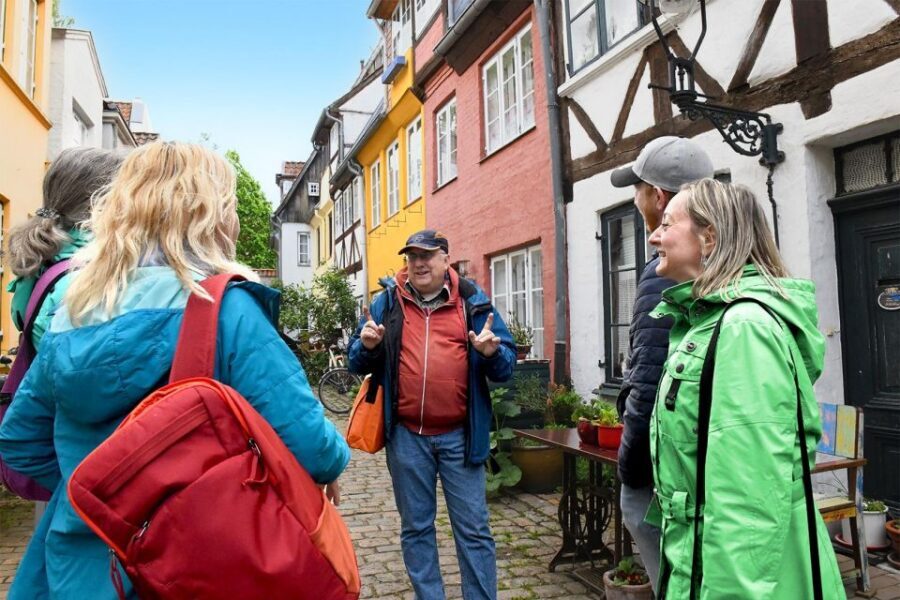
This is the part I’d protect your schedule for. The tour includes a detour to medieval corridors and abbey courtyards—spaces that can feel tucked away, quiet, and suddenly more human-scale than the main routes.
These details tend to be exactly what you want from a guided walk:
- small spatial changes that make photos and memories easier
- a break from open streets
- a sense of how passageways and courtyards shaped daily movement
If you’ve ever toured a historic city and felt like you only saw the “big face” of it, this stop is the counterweight. Courtyards and corridors are where the city’s texture shows up.
The trade-off is that this kind of area can be tight. In a larger group, bottlenecks happen naturally. If you’re sensitive to crowding, position yourself with patience and keep an eye on where the guide is aiming to stop.
How the 1.5 Hours Feels on the Ground
A 1.5-hour guided walk is long enough to build understanding, but short enough that you shouldn’t get bored. That’s the goal here: “get first, wonderful impressions” and leave with a mental map of what makes Lübeck Lübeck.
In practice, the flow is:
- start at the Holstentor area and orient yourself
- walk through historic streets focusing on the big brick landmarks
- hit key churches and civic buildings like Petrikirche and the town hall
- add a detour into corridors and abbey-style courtyards
- wrap with a sense of why Lübeck draws visitors and why the old town is worth time
The main thing to consider is group size. Multiple recent bookings complained about groups around 29–30, and when that happens, it’s harder for the guide to ensure everyone hears the same details. If you’re picky about information quality—like you want to read every plaque and hear every story—try to arrive on time, stand closer to the guide, and don’t expect a fully one-on-one experience.
One more timing thought: if you arrive after the tour has started, you might miss earlier explanations that set the context for later stops. A short start can matter more than you think.
Price and Value: What $16 Buys You (and What It Can’t)
At about $16 per person for a 1.5-hour live guided walk, the value mostly comes from two things: the concentration of key sights and the guide’s spoken context. You’re not just paying for movement across the city—you’re paying for interpretation.
Included sights cover major anchors: the Holstentor, Petrikirche, the town hall, and St. Marien Church, plus the medieval corridor and abbey-courtyard detour. For many visitors, that’s the exact mix that makes a first visit click.
The other value lever is the local guidance after the history. You’ll also get exclusive tips from your guide on leisure activities, going out, and shopping in Lübeck. That’s surprisingly useful because it helps you turn a walking tour into an actual day plan.
The limitation is unavoidable: with larger groups, the experience becomes less about precision and more about coverage. When your priority is hearing every sentence clearly and seeing every angle, a big group can make that harder. For the price, though, you’re still getting a lot packed into a short window—just know it won’t feel private.
If you’re deciding whether this is worth it for you, ask this: do you want help connecting the city’s landmarks into a story? If yes, the price looks fair.
Practical Tips Before You Go
A great tour day is often just a few small decisions.
- Go prepared for weather. Wet starts happen. Bring waterproof shoes or at least something you don’t mind getting splashed.
- Use the front-of-line advantage. Especially with larger groups, being closer to the guide helps you hear and see what’s being pointed out.
- Plan to be there at the Holstentor meeting point on the park side. If you show up late, you may lose the early context that makes later stops easier to understand.
- Accept the language setup. This tour is live and German-only, so if you’re comfortable following German, you’ll get more out of it.
- Bring curiosity, not speed. The tour works best when you let the stops become short story moments instead of quick sightseeing snapshots.
For your personal day afterward, I’d treat this as your orientation. Use the guide’s suggestions for where to shop, where to hang out, and what to do next—then explore on your own with the map you now carry in your head.
Should You Book This Lübeck Old Town Tour?
Yes, I think you should book it if you’re:
- visiting Lübeck for the first time and want a focused walk through top sights
- interested in Hanseatic-era architecture and civic life, not just photos
- okay with the reality of a larger group and you’ll do your part by staying near the guide
Skip it (or at least adjust expectations) if you:
- need a small-group format to hear clearly at every stop
- prefer quieter, slower pacing without crowding near courtyards and corridors
- don’t feel confident following a German-speaking guide
For most first-timers, this is a strong way to get oriented fast at a fair price—especially because it blends landmark stops like Holstentor, Petrikirche, and the town hall with those more secret-feeling medieval passages and courtyard spaces.
FAQ
How long is the guided tour?
It lasts about 1.5 hours.
Where do I meet the guide?
Meet in front of the Holstentor on the park side.
Which major sights are included?
The tour covers the Holstentor, Petrikirche, the town hall, and St. Marien Church, plus time through medieval corridors and abbey courtyards.
What language is the tour guide speaking?
The tour is held with a live guide in German.
Is there a chance the group will feel crowded?
The walking groups can be on the larger side. Some recent bookings described groups around 29–30 participants, which can make it harder for everyone to see and hear well.
Is the tour refundable if my plans change?
Yes. Free cancellation is offered up to 24 hours in advance for a full refund.
Can I reserve without paying right away?
Yes. You can reserve and pay later to keep your travel plans flexible.