REVIEW · MUNICH
Munich: Nazi History 2-Hour Small Group Walking Tour
Book on GetYourGuide →Operated by Alun Evans Personal Tour Guiding Munich · Bookable on GetYourGuide
Munich’s propaganda trail comes with clear context. You spend two hours walking from Marienplatz to the places that helped shape the Nazi movement, with English guidance from Alun Evans and a tight group size.
I love the way the stops connect real addresses to real turning points, including the failed Beer Hall Putsch site and the rally settings around Königsplatz. I also love the guide’s respectful, human approach to a brutal subject, including his patient, engaging explanations. The only catch: it’s short, so if you’re hungry for deeper discussion, you’ll likely wish the walk lasted longer.
In This Review
- Key moments you’ll remember
- Two hours in Munich: how the pace works on foot
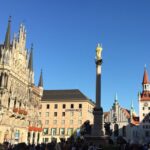
- Marienplatz: the simple start point for a very heavy story
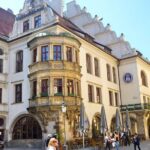
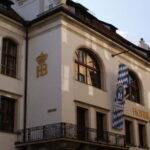
- Hofbräuhaus München: where speeches met mass appeal
- Odeonsplatz and the Residenz area: power’s architectural backdrop
- The failed Beer Hall Putsch of 1923: reading a site like a timeline
- Königsplatz rallies: seeing how crowds were staged
- The guide: why Alun Evans’ style makes the facts easier to face
- Price and value: is $58 for 2 hours worth it
- Who this tour fits best
- Should you book this Munich Nazi history walking tour?
- FAQ
- Where does the tour meet?
- How long is the tour?
- Is the tour offered in English?
- How big is the group?
- Does it run in bad weather?
- Is hotel pickup or refreshments included?
Key moments you’ll remember
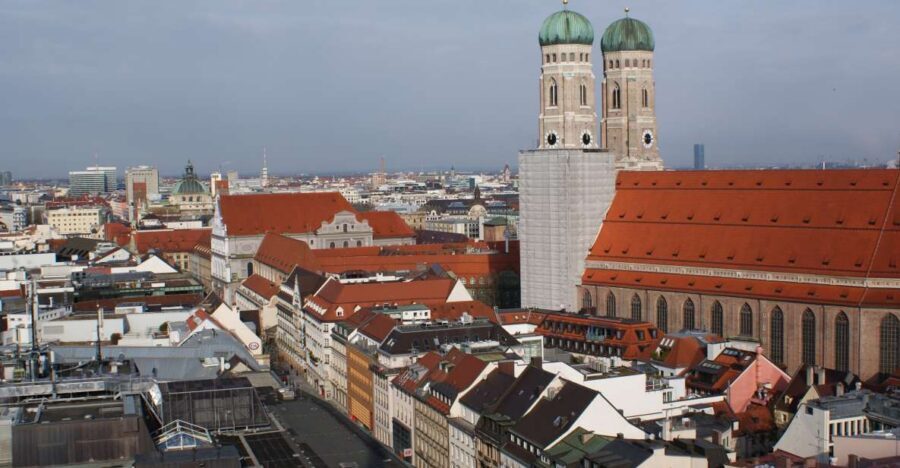
- Marienplatz start and finish keeps navigation easy, and the tour can end back at Marienplatz with your guide if requested
- Small group size (capped at 15, with a smaller limit also listed) means you can actually ask questions
- Beer Hall Putsch 1923 context at the key location, not just generic facts
- Hofbräuhaus speeches where propaganda met beer-hall culture
- Odeonsplatz and the Residenz area show how power uses impressive buildings and public space
- Königsplatz rally ground illustrates how the Nazi movement staged crowds and ceremony
Two hours in Munich: how the pace works on foot
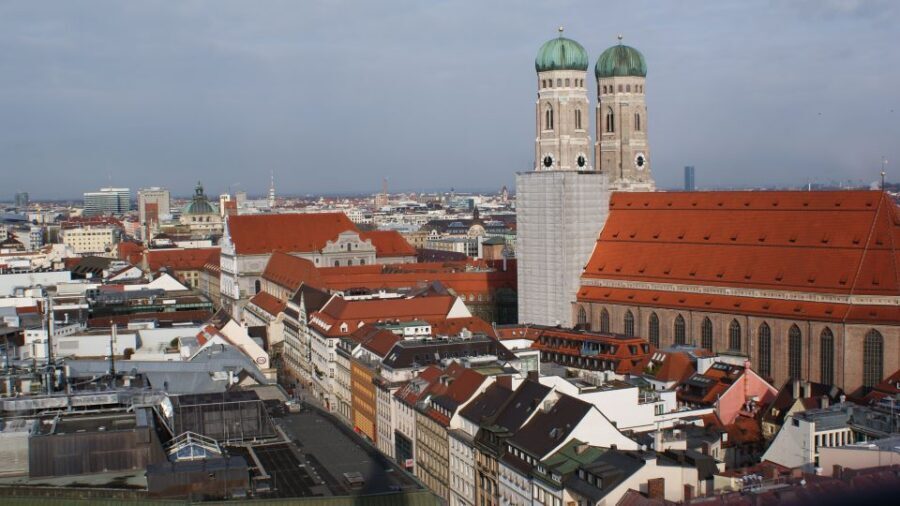
This is a 2-hour walking tour built for people who want the essentials without spending a whole day. It’s also practical: you start in the most central, easiest-to-find spot in town—Marienplatz—and the tour is designed to loop back so you’re not stuck far from the heart of Munich.
The route is weather-dependent in the honest way. It runs in all conditions, so you’ll want a coat you trust, good shoes, and layers. If you’re visiting in winter or you hate getting cold, it’s still doable, but you’ll feel the outdoors time.
The walking time between key stops is tight. You’ll move at a conversational pace: enough time for the guide to explain what happened and why it mattered, without long detours. If you like history that’s grounded in place names and street-level details, this timing is a good match.
You can also read our reviews of more walking tours in Munich
Marienplatz: the simple start point for a very heavy story
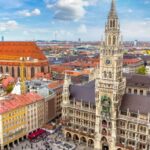
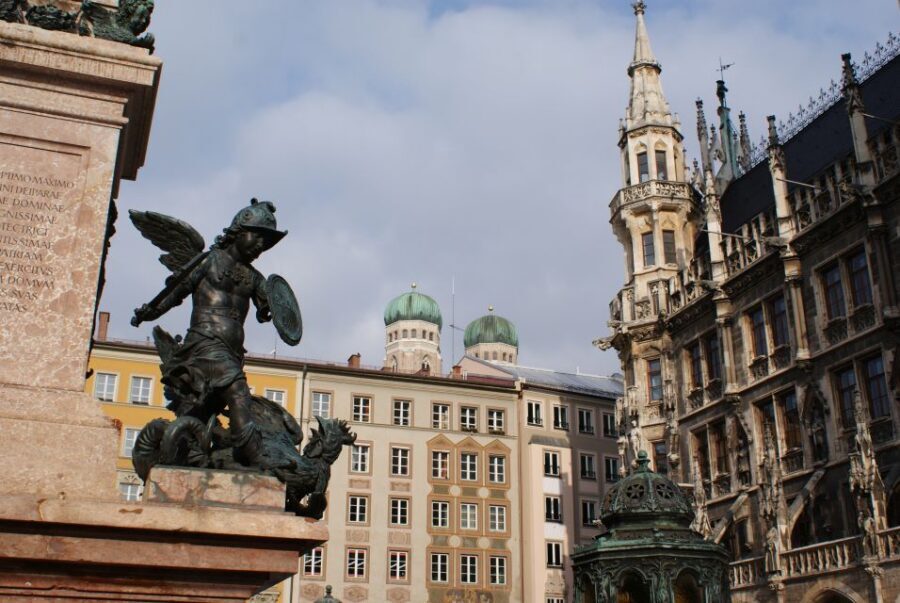
Marienplatz is where you get your bearings fast. It also matters thematically: you’re starting in the modern civic center of Munich and moving toward sites tied to the rise of the Nazi Party and the SS. That contrast helps the story land, because it forces you to see how political movements used familiar public spaces.
A strong part of this tour is that it doesn’t treat the Nazi rise as a distant “textbook era.” You hear how the movement began to form after Hitler arrived in the city in 1913. Even if you’ve read background before, getting that timeline anchored to Munich’s actual geography makes it easier to follow.
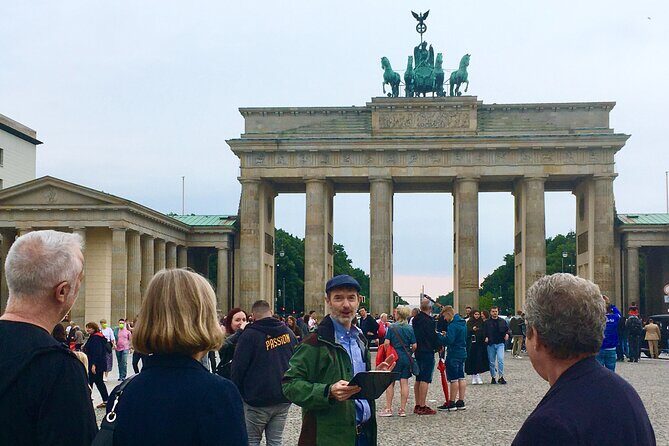
Marienplatz also makes the tour logistically friendly. No hotel pickup, no complicated transfers. You meet in front of the Tourist information Center on Marienplatz, and the guide holds a sign with the operator name so you can spot them quickly.
Hofbräuhaus München: where speeches met mass appeal
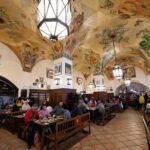
Hofbräuhaus München is one of those places that can feel unreal, even if you’ve never visited before. In this tour, it’s not just about the beer hall atmosphere. It’s about understanding why that setting mattered.
You’ll stop there for a short guided segment focused on how the Nazi Party used public gathering spaces for recruitment and momentum. This is where the story turns from ideology into performance: meetings, the kind of crowd energy that propaganda feeds on, and Hitler’s speeches given in a setting designed for social belonging.
What I like here is the cause-and-effect approach. You’re not just told that rallies happened. You’re shown a plausible “how it worked” pathway—how speeches, crowds, and familiar meeting places reinforced the movement’s presence. It’s an uncomfortable but important way to make the past legible.
One practical note: Hofbräuhaus can be busy. Even though the guided portion is brief, you’ll want to keep your attention on the guide and the explanations rather than expecting the space to slow down for perfect photos.
Odeonsplatz and the Residenz area: power’s architectural backdrop
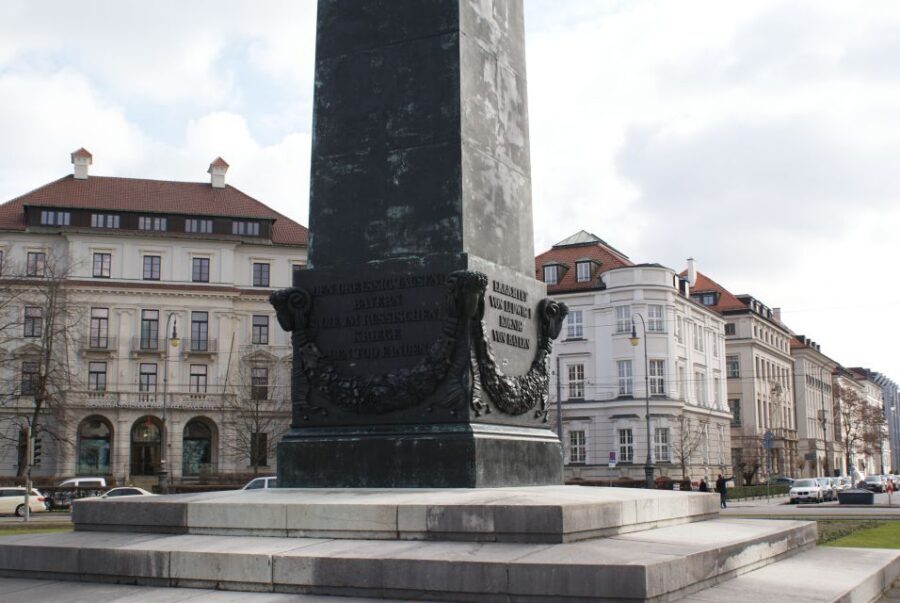
Next comes Odeonsplatz, and this is where the tour expands from events to environment. Nazi-era messaging didn’t only rely on words. It relied on spectacle, scale, and serious-looking buildings that made authority feel inevitable.
Odeonsplatz sits in an impressive zone of civic and cultural power, including the home of the Bavarian State Opera and the Residenz building nearby. The guide uses these surroundings to help you understand how the Nazi Party borrowed gravity from monumental architecture and ceremonial public space.
The takeaway for you is simple: buildings can be political tools. When you learn that idea here—while standing at a place that actually looks like it belongs to rulers—it becomes harder to dismiss propaganda as something that only lived in pamphlets or speeches.
The stop is also short, about 15 minutes of guided time. That works best if you’re okay with “enough to understand” rather than “enough to memorize every detail.” If you want more depth, you can always pair this with a longer museum visit after.
The failed Beer Hall Putsch of 1923: reading a site like a timeline
One of the most meaningful parts of this tour is visiting the site tied to the failed Beer Hall Putsch in 1923. Even if you’ve heard of the event, seeing it in context changes the feeling. You’re standing where political ambition tried to seize power through dramatic momentum—and failed.
This stop matters because it shows the movement’s early phase: bold, theatrical, and willing to gamble. It also sets up why later tactics succeeded. The tour helps you connect the dots between early attempts at power and the longer strategy that followed.
I think this is one reason people rate the tour highly: it brings clarity to a period that can be confusing if you’ve only encountered it through general history summaries. Here, the timeline clicks because you’re hearing how the story progresses from place to place.
You can also read our reviews of more historical tours in Munich
Königsplatz rallies: seeing how crowds were staged
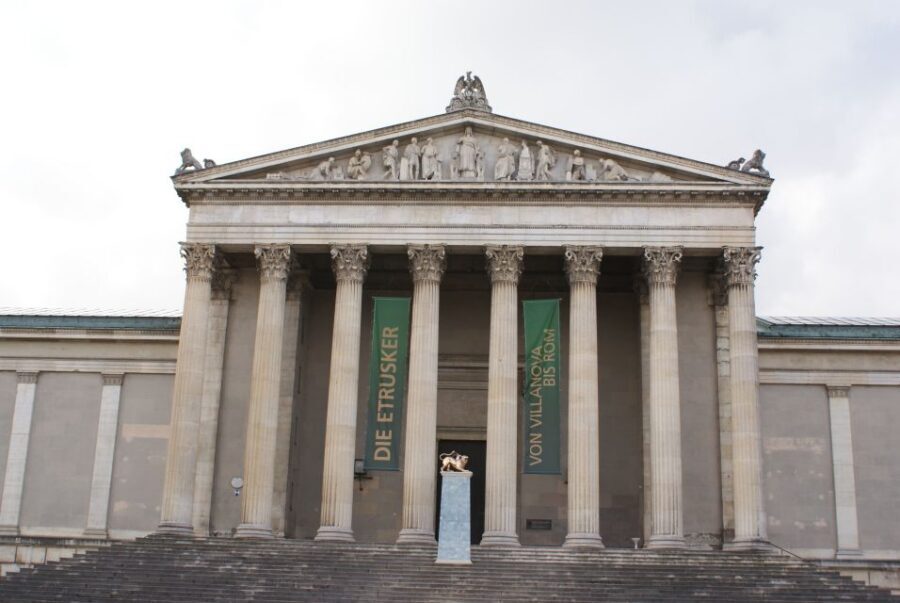
The tour doesn’t stop at speech locations. It also reaches Koenigsplatz, a key rally setting where the Nazis held events. This is one of those sites where the design of public space is part of the story, even if you’re not an architecture expert.
When you’re at Königsplatz, you can grasp how rallies depended on sightlines, open space, and an atmosphere of collective movement. The guide uses the location to illustrate how the Nazi Party treated public gatherings like a system—something choreographed to make supporters feel united and opponents feel powerless.
For me, the value here is emotional and intellectual at the same time. You understand the machinery of mass persuasion without needing to sensationalize anything. It’s about the structure: crowd energy channeled into ideology, repeated often enough to feel normal.
And because the tour is only two hours, the story ends without dragging. You get the main points and then you can continue exploring Munich with a different lens than you started with.
The guide: why Alun Evans’ style makes the facts easier to face
A huge part of this experience is the human delivery. Alun Evans is described as caring, humble, and welcoming, with a strong ability to connect with different kinds of learners. You also get the benefit of a guide who treats people with respect and keeps explanations engaging, even when the topic is hard.
In the colder months, that matters. The tour runs in all weather, and in heavy snow conditions, the guide still kept the group engaged. That’s not a small detail if you’ve ever joined a walking tour where the guide turns silence into autopilot when it’s miserable outside. Here, the explanations stay active.
What’s also praised is his tact. This topic is dark, and the way it’s handled affects how you receive it. The guide’s approach aims to be candid without becoming careless. You get a “right level of detail” feel, not too vague, not too technical, and not so rushed that you miss the point.
If you’re traveling with a parent, a friend, or a spouse who usually avoids long history explanations, the guide’s patient pacing is a real advantage.
Price and value: is $58 for 2 hours worth it
At $58 per person for a two-hour small-group tour, you’re paying for three things: (1) a live English guide, (2) a focused route through specific sites tied to the Nazi movement, and (3) a small group format that keeps questions possible.
Compared with cheaper generic city walks, this tour has less “random sightseeing” and more direct storytelling tied to exact locations. That matters on a trip, because Munich has plenty of options and your time is limited.
Compared with high-ticket private tours, the small group format gives you some of that intimacy—without paying for a fully private rate. The group size is kept tight (with a cap listed as 15, and a smaller limit also shown), which is exactly what you want for sensitive historical topics. It’s easier to feel like a conversation instead of a lecture.
If you’re the type who likes tours that help you understand what you’re looking at, this price can feel reasonable. If you only want a quick glance at a few spots with no context, you might prefer to DIY. But if you want the “how did this happen here” explanation in a time-efficient package, you’ll likely feel it’s good value.
Who this tour fits best
This experience is a strong fit if you:
- want a short, structured walk that covers the main Nazi-related locations around central Munich
- like history explained through places, not just dates
- appreciate a small-group setting where you can ask questions
- want an English guide who can balance clarity with respect
It’s also a good option if you’re traveling with family members who are curious about WWII history but prefer the guide to do the connecting work. The pacing is designed for engagement, not endurance.
On the other hand, if you already know every detail of the Third Reich and want deep academic discussion, you may want to pair this with a longer museum visit afterward. The tour’s strength is focus, not exhaustive coverage.
Should you book this Munich Nazi history walking tour?
If you’re in Munich for a short stay and you want a clear, place-based introduction to Nazi history—without getting lost in generalities—this tour is worth booking. The meeting point is simple, the route is compact, and the guide’s style is designed to make difficult material understandable and handled thoughtfully.
You should book it if you want context you can carry with you while exploring the city. I’d pass if you hate walking in all weather or if you expect a long, slow tour that includes lots of extra time for debate. For most visitors, though, this two-hour format hits the sweet spot between meaningful and doable.
FAQ
Where does the tour meet?
You meet in front of the Tourist information Center on Marienplatz in central Munich. The guide will be holding a sign with the name of the local tour operator.
How long is the tour?
The tour lasts 2 hours.
Is the tour offered in English?
Yes, the live tour guide speaks English.
How big is the group?
It’s a small-group experience, with group size capped at up to 15, and a smaller limit of 10 participants also listed.
Does it run in bad weather?
Yes. The tour operates in all weather conditions, so dress accordingly.
Is hotel pickup or refreshments included?
Hotel pickup and refreshments are not included.