REVIEW · MUNICH
Mozart and German Composers Private Tour in Munich
Book on GetYourGuide →Operated by Rosotravel Germany · Bookable on GetYourGuide
Mozart’s music routes through Munich’s streets is a smart way to see Old Town. I love how this tour turns landmarks like Marienplatz into storyboards for composers, not just photos. I also like that the guide keeps the focus on real places tied to Mozart, Strauss, Wagner, and the court and church music that shaped the city.
The main thing to consider is that you’re on your feet for about two hours of walking, and the pace can run a bit long depending on the guide’s storytelling flow.
In This Review
- Key things that make this tour worth your time
- Why Munich Feels Different When You Follow Composers
- Starting at Marienplatz: The Perfect Way to Get Your Bearings
- St. Peter’s Church and the Sound of Old Munich
- Marienplatz and Frauenkirche: Where Training Met Public Life
- Munich Residentz: Mozart’s Court Connections (and Why They Matter)
- Cuvilliés Theater Inside the Residenz: Idomeneo Premiere Lore
- National Theater and Bayerische Staatsoper: Wagner and Strauss at Work
- The Tour’s “Music Story” Method: How the Guide Keeps It Understandable
- Value and Practicalities: Is $215 Worth It for 2 Hours?
- Who This Mozart and German Composers Tour Is Best For
- Should You Book This Tour?
- FAQ
- What’s the duration of the Mozart and German Composers Private Tour in Munich?
- Where do I meet the guide for the tour?
- Is this tour private?
- What languages are available?
- How much does the tour cost?
- What should I do the day before the tour?
Key things that make this tour worth your time
- Private, licensed 5-star guide who leads in your chosen language (English, French, German, Italian, Spanish, Polish)
- Marienplatz + Frauenkirche viewed with composer-linked context, so you know what you’re looking at
- Stops tied to church music tradition, including St. Peter’s Church and its early choir roots
- A walk through the music world around the Munich Residenz, including Mozart performance lore
- Opera and premiere history at the National Theater and the Bavarian State Opera scene
- Small, practical recommendations on where to go next after the tour
Why Munich Feels Different When You Follow Composers

Munich can feel like it was designed for stories, not just sightseeing. On this tour, you don’t treat the city as a museum you stroll through; you treat it like a living score where each building explains part of the sound.
I like how the tour connects court culture, church music, and more public, bourgeois musical life. That mix matters because it explains why Munich became a major music center in medieval Europe—then kept growing into an opera and composer hotspot. You’ll get the sense that music was not separate from daily life. It was part of how people met, celebrated, prayed, and ruled.
You can also read our reviews of more private tours in Munich


Starting at Marienplatz: The Perfect Way to Get Your Bearings
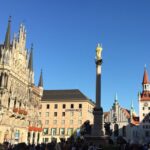
You’ll meet your guide right by Marienplatz, in front of the hotel BEYOND by Geisel at Marienplatz 22 (opposite St Peter). It’s a solid starting point because the square is the city’s visual center, and you can feel how Old Town radiates outward.
This is also a tour that works well even if you’ve never studied German music. Your guide frames names and dates in plain human terms—who was connected to whom, and why a composer would matter in this exact neighborhood. That makes it easier to keep track of the story while you’re walking.
St. Peter’s Church and the Sound of Old Munich
One of the first “wait, that’s why it matters” moments comes at St. Peter’s Church. The tour highlights the tradition of its choir dating back to the early 13th century, which gives you a real anchor point for Munich’s long musical thread.
When you’re used to thinking of classical music as concert-hall-only, that kind of detail changes your mental picture. You start noticing that churches weren’t just religious buildings; they were major sound centers with training, performance culture, and musical standards that lasted for generations.
If you’re short on time in Munich, this stop is a good use of it. It’s a quick way to understand the foundations before the tour starts naming the big composers and describing their world.
Marienplatz and Frauenkirche: Where Training Met Public Life
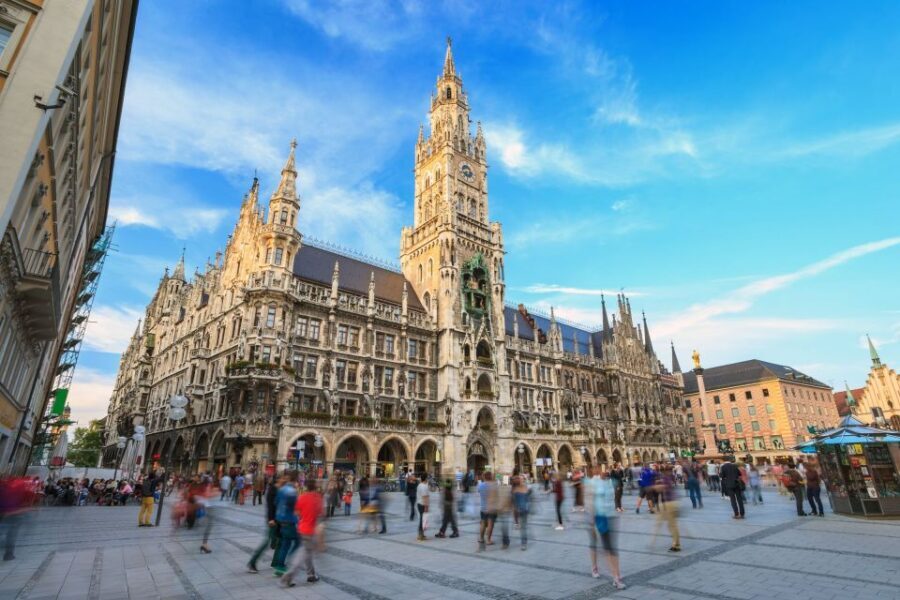
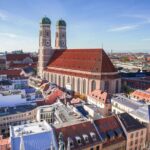
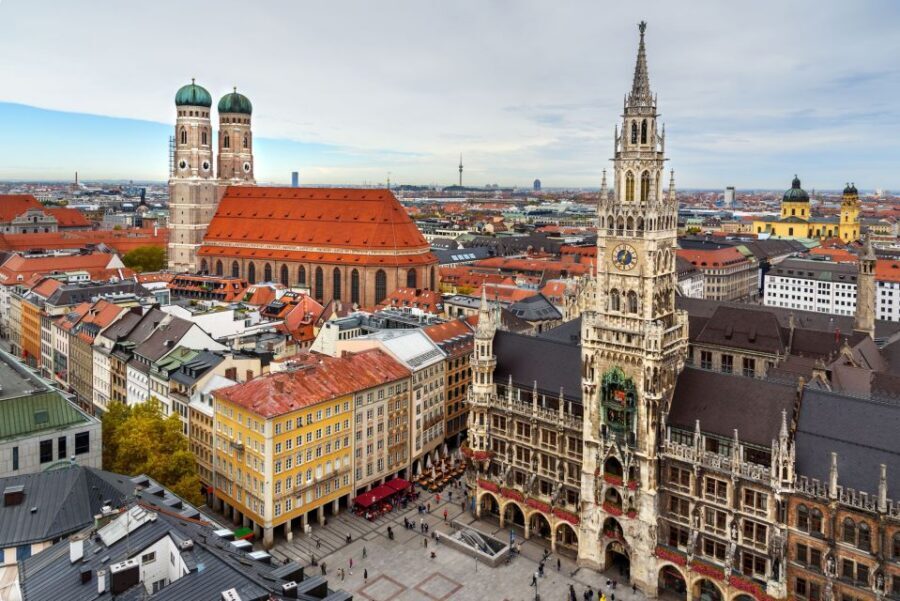
From St. Peter’s area, the tour continues along Marienplatz, and then focuses on Frauenkirche. This is the part where the landmarks feel instantly recognizable, but the story goes further than the usual “this is pretty” explanation.
You’ll hear how young musical talents trained under legendary figures—one named example is Orlande de Lassus, a prominent 16th-century musician. That’s a key idea: Munich wasn’t just a place where famous composers showed up. It was also a place where musical skills were built, taught, and refined.
And it’s not only about formal court music. This stop helps you understand the broader musical culture around the city. You see why people with musical ambition would care about where training happened, and why churches and major city spaces were part of the same ecosystem.
Munich Residentz: Mozart’s Court Connections (and Why They Matter)
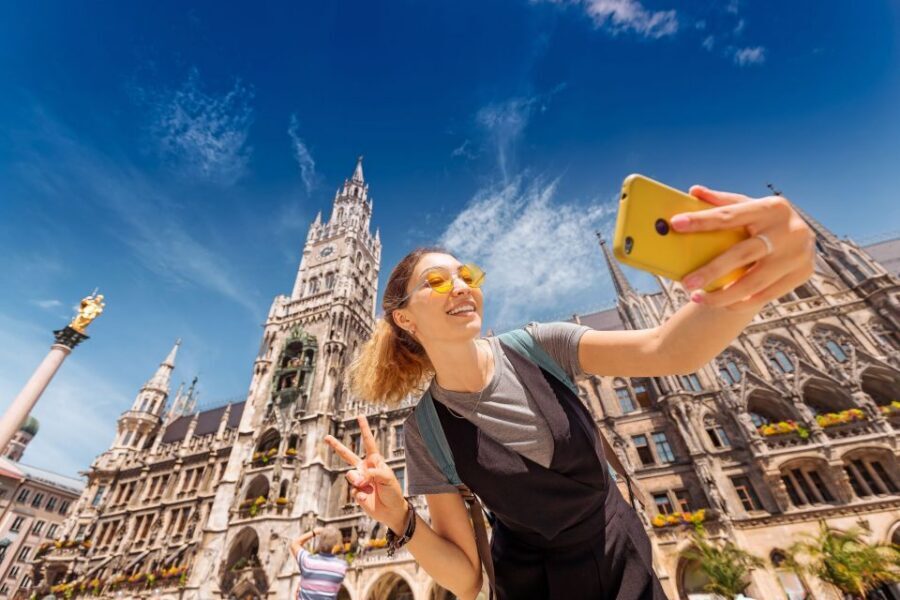
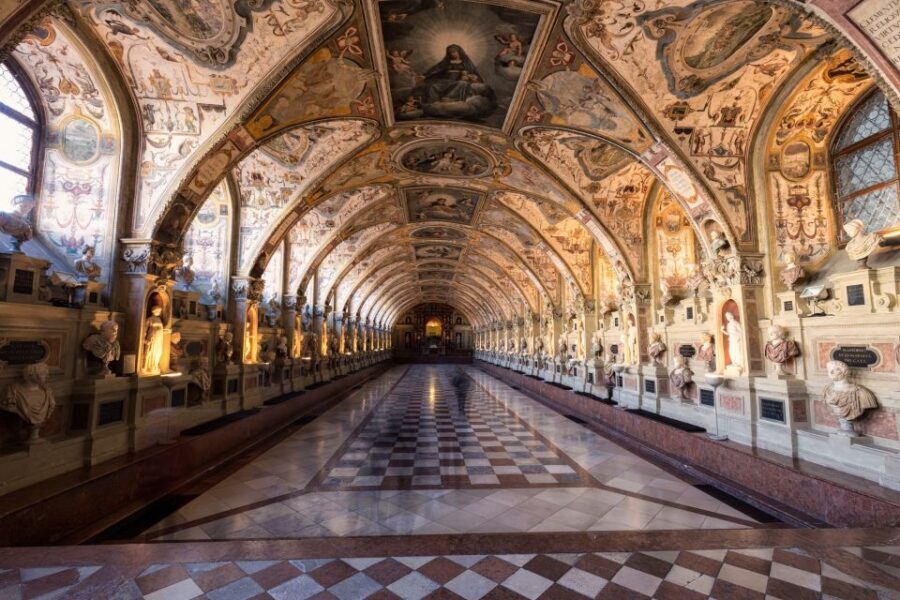
The Munich Residenz is where the tour really shifts from “city landmarks” to “power meets performance.” You’ll see the Residenz as a monument to the court world that shaped music jobs, patronage, and premieres.
Here’s where the Mozart story becomes especially concrete. The tour shares that Wolfgang Amadeus Mozart played a concert for Elector Karl Theodor and also for King of Naples, Ferdinand IV. That detail isn’t just trivia—it explains how composers traveled through elite networks and how court audiences could boost careers fast.
Then you get another important layer: the Residenz isn’t treated like a random palace stop. It’s described as a working center for music culture, where performances weren’t occasional events. They were part of the court’s identity.


Cuvilliés Theater Inside the Residenz: Idomeneo Premiere Lore
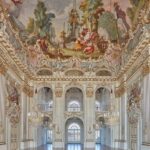
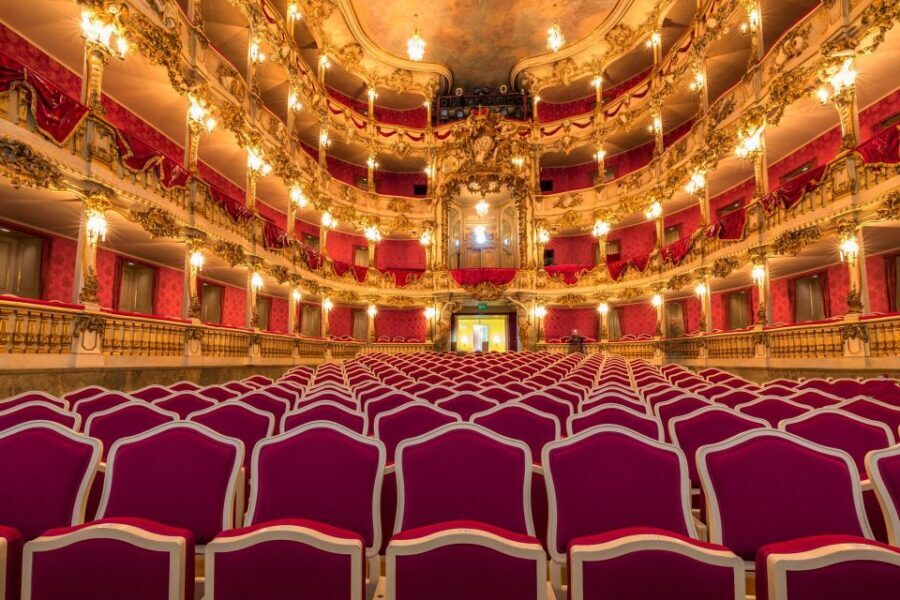
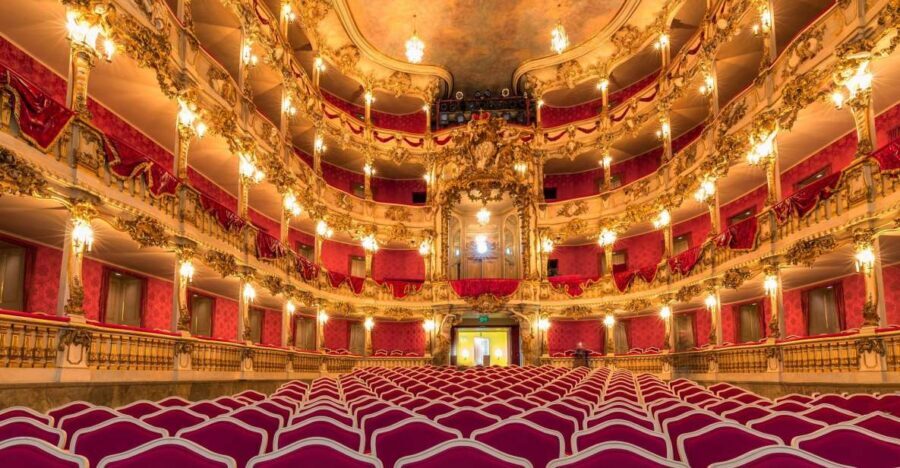
Inside the Residenz complex, you’ll also hear about the Cuvilliés Theater and how it connects to Mozart’s Idomeneo. The tour notes that Mozart premiered the opera there in 1781.
This is the kind of stop I love because it turns an opera title into a place you can point to. Even if you don’t know the full story of Idomeneo, you’ll walk away with a clear sense that certain theaters were built to spotlight major works, and that Munich was in the center of that scene.
Also, if you’re an opera fan, this moment helps you connect opera history to real architecture. You’re not just reading about productions later—you’re matching the music to the room where it first mattered.
National Theater and Bayerische Staatsoper: Wagner and Strauss at Work
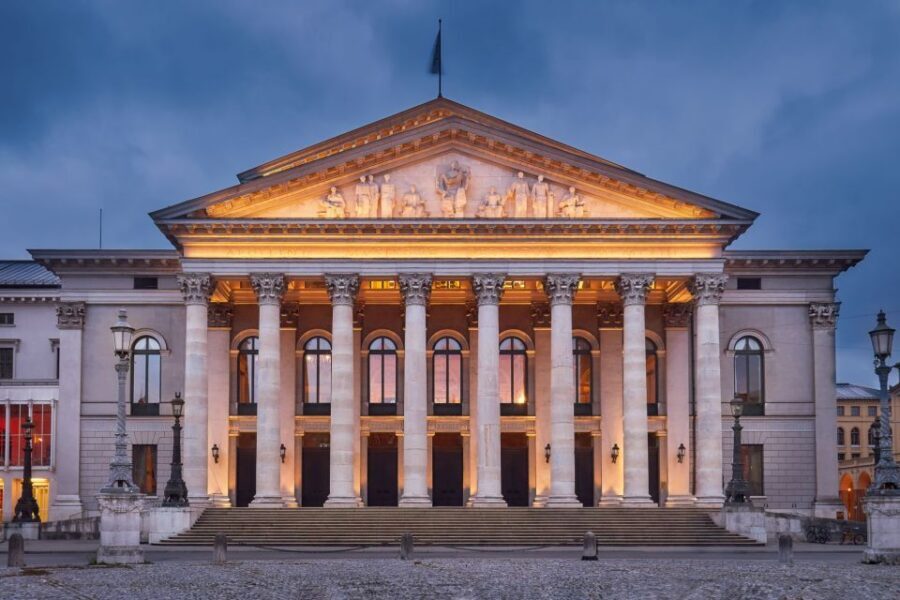
Another major highlight is the National Theater, linked to the Bavarian State Opera (Bayerische Staatsoper). The tour explains that Richard Wagner’s works were premiered there, and it also places Richard Strauss in the same orbit, noting he worked there as a third conductor.
This is a valuable section because it shows continuity. You’re not only chasing one era’s famous names. You’re seeing the way the same institutions kept shaping German classical music across different generations.
One practical tip: while the area is dramatic and historically significant, keep your eyes on your guide’s direction. This part of Old Town can move quickly, and the most interesting details are usually the ones your guide points out at each pause—like what the building represented in its time.
The Tour’s “Music Story” Method: How the Guide Keeps It Understandable
The strongest praise for this tour is consistent: the guide makes the stories land. I like tours where classical music feels like it has human stakes—friendships, jobs, court politics, church training—not just names on a page.
This guide-led approach comes through in how your stop-by-stop walking route stays tied to composer lives. You’ll hear anecdotes about classical music culture and how the different worlds—court, church, and civic life—overlap in Munich.
You also get recommendations on where to go next after the tour. That’s small, but it matters: you don’t leave with only facts. You leave with next steps, which helps you turn the walk into a fuller Munich day.
Value and Practicalities: Is $215 Worth It for 2 Hours?
At $215 per person for a two-hour private walking tour, the price isn’t aimed at bargain hunters. But for a private, licensed 5-star guide, it’s not automatically overpriced either—you’re paying for a focused, customized route with someone who can connect places to music history in real time.
Here’s how I think about value for this specific experience:
- If you’re the type who likes music and wants more than generic sightseeing, you’ll likely get your money’s worth fast. The “where this happened” angle is what makes it feel special.
- If you’re traveling with someone who isn’t as into classical music, you might want to plan for that person’s enjoyment too. The tour is rooted in composer stories, church tradition, and opera history, so interest in the subject really helps.
- Because it’s private, you’re not stuck listening through a format built for a crowd. You can stay on message and keep the walk moving at a pace your guide chooses.
And do note the only real “watch-out” theme: the pacing can run a bit long. If you have a tight schedule after the tour, I’d build in some buffer.
Who This Mozart and German Composers Tour Is Best For
This tour is best for you if at least one of these is true:
- You love classical music names like Mozart, Strauss, and Wagner, and you want them tied to actual streets and buildings.
- You’re curious about how court and church music systems shaped performance culture.
- You like city walking tours that teach without feeling like a lecture.
It’s also a good pick if you’re in Munich for a short stay. Two hours is enough time to get real context around major Old Town anchors like Marienplatz and the Residenz, without turning the day into a full marathon.
If you’re mostly after fast photo stops and don’t care about context, you might find it a slower style of sightseeing. But if you want to understand what you’re looking at, this works.
Should You Book This Tour?
Book it if you want Munich to feel like music—where Marienplatz, Frauenkirche, the Residenz, and the National Theater each come with a story you can remember. The private guide format is a big plus, and the tour’s strongest moments are clearly the composer-linked anecdotes tied to real performance locations.
Skip it—or at least reconsider—if you don’t want a guided narrative or if you hate walking for two hours in Old Town streets. Also, if your schedule is super tight, plan extra time, because the tour can run longer than you might expect.
FAQ
What’s the duration of the Mozart and German Composers Private Tour in Munich?
The tour lasts 2 hours.
Where do I meet the guide for the tour?
Meet your guide in front of the hotel BEYOND by Geisel, Marienplatz 22, 80331 Munich, Germany (opposite St Peter). Please don’t enter the hotel—it’s only a meeting point.
Is this tour private?
Yes, it’s a private group tour.
What languages are available?
The live guide is available in English, French, German, Italian, Spanish, and Polish.
How much does the tour cost?
The price is $215 per person.
What should I do the day before the tour?
Please check your email the day before the tour to receive important information.