REVIEW · MUNICH
Third Reich – Facts about WWII : Small Group Walking tour
Book on Viator →Operated by Paul Riedel · Bookable on Viator
Munich becomes your classroom for WWII. In 2–3 hours, you follow a guide through landmark sites tied to the Third Reich, the Nazi rise, and Bavarian resistance—without you having to map it all out.
I love that it stays small (up to 15 people), so the route doesn’t feel like a shuffle line. And I really like the way guide Paul Riedel connects the streets and buildings into one clear story, with pacing that fits what you want to focus on.
One consideration: parts of the route are serious and emotionally heavy, and some stops involve buildings where admission isn’t included, so you may want extra time (and money) if you plan to enter museums.
In This Review
- Key things I’d plan around
- A small-group WWII walk that hits the big monuments
- Getting your bearings: Karlstor to Haus der Kunst
- Konigsplatz: book burning, propaganda cameras, and stone markers
- From Nazi art casts to the Brown House story
- Karolinenplatz and the social machinery behind Hitler
- Justizpalast: the Scholl sisters and Nazi trials
- Briennerstraße 7: doctors and the life-or-death decisions
- Platz der Opfer des Nationalsozialismus: Gestapo power, then the memorial
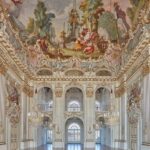
- Residenz München and the showy side of power
- Hofgarten and “Degenerated Art” under Nazi control
- Ludwig Maximilian University: the White Rose resistance story
- Odeonsplatz: the Hitler Putsch, repeated for emphasis
- Haus der Kunst: Paul von Trost and what art spaces meant
- Time, tickets, and what to expect in a 2–3 hour walk
- Admission: what’s included vs not
- A quick tip for your comfort
- Price and value for a guided WWII focus in Munich
- Who this tour suits best
- Should you book Third Reich – Facts about WWII?
- FAQ
- FAQ
- How long is the Third Reich – Facts about WWII walking tour?
- What is the group size?
- Where does the tour start and end?
- What time does the tour begin?
- Is a guide included in the price?
- Are museum or attraction admission tickets included?
- Can I cancel for a full refund?
- Is the tour suitable for most people?
Key things I’d plan around
- Small group, more breathing room: max 15 travelers keeps questions possible and the walk less rushed
- Paul Riedel’s street-level storytelling: you get the why behind what you’re seeing, not just dates
- Konigsplatz to Odeonsplatz: you connect propaganda spaces to the Hitler Putsch story in one sweep
- Resistance is part of the route: the White Rose and the Scholl sisters are directly addressed
- Some major stops are ticketed separately: plan for buildings where entry isn’t covered in the price
A small-group WWII walk that hits the big monuments
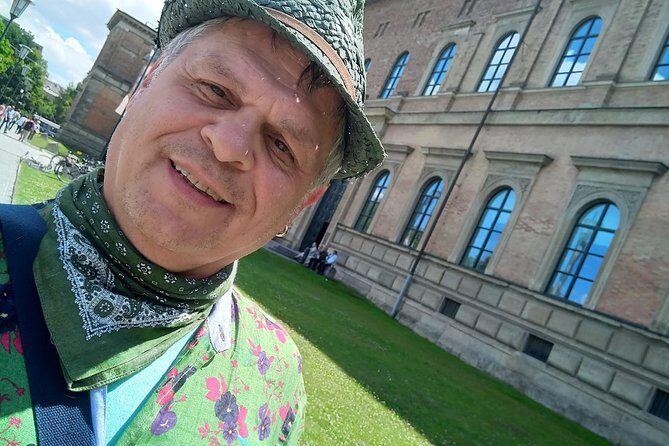
This Third Reich – Facts about WWII tour is built for people who want meaning fast. You’re not trying to turn Munich into a self-guided research project. Instead, you walk a tight loop and get explanations at the key places where Nazi power, propaganda, and persecution shaped daily life.
The best part is that the tour’s structure matches how cities work. Munich looks like Munich: traffic, cafes, people going about their day. But the same streets also held rallies, state power, and show-trials. On this route, the “what” and the “why” meet on the sidewalk.
You can also read our reviews of more walking tours in Munich
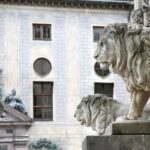
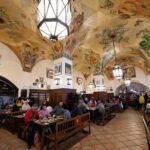
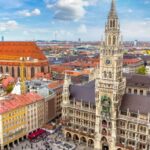
Getting your bearings: Karlstor to Haus der Kunst
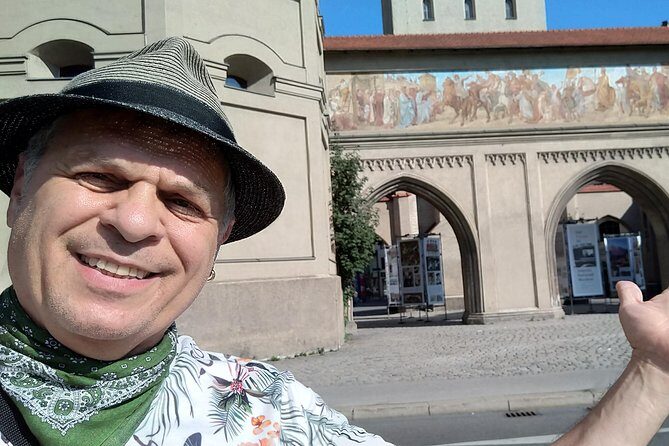
You start at Karlstor, Neuhauser Str. (80331 München) at 1:00 pm. The tour ends up at Haus der Kunst, Prinzregentenstraße 1 (80538 München)—so you’ll finish near a major cultural area.
Because it’s a walking tour of about 2 to 3 hours, it’s ideal if you have limited time in Munich and you want one focused hit on WWII-era sites. It also makes sense timing-wise: early enough for you to keep the rest of your day flexible.
A practical plus: you get a mobile ticket, and the route is near public transportation, which makes it easier to reposition if you need to. Service animals are allowed, and the tour notes that most travelers can participate.
Konigsplatz: book burning, propaganda cameras, and stone markers
Your first stop is Konigsplatz, one of Munich’s most symbolic squares. Here, the story isn’t just “Nazi history happened.” It’s how the regime used space, spectacle, and art to signal permanence.
You’ll hear about the book burning and see references tied to filmmaker Leni Riefenstahl, including the camera positions she used from around the square. That detail matters because it shows propaganda as a craft, not just a political message. The square also has granit plates—physical markers that anchor the story to the landscape.
If you’re the type who likes to understand how messages were manufactured, Konigsplatz is where the tour starts clicking.
Possible drawback: because this stop is very interpretive, you’ll want to listen closely rather than “tourist gaze” your way through. Wear shoes you can stand in comfortably for a short while.
From Nazi art casts to the Brown House story
Next you’ll pass by the Museum für Abgusse Klassischer Bildwerke—a stop tied to two twin buildings designed by Paul von Trost and constructed for the Nazis. Even if you don’t go inside, the point is clear: architecture helped sell the idea of a new order.
After that, the route moves to NS-Dokumentationszentrum München, where you get the background behind the Brown House. You’ll hear about how Hitler organized the NSDAP and about involvement from the church during WWII.
Important note: the tour doesn’t include admission for this stop. So think of it as a guided walk-and-story moment rather than a museum entry included in your price. If you want deeper access inside, you may need separate planning and time.
Karolinenplatz and the social machinery behind Hitler
At Karolinenplatz, the tour shifts from institutions to people. You’ll hear about the Bruckmanns, who mattered in the rise of Hitler as a charismatic figure and helped introduce him into society.
This is a useful angle because it complicates the common story you hear in textbooks. It’s not only ideology and street power; it’s also networking, influence, and the social acceptance that helps movements grow.
This stop is brief, but the takeaway can stay with you: propaganda wasn’t only created by the state. It was also amplified by individuals who had access and status.


Justizpalast: the Scholl sisters and Nazi trials
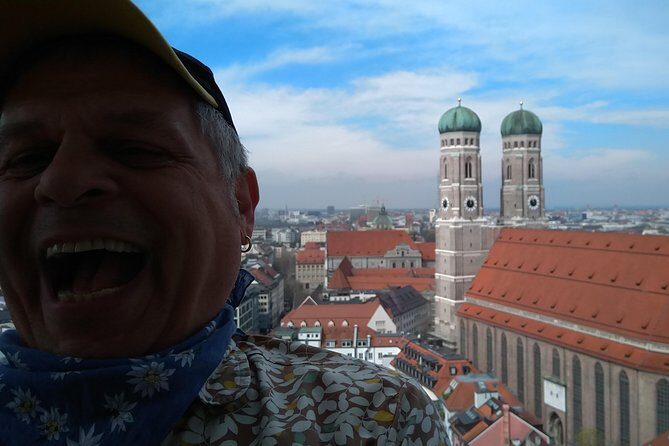
Then you’re at the Justizpalast. Here, the tour points you toward the legal face of terror—the system that could make persecution feel like procedure.
You’ll hear about the trials involving the Scholl sisters, along with other Nazi-era trials. The value of this stop on a walking tour is that you understand the setting. Courts aren’t abstract. They’re rooms and steps and lines where people were processed by power.
If you want a clearer picture of resistance, this is one of the more direct stops in the loop. It’s also a good moment to pause and let the story land, since the theme is heavy.
Briennerstraße 7: doctors and the life-or-death decisions
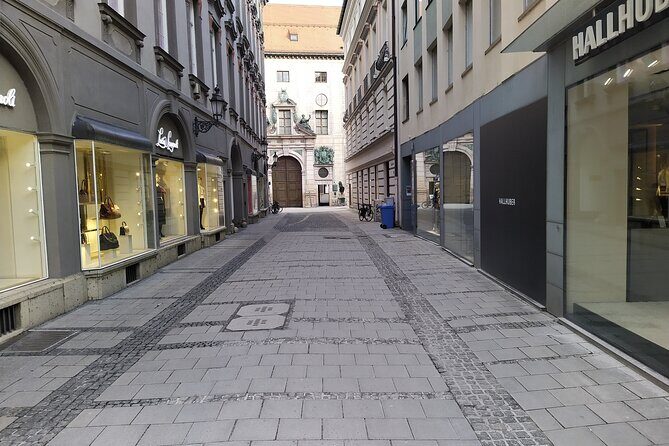
At Briennerstraße 7, you’ll hear about Haus der Deutsche Ärzte, including what happened at number 23. This part focuses on doctors deciding life and death for many.
Even from outside, the tour makes the point that Nazi policy wasn’t limited to uniforms and speeches. It reached deep into professional authority. This stop is a reminder that persecution used multiple tools, including institutions people trusted.
Because the theme is ethically brutal, I’d treat this like a listening stop, not a photo stop. If you want to process, take a minute before moving on.
Platz der Opfer des Nationalsozialismus: Gestapo power, then the memorial
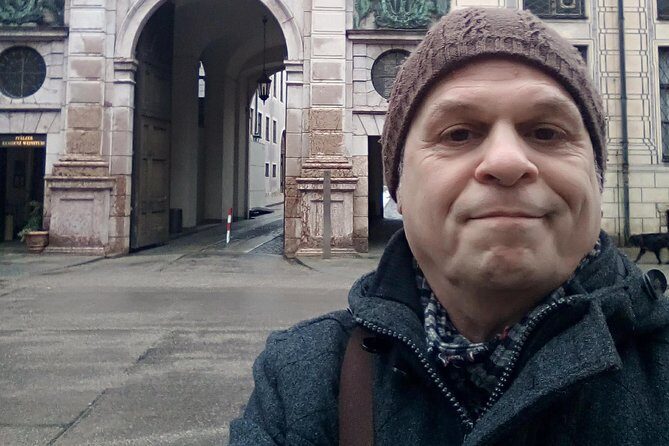
Next comes Platz der Opfer des Nationalsozialismus. The tour frames it in two halves.
Before you reach the memorial itself, you look back toward the site of the early Wittelsbacher Palais, described as a central place for the Gestapo. Afterward, you see the monument to victims from the NSDAP.
That sequence is smart for a walking tour. You get contrast: where repression operated, and where remembrance now lives. It also helps you read the urban landscape with more accuracy. Buildings can change names, functions, and surfaces. The power story beneath them doesn’t.
Residenz München and the showy side of power
You then head to Residenz München, with the tour explaining that a Nazi figure once lived there in a palace that belonged to Bavarian kings and dukes. You also get a mention of the night of the amazones.
This is where the tour shows something uncomfortable: Nazi power didn’t always look like a street riot. It also moved into elite spaces, using the prestige of old authority.
Admission isn’t included here. So think of your time as guided viewing tied to context, not guaranteed museum entry.
Hofgarten and “Degenerated Art” under Nazi control
At Hofgarten, the tour brings you to the theme of art being policed. You’ll hear about Degenerated Art—an exhibit connected with many expressionist artists.
What I like about this stop is that it shows how the regime controlled identity through culture. It wasn’t only about banning politics. It also attacked styles and voices that didn’t fit the state’s preferred image.
This stop is marked as admission-free, so you’ll likely have time for a guided explanation without ticket pressure.
Ludwig Maximilian University: the White Rose resistance story
At Ludwig Maximilian University, the focus becomes resistance with a famous name: the White Rose. You’ll hear about the Scholl sisters again here in relation to the resistance movement against the Nazis.
This stop is powerful because it connects resistance to real institutions. Universities weren’t just campuses. They were places where ideas could be spoken, circulated, and punished.
The best way to appreciate this stop is to listen for how the tour links the resistance story to the earlier Nazi power stories. The walk builds a loop of cause and consequence.
Odeonsplatz: the Hitler Putsch, repeated for emphasis
You visit Odeonsplatz, where you’ll hear about the Hitler Putsch—an early chapter in the tragedy. The tour includes at least one extended moment here, and then repeats the Odeonsplatz area later to cover the Putsch and other major events in the Nazi campaign.
I like the repetition because it keeps you from treating this as one quick mention. The Putsch isn’t just a historical footnote. It’s a turning point, and the tour uses the location to reinforce that.
As with other stops, admission is listed as free for these Odeonsplatz segments, so you stay in the guided street-story mode.
Haus der Kunst: Paul von Trost and what art spaces meant
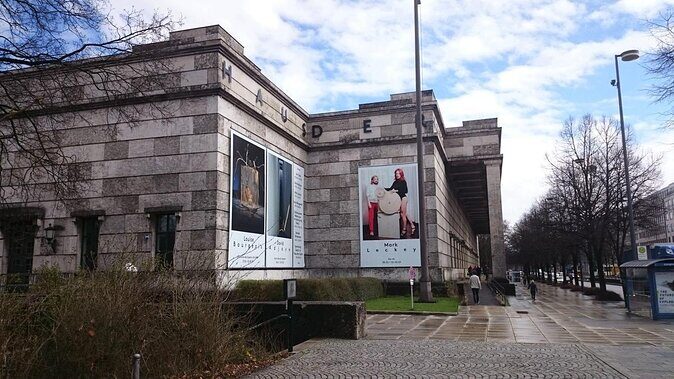
Finally, you reach Haus der Kunst. The tour notes Paul von Trost again through the building’s connection, and it talks about art in this venue.
Admission isn’t included for this stop. So again, you’re getting the guided interpretation of the site more than a paid museum ticket inside.
That said, this ending point is good because it leaves you near a place where you can choose your own follow-up. If you’re curious, you have a cultural hub right at your doorstep when the walk finishes.
Time, tickets, and what to expect in a 2–3 hour walk
This is not a “see every door” tour. It’s a focused walk with about 13 stops spread across the center of Munich. Each stop is typically around 5 to 15 minutes.
Here’s what that means for your day:
- You’ll spend most of the time listening outdoors at specific points.
- You may not have long at any one place, even when the topic deserves more.
- The tour is designed to cover the arc quickly: propaganda spaces, state machinery, and resistance.
Admission: what’s included vs not
Some stops are marked with admission tickets free (like Konigsplatz, Justizpalast, Karolinenplatz, and Odeonsplatz segments). Other stops explicitly say admission isn’t included (like NS-Dokumentationszentrum München, Residenz München, and Haus der Kunst, plus the Paul von Trost twin-building museum stop).
So if you love museums, I’d treat those “not included” stops as: you’ll get the story, and if you want more, you’ll need to plan extra time after the tour.
A quick tip for your comfort
With a route this intense, bring water if it’s warm, and wear footwear you trust for standing and short walks. The tour is only a couple hours, but the topics can make you forget to move.
Price and value for a guided WWII focus in Munich
The price is $109.86 per person for this 2–3 hour small-group walking tour, with an average booking window of about 24 days in advance.
Is it worth it? For Munich, I think it can be, if your goal is understanding more than sightseeing. You’re paying for:
- a professional guide (not a generic audio script),
- a tight route that covers multiple WWII-related anchors,
- and a group limit of 15, which helps keep explanations specific instead of rushed.
You could try building this route yourself. But you’d be guessing at why each spot matters, and you’d lose time bouncing between locations. Here, the tour chooses the places that carry the story forward.
One thing to budget: since some stops don’t include admission, your total “trip cost” might rise a bit if you decide to enter museums afterward. Also, the guide note suggests considering tipping—I’d do that if you feel the pacing and explanations worked for you.
Who this tour suits best
This tour fits best if you:
- want a single guided WWII overview in Munich without planning a multi-stop itinerary,
- care about the connection between propaganda, institutions, and resistance,
- and like walking tours where the guide points out what to notice at each site.
It may be less ideal if you want a lighter, entertainment-first day. This route is about Nazism and its consequences, plus resistance stories like the White Rose. It’s also not built for long museum time at each location.
Should you book Third Reich – Facts about WWII?
I’d book it if you want the fastest route to a real understanding of Munich’s WWII landscape, with a small group and a guide who can connect the dots without drowning you in dates. Ending near Haus der Kunst is also convenient if you want culture afterward.
Skip it if you already know a lot and you mainly want museum entrances, since several major sites here have admission not included. Or if you prefer a less intense theme for your day, consider a lighter city walk instead.
FAQ
FAQ
How long is the Third Reich – Facts about WWII walking tour?
The tour runs about 2 to 3 hours.
What is the group size?
The tour has a maximum of 15 travelers, which keeps it small-group.
Where does the tour start and end?
It starts at Karlstor, Neuhauser Str. (80331 München) and ends at Haus der Kunst, Prinzregentenstraße 1 (80538 München).
What time does the tour begin?
The listed start time is 1:00 pm.
Is a guide included in the price?
Yes, the tour includes a professional guide.
Are museum or attraction admission tickets included?
Some stops are marked as free, while others are not included for admission (for example, the NS-Dokumentationszentrum München, Residenz München, and Haus der Kunst).
Can I cancel for a full refund?
Yes. You can cancel up to 24 hours in advance for a full refund.
Is the tour suitable for most people?
The tour notes that most travelers can participate, and it allows service animals.