REVIEW · MUNICH
Munich City Pass: Admission to 45 activities and Public Transport
Book on Viator →Operated by Turbopass GmbH · Bookable on Viator
A pass that turns Munich into a checklist. With a Munich City Pass, you choose 1 to 5 days and get 45+ admissions plus public transport, so your day runs on your pace instead of ticket lines. One heads-up: a few sites involve guided or special-timed options that must be booked in advance.
I love how the mix stays practical. You can jump from Old Masters at Alte Pinakothek to big science at Deutsches Museum, then switch gears to Nymphenburg’s palace world without re-planning from scratch.
In This Review
- Key highlights to plan around
- Munich City Pass value: what $48 gets you in real life
- Getting around Munich: S-Bahn, U-Bahn, and the Express Circle
- Art hits you can chain together: Alte Pinakothek to Pinakothek der Moderne
- Cuvilliestheater for rococo drama
- Schloss Schleissheim and the Nymphenburg palace world
- Deutsches Museum and its cousins: science that’s easy to love
- Munich’s other museum worlds: Egyptian, coins, nature, and five continents
- Candidly quirky Munich: Valentin Musaum and a comic pause
- Views and royal interiors: Ruhmeshalle, Residenz Museum, and the Neus Rathaus
- Big fun outdoors: Olympiapark, the giant wheel, and SEA LIFE
- Pop culture and sports mood: Bavaria Filmstadt and FC Bayern Museum
- Serious Munich history: Jewish Museum Munich and NS-Dokumentationszentrum
- Practical pacing for 1 to 5 days: how to build a winning schedule
- Should you book the Munich City Pass?
- FAQ
- How long is the Munich City Pass valid?
- How much does it cost?
- What language is the pass offered in?
- Does the pass include public transportation?
- Which attractions are included for free?
- Are any major attractions included with admission ticket?
- Do I need to book anything in advance?
- How long should I plan for each stop?
- What is included from the Hop-on-Hop-off option?
- What is the cancellation policy?
Key highlights to plan around
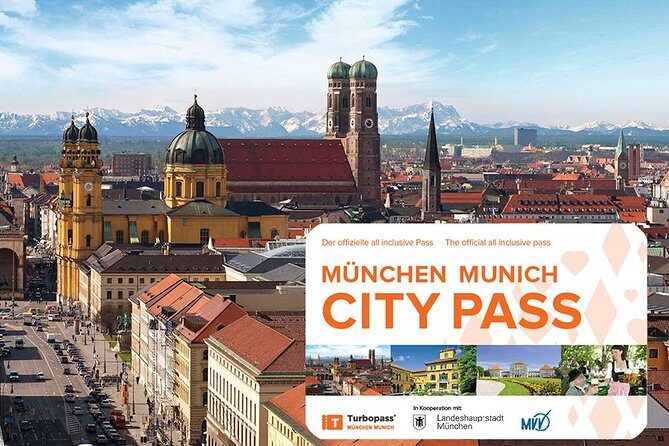
- Pick your day count (1–5 days) to match how hard you want to museum it.
- Public transport access with M-6 zone choice so you can move without constant ticket buying.
- Skip the ticket-line hassle with included entries at many major sights.
- Big-name inclusions like Deutsches Museum, Nymphenburg Palace, Lustheim Palace (Meissen porcelain), and FC Bayern Museum.
- 24-hour Hop-on-Hop-off Express Circle (7 stops) for quick city routing.
Munich City Pass value: what $48 gets you in real life
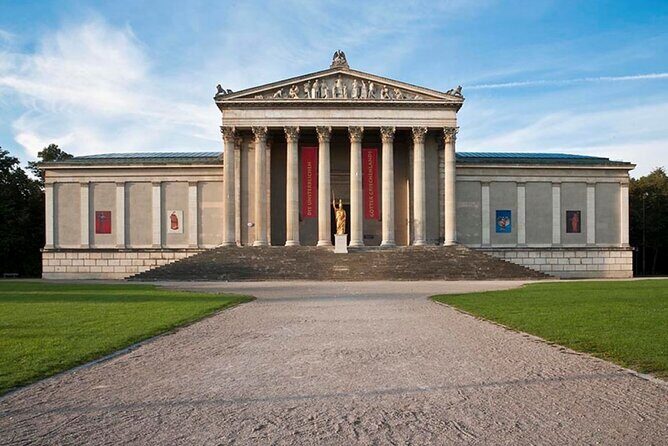
At $48 per person, this pass is built for one thing: letting you stack a lot in a short time without paying every single ticket separately. You’re getting access to more than 45 activities in Munich and public transport, which matters because Munich costs you time as much as money. When you’re hopping between museums, palaces, and landmarks, a pass that reduces ticket friction can feel like a secret weapon.
The key detail is that the pass supports flexible trip lengths: one-day bursts, or a fuller 3-to-5 day plan. In practical terms, that means you can build days around what you actually like, instead of forcing a fixed tour rhythm.
Also, it’s offered in English, and the experience has a maximum of 15 travelers. Even if you’re not doing a full guided tour, that cap usually signals better organization if any timed elements come up.
You can also read our reviews of more city tours in Munich



Getting around Munich: S-Bahn, U-Bahn, and the Express Circle
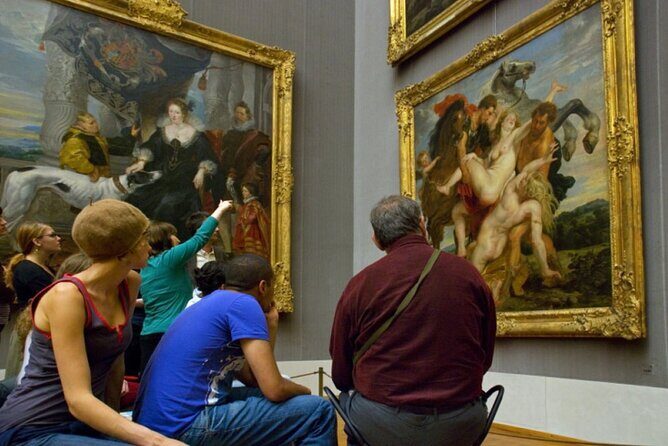
Public transport is one of the reasons this pass feels worth it. The included transport option gives you access for the inner or entire area (M-6) depending on what you select. If you’re planning more than a couple of stops outside central Munich, I’d pick the wider zone so you don’t end up doing extra rides paid out of pocket.
I also like that it’s set up for Munich’s real flow: S-Bahn and U-Bahn. When your day is already museum-heavy, you want transit that keeps you moving with minimal fuss.
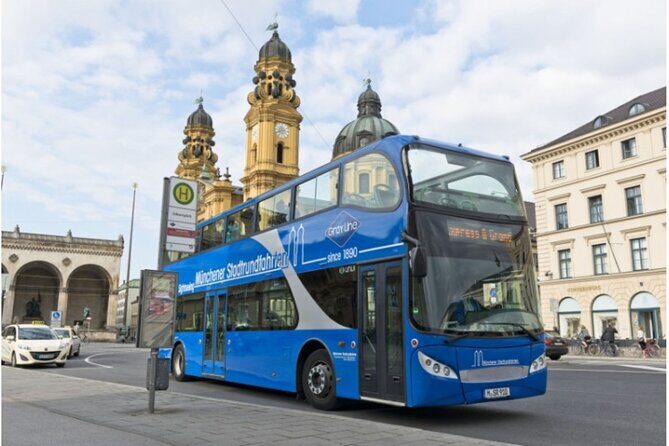
Then there’s the 24-hour Hop-on-Hop-off Express Circle (7 stops). I treat this like a fast “get your bearings” tool. It’s helpful when you want to connect multiple areas in one day without spending mental energy on route math.
Tip for your planning: group stops by area. Munich museums are excellent, but crossing the city repeatedly will eat your energy. With the pass transport options, you can move faster, yet it still helps to keep your route tidy.
Art hits you can chain together: Alte Pinakothek to Pinakothek der Moderne
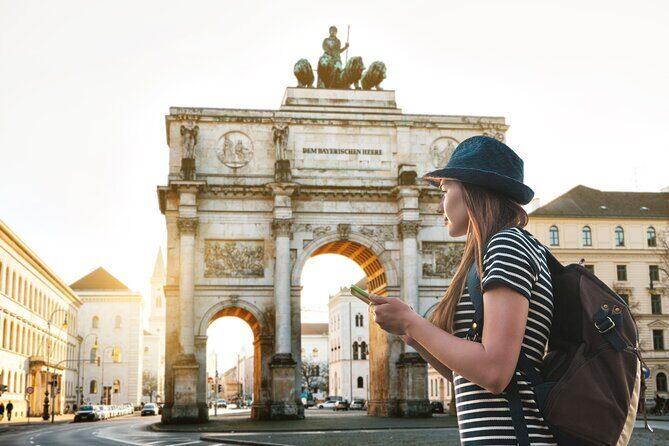
If you want Munich as a museum city, this pass gives you a smooth art arc.
Start with Alte Pinakothek. It’s all about standout European painting from the 14th to the 18th centuries. Plan for real looking time here. This isn’t the place for a rushed walk-through. Two hours is enough to appreciate the big themes, but you’ll likely circle back if you’re serious about Old Masters.
Next, Glyptothek is your ancient-art palette cleanser. It’s known for a top Greek vase collection, plus other ancient works in materials like gold, bronze, ceramics, and glass. This is a great option if you like art that tells you how people lived—through objects, not just portraits.
Haus der Kunst shifts you into contemporary territory. If you like modern art but don’t want to commit to a full day of heavy critique, this is a good middle step between the historic galleries and the more modern museums.
Kunsthalle Munich is another strong bridge. It covers works from antiquity to the present, which can be a little like museum time travel—useful when you want variety without leaving your art theme.
Now go deeper with Munich-specific favorites:
- Lenbachhaus: home to the worldwide largest collection of the Blue Rider (Der Blaue Reiter). If you’ve heard that name, this is where it makes sense on the wall.
- Sammlung Schack: focuses on paintings by Franz von Lenbach, letting you go more focused than the broader Blue Rider story.
- Museum Brandhorst: modern and contemporary art behind a dramatic facade—great when you want color, scale, and newer approaches.
- Museum Villa Stuck: the home of Franz von Stuck. Even if you’re not an expert, it helps to see the artist’s world in the building where it happened.
Two “finishers” are worth knowing:
- Neue Pinakothek is listed as closed from January 1, 2019 until 2025 for renovation. Because of that, I’d treat it as a swap option, not a must-do. Check the current status when you book your day plan.
- Pinakothek der Moderne rounds the art cycle with major modern art holdings. This is a good choice if you want to keep your day focused on art rather than switching into palaces or history.
For art lovers, this is where the pass earns its keep. You can build a day with minimal backtracking: Old Masters → classics/object art → modern institutions, all using the same overall ticket logic.
Cuvilliestheater for rococo drama
Don’t miss Cuvilliestheater. It’s a Rococo theater and it’s often cited as one of the most beautiful of its kind in Germany. Even if you aren’t catching a performance, the space itself is the point: a reminder that Munich wasn’t only about museums and science. It was also about stagecraft and power dressed as elegance.
This is also a smart stop if you want something different from paintings—architecture and interior design can be a mental reset.
Schloss Schleissheim and the Nymphenburg palace world
If your Munich is palace and gardens daydreams, you’re set.
Schloss Schleissheim is home to two exhibitions: the Ecumenical Collection of Gertrud Weinhold and Prussia’s Cultural History Collection. It’s an interesting blend, so give yourself time to shift gears between spiritual/ecumenical themes and a more historical cultural story.
Then move toward the Nymphenburg area complex. Botanischer Garten München-Nymphenburg is your “slow down” stop. Expect flower-filled strolling in a setting that feels made for an easy pace. Two hours sounds long, but gardens pass quickly when you’re not just walking for photos.
Back in palace mode:
- Nymphenburg Palace is a major anchor. It was once a refuge for the Munich court, and that context helps you understand why rooms feel both formal and designed for escape.
- Marstallmuseum adds an important detail: carriage history. It traces development of carriages from the late 1600s to the late 1800s, with exhibits from Germany, France, and England. It’s a fun way to connect “royal life” with actual technology and design.
- The palace park castles are a trio: Amalienburg, Pagodenburg, and Badenburg Palace. Each is listed as a separate stop. I treat them like a sequence: start with one, then use the others to compare style changes across the same grounds.
Two extra palace add-ons round out the loop:
- Lustheim Palace: included here, with the Meissen porcelain collection. Porcelain can be a surprise favorite if you like craftsmanship and detail. Two hours is enough to see why Meissen matters.
- Amalienburg/Pagodenburg/Badenburg: these are best when you don’t try to speed through. You’ll appreciate them more if you treat them as “walk, look, compare.”
One planning note: this is an area where you’ll want good shoes and breathable layers. Even if every stop is “only” two hours, the walking time inside palace grounds adds up.





Deutsches Museum and its cousins: science that’s easy to love
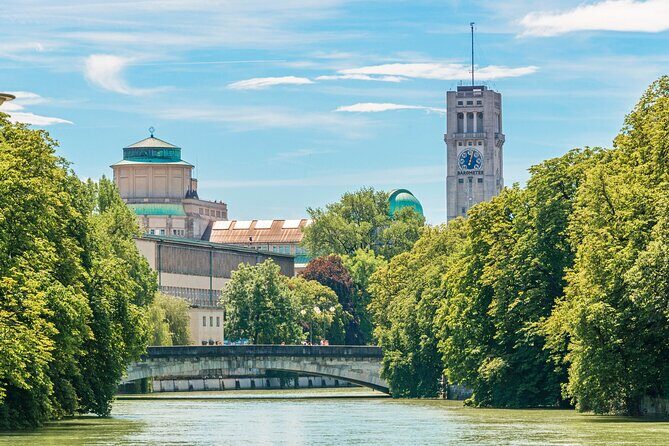
This is probably the most famous stop on the pass, and it makes sense.
Deutsches Museum is one of the largest science and technology museums in the world. You won’t see everything unless you’re staying all day, but the pass structure helps you pick a focused slice. I like approaching it with curiosity: choose one or two themes—space, engineering, energy—and ride that curiosity through the halls.
Right beside that, you’ve got Deutsches Museum Verkehrszentrum. This one zeroes in on vehicles, so it’s a strong match if you’re the type who reads signs slower and enjoys how machines evolved.
For aviation history, check out Flugwerft Schleissheim, with nearly 70 aerospace exhibits across about 8,000 m². It’s big, so pick what you care about first. If you love aircraft, you’ll probably stretch your time. If you’re more casual, a focused route keeps it fun instead of exhausting.
Deutsches Theatermuseum is your curveball. There isn’t a permanent exhibition due to space limits, but special exhibitions run regularly. On a pass, this is useful because it gives you something different from other museum categories.
Then there’s Museum Reich der Kristalle. The name says it all: crystals and minerals, including items like diamonds and emeralds. If you like objects that feel almost too perfect, this can be a satisfying payoff after hands-on science.
Munich’s other museum worlds: Egyptian, coins, nature, and five continents
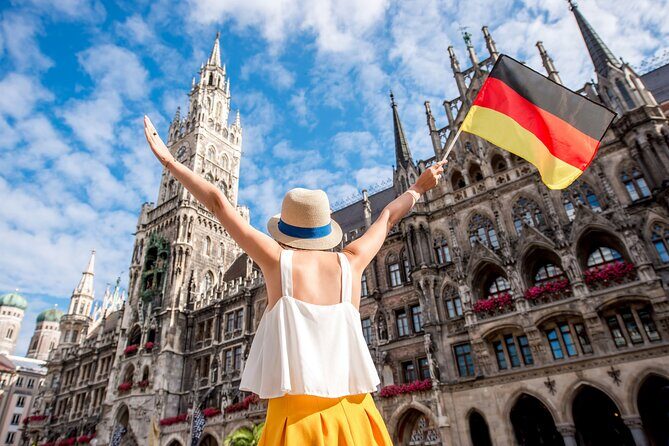
This pass doesn’t just do science and art. It also covers global culture and natural history.
Museum Fünf Kontinente (Museum Funf Kontinente) focuses on cultural riches from around the world. It’s a solid stop for balancing the more European-heavy museums you’ll see elsewhere on your pass.
Museum Mensch und Natur is natural history. Two hours works best if you treat it like a guided conversation with yourself: look, read, and connect what you see to what you already know about how life adapts.
For ancient civilizations, visit Munich Museum of Egyptian Art. It covers 5,000 years of Egyptian culture and art, which is mind-blowing in scale. You won’t capture it all in a single sitting, but you’ll come away with clearer mental anchors: how art styles changed and how objects carried meaning.
Want something smaller and very concrete? Staatliche Münzsammlung München (State Coin Collection) holds more than 3,000 objects, with pieces dating back to the third millennium BC. Coins are underrated. They’re tiny time capsules, and they work well when you’re tired of huge halls.
Bavarian National Museum also belongs in this “broad Munich museum” lane. It’s described as one of the largest museums in Germany and appeals to art lovers because of its diverse collections. If you want one stop that gives you variety without switching neighborhoods too much, it’s a strong candidate.
Finally, Münchner Stadtmuseum (Munchner Stadtmuseum) near Viktualienmarkt gives you Munich through local eyes. It’s one of the best ways to feel anchored in a place before you sprint back to castles and galleries.
Candidly quirky Munich: Valentin Musaum and a comic pause
Not every museum needs to be heavy.
Valentin Musaum (Valentin-Karlstadt-Musäum) is quirky and original. Two hours here can be a release valve between serious exhibits. If you like comedy, satire, or just the feeling of something more personal than a textbook, this is an easy recommendation.
Views and royal interiors: Ruhmeshalle, Residenz Museum, and the Neus Rathaus
For iconic “look out at the city” moments, this pass helps you hit the high points.
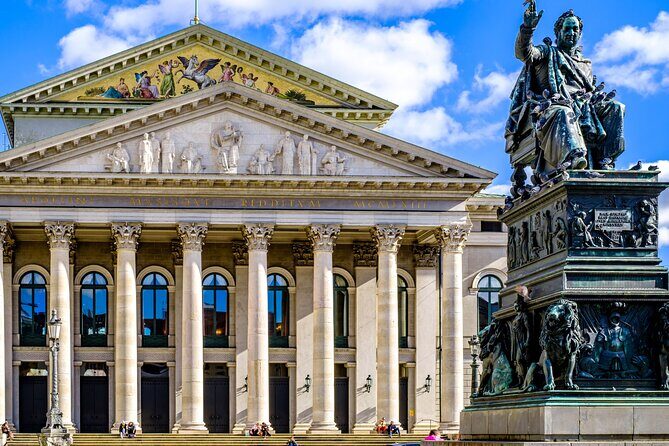
Ruhmeshalle und Bavaria is a huge statue of Bavaria’s patron with a height of about 18 meters, standing in front of the Hall of Fame. It’s not a museum inside. It’s a moment outside that helps you understand Munich’s public identity.
Then go inside for elegance at Residenz Museum. It’s where the Treasury of the Munich Residence lives, and it’s described as one of the most prestigious collections of its kind. If you like high craftsmanship and historical display, this is a great contrast to science museums.
For classic Munich skyline views, do New Town Hall (Neues Rathaus). The tower view is the highlight. Even if you’re not planning to spend hours on bureaucracy, this is worth it for the perspective.
Big fun outdoors: Olympiapark, the giant wheel, and SEA LIFE
Need a break from indoor museums? This part of the pass is built for that.
Umadum das Munchner Riesenrad is the biggest transportable giant observation wheel. It’s a “see the city from above” moment without needing a mountain day. Two hours is enough to ride and wander nearby.
Then Olympiapark includes the Park Railway. The railway helps you move around the park without tiring yourself out, which is useful after you’ve already packed museums.
SEA LIFE Munich in Olympiapark brings you underwater life. If your group includes kids or anyone who wants a lower-brain-load attraction, this can reset energy quickly.
Pop culture and sports mood: Bavaria Filmstadt and FC Bayern Museum
If you want Munich beyond museums, you’ve got two high-energy options.
Bavaria Filmstadt lets you see original movie scenes and famous TV highlights. It’s a fun switch when you’ve already done plenty of galleries.
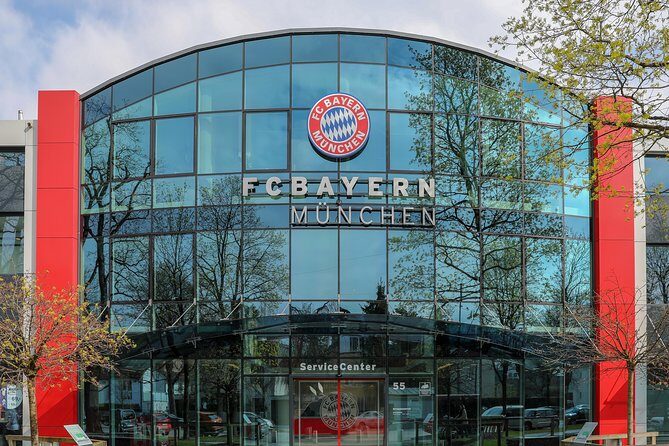
Then FC Bayern Museum is included, and it’s described as the biggest club museum in Germany, inside the Allianz Arena Erlebniswelt. Even if you’re not a diehard, sports museums work because they turn history into stories and artifacts you can grasp fast.
Serious Munich history: Jewish Museum Munich and NS-Dokumentationszentrum
Two stops here deserve calm attention.
Jewish Museum Munich (Jüdisches Museum München) gives you Munich’s history from the Jewish perspective. That viewpoint matters, because it changes what you notice in everyday city life.
NS-Dokumentationszentrum München focuses on learning and remembrance around Nazism and the consequences of dictatorship. This isn’t a quick photo stop. Build time for reading and pacing yourself.
If you’re planning a busy day, consider placing these two earlier rather than stacking them back-to-back with lighthearted attractions later. Your brain needs space after this kind of museum.
Practical pacing for 1 to 5 days: how to build a winning schedule
With this pass, your biggest job isn’t choosing whether it’s good. It’s choosing which parts of Munich you can actually enjoy without feeling like you’re speed-running.
Here’s my simple approach:
- Pick one “anchor” per half-day. For example: Alte Pinakothek, Deutsches Museum, or Nymphenburg Palace.
- Add one supporting stop nearby so you’re not wasting time in transit.
- Keep a buffer. Even if each listed stop is roughly 2 hours, it takes time to walk, enter, and decide what you care about once you’re inside.
Also watch for the pass note about planning: a few attractions, such as guided tours, must be booked in advance by you. So if you see a timed option you really want, don’t wait until the day you’re hungry and tired. Lock it early, then build the rest of your day around it.
Finally, remember the pass is offered in English, and the program size cap is 15 travelers. If you’re sensitive to crowds, go earlier in the day for your biggest-ticket sites.
Should you book the Munich City Pass?
I’d book this if you’re the type who wants to line up multiple major sights—museums, palaces, and a few fun activities—in a short window. The strongest value is the combo: admissions + public transport, plus clear inclusions like Deutsches Museum, Nymphenburg Palace, Lustheim Palace (Meissen porcelain), and FC Bayern Museum. If your plan includes more than a couple of bigger attractions, the $48 price can turn into real savings quickly in both money and time.
I’d hesitate if you’re only doing one or two museums total. In that case, you might be better off paying for the specific tickets you care about instead of committing to a pass.
FAQ
How long is the Munich City Pass valid?
It lets you choose a pass valid for 1 to 5 days (about 1–5 days).
How much does it cost?
It’s listed at $48.00 per person.
What language is the pass offered in?
The experience is offered in English.
Does the pass include public transportation?
Yes. It includes free public transport for the inner or entire area (M-6), depending on the option selected.
Which attractions are included for free?
The pass includes free access to Deutsche Museum, Nymphenburg Castle, Lustheim Castle with the Meissen porcelain collection, and Bayern Munich’s club museum. It also marks many other stops as free entry.
Are any major attractions included with admission ticket?
Yes. Alte Pinakothek, Schloss Schleissheim, and the Bavarian National Museum are shown as included admission.
Do I need to book anything in advance?
Yes. The info notes that some attractions, such as guided tours, must be booked in advance by you.
How long should I plan for each stop?
Each listed stop is shown as taking about 2 hours.
What is included from the Hop-on-Hop-off option?
You get 24 hours of Hop-on-Hop-off Express Circle with 7 stops included.
What is the cancellation policy?
There is free cancellation. You can cancel up to 24 hours in advance for a full refund, with cut-off times based on local time.
If you tell me how many days you have and what mix you want (art vs science vs history vs fun), I can suggest a tight day-by-day plan using the pass stops.