REVIEW · MUNICH
Munich Residenz: Master Concert in the Hercules Hall
Book on GetYourGuide →Operated by Bavaria Klassik GmbH · Bookable on GetYourGuide
If you want classical music with real palace drama, go. This Star Concert takes place in the former throne room turned Hercules Hall at the Munich Residenz, where sound travels beautifully and the setting does half the storytelling for you. The program highlights major composers like Beethoven, Mozart, Vivaldi, and Bach (depending on the date), performed by the Residenz Soloists and young international stars.
I especially like two things about this experience. First, the venue itself: the hall’s history and atmosphere make even a familiar piece feel fresh. Second, the focus on masterworks with top-level musicianship in a space known for excellent acoustics.
One drawback to keep in mind: seating can matter more than you’d expect. Even with what feel like “premium” expectations, you might end up farther back than you hoped, so aim to arrive a bit early and be ready for how they seat people.
In This Review
- Key things I’d clock before you book
- Why the Hercules Hall changes how you hear classical music
- The name comes from Hercules tapestries, commissioned in 1556
- What the Residenz Soloists concerts are really about
- The music lineup by date: what you’ll hear (and why it’s a good mix)
- March 23 program: Beethoven and Dvořák big symphonic energy
- May 4 program: Beethoven fate, plus concerto sparkle and operatic fireworks
- November 24 program: concerti showpieces and a trumpet gala
- Getting there smoothly: Odeonsplatz and the small archway trick
- Seating, timing, and the two-hour reality check
- The venue value: a palace concert without palace prices
- Who this fits best (and who might want to choose a different concert)
- A quick note on accessibility
- Should you book this Munich Residenz Hercules Hall concert?
- FAQ
- How long is the Munich Residenz Hercules Hall master concert?
- Where do I meet for the concert?
- What music might I hear?
- Is food or drinks included?
- Is the experience wheelchair accessible?
- Can I cancel for a refund?
Key things I’d clock before you book
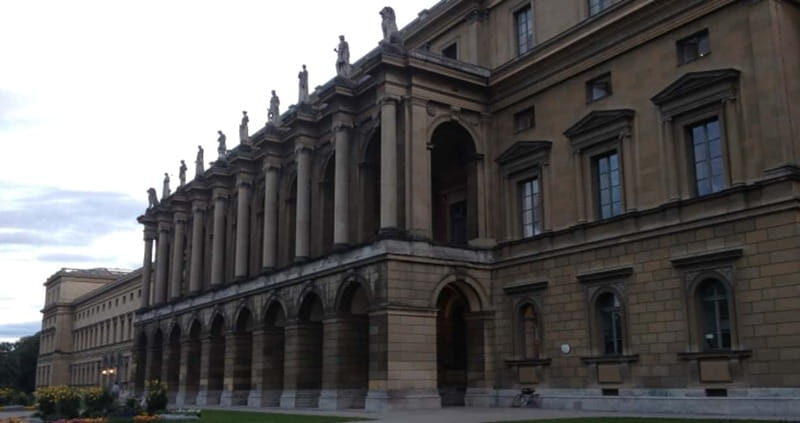
- Hercules Hall is the former throne room of Louis I, rebuilt as a concert space after the Odeon setback
- Sound quality is a big deal here, so even softer passages tend to land clearly
- You’re surrounded by Hercules legends, tied directly to the tapestries that gave the hall its name
- Each date has a distinct lineup, from Beethoven-heavy programs to trumpet and oboe showpieces
- No food or drinks are included, so plan water or a light snack before you go
- Seat placement can be a surprise, so if you care deeply about front sections, be there early
Why the Hercules Hall changes how you hear classical music
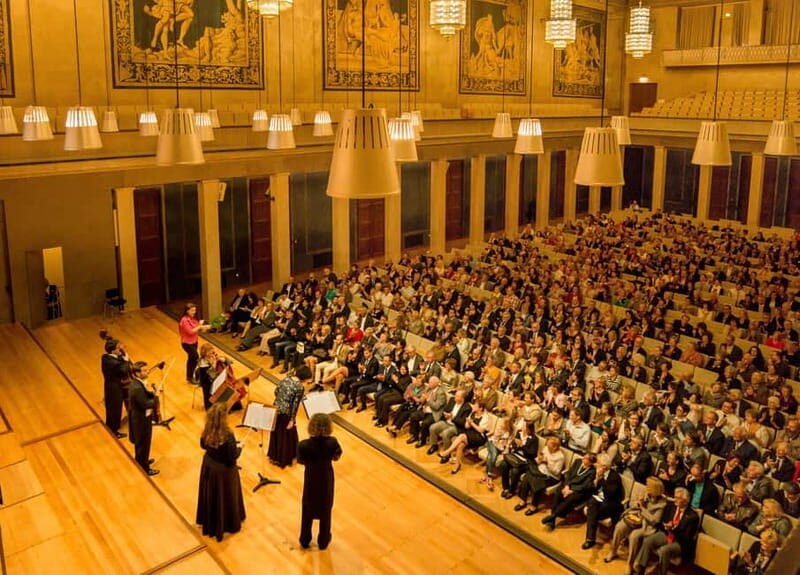
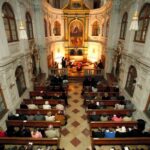
This concert isn’t in some generic hall where everyone sits, claps, and leaves. You’re in a space built for power and ceremony. The Hercules Hall originally served as the throne room of Louis I, and after reconstruction it became a concert venue. That matters because the room’s proportions and finishes help the music feel present, not just heard.
The result is a different kind of attention. You listen more closely to phrasing and detail because the hall keeps the texture clear. The acoustics are repeatedly called out as a strength, and you’ll feel it in how orchestral colors and solo lines come through without getting muddy.
Also, the setting gives you something to focus on during the quieter moments. Between movements, your eyes naturally wander to the hall’s decorative story—especially the Hercules imagery. Even if you’re not a history buff, the atmosphere does the work.
A few more Munich tours and experiences worth a look
The name comes from Hercules tapestries, commissioned in 1556
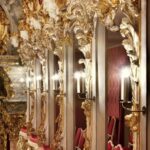
A neat detail you’ll want to know before the concert starts: the hall’s name links directly to the legend of Hercules shown in the tapestries on the wall. These tapestries were commissioned by Albrecht V in 1556, and the themes are what give the Hercules Hall its identity.
You also learn that the hall took on an important musical role. After the reconstruction, the Hercules Hall served as a substitute for Klenze’s destroyed Odeon. It became Munich’s most important concert hall until the Philharmonic Hall in Gasteig opened.
That long timeline adds extra meaning when you hear a famous work like Beethoven’s Eroica or Mozart’s Coronation Concerto. You’re not only hearing music; you’re stepping into a room that has hosted serious musical life for centuries.
What the Residenz Soloists concerts are really about
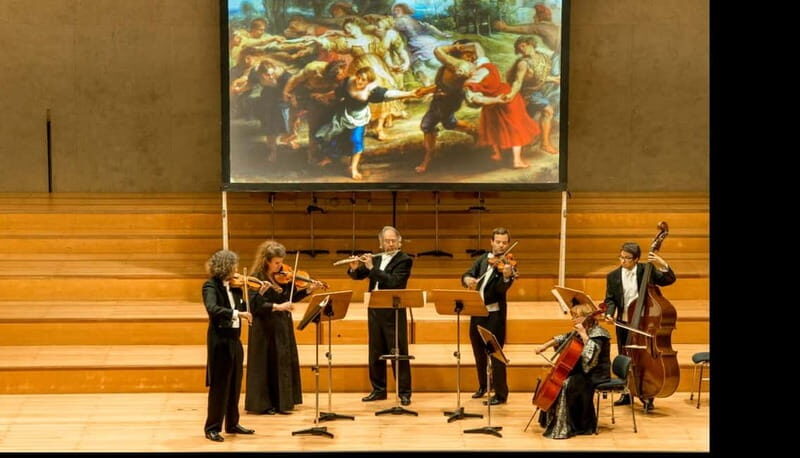
These Star Concerts are built around a simple idea: performance by the Residenz Soloists plus rising talent. The series aims to bring young, international musicians into Munich’s cultural spotlight, with programs that include symphonies, solo evenings, and chamber-music gems.
From a practical standpoint, this format is a good fit if you like classical concerts but don’t want a long, meandering evening. The duration is listed as about 2 hours, which means you can enjoy a major program without turning it into a whole night plan.
From a “value” standpoint, I like that the series focuses on recognized masterworks. You’re not stuck searching for connections to the composers. Even if you’re new to classical music, these pieces give you anchors.
The music lineup by date: what you’ll hear (and why it’s a good mix)
The concert calendar shows different programs on different dates, so you can pick what matches your taste. Here’s what’s listed.
March 23 program: Beethoven and Dvořák big symphonic energy
You’ll find Beethoven: Symphony No. 3 Eroica followed by Dvořák: Symphony No. 9 New World. This is the “go big or go home” choice—strong melodies, dramatic shifts, and music that feels cinematic even without visuals.
If you want one night that gives you broad emotional range, this is the one. Eroica brings intensity and scale, while New World feels like fresh air after the heavier drama—long lines, memorable themes, and a sense of forward motion.




May 4 program: Beethoven fate, plus concerto sparkle and operatic fireworks
This one starts with Beethoven: Symphony No. 5 Fate, which is practically a shorthand for intensity. Then the program adds variety with Verdi: Rigoletto Paraphrase, followed by Mozart: Piano Concerto No. 26 Coronation Concerto, with Andreas Skouras listed for piano.
That pairing is smart. Symphony No. 5 sets up the emotional intensity, and the concerto gives you a more intimate stage moment for the soloist. Then the Verdi piece acts like a bridge between drama and lyricism, so the program doesn’t feel like one mood for two hours.
November 24 program: concerti showpieces and a trumpet gala
This evening looks built for listeners who love featured instruments. The listed program includes Vivaldi Double-Concerto The Winter, Albinoni Oboe Concerto, Haydn Trumpet Concerto, and Handel Water Music in a Trumpet Gala format.
If you enjoy hearing how instruments “speak” in classical music—oboe color, trumpet brilliance, baroque phrasing—this is a great match. It also gives you a different kind of listening than straight symphonies. Instead of large-scale orchestral plotting, you’re tracking solo lines and character.
Getting there smoothly: Odeonsplatz and the small archway trick
Logistics are simple, and that’s a big plus for a concert. You meet at the Entrance to the Hercules Hall. It’s located by the Odeonsplatz metro station, exit toward Residenzstrasse, then look for a small archway directly to your left.
That level of clear direction matters because you’ll likely be arriving shortly before showtime. When you’re in a historic complex, it’s easy to waste time wandering. Here, you’re told exactly where to look.
The good news: the concert ends back at the meeting point. No confusing route out, no extra transfer plan required.
One more practical note: the experience doesn’t include transfers, so plan your own way to the Residenz area. Munich’s transit is generally strong, and Odeonsplatz is a solid landing spot.
Seating, timing, and the two-hour reality check
This is where you should think like a pro. Your listed duration is 2 hours, so the show is designed to stay focused. That means there’s less room for drifting in late.
One review issue that’s worth taking seriously: even when people expected better placement, seating ended up farther back than hoped, with a note that ushers handled seating in a way some found unprofessional. I can’t predict how it’ll go on your date, but I’d plan for the possibility that premium expectations don’t always equal prime location.
If you care about front sections:
- arrive early so you’re not caught at the end of the seating flow
- keep an eye on how ushers distribute seats when the doors open
- don’t assume the seat map will match what you imagine premium means in practice
Also, food and drinks are not included. You may have a break, but you shouldn’t rely on it as your meal plan. If you’re hungry, fix it before you arrive. Treat the concert as the main event.
The venue value: a palace concert without palace prices
I can’t tell you what you’ll pay because the price isn’t provided here, but I can still help you judge value. The core value is this: you’re getting major composers, performed by the Residenz Soloists and featured young musicians, in a room with serious historical weight and strong acoustics.
Compare that to what you’d do instead. You could visit the Munich Residenz for the architecture and history (great, but silent), or you could catch classical music elsewhere (great, but without the throne-room setting). This experience combines both, and that combination is what makes it feel like more than a typical ticket.
For first-timers to classical concerts, the masterwork lineup is friendly. For seasoned listeners, the acoustics and the serious programming make it worth your attention.
Who this fits best (and who might want to choose a different concert)
This is a strong pick if you:
- love classical music and want a famous hall with actual atmosphere
- want one memorable evening in the Munich Residenz complex
- like programs built around big-name composers and clear listening highlights
- appreciate instrument-focused concerti and trumpet/oboe color (especially the November 24 program)
It’s also a decent choice if you’re traveling with someone who wants culture that feels meaningful but not exhausting. Two hours is manageable.
You might think twice if:
- you’re very sensitive to seat location and need near-front views
- you expect drinks or a full concert night with refreshments (you won’t get that here)
- you’re the type who needs constant enthusiasm from performers every second. A couple of comments suggested performance quality varied by night, even if the venue was impressive. That doesn’t mean every concert will disappoint, but it’s a reminder to pick the program that excites you most.
A quick note on accessibility
The experience is listed as wheelchair accessible. If you use a mobility aid, this is a helpful baseline.
Should you book this Munich Residenz Hercules Hall concert?
I’d book it if you want a classic “Munich at night” moment that’s tied to real place and real sound. The Hercules Hall setting, the Hercules tapestries story, and the way the music sits in the room are the big reasons to choose it. You’ll also like the variety across dates, from Beethoven symphonic drama to trumpet and oboe featured pieces.
If you’re booking with seat sensitivity as your top priority, plan to arrive early and treat seating as something you confirm on-site rather than assume from ticket wording. And since food and drinks aren’t included, plan your timing so you’re comfortable before the first notes.
In short: if you care about music in a historic, acoustically strong hall, this is a smart way to spend your evening.
FAQ
How long is the Munich Residenz Hercules Hall master concert?
The concert duration is listed as about 2 hours.
Where do I meet for the concert?
Meet at the entrance to the Hercules Hall. It’s near Odeonsplatz metro station: take the exit toward Residenzstrasse and look for a small archway directly to your left.
What music might I hear?
The listed programs include Beethoven, Mozart, Vivaldi, Handel, Bach-related programming, and others depending on the date. Specific examples include Beethoven Symphony No. 3 Eroica (March 23), Beethoven Symphony No. 5 Fate plus Mozart Piano Concerto No. 26 Coronation Concerto with Andreas Skouras (May 4), and Vivaldi The Winter plus an oboe and trumpet-focused program (November 24).
Is food or drinks included?
No. Food and drinks are not included.
Is the experience wheelchair accessible?
Yes, it is listed as wheelchair accessible.
Can I cancel for a refund?
Yes. Free cancellation is available up to 24 hours in advance for a full refund.