REVIEW · MUNICH
Medieval city tour with night watchman in Munich in German
Book on Viator →Operated by schwarzgold.info · Bookable on Viator
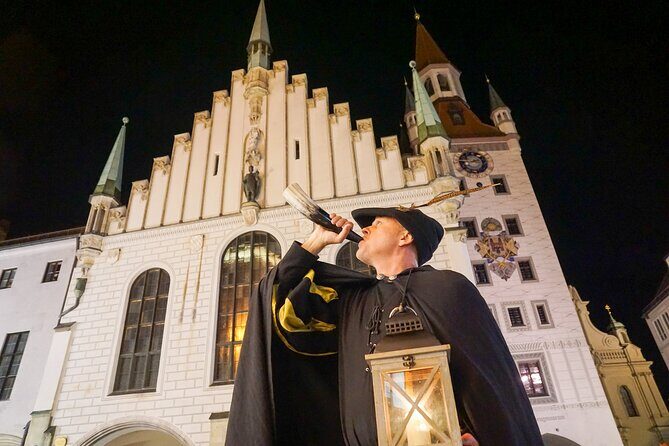
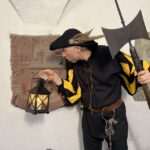
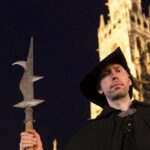
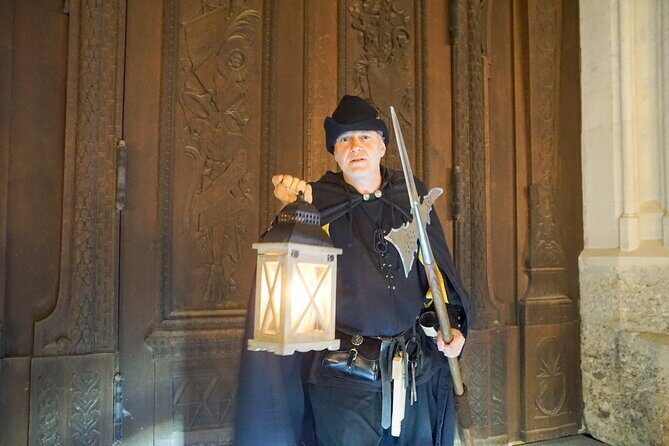
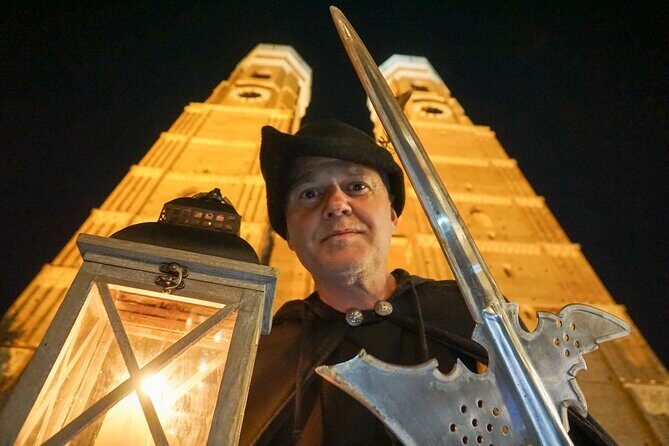
A horn at night throws Munich back centuries. This German medieval city walk follows Wolfram the night watchman as he reenacts his duties and points out the city’s old defenses and grim justice. You’re not just looking at buildings; you’re hearing why they mattered after dark, with a lantern, a halberd, and even a horn.
I really like the storytelling with humor and the way Wolfram makes the Middle Ages feel specific, not vague. I also love the focus on real “where it stood” details: gates, wall traces, towers, and the spaces where daily life and punishment happened.
One drawback to plan for: it’s an outdoor night walk that can get cold, and the content includes execution and torture themes.
In This Review
- Key points to know before you go
- A night watchman walk that turns Munich’s center into a story
- Value check: price, group size, and why 90 minutes works
- Start point and end point: know where you’re meeting
- What you’ll see: medieval Munich in 14 stops (and why each one lands)
- Marienplatz: the night watchman opens the act
- St. Peter’s Church: a poor sinner bell and a grim example
- Petersplatz: why burial near the altar mattered
- Viktualienmarkt: the first city wall in the right spot
- Old Town Hall: the Talburg gate and medieval gear
- Burgstraße: prison, dungeon, torture, punishment
- Münzstraße: original silver pennies and the night watchman’s purse
- Alter Hof: the Wittelsbach castle and Duke Ludwig the strict one
- Dienerstraße: Schwabinger Tor remnants
- Weinstraße: how addresses worked back then
- Schäfflerstraße: the tally stick and debt
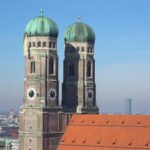
- Frauenkirche: building in 20 years
- Frauenplatz: traces you can still spot today
- Kaufingerstraße: closing with the Beautiful Tower
- The darker side of medieval justice (and how to handle it)
- Weather, clothing, and night-walking reality
- Who this suits best (and who may want something else)
- Should you book the night watchman tour?
- FAQ
- Is the tour in German?
- How long is the tour?
- What time does it start?
- Where do I meet the guide?
- Where does the tour end?
- How much does it cost?
- Is it a small group?
- Do I need a separate ticket or admission fee for the stops?
- Do I get a mobile ticket?
- What if weather is bad?
Key points to know before you go
- Wolfram’s night-watchman performance: lantern, halberd, horn, plus vivid medieval explanations.
- A compact 90-minute loop: covers a lot of ground without dragging.
- Medieval city walls and gates get explained clearly: you learn what remains you can still spot.
- From prisons to silver pennies: you’ll see props and hear specific details, not just general impressions.
- Small group size (max 10): easier to follow and ask questions as you walk.
- Runs in German and at night: it’s a strong choice if you like atmosphere and storytelling.
A night watchman walk that turns Munich’s center into a story
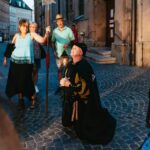
Munich at 8:30 pm has a different mood than during the day. This tour leans into that feeling, using Wolfram’s role as Munich’s night watchman to connect famous places like Marienplatz with the city’s older, more dangerous layout. He isn’t just reciting facts; he’s acting out what a night watchman might have done and what people feared.
What helps is that the tour stays practical. Each stop ties to a clear question: where was the city wall, what happened at gates, why were people buried near the altar, and how did everyday systems like addresses or debt actually work. You come away with a sense of “how the city functioned,” not only “what it looks like.”
You can also read our reviews of more city tours in Munich


Value check: price, group size, and why 90 minutes works
At $16.13 per person for about 1 hour 30 minutes, this is strong value if you like guided walking tours that actually teach you something. You’re paying for a live guide and a themed route that strings together a lot of medieval references across the old center.
The group limit matters too. With up to 10 travelers, Wolfram can keep the energy up and still tailor the flow to the group. In a larger crowd, this kind of theatrical storytelling often gets diluted. Here, it stays direct.
The pacing also fits a night tour. Ninety minutes is enough time to feel the atmosphere without turning the whole experience into a long cold endurance test.
Start point and end point: know where you’re meeting
You’ll start at Rathaus Apotheke, Marienplatz 8, 80331 München at 8:30 pm. The tour ends at Hirmer, Kaufingerstraße 28, 80331 München. That matters because you can plan your next step afterward—whether you’re heading to dinner or back to your hotel via nearby public transportation.
Also, you get a mobile ticket, so keep your phone charged. It’s one less thing to juggle after dark.
What you’ll see: medieval Munich in 14 stops (and why each one lands)
This walk is built around medieval duties, punishment, and city boundaries. You’ll move through the old core, with Wolfram explaining what you’re looking at and what it used to mean after night fell.
Marienplatz: the night watchman opens the act
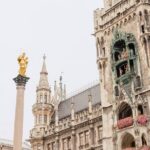
At Munich Marienplatz, Wolfram welcomes you and explains the tasks of the night watchman in the Middle Ages. This is your setup: you learn what his lantern and presence were for, so later stops don’t feel random.
If you’re wondering whether you’ll just be walking past famous landmarks, this first stop answers that. It frames the route as a “how the city kept order” story.
You can also read our reviews of more evening experiences in Munich


St. Peter’s Church: a poor sinner bell and a grim example
At St. Peter’s Church, Wolfram points out the poor sinner bell. He also demonstrates the execution of Marco Bragadino, which sets the tone for the tour’s darker side.
This isn’t a sightseeing-by-rote moment. It’s meant to show how public punishment and warnings were part of life—especially in a city where people were used to hearing signals and seeing consequences.
Petersplatz: why burial near the altar mattered
On Petersplatz, you visit the medieval cemetery area and learn why many people wanted to be buried as close as possible to the altar. It’s a practical, human detail that makes the church spaces feel less abstract.
Even if you’re not into church history, this stop gives you a clue about priorities—how closeness to worship connected to faith and remembrance.
Viktualienmarkt: the first city wall in the right spot
At Viktualienmarkt, Wolfram shows you exactly where Munich’s first city wall stood. That’s the kind of detail that’s hard to grasp from maps alone.
The key payoff: you start noticing the city’s layers. Instead of one “old town,” you realize there were different rounds of defense and expansion.
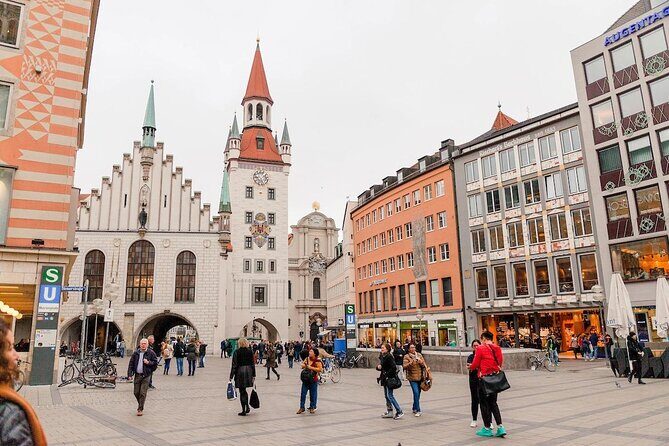
Old Town Hall: the Talburg gate and medieval gear
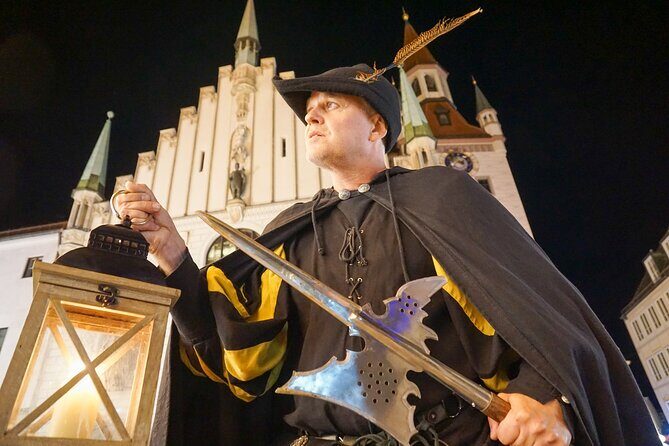
At the Old Town Hall, Wolfram closes the Talburg gate and shows you a medieval halberd. You’re getting a physical sense of authority here—what a gatekeeper might carry and why it fit the job.
The visual element matters. Seeing the halberd in context makes the medieval role feel grounded, not like a costume on a stage.
Burgstraße: prison, dungeon, torture, punishment
In Burgstraße, you discover Munich’s medieval prison: the dungeon, torture, and the kinds of punishments people faced. This is one of the stops where the tour doesn’t soften the subject.
If you’re sensitive to grim topics, this is the moment to know you’re in that territory. Still, Wolfram presents it as an explanation of how the system worked, not just shock value.
Münzstraße: original silver pennies and the night watchman’s purse
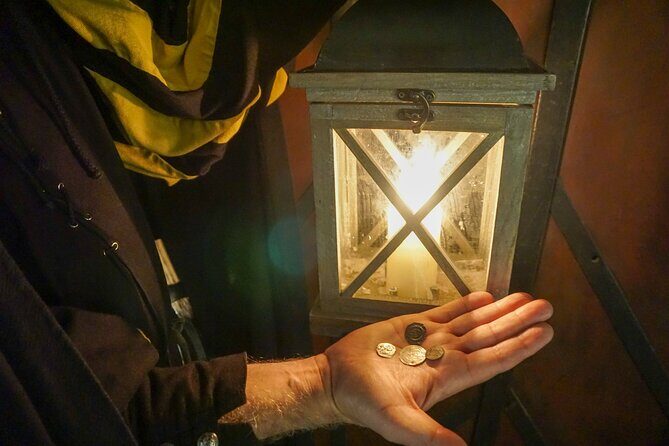
At Münzstraße, you can take a look into Wolfram’s purse with original silver pennies from the Middle Ages. This is where the tour becomes hands-on in a way you can actually remember.
Coins are great teaching tools because they tie history to money, trade, and everyday transactions—things people can picture fast.
Alter Hof: the Wittelsbach castle and Duke Ludwig the strict one
At Alter Hof, the tour focuses on the first castle built in Munich by the Wittelsbach family. Wolfram also explains why Duke Ludwig—the builder—was called the strict one.
This stop connects leadership to architecture and rules. It’s not just “this building is old.” It’s “who built it, and what attitude shaped it.”
Dienerstraße: Schwabinger Tor remnants
At Dienerstraße, Wolfram closes the Vorderes Schwabinger Tor and explains what remains still remind you of the first city wall. You get a “look closely” lesson, which is perfect for a night tour where details can feel easy to miss.
The payoff is that you stop treating the street layout like scenery. You start treating it like evidence.
Weinstraße: how addresses worked back then
On Weinstraße, Wolfram closes the Rear Schwabing Gate and explains how addresses used to work. It’s a surprisingly practical detail, and it also gives you perspective on how confusing the past could be without modern street systems.
This is one of those stops that turns history into everyday logic.
Schäfflerstraße: the tally stick and debt
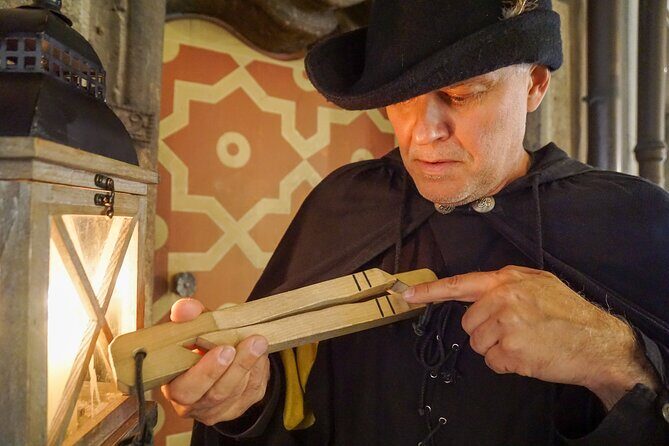
At Schäfflerstraße, you learn how people could get into debt using the tally stick. Wolfram has one and explains how it worked.
I like this stop because it’s not only about rulers and punishment. It shows how regular financial tools could trap people, which makes the medieval world feel more human.
Frauenkirche: building in 20 years
At Frauenkirche, you’ll be impressed by the church’s size. Wolfram explains how it was possible to build it in just 20 years, which adds a sense of scale and urgency to the story.
This is also a good moment to look up and take in the silhouette, because the tour’s “medieval order” theme contrasts with a big, lasting monument.
Frauenplatz: traces you can still spot today
On Frauenplatz, you discover which medieval traces can still be found in Munich’s old town. It’s a “proof” stop: you’re now trained to connect what you see with what you heard earlier.
By the time you reach this point, the tour starts feeling like a map you can hold in your head.
Kaufingerstraße: closing with the Beautiful Tower
At Kaufingerstraße, Wolfram completes the Beautiful Tower story and says goodbye to you. It’s a clean wrap-up to a route that has moved from symbols of order (gates, walls) to punishments (prison, execution) and back to lasting landmarks.
The darker side of medieval justice (and how to handle it)
This tour includes execution stories, torture, and prison themes. If you prefer light “beer hall” Munich or architecture-only history, this may feel too intense for you.
That said, the way Wolfram frames it seems designed to explain systems: how the city warned people, controlled behavior, and enforced rules at specific points like gates and public spaces. You’re not watching a horror show; you’re learning what people believed, feared, and acted on.
My practical advice: dress warmly, and go in with eyes open. It’s a medieval theme, not a gentle walk-through.
Weather, clothing, and night-walking reality
The experience requires good weather. If it’s canceled due to poor weather, you’ll be offered a different date or a full refund. That’s important because the tour is outdoors at night.
For clothing, plan for cold. Even in the reviews, the chilly weather didn’t stop the group—Wolfram kept the energy going—but your comfort will come down to layers, gloves, and shoes that feel steady on city pavement.
Who this suits best (and who may want something else)
This is ideal if you like:
- guided storytelling that mixes facts with acting
- medieval city boundaries like walls and gates
- a compact nighttime walking route with a small group
It’s also a solid match if you enjoy slightly theatrical guides who can explain complicated ideas in plain language. The humor helps carry the heavier topics.
If you want a quiet museum-style tour or you’d rather skip execution and torture themes, you might prefer a different Munich history tour that stays lighter.
Should you book the night watchman tour?
Yes, if you want a Munich tour that feels alive at night and teaches you medieval city logic. The small group, the 90-minute pace, and Wolfram’s mix of humor plus serious details make it good value for the money. You’ll leave with a better sense of where the old wall stood, how gates shaped the city, and how daily life worked alongside harsh punishment.
Consider skipping (or choosing a different theme) if you’re uncomfortable with grim subjects. Also, if cold nights are a deal-breaker for you, this tour’s outdoor nature means you’ll want to dress like you mean it.
FAQ
Is the tour in German?
Yes. This experience is a medieval city tour with a night watchman in Munich in German.
How long is the tour?
The tour lasts about 1 hour 30 minutes.
What time does it start?
It starts at 8:30 pm.
Where do I meet the guide?
You meet at Rathaus Apotheke, Marienplatz 8, 80331 München.
Where does the tour end?
The tour ends at Hirmer, Kaufingerstraße 28, 80331 München.
How much does it cost?
It costs $16.13 per person.
Is it a small group?
Yes. The maximum group size is 10 travelers.
Do I need a separate ticket or admission fee for the stops?
The listed stops show admission ticket free.
Do I get a mobile ticket?
Yes. The tour includes a mobile ticket.
What if weather is bad?
This experience requires good weather. If it’s canceled due to poor weather, you’ll be offered a different date or a full refund. You can cancel up to 24 hours in advance for a full refund.