REVIEW · BERLIN
From Berlin: Potsdam & Sanssouci half day Walking Tour
Book on GetYourGuide →Operated by Virtual Travel · Bookable on GetYourGuide
Potsdam turns Prussian glory into Cold War trivia. This guided day trip makes Sanssouci Palace and its vast outdoor gardens feel understandable, not like a confusing postcard maze, and you get the train ride from Berlin taken care of. The whole format works well if you want one smooth 6-hour block to cover the big names without getting lost in logistics.
What I like most is the way the tour links the eye-candy royal spots with the grim politics around them. Cecilienhof, the site of the 1945 Potsdam Conference, is explained in a way that helps you see why these rooms and grounds mattered right after WWII, not just as another pretty palace exterior.
One consideration: this is an outdoor-focused tour with lots of walking, and you won’t be going inside palaces or museums. If you need step-free access or you’re hoping for lots of indoor time at Sanssouci, plan to adjust your expectations.
In This Review
- Key highlights at a glance
- Berlin to Potsdam in one smooth move
- Meeting point at Generator Berlin Alexanderplatz and how to start
- The outdoor-only approach: what you will and won’t do
- Sanssouci Palace gardens: the Frederick the Great experience
- Cecilienhof and the Potsdam Conference: history you can locate
- Cold War stops: KGB-linked forbidden sector and the spy-trade bridge
- Marble Palace and the Dutch Quarter: royal streets and elegant geometry
- Aristocratic Mansion grounds and the last Kaiser’s footsteps
- The guide matters: what you’ll notice from different names
- Transportation, pacing, and the real walking time
- Price and value: is $57 a fair deal?
- Who this Potsdam tour suits best
- Should you book this Potsdam & Sanssouci walking tour?
- FAQ
- How long is the Potsdam and Sanssouci walking tour?
- Where do I meet the guide in Berlin?
- Is the tour in English?
- Does the tour include entry into palaces or buildings?
- Which sites are included in the tour?
- Do I need a train ticket or public transport ticket?
- What should I bring for the tour?
- Is the tour suitable for wheelchair users or mobility impairments?
Key highlights at a glance
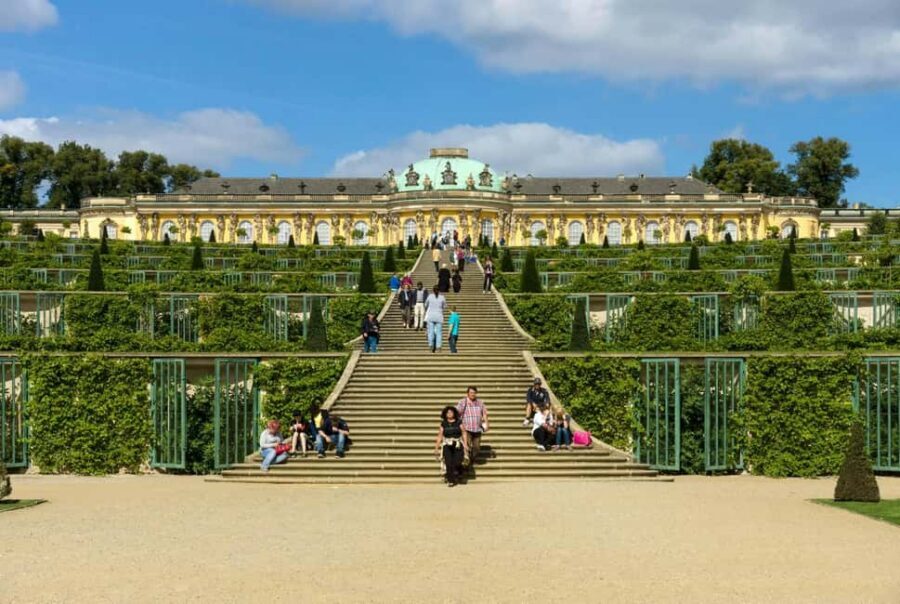
- Sanssouci Palace gardens with Frederick the Great’s viewpoints and photo-friendly walks
- Cecilienhof and the Potsdam Conference (1945) put into clear, practical context
- Cold War spy history including KGB-linked forbidden-sector areas and a bridge tied to spy trades
- Marble Palace and the Dutch Quarter for that “storybook Potsdam” street feel
- Aristocratic Mansion grounds where the last Kaiser lived, with the story tied to place
- Guides like Miguel, Katia, and Patrick praised for energetic explanations and keeping the pace comfortable
Berlin to Potsdam in one smooth move
This tour is built for people who want a Berlin-to-Potsdam day that feels managed. You meet at Generator Berlin Alexanderplatz (Otto-Braun-Straße 65, 10178 Berlin), then head to Potsdam by train. It’s a smart setup: you avoid the “which line do I take” stress and you can focus on the history as the scenery changes.
Also, the timing matters. Even though it’s marketed as a half-day style tour, you’re in for about 6 hours, and that includes the ride, walking between zones, and the guide-led stops. This works best when you treat it like a structured outing, not like a quick wander.
You can also read our reviews of more walking tours in Berlin



Meeting point at Generator Berlin Alexanderplatz and how to start
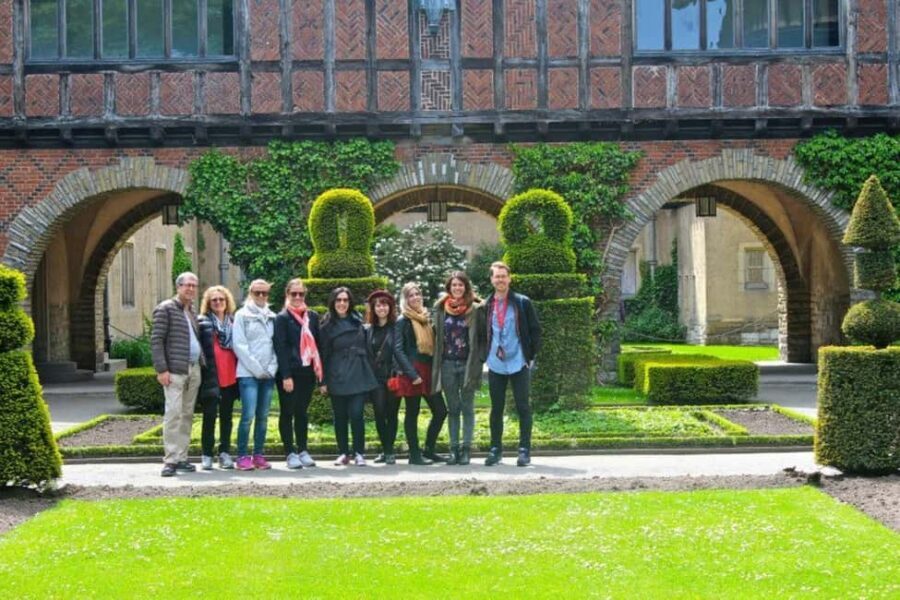
Starting at Alexanderplatz is convenient because you’re already in one of Berlin’s easiest transport hubs. The meeting point is right in front of Generator Berlin Alexanderplatz, so you’re not hunting for a tiny sign on a side street. I’d aim to arrive a few minutes early, especially if you want to get your bearings before the group gathers.
Bring what you’ll realistically need for a walking day. That means comfortable shoes, water, and a snack, plus your camera. A big part of the value here is being able to stop, look, and take photos without rushing through each park edge or viewpoint.
The outdoor-only approach: what you will and won’t do
Here’s the key thing to understand upfront: this is not a “go inside every palace” tour. The guidance is clear that you do not enter buildings or palaces, so the experience centers on parks, outdoor areas, and the views you get from standing where the royals once stood.
That choice has upsides. You get fresh air and long sightlines across gardens, and you can cover more ground within the time. The trade-off is also real: if you’re hoping for museum interiors or palace rooms, you’ll need separate plans.
You may still run into security checks at palace entrances, even without entering, so don’t show up with a heavy bag and expect to waltz through. And if you care about photography, note that flash photography isn’t allowed.
Sanssouci Palace gardens: the Frederick the Great experience
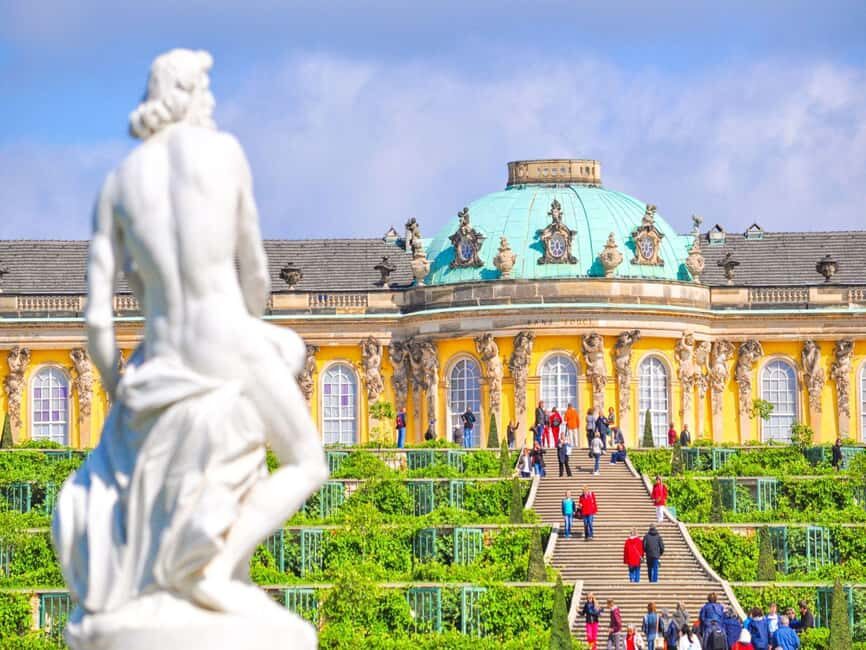
Sanssouci Palace is the headliner, and the tour treats the gardens like the main event, not an afterthought. You’ll walk through the park areas associated with Frederick the Great, and you’ll get the kind of context that helps you read what you’re seeing: power, taste, and control, laid out as landscape design you can actually walk.
What you’ll enjoy most is the rhythm of the place. Gardens here aren’t just pretty edges; they’re organized routes with viewpoints. That makes it easier to take photos without constant backtracking, and it helps the story stick because the guide can point out what you should look at right where you are.
One practical tip: go into this with comfortable legs. Many guides can talk history, but this one also expects you to walk between garden zones and viewpoints, and the day adds up.
Cecilienhof and the Potsdam Conference: history you can locate
If Sanssouci is about royal style, Cecilienhof is about political consequences. Cecilienhof is where the Potsdam Conference was held in 1945, and the tour uses that anchor to explain why this period matters for Cold War-era thinking.
What I like about this stop is the way the conference context turns the surrounding area into a story you can place. Instead of memorizing dates in a vacuum, you can connect the idea of negotiations after WWII to the physical setting where it happened.
Because the tour focuses on outdoor viewing rather than entering rooms, you’re getting the “where this happened” layer more than the “see inside the exact chamber” layer. If that still sounds satisfying, it’s a strong stop for anyone who wants history that feels grounded.




Cold War stops: KGB-linked forbidden sector and the spy-trade bridge
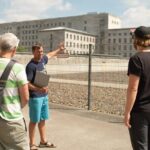
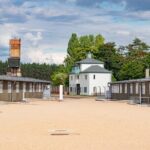
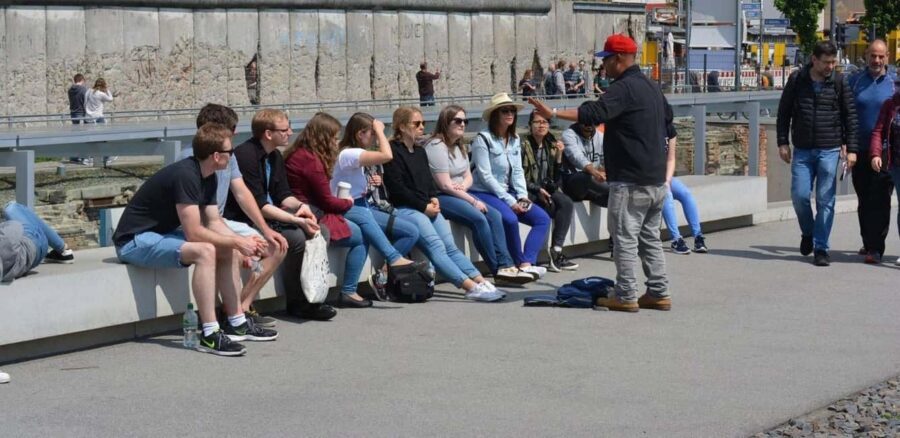
Potsdam’s Cold War role can sound vague until someone points to the geography. This tour does that by bringing in espionage elements tied to the Cold War, including a forbidden-sector area associated with the KGB and the bridge where spies were traded.
This is one of the most compelling parts of the day because it changes how you look at normal-looking spaces. A bridge, a route, a boundary—suddenly those everyday structures feel loaded. The guide’s job here is to connect the dots so the story doesn’t float away as abstract politics.
It’s also a reminder that Potsdam wasn’t just a playground for kings and queens. It became strategic real estate, and the tour makes sure you see both layers.
Marble Palace and the Dutch Quarter: royal streets and elegant geometry
After you’ve had your palace-garden fix, you’ll shift into the more “city texture” side of Potsdam. The Dutch Quarter and Marble Palace give you that architectural variety that stops the day from feeling repetitive.
Marble Palace is included on the route, and you’ll see it as part of the bigger royal lineup. The Dutch Quarter adds a different pace: streetscapes and façades that help you picture Potsdam not just as a royal estate, but as a town built around power and display.
This combination tends to work well if you enjoy sightseeing that’s more than one theme park attraction. You’re not just watching the same kind of view repeat; you’re reading the city in sections.
Aristocratic Mansion grounds and the last Kaiser’s footsteps
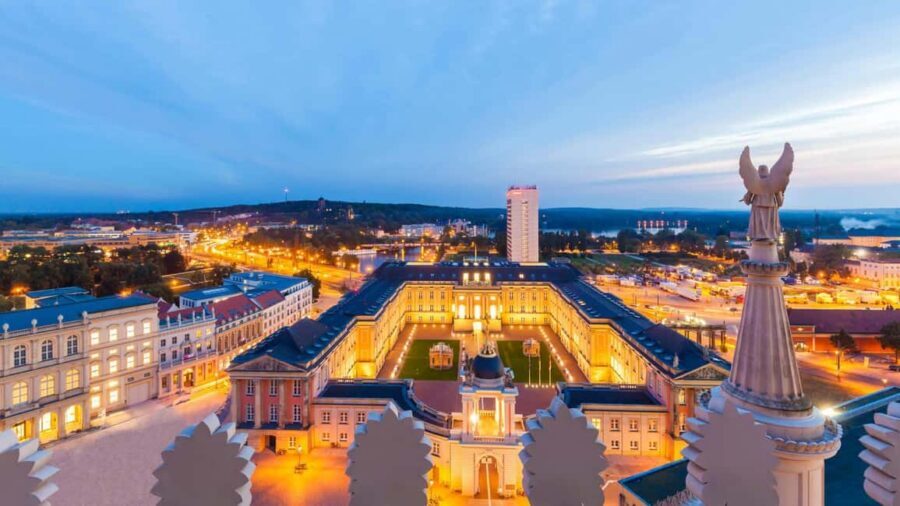
The Aristocratic Mansion stop lands with a different mood. You’re walking the grounds connected with where the last German Kaiser lived, and the guide connects that personal story of monarchy to the bigger political arc.
Even outdoors-only, this part can feel surprisingly emotional because it’s tied to a person and a turning point. You’re not only seeing style; you’re hearing how the world changed and what that meant for those in power.
This is also a nice break from the palace-garden repetition. It keeps the day from becoming one long slideshow by shifting the focus to a new kind of historic “home base.”
The guide matters: what you’ll notice from different names
The quality of the day depends heavily on the guide, and the names that repeatedly come up are Miguel, Katia, Patrick, and Roshana. The common thread is how they explain things: fast enough to keep the walk moving, but not so rushed that you can’t ask questions.
You’ll also notice a practical confidence in how they tell the story. Guides like Miguel and Katia are praised for giving clear context about both Prussian-era power and Cold War realities, so you leave with a mental map, not just photos.
One small but real plus: several guides are described as friendly and accommodating, including help figuring out where to go at the end of the day. That matters when you’ve been walking and you’re ready to eat.
Transportation, pacing, and the real walking time
This is a walking tour, period. You should plan on a lot of steps, so your best investment is footwear that can handle uneven park paths. You’ll also want to wear layers, because Germany weather can change fast and gardens are open-air most of the time.
About breaks: there are usually opportunities for toilet stops, coffee or drinks, and there’s typically a short lunch pause (around 30 minutes) with nearby options. That’s not luxury time, but it’s enough to reset before you tackle the next set of stops.
For transit, you’ll likely need a public ABC transport ticket for certain parts of the route, and it’s not included in the tour price. So don’t assume your Berlin transit app solves everything automatically.
Price and value: is $57 a fair deal?
At $57 per person for about 6 hours, this tour can be good value if you care more about context than independent planning. You’re paying for a live English guide, a structured route across multiple major sites, and help with the train ride to and from Potsdam.
The real economic value is that the day groups several top Potsdam stops—Sanssouci, Cecilienhof, Marble Palace, the Dutch Quarter, and the Aristocratic Mansion—into one guided block. If you tried to recreate that with self-guided tickets, transit, and your own reading list, you’d probably spend time and mental energy you don’t want on a day trip.
If you’re the type who insists on indoor palace entry and museum time, then the value equation shifts downward, because this tour intentionally stays outdoors-only.
Who this Potsdam tour suits best
This is a great match if:
- You’re visiting Berlin and want one high-impact day trip to Potsdam
- You like history that connects to place, not just facts on a page
- You want Sanssouci and the broader royal setting without planning six separate stops
- You’re comfortable walking and taking in gardens in open air
It’s a weaker match if:
- You need step-free access. The tour is not suitable for people with mobility impairments or wheelchair users.
- You’re hoping for museum interiors or palace-room visits at Sanssouci or Cecilienhof
- You hate walking days and would rather spend time seated indoors
Should you book this Potsdam & Sanssouci walking tour?
I’d book it if you want a guided, structured way to see Potsdam’s biggest names and understand why the city matters in both Prussian and Cold War stories. It’s especially good for first-timers because it gives you a practical mental map fast, with a guide like Miguel, Katia, Patrick, or Roshana doing the heavy lifting on context.
Skip it (or pair it with a separate plan) if your top priority is interior palace access, long museum time, or a low-walking pace. In that case, you’ll be happier choosing an option built around indoor visits.
If you’re flexible and you bring good shoes, this is a satisfying way to turn Potsdam from a name on a map into a place you can actually picture.
FAQ
How long is the Potsdam and Sanssouci walking tour?
The duration is 6 hours.
Where do I meet the guide in Berlin?
You meet in front of Generator Berlin Alexanderplatz, Otto-Braun-Straße 65, 10178 Berlin.
Is the tour in English?
Yes, the live tour guide speaks English.
Does the tour include entry into palaces or buildings?
No. The tour focuses on exploring outdoor areas in Potsdam, and it does not enter palaces or buildings.
Which sites are included in the tour?
The included stops are Sanssouci Palace, the Cecilienhof, Marble Palace, the Dutch Quarter, the Aristocratic Mansion, and the Opulent Royal Palace, plus Potsdam’s parks and gardens.
Do I need a train ticket or public transport ticket?
The tour includes the guide to and from Potsdam, but an ABC public transport ticket may be required for certain parts, and it is not included in the tour price.
What should I bring for the tour?
Bring comfortable shoes, a camera, snacks, water, and your public transport ticket.
Is the tour suitable for wheelchair users or mobility impairments?
No. It is not suitable for people with mobility impairments or wheelchair users.