REVIEW · BERLIN
Classic Bites and Culinary Trends Neighborhood Food Tour in Berlin
Book on Viator →Operated by Fork & Walk - Food Tours Berlin · Bookable on Viator
Berlin eats have a way of telling stories. This classic bites + culinary trends tour strings together East and Prenzlauer Berg history with real food stops, guided by people like Tiago or Violeta who keep the pace lively and the context clear. I also like that you get multiple tastings that feel like a full lunch, not just a few bites. One thing to plan for: it’s a solid walking stretch over bumpy streets, so wear comfy shoes.
You’ll start at Espresso House and end near Eberswalder Straße, with time for street-level details you’d miss on your own—plus a beer tasting game that makes the final hour more fun than it sounds. At about $205.67 for a 3.5-hour, max-8 group experience, it’s not the cheapest way to eat in Berlin, but the value is in the guided shopping-list-to-you format: you show up, you taste, you learn, you leave full.
In This Review
- Key Highlights You’ll Actually Feel
- How This 3.5-Hour Berlin Bite Tour Works
- Espresso House Start: East Berlin Context in One Quick Walk-In
- Schönhauser Allee Street Snack: A Divided-City Flavour Story
- Prenzlauer Berg Side Streets: What the Neighborhood Looked Like Before the Wall
- Pappelallee Roaster Coffee Bar: 8 Espressos, Not One Mug
- Dunckerstraße Patisserie Stop: Handcrafted Cakes That Make the Tour Feel Special
- Prenzlauer Berg Savory + Local Brew Pairing: Fusion and the City’s Food Attitude
- Beer Time on the Streets: The Tasting Game and Why It’s a Berlin Thing
- Kastanienallee: Immigrant Influence That Shows Up in Everyday Bites
- Kulturbrauerei Pass-By: The Brick Beer Producer Moment
- Oderberger Straße Dessert Finale: Ice Cream, Beer Garden, or Soft Sweet
- Price and Value: Is $205.67 Worth It?
- Who This Tour Fits Best (And Who Might Skip It)
- Should You Book This Classic Bites and Culinary Trends Berlin Tour?
- FAQ
- How long is the tour?
- What’s the price per person?
- How many tastings are included?
- Is beer included?
- What’s the tour language?
- How big is the group?
- Where does the tour start and end?
- Is there a mobile ticket?
- Are service animals allowed?
- Can I cancel for a full refund?
Key Highlights You’ll Actually Feel
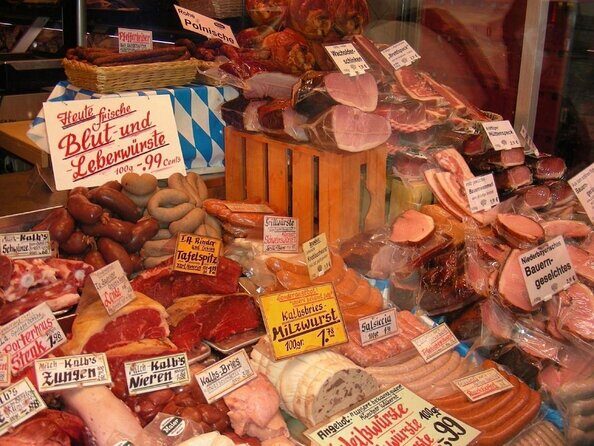
- East Berlin themed snack at Schönhauser Allee, tied to what was (and wasn’t) available in the city’s divided days
- Prenzlauer Berg side-street atmosphere with a guide-led look at pre–Berlin Wall life
- Pappelallee coffee bar with house-roasted beans and a flight-style approach to espresso (8 types are part of the concept)
- Handmade cake and pastries on Dunckerstraße that turn the tour into a proper food detour, not just “grab and go”
- Beer tasting game + street drinking context that explains Berlin’s laid-back relationship with drinking outside
- Dessert finale that depends on the season (ice cream, a beer-garden style stop, or a soft dessert)
How This 3.5-Hour Berlin Bite Tour Works
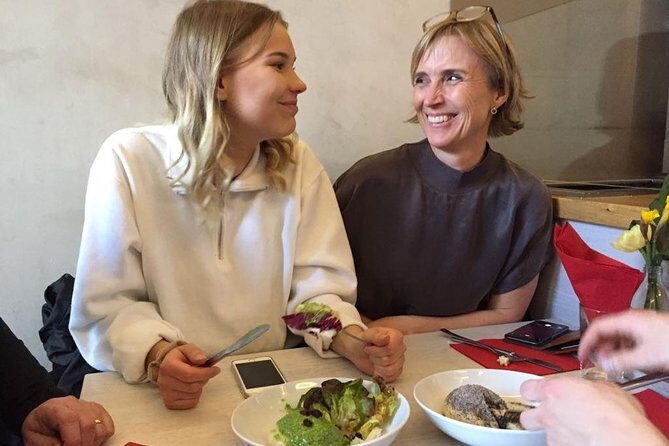
This tour is built for people who want food and context at the same time. You’re not stuck in one restaurant, and you’re not wandering aimlessly either. Instead, you move on foot through neighborhoods north of central Berlin and stop about every 15–30 minutes for tastings.
The group size is up to 8, so the vibe stays friendly. In small groups, it’s easier to ask practical questions (what to order next time, which areas are worth revisiting, how Berlin food habits work) without waiting for your turn. You’ll also cover around 4 miles of walking, so plan it like a mini-city day: good shoes, light layers, and an appetite that can handle multiples.
The included tastings are designed to cover lunch. The tour notes 6 places with 10+ tastings, and that’s the key to the price value. You’re paying for access and momentum: someone has already done the hard part of lining up spots, timing portions, and pairing bites with the story of why Berlin eats the way it does.
You can also read our reviews of more food & drink experiences in Berlin

Espresso House Start: East Berlin Context in One Quick Walk-In
Your tour begins at Espresso House on Schönhauser Allee 116. Expect a short historical introduction right away—focused on former East Berlin—so the neighborhoods you’ll walk through don’t feel like random scenery.
Why this matters: Berlin can look like it’s all about today’s cafés and street art. But the city’s food habits make more sense when you connect them to the old borders and the long aftereffects. Starting with that context helps you “read” the stops that follow. It’s not heavy, and it sets a good tone for the rest of the walk.
Also, Espresso House is an easy place to find and get your bearings. When your tour ends, you’ll be near U-2 (and trams like M10 and M12), which makes it simpler to keep the rest of your day moving without another long detour.
Schönhauser Allee Street Snack: A Divided-City Flavour Story
At Schönhauser Allee, you’ll make the first food stop. This one is framed as a historical street-food snack only available in East Berlin, which gives the bite a built-in “why” beyond taste alone.
What you’re really learning here is how food availability changes with politics and daily life. In a city that was split for decades, simple street snacks became identity markers—what you could get, where you could get it, and how people carried habits across time.
Practical note: this stop is short, so it’s best to keep your water handy and save your biggest questions for later when the pace allows. The tour is timed so you don’t feel stuck waiting, but you also don’t rush through the story.
Prenzlauer Berg Side Streets: What the Neighborhood Looked Like Before the Wall
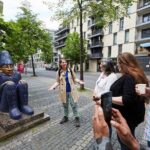
Next you’ll head through Stargarder Straße, where you get a look at refurbished side streets in Prenzlauer Berg. The guiding theme is what daily life was like in the area before the Berlin Wall era ended.
If you like walking tours, this part is the “slow down and pay attention” segment. Side streets tell you more than big avenues do. You’ll notice how the neighborhood layout shapes foot traffic, café placement, and what kinds of food spots survive over time.
A bonus from guides in past groups: people often love the way the tour blends food with neighborhood details, including the sense of street life and small-scale local culture. In short, you’re not just tasting—you’re building a mental map.
Pappelallee Roaster Coffee Bar: 8 Espressos, Not One Mug
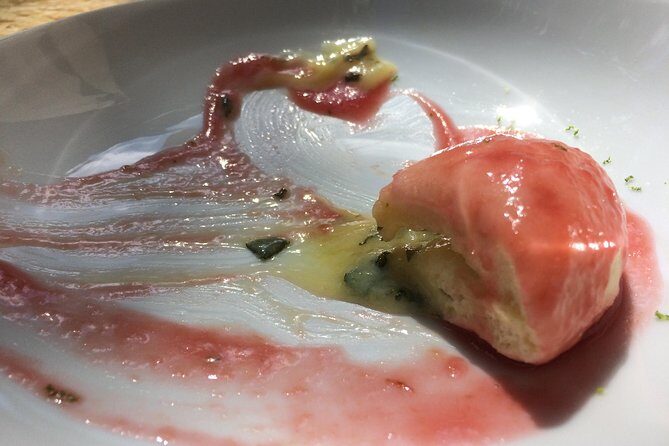
At Pappelallee, the tour hits a coffee bar that roasts its own beans. The concept is that you’ll get a selection of 8 espresso types, which is more like a tasting flight than ordering a single drink.
This is a great stop if you’re a coffee person or even if you’re just curious. Berlin café culture can look similar from the outside, but small roasters and different espresso styles create real flavor differences. The tour format helps you notice those differences instead of letting it blur into caffeine-only.
Also, it’s a nice pacing break. After street snacks and neighborhood walks, coffee becomes the reset button: sit for a bit, taste carefully, then roll into the next sweet-and-savory sequence.
A few more Berlin tours and experiences worth a look


Dunckerstraße Patisserie Stop: Handcrafted Cakes That Make the Tour Feel Special
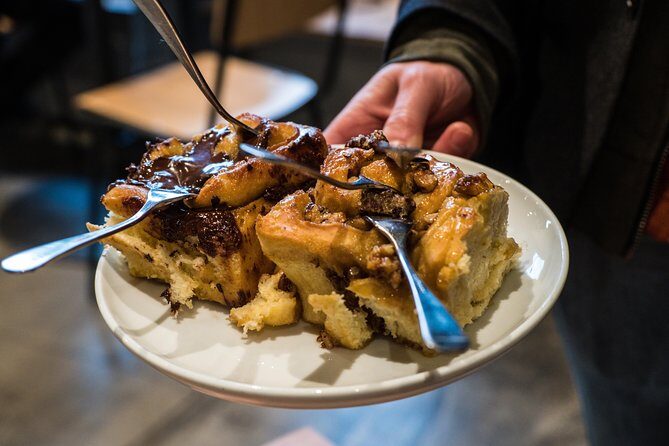
On Dunckerstraße, you’ll visit a Berlin patisserie described as one of a kind, with handmade cakes and hand-picked pastries. This is your “pause and pay attention” segment—the tour gives it enough time to feel like more than a quick sample.
Why I like a stop like this on a food tour: it turns the experience from a checklist into a memory. Even people who don’t usually care about dessert tend to remember a standout pastry when it’s served warm, fresh, and with real craft behind it.
Potential drawback: if you’re already getting full early, this is where you’ll want to manage portions. The tour is designed to keep you from feeling ravenous, but you’ll still be tasting repeatedly for the whole walk. Bring that mindset—this is a steady stream of bites, not one huge meal.
Prenzlauer Berg Savory + Local Brew Pairing: Fusion and the City’s Food Attitude
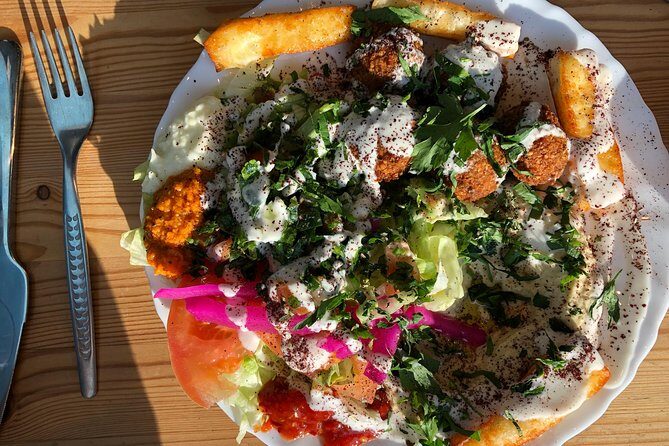
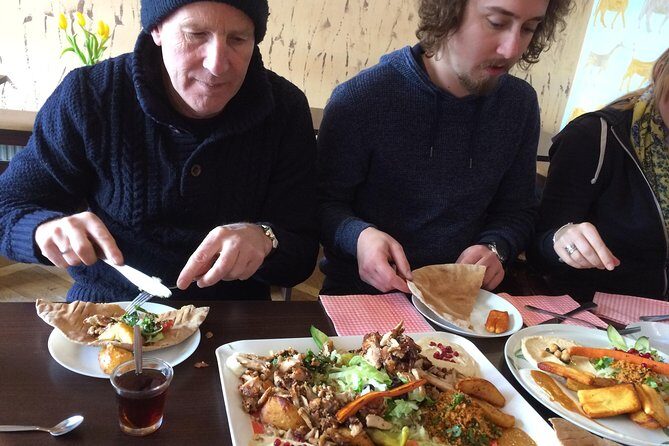
The next tasting sequence stays in Prenzlauer Berg. Here, you’ll try a fusion savory sensation, paired with a locally brewed drink. The emphasis is on how Berlin’s food scene takes influences from lots of places and reshapes them for local tastes.
From a practical standpoint, this stop is valuable because it teaches you how Berlin’s “international” identity shows up at street level, not just in world-famous restaurants. And it helps you avoid the common tourist trap: only eating “German” dishes while missing what makes Berlin’s food culture feel modern.
If you’re the type who likes to order for variety when you travel, this is your kind of moment. You’ll get the sense of what tastes well together here and what you can look for later.
Beer Time on the Streets: The Tasting Game and Why It’s a Berlin Thing
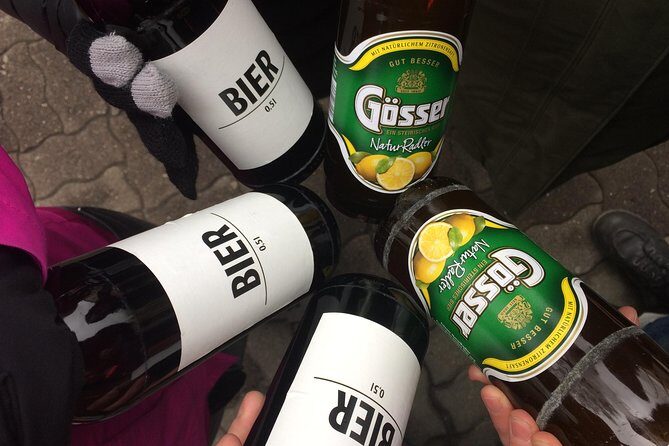
Beer is a core part of the tour. In another Prenzlauer Berg stop, you’ll learn why Berlin is famous for drinking on the street, then play a beer tasting game with classic and craft Berlin beers.
This is one of the most fun sections because it’s interactive. Instead of sipping in silence, you’re tasting with a purpose. The game structure encourages you to pay attention to differences in malt, hops, and overall style—things that can be hard to notice when you’re just trying to relax.
One more practical point: beer makes the tour feel even more like local culture, but it also means you should pace yourself. You’re tasting across multiple stops, so if alcohol isn’t your thing, you still get the tour’s food-and-neighborhood focus. Just plan water breaks and slow down when you need to.
Kastanienallee: Immigrant Influence That Shows Up in Everyday Bites
At Kastanienallee, the tour shifts to immigrant influence and how it’s shaped Berlin’s food scene. This isn’t just a talking point. It’s tied to what ends up on menus and what becomes normal in everyday eating.
This stop is one of the “this is why Berlin tastes like Berlin” moments. Berlin didn’t develop its food culture from a single tradition. It grew through waves of people, jobs, neighborhoods, and community preferences. Food became a daily language—spoken in cafés, snack counters, and street-style portions.
If you love learning through taste, this part lands. You’ll finish the tour with a clearer sense of why you see so many flavors in one small area.
Kulturbrauerei Pass-By: The Brick Beer Producer Moment
You’ll pass the historical brick Kulturbrauerei (culture brewery). The tour frames it as Germany’s largest beer producer in the mid-1800s, which makes the beer theme feel grounded in real place, not just trendy branding.
Even if you don’t know Berlin beer history, this stop helps you understand how long beer has been part of the city’s industrial and social life. It’s also a great photo pause—brief, but memorable.
Oderberger Straße Dessert Finale: Ice Cream, Beer Garden, or Soft Sweet
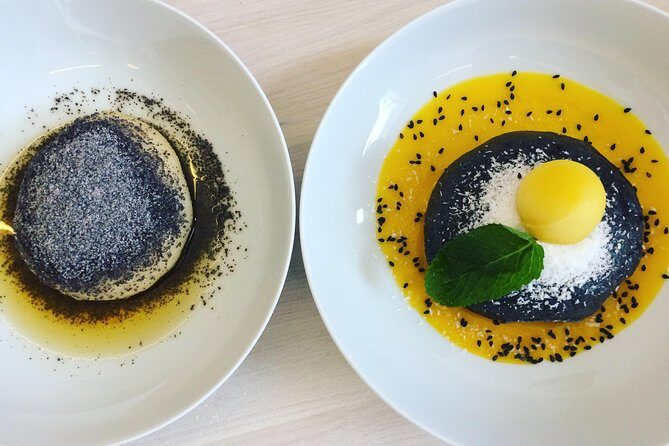
The last stop is on Oderberger Straße, designed as a dessert ending. Depending on the season, you might get natural ice cream, a visit connected to a lovely Berlin beer garden, or a heart-warming fluffy dessert.
This flexible ending is actually smart. Dessert should match the weather and the day, and Berlin’s seasons can swing from warm terrace cravings to chilly sweet comfort. You’re also ending near neighborhoods that are easy to explore after the tour, so you don’t feel like you’ve been dropped into nowhere-land.
If you’re thinking about booking: go in with the expectation that you’ll be full—and still want dessert. That’s the part people remember most, because the ending feels like a reward rather than a last-minute snack.
Price and Value: Is $205.67 Worth It?
At $205.67 per person for about 3 hours 30 minutes, the price looks steep compared to buying items one-by-one. But the value math changes when you consider what’s actually included:
- 10+ tastings across 6 places, with lunch coverage built in for many guests
- regional beer as part of the experience
- a guide-led route through neighborhoods that add context to the food
- a small group cap of 8, so you’re not stuck in a big herd with no chance to ask questions
In other words, you’re paying for organization and storytelling as much as the food itself. If you love walking, learning, and tasting multiple things in one go, it tends to feel fair.
The one drawback to keep in mind: if you’re expecting classic sit-down “German feast” vibes, this is more street-style variety plus coffee and pastry. One review noted it felt a bit expensive for street food and beer. That’s a valid consideration. So the real question is: do you want food variety with context, or do you want a simpler, cheaper meal?
Who This Tour Fits Best (And Who Might Skip It)
This tour is a strong match if you:
- want a planned route with tastings and explanations
- like the mix of international influences and classic Berlin drinks
- enjoy small-group tours where questions don’t get lost
- want to taste coffee, pastries, savory bites, and beer without doing six separate stops yourself
You might think twice if:
- you hate walking on bumpy city streets (there are no step barriers at venues, but the pavement isn’t smooth)
- you only want one or two specific foods and would rather eat them at your own pace
- you’re price-sensitive and prefer DIY shopping lists
Should You Book This Classic Bites and Culinary Trends Berlin Tour?
If you’re going to Berlin once and you want a fast “how to eat here” education, I’d book it. The combination of East Berlin themed context, Prenzlauer Berg neighborhood walking, roaster espresso, patisserie sweets, and a guided beer tasting game makes it more than a snack run.
My decision rule: book if you want to leave with both a full stomach and a clearer map of what Berlin food culture is built on. Skip if you’re hoping for a single cuisine-focused meal or you want everything to be easy and effortless without much walking.
FAQ
How long is the tour?
It runs for about 3 hours 30 minutes.
What’s the price per person?
The price is $205.67 per person.
How many tastings are included?
The tour includes food tastings at 6 places with 10+ tastings, and it covers lunch (plus more for some people).
Is beer included?
Yes. Regional beer is included, and alcoholic beverages at a local beer garden may be included when weather permits.
What’s the tour language?
The tour is offered in English.
How big is the group?
The maximum group size is 8 travelers.
Where does the tour start and end?
It starts at Espresso House, Schönhauser Allee 116, 10439 Berlin, and ends at Eberswalder Straße, 10437 Berlin.
Is there a mobile ticket?
Yes, it’s listed as a mobile ticket.
Are service animals allowed?
Yes, service animals are allowed.
Can I cancel for a full refund?
Yes. Free cancellation is available up to 24 hours in advance for a full refund.