REVIEW · BERLIN
Berlin: Guided Bike tour of the Berlin Wall and Third Reich
Book on Viator →Operated by FREE BERLIN Bike Tours · Bookable on Viator
Three hours can fit a lot of Berlin. This guided bike ride connects Berlin Wall remnants with Nazi-era architecture and the city’s democratic comeback, with stops that are often free to visit.
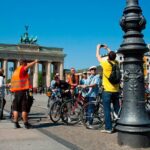
You’ll start with a comfortable city bike and helmet, then follow your guide’s pace through neighborhoods many visitors skip. One thing to keep in mind: the route can shift by guide, and each stop is intentionally brief.
I also like how the tour uses the Free Berlin concept, meaning you don’t get a rigid checklist route every time. That flexibility helps you see the city from a local angle, but it can also mean you’ll have less time at the exact memorials you personally want to linger at.
In This Review
- Key highlights at a glance
- Why this 3-hour Berlin Wall and Third Reich bike tour is worth the time
- Price and logistics: what you’re really paying for
- Start at Poststraße: the ride begins with a real Berlin neighborhood vibe
- How the Free Berlin concept affects what you’ll see
- The route in order: Wall truth, then Third Reich context
- Stop 1: Nikolaiviertel and Berlin’s “old town” question
- Stop 2: Stiftung Neue Synagoge / Centrum Judaicum (civil courage under fire)
- A GDR-era contrast memorial for deportation victims
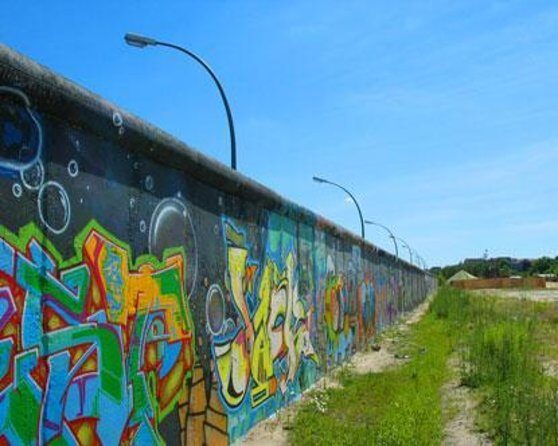
- Stop 3: The Berlin Wall memorial segment that still feels real
- Stop 4: Mauerpark—free expression after 28 years of pressure
- Stop 5: Humboldthain Flak Tower—panoramic views and Nazi architecture
- Stop 6: Günter Litfin memorial—an original watchtower preserved
- Stop 7: Invalidenfriedhof—escape stories on a divided cemetery
- Spreebogenpark to the Reichstag: power, visions, and what’s left outside
- Stop 8: Spreebogenpark and Albert Speer’s Great Hall idea
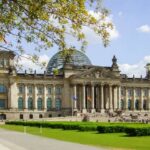
- Stop 9: Reichstag building—Hitler’s power grab and democracy from the outside
- Holocaust memorial stops: what this tour is designed to help you see
- Another memorial for major victim groups
- Stop 10: Memorial to the Murdered Jews of Europe (the big one)
- Fuhrerbunker ground and Checkpoint Charlie: where Cold War tension feels close
- Stop 11: Fuhrerbunker—now a parking lot, because history changes form
- Stop 12: Checkpoint Charlie—English version only
- Riding experience: safety, pacing, and why group size matters
- Who should book this tour (and who should choose a different format)
- Should you book it?
- FAQ
- How long is the bike tour?
- What does the tour cost?
- What’s included in the price?
- Is food or drinks included?
- Is this tour family-friendly?
- What languages is the tour offered in?
- Does the tour run in bad weather?
- What’s the group size?
- Is Checkpoint Charlie included?
- Can I cancel and get a refund?
Key highlights at a glance
- Bike-friendly overview of major Wall-era locations in about 3 hours
- Helmet + city bike included, plus a guide who keeps you together and moving
- Memorial stops with real “what it felt like” context, not just dates and plaques
- Nazi-era context shows up alongside Wall stories, including architecture and power
- Family-friendly format, with kids welcome and infant seats on request
Why this 3-hour Berlin Wall and Third Reich bike tour is worth the time
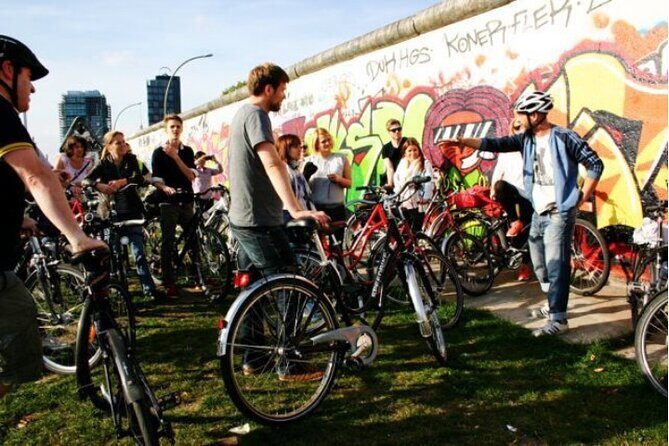
Berlin has a way of making history feel close—until you’re staring at a wall fragment and wondering what you’re actually looking at. This tour solves that by giving you context while you’re in motion. You get a guided tour built for scanning the city quickly, then for understanding why each place matters.
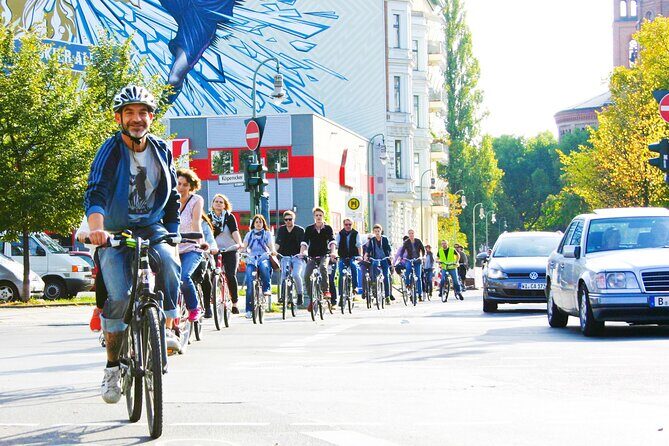
The timing is smart: about 3 hours lets you cover a lot of ground without turning the ride into a full-day endurance test. And Berlin is famously bike-friendly; the city is flat, and the route generally uses manageable streets and park connections (one guide will even give clear instructions if you’re worried about riding with traffic).
At $42.34 per person, the “value math” is mostly about what’s included: a professional guide, a bike, and a helmet. On top of that, many of the stops are admission-free based on what’s listed for the tour, so you’re not paying little entry fees all afternoon.
You can also read our reviews of more cycling tours in Berlin

Price and logistics: what you’re really paying for
This isn’t just a cheap way to see Berlin from a bicycle. You’re paying for structure plus interpretation.
Here’s what you get for the money:
- Professional guide (route includes historical explanations, Q&A, and safety guidance)
- Use of bicycle + helmet
- Mobile ticket
- Family-friendly setup (kids welcome; infant seats on request)
- Small-group feel, with a maximum of 15 travelers (and in practice, guides may split bigger groups to keep biking easier)
What you should not assume:
- Food isn’t included (so plan on grabbing something after).
- You won’t get long “sit and absorb” time at every memorial. Expect short stops, then you move on.
If you want to spend 45 minutes alone with one site, this may feel too fast. If you want the big picture plus the right starting points for deeper visits later, it’s a strong fit.
Start at Poststraße: the ride begins with a real Berlin neighborhood vibe
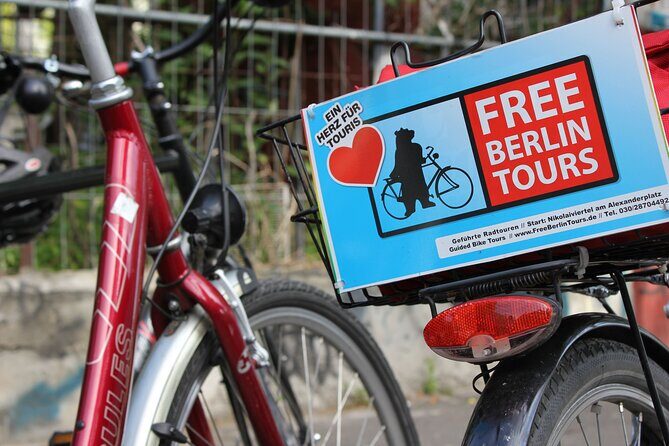
The tour meets at Free Berlin Bike Tours & Rental, Poststraße 11 (10178) and ends back there. That makes logistics easy: you’re not trying to finish across town while your legs are begging for mercy.
Because you’re near public transportation, it’s also simpler to build around the rest of your day. And since the tour operates in all weather conditions, you’ll want to dress for rain or wind—Berlin can change mood fast.
How the Free Berlin concept affects what you’ll see
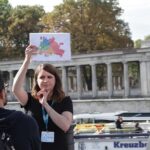
One detail that matters a lot: the Free Berlin concept means each guide designs their own route along the same topic. That’s why this tour can still feel fresh from one day to another.
In practice, that flexibility gives you two benefits:
- Guides can respond to your group’s preferences and energy level.
- They can choose the most practical route for biking and timing.
It also creates one realistic risk:
- If you’re booking because you specifically want every single named location, you should treat the itinerary as a strong theme and likely “must-see” sequence—rather than a guaranteed visit to every exact point.
If Checkpoint Charlie is your top priority, note this: it’s described as being included in the English version of the tour.
The route in order: Wall truth, then Third Reich context
This ride is structured like a guided walk through Berlin’s most powerful storylines—first the physical Wall reality, then the Nazi backdrop that shaped the era.
You’ll hit a mix of old town corners, Jewish history context, Cold War pressure points, and Nazi-era architecture. Most stops are short, but the guide connects them so the places don’t feel like disconnected dots.
You can also read our reviews of more guided tours in Berlin



Stop 1: Nikolaiviertel and Berlin’s “old town” question
You start at Nikolaiviertel, often described as Berlin’s only “real” old town. Starting here is useful because it forces you to think about time—what “old” means in a city that was repeatedly rebuilt, including after massive wartime destruction.
Practical angle: it’s a gentle opener while you get rolling and oriented.
Stop 2: Stiftung Neue Synagoge / Centrum Judaicum (civil courage under fire)
Next is the Stiftung Neue Synagoge Berlin – Centrum Judaicum, where the story centers on civil courage—specifically a police officer who helped save the building during the night of broken glass. That stop matters because it places the Holocaust-era story in a broader context: not only what happened, but also what people did (or tried to do) while violence unfolded.
This is one of those stops where the explanation changes your view of the streets around it.
A GDR-era contrast memorial for deportation victims
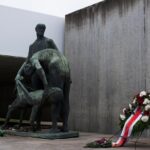
Then you’ll encounter a memorial for victims of deportation and the Holocaust that’s described as designed in GDR times, in stark contrast to the memorial near Brandenburg Gate. The point here isn’t just location—it’s perspective. East Germany handled memory differently for decades, and you’ll feel that difference in the way this city remembers.
Stop 3: The Berlin Wall memorial segment that still feels real
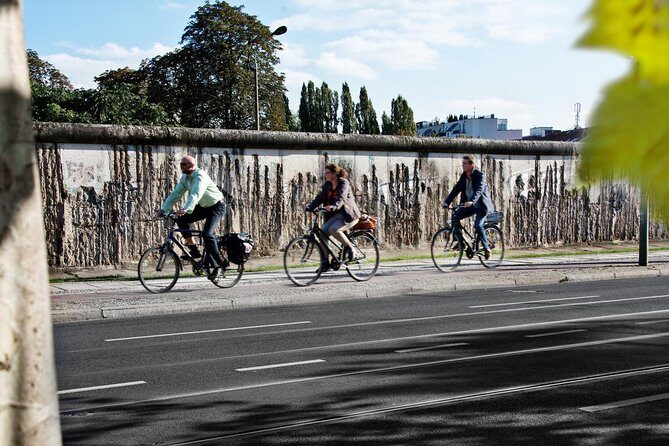
Now comes the moment you’re here for: a Wall section where it’s still alive enough to understand what the Wall meant and did to Berlin. This is described as the place where you can truly experience the Wall’s impact—what people faced every day, not just what the Wall looked like.
Expect an “explain, then look again” kind of stop. This is where guides earn their money.
Stop 4: Mauerpark—free expression after 28 years of pressure
From the Wall, you move to Mauerpark, known today for its Sunday flea market. The contrast is the whole point. The space that once came out of Wall-era trauma is now tied to public expression and everyday life.
If your brain is still stuck in heavy history mode, this stop gives it somewhere to land.
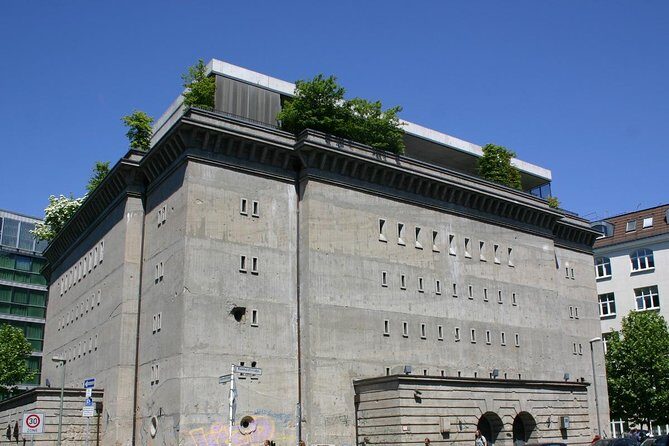
Stop 5: Humboldthain Flak Tower—panoramic views and Nazi architecture
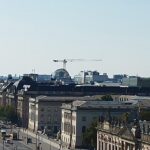
Next is the Humboldthain Flak Tower, once a major air-raid shelter and fortress-like structure. You get panoramic views from there, plus insights into what Nazi architecture looked like when it was built for power and war.
This stop helps you understand something important: the Third Reich wasn’t only propaganda and speeches. It also showed up in stone, scale, and city planning.
Stop 6: Günter Litfin memorial—an original watchtower preserved
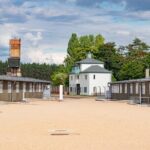
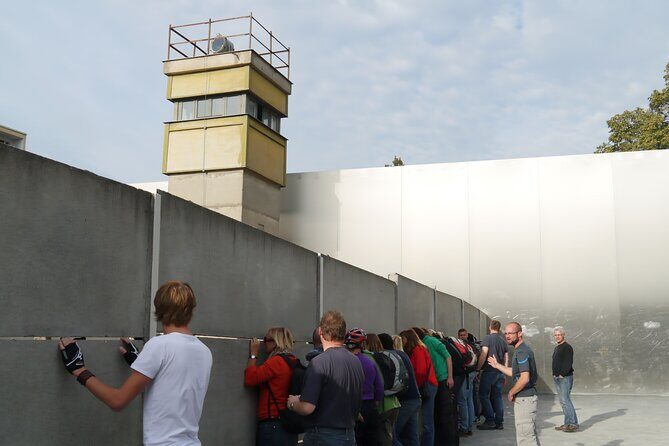
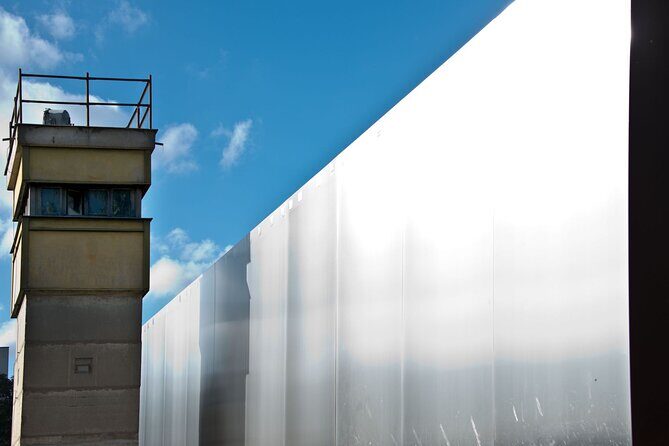
At the Gunter Litfin Memorial, an original watchtower is preserved to remember Günter Litfin, described as the first person shot at the Wall. This is the kind of stop where the guide’s pacing matters. You need time to let the story land, because it turns an object into a human story.
Short, yes. But emotionally powerful.
Stop 7: Invalidenfriedhof—escape stories on a divided cemetery
Then comes Invalidenfriedhof, cut in the middle by the Wall. It’s a burial place linked to Prussian military history and focuses on escape stories because it connects to nearby former checkpoints and even a canal that served as a natural boundary.
It’s a sobering idea: a place built for commemoration became part of the machinery of separation.
Spreebogenpark to the Reichstag: power, visions, and what’s left outside
After the Wall-focused stops and escape geography, the ride moves toward Germany’s governing district and the political stage.
Stop 8: Spreebogenpark and Albert Speer’s Great Hall idea
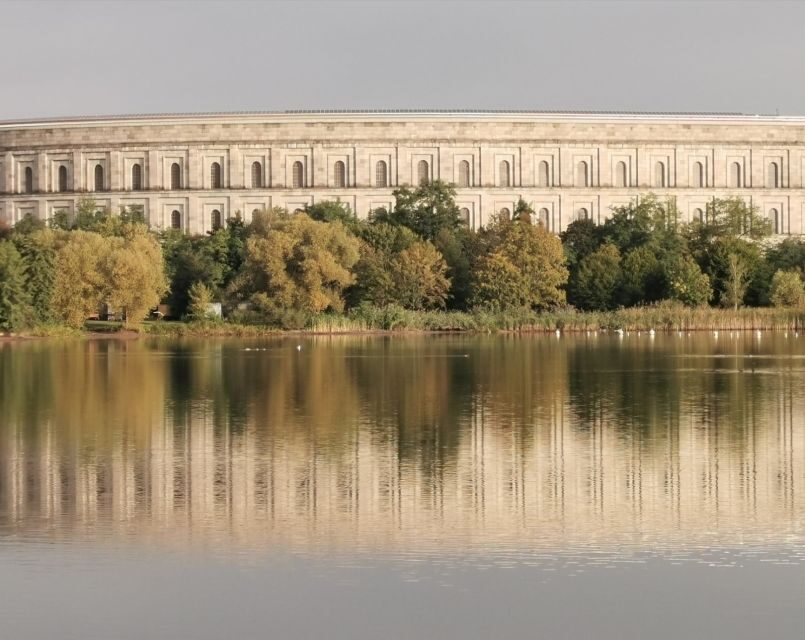
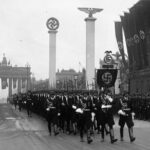
At Spreebogenpark, you get an overview of the governing district and discussion of plans connected to Hitler’s architect Albert Speer—including a vision for a Great Hall sized to fit 180,000 people.
Why this is valuable: it ties ideology to real-scale ambition. Speer’s planning wasn’t abstract; it was meant to shape how people lived, moved, and felt when the state insisted on being larger than life.
Stop 9: Reichstag building—Hitler’s power grab and democracy from the outside
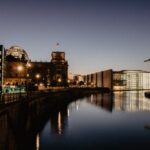
You stop at the Reichstag Building to discuss Hitler’s grab of power and Germany’s democratic history. You won’t go inside, but you still get the best kind of outside visit: context that helps you read the building and its role without needing tickets or extra waiting.
If you want interior access afterward, you can plan that as a separate add-on.
Holocaust memorial stops: what this tour is designed to help you see
This tour includes memorial sites connected to the Holocaust and the largest genocide commemoration in Europe.
Another memorial for major victim groups
You’ll also see one of three memorials for the biggest Holocaust victim groups (the tour description frames it this way as a set). The value is that you’re not funneling everything into one single stopping point—you’re seeing memory in parts.
Stop 10: Memorial to the Murdered Jews of Europe (the big one)
Then you reach the Holocaust Memorial – Memorial to the Murdered Jews of Europe. The tour description notes it as the largest such genocide memorial in the world, created by those responsible for the killing. Whether you react with grief, anger, or quiet reflection, the scale forces you to slow down mentally.
The guide’s job is to prevent this from becoming only an architectural photo op. You’ll get that needed context so the memorial doesn’t feel like just “another stop.”
Fuhrerbunker ground and Checkpoint Charlie: where Cold War tension feels close
The last part of the tour brings you from the Nazi endgame into the Cold War’s high-voltage border reality.
Stop 11: Fuhrerbunker—now a parking lot, because history changes form
At the Fuhrerbunker, you learn the place where Hitler hid during the last weeks of war and where he eventually committed suicide. Today, all you can really see is described as a parking lot—yet the guide explains why it’s there and what that shift in landscape means.
This is one of the tour’s strongest “spot it, then understand it” moments. Berlin hides layers under ordinary surfaces.
Stop 12: Checkpoint Charlie—English version only
Finally, you hit Checkpoint Charlie, described as the famous Cold War border station between the USA and USSR. The tour description points out that it was the only shared one between those powers, and how the area nearly escalated toward world conflict.
Important planning note: it’s listed as only in the English version of the tour. If you’re booking in English, you can expect it. If your option is German, don’t count on it.
Riding experience: safety, pacing, and why group size matters
Berlin biking is often easy, but “easy” doesn’t mean “effortless.” Some riders worry about busy roads and cycle lanes. One guide style that comes up again and again is hands-on instruction and attention to keeping the group together.
If you’re the kind of person who needs reassurance before moving into traffic, look for a guide who:
- gives clear biking instructions
- waits when people hit red lights or need a moment
- keeps breaks frequent enough to regroup
Also, your bike setup helps. One review detail that’s handy for you: the bikes can have a basket for storing your bag, coat, or drinks. That matters on a memorial-heavy ride where you don’t want to lug everything in your hands.
In total, you might cover around 13 km at an easy pace with plenty of stops, but the real “feel” depends on your guide’s timing and the group.
Who should book this tour (and who should choose a different format)
This tour is best for you if:
- you want a guided Wall-focused overview with clear explanations
- you like using short stops to decide what you want to revisit later
- you’re comfortable biking for roughly 3 hours
- you want a history-heavy experience that’s still practical and not exhausting
It’s also a nice pick for families. The tour explicitly welcomes children, and infant seats can be provided on request. Reviews also point out that kids can stay engaged when the guide includes personal stories and invites questions.
Choose a different format if:
- you’re hoping for a long, slow, museum-style experience at one memorial
- you expect an exact, fixed checklist of every named site, no matter which route the guide designs
- you’re very sensitive to the balance between Wall content and broader Third Reich content—some guides may keep the Wall theme dominant and treat Third Reich pieces as context
Should you book it?
Yes—if you want the smartest way to see Berlin’s Wall legacy on a bike without turning it into a lecture marathon. The included bike and helmet, the small-group pace, and the way guides connect sites to everyday life make this feel like history you can actually picture.
Book it especially if you’re the kind of traveler who likes getting oriented fast, then coming back later for deeper reflection at the places that hit you hardest.
If you’re the checklist type, message your priorities before you go and don’t be shy about asking what you most want to see—because the Free Berlin concept means the route can flex.
FAQ
How long is the bike tour?
It runs for about 3 hours.
What does the tour cost?
The price is listed as $42.34 per person.
What’s included in the price?
You get a professional guide, use of a city bike, and a helmet. A mobile ticket is also mentioned.
Is food or drinks included?
No. Food and drinks are not included unless specified.
Is this tour family-friendly?
Yes. Children are welcome, and infant seats can be provided on request. Children must be accompanied by an adult.
What languages is the tour offered in?
It operates in English (and German depending on the option selected).
Does the tour run in bad weather?
Yes. It operates in all weather conditions, so dress appropriately.
What’s the group size?
The tour has a minimum of 4 travelers and a maximum of 15.
Is Checkpoint Charlie included?
Checkpoint Charlie is noted as included in the English version of the tour.
Can I cancel and get a refund?
Yes. Free cancellation is offered, and you can cancel up to 24 hours in advance for a full refund.