REVIEW · BERLIN
Berlin: 4-Hour Guided Highlights Tour in Spanish
Book on GetYourGuide →Operated by cultourberlin by cultour-incoming · Bookable on GetYourGuide
Berlin has a way of telling stories in stone.
This Spanish-language highlights tour turns the big sights into something you can actually follow in 4 hours, with a guide who explains how each place connects to what came next. I especially like the way you cover both the famous landmarks and the political turning points in one walk, and I like the human pacing—guides such as Evelyn and Celia are noted for clarity and for making history feel understandable, not just memorized.
One possible drawback: it runs only in Spanish, so if that’s not your comfort level, you’ll lose a lot of the value.
In This Review
- Key highlights worth your attention
- A Spanish highlights walk that works on a first Berlin visit
- Alexanderplatz meetup: start where transit and landmarks collide
- Museum Island and Berliner Dom: why this UNESCO zone matters
- Unter den Linden and the grand avenue-to-square rhythm
- When the story turns dark: Hitler, the Gestapo, and the built reminders
- Holocaust memorial context: learning what the Memorial to the Murdered Jews of Europe represents
- The Berlin Wall explained: how it was built and what daily life meant
- Potsdamer Platz: modern Berlin after the rupture
- Brandenburg Gate finish: a symbol you can finally interpret
- Price, pacing, and who this tour is best for
- Should you book this Spanish highlights tour?
- FAQ
- Is the tour offered in Spanish only?
- How long is the guided tour?
- Where do I meet the guide?
- What time does the tour start?
- What are the main stops on the route?
- Does the tour include a guided explanation?
- Is the tour wheelchair accessible?
- Can I choose a private group?
- Is hotel pickup available?
- What should I bring?
- Is free cancellation available?
- Can I reserve now and pay later?
Key highlights worth your attention
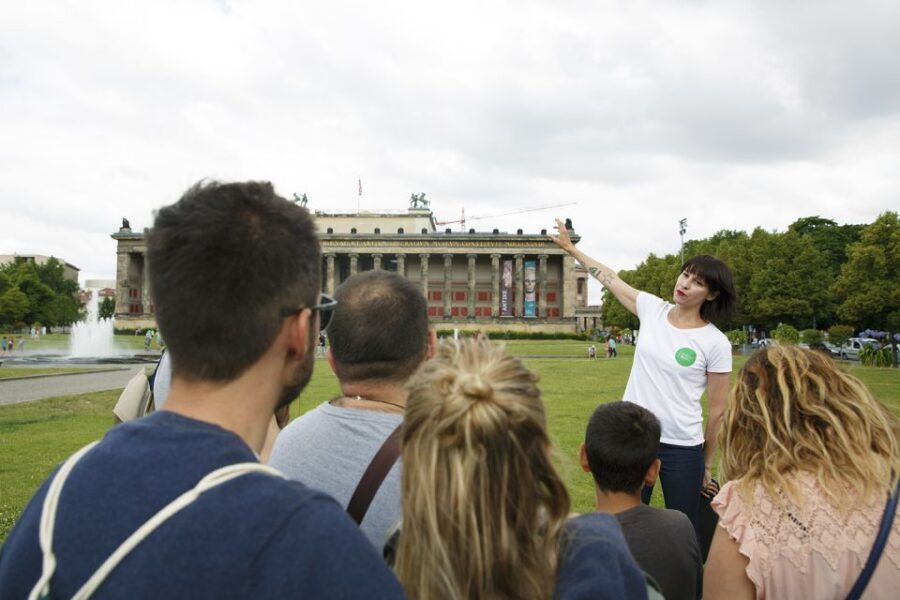
- 4 hours, major sights: Museum Island, Gendarmenmarkt, the Holocaust memorial area, Potsdamer Platz, and the Brandenburg Gate in one route
- A Spanish guide who explains the why: not just dates, but how decisions and everyday life shaped Berlin
- The Wall story told in plain terms: how it was built, why it fell, and what daily life meant for East Germans
- Memorial stops with context: including the Memorial to the Murdered Jews of Europe and what it represents
- Frequent photo moments: Gendarmenmarkt and the final approach to the Brandenburg Gate are designed for that
- Good support for slower walkers: guides like Evelyn have been specifically praised for patience
A Spanish highlights walk that works on a first Berlin visit
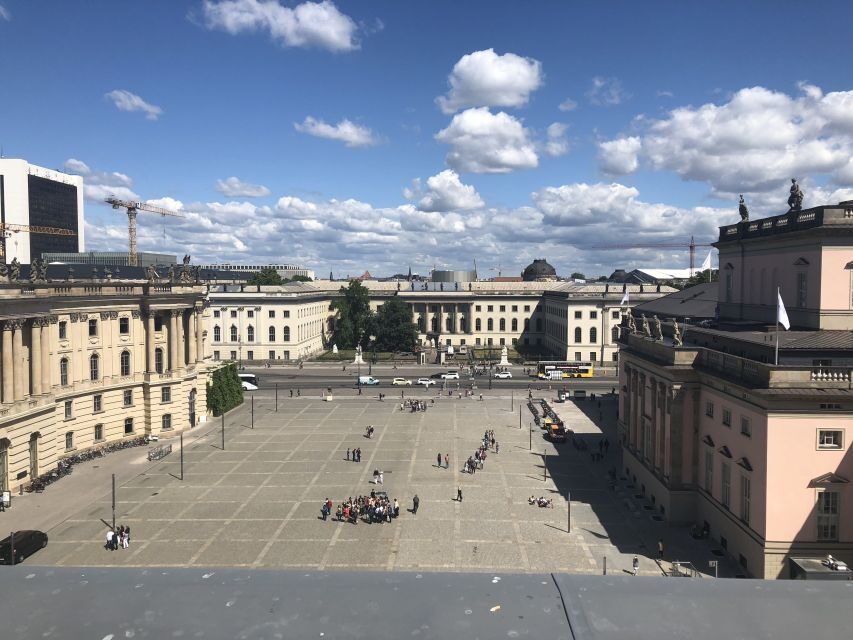
If it’s your first time in Berlin, the hardest part isn’t finding landmarks. It’s figuring out how they all connect. This tour helps you connect the dots fast: it starts in the city’s early origins, moves through the imperial grand avenue look, then shifts into the 20th century—and the consequences that still shape Berlin today.
At $29 per person for about 4 hours, the value is strongest if you like guided context. You’re paying for someone to translate Berlin from postcard scenes into cause-and-effect. Without a guide, you can still see the sites, but you’ll often miss why a street matters, why a building sits where it does, or why a square became a stage for power.
The language is Spanish only, but that’s also part of the bargain. You’re not getting a weak, generic “here’s a building” chat. The guide-led format is built for real explanation, and reviews frequently point to guides being professional and clear.
You can also read our reviews of more guided tours in Berlin


Alexanderplatz meetup: start where transit and landmarks collide
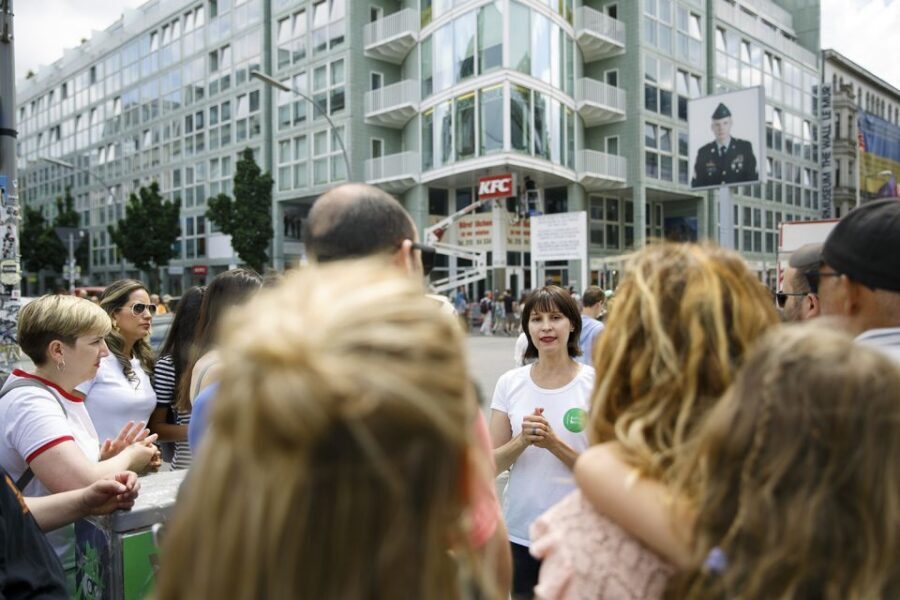
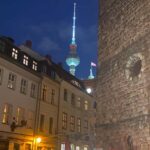
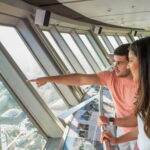
You begin at Alexanderplatz, by the Fernsehturm (TV Tower) area, near a green banner that says tours en español. The tour starts in a place that’s practical for meeting up, because it’s a hub and it’s easy to orient yourself once you arrive.
You’ll also appreciate the logic of the opening: from this central point, the route quickly shifts into areas that help you understand how Berlin grew into the capital it became. This is the kind of start that prevents that common new-city feeling of wandering with no storyline.
If you’re someone who gets stressed about meeting points, this is a good sign. The meeting instructions are specific: between the tower and the Alexanderplatz train station, beside Espresso House.
Museum Island and Berliner Dom: why this UNESCO zone matters
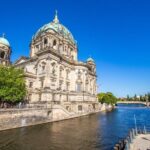
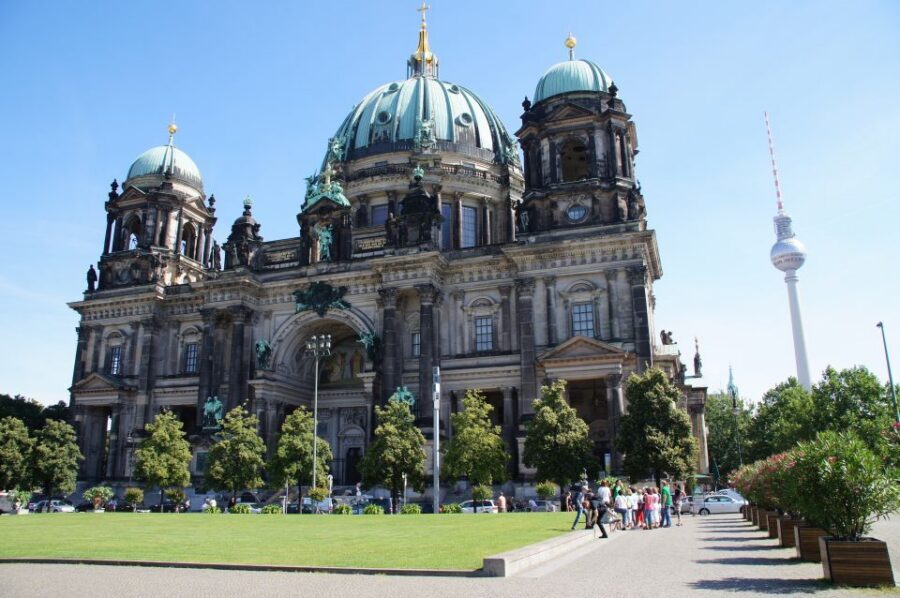
One of the tour’s strongest “early wins” is Museum Island and the Berlin Cathedral (Berliner Dom) area. This is where Berlin signals, almost immediately, that it isn’t only about monuments—it’s also about institutions, identity, and culture.
Museum Island works especially well on a highlights format because the area is compact but meaningful. You’ll be walking through a UNESCO World Heritage Site, and the guide’s job is to give you a sense of what you’re seeing without turning it into a museum day.
Why I think this stop is valuable for you: in Berlin, art and politics are often tied together. The guide helps you see the cathedral and the museum-world setting as part of a bigger story about who had influence, who built the prestige of the capital, and how public spaces become symbols.
Drawback to consider: since this is still part of a walking tour, you won’t have time to sit and linger the way you might on a standalone cathedral visit. Come expecting context, not a slow museum crawl.
Unter den Linden and the grand avenue-to-square rhythm
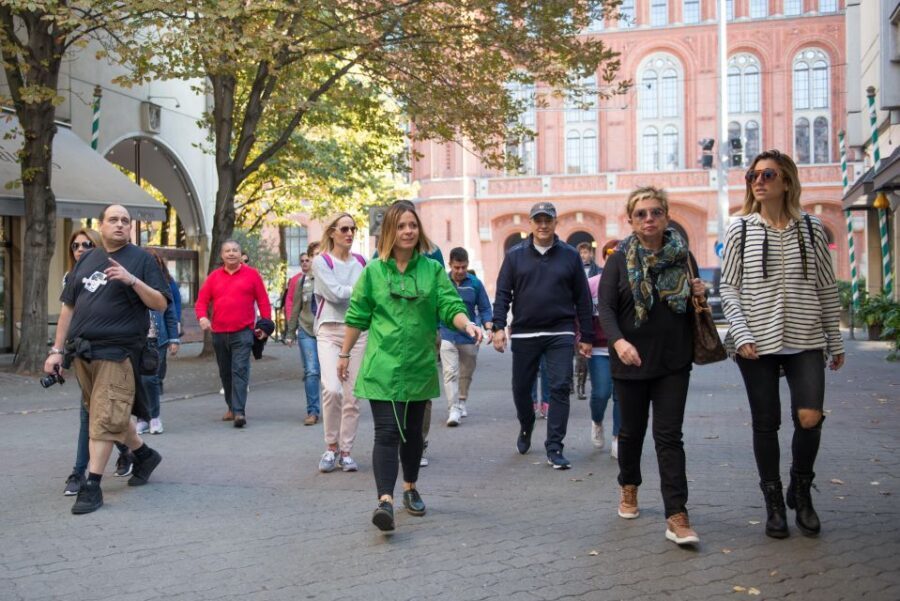
As you move through the city, the tour uses a classic Berlin geography trick: it follows the feeling of the city’s main avenues. You’ll see Kaiser Avenue / Kaisers Avenue and then get your bearings along Unter den Linden, one of Berlin’s best-known “state” streets.
Along the way you also pass by major civic and academic landmarks such as Humboldt University, the Royal Library, and the State Opera. Even if you’re not focused on architecture, this part helps you understand how Berlin presented itself as a seat of learning, culture, and power.
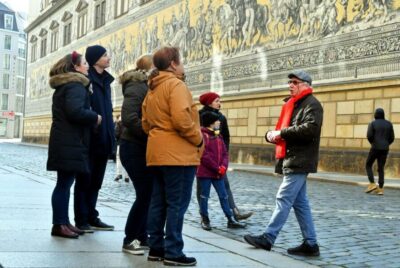
Then the tour pivots toward a “breather” stop: Gendarmenmarkt. This square is famous for a reason—it’s photogenic, symmetrical, and easy to take in after streets with more traffic and scale.
At Gendarmenmarkt, you get a chance to pause for pictures and to reset your attention. It’s one of those places where a guided group benefits: you don’t just point your camera, you also get the context for why the square looks the way it does and why it became such a key public stage.
When the story turns dark: Hitler, the Gestapo, and the built reminders
After the lighter grandeur, the tour shifts into the 20th century, and it doesn’t do it gently. You’ll hear details about Hitler’s rise to power, and you’ll see remains of the Gestapo Headquarters.
This is not a history lecture floating above the street. The value here is location. Berlin forces you to look at how political violence leaves physical marks. Seeing remnants where power operated makes the story feel less like a textbook timeline and more like decisions made by real people, in real buildings, with real consequences.
If you prefer your history delivered with emotional distance, this portion might feel heavy. But if you want Berlin to make sense—not just look like Berlin—this stop is essential.
One practical note: these areas are outdoors and your pace matters. Wear comfortable shoes and keep a steady rhythm. The walk matters because the guide’s narrative builds from place to place, and the route is paced to keep the story coherent.
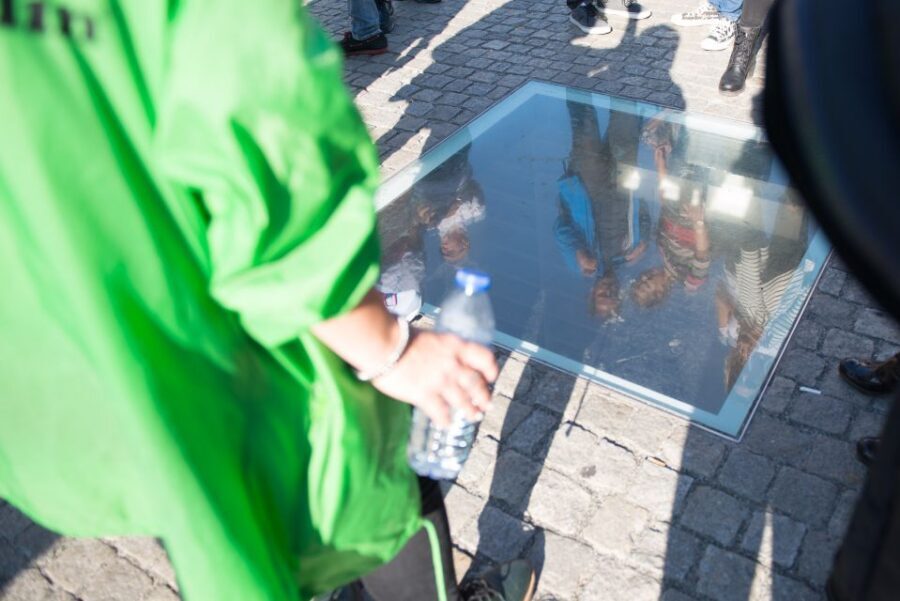
Holocaust memorial context: learning what the Memorial to the Murdered Jews of Europe represents
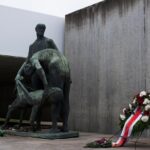
The tour includes the Memorial to the Murdered Jews of Europe. This stop is about remembrance and understanding the scale and reality of what happened.
In a highlights format, the risk is that memorial sites become quick “checkpoints.” What helps here is the guide’s role: you don’t just see the space; you hear what it stands for and why it matters. The goal isn’t to turn suffering into a sightseeing stop. The goal is to help you leave with a clearer understanding of what the memorial represents and what Berlin chose to remember publicly.
The most praised guides in this tour format—like Celia and Evelyn—are noted for storytelling that sparks reflection. That’s exactly what you want at a place like this: your brain should slow down and connect.
The Berlin Wall explained: how it was built and what daily life meant
Next comes the part that makes this tour feel more than a list of landmarks: you learn why the Berlin Wall was constructed and then how it fell. The guide also explains how residents lived with it every day, which is the difference between knowing a fact and understanding a lived reality.
You’ll hear about East Germans who risked their lives to cross to West Berlin. That detail matters because it gives weight to the Wall as more than a barrier. It was a system. It changed routines, choices, and hopes.
Also, the tour frames it in a way that feels human. Instead of treating East and West as abstract political categories, the guide brings in what it meant to be on each side. That approach is one of the reasons the tour earns consistently high marks for being engaging rather than dry.
Timing note: memorial and wall-related themes can feel mentally tiring. A good guide will pace it, and reviews mention that there’s a period built in for a café/rest break—about half an hour—so you can reset.
Potsdamer Platz: modern Berlin after the rupture
After the weightier parts of the walk, the itinerary lands on Potsdamer Platz, which shows you a Berlin that rebuilt itself. It’s described as spectacularly modern, and that’s true—you feel the shift when you arrive.
What you’ll appreciate here is contrast. The story you heard earlier about division and pressure becomes clearer because you now see a central area that represents change, redevelopment, and a different kind of city energy.
This stop also helps you wrap your head around a larger concept: Berlin didn’t just “move on.” It rebuilt. It repurposed. It layered new life over old structures. Potsdamer Platz makes that visible, even if you only have a short time.
Brandenburg Gate finish: a symbol you can finally interpret
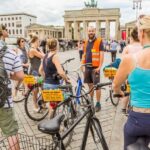
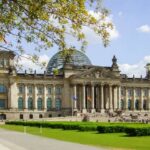
The tour ends at the Brandenburg Gate, Berlin’s most famous symbol. When you reach it at the end, it hits differently than if you visit it alone.
By the time you get there, you’ve already heard the Wall story, seen memorial spaces, and walked through key power-linked areas. So instead of just taking a photo, you can interpret what the gate means: not only as a monument, but as a turning-point marker in Berlin’s national story.
This ending is a smart design for a highlights tour. The final stop acts like a mental bookmark. You’ll likely leave with the feeling that you can explain Berlin’s major 20th century shifts to someone else, at least in broad strokes.
Price, pacing, and who this tour is best for
Let’s talk practical value: $29 for 4 hours in a guided, Spanish-only format is fair—especially because the tour covers more than one “cluster” of major sights: museum-culture space, grand avenues and squares, 20th century political sites, memorial context, and a modern reconstruction area.
The biggest reason it feels like good value is the guide’s role. Reviews repeatedly highlight guides who are clear, professional, and willing to handle different walking speeds. One review specifically notes patience with slow walkers, which matters because this route is best enjoyed when you’re not constantly rushing.
This is a great fit for you if:
- you want a first overview that actually connects Berlin’s eras
- you prefer guided storytelling over reading plaques at random
- you’re comfortable walking for about 4 hours and you’re okay with cold or rainy weather since it runs rain or shine
- you speak Spanish (or want to practice it in a real context)
It’s less ideal if:
- you need a tour in English or another language
- you strongly dislike emotionally heavy sites like memorial areas
- you want a slow, sit-down pace with long museum time
And since it’s a walking tour, you’ll want comfortable clothes and shoes. Simple advice, but it makes the difference between enjoying the route and counting minutes.
Should you book this Spanish highlights tour?
I’d book it if you want a fast, structured way to understand Berlin’s big turning points without feeling lost. The Spanish guides praised for clarity—like Evelyn, Celia, and Constantino—are a major reason this tour works. You’ll come away with more than photos: you’ll understand the logic behind the Wall, the stakes of the Holocaust memorial, and why the Brandenburg Gate is more than a postcard.
Don’t book it if Spanish isn’t your level, or if you know you’d struggle emotionally with memorial and authoritarian history stops.
FAQ
Is the tour offered in Spanish only?
Yes. The tour is only offered in Spanish.
How long is the guided tour?
The duration is 4 hours.
Where do I meet the guide?
You meet near a green flag with the text tours en español by the only entrance to the Fernsehturm (TV Tower) in Alexanderplatz. It’s also between the TV tower and the Alexanderplatz train station, next to Espresso House.
What time does the tour start?
Tours begin at 10:00, in front of the TV Tower at Alexanderplatz, and they run every day.
What are the main stops on the route?
The tour includes Brandenburg Gate, Museum Island, Berliner Dom (Berlin Cathedral), Gendarmenmarkt, Unter den Linden, the Gestapo Headquarters remains, and the Memorial to the Murdered Jews of Europe, plus Potsdamer Platz.
Does the tour include a guided explanation?
Yes. It includes a live tour guide who speaks Spanish.
Is the tour wheelchair accessible?
Yes. The tour is listed as wheelchair accessible.
Can I choose a private group?
Yes. Private group available is offered.
Is hotel pickup available?
Optional pickup at your hotel lobby is available.
What should I bring?
Bring comfortable clothes and wear shoes suitable for walking.
Is free cancellation available?
Yes. You can cancel up to 24 hours in advance for a full refund.
Can I reserve now and pay later?
Yes. The option Reserve now & pay later is available.
If you want, tell me your Spanish level and what dates you’re considering, and I’ll help you decide if this pace (4 hours, rain or shine) fits your plan.