REVIEW · BERLIN
Berlin: Disgusting Food Museum Entry Ticket and Tasting
Book on GetYourGuide →Operated by Disgusting Food Museum Berlin · Bookable on GetYourGuide
Berlin gets weird with a food museum. This one mixes 90+ global exhibits of oddly disgusting foods with hands-on judgment at the Tasting Bar, plus discussion prompts about nutrition and how food is produced. I like that it’s playful but also thoughtful. I like that you can take it at your own pace, from curious sniff to cautious tasting. The main drawback is simple: some exhibits and smells can be genuinely uncomfortable.
If you’re the kind of person who debates what counts as “real food,” you’ll probably enjoy the way the museum frames taste as culture, not just biology. Expect a full day for exploring the displays, then using the tastings to test your own reactions.
In This Review
- Key highlights you should know
- A $20 ticket to Berlin’s strangest food education
- Entering the Disgusting Food Museum Berlin and finding your rhythm
- The exhibits that question food, nutrition, and production
- Meet the “disgusting” foods and learn why reactions vary
- Tasting Bar: included small samples and your own verdict
- The Hall of Fame challenge and how to handle the sensory part
- Wheelchair accessibility and planning a calm visit
- Price, value, and who this experience fits best
- Should you book the Disgusting Food Museum in Berlin?
- FAQ
- How much does the Disgusting Food Museum Berlin ticket cost?
- How long does the experience last?
- What is included with the ticket?
- Are tastings included, or do I pay extra?
- Do I choose a time, and is it tied to my ticket?
- Where do I start?
- What should I bring?
- Is the museum wheelchair accessible?
- Can I cancel and get a full refund?
- Can I reserve now and pay later?
Key highlights you should know
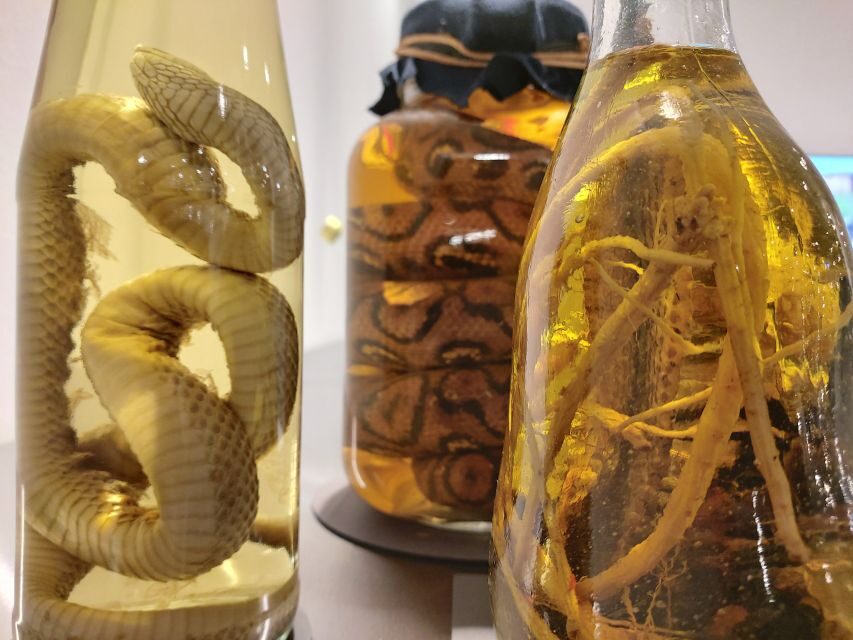
- 90+ exhibits from around the world that turn food stereotypes on their head
- Included Tasting Bar samples so you don’t just look—you decide
- Strange-but-real examples like mouse wine, mite cheese, stinky fish, and worms
- The Hall of Fame challenge that some people find hard, but worth pushing through
- Conversation-driven food questions about nutrition, preference, and the future of food
A $20 ticket to Berlin’s strangest food education
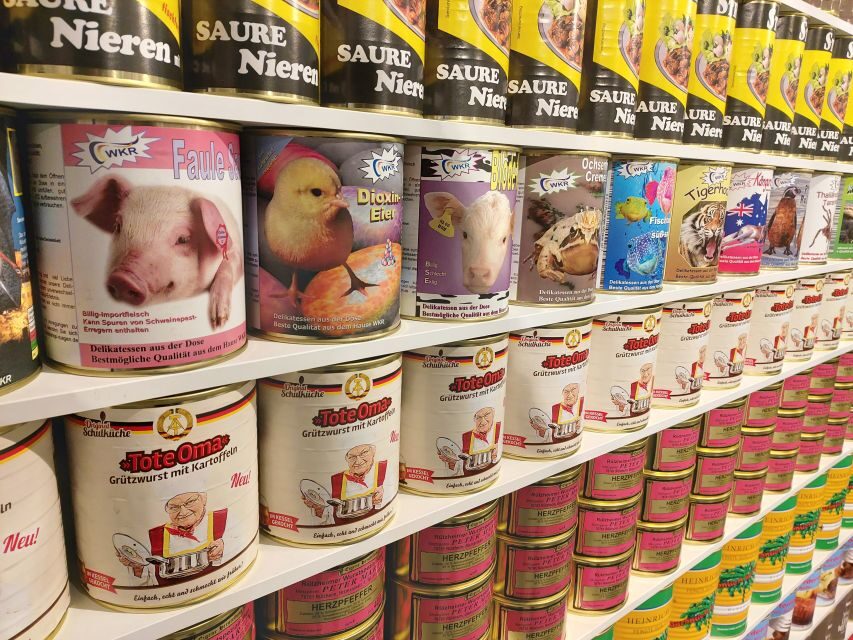
At about $20 per person for a 1-day visit, this is one of those experiences that feels like a bargain once you realize you’re getting more than a themed room. You’re paying for entry to a full museum experience built around dozens of exhibits and a tasting area. If you tend to enjoy hands-on museums, the included samples make the value easier to justify.
Your ticket is valid only on the date and time you booked. That matters because it nudges you to plan a real block of time. Don’t treat it like a quick stop you can squeeze into a busy lunch window. Build a few hours, then let it stretch if you’re curious.
Two more practical points: transportation isn’t included, and you start at the museum itself using your booked time. If you’re in Berlin for a short trip, this is the kind of stop that works best when you can give it a quiet pocket of time without rushing from one ticket to another.
A few more Berlin tours and experiences worth a look



Entering the Disgusting Food Museum Berlin and finding your rhythm
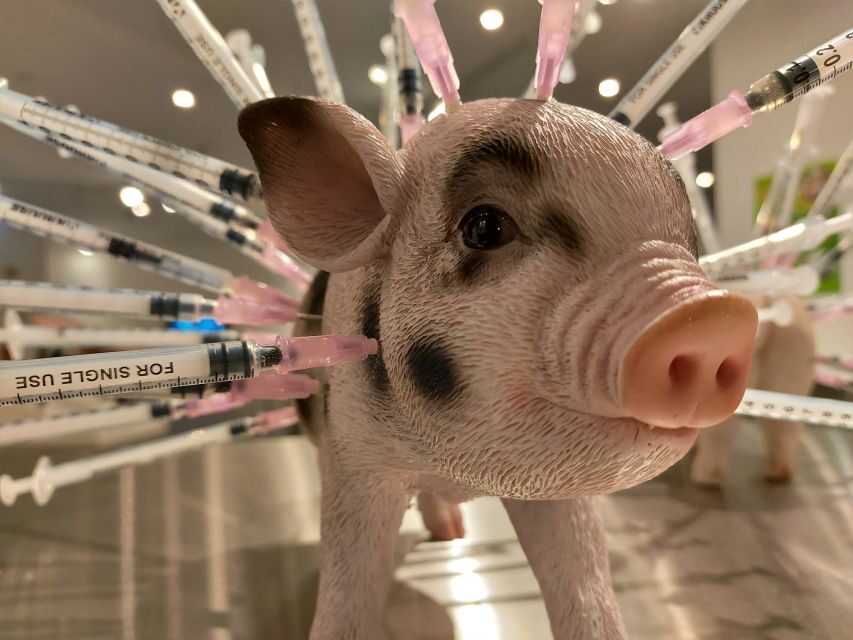
The museum doesn’t feel like it takes forever to get through. In fact, it’s small enough that you can see a lot without getting fatigued, which I really appreciate. You can focus on what matters: how each display is presented and what it’s trying to make you notice about food.
The biggest theme is the global range of what humans eat—and what different cultures treat as normal, weird, delicious, or taboo. You’ll move through exhibits featuring foods that get labeled disgusting in one place and are ordinary in another. That contrast is the whole point. It’s not just shock value.
One detail worth keeping in mind: you may notice the museum’s presentation style is designed to keep the pacing moving. That’s a big deal because the subject matter can get emotionally loud fast. If you’re sensitive to strong smells or uncomfortable visuals, having a compact route means you can step back and regroup without getting trapped in a long loop.
The exhibits that question food, nutrition, and production
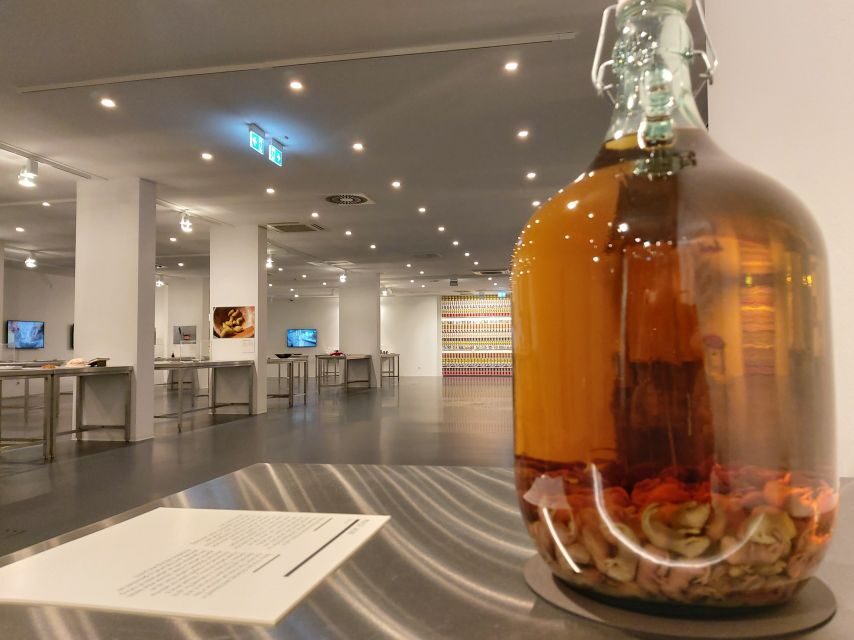
This is where the museum earns its keep. Under the gross-out theme is an actual food lesson: nutrition isn’t universal, and food choices aren’t purely personal. They’re shaped by production systems, availability, and cultural habits.
The exhibits point you toward broader questions such as:
- how certain foods end up in the diet in the first place
- what we mean by nutritious versus disgusting
- why our preferences can be more about context than the food itself
- what the future of food might look like
I also like that the museum frames these questions as discussions, not lectures. You’ll often feel nudged to think about how food preferences carry consequences, not just tastes. That’s a smarter angle than simply listing strange foods.
And yes, the content is intentionally uncomfortable for some people. That doesn’t mean it’s chaotic. It means the museum is trying to make you confront your own reactions. If you go in expecting only humor, you’ll miss some of the educational weight. If you go in expecting pure education, the tastings and sensory elements will remind you that food is physical.
Meet the “disgusting” foods and learn why reactions vary
The museum’s most memorable exhibits are built around foods most people would never pick on instinct. Some of the examples highlighted include mouse wine, mite cheese, stinky fish, and worms. These aren’t included just for shock. They’re used to show how strongly our assumptions depend on where we grew up.
Here’s the useful takeaway for you: your reaction is not proof that something is unsafe or worthless. It’s proof that you have a specific cultural baseline. When you compare that baseline with the museum’s examples, you get a clearer view of what “disgust” really means.
Some of the exhibits are also smell-forward. One of the strongest themes from visitor feedback is the sense that the experience can be intensely odor-focused in places. You don’t have to force yourself through everything at full intensity. If you need a breather, take it. Short pauses are part of making this experience enjoyable rather than overwhelming.
Tasting Bar: included small samples and your own verdict
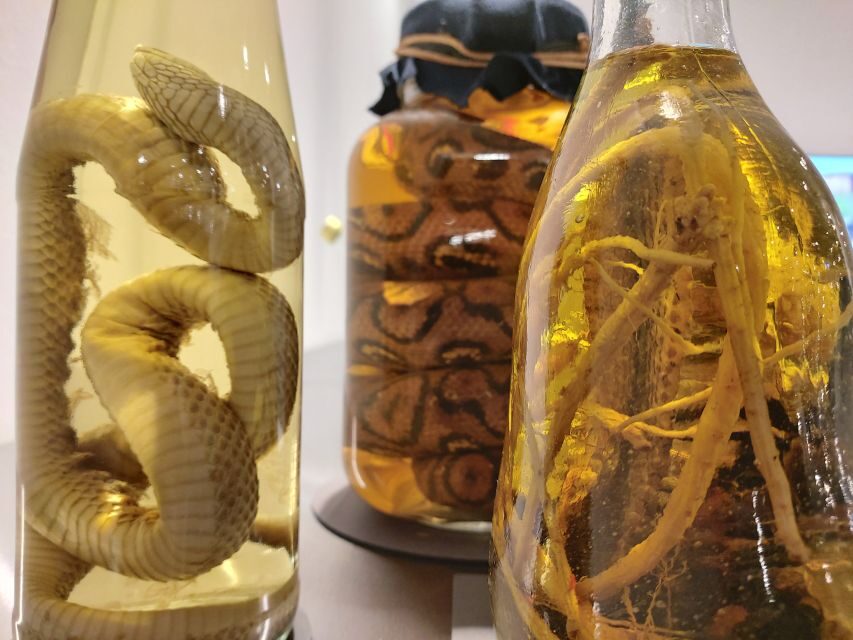
The Tasting Bar is the heart of the practical experience. Since the small tastings are included, you get the chance to test your own reactions without paying extra for the privilege.
What makes this worth it is not that you’ll suddenly love everything. It’s that you’ll learn something about your own instincts. You might find a food you expect to hate is surprisingly tolerable, or you might discover you’re more sensitive than you thought. Either way, the tastings turn abstract food talk into something you can actually evaluate.
The samples are described as small, which is key for two reasons. First, it lowers the barrier for people who are curious but cautious. Second, it gives you options: you can try more than one sample or just do a quick taste and move on. That flexibility is what helps this museum work for different personalities and different comfort levels.
Also keep in mind this is for all ages, so the tasting approach is designed to be approachable. That doesn’t mean it’s mild. It means the museum expects a wide range of reactions and still wants you to participate in a way that feels manageable.
You can also read our reviews of more food & drink experiences in Berlin






The Hall of Fame challenge and how to handle the sensory part
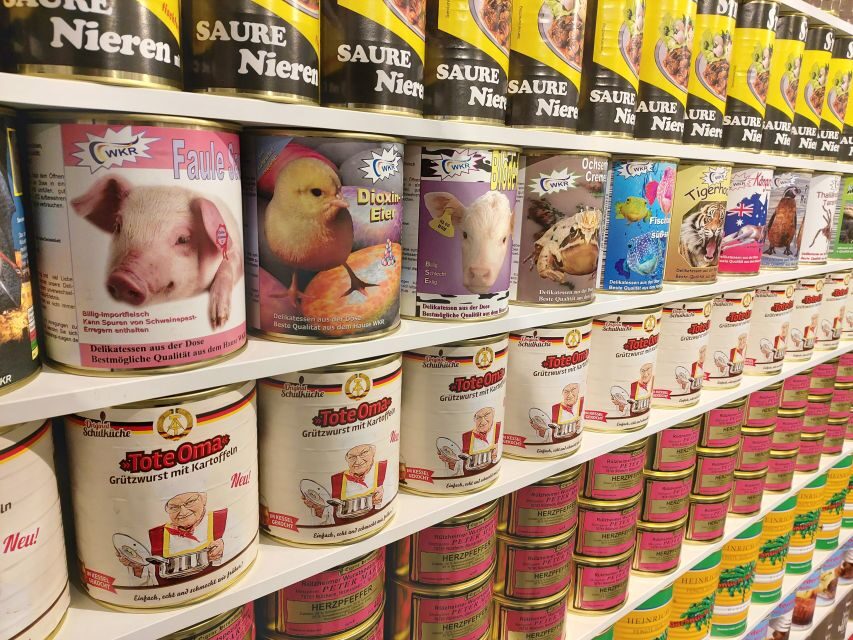
One highlight that shows up again and again is the Hall of Fame section. The idea is simple: you’ll see a challenge area connected to foods and reactions, and for some people it’s harder than expected. That tells me the museum isn’t just a walk-through. It encourages a bit of brave curiosity.
If you’re going to attempt the Hall of Fame challenge, I’d plan to take the sensory part seriously. Don’t treat it like a dare you can win fast. Think of it as a stamina test for your reactions—especially if you’re sensitive to strong smells or uncomfortable food visuals.
A smart strategy for you: pace yourself through the exhibits, then decide how far you want to go in the Hall of Fame zone. You can still have a meaningful visit without pushing past your comfort level. The museum’s educational message lands even if you keep your participation light.
Wheelchair accessibility and planning a calm visit
The museum is wheelchair accessible, which is a big plus for inclusive planning. If you’ll be using a wheelchair or mobility aid, this is one of the rare “weird subject” attractions that still checks a practical accessibility box.
Timing matters because the museum experience is best when you’re not rushing. You’ll be moving through displays, then potentially shifting into the tasting area, which can change the mood fast. If you want this to feel fun instead of stressful, schedule it when you’re not exhausted from a full day of Berlin walking.
Also remember transportation isn’t included, so factor that into your day. The meeting point is essentially the museum itself, and your entry and tastings are tied to the time you booked.
Price, value, and who this experience fits best
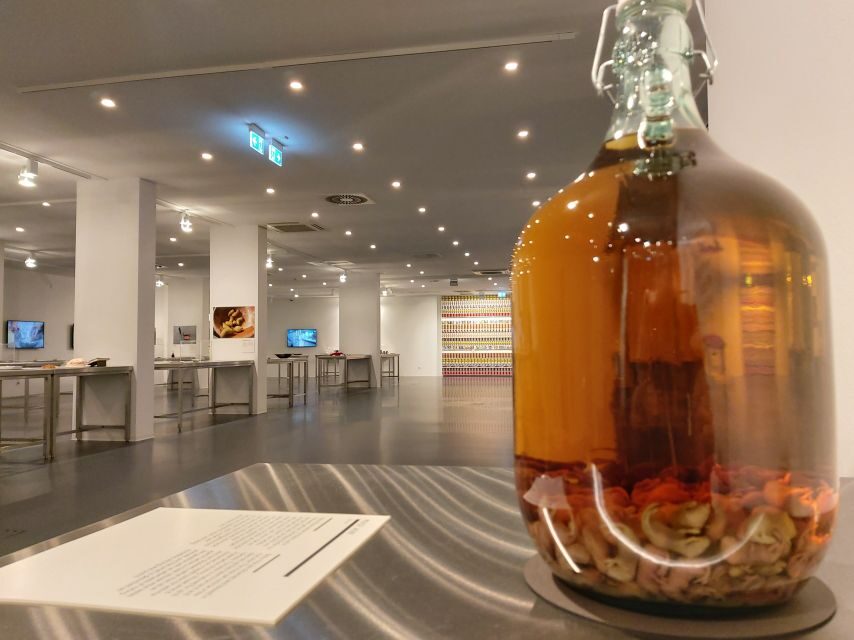
Let’s talk about value in a way that helps you decide. This isn’t a “look at a building” ticket. You’re getting:
- museum entry
- included small tastings at the Tasting Bar
- access to 90+ exhibits built around global food examples
- built-in prompts that connect food to nutrition and current issues
If you like interactive experiences, this is a stronger deal than many small museums. You’re not just observing; you’re participating with your own reactions.
Who it’s best for:
- food explorers who like tasting challenges
- people who enjoy museums that use humor to teach a serious idea
- families looking for an unusual learning stop
- anyone who wants a conversation starter about nutrition and food production
Who should think twice:
- anyone who knows they get distressed by uncomfortable food content or strong smells
- people who prefer food experiences that are fully familiar
If you’re in the “I’m curious, but I might be squeamish” camp, you’re still a good match. Just go with control. Try a sample, step back if you need to, and focus on what the exhibits are saying about nutrition and culture.
Should you book the Disgusting Food Museum in Berlin?
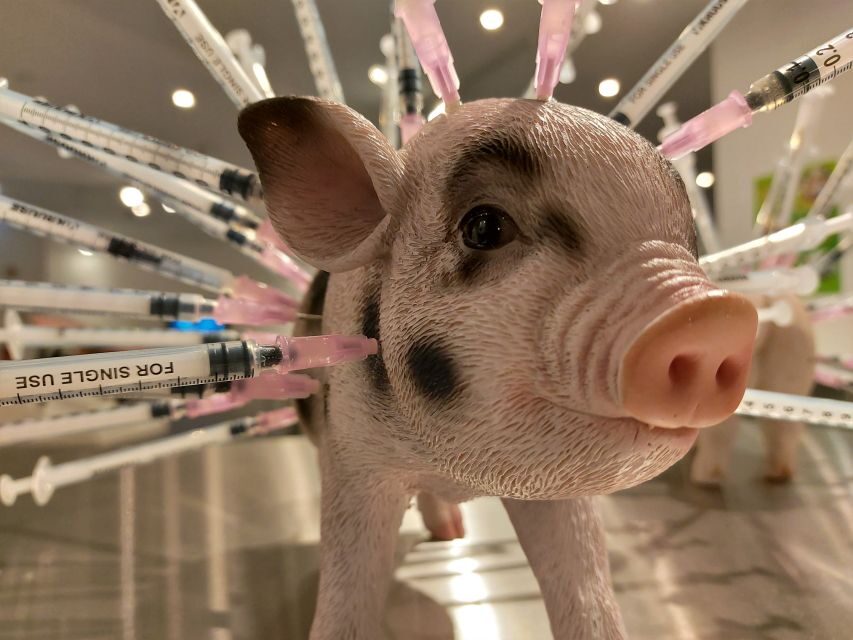
Book it if you want a hands-on museum day where the humor has a purpose. The included tastings make it feel like more than a theme park gimmick, and the 90+ exhibits give you enough variety to keep the learning interesting. If you enjoy food debates, you’ll probably appreciate how the museum frames reactions as something shaped by culture and production—not just personal preference.
Skip it if your main goal is comfort. Some content is explicitly described as potentially uncomfortable, and there are hints that the sensory experience can be strong, especially in odor-heavy areas.
If you do book, plan your day so you’re not rushed. Give yourself time to move through exhibits, then decide your pace for the tasting and any Hall of Fame-style challenge. That mix—curiosity plus control—is the sweet spot for making this experience fun instead of stressful.
FAQ
How much does the Disgusting Food Museum Berlin ticket cost?
The price is $20 per person.
How long does the experience last?
The experience is valid for 1 day.
What is included with the ticket?
The ticket includes museum entry and small disgusting samples at the Tasting Bar.
Are tastings included, or do I pay extra?
Small tastings at the Tasting Bar are included.
Do I choose a time, and is it tied to my ticket?
Yes. Your entry ticket and tastings are valid on the date and time that you booked.
Where do I start?
Start your experience at the Disgusting Food Museum Berlin.
What should I bring?
The museum notes that you should bring a credit card.
Is the museum wheelchair accessible?
Yes, it is wheelchair accessible.
Can I cancel and get a full refund?
Yes. You can cancel up to 24 hours in advance for a full refund.
Can I reserve now and pay later?
Yes. You can reserve now and pay later, keeping your travel plans flexible.