REVIEW · LEIPZIG
Leipzig: Courtyards, Houses, Trade – Passage Tour in German
Book on GetYourGuide →Operated by Leipzig Erleben GmbH · Bookable on GetYourGuide
A walk through Leipzig’s passages can feel like a time machine. This 2-hour Passage Tour is interesting because it explains how Leipzig’s trading life and the Leipziger Messe shaped the city’s tucked-away pedestrian routes. I love the way you get big highlights and lesser-used corridors in the same walk, and I also like how the tour treats courtyards as real parts of the city’s shopping history, not just pretty backdrops. The main drawback is simple: the tour is only in German, so it may be less satisfying if you’re not comfortable following a guide without support.
If you enjoy architecture and urban design—especially how people moved through a busy old town—this tour fits well. You’ll see a mix of old and newer passage structures, plus courtyards linked to Leipzig’s exhibitions and trade culture. One more practical consideration: it’s short, so you’ll want to bring curiosity rather than expect a slow, stop-every-5-minutes experience.
In This Review
- Key things I’d circle before you go
- Why Leipzig Passages Feel Different From Other Old Town Walks
- Starting at Katharinenstr. 8: What the 2-Hour Route Really Covers
- Mädler Passage: Leipzig’s Most Impressive Passage Stop
- Courtyards and Exhibition Houses: How Messe Shaped Shopping Streets
- Architectural Diversity You’ll Notice Between Old and New Corridors
- What the Guide Style and Ratings Tell You About Quality
- Value Check: Is This $18, 2-Hour Tour Worth It?
- Who This Tour Suits Best (and Who Might Feel Limited)
- Practical Tips to Get the Most From a German-Language Passage Walk
- Should You Book This Leipzig Passage and Courtyard Tour?
Key things I’d circle before you go
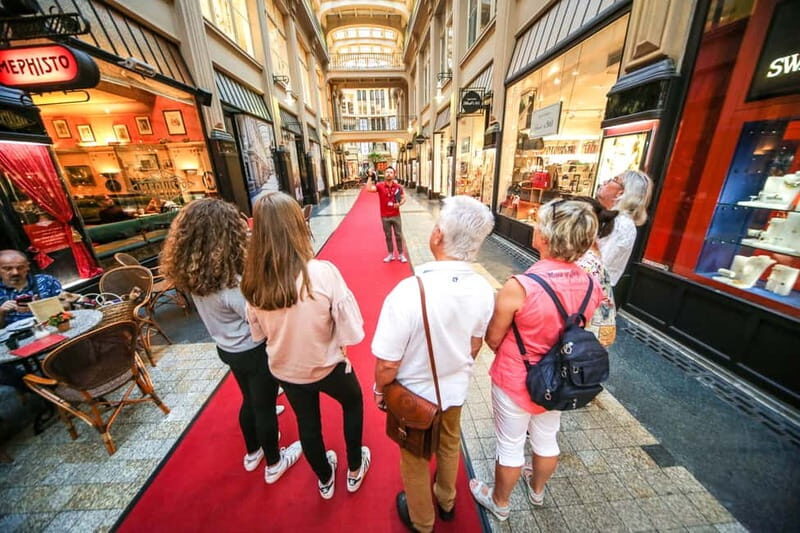
- Mädler Passage is the star stop, known for special history and impressive architecture
- Passages exist in a closed system in Leipzig, which makes the walking experience distinctive
- Leipziger Messe courtyards were Leipzig’s first shopping centers
- You’ll spot large and small corridors, plus more quietly used passage sections
- The route is 2 hours with a trained live guide (German language only)
- You’re walking through architectural diversity, not just one single style
Why Leipzig Passages Feel Different From Other Old Town Walks

Leipzig is one of those cities where the old trading logic still shows up in how the streets connect. What makes this tour compelling is that the passages weren’t built for sightseeing first. They formed because Leipzig was a working commercial town—full of visitors, merchants, and goods—and the city needed practical ways to move people through tight spaces.
I especially like the idea that Leipzig’s passage system is tied to the Leipziger Messe. The Messe courtyards acted like early shopping magnets. And there’s a neat line that captures the mindset: as Goethe said, the world was gathered in a nut shell. In plain terms, the city had to handle a lot of activity without turning every movement into a whole production.
You’ll also notice the walking logic. Passages and courtyards offered a way for horse-drawn carriages to get through the town without turning around constantly. That old detail matters because it explains why the layout feels purposeful: it’s built around efficient circulation, not random shortcuts.
You can also read our reviews of more tours and experiences in Leipzig.



Starting at Katharinenstr. 8: What the 2-Hour Route Really Covers
The meeting point is easy to find: the tourist information office at Katharinenstr. 8, Leipzig. From there, you’re led on a guided route that’s designed to show how varied the passage network is—both the showier spots and the corridors people use less often.
The 2-hour format is a good match for first-timers who want context without burning a whole day. Expect a mix of visible and less used corridors. That sounds small, but it changes how you read the city: you start to see passage entrances and courtyards as part of a connected pedestrian system, not as isolated attractions.
Because it’s a live tour, the guide’s pace and emphasis matter. This one is led by a trained guide, and the tour is conducted in German. So if you’re following language closely, plan to spend those two hours listening actively—pause your own phone scrolling, and let the explanations guide what you look at.
Mädler Passage: Leipzig’s Most Impressive Passage Stop
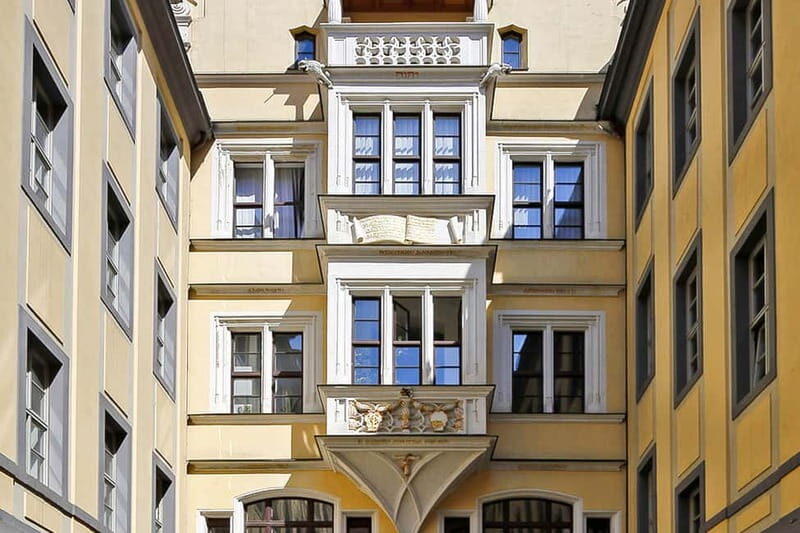
You go specifically to the Mädler Passage, and it’s described as the most splendid passage in Leipzig. That’s not just marketing language. It’s the kind of stop where the guide is likely to point out how the architecture makes the passage feel like an address—an actual destination inside the city’s fabric.
Here’s what you should watch for as you walk through. Even without getting lost in technical terms, you’ll likely notice how the passage’s design encourages lingering: it creates a comfortable corridor feel while keeping storefront energy just around the bend. It also helps you understand the passage system at its best—this is what the network was made for.
This is the moment where the tour’s theme clicks. Leipzig wasn’t building passages randomly; it was shaping a route for trade and meeting places. When the guide highlights the passage’s special history, you’ll start connecting the decorative elements to the practical function: moving people smoothly while concentrating commercial life.
Courtyards and Exhibition Houses: How Messe Shaped Shopping Streets

One of the most interesting parts of the tour is how it treats courtyards as early shopping centers. The tour notes that the courtyards of Leipziger Messe were the first shopping centers. That detail changes how you view courtyards in cities like this. Instead of thinking of them as leftover spaces, you can think of them as a commercial engine.
As the exhibition houses were constructed, the present-day passages were created. That matters because it explains why what you see today can feel layered. Some parts read as older trade patterns; other parts show the more structured passage idea tied to exhibition schedules and visitor flows.
When the guide connects these dots, you’ll probably see the city more clearly. Courtyards stop being just visual gaps and become functional nodes: they gather people, bring them into semi-private pedestrian zones, and help a busy trade town handle lots of movement efficiently.
I’d also use this segment to train your eyes. Look at how spaces open into each other—passage to courtyard, courtyard to exhibition-adjacent blocks. That’s the “system” the tour is aiming to show: Leipzig’s passage network is described as a closed configuration that only exists in Leipzig. Even if you don’t memorize every detail, you’ll get the feel of how it works.
Architectural Diversity You’ll Notice Between Old and New Corridors
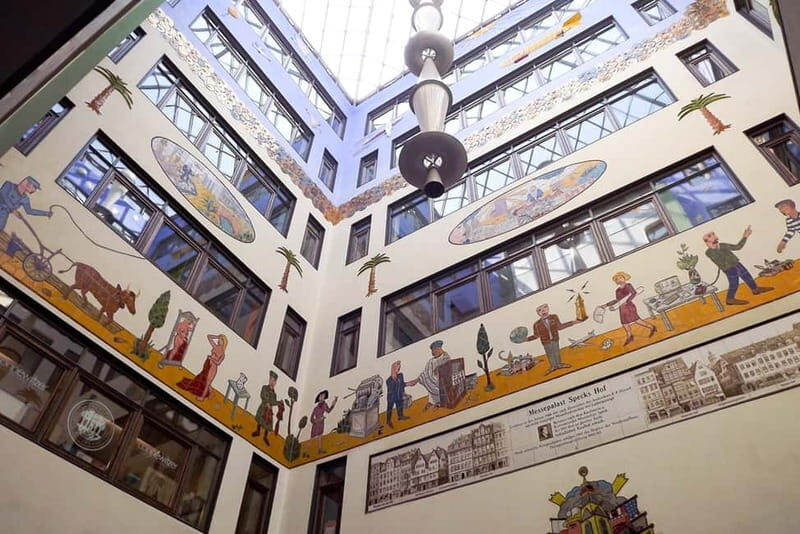
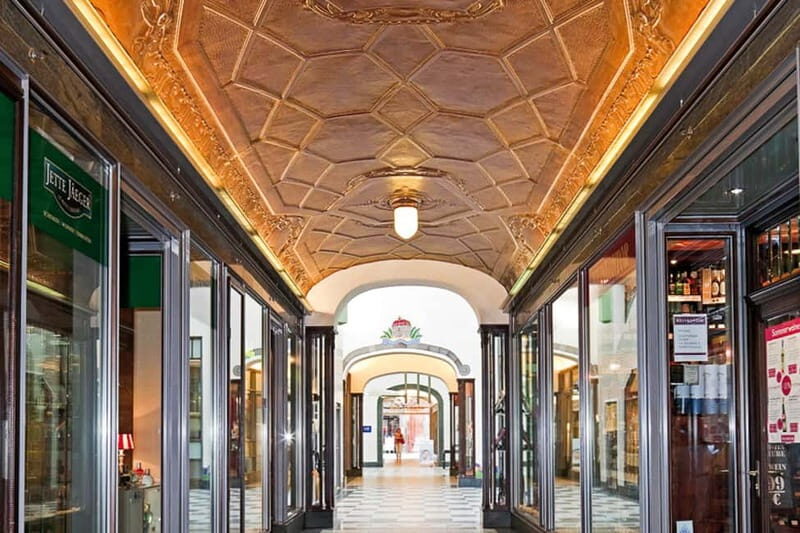
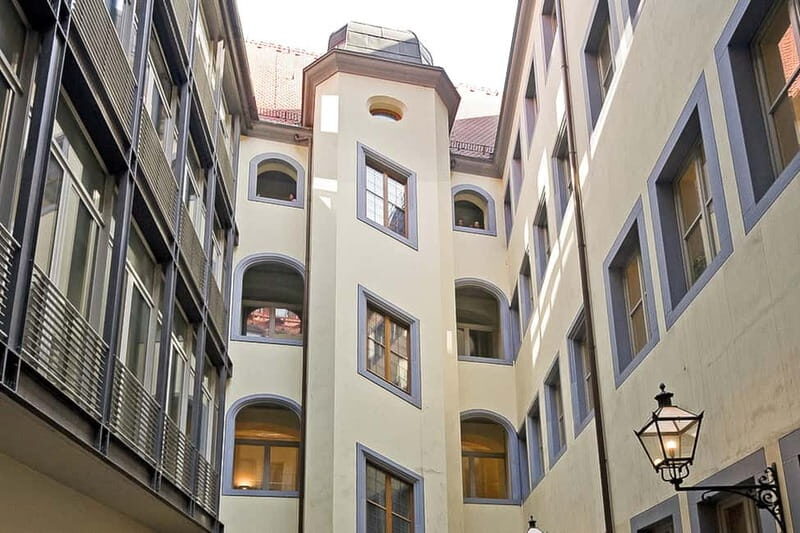
A big promise of the tour is variety: you’ll see large and small, old and new, plus passages that are clearly used and others that feel quieter. That structure is smart for you as a visitor, because it prevents the walk from becoming repetitive.
Instead of only highlighting the famous, camera-friendly corridors, the route is set up to show you contrast. You’ll likely pass through sections where the scale changes—narrower stretches that feel tucked-in, then slightly broader moments that read as more public. You’ll also encounter a range of architectural moods, because Leipzig’s trading town identity spans multiple eras.
This is one of the places where I think the guide’s explanations matter most. Architecture can look “pretty” on its own, but a guide can help you read what you’re seeing as history plus function. The tour’s focus on trade gives you a practical lens: who would want to use this space, why would it be built, and how did it serve the flow of people?
If you care about design and city planning, this is a rare chance to experience it while walking—fast enough to keep momentum, slow enough to notice the details.



What the Guide Style and Ratings Tell You About Quality
The feedback shows a clear pattern: people appreciated the tour for being informative and varied. Several comments point out that it feels shortweilig—interesting and not boring—and that the guide’s delivery is strong.
Even one of the lower ratings is simply an OK, not a complaint about missing content or confusion. That suggests the baseline experience is solid: you show up, you walk, you learn, you get value for the time.
The most praised elements are the “good guide” factor and the mix of sights. That’s exactly what you want in a short, two-hour walk. If you’re paying for guidance, you want the route to stay fresh and you want explanations that connect passages and courtyards to the bigger story of trade and the Messe.
Value Check: Is This $18, 2-Hour Tour Worth It?
At about $18 per person for a 2-hour guided tour, this is priced in a way that feels realistic for budget travelers who still want context. The inclusion is straightforward: you get a tour with a trained guide. That’s what you’re paying for—interpretation, direction, and the ability to understand why the passage system looks the way it does.
What’s not included matters, too. There are no entrance fees included, and there’s no food or drinks. So you should treat this as a walk-and-learn experience rather than a “spend money inside attractions” plan. If you’re the type who likes to fill the day with museums or paid exhibits, you may still want to pair this with another activity afterward.
The upside is that you’re not being forced to buy extra add-ons to make the tour feel complete. If you arrive ready to walk and you like architecture and urban history, the value comes from the guide’s focus on the city’s passage network and Messe-related courtyards.
Who This Tour Suits Best (and Who Might Feel Limited)
This is a great fit if you like:
- Passages, courtyards, and architecture that explain real city life
- Short guided walks where the goal is understanding the layout fast
- Leipzig’s trading and exhibition story, especially the practical side of how people moved
It may feel less ideal if you:
- Need a tour offered in languages other than German
- Prefer longer sightseeing blocks with more time for independent exploration at each stop
- Want hands-on experiences or paid interior access (since entrance fees aren’t included)
Because the tour is only available in German, language comfort is the biggest deciding factor. If your German is solid enough to follow a live explanation, you’ll likely enjoy it much more. If not, it could still be visually interesting, but you may miss half the point: the “why” behind the passages.
Practical Tips to Get the Most From a German-Language Passage Walk
A quick mindset tip: treat the tour like a guided route through a system. You don’t need to memorize names to benefit. Instead, connect each stop to the big idea: passages were designed for circulation and trade, and the Messe shaped the flow of commerce.
Since it’s German-only, consider being prepared:
- If you use a translation app, have it ready before you start.
- Pay attention to signs and entrances as you go; the physical layout helps you follow the story.
- Bring curiosity more than a strict checklist. This tour is about interpretation as much as scenery.
Also, keep expectations aligned with the duration. Two hours in Leipzig passages is enough time to feel the city’s logic, but not enough to turn it into a slow wander through every nook. Plan to spend extra time outside the tour afterward if you want to go back to a favorite passage on your own.
Should You Book This Leipzig Passage and Courtyard Tour?
Book it if you want an efficient, guided introduction to Leipzig’s passage network and the way the Messe influenced daily commercial life. The Mädler Passage stop, the focus on courtyards as early shopping centers, and the stated variety in passage sizes and usage levels are a strong combo for the price.
Skip it or rethink it if you can’t comfortably follow a German-only live guide. Also reconsider if you’re looking for a long day of major attractions with included entrances and food. This tour is built for city-walking understanding, not for museum-style add-ons.
If you like walking routes with a clear theme and a guide who knows how to connect architecture to real function, this one is an easy yes.