REVIEW · BERLIN
Berlin Sightseeing Musical-Historical Walking Tour
Book on GetYourGuide →Operated by CityVoice UG · Bookable on GetYourGuide
A music-heavy walking tour can sound gimmicky. Here, it actually clicks, because Berlin’s landmarks and its soundtracks belong to the same story. You’ll move from Alte Nationalgalerie through big-name sites while your headphones shape what you hear as you go.
I especially like two things: the headphones audio guide mixed with music (it keeps the walk lively), and the way the route uses famous places to explain how music and major events echo each other across centuries. Expect music references ranging from classical oratorios to hip-hop, spanning the 18th century to the 21st.
One consideration: this is mostly an audio experience. The human guide is there mainly as a signpost, and while that can be fine, one earlier group reported a technical problem with the audio setup. So treat it like a headphone tour first, guided-walking tour second.
In This Review
- Key highlights you’ll feel during the walk
- A soundtrack walk through Berlin’s landmarks
- How the Alte Nationalgalerie start sets the tone
- Museum Island and Humboldt University: where music meets institutions
- Gendarmenmarkt and the Trabi Museum: formal squares and everyday Berlin
- Potsdamer Platz, Check Point Charlie, and the Holocaust Memorial pause
- Brandenburg Gate and the Reichstag: the story reaches the present
- Finishing at White Crosses: your last note and a last look
- Price and value: does $40 make sense for 3 hours?
- Pace, comfort, and the role of your guide
- Who should book this tour, and who should skip it
- Quick tips so you get the best out of the audio experience
- Should you book this Berlin musical-historical walking tour?
- FAQ
- How long is the Berlin Sightseeing Musical-Historical Walking Tour?
- Where does the tour start?
- What’s included in the ticket price?
- What languages is the tour available in?
- Is the tour offered rain or shine?
- Is food included?
- Is this tour wheelchair-accessible?
- Is there an age limit?
- What is the cancellation policy?
Key highlights you’ll feel during the walk

- Headphones + music: You’ll hear an audio guide blended with sound, not just spoken commentary.
- Landmark-by-landmark pacing: Each stop is short (often about 20–30 minutes) so you keep moving.
- History through sound: The tour connects major events to music across time, including classical to hip-hop.
- Top Berlin icons in one route: Museum Island, Gendarmenmarkt, Potsdamer Platz, Brandenburg Gate, and the Reichstag.
- Cold-war and memory stops: The route includes sites tied to 20th-century Berlin, including Check Point Charlie and the Holocaust Memorial area.
A soundtrack walk through Berlin’s landmarks
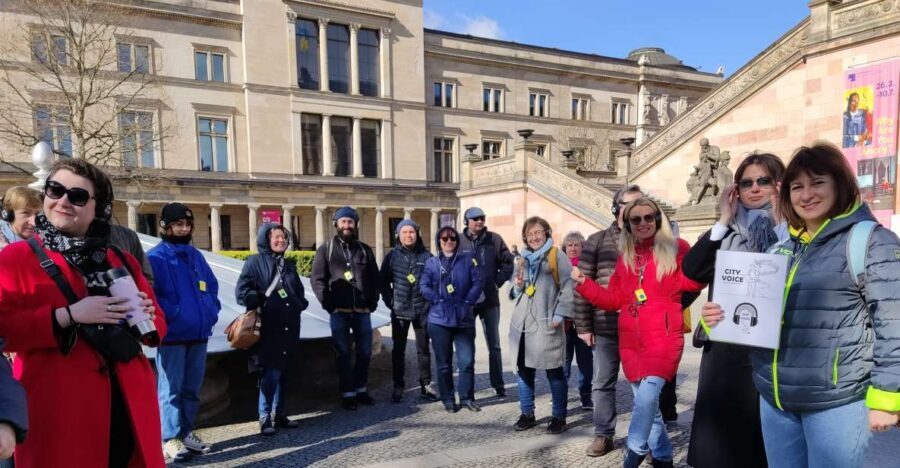
This tour is built around a simple idea: Berlin is not only a city of buildings, it’s a city of sound. The route strings together major landmarks and then uses a musical-and-historical audio track to interpret them. You’re not just looking at stone and statues—you’re hearing how people in different eras would have thought, celebrated, mourned, and rebelled.
What makes this work for a lot of people is that Berlin’s “big moments” don’t stay in one time period. Music travels. It changes with politics, with technology, with migration, and with how a society handles trauma. The tour’s whole pitch is that you’ll understand Berlin’s history through that moving soundtrack.
If you like your sightseeing with a point of view—music lovers, history buffs, and first-timers—this is the right kind of format. If you want long human explanations at every stop, you might find yourself wishing for more talking and less listening.
You can also read our reviews of more walking tours in Berlin



How the Alte Nationalgalerie start sets the tone
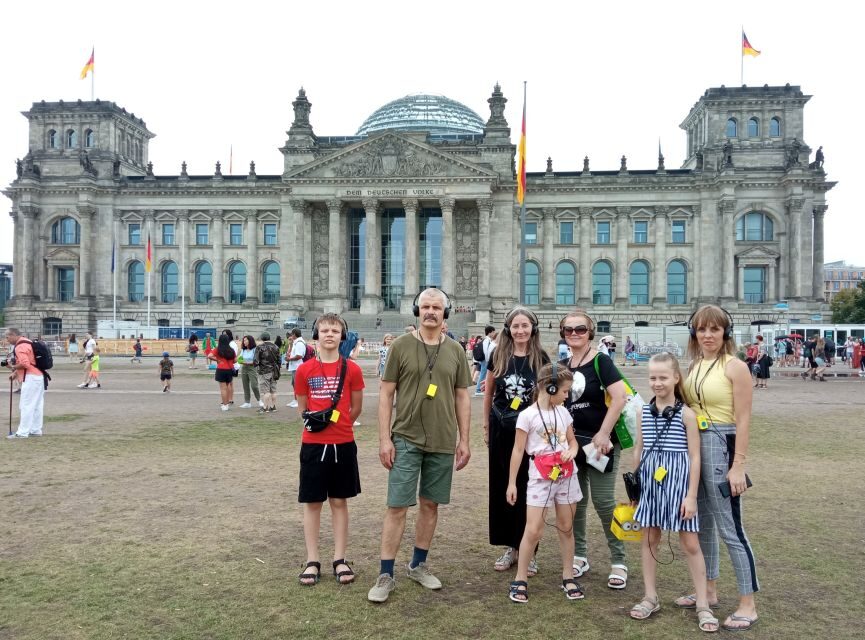
You meet in front of the entrance to Alte Nationalgalerie. Show up 10–15 minutes early and you’ll spot your guide holding a headphone sign. Bring your ticket (either on your phone or printed) and be ready to start right away.
This is also where you’ll get your headphones. From there, you’ll basically follow the route with the audio doing the storytelling. The tour is described as English, German, and Russian, and the audio guide is mixed with music as you walk.
I think this start matters because it changes your mindset. You’re not waiting for the group to assemble with a lecture. You’re stepping into a guided movement where the audio is your main guide through Berlin’s tempo.
Museum Island and Humboldt University: where music meets institutions
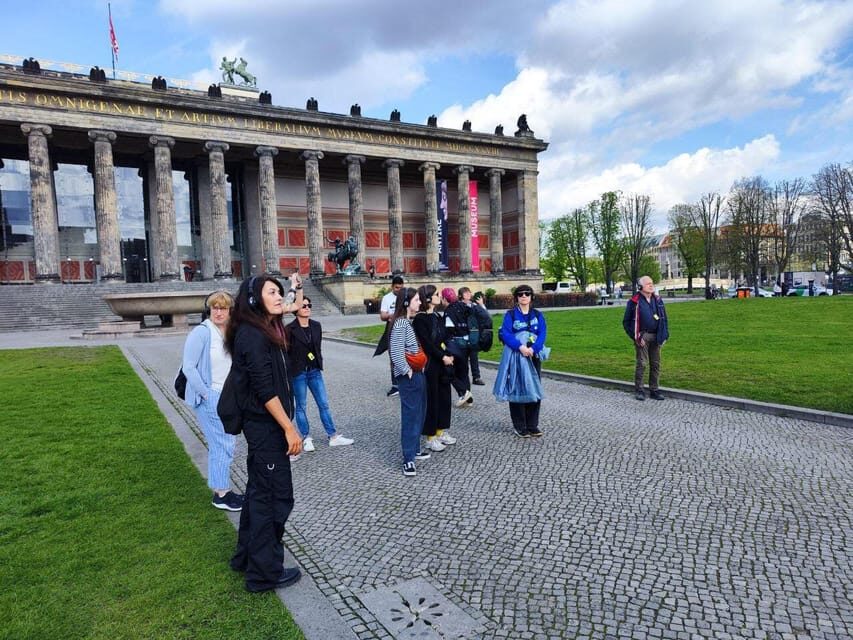
Your first stop inside the story is Museum Island. You get a short guided segment, then time to look around while you keep your headphones on. This part feels like the “classical” chapter of the walk—big civic architecture, a sense of scholarship, and the idea that Berlin has long treated culture as something serious and public.
Next up is Humboldt University of Berlin. Even if you’re not a student of its history, the building’s presence tells you why institutions matter in a music-and-history narrative. Universities and academies don’t just teach facts. They create scenes—places where styles spread, where ideas meet, and where new ways of thinking turn into public influence.
The audio approach helps here because it links what you see with the sound-world the tour is describing. You’re less likely to miss the meaning of a street corner when it’s tied to a musical reference.
Practical note: these early stops are only around 20 minutes each, so don’t over-plan photo breaks. Keep moving and let the audio set the rhythm.
Gendarmenmarkt and the Trabi Museum: formal squares and everyday Berlin
Then you reach Gendarmenmarkt, a square that’s almost made for musical imagery. It has that grand, symmetrical feel that makes you understand why Berlin could host big cultural performances and why music was a public event, not only private entertainment.
You’ll get a 30-minute guided and walking segment here. That extra time compared to some other stops gives you breathing room to slow down, look around, and reset your brain before the tour turns more “Berlin-specific.”
After that comes Trabi Museum (often associated with the Trabant, a very iconic piece of East German everyday life). This is where the tour’s concept shifts from official culture to lived experience. Music isn’t only about orchestras and concert halls—it’s also about what people did on regular streets, under real constraints, with real machines and real routines.
If you like Berlin because it’s both grand and a bit stubbornly practical, you’ll probably enjoy this pivot. It makes the tour feel less like museum sightseeing and more like a story about people.
Potsdamer Platz, Check Point Charlie, and the Holocaust Memorial pause

You’ll then move to Potsdamer Platz, a place that signals modern Berlin energy: wide streets, major landmarks, and the feeling of a city that rebuilds itself with ambition. The tour gives you about 20 minutes, which is enough to take in the scale and connect it to the “later chapters” of the story the audio is building.
From there, the tour highlights Cold War landmarks too, including Check Point Charlie. Even without getting super technical, you can feel how a city uses its geography to remember division—where crossings were, where tension sat, and how the story of Berlin needed both walls and music to explain itself.
Then comes a heavy moment: the Memorial to the victims of the Holocaust. You’ll have about 20 minutes here, which is a respectful length for a site like this. The tour’s framing is about connection—how history and music echo each other, even when the subject is painful. This is not the stop for rushing.
Tip for this section: keep your headphones on as instructed, but also take a moment to stop listening for a second and just feel the space. A landmark like this deserves a pause that isn’t only about interpretation.
You can also read our reviews of more historical tours in Berlin






Brandenburg Gate and the Reichstag: the story reaches the present

Next, you reach the Brandenburg Gate. It’s one of those places that always feels bigger than the surrounding streets, and it works perfectly for the tour’s “soundtrack across decades” idea. The tour describes music spanning from the 18th century into the 21st century. The Gate is the kind of symbol that keeps getting re-read by each era.
You’ll have about 20 minutes here as well. That’s enough time to notice the landmark itself, and enough time to let the audio narration tie it to political shifts and cultural changes.
After the Gate, you go to the Reichstag for another guided, walking segment (about 20 minutes). This is where the tour’s tone often becomes most “history-as-living-current.” A building like this isn’t just a structure—it’s a stage where public life plays out. And music, in any era, tends to become part of that stage: songs for power, resistance, unity, protest, and identity.
If you’re a music lover, you may find yourself thinking about what kinds of music would fit each moment the tour evokes. That’s the point. This isn’t just listening for facts; it’s listening for how Berlin’s culture shaped and responded to change.
Finishing at White Crosses: your last note and a last look
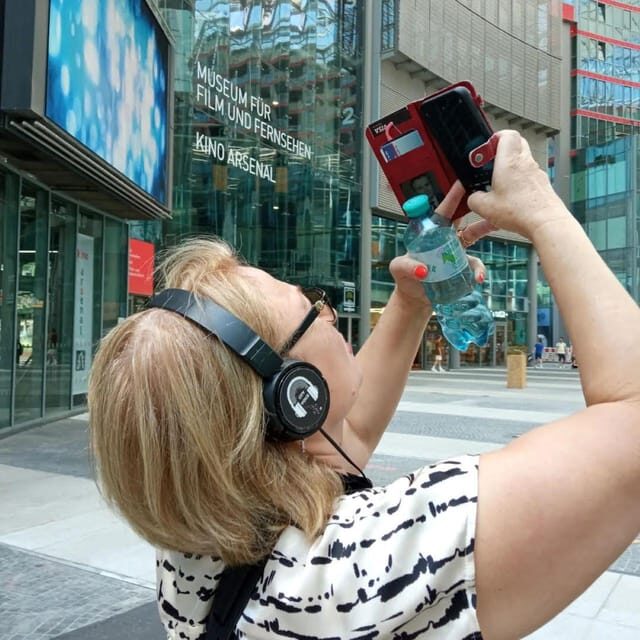
The tour ends at White Crosses. Your itinerary also indicates the activity concludes back at the meeting point. In practice, what that means for you is simple: plan on a straightforward wrap-up near the end of the route so you can get back to your day without a long detour.
I like finishing this kind of tour with one last look at the “main line” of what you’ve covered. By now you’ve moved through eras—institutions, squares, everyday-life memory, cold-war sites, and the most weighty remembrance stop. Hearing the music-history links as you walked makes it easier to remember the city as a sequence, not a pile of attractions.
If you still have energy after the headphones come off, take 10 minutes to stroll around and just watch Berlin’s rhythm. That little “after” time helps you absorb what the audio track tried to teach.
Price and value: does $40 make sense for 3 hours?

At $40 per person for a 3-hour walk, the value depends on what you want.
Here’s what you’re paying for:
- A set route through major sights (multiple top landmarks in one go)
- Headphones and a music-mixed audio guide (this is the main product)
- A human guide for orientation and light guidance
You’re not paying for a private car, pickup, or meals. So if you’re hoping this ticket replaces a full day of museum tickets plus transit plus guided lectures, it won’t do all of that.
But if you want a practical way to cover the highlights without piecing together individual tours, $40 can feel fair—especially because the format keeps you entertained while you walk. The audio is doing real work: it ties distances to meaning, and it turns “seeing” into “understanding.”
One more value note: the tour runs rain or shine. That makes it a strong choice when the weather might mess up outdoor plans. Just be realistic—your experience will still depend on whether you’re comfortable walking for several hours.
Pace, comfort, and the role of your guide
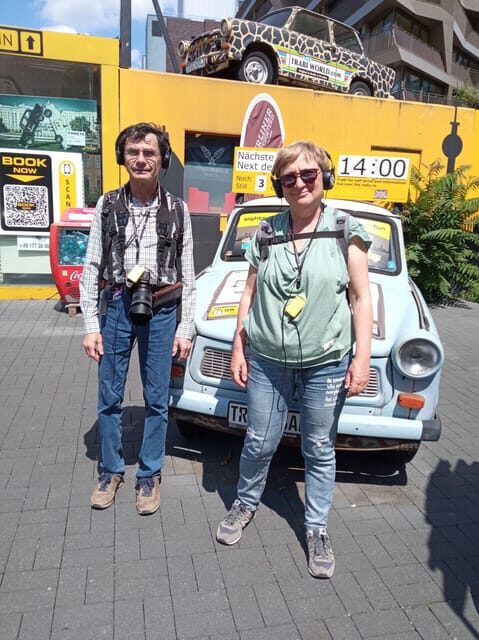
This tour is a walking route with short stops. Each segment is designed to keep you moving, with small breaks. That’s great for momentum, but it does mean you need solid comfort choices.
Wear comfortable shoes and comfortable clothes. Berlin weather can shift, and rain or shine means you can’t assume you’ll get dry breaks.
About the guide: this kind of setup is closer to a “host who keeps things on track” than a guide who talks nonstop. One past group described the human guidance as more of a signpost while the audio did the heavy lifting. If you’re okay with that, you’ll likely find it smooth. If you strongly prefer constant live narration, you may wish it were more hands-on.
And because it’s an audio-and-headphone experience, you should also accept a small risk: if something glitches, you’ll feel it more than on a fully spoken tour. One technical issue has been reported before, so treat headphones as essential equipment, not optional extras.
Who should book this tour, and who should skip it
This is best for you if:
- You love music and want Berlin’s landmarks explained through sound and time
- You’re doing Berlin for the first time and want a concentrated hit list
- You don’t mind a walking tour where the audio guide does most of the storytelling
- You’re comfortable standing and walking for about 3 hours
You should probably skip it if:
- You use a wheelchair (the tour is not suitable for wheelchair users)
- You’re over 70 (it’s listed as not suitable for people over 70)
- You dislike audio-led experiences or need a lot of live explanation to feel satisfied
Quick tips so you get the best out of the audio experience
- Arrive 10–15 minutes early at Alte Nationalgalerie so you can get headphones and start without stress.
- Keep your expectations realistic: this is mostly audio with a guide who helps you stay on route.
- Bring comfortable walking gear. You’ll be outside and in motion.
- If you’re sensitive to noise or low-quality audio, try to position the headphones correctly as soon as you start—so you don’t spend the first stop adjusting.
Should you book this Berlin musical-historical walking tour?
I’d book it if you want a smart, doable way to see major Berlin landmarks while a music-and-history audio track turns them into a connected story. The route covers the kinds of sites you’d otherwise try to fit into separate plans, and the headphone format makes the walk more engaging than basic sightseeing.
I would not book it if you want lots of uninterrupted live guiding. Also, keep the technical-dependency in mind: since it relies heavily on headphones and audio, glitches can affect the mood of the whole group.
If you’re a music lover walking through Berlin with curiosity, this tour can make the city feel like it’s talking back.
FAQ
How long is the Berlin Sightseeing Musical-Historical Walking Tour?
The tour lasts about 3 hours.
Where does the tour start?
You meet in front of the entrance to Alte Nationalgalerie. The guide will be waiting there with a headphone sign.
What’s included in the ticket price?
Headphones and a walking guide are included. The audio guide is available in English, German, and Russian.
What languages is the tour available in?
The live tour guide and the audio guide are offered in English, German, and Russian.
Is the tour offered rain or shine?
Yes. The tour takes place rain or shine.
Is food included?
No. Food and drinks are not included.
Is this tour wheelchair-accessible?
No. It is not suitable for wheelchair users.
Is there an age limit?
The tour is listed as not suitable for people over 70.
What is the cancellation policy?
You can cancel up to 24 hours in advance for a full refund.