REVIEW · BERLIN
Berlin: Old Neukölln Private Walking Tour
Book on GetYourGuide →Operated by ReinholdSteinle · Bookable on GetYourGuide
Neukölln has a different face on foot. This private Old Neukölln walk leans hard into character—starting at Richardplatz and tracing the neighborhood’s Czech/Bohemian thread through places like Bethlehemskirche. I love the way the stories connect past to present, and I really like the village-atmosphere you can feel right in the city center; the one catch is that it isn’t set up for people with mobility impairments.
Your guide, Reinhold Steinle, guides in German and has been doing Neukölln tours since 2008. His goal is to help you move past the old negative image and see why Rixdorf was more than a so-called Bohemian village, using stops like Böhmischer Platz and Böhmische Gottescaker to build the bigger picture.
In This Review
- Key things to know before you go
- Walking Old Neukölln: the village feeling you don’t expect
- Reinhold Steinle’s approach: stories with an agenda
- Richardplatz meeting point: where the “Old Neukölln” vibe starts
- Bethlehemskirche and Richardplatz history you can actually picture
- Böhmischer Platz, Jan Hus, and the logic of Czech/Bohemian naming
- Böhmische Gottescaker and old community structures
- Popraci and Comenius Garten: education and social life in the present
- KGB44 and the neighborhood’s darker chapters
- Renaming in Neukölln, Czech partnerships, and Richardstrasse
- Friedrich Wilhelm I Memorial and the Bohemian villages idea
- 90 minutes, private group: value math and how to get the most
- Who should book this walking tour
- Should you book Berlin: Old Neukölln Private Walking Tour?
- FAQ
- What is the meeting point for the Old Neukölln private walking tour?
- How long is the tour?
- How much does the tour cost?
- Is this tour private?
- What language is the guide?
- What is included in the price?
- Are food and refreshments included?
- Is the tour suitable for people with mobility impairments?
- What places does the tour visit?
Key things to know before you go
- Richardplatz as the mood setter: you start where the neighborhood feels almost village-sized.
- Bethlehemskirche and the Czech-Bohemian trail: the walk ties religious sites to community history.
- Rixdorf’s turning points: you’ll hear about fires in Rixdorf and how events reshaped the area.
- Named places that actually mean something: Richardstrasse, Jan Hus, Popraci, and Gottescaker aren’t random stops.
- A guide with a mission: Reinhold Steinle’s focus is correcting the old reputation, one story at a time.
Walking Old Neukölln: the village feeling you don’t expect
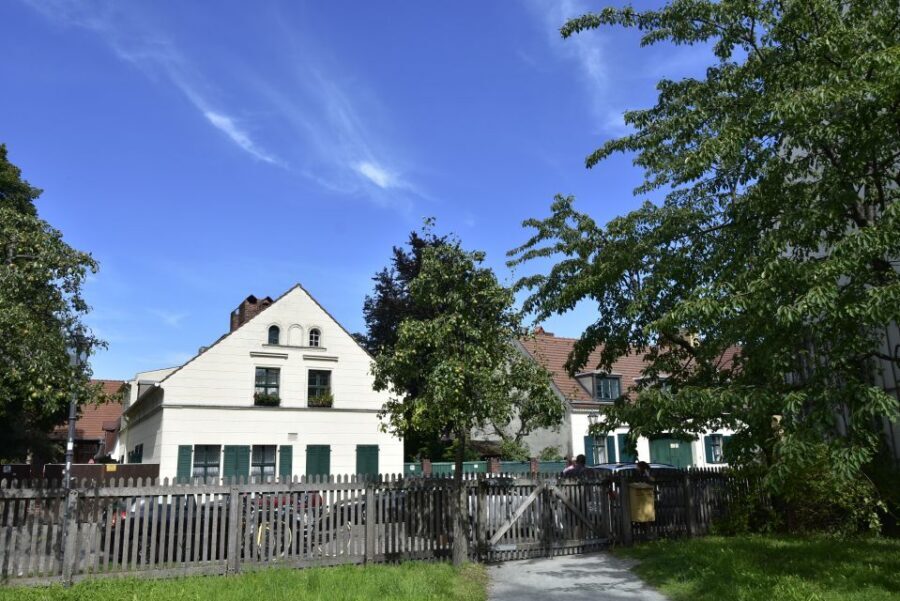
If you only picture Berlin’s trendiest districts as nightlife and new openings, this tour will reset your mental map. You’ll step into a part of Neukölln where the street names and small landmarks point to older communities and older tensions—yet you still see modern life happening around you.
One of the best parts is that the tour doesn’t treat “history” like a museum lecture. It uses specific addresses and recognizable corners so you leave with a sense of how the neighborhood got built—and why it feels the way it does now.
That also means the experience is less about big panoramic views and more about reading a neighborhood. If you like to connect dots street by street, you’ll be in your element.
You can also read our reviews of more walking tours in Berlin



Reinhold Steinle’s approach: stories with an agenda
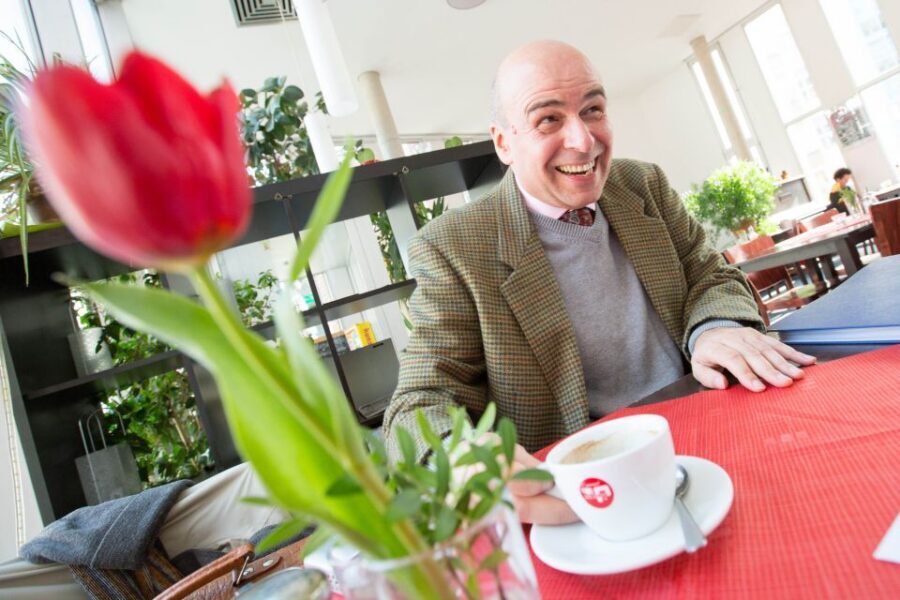
This tour is led by Reinhold Steinle, a Berliner at heart with roots in south Germany, and he’s guided Neukölln tours since 2008. His stated goal is to forget the negative image that sticks to Neukölln and replace it with something more accurate—through what he calls “someone has to do it.”
That’s not just motivational branding. On the walk, it shows up in how the stops are chosen and how the narrative keeps returning to community life, not stereotypes. The tone also comes up in the feedback: people highlight that the tour is humorful and surprising, not dry or overly academic.
You’ll want to go with a curious mind and a willingness to rethink what you thought you knew. If you want only neutral facts without any interpretation, this might feel a bit opinionated in the best way.
Richardplatz meeting point: where the “Old Neukölln” vibe starts
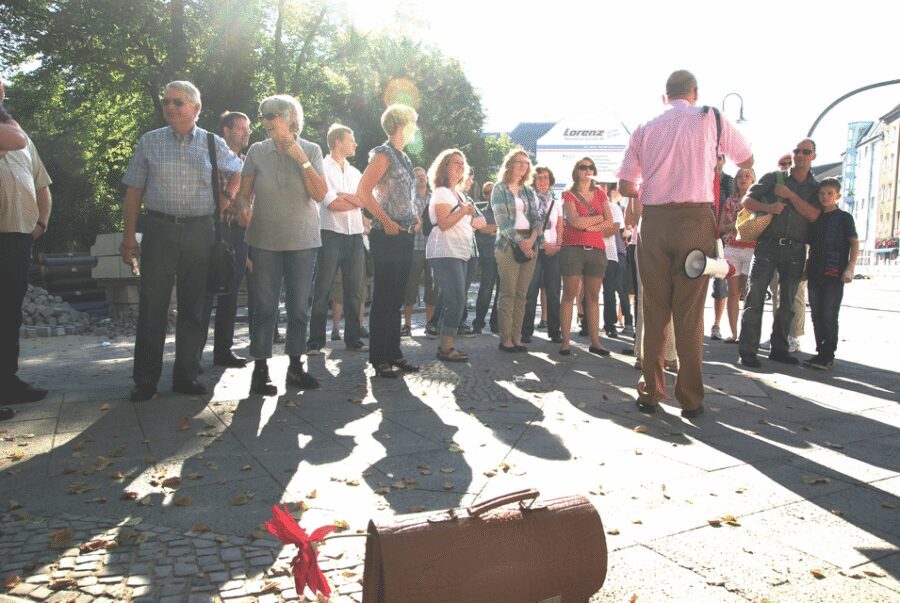
You meet at Richardplatz 22 (next to the small church), and that’s a smart choice because it sets the rhythm immediately. Richardplatz isn’t presented as a quick photo stop; it’s treated as the anchor of the district’s identity.
From the beginning, you’ll get that village-like sensation—something you might not expect in the center of Berlin. The square helps you understand the tour’s style: you’re not racing from one “sight” to another. You’re walking through a neighborhood that has layers, and Richardplatz is where those layers become easier to notice.
Think of this start as training your eyes. Once you know what to look for—names, religious sites, street patterns—everything you pass becomes more meaningful.
Bethlehemskirche and Richardplatz history you can actually picture
The route includes Bethlehemskirche (Bethlehem Church) and keeps history tied to place. When a tour centers on a church, you usually expect architecture and faith. Here, you also get the sense of community—who lived nearby, what kinds of identities formed there, and how those groups shaped the streets around them.
At the same time, the tour doesn’t keep everything in the past. You’ll hear stories connected to the past fires in Rixdorf, and that matters because fires are the kind of event that changes more than buildings—they reshape neighborhoods, movement, and memory.
The stop at Richardplatz is also about language and naming, not just location. You’ll get a sense for why this area carries certain names and what those names reveal about who was there and how the district evolved.
Böhmischer Platz, Jan Hus, and the logic of Czech/Bohemian naming
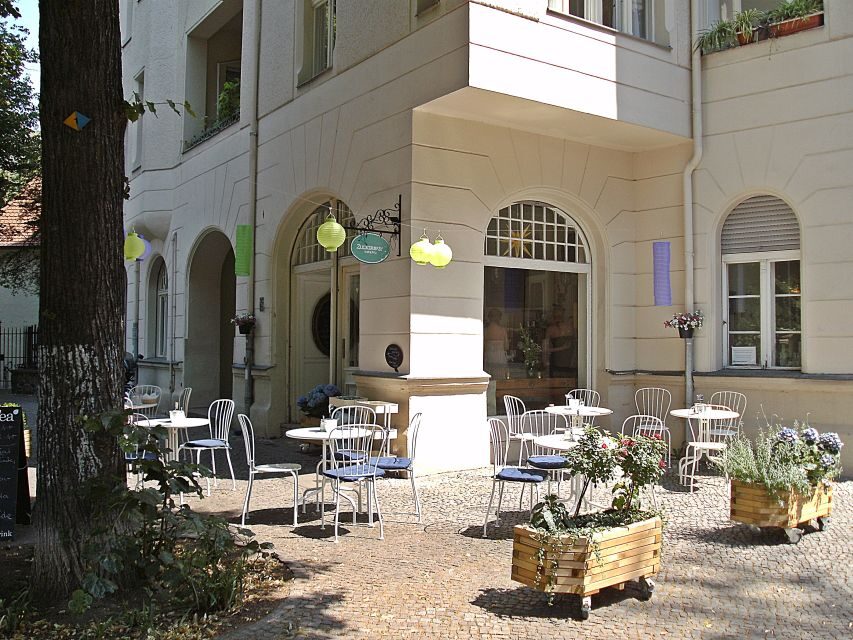
One of the tour’s strengths is how it uses place-names as a guide to identity. You’ll pass Böhmischer Platz (Böhmischer Square), see Jan Hus, and learn how related references fit together into the bigger Czech/Bohemian story.
Names like Böhmischer Platz aren’t just colorful—they act like signposts. As you walk, you’ll understand how “Bohemian” in this context isn’t a theme for souvenir shops. It’s tied to real people, real institutions, and real neighborhood change over time.
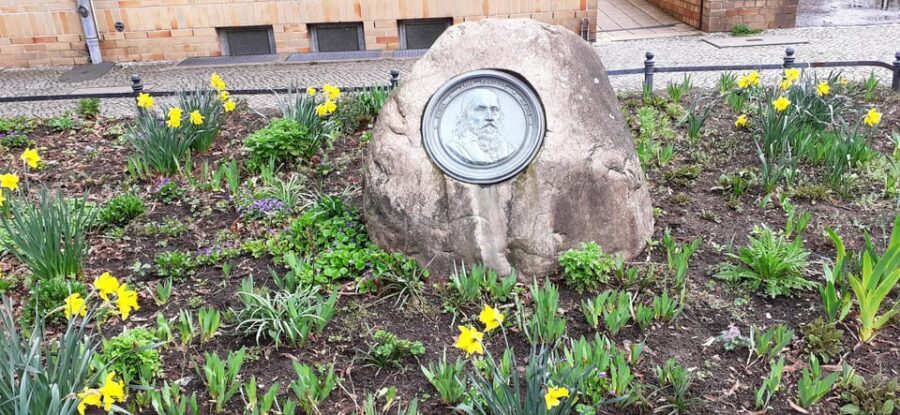
Jan Hus is a particularly useful anchor because he’s a reference point people can recognize once it’s explained. After that, the tour’s other named sites stop feeling random and start feeling like a connected map of cultural history.
If you like history that doesn’t sit behind ropes, this section is likely your favorite. You’ll be able to look at a street or square and say: I know why this exists, and I know what it connects to.
You can also read our reviews of more private tours in Berlin


Böhmische Gottescaker and old community structures
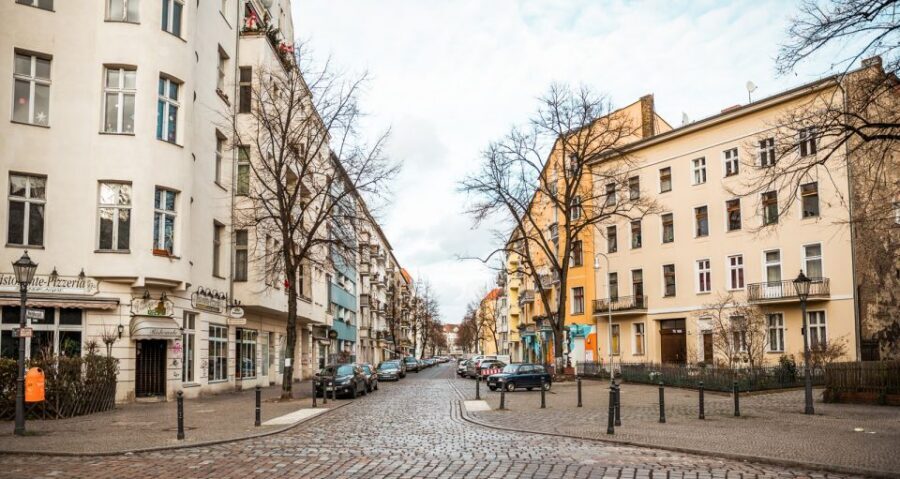
Among the stops are Böhmische Gottescaker and an Old Bohemian school house. Together, these help you understand how community life was built beyond just streets and houses.
Cemeteries and schools can sound heavy, but on this tour they’re used as practical storytelling tools. They show how identity survives through generations—through education, through remembrance, through institutions that outlast trends.
You don’t need to be a history buff to appreciate this. You just need to pay attention to what the guide points out and ask yourself a simple question: what kind of community has these kinds of landmarks?
If you’re traveling with someone who thinks they only want “modern Berlin,” these stops can surprise them. They’re not old-world nostalgia; they’re evidence of real social networks that shaped today’s neighborhood.
Popraci and Comenius Garten: education and social life in the present
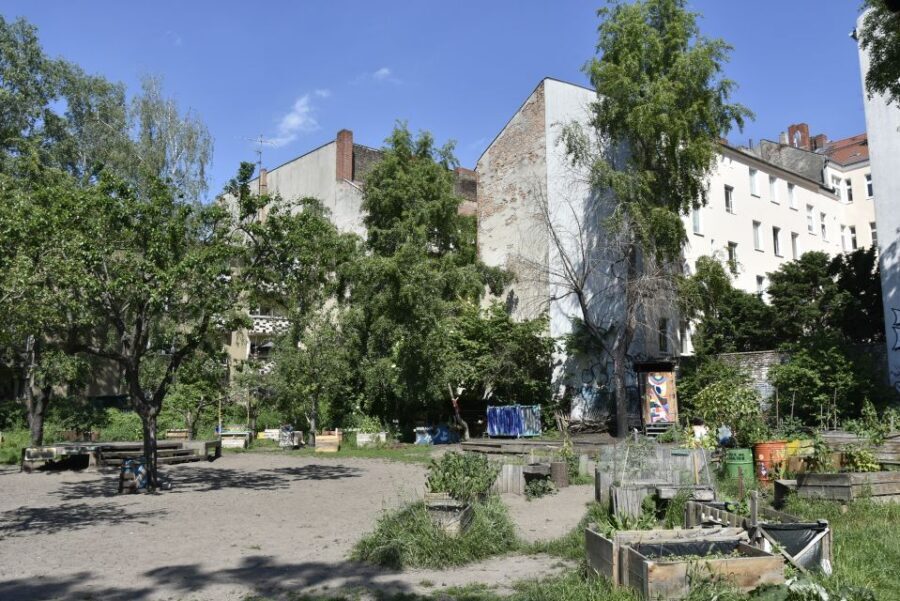
The walk also includes Popraci and Comenius Garten (Comenius Garden). In many cities, gardens are treated like calm breathing spaces. Here, they fit into a longer story about how communities organize life—especially around learning and civic belonging.
Comenius is a name you’ll connect to education, and once you do, the garden becomes more than scenery. You’ll understand why a park or garden in a district like this can still carry meaning tied to earlier community structures.
Popraci, by contrast, feels like a small but important link in the chain of neighborhood identity. The tour’s overall effect is that you start noticing how different parts of daily life—work, study, remembrance—show up in the physical layout of the area.
This is where the tour does a great job of keeping you engaged. You’re not trudging through information. You’re watching the neighborhood reveal its themes as you go.
KGB44 and the neighborhood’s darker chapters
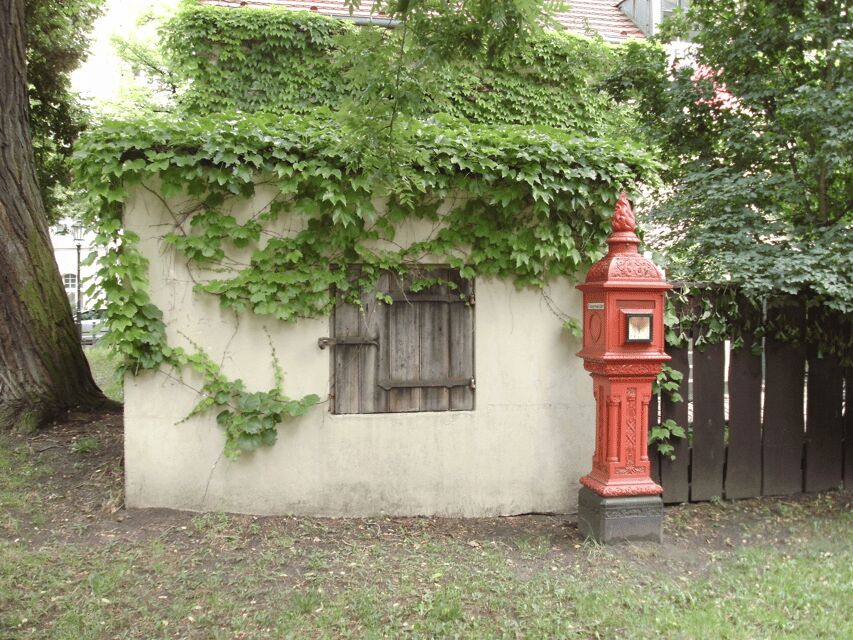
Not every stop will be comfortable. The route includes KGB44, and that kind of reference signals that the tour won’t only cover distant centuries. It also touches on more modern, tense history in the wider Berlin context.
That’s valuable because it prevents the walk from becoming a one-note “nice old immigrant story.” Berlin history includes power, surveillance, pressure, and sudden changes—and a neighborhood walk is a direct way to understand that those forces can show up close to where people actually live.
In a similar spirit, you’ll also hear about the fires in Rixdorf. Fire is a clear example of how an event can alter a neighborhood’s shape and how people remember their own streets.
If you’re sensitive to heavy topics, you can pace your attention. The guide is German-speaking and story-forward, but you can still choose to take breaks mentally, then jump back into the narrative when you feel ready.
Renaming in Neukölln, Czech partnerships, and Richardstrasse
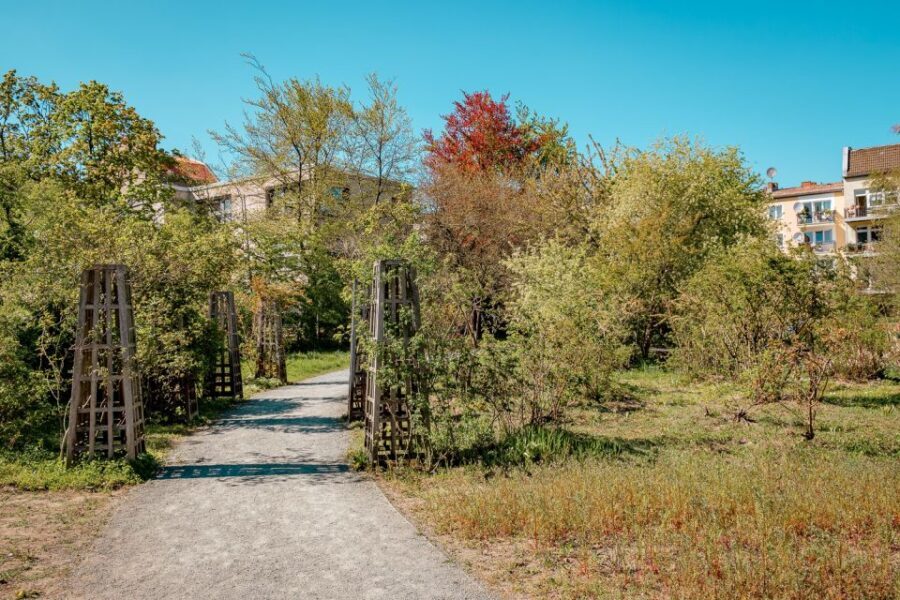
As you continue, the tour leans into identity through the process of change: renaming in Neukölln, the Czech partnership, and Richardstrasse.
Renaming sounds administrative, but it’s actually emotional. A name change can reflect political shifts, community visibility, and how a city decides to frame its past. By walking along the places where these shifts left traces, you get a more grounded understanding than you’d get from a generic historical explanation.
The Czech partnership piece helps show that community relationships don’t stay trapped in museums. They can continue through ongoing connections—official or cultural—that keep older threads from snapping completely.
Richardstrasse helps you translate all of this into something you can walk. Street after street becomes a timeline: a physical route where different eras leave their signatures.
Friedrich Wilhelm I Memorial and the Bohemian villages idea
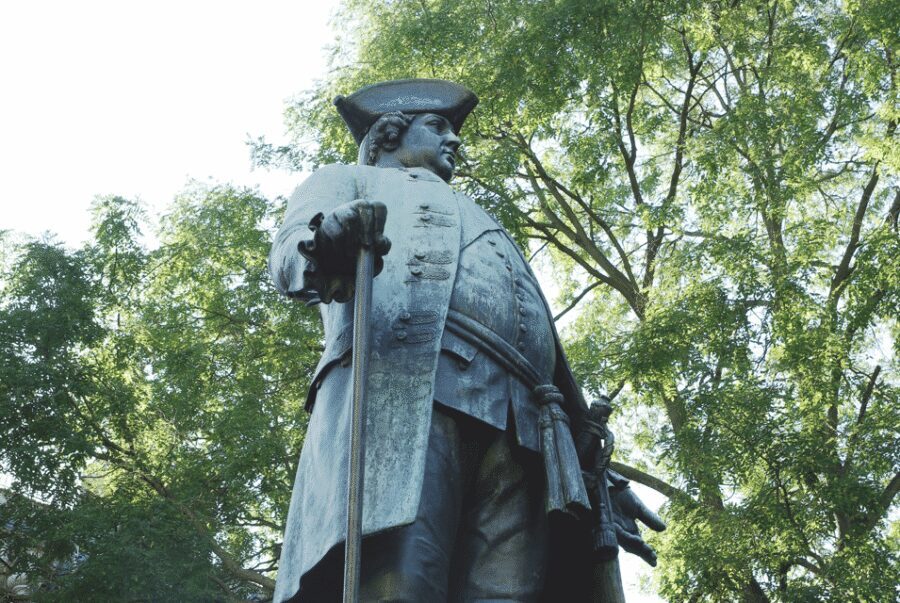
The tour also features a Friedrich Wilhelm I Memorial plus stops that connect to Bohemian villages. This part can be a gentle reminder that neighborhoods are shaped by many forces—local communities, government decisions, and larger historical currents that don’t always feel “local” at the start.
For me, the value here is how the guide uses contrasts. You’re moving between memorials and community references, between formal history and everyday neighborhood life. That mixture is part of why the tour feels like you’re learning how Berlin works, not just learning dates.
And by the end, the tour aims for a specific result: you’ll feel that Rixdorf is more than just a label like Bohemian village. You’ll have the context to understand why that label was used, and what the place actually was to the people living there.
90 minutes, private group: value math and how to get the most
At $70 per group (up to 6 people) for 90 minutes, this is one of those Berlin values that makes sense if you’re traveling with friends, family, or even just one or two people who want control over the pace. If you split it across a full group of six, you’re looking at roughly $12 per person for a guided experience, which is a strong deal for an area-walk with a named guide.
Even if you’re only part of the group size, the cost structure still tends to work better than many per-person walking tours, especially because the group is private. That private format matters because it encourages questions and lets the guide tailor the storytelling to what you care about.
A small practical note: the tour isn’t suitable for people with mobility impairments. If that’s relevant for you, you’ll want to choose a different format or ask about alternatives before booking.
If you want your day to be smooth, I’d plan to go right after arriving in Berlin or before you hit big sightseeing blocks. This tour is excellent for building local context. It helps you get your bearings fast in a part of town that can be hard to understand from a guidebook alone.
Who should book this walking tour
Book it if you want Berlin that’s not just landmarks and museum captions. This is for people who like neighborhood stories, street-level history, and a guide who has a point of view.
It also fits well if:
- you’re curious about Neukölln’s Czech/Bohemian connections
- you enjoy guides who explain how names and institutions matter
- you prefer a private walk where you can set the pace
If you’re only interested in classic Berlin icons or you want a strictly chronological history lesson, you might find this tour less aligned with your expectations. But if you like walking stories, it’s a very smart choice.
Should you book Berlin: Old Neukölln Private Walking Tour?
I’d recommend booking this if you want a more human Berlin. Reinhold Steinle’s approach centers on correcting the usual reputation of Neukölln, and the humorful, story-driven style is exactly what makes the neighborhood feel understandable instead of intimidating.
It’s also a good call for value. Paying for a group up to six is a budget-friendly way to get a focused experience that stays in one area for 90 minutes instead of scattering your attention across the city.
If mobility is an issue for you, skip it and look for another option. Otherwise, show up at Richardplatz, wear shoes for walking, and let the neighborhood names do their work—you’ll leave seeing Old Neukölln with new eyes.
FAQ
What is the meeting point for the Old Neukölln private walking tour?
You meet at Richardplatz 22, 12055 Berlin Neukölln, next to the small church.
How long is the tour?
The tour lasts 90 minutes.
How much does the tour cost?
It costs $70 per group, up to 6 people.
Is this tour private?
Yes, it’s a private group tour.
What language is the guide?
The live tour guide speaks German.
What is included in the price?
The guided tour is included.
Are food and refreshments included?
No, personal expenses and food and refreshments are not included.
Is the tour suitable for people with mobility impairments?
No, it is not suitable for people with mobility impairments.
What places does the tour visit?
The tour includes stops such as Richardplatz, Bethlehemskirche, Böhmischer Platz, Böhmische Gottescaker, KGB44, Richardstrasse, and Comenius Garten, along with other related landmarks and story points.