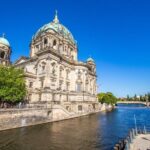
REVIEW · BERLIN
Berlin Off-the-Beaten-Path Walking Tour: Kreuzberg, Mitte and Friedrichshain
Book on Viator →Operated by Alternative Berlin Tours · Bookable on Viator
Berlin has a second, cooler face. This 4½-hour walk through Kreuzberg, Friedrichshain, Prenzlauer Berg, and Mitte gives you an insider look at the city’s food, music, and street art you’ll miss on the usual route. I love how the guide connects what you see on the street to Berlin’s counterculture, and I also like the built-in stops like Prater Garten. One heads-up: it’s a long outdoor day on your feet, so dress warm and be ready for some public-transport hops.
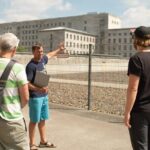
You’ll go with an English-speaking local guide (max 20 people), and the experience is built around questions and real neighborhood stories. From recent guide lineups you may hear names like Lee, Reese, Rhys, Arnie, Antonio, Jake, or Jason, and the common theme is lively, opinionated guiding rather than just reciting facts.
In This Review
- Key things I’d plan around
- Kreuzberg and Friedrichshain: why this walk feels different
- Meeting at Vapiano am Alex, then ending at Yaam Beach: pacing and transport reality
- Prater Garten and the street-food detour: what you can actually eat
- Turkish Kreuzberg and the Jewish quarter: community stories in real streets
- Urban farms, guerrilla gardens, and organic markets: Berlin’s DIY side
- The counterculture timeline you can walk through: protests to punk and May 1
- Love Parade, Yaam Beach, and the music-scene map
- Street art you’ll learn to read (not just photograph)
- The real value: what I think you’ll do differently afterward
- Price and who this tour fits best at $30.25
- Should you book this off-the-beaten-path Berlin walk?
- FAQ
- How long is the Berlin Off-the-Beaten-Path walking tour?
- What time and where does the tour start and end?
- How much does the tour cost?
- What is included in the price?
- Do I need a public transport ticket?
- Can I cancel for a full refund?
Key things I’d plan around
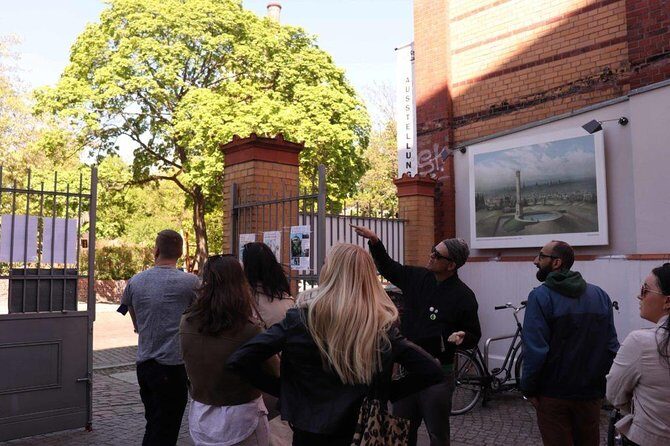
- Small group (up to 20) with an English-speaking local guide who steers the day by your questions
- A neighborhood mix that bridges Berlin’s old divide, from former West-leaning areas to former East-side scenes
- Food stops that explain Berlin street tastes, including currywurst and the doner kebab story (with optional purchases)
- Counterculture history you can see in the streets, from 1960s student protests to Baader-Meinhof-era tension and punk/May 1 riots
- Beer-garden and music-scene anchors, including Prater Garten and ending at Yaam Beach
- Street art viewing with context, so graffiti and murals feel readable, not random
Kreuzberg and Friedrichshain: why this walk feels different
This tour isn’t about big monuments. It’s about Berlin as it is today, plus the messy backstory that made it that way.
You’ll move through Kreuzberg and parts of Mitte and Friedrichshain—areas where everyday life has always mixed with alternative art, activism, and immigrant communities. That matters because Berlin’s “cool factor” doesn’t come only from design museums or WWII plaques. It comes from people taking space, making communities, and pushing back—sometimes peacefully, sometimes loudly.
I also like that the day doesn’t treat culture like a clean museum label. Instead, you’ll connect themes: how counterculture turned into street art, how music scenes fed identity, and how neighborhood change created new food traditions. The Turkish community in Kreuzberg, Berlin’s Jewish quarter, and the alternative creative spaces you’ll see along the way aren’t side notes. They’re part of the city’s center of gravity.
You can also read our reviews of more walking tours in Berlin


Meeting at Vapiano am Alex, then ending at Yaam Beach: pacing and transport reality
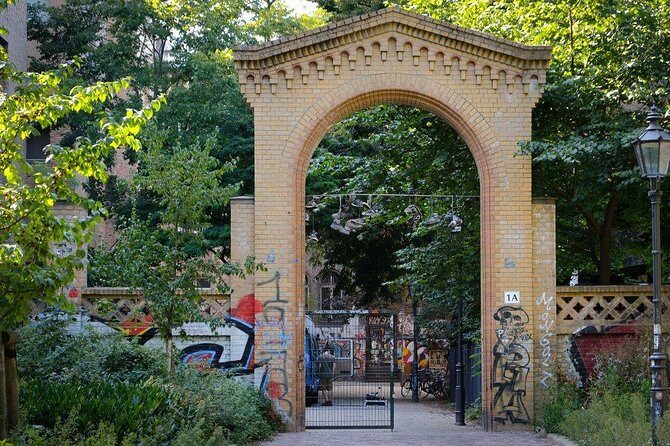
You start at Vapiano am Alex (Rathausstraße 6, 10178 Berlin) at 12:00 pm and finish at Stralauer Allee 34, 10245 Berlin—concludes at Yaam Beach.
Even though it’s a walking tour, it’s not “walk every step.” Plan for a mix. Some parts are on foot, and you may also take short tram or train segments to keep the route tight and cover more ground than you could alone. That’s part of why the tour feels efficient: you get neighborhood depth without spending the whole day crossing the city like a tourist marathon.
Two practical takeaways:
- Bring good walking shoes. You’ll cover a lot of street-level ground.
- Expect the finish time and exact ending point to be a bit flexible. Some groups have reported the day ending slightly farther along the route than the exact address printed on the ticket.
Weather is the other big factor. Several comments point out it can be cold and outdoors-heavy. If you’re booking in winter or shoulder season, bring layers and something windproof.
Prater Garten and the street-food detour: what you can actually eat
Berlin is famous for snacks that taste better when you’re standing right where the habit grew. This tour builds in food culture in a way that’s more useful than just a list of restaurants.
You’ll have a chance to try currywurst (at your own expense). It’s a classic: fried sausage topped with curry-flavored ketchup. The real value here is the explanation behind it—why these flavors and street snacks became part of Berlin’s everyday identity.
You’ll also hear about doner kebab—Turkish-style gyros that gained popularity in Berlin. Even if you skip buying anything, the story helps you “read” the neighborhoods. You start noticing how food markets and take-away counters link immigration, community, and business in a single street scene.
And then there’s Prater Garten. It’s known as Berlin’s oldest beer garden, and it’s a great contrast point. After walking through art and activism, this stop gives you a grounded, social Berlin moment. If you want to pause, hydrate, and reset your brain, this kind of stop is perfect.
Food logistics in plain terms:
- Food and drinks are not included.
- You can treat the food stops as optional add-ons, but plan a little spending budget if you want to sample.
Turkish Kreuzberg and the Jewish quarter: community stories in real streets
Kreuzberg is one of Berlin’s most layered districts, and this tour uses that layering well. You’ll explore the thriving Turkish community that calls the area home, plus stops connected to Berlin’s Jewish quarter.
What you’ll get isn’t just “this is multicultural.” You’ll see how communities shape street life: where people gather, what storefronts look like, how markets and local culture create a sense of belonging. And you’ll hear how history and politics left traces that still show up in how neighborhoods feel.
If you’re used to Berlin being described mainly through big historical events, this section is a reminder that history keeps happening at street level. People build traditions. People keep languages. People bring food. People also fight for space—socially and politically.
Urban farms, guerrilla gardens, and organic markets: Berlin’s DIY side
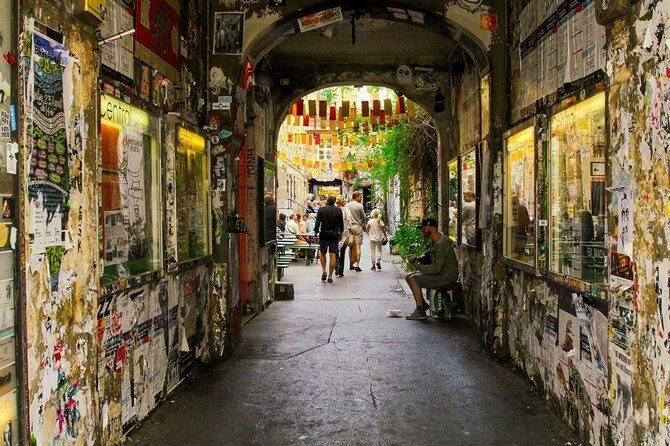
One of the strongest “walk-and-see” parts of this route is the focus on growing things—urban farms, guerrilla gardens, alternative art spaces, and organic markets.
These details matter because they tell a story about how Berliners use leftover space. When the city changes quickly, empty lots and rough edges become opportunities. Guerrilla gardens are a perfect example: not official at first, but real, practical, and rooted in local initiative.
This is also where the tour feels current. Berlin’s creative scene isn’t only music and graffiti. It’s also gardening, organizing, and building small systems that make life better. You’ll walk past signs of that growing popularity and you’ll start understanding why “alternative” in Berlin often means “someone made this work.”


The counterculture timeline you can walk through: protests to punk and May 1
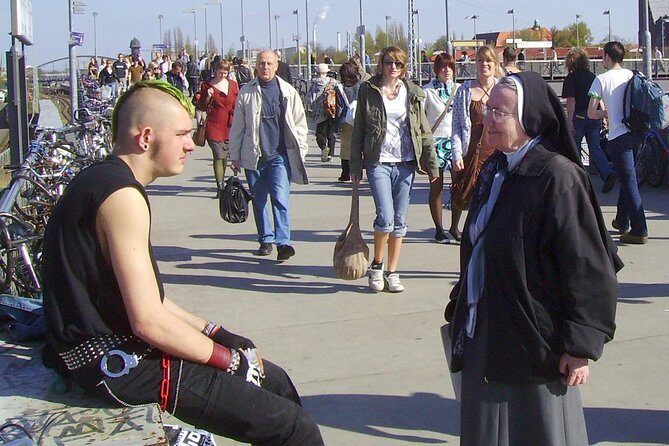
Berlin’s modern identity is tied to dissent. This tour gives that angle without forcing it into a classroom.
You’ll learn about the 1960s student protest movement, the rise of the Baader-Meinhof group in the 1970s, and how punk and May 1 riots took off in the 1980s. Those names are heavy, but the point of placing them in these neighborhoods is easier to grasp: you’re not just memorizing. You’re connecting events to environments where people gathered, argued, and pushed back.
A balanced way to approach this section: listen for the patterns. What you’re really seeing is a city where ideas have consequences, and street life has a political edge. That’s why street art and music scenes matter here—they’re part of the same language of resistance.
Also: this part tends to be more talk-heavy than photo-heavy. If you like stories with context, you’ll probably love it. If you prefer quiet sightseeing, you may need to take quick photo breaks between stops.
Love Parade, Yaam Beach, and the music-scene map
After the protests and the punk-era stories, the tour shifts into music and art—because Berlin’s counterculture didn’t stay stuck in politics. It turned into sound and style.
You’ll hear about the Love Parade, a famous electronic dance music festival. It’s a key reminder that music in Berlin isn’t just entertainment. It’s identity. It’s also a way groups found each other—especially in eras when mainstream society wasn’t offering much space.
Then you’ll end at Yaam Beach (Stralauer Allee 34), where the vibe is tied to reggae, hip-hop, and rasta fans. The “why” is the important part: this kind of scene shows how diverse communities shape Berlin’s creative output, not from a distance, but in shared public space.
If you want to keep the energy going after the tour, Yaam Beach is a smart ending point. You can linger, grab a drink or snack on your own time, and watch the neighborhood’s cultural mix keep playing out.
Street art you’ll learn to read (not just photograph)
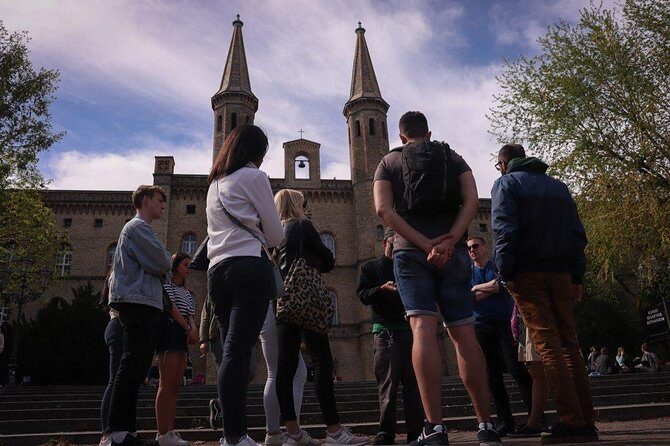
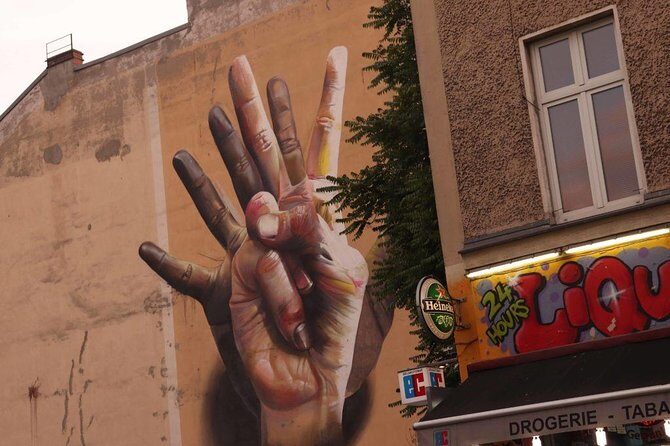
Berlin street art can look like pure decoration—until someone explains what it’s responding to. This tour helps you see murals and graffiti in context, linking them to the neighborhoods’ creative and subcultural history.
Here’s the practical value: you start noticing details you would’ve skipped. The placement of a piece, the style of lettering, how a mural relates to the surrounding alleyway or corner—those choices tell you what kind of message it’s carrying.
And since the tour is specifically built around Kreuzberg and Friedrichshain street-level culture, the art doesn’t feel like a random sightseeing checklist. It feels like part of the city’s ongoing conversation.
One more note from the tone of the guiding: expect anecdotes. Some guides bring a mix of humor and pointed history, so the art stops often turn into story stops. That keeps the route moving and makes photos easier to take after you understand what you’re seeing.
The real value: what I think you’ll do differently afterward
A good city guide doesn’t just show you places. They change how you navigate the city next.
By the time you reach Yaam Beach, you should have a clearer map of Berlin’s “creative neighborhoods” logic:
- Why certain streets feel more alternative
- How communities shape what shows up in public space
- How music and protest history connect to art
- Which areas deserve your own follow-up walk the next day
Another practical win: you’ll leave with recommendations and tips on what to do next. That’s especially helpful in Berlin, where you can easily burn a day bouncing between tourist sights without learning how the city works.
Price and who this tour fits best at $30.25
At $30.25 per person for about 4 hours 30 minutes, this isn’t an expensive day in Berlin—and it can be great value if your goal is understanding how modern Berlin formed.
Why the price can feel worth it:
- You get an English-speaking local guide for half a day of walking and storytelling.
- The route is designed to cover multiple districts, including areas most visitors skip.
- Stops like Prater Garten and the ending at Yaam Beach give you built-in structure and a memorable finish.
What might make it feel less perfect:
- Food and drinks are extra.
- You’ll want an AB public transport ticket, which adds a small cost and planning step.
- If you hate walking outdoors for long stretches, this may not match your travel style.
Who it suits best:
- You like neighborhoods with real people and visible culture.
- You want history that feels grounded in everyday life, not just official sites.
- You enjoy street art, music, and counterculture stories.
- You’re the kind of traveler who will ask questions and linger for a few good details.
Should you book this off-the-beaten-path Berlin walk?
If you want the “real Berlin” version—food culture, street art, music scenes, and counterculture history tied to actual neighborhoods—this is a strong choice.
Book it if:
- You’re staying in central Berlin and want a focused neighborhood sweep.
- You’re curious about Kreuzberg and the ways multiple communities shape the city.
- You want a guide who makes you look at streets differently.
Skip it (or at least reconsider timing) if:
- You get cold easily or don’t enjoy long outdoor walks.
- You’d rather spend your time on major landmarks instead of gritty, creative districts.
- You dislike adding extra logistics like public transport tickets.
If you do book, do two things: pack layers and get your transit ticket plan sorted. Then bring curiosity. This tour works best when you treat the streets like an open book.
FAQ
How long is the Berlin Off-the-Beaten-Path walking tour?
It lasts about 4 hours 30 minutes (approx.).
What time and where does the tour start and end?
It starts at 12:00 pm at Vapiano am Alex, Rathausstraße 6, 10178 Berlin, and it concludes at Yaam Beach, Stralauer Allee 34, 10245 Berlin.
How much does the tour cost?
The price is $30.25 per person.
What is included in the price?
You get an English-speaking local guide. Food and drinks are not included.
Do I need a public transport ticket?
An AB public transport ticket is required for the tour, and a day pass is recommended.
Can I cancel for a full refund?
Yes. You can cancel up to 24 hours in advance for a full refund. If you cancel less than 24 hours before the start time, the amount paid won’t be refunded.