REVIEW · BERLIN
Berlin: Alternative Berlin Walking Tour
Book on GetYourGuide →Operated by Alternative Berlin Tours · Bookable on GetYourGuide
Berlin has another face. On this 4-hour walk, the stories shift from monuments to street-level culture and neighborhoods like Mitte and Kreuzberg. Guides like Rhys and Antonio are often praised for mixing humor with local context, which is exactly what keeps this route from feeling like a standard sightseeing loop.
I like how you get street life, not just theory. You’ll spend time in café and local shopping areas in Prenzlauerberg and Mitte, then keep rolling through multicultural districts with community stops in Kreuzberg. I also like the food-history angle, from the origins of Berliner Currywurst and döner to the Prater Beer Garden story.
One consideration: this tour can be fast-paced, so it may not be a great fit if you need slower walking or lots of long rests.
In This Review
- Key things that make this alternative Berlin walk worth your time
- Meet at Alexanderplatz: start where Berlin is loud and practical
- Mitte on foot: Prenzlauerberg cafés, canals, and the art of making space
- When the tour turns toward Kreuzberg, the city changes tone
- Underground galleries and urban farms: why Berlin does alternatives in daylight
- Food history that isn’t cheesy: currywurst, döner, and Prater Beer Garden
- The end stretch toward Friedrichshain: finishing with more of the East in view
- Why the guide matters more on this tour than on most
- Photo breaks and local tips: small perks that keep the day smooth
- Price and logistics for a $29, 4-hour alternative Berlin walk
- Who this alternative Berlin tour suits best
- Should you book this alternative Berlin walking tour?
- FAQ
- How long is the Berlin Alternative Walking Tour?
- Where do I meet for the tour?
- Where does the tour end?
- Is the tour in English?
- Does the tour run in bad weather?
- How much does the tour cost?
- Do I need a metro ticket for this tour?
- What if I don’t want to buy the AB metro ticket in advance?
- What is included in the tour price?
Key things that make this alternative Berlin walk worth your time
- Starting at Alexanderplatz TV Tower in front of Vapiano, so you’re in the city fast, not wandering first
- Mitte-to-Kreuzberg route that favors real neighborhoods over only the postcard stops
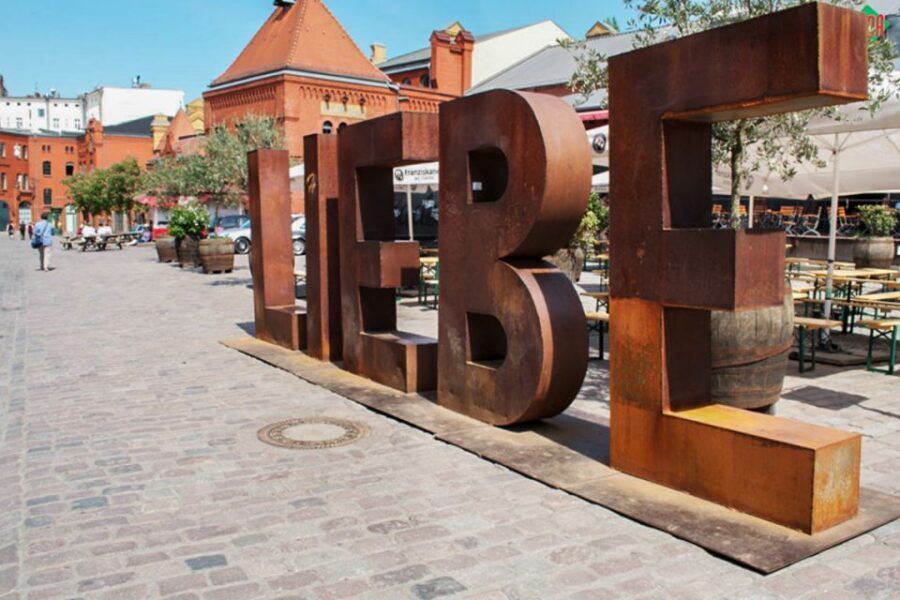
- Underground galleries and street art you can actually see up close while walking
- Café culture, canals, and urban farms that explain why Berlin feels experimental even when it’s calm
- Food origin stories tied to currywurst, döner, and Prater Beer Garden
- Kreuzberg community stops spanning Turkish streets, African communities, and former Jewish community sites
Meet at Alexanderplatz: start where Berlin is loud and practical
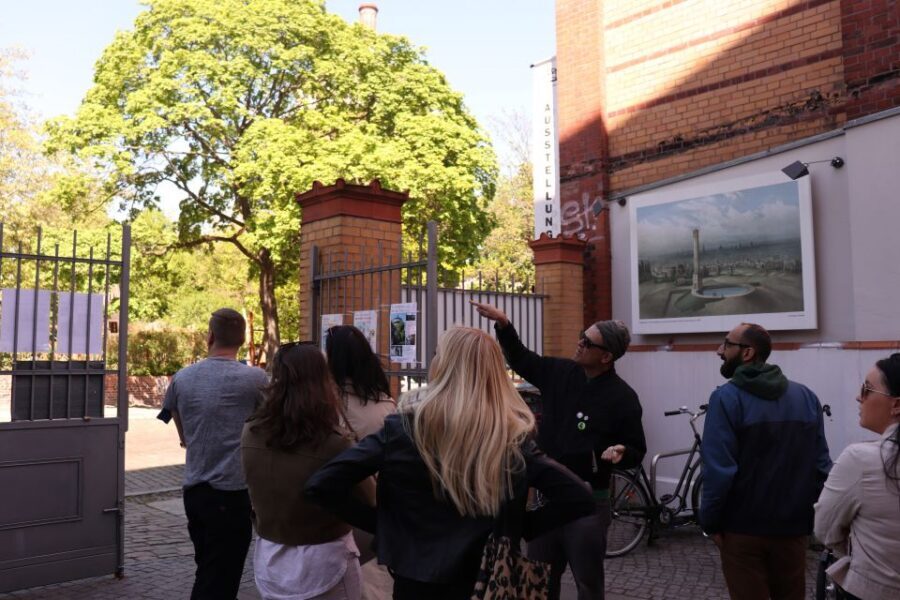
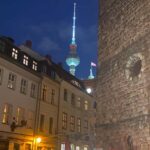
You meet at Alexanderplatz TV Tower, right in front of Vapiano. That matters more than it sounds. Alexanderplatz is easy to reach, and it gives you a “real Berlin” launch point right away, rather than starting in some quiet pocket that’s only good for photos.
The tour is designed for a 4-hour walking format, so plan to wear shoes you can live in. This isn’t the kind of tour where you pop in and out of a building every 10 minutes. You’re on foot, taking in layers of the city as you move from Mitte toward Kreuzberg and end farther east.
Also, the tour runs in all weather and all year round. Berlin weather doesn’t care about your itinerary. If it’s raining or cold, the best move is dressing for outside time so you can keep pace.
You can also read our reviews of more walking tours in Berlin


Mitte on foot: Prenzlauerberg cafés, canals, and the art of making space
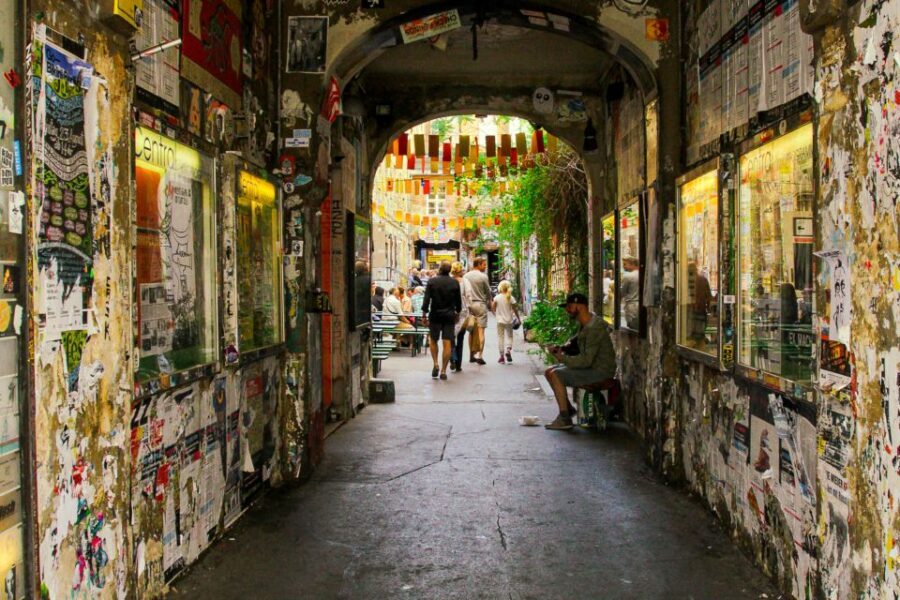
Mitte is where Berlin’s “alternative” often looks like everyday life. This part of the route focuses on the feel of neighborhoods like Prenzlauerberg and Mitte, including café districts and local shopping streets where locals actually hang out.
One of the strongest reasons to do this section with a guide is that you start noticing patterns. Berlin’s identity isn’t one thing. It’s old neighborhoods shaped by new ideas, with community projects and design habits showing up in places tourists often ignore.
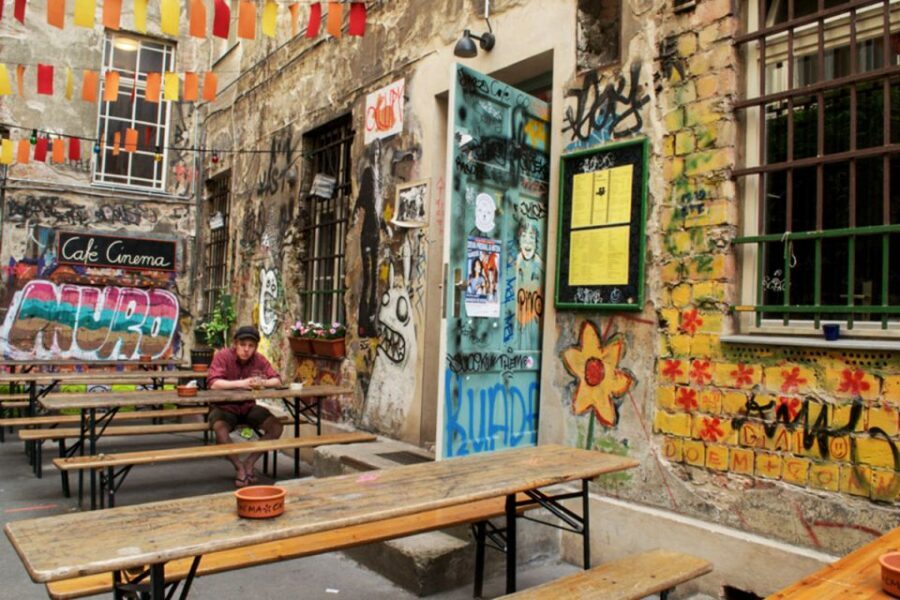
In this first stage, you also get time for underground galleries, plus quieter scenes like canals. That blend is smart because it helps you connect the dots. Street art isn’t just decoration; it’s part of a wider culture of using walls, basements, and public space for expression.
You may also see elements tied to community-driven projects, including urban farming that’s described as community funded. That’s a Berlin theme: people turning unused space into something useful, and doing it together.
When the tour turns toward Kreuzberg, the city changes tone
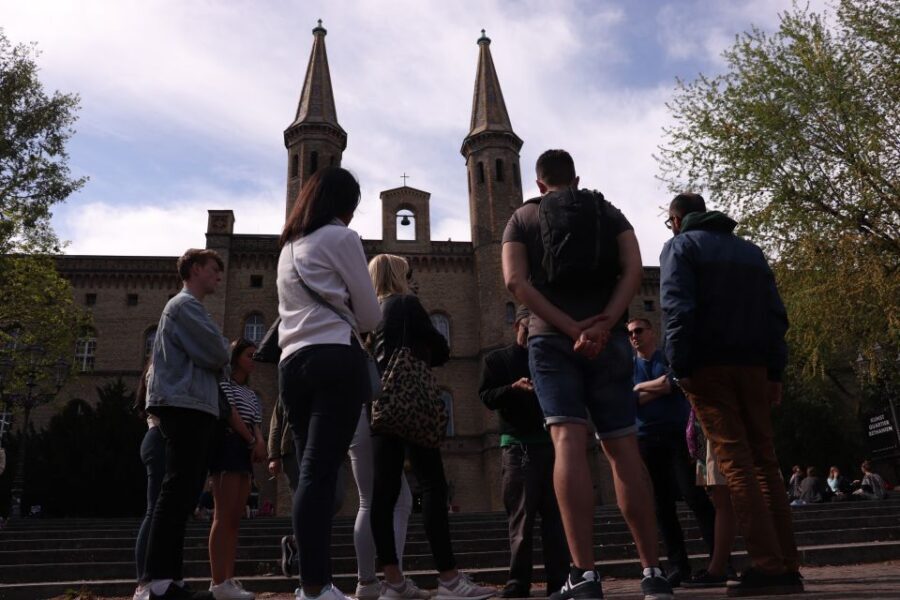
Crossing into Kreuzberg is where the vibe shifts in a very Berlin way. You’re moving into a part of the city known for being multicultural and liberal-minded, and the tour leans into that instead of trying to flatten it into one narrative.
This segment includes a focus on Turkish neighborhoods in Kreuzberg. You also get stops connected to Berlin’s African communities and a reference to former Jewish community presence. The point isn’t to turn those topics into trivia. The point is to show how multiple communities helped shape how Berlin lives today.
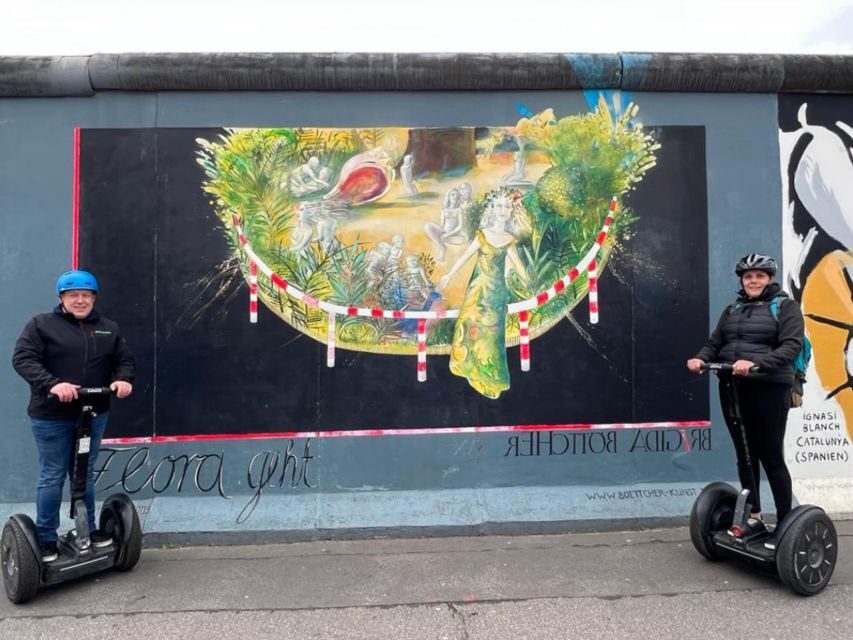
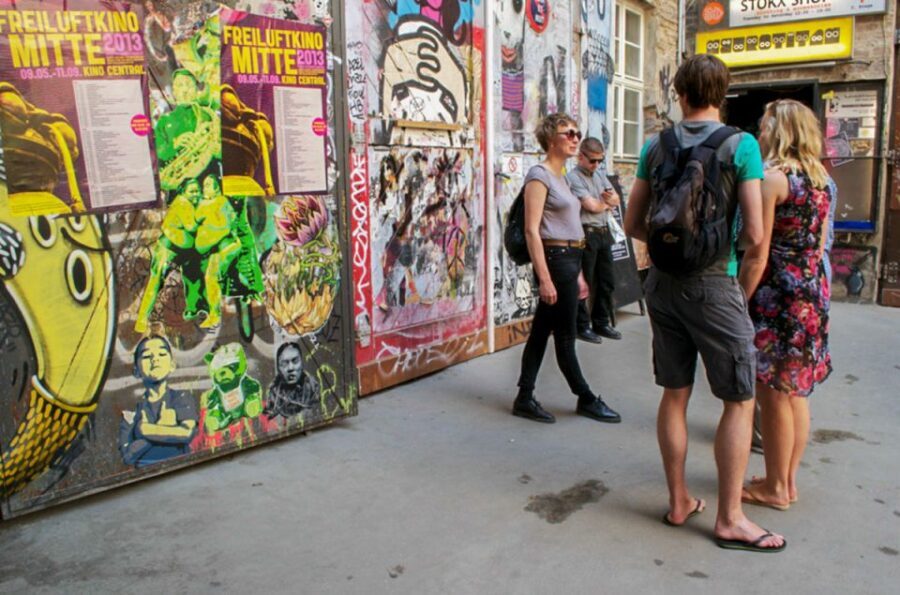
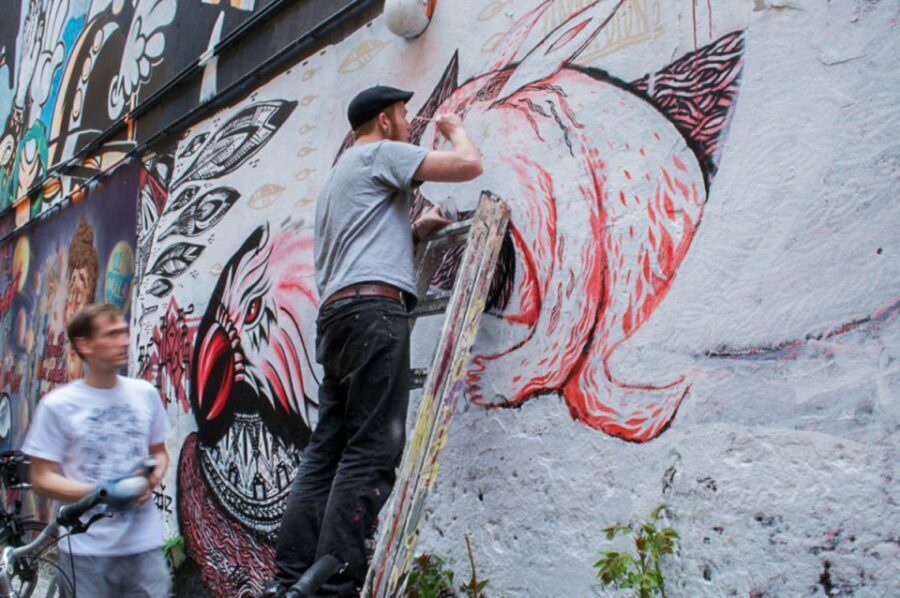
And yes, you get street art and graffiti up close. Walking matters here. From a distance, street art can look random. Up close, you can see how it sits in the street, how it responds to the walls and the block, and how the area’s story shows through.
You’ll also hear about Berlin’s LGBTQ+ history, with a stop in the city’s colorful gay community. The tour doesn’t treat this as a side note. It’s woven into the idea that Berlin tolerates experimentation in public, not just in history books.
Underground galleries and urban farms: why Berlin does alternatives in daylight
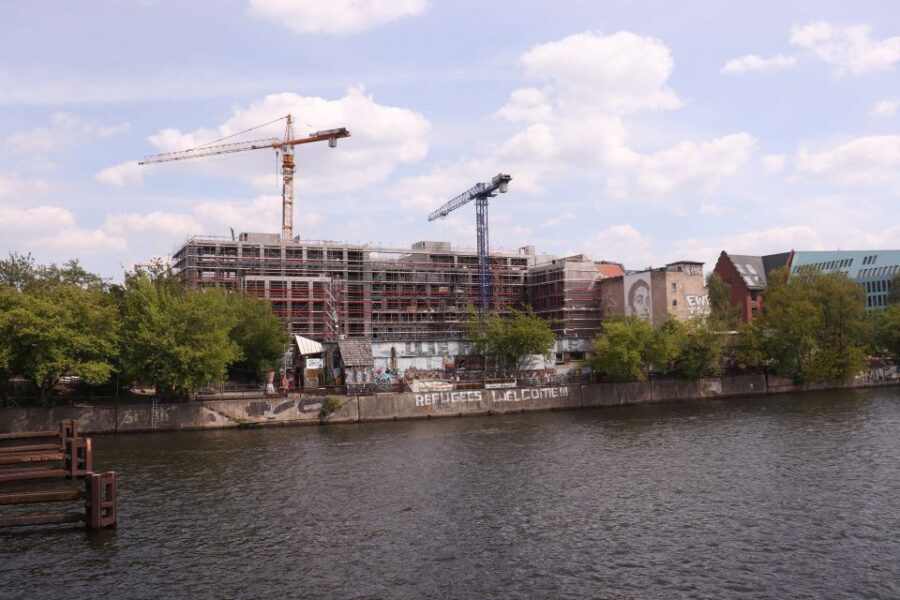
A lot of cities have counterculture. Berlin’s twist is that it often shares space with regular life. That’s why the tour spends time on things like underground galleries and community urban farms, rather than only underground clubs or hardcore activist history.
Underground galleries are a great example of how Berlin keeps layers. You’re not just seeing art. You’re seeing a culture that values building scenes in spaces that wouldn’t get attention in a more traditional city.
Urban farming (described as community funded) adds the same lesson in a different form. It’s about people solving problems with ideas and cooperation. Even if you don’t care about farming, you’ll care about what it says about how Berliners treat empty or neglected space.
If you like tours that explain why places feel the way they do, this is one of the routes that actually tries. The story connecting underground art, public walls, and community projects is the whole point of the alternative angle.
Food history that isn’t cheesy: currywurst, döner, and Prater Beer Garden
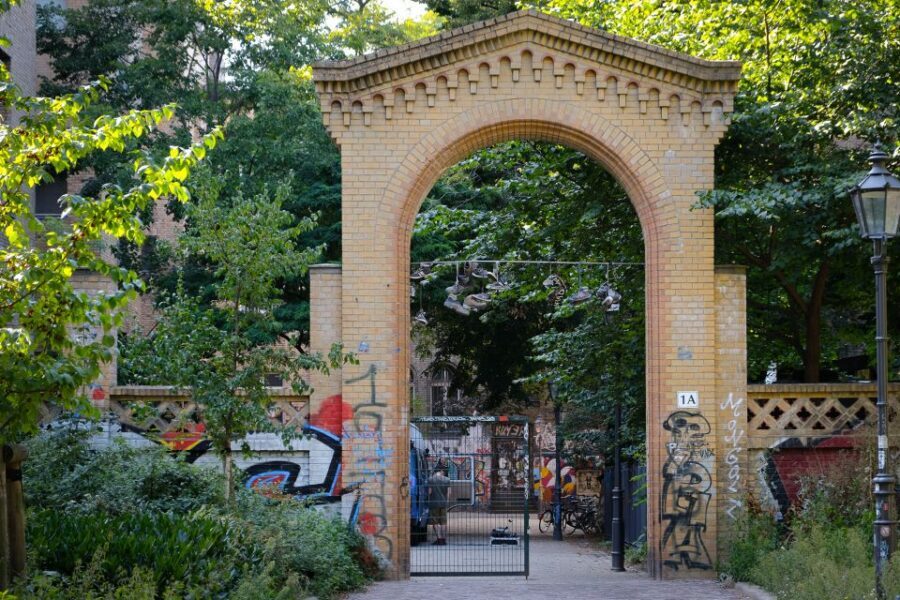
One part I really appreciate is that the tour doesn’t treat food as a random detour. It uses food origins as a window into Berlin’s cultural mixing.
You learn about the origins of Berliner Currywurst. You also cover döner, another Berlin staple with roots tied to migration and street-level life. And then there’s the Prater Beer Garden origin story, a reminder that beer gardens aren’t just for summer selfies—they’re social institutions.
This is also why a food-themed tour works better than it sounds. When you hear origins tied to neighborhoods, the smells and signs outside the tour become meaningful. You’re not just eating. You’re understanding how Berlin built its comfort foods.
On top of that, the tour includes refreshment breaks chosen for the route. Some guides also include a local fast-food stop where you can grab currywurst, depending on the exact flow of the day. In any case, plan for a snack rhythm during the walk, because you’ll be outside for a while.

The end stretch toward Friedrichshain: finishing with more of the East in view
The tour finishes in Friedrichshain. That’s a good ending location because it keeps you thinking eastward, not only center-city. Even if you’re staying somewhere else, Friedrichshain can be a practical place to branch off afterward.
In practice, this finish point helps you map Berlin beyond the classic center. You come away feeling like Mitte and Kreuzberg aren’t just “sections you saw.” They’re pieces of a bigger city that continues past where most people stop walking.
Why the guide matters more on this tour than on most
This style of tour lives or dies on the guide’s energy and clarity. The reviews for this experience are consistent on one thing: guides often keep people laughing while holding onto the thread of the city story.
Names that show up with high praise include Rhys, Antonio, Reece, Jake, Ben, Jonathan, and Damian. People specifically mention that guides keep groups engaged, adapt when it’s freezing or snowy, and stay audible even when the route gets loud.
There’s also praise for practical storytelling. One theme that comes up repeatedly is that the guide connects places with broader ideas like repurposing and how subculture turned into everyday infrastructure. That’s what makes you look at a wall, a shopfront, or a bar and think: this is how Berlin grew.
If you hate tours that feel like nonstop lectures, this one is built to avoid that. The pacing and the variety of stops help you stay interested for the full 4 hours.
Photo breaks and local tips: small perks that keep the day smooth

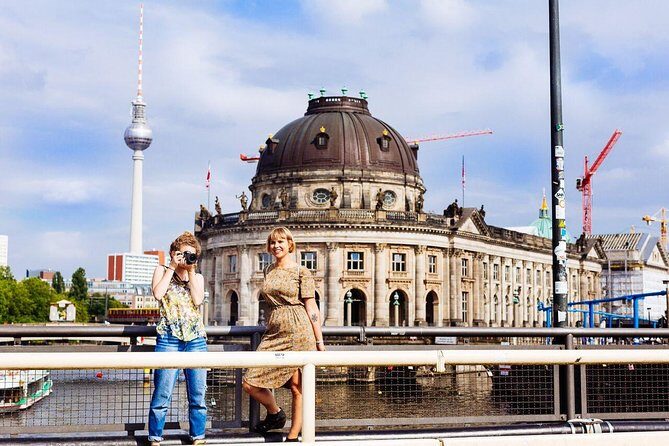
Included in the tour are refreshment breaks and photo opportunities picked for the route. That’s a real quality-of-life thing. Berlin streets are full of angles, but without guidance you might miss the best spots or lose time trying to figure them out yourself.
You also get local tips. That can mean different things depending on the guide, but in general it helps you turn the tour into a springboard. You’ll likely leave with suggestions for where to eat, what to see next, and how to understand neighborhoods after the walk ends.
The tour includes a live English guide, and the format is designed for an outdoor experience you can follow without needing extra museum tickets.
Price and logistics for a $29, 4-hour alternative Berlin walk
At $29 per person for 4 hours, the price is competitive for Berlin walking tours that include multiple neighborhoods and a real guiding component. What you’re paying for isn’t just motion. It’s interpretation: the guide turns streets and stories into something coherent.
Value depends on your travel style. If you want only landmark photos, this might feel less direct than a classic highlights tour. If you want to understand the city’s counterculture DNA, it’s a strong deal because it covers a lot of ground and connects themes, including food origins and community history.
On logistics, there’s one thing to watch: an AB metro ticket may be required depending on the exact route. The tour offer includes an option where BVG is included, which is the easier choice if you don’t want to figure out ticket rules on the spot. If you’re unsure, pick the option that removes stress.
Also remember this is an all-weather walk. Your best “budget move” is spending your energy on staying comfortable outside, not on stopping early because your hands are numb or your shoes are wrong.
Who this alternative Berlin tour suits best
This works best if you like your Berlin story grounded in daily life. You’ll probably enjoy it more than a strict museum crawl if you care about how communities shape neighborhoods over time.
It’s a great fit for:
- First-timers who already know some Cold War history but want the current Berlin identity
- People who enjoy street art, graffiti, and small-scale cultural spaces
- Visitors interested in multicultural neighborhoods beyond the headline narrative
- Anyone who likes guides who blend humor and context, not just facts
It may not be the best fit if you need lots of slow breaks. The pace is a theme in the feedback, and the route is built for walking between several areas.
Should you book this alternative Berlin walking tour?
I’d book it if you want Berlin to feel like a living city, not a museum. The route’s mix of Mitte cafés, Kreuzberg community stops, street art, underground spaces, and food-origin stories is exactly the kind of combo that makes Berlin click.
I’d think twice if you prefer minimal walking or you expect mostly famous monuments. This tour is more about neighborhoods and subculture than postcard views. If you’re okay with that trade-off, $29 for a guided, multi-area experience that gives you a fresh lens on the city is a solid choice.
If you’re choosing between a classic highlights walk and something more local-feeling, this one is the better option for building a real sense of Berlin fast.
FAQ
How long is the Berlin Alternative Walking Tour?
The tour lasts 4 hours.
Where do I meet for the tour?
Meet at the Alexanderplatz TV Tower, in front of Vapiano.
Where does the tour end?
The tour finishes in Friedrichshain.
Is the tour in English?
Yes, it’s a live tour guide in English.
Does the tour run in bad weather?
Yes. Tours run in all weather and all year round.
How much does the tour cost?
The price is $29 per person.
Do I need a metro ticket for this tour?
An AB metro ticket is required depending on the current art and tour route.
What if I don’t want to buy the AB metro ticket in advance?
You can bring it with you or buy it at the station when needed. There’s also an option where BVG is included.
What is included in the tour price?
A tour guide, refreshment breaks, superb photo opportunities, and local tips are included.